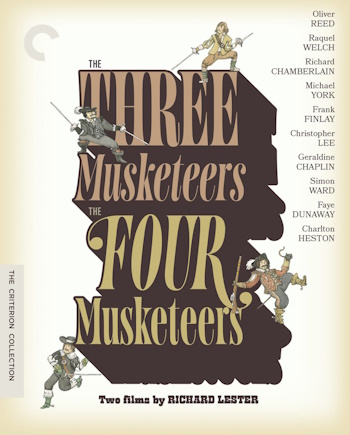
The Three Musketeers / The Four Musketeers: Two Films by Richard Lester
BUY AT:


See more details, packaging, or compare
Synopsis
Alexandre Dumas’s immortal tale of adventure and camaraderie received perhaps the finest of its numerous screen adaptations with this two-part swashbuckling spectacular from A Hard Day’s Night director Richard Lester. Featuring Michael York, Oliver Reed, Frank Finlay, and Richard Chamberlain as the swaggering swordsmen, who thrust and parry their way through courtly intrigue in seventeenth-century France, The Three Musketeers and The Four Musketeers are also graced with an all-star supporting cast that includes Raquel Welch, Faye Dunaway, Geraldine Chaplin, and Charlton Heston. Lester’s exuberant epic breathes new life into an oft-told classic through its boisterous slapstick invention, its meticulous attention to period detail, and a sense of pure, unbridled bravado that is thrilling to behold.
Picture 8/10
The Criterion Collection brings together Richard Lester’s The Three Musketeers and its sequel The Four Musketeers in a new 4K UHD edition, presenting each film on its own triple-layer disc in the aspect ratio of 1.85:1. Both are sourced from new 4K restorations performed by StudioCanal and are presented in 2160p/24hz ultra high-definition with Dolby Vision HDR. The included Blu-rays—dual-layer discs for each title—feature 1080p versions of the restorations and house all of the release’s special features.
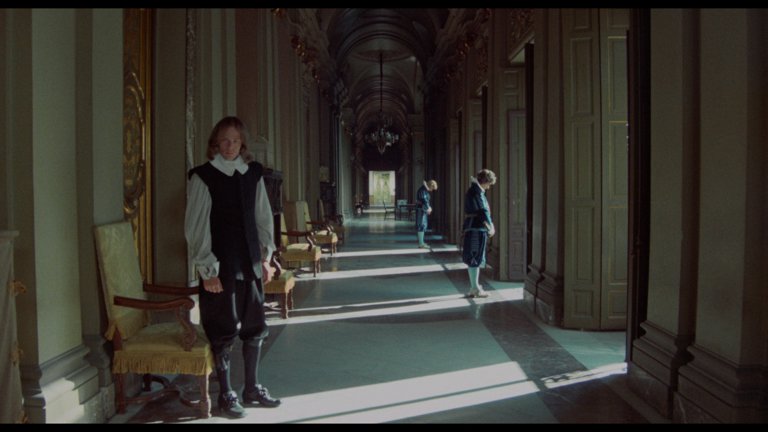
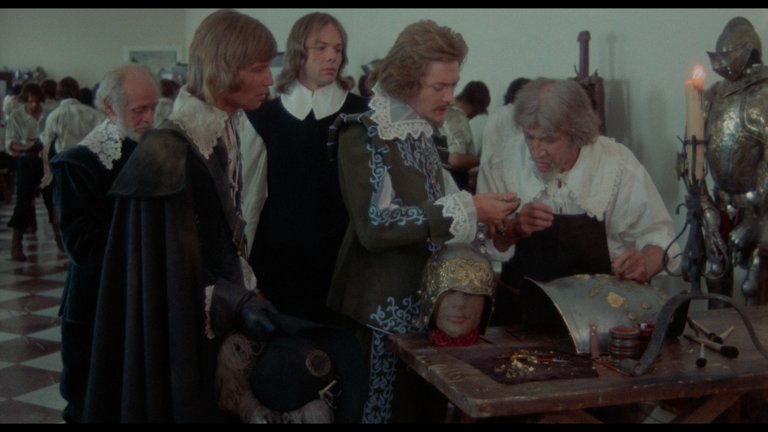
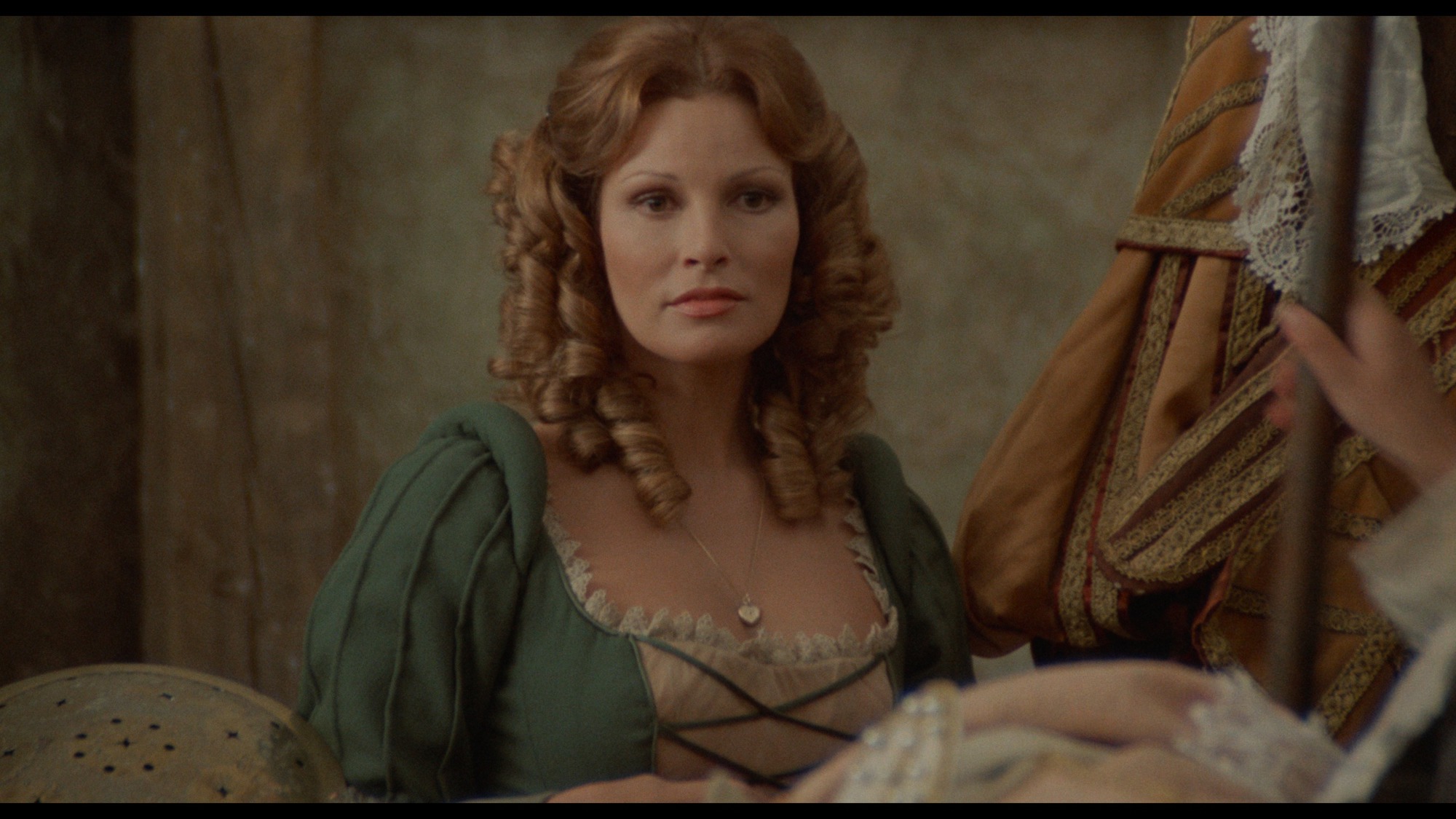
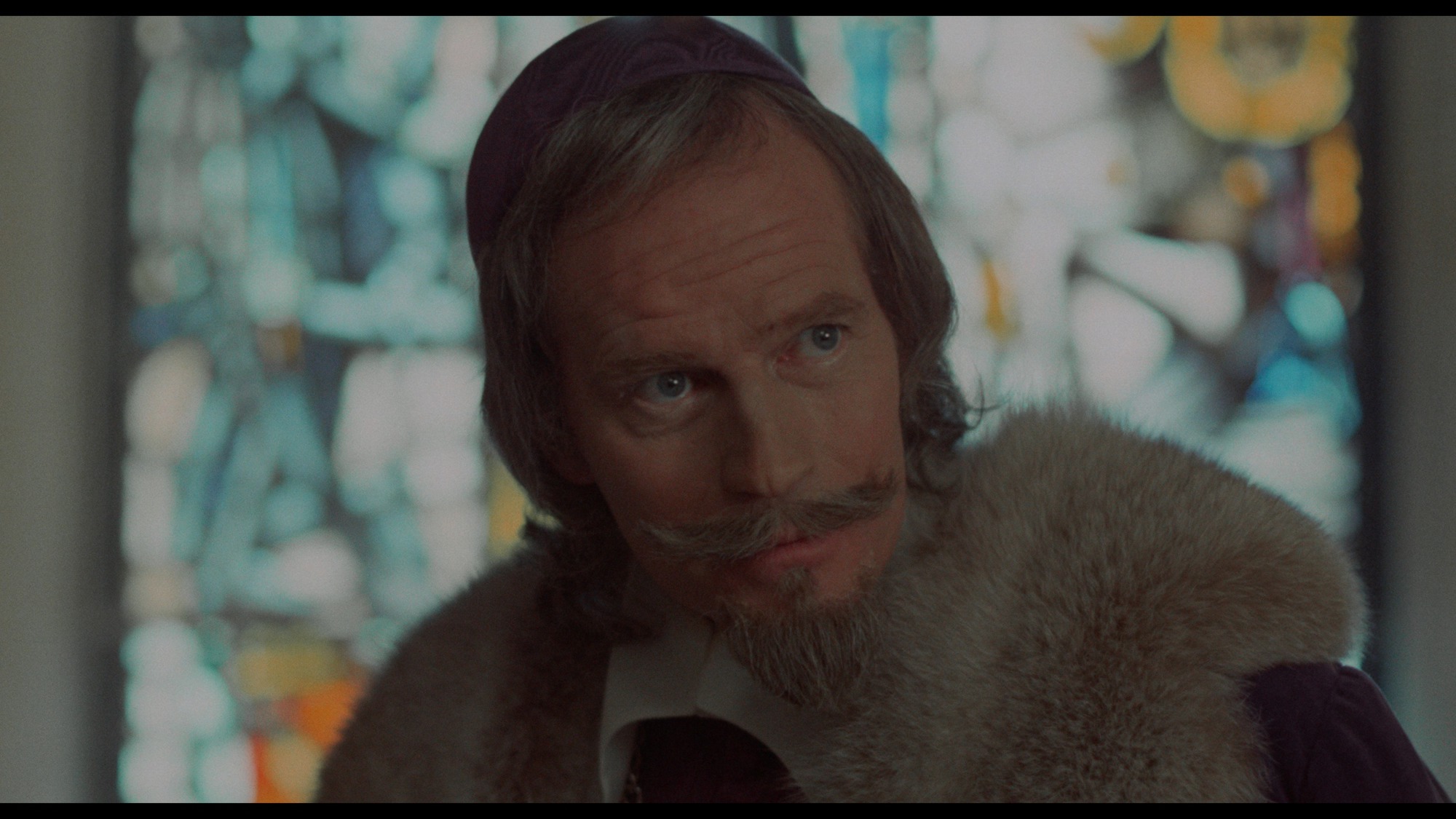
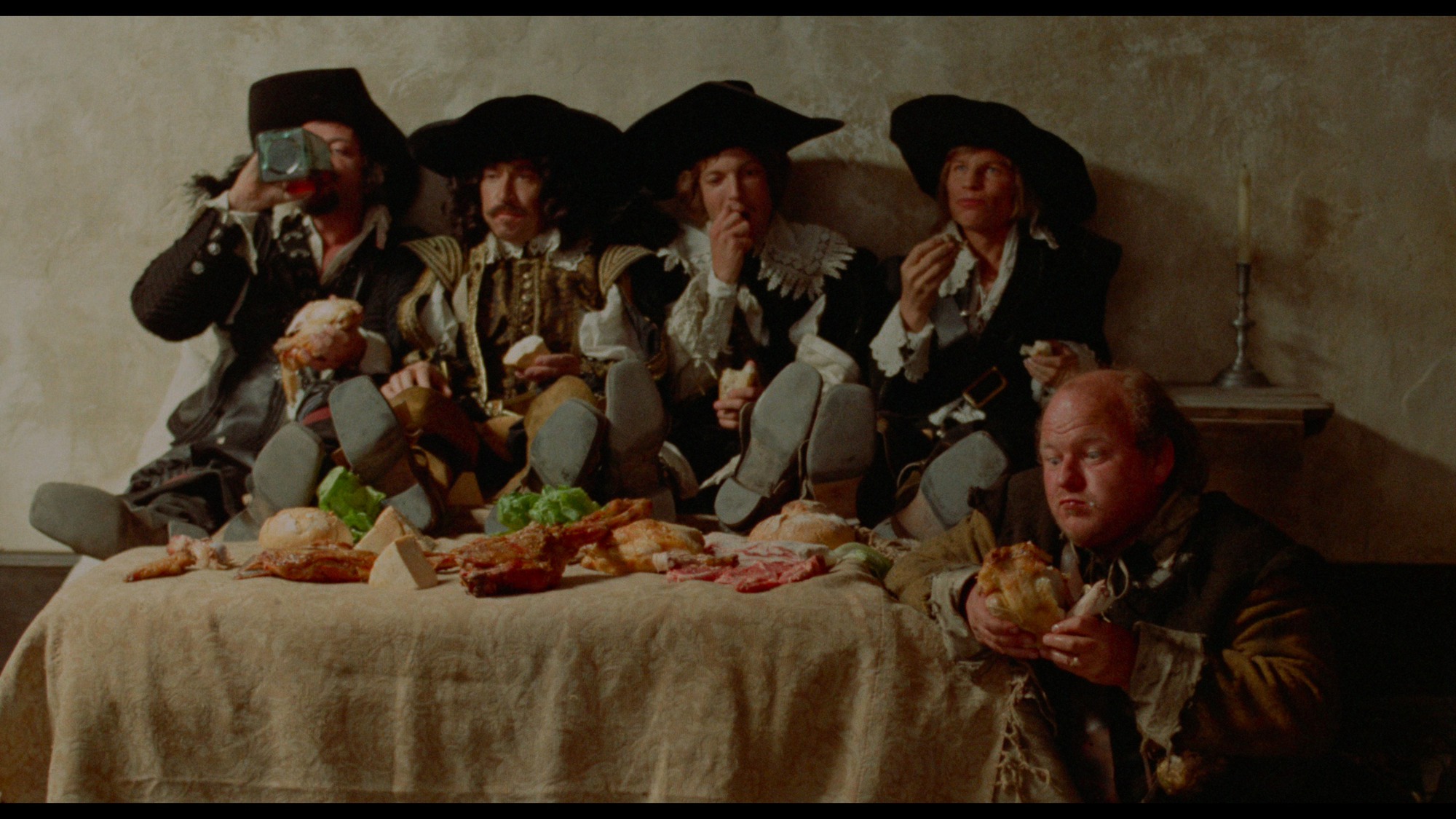
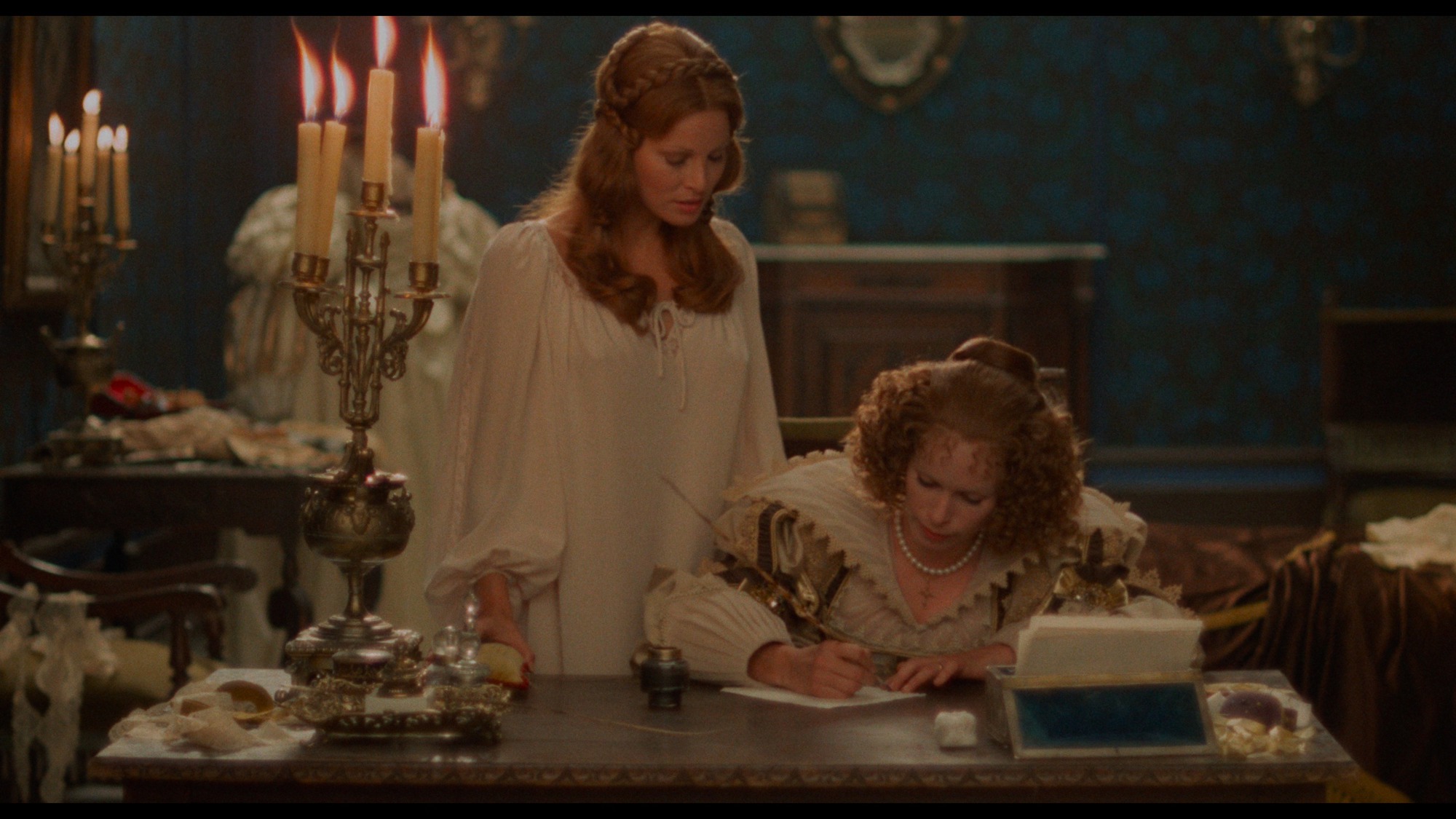
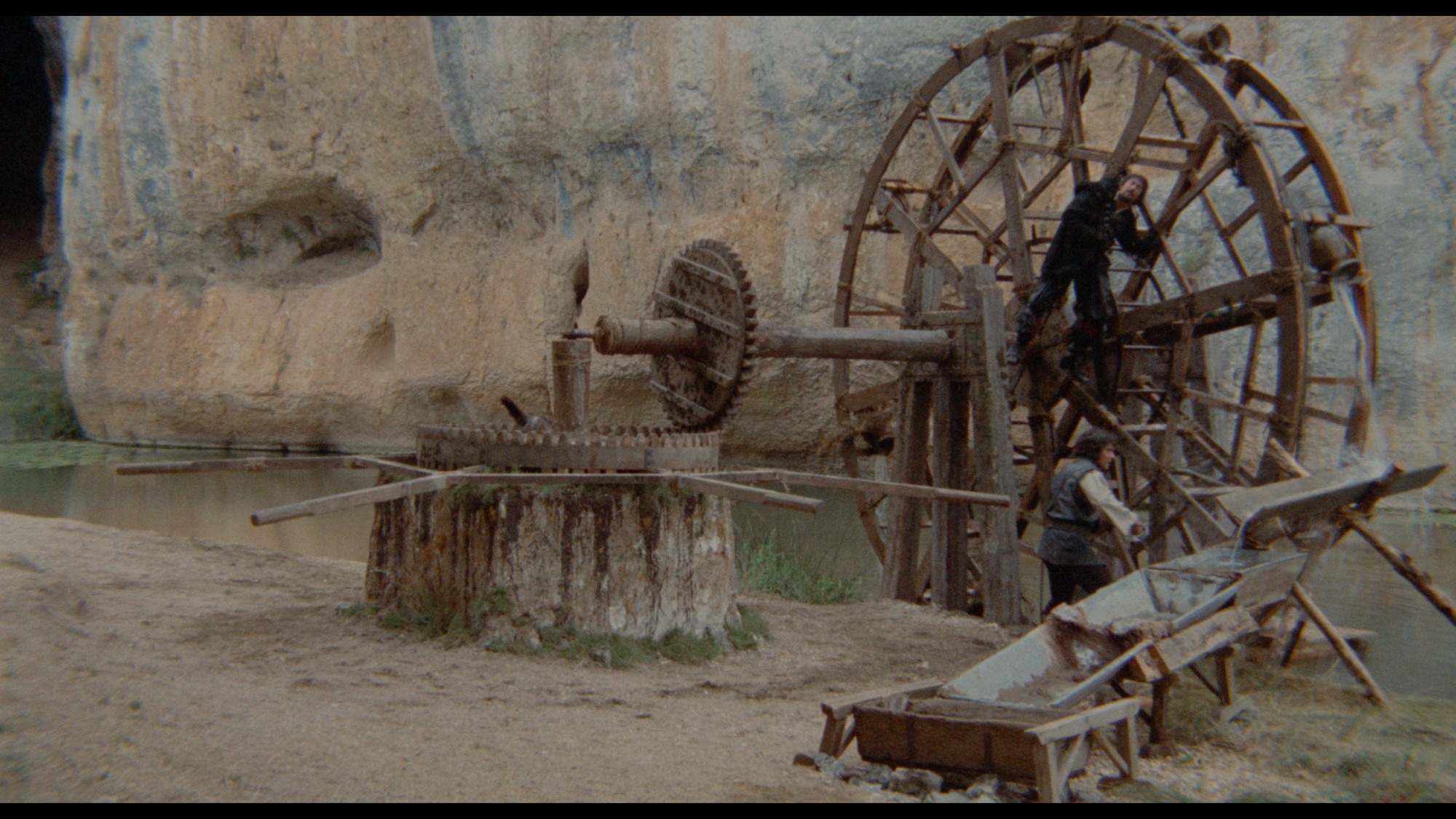
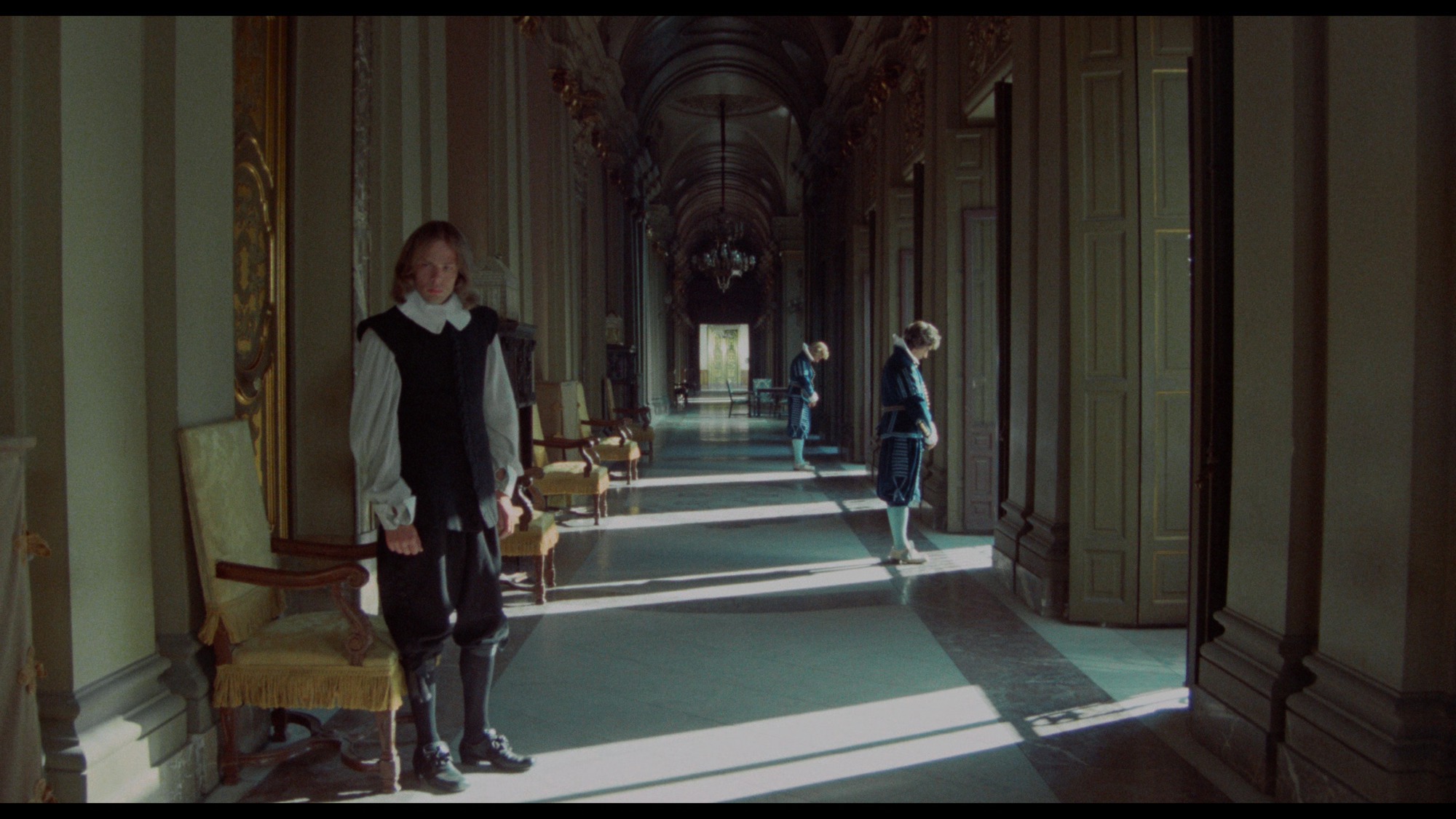
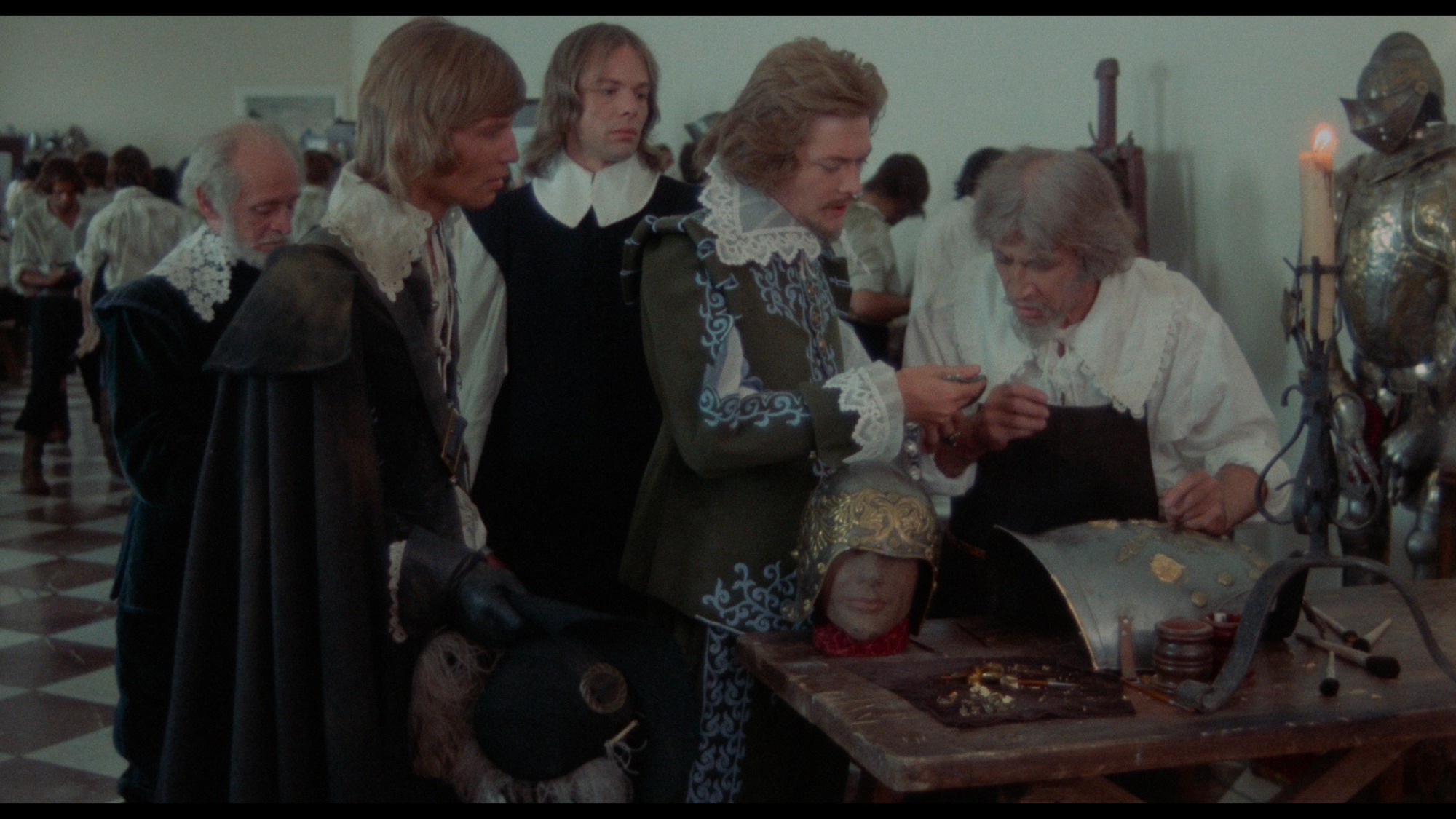
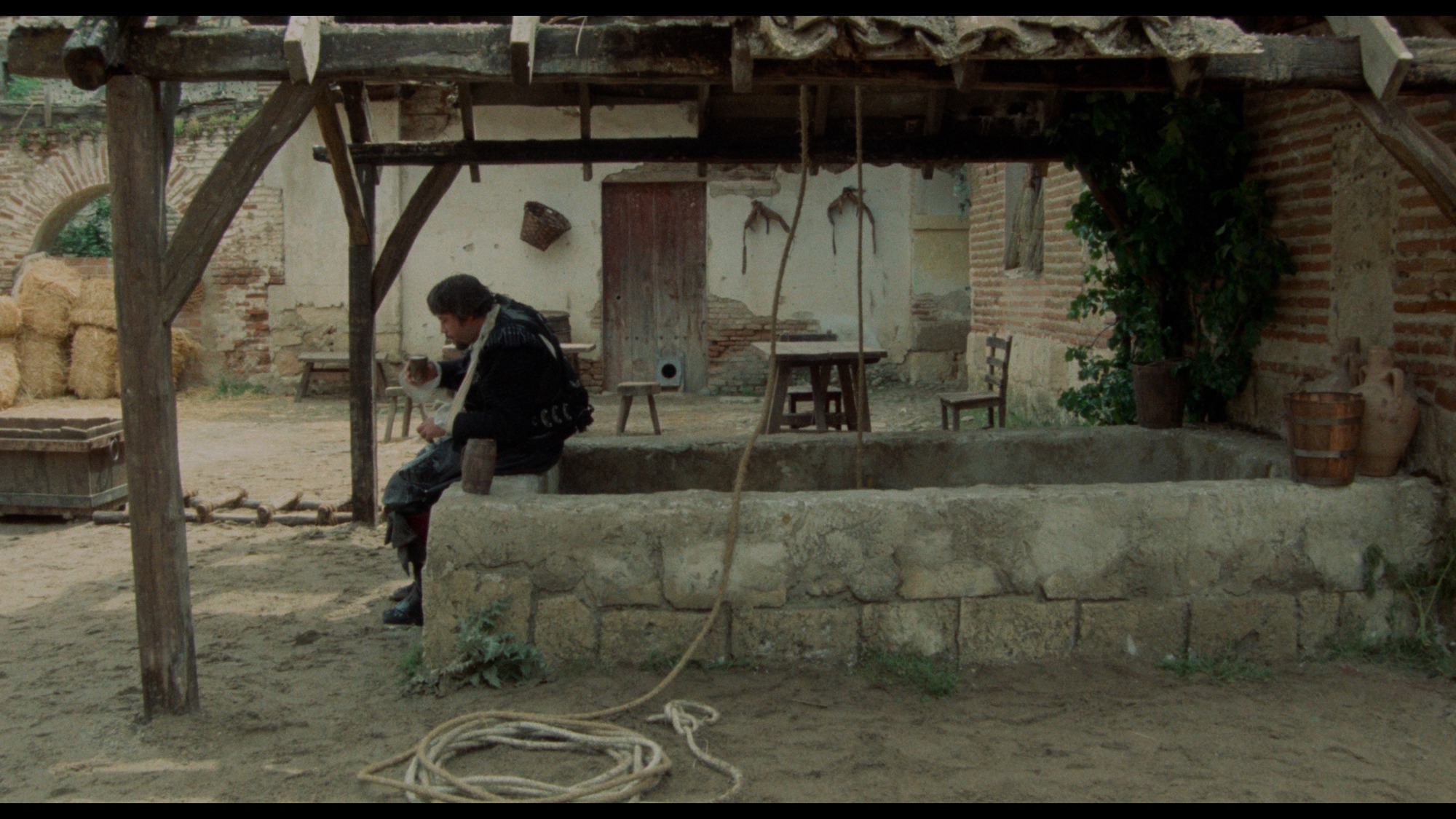
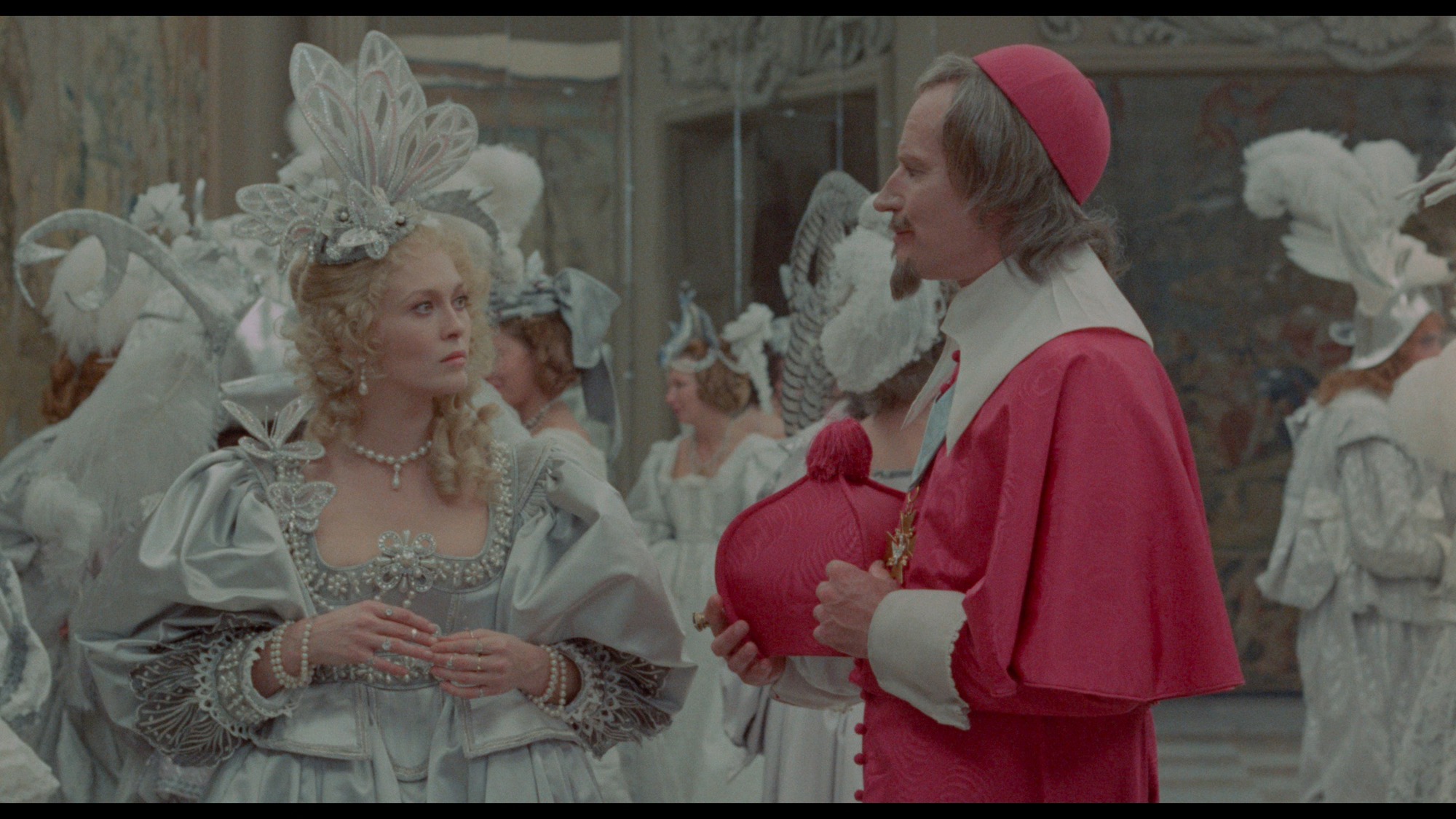
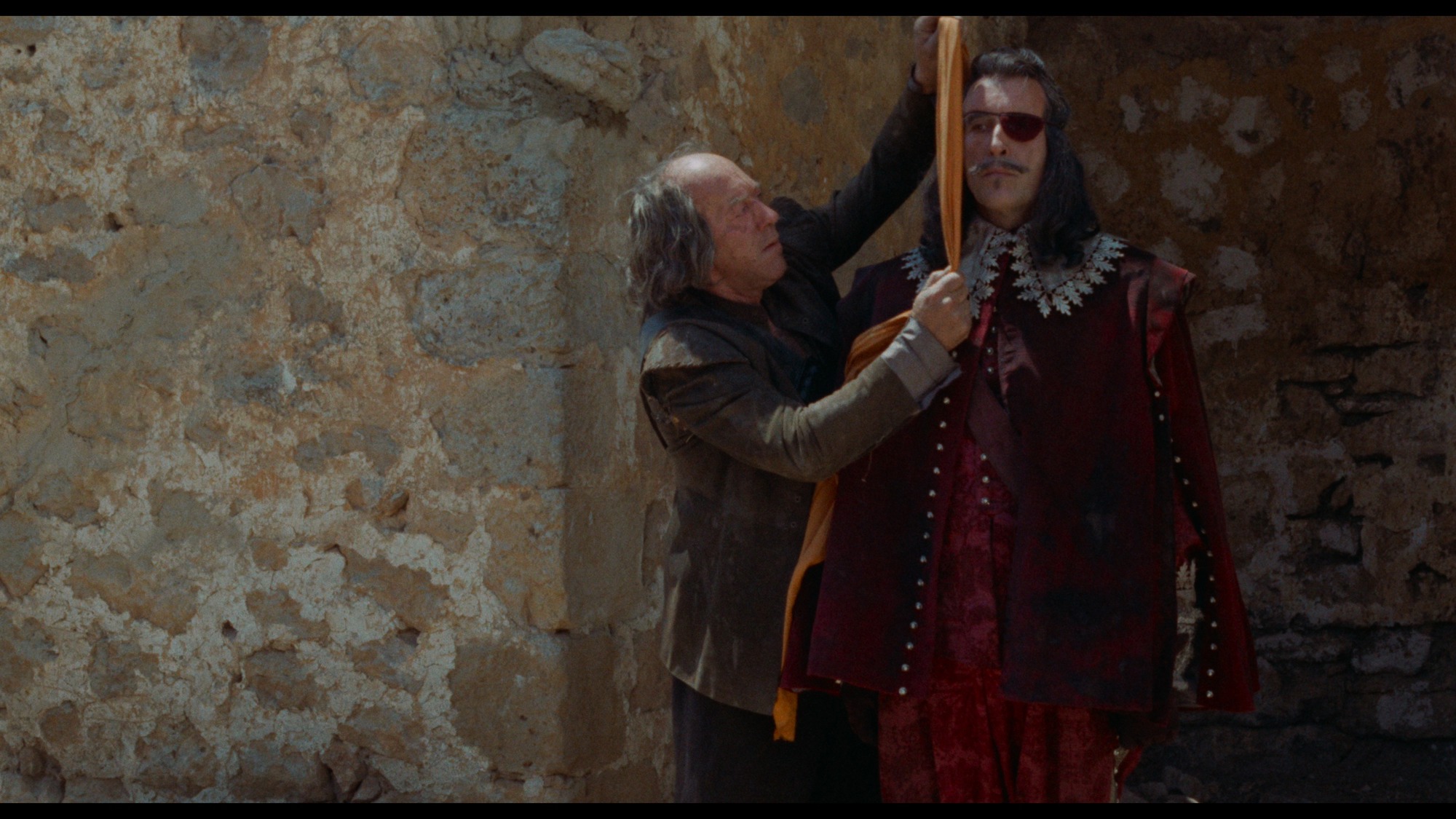
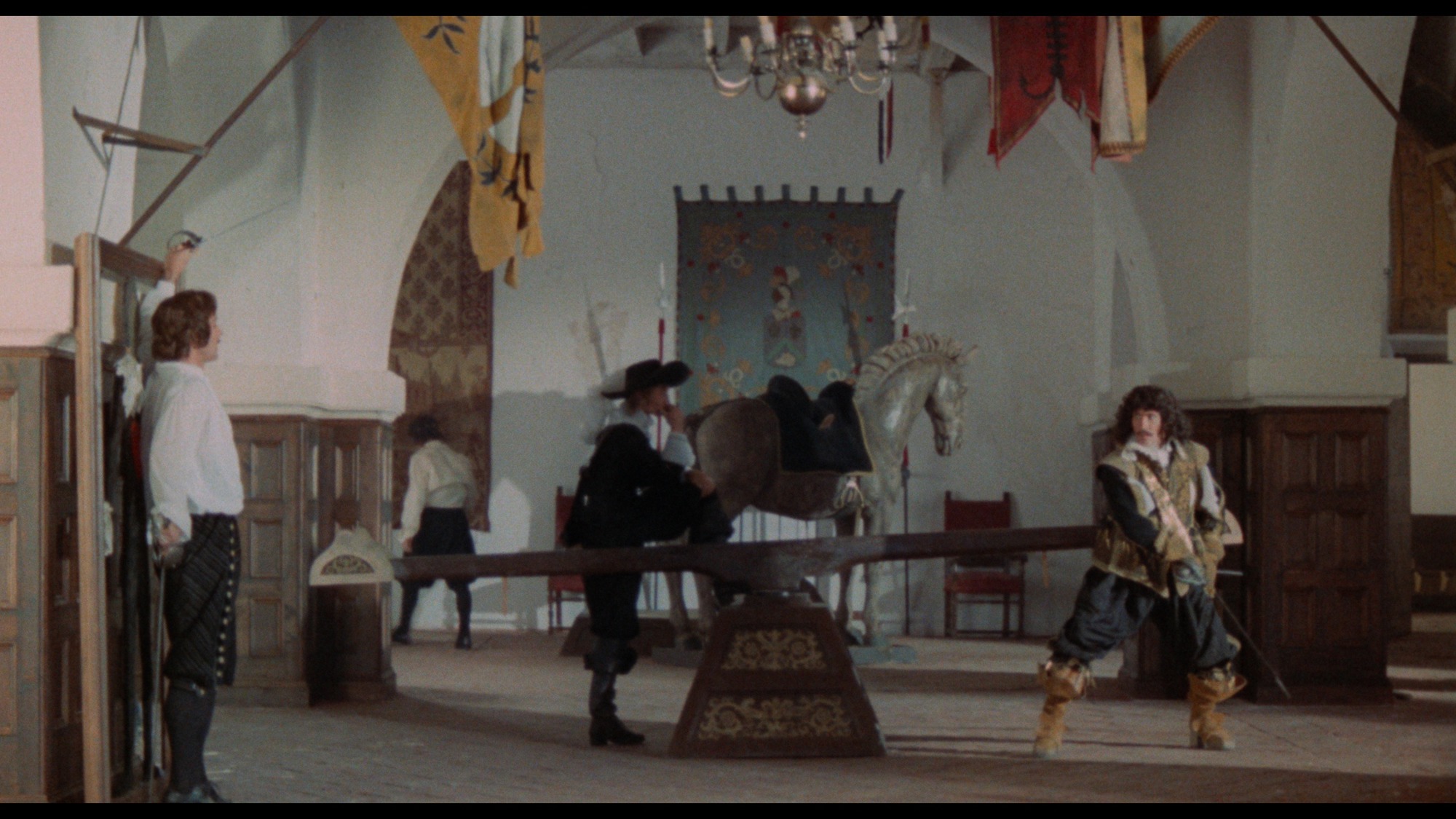
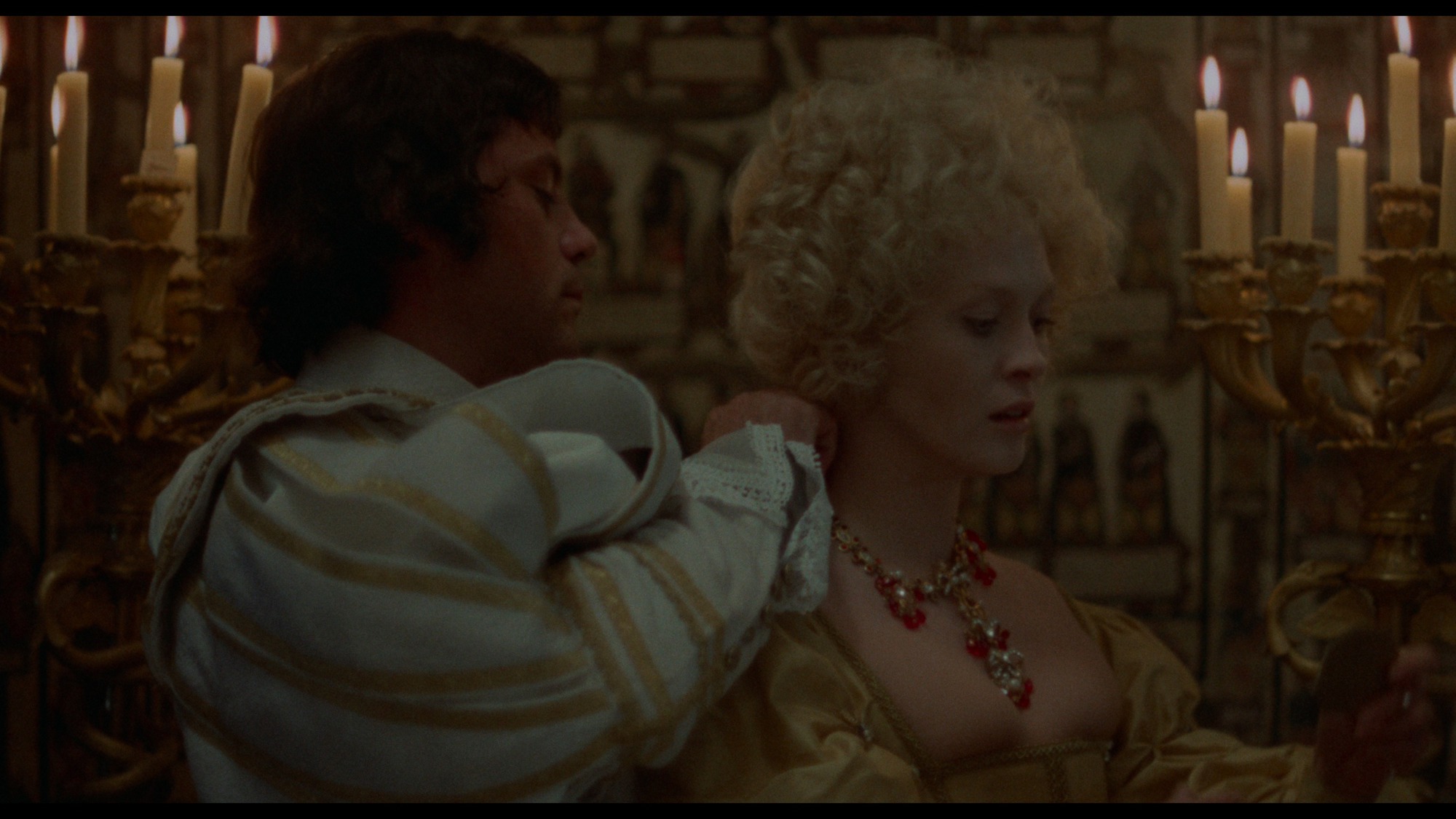
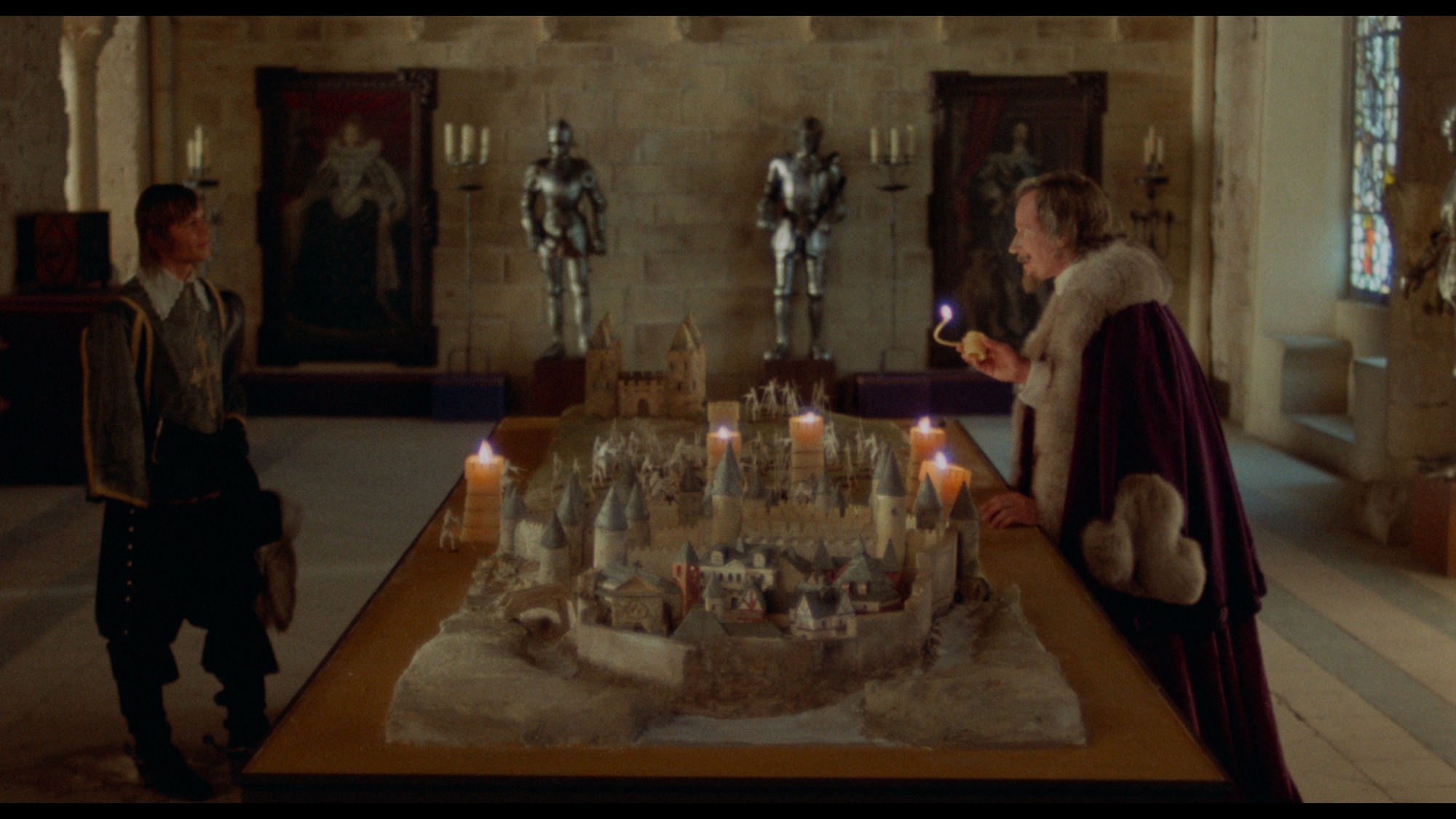
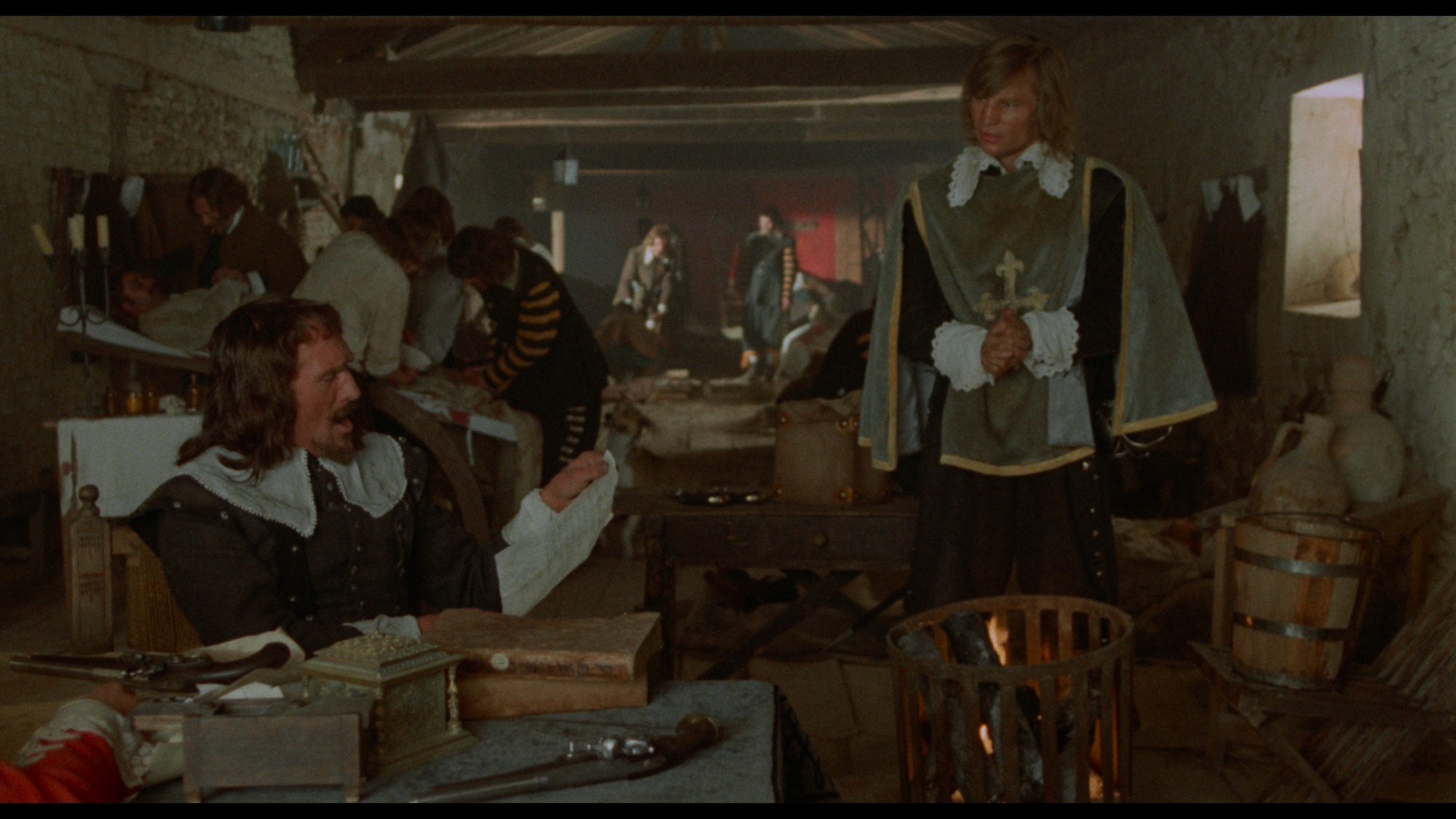
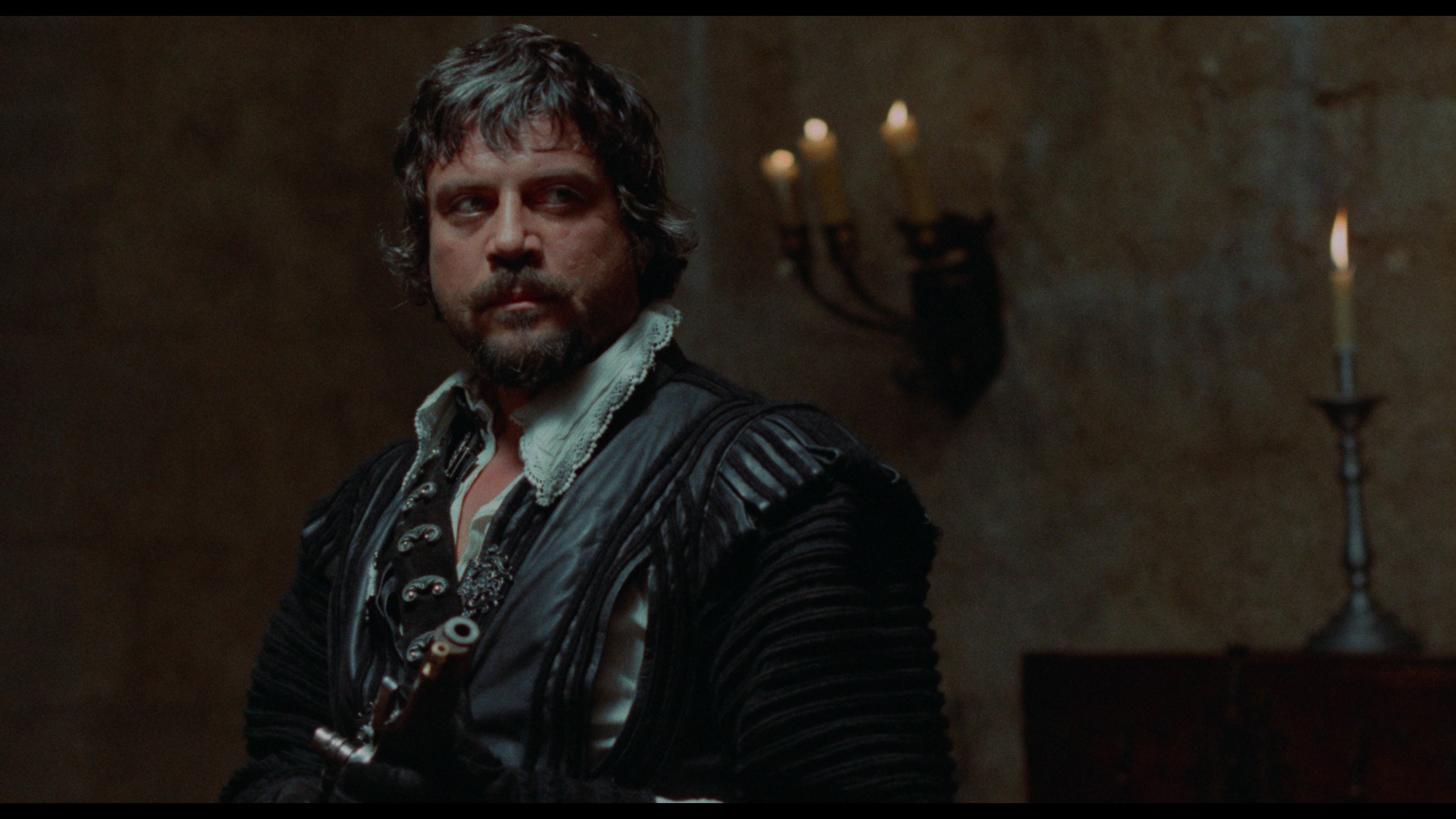
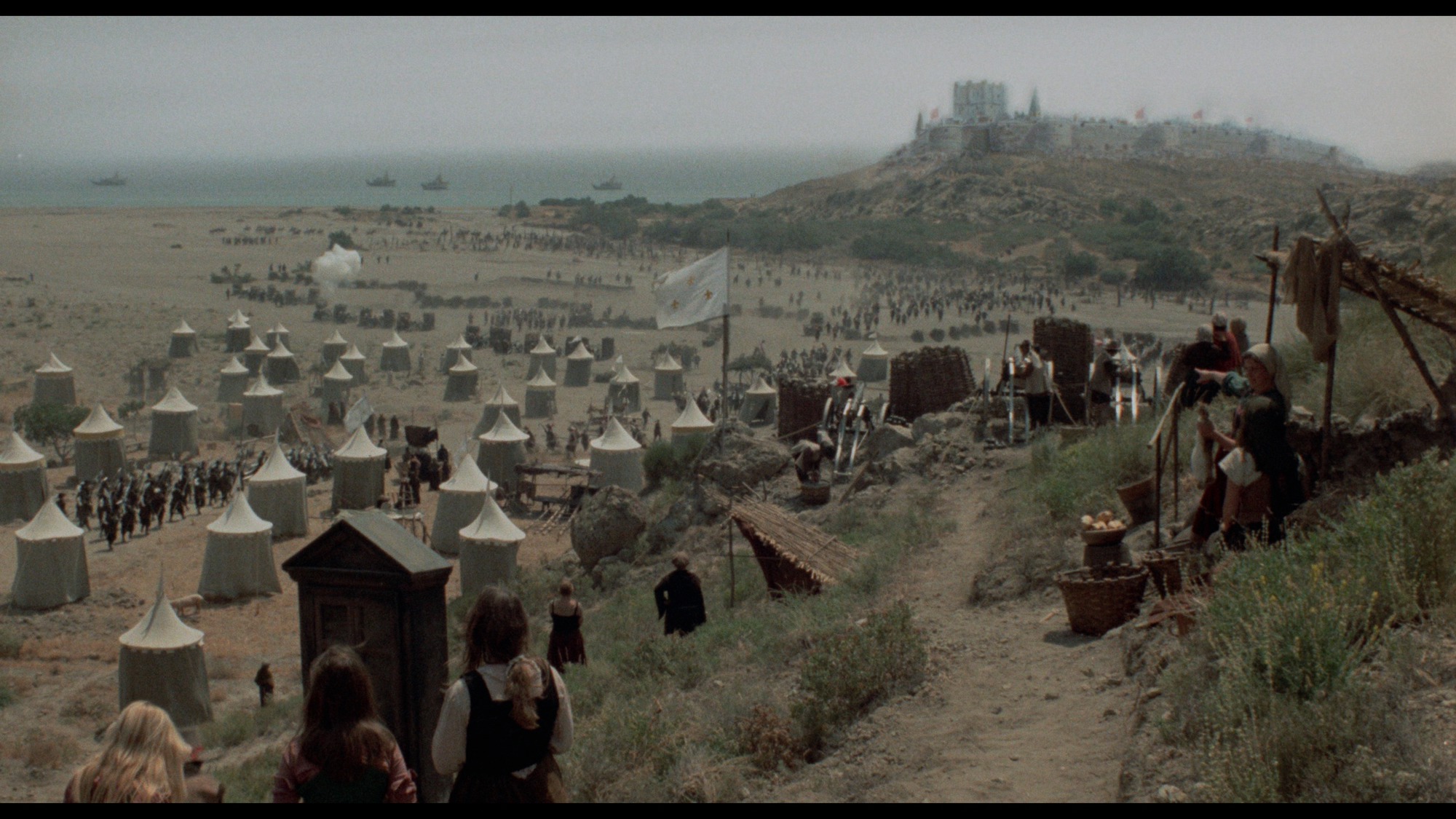
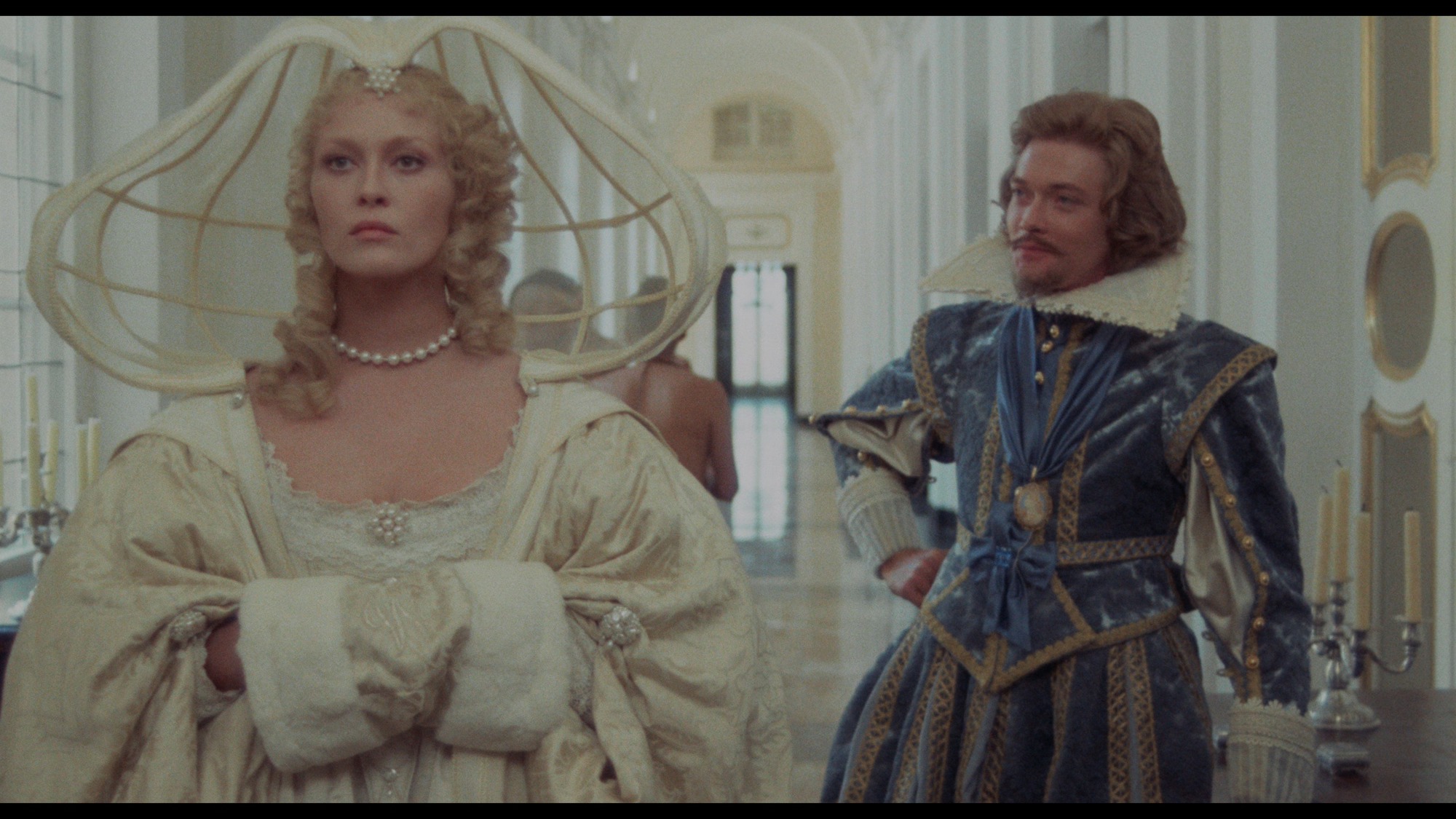
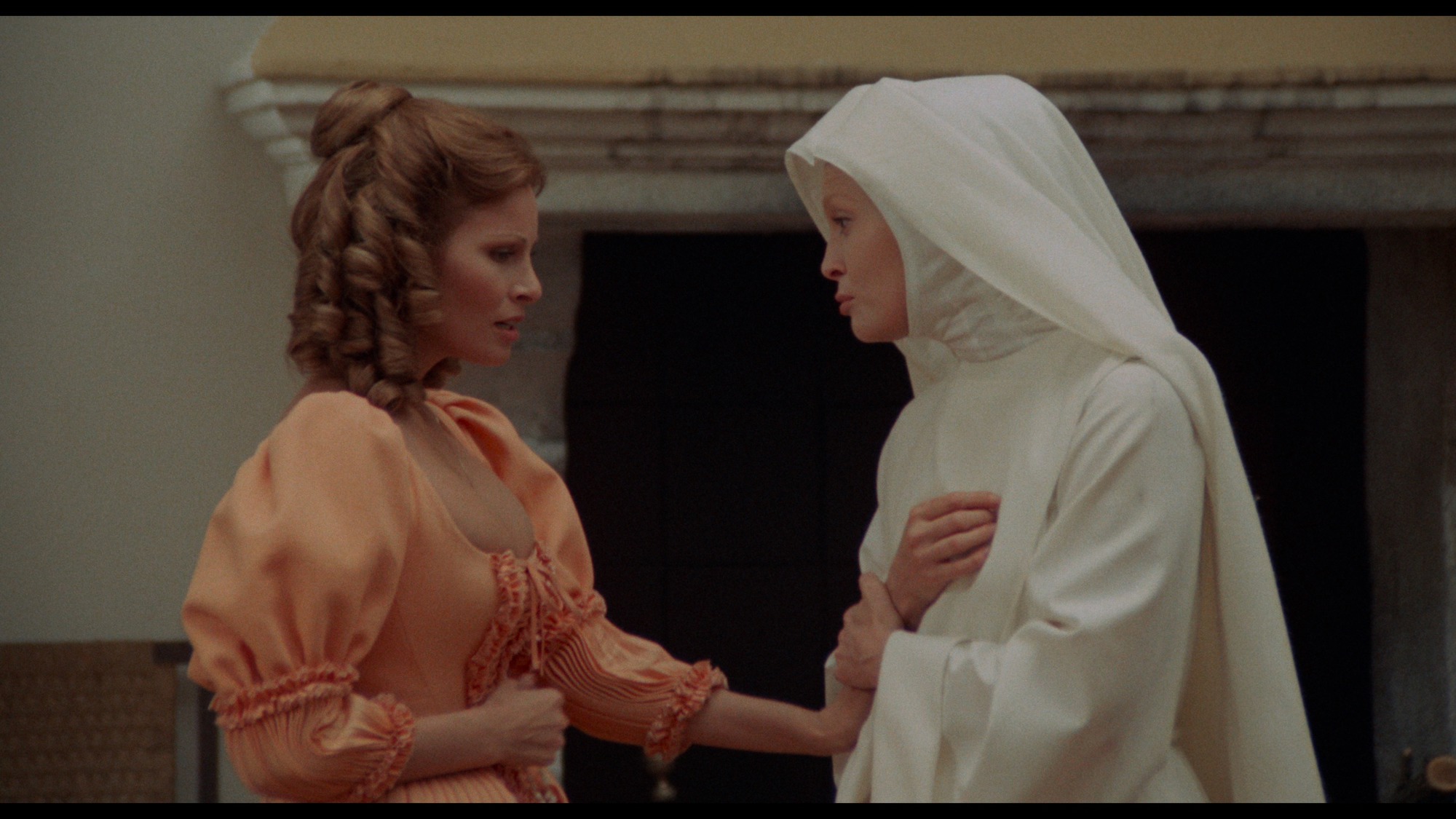
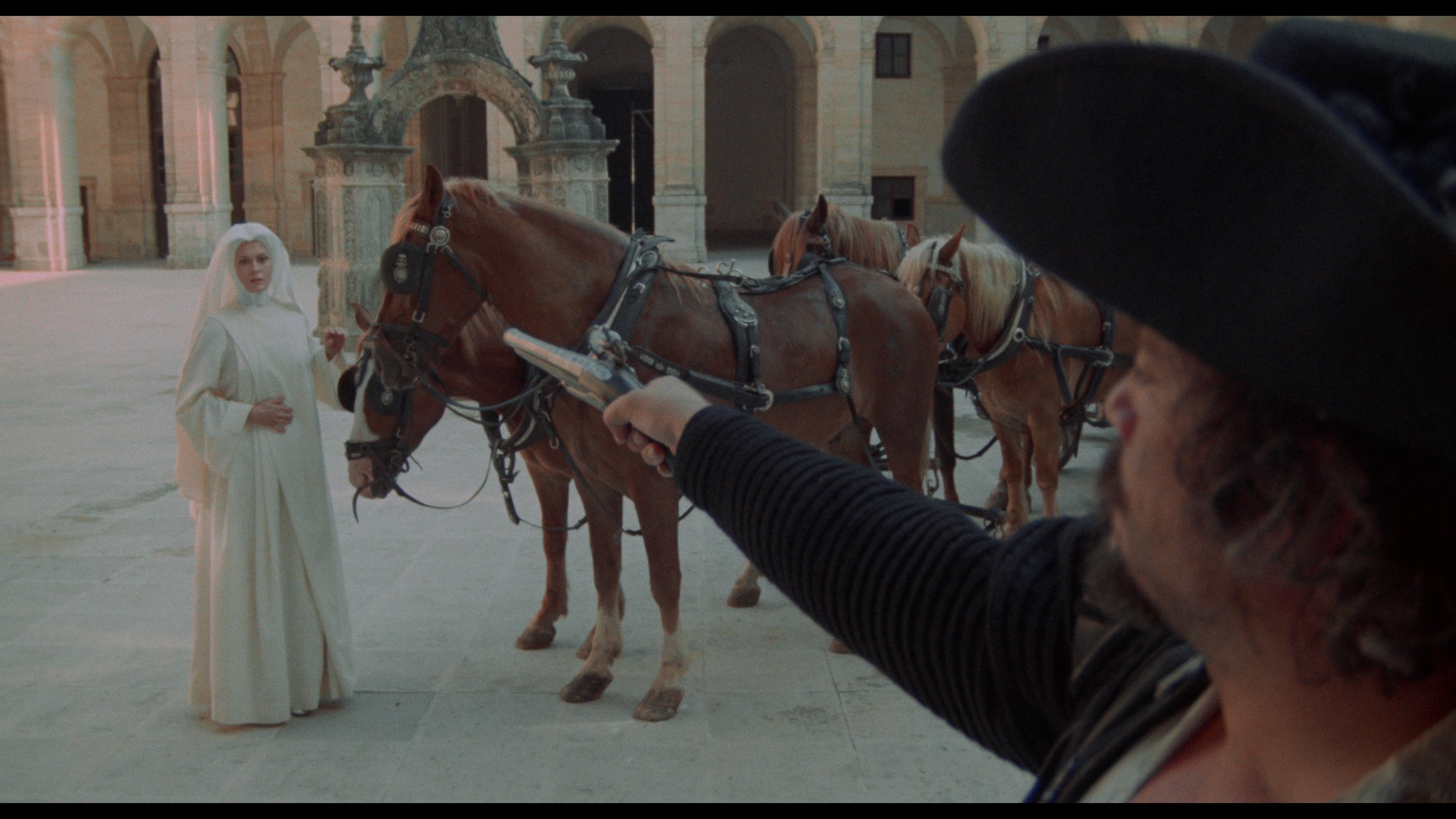
Slight caveats aside, both presentations look quite good, limited only by the films’ original photography. While the image can be impressively sharp and detailed, especially in close-ups, much of it carries a soft, slightly diffuse look that appears inherent to how the films were originally shot. Still, both transfers feature a lovely film-like texture, with the heavier grain rendering cleanly and naturally throughout.
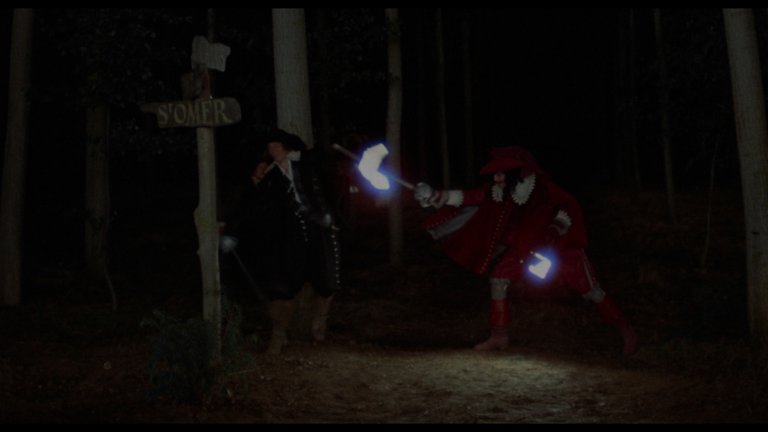
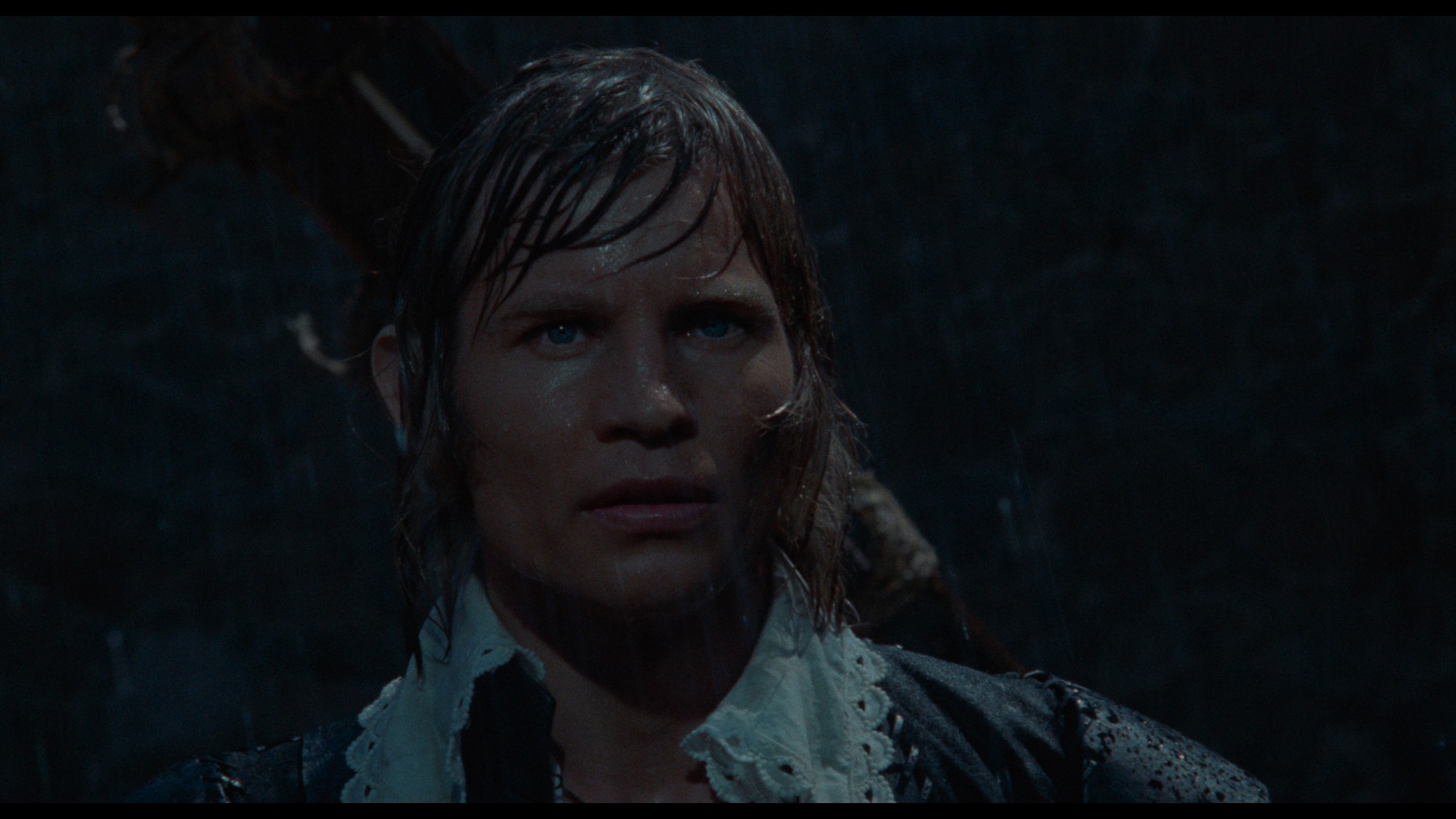
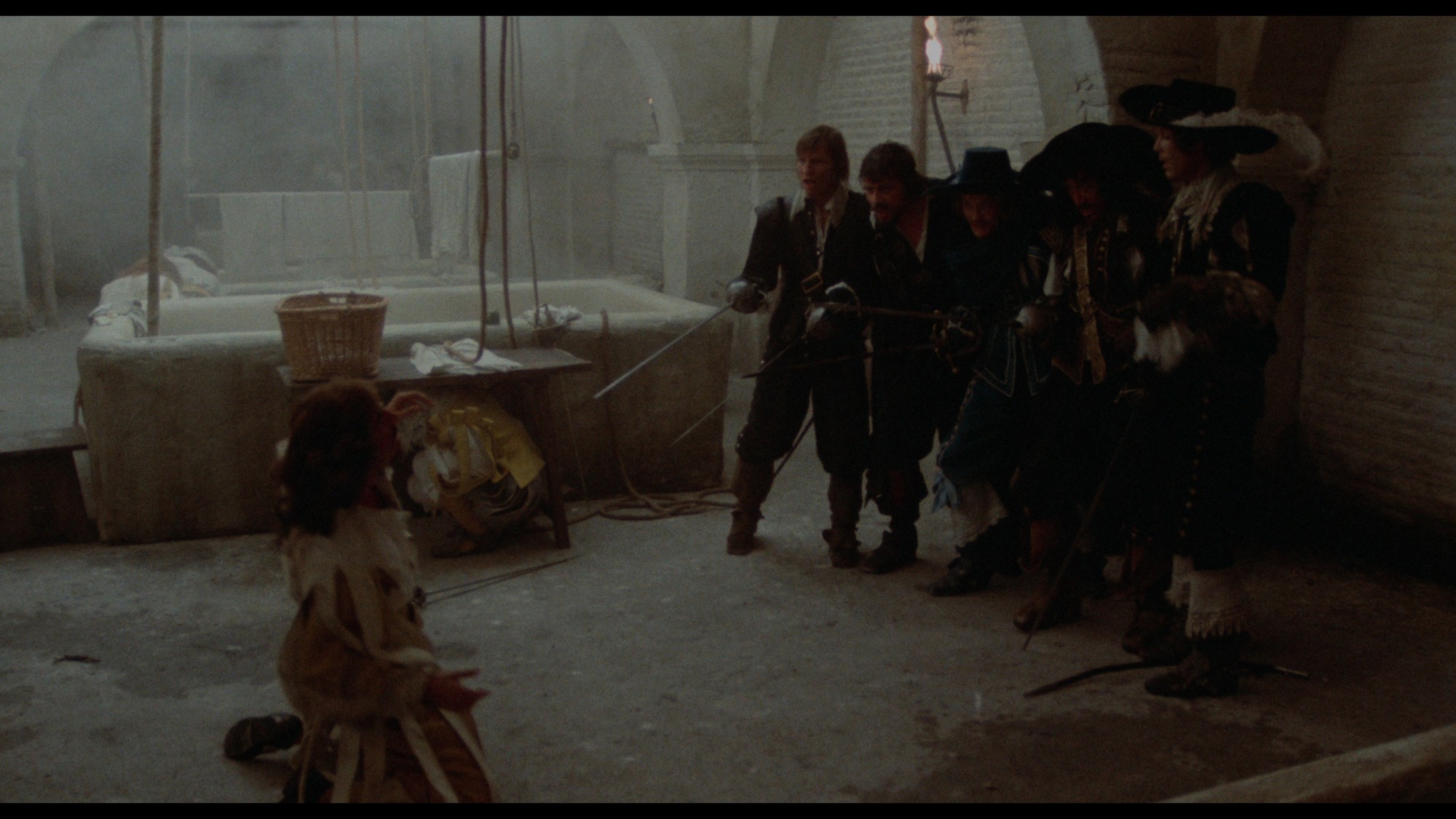
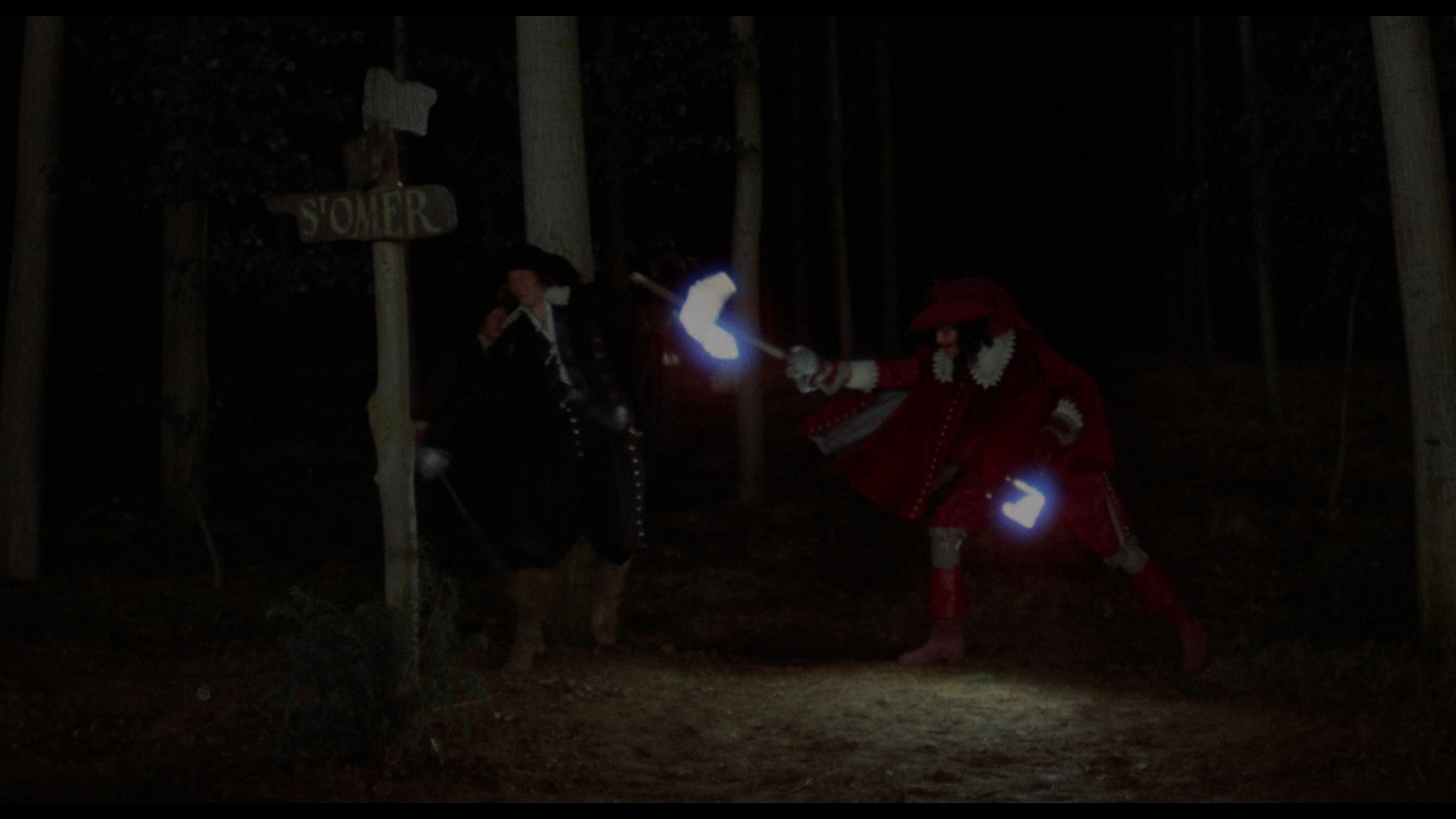
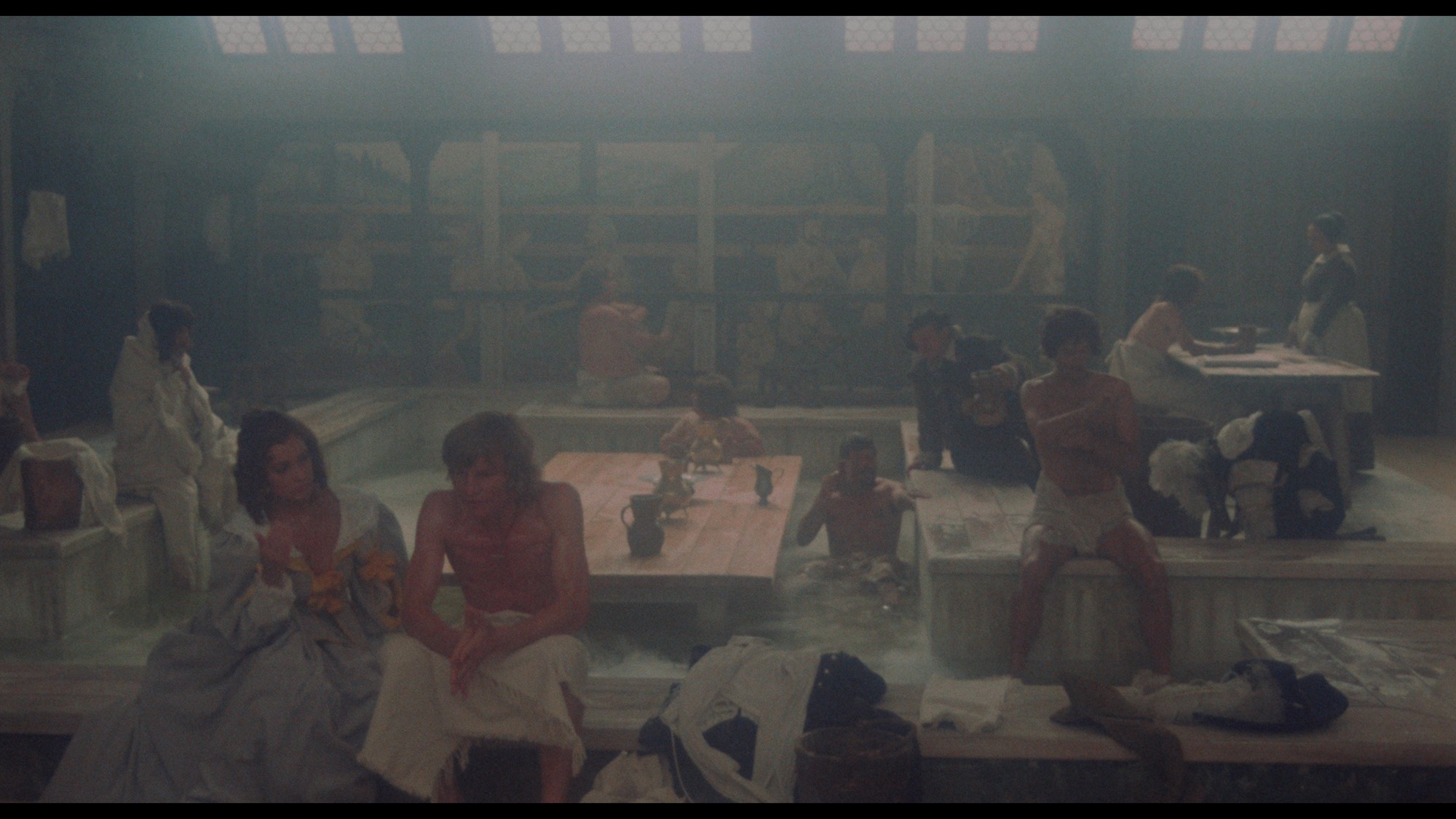
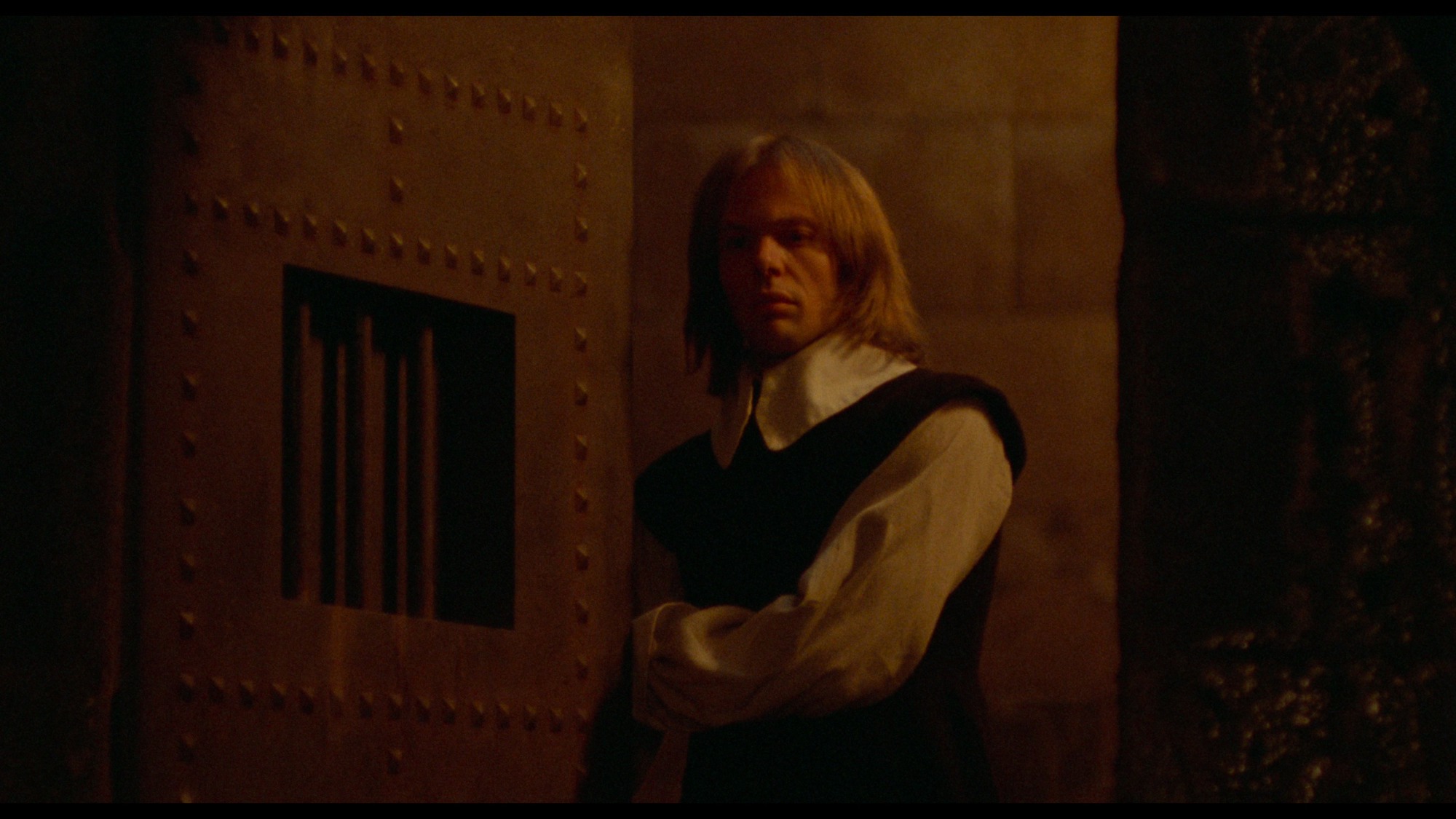
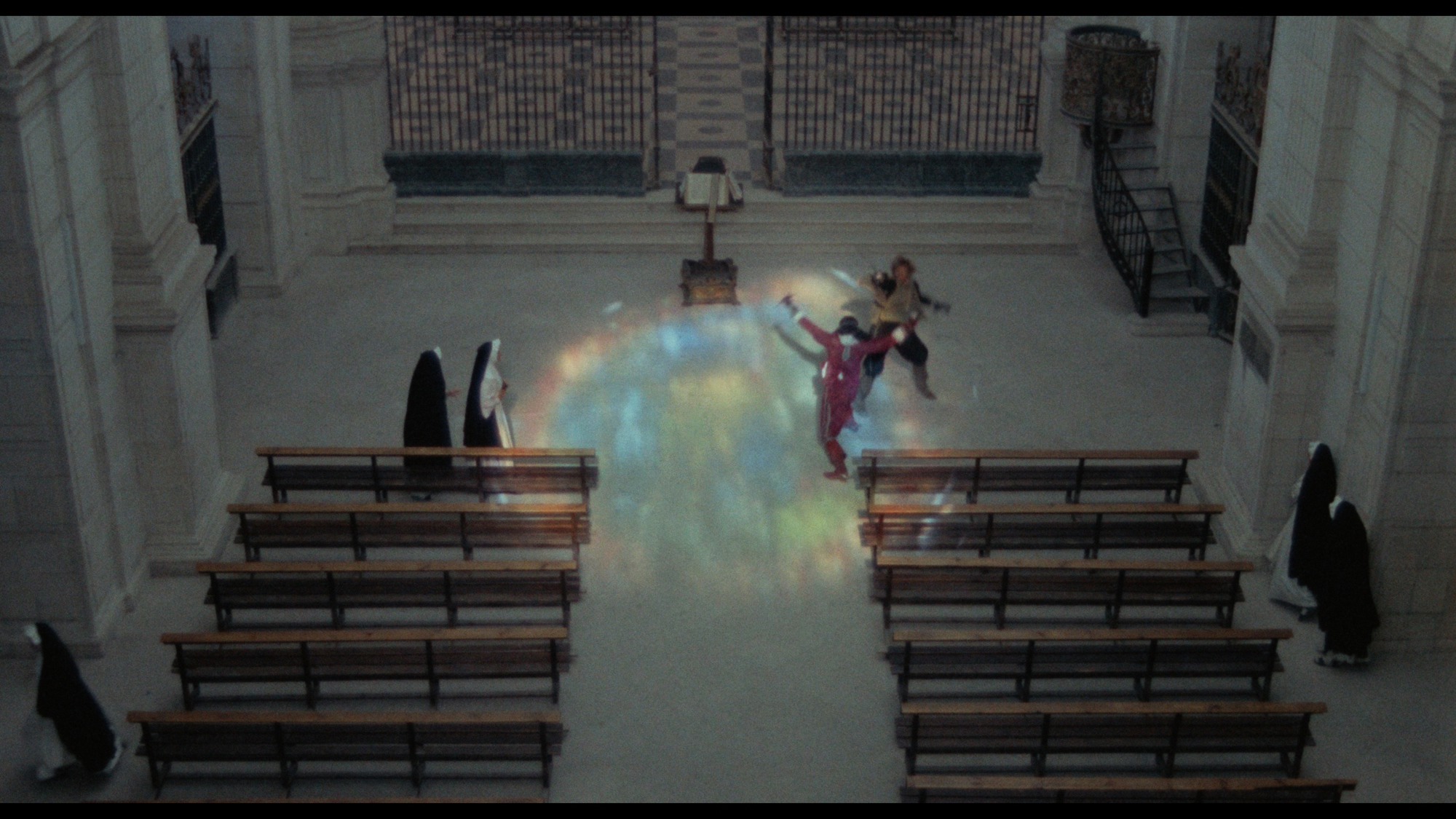
Dolby Vision adds a welcome boost to contrast and depth, especially in darker sequences. The blacks and shadows show excellent distinction, but the standout moments involve isolated light sources in night scenes, the best of which may be a nighttime sword fight where lanterns are also used as weapons. The way the light cuts through the darkness without crushing detail is especially impressive. HDR also benefits the hazier interiors, rendering smoke and scattered lighting with clarity, while the glint from swords during the two films’ various sword fights can be striking.
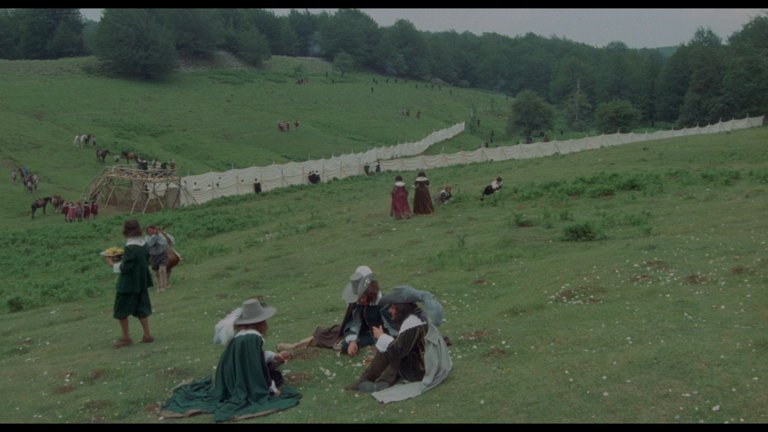
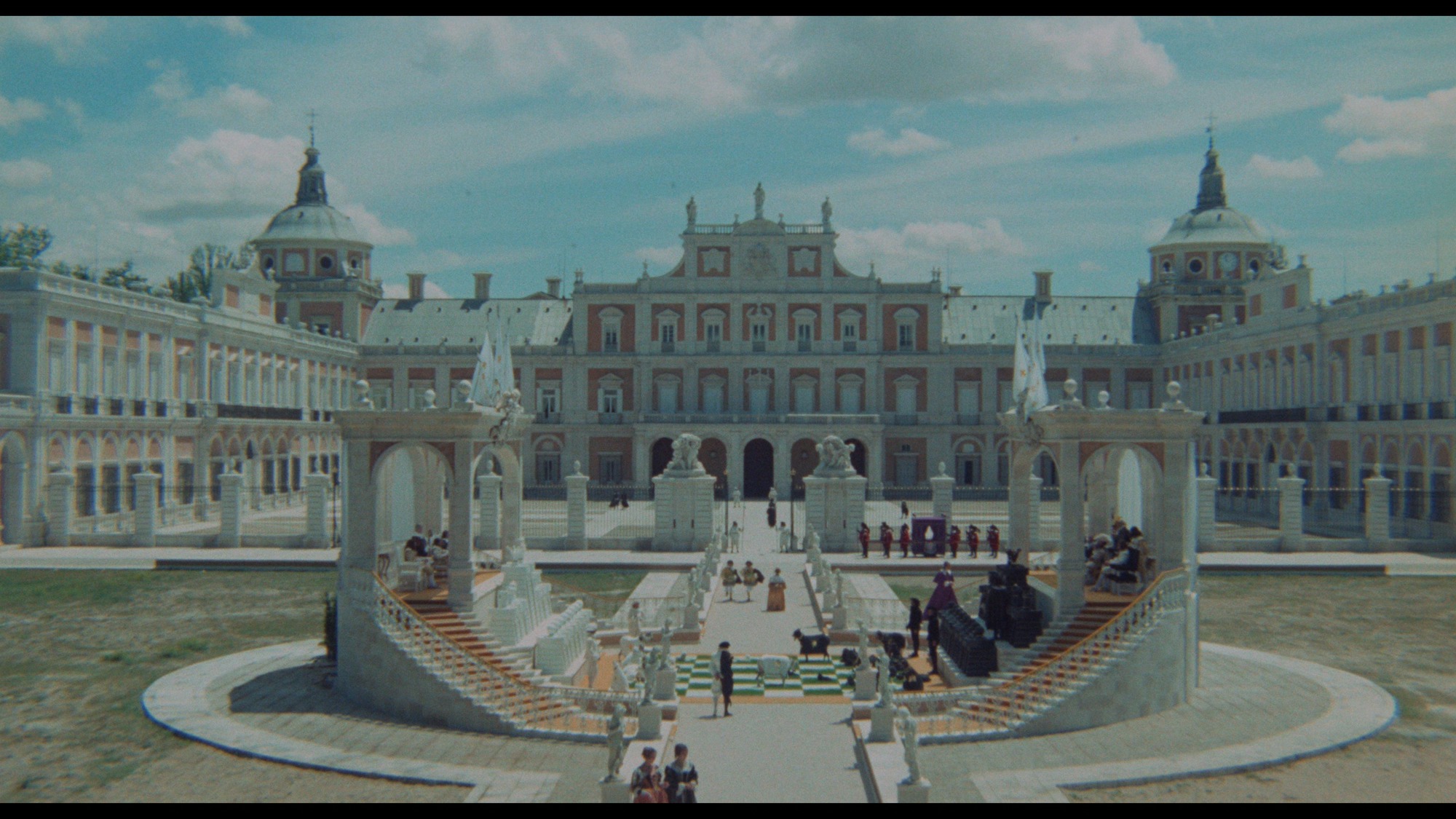
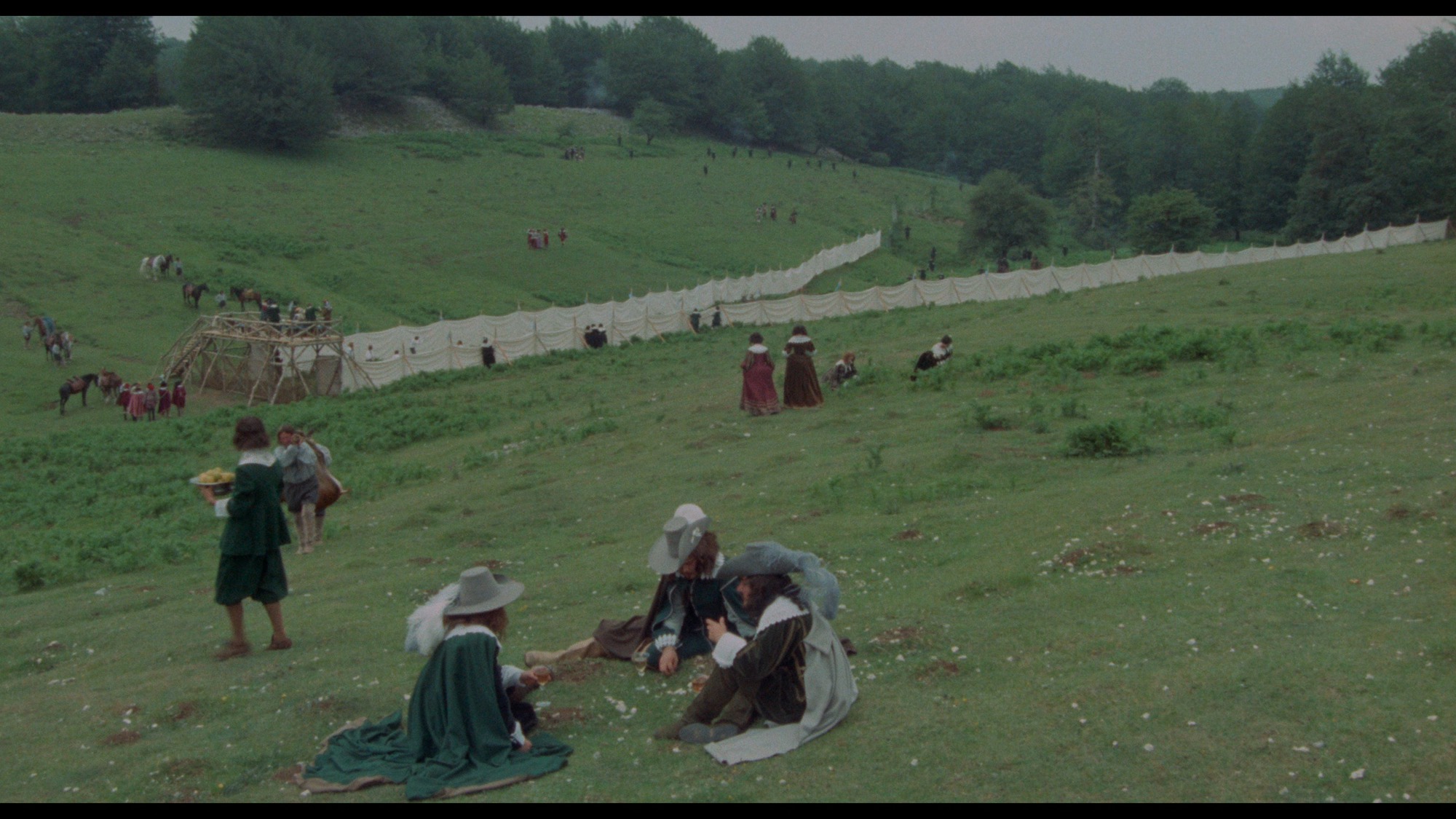
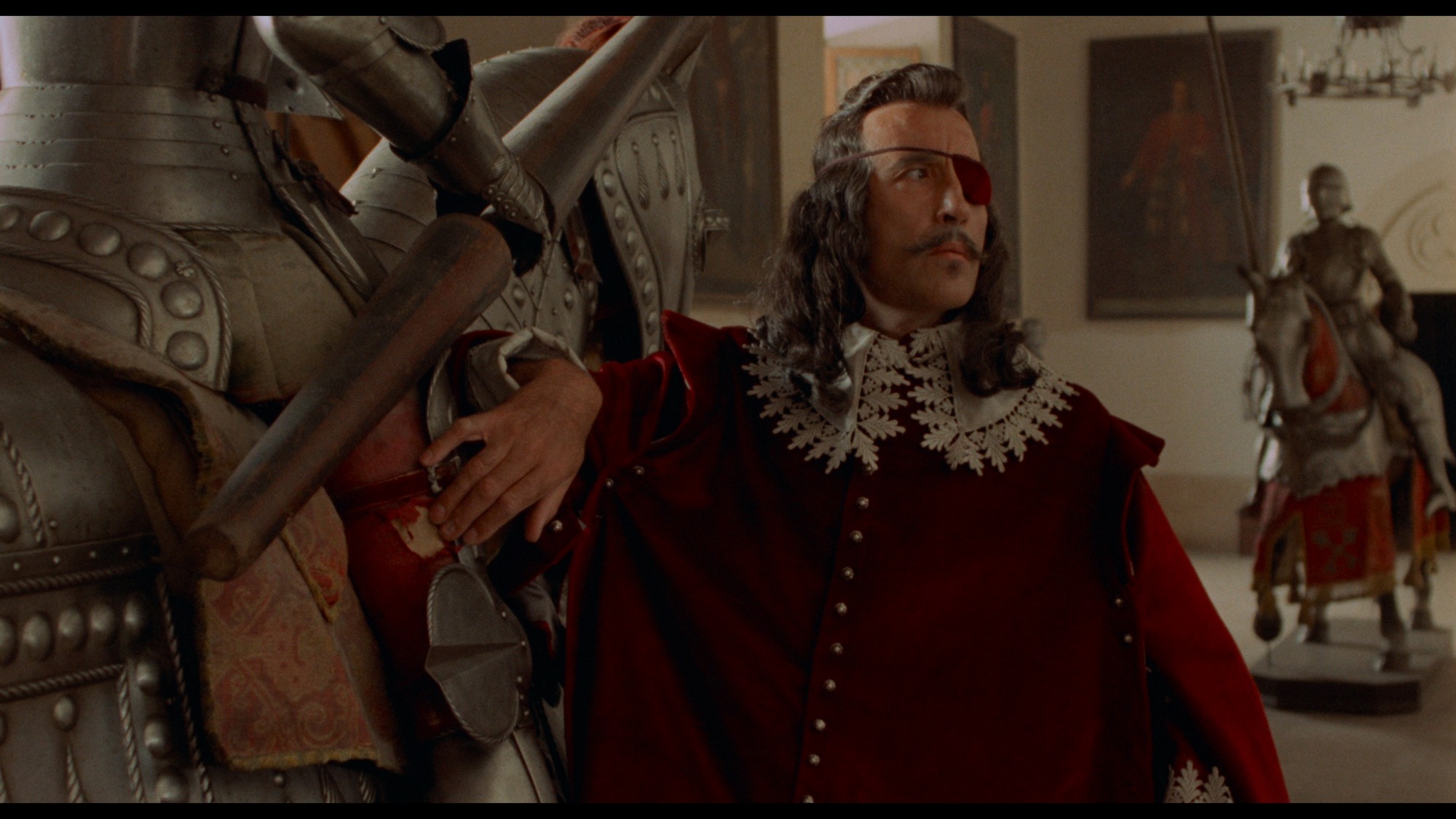
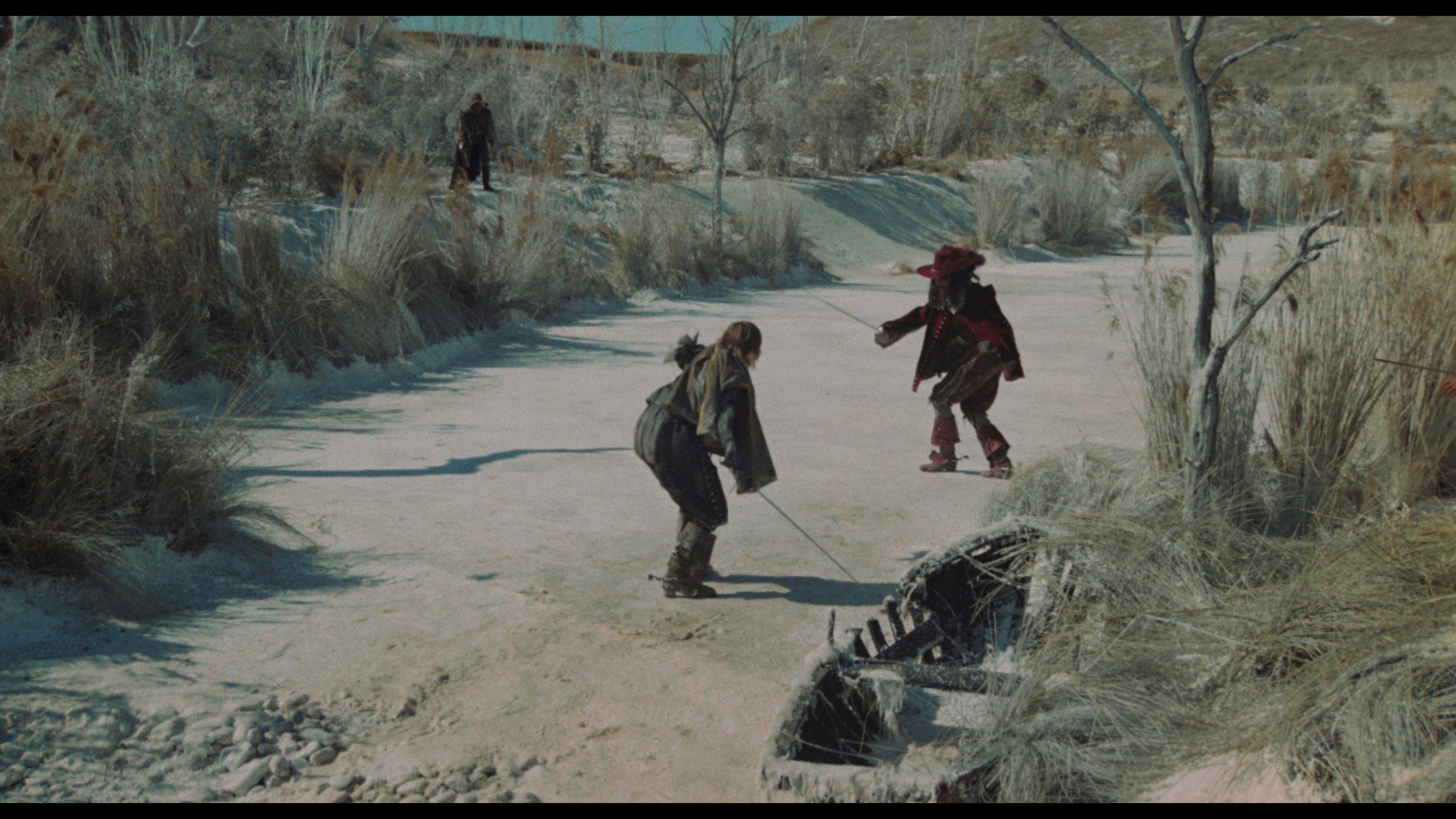
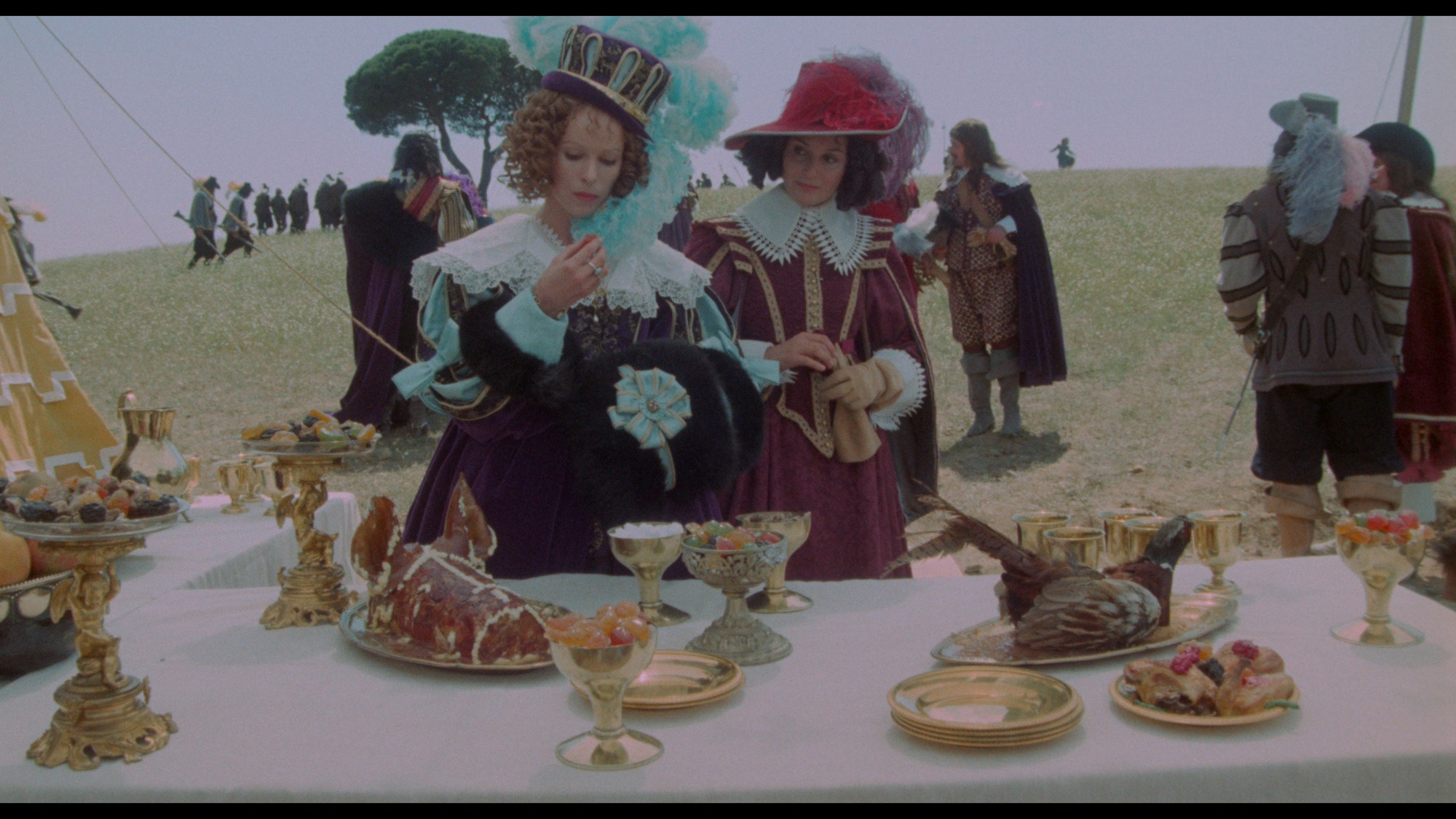
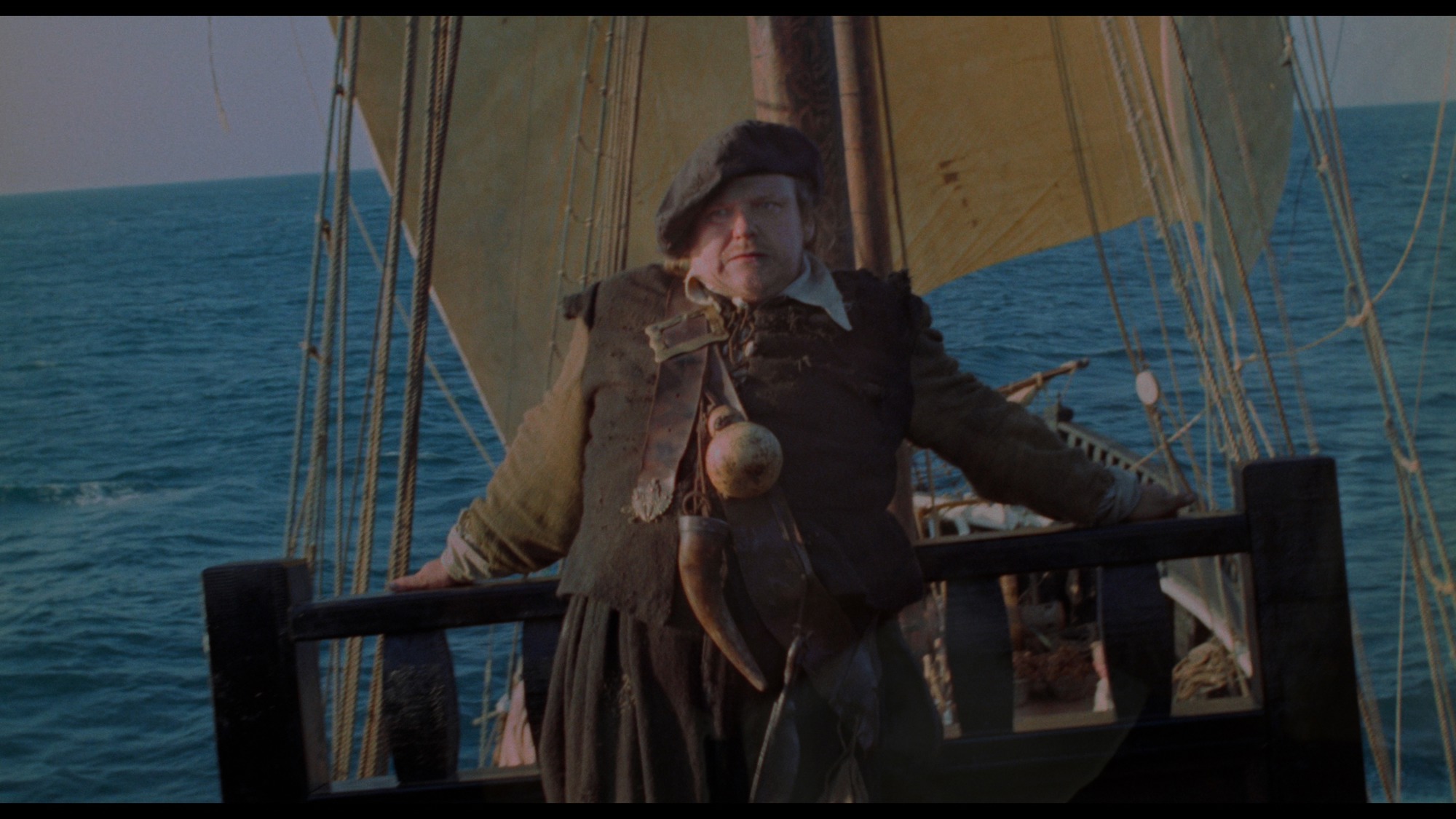
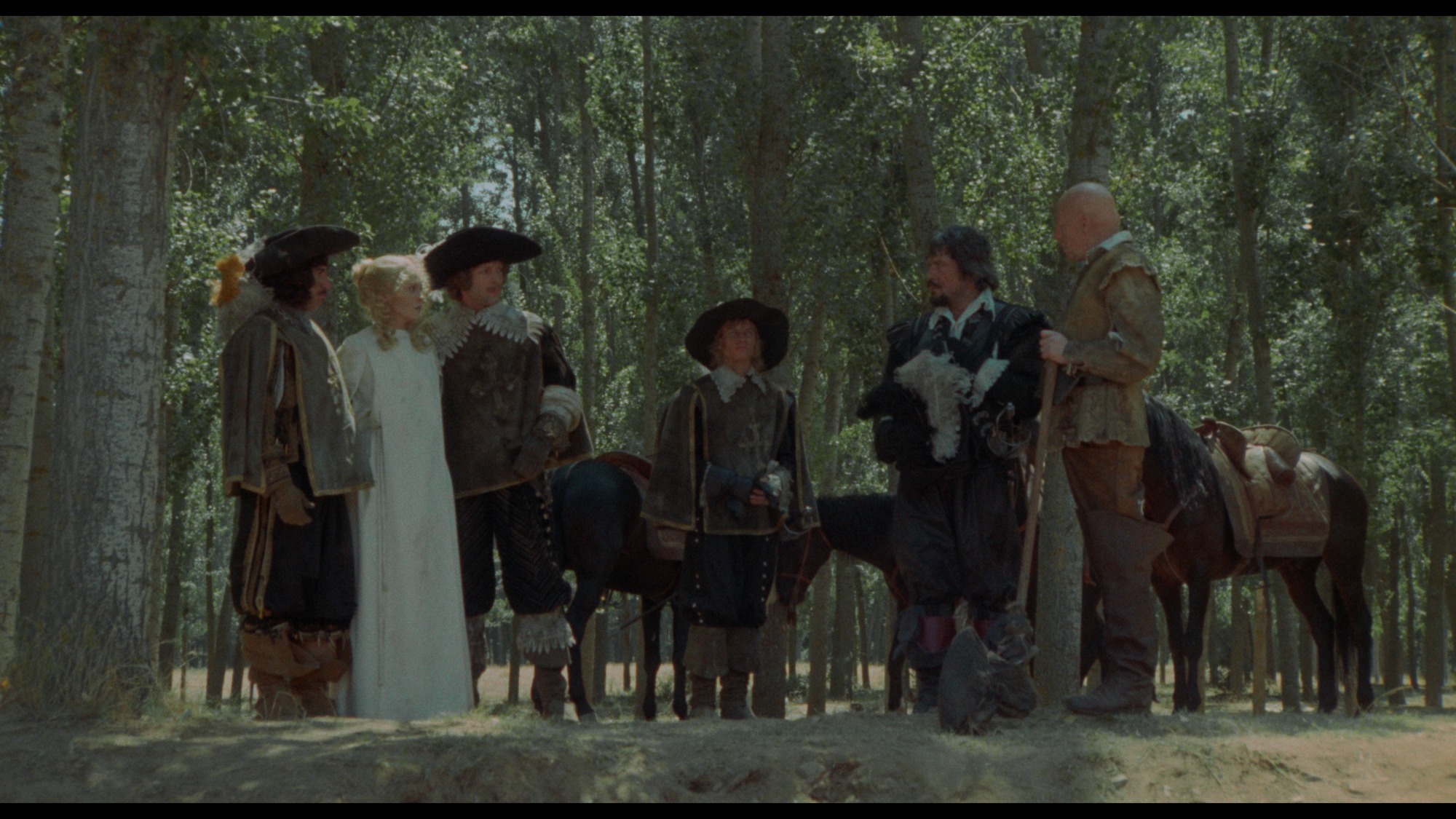
Color-wise, the films are somewhat restrained, though bursts of red and violet pop beautifully with solid saturation. For the most part, the color grading appears well-managed, though there are some noticeable quirks. Exterior scenes, particularly during daylight, can look washed out, with a strong teal cast that pushes whites toward green or blue. It’s prominent enough to be distracting at times, and it sharply contrasts with the interior scenes, which show richar saturation, enough so that I began to wonder if the teal grading was intentional or simply a byproduct of the film stock. (It sounds like previous releases showed something similar, if not identical.) Either way, while the look isn’t what I would have expected, it’s not a dealbreaker, and other elements, like skin tones and black levels, come through nicely.
I hadn’t seen The Three Musketeers in over 40 years (and sadly never saw the sequel beforehand) and had avoided revisiting it out of fear it wouldn’t hold up to my fond childhood memories. Happily, I still found it to be—lacking a better term—an absolute hoot. I can’t compare directly to earlier home video releases, but I can’t imagine the films looking significantly better than this outside of StudioCanal’s own 4K editions. Overall, both transfers are solid.
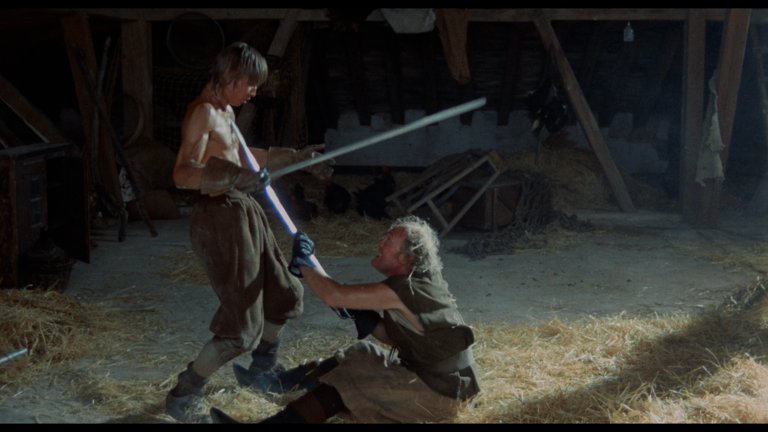
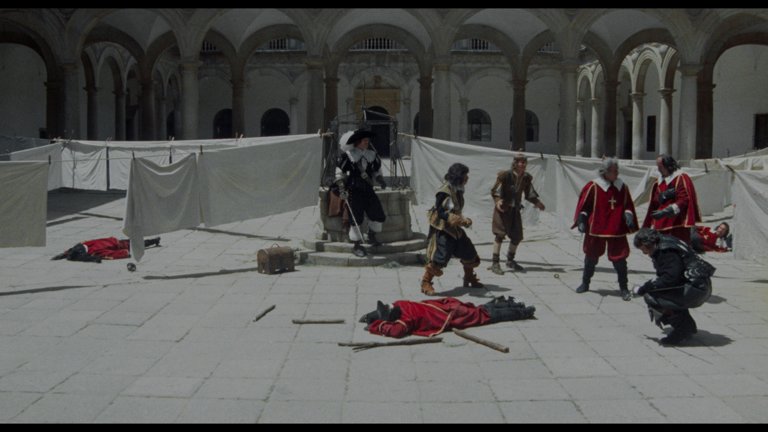
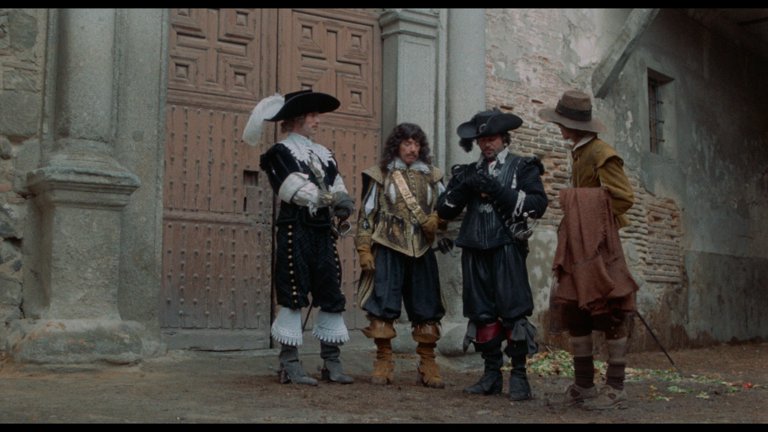
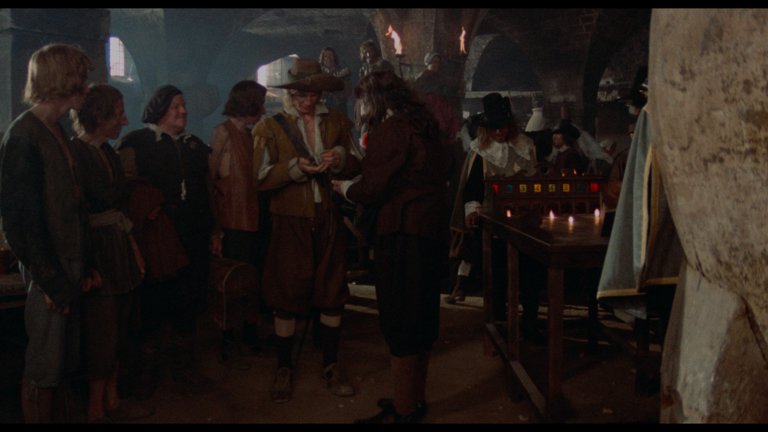
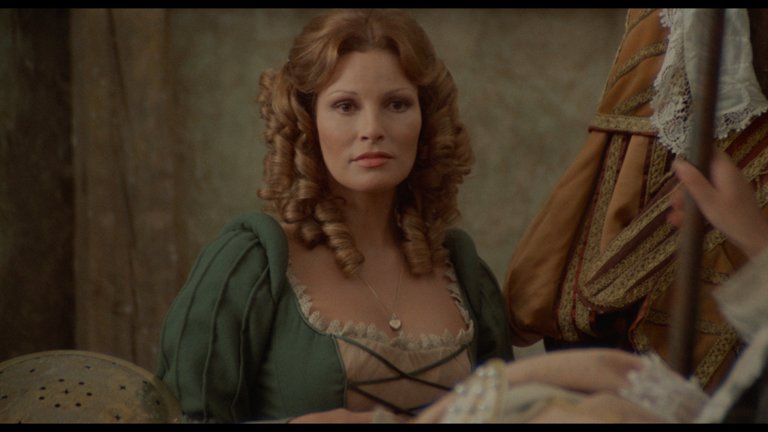
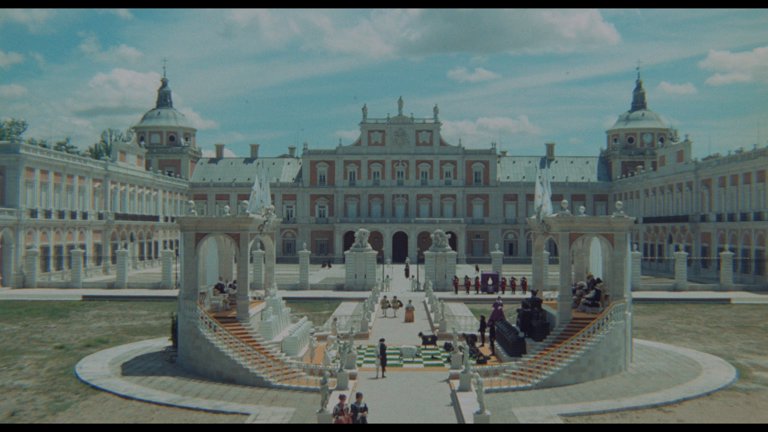
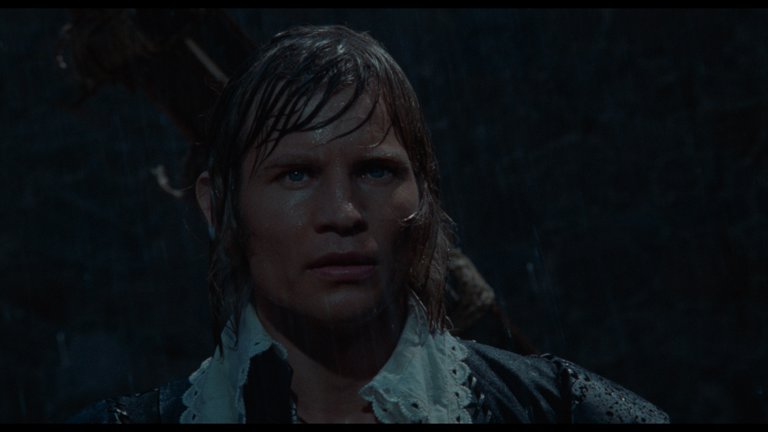
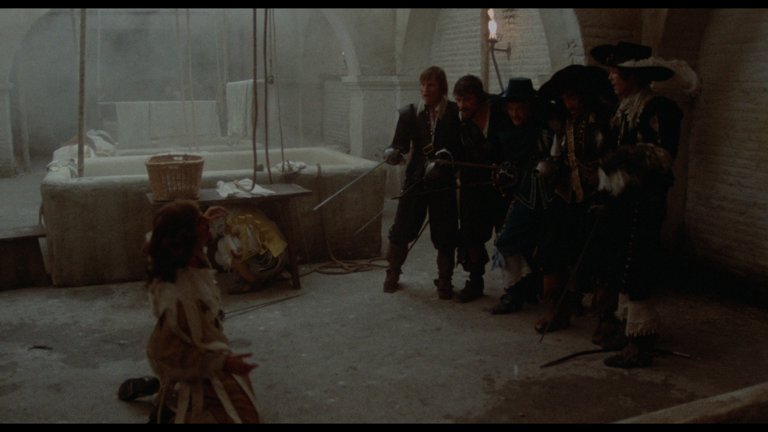
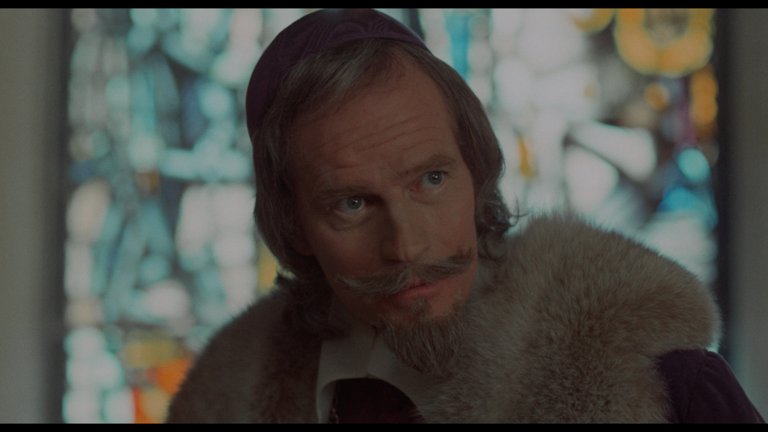
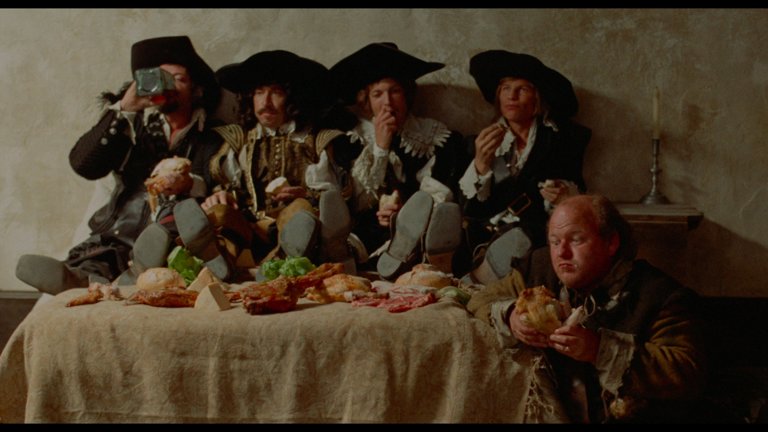
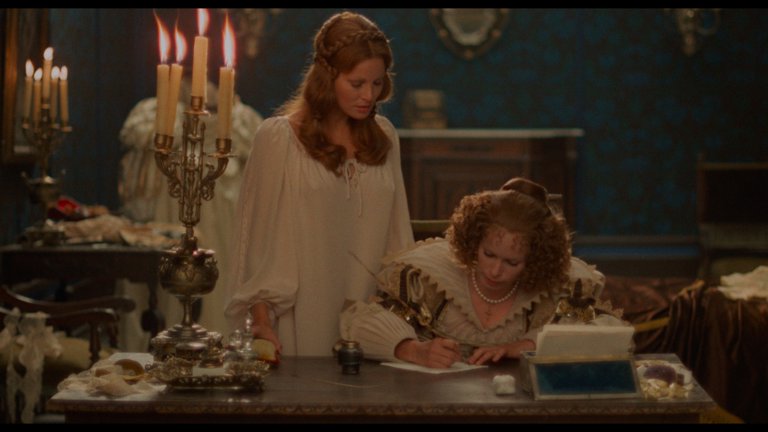
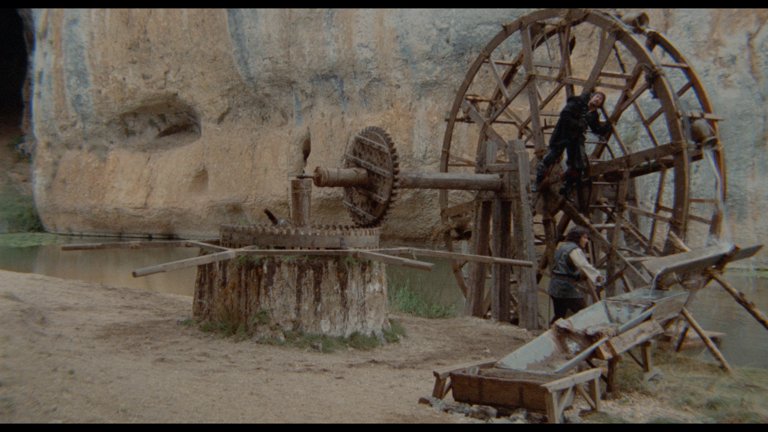
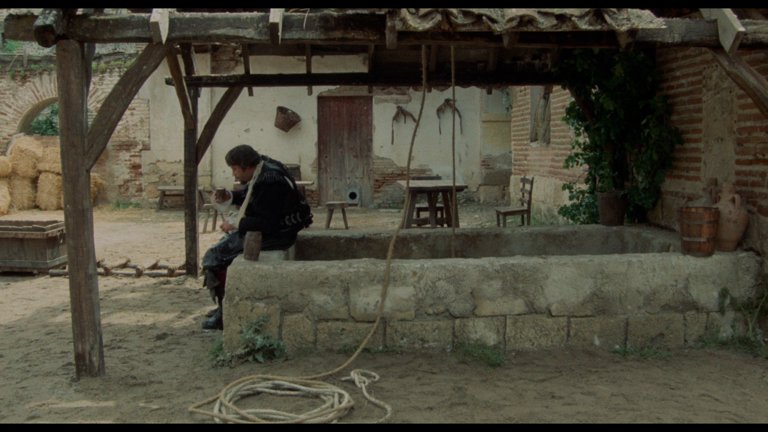
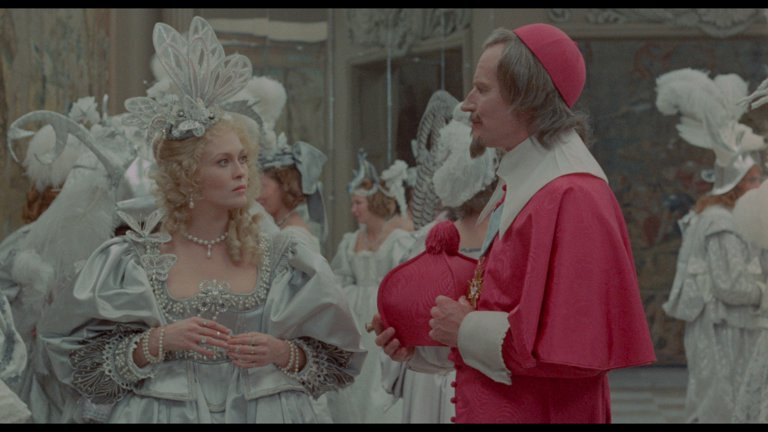
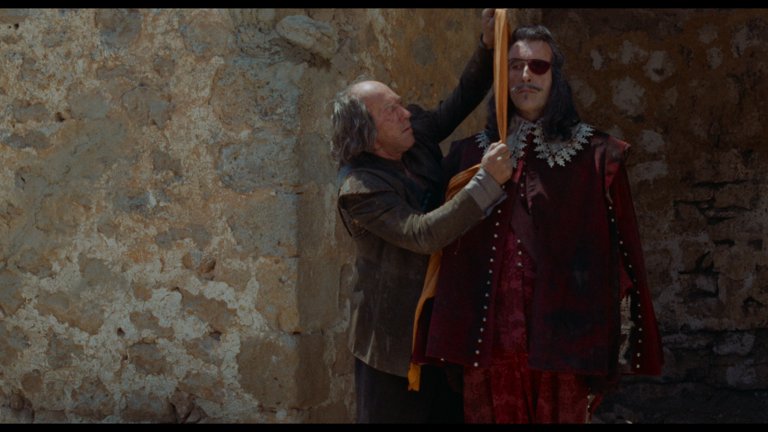
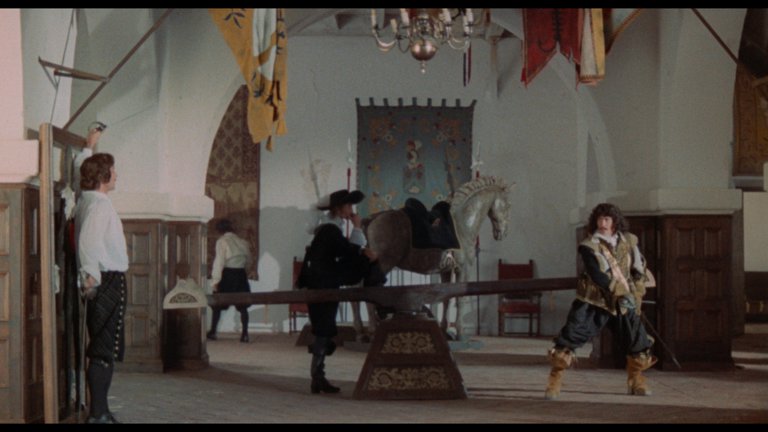
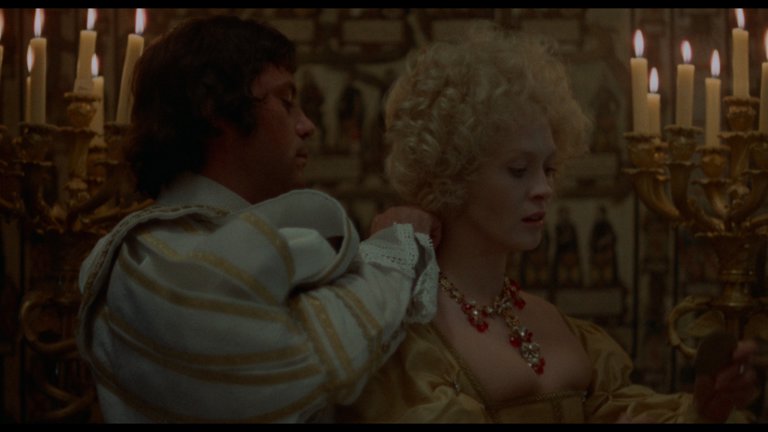
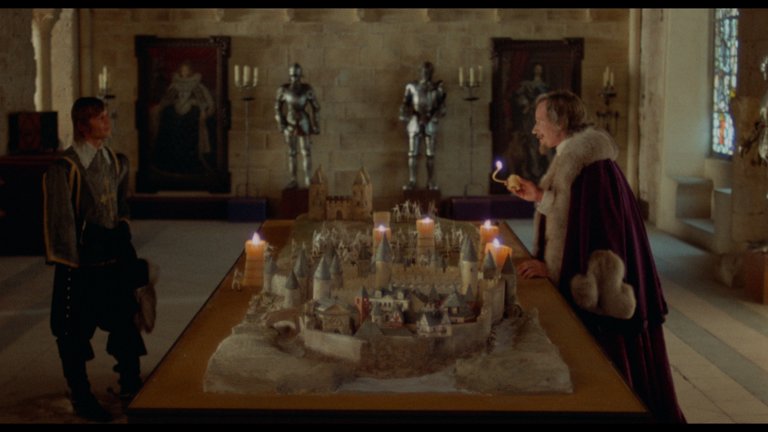
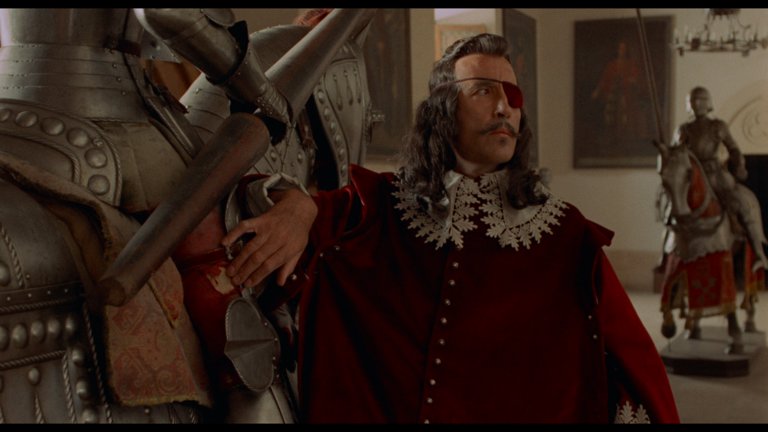
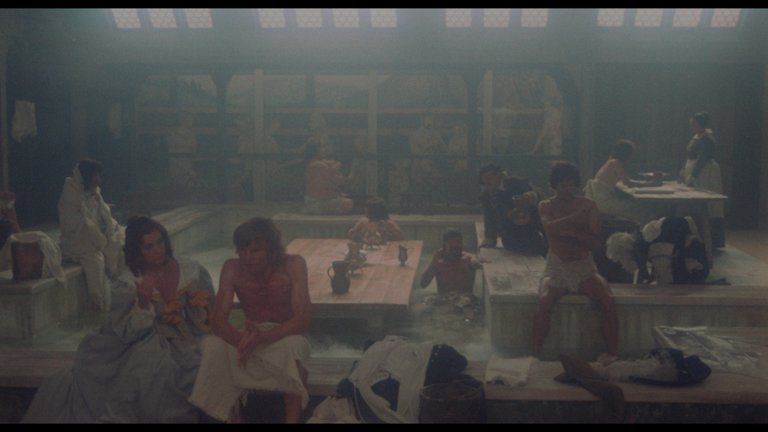
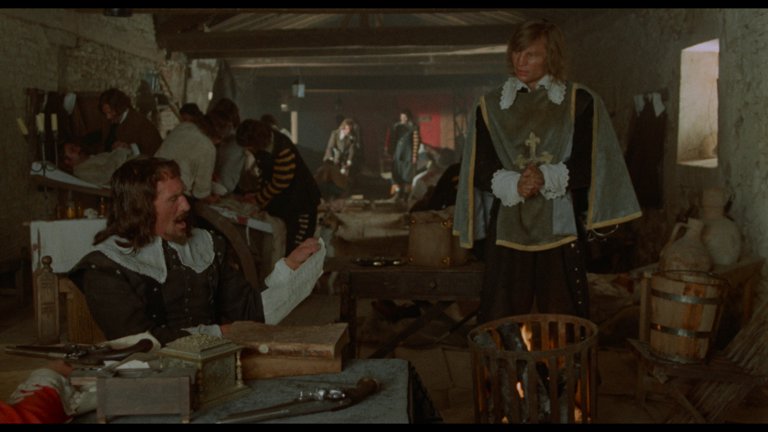
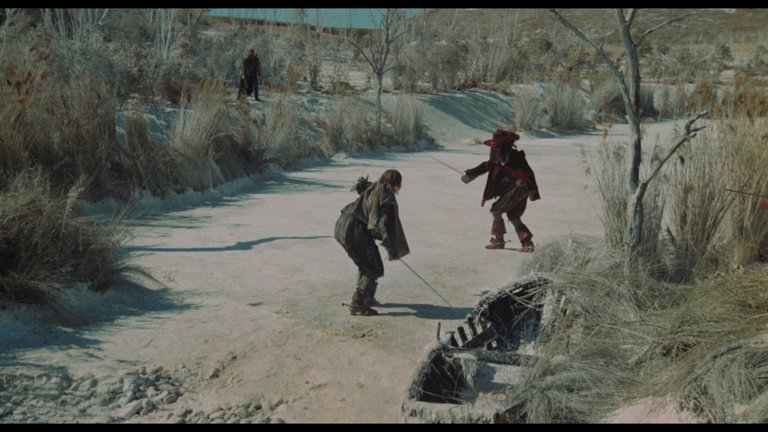
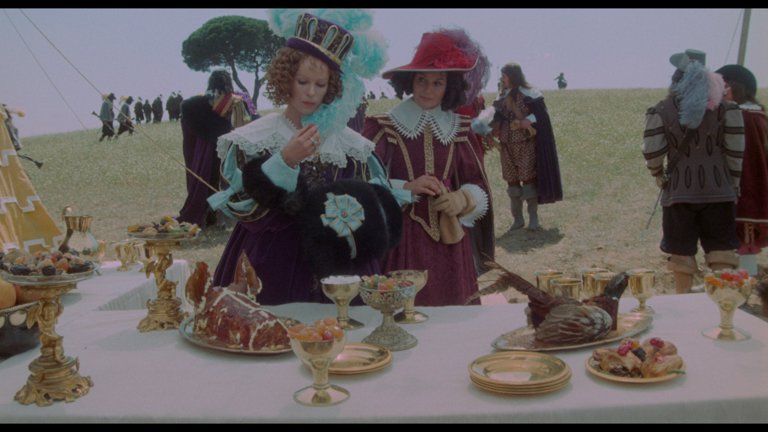
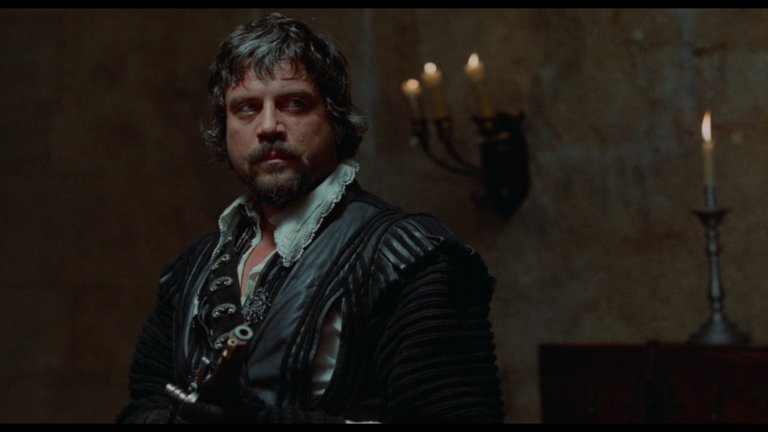
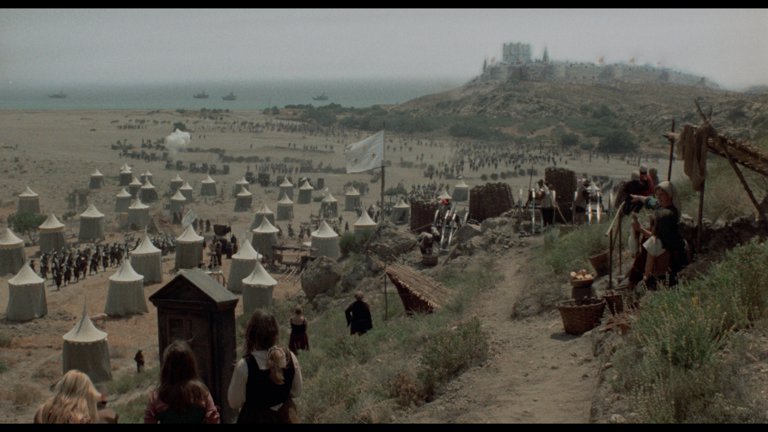
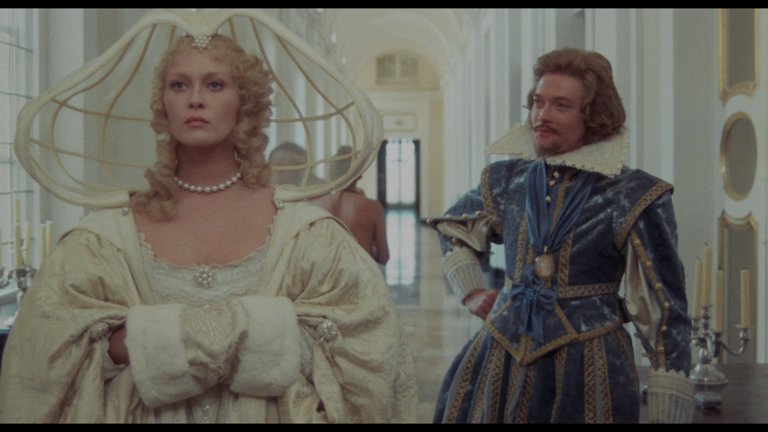
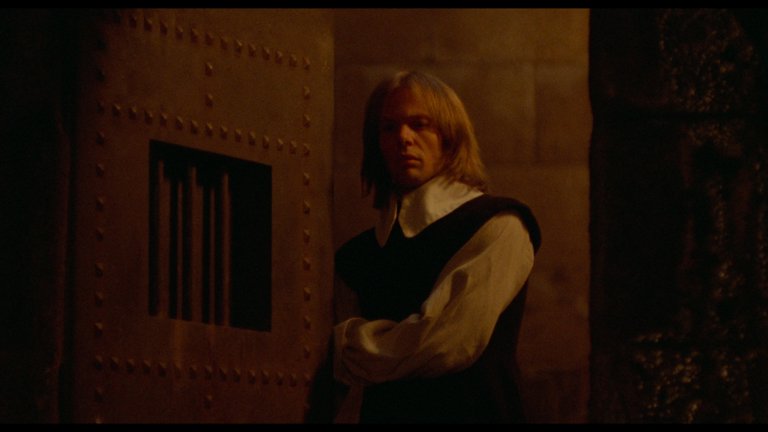
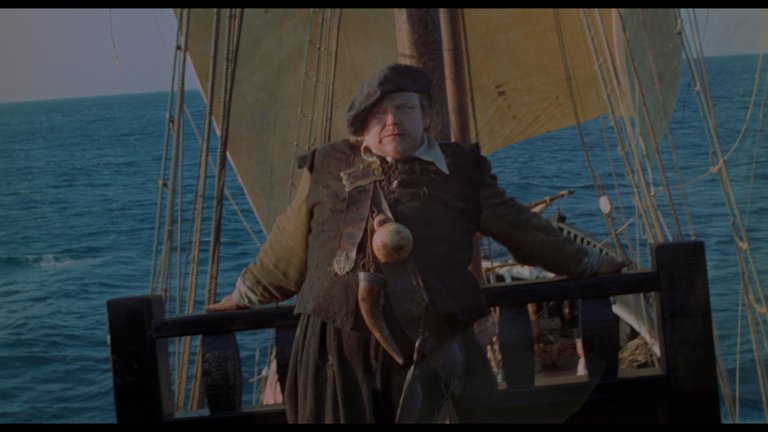
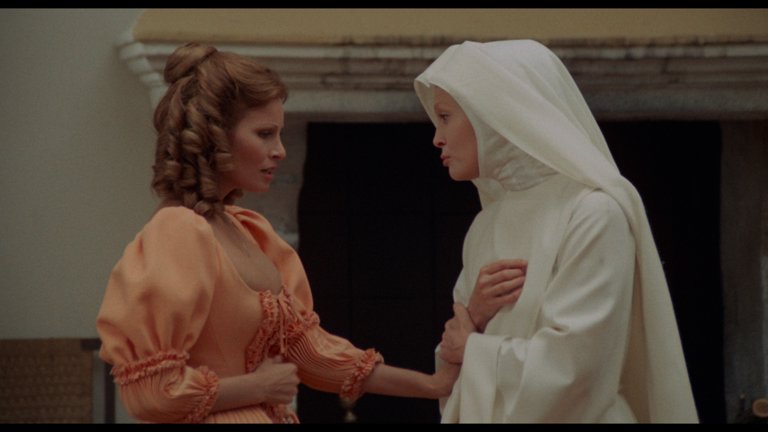
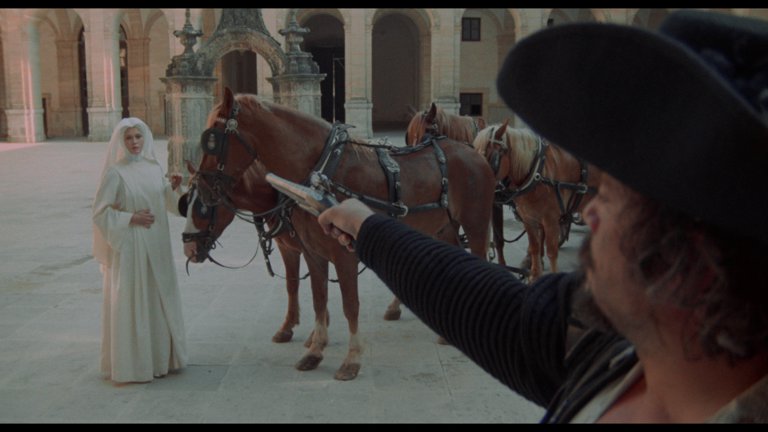
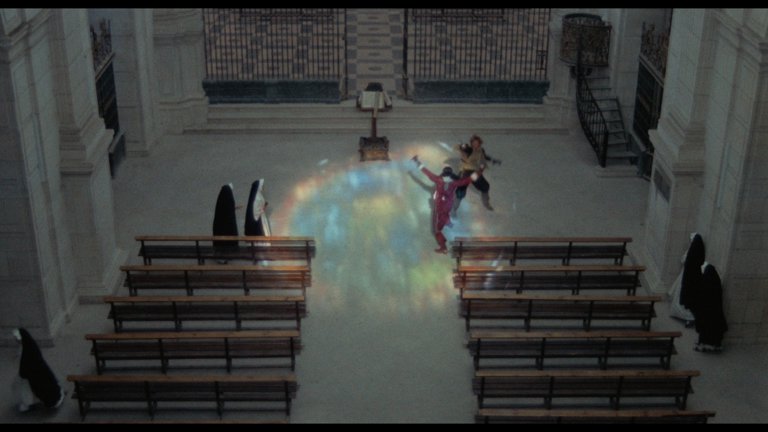
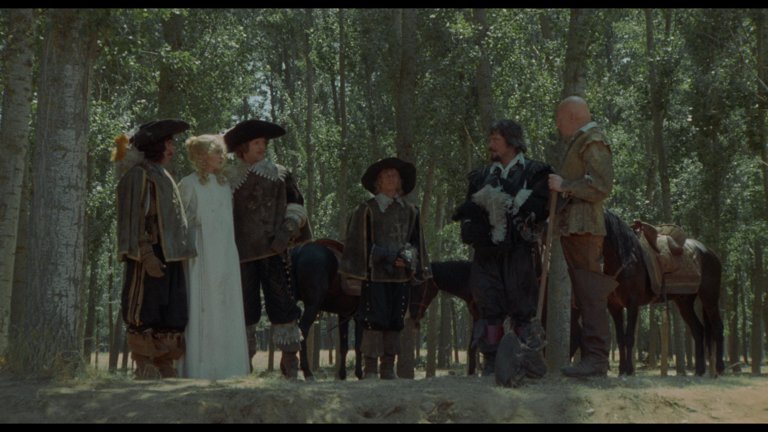
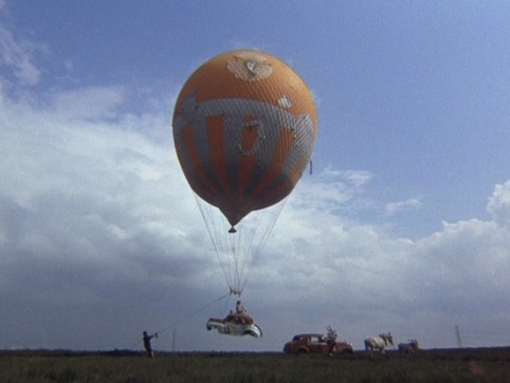
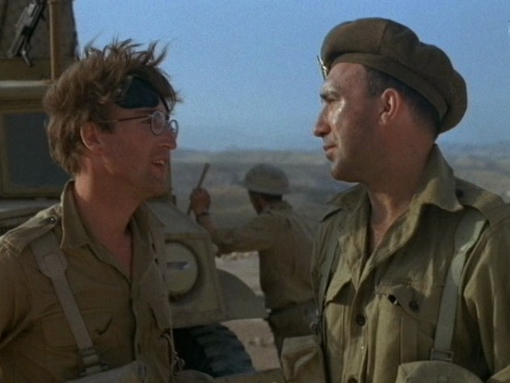
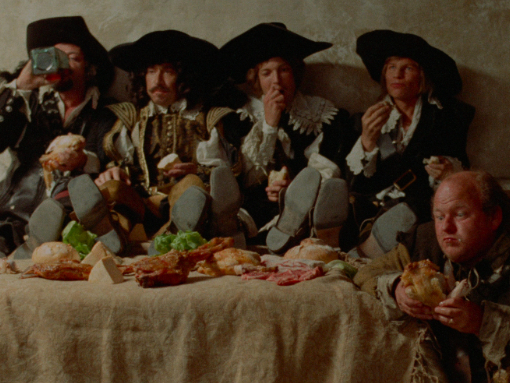
The Three Musketeers / The Four Musketeers: Two Films by Richard Lester - Screen Captures
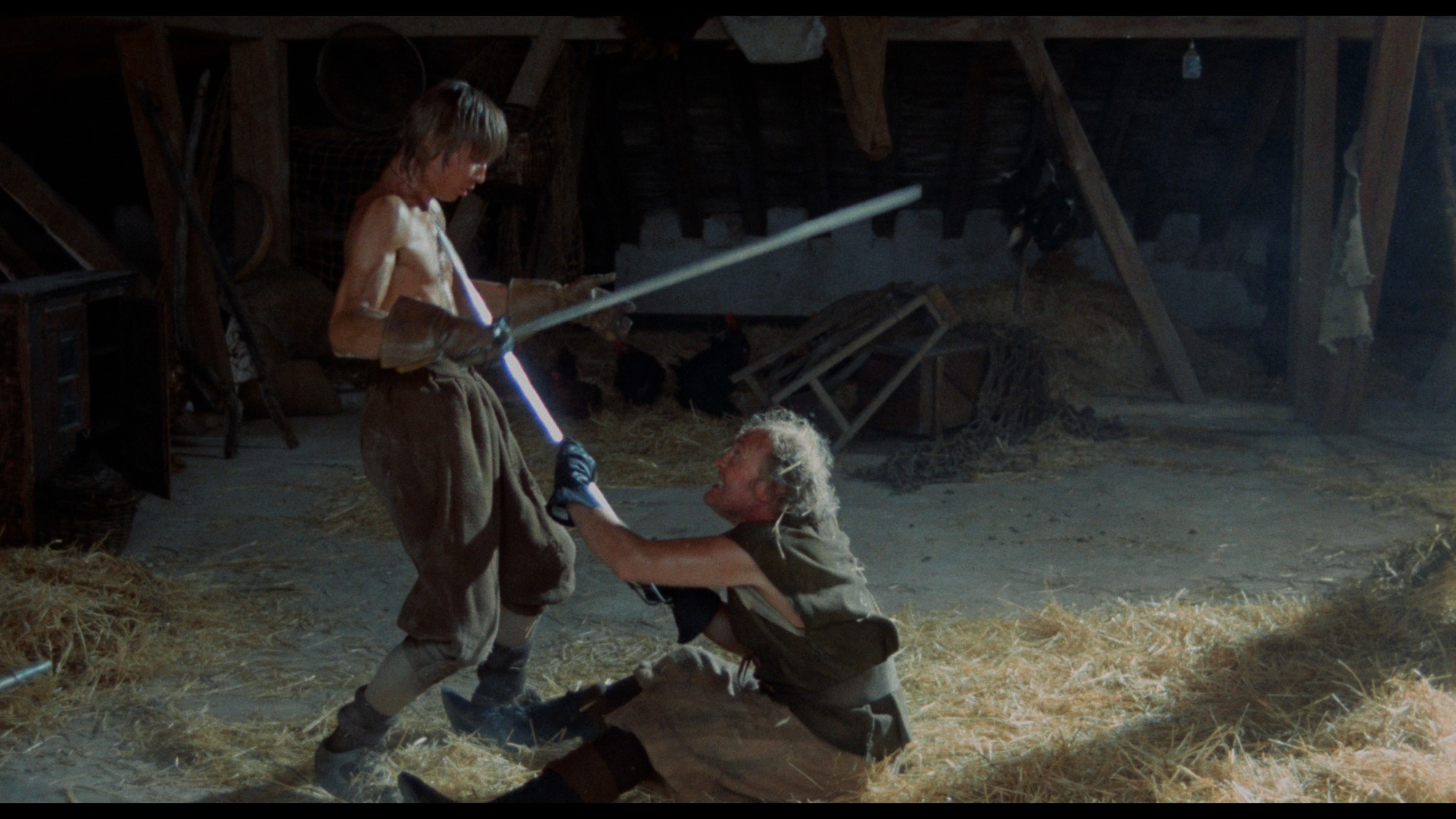
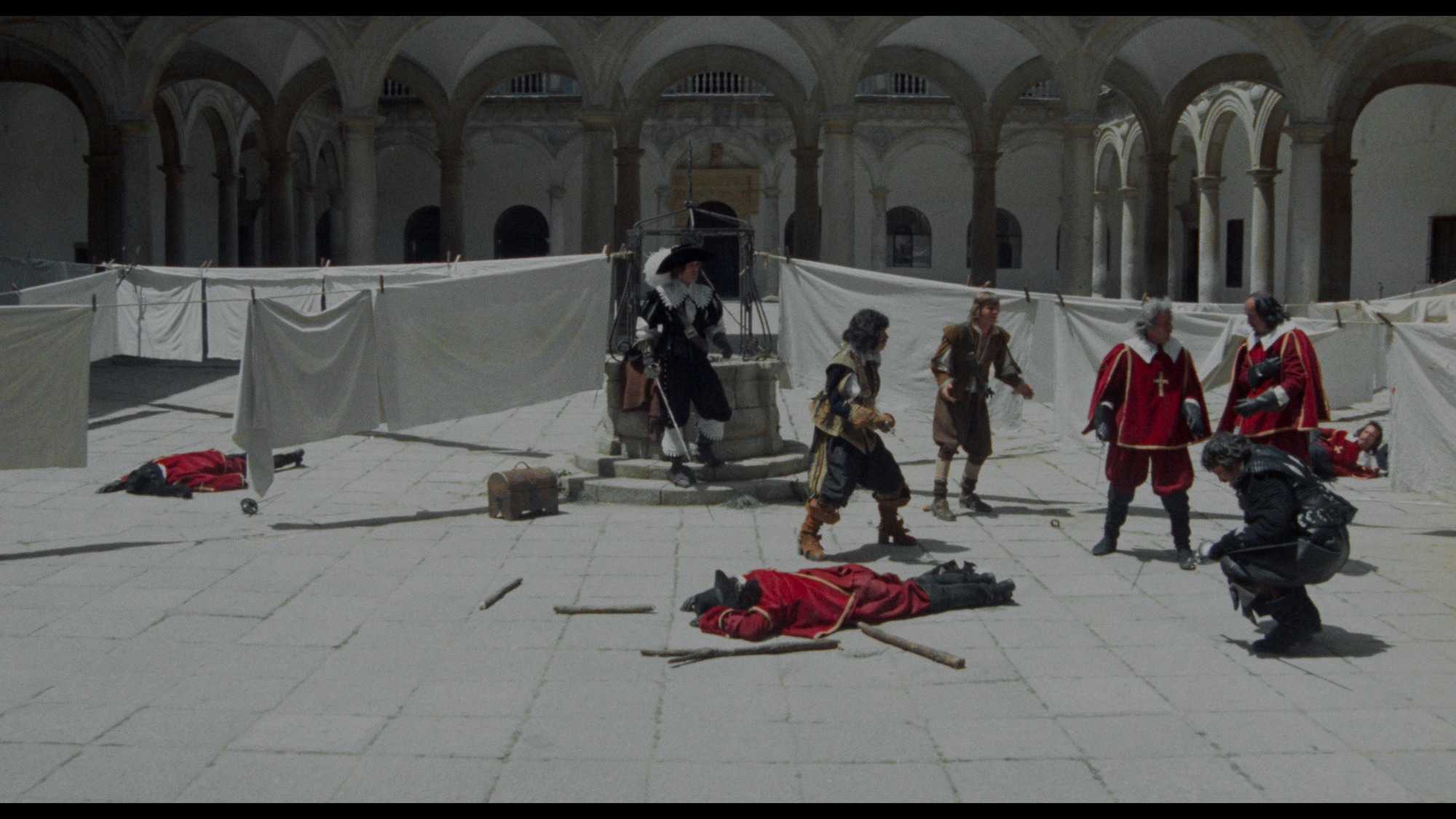
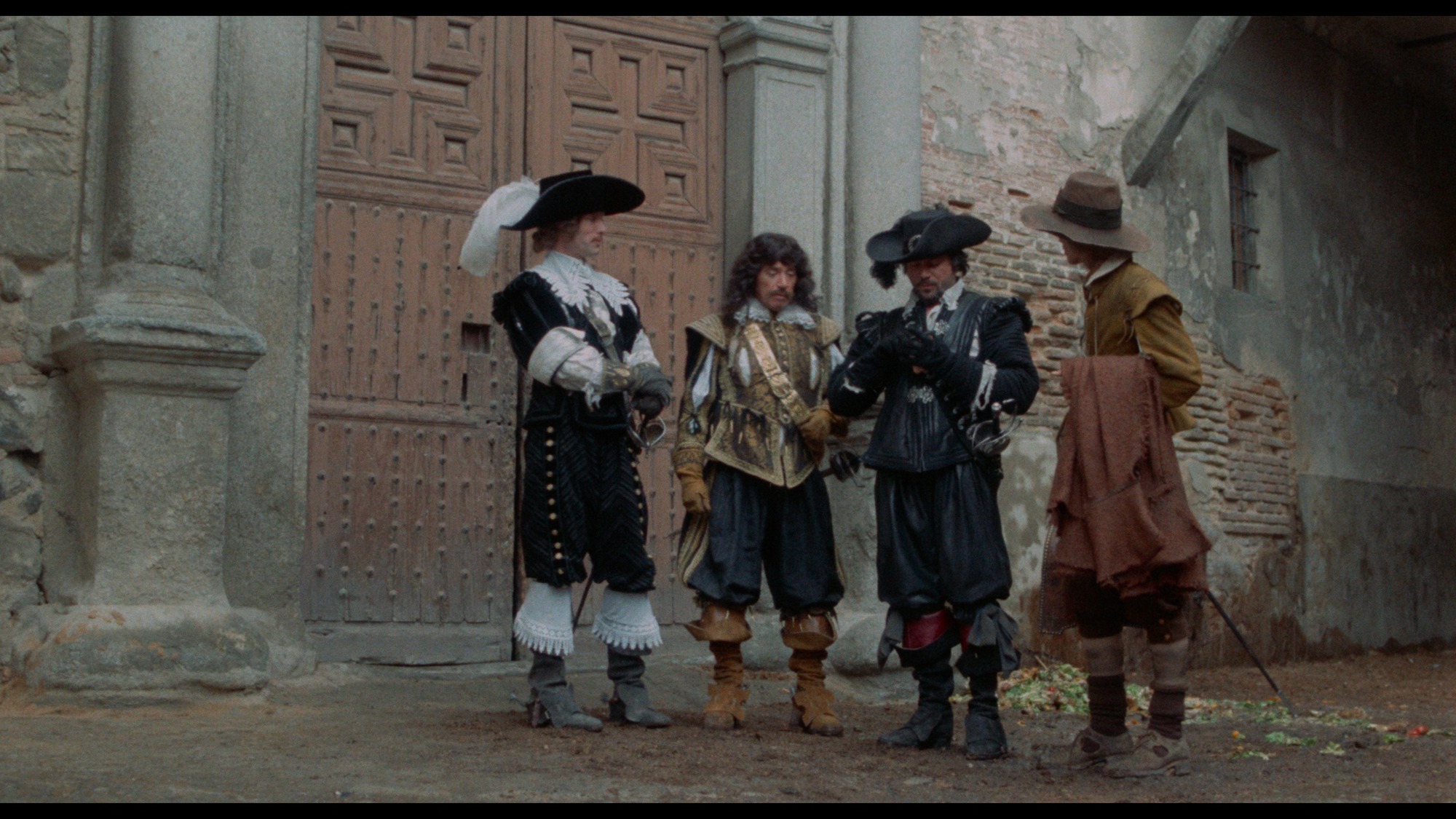
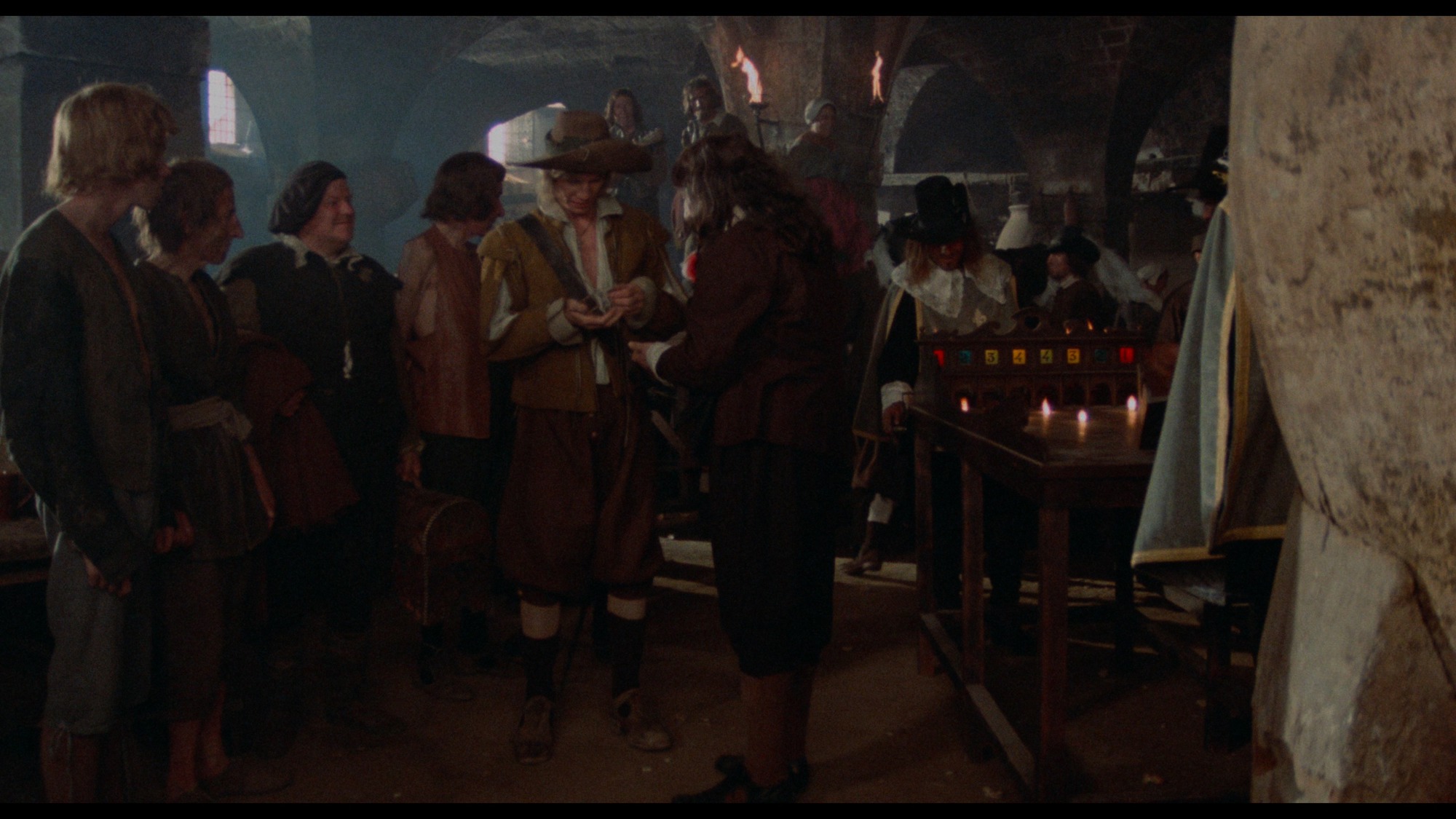
Audio 7/10
Both films are presented with lossless PCM 1.0 monaural soundtracks. Neither track stands out in a big way, but both sound perfectly fine for what they are. Dialogue is sharp and clear, with decent range and fidelity, while the clashing of swords carries a satisfying metallic ring. The music comes through well, too—never harsh or edgy—and there’s no notable damage to speak of.
Extras 8/10
The release’s supplements (found on the Blu-ray discs for each film) start out a bit underwhelming, simply recycling older material. This includes a 7-minute on-location featurette produced in 1973,which at least offers some decent behind-the-scenes footage, as well as two making-of documentaries from the early 2000s DVD releases, one for each film. These brief 23- and 25-minute featurettes cover the production (or more accurately, the single production that was ultimately split into two films), touching on the decision to divide the project, sharing a few anecdotes from the set, and featuring interviews with key cast members including Christopher Lee, Raquel Welch, Frank Finlay, Michael York, and Charlton Heston. They’re fine, but fairly superficial.
Far more substantial, and easily the highlight of the set, is a newly produced, four-part video essay by David Cairns, titled Two for One, running a combined 141 minutes and split between the two Blu-rays. Cairns is clearly a fan of the films and provides a far richer, more organized dive into their chaotic and fascinating production history. Drawing from archival materials and audio interviews (including some with Lester himself), Cairns walks us through the entire process in chronological order: pre-production, the shoot, and post-production.
He begins by detailing how the Salkinds shopped the project to various directors, including Tony Richardson, riding high off Tom Jones, before convincing a hesitant Lester to take it on. Lester disliked the previous Musketeer adaptations he only attempted to watch after accepting, but was drawn in by the opportunity to root the film in period accuracy, diving deep into historical research during pre-production, and this was apparently the part he most enjoyed. Cairns also thoroughly covers the casting process and the costume and set designs, offering insight into both the artistic ambitions and logistical chaos of the production.
Anecdotes from the set are plentiful and entertaining: Oliver Reed showed up hungover most days but could still deliver his lines and perform scenes flawlessly (though he was rough on the stuntmen); Richard Chamberlain found him genuinely terrifying. Raquel Welch, who briefly walked off the set, ultimately returned and was surprisingly game for many of Lester’s physical comedy gags, even those that played on her sex-symbol image, despite a contract that forbade objectification. There are fascinating production details, too, such as Charlton Heston subtly adjusting his voice throughout a scene so it would stay even on the boom mic, or how cinematographer David Watkin intentionally lit Faye Dunaway’s eyes to appear cold and lifeless, which Dunaway misunderstood as a failure of craft (apparently she was very upset about this).
Cairns also discusses the physical demands of the shoot, including scenes filmed in over 100-degree heat, and explains how limited actor availability, hidden budgetary concerns, and distributor demands shaped the final films. The Salkinds, whose financing partly depended on Welch’s involvement, concealed their money issues, and made the call to split the film in two early on, without informing most of the cast. Only a handful knew. Lester had originally envisioned a roadshow presentation featuring both films together. In the end, this fractured rollout, and the way the Salkinds handled talent compensation, led to what’s now known as the “Salkind Clause,” designed to prevent similar bait-and-switch tactics in future productions. (Lester himself only received his due compensation after agreeing to take over Superman II.)
It's an absolutely fantastic piece, beautifully assembled by Cairns, who manages to keep things quick and fun. I liked this one a lot.
Each disc also includes the respective film’s trailer, while the included insert features a new essay by Stephanie Zacharek, who explores the enduring charm of both films and their place in Lester’s larger body of work.
At a glance it doesn't look like a lot, but Cairn's deep dive into both films makes up for the lack of other new material, and it's one of the best features of its kind in recent memory.
Closing
Criterion delivers a strong 4K edition of Lester’s Musketeer films, pairing solid presentations with a terrific new documentary.
BUY AT: