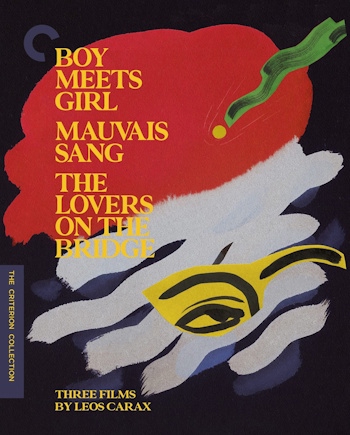
Three Films by Leos Carax
Mauvais Sang
BUY AT:


See more details, packaging, or compare
Synopsis
Burning with stylistic freedom, the first three features by Leos Carax are cinema at its most ecstatically sensorial and deliriously romantic. Built around virtuosic, intensely physical performances from Denis Lavant as three different characters named Alex, these tales of outsiders, criminals, and doomed lovers living on the edge blaze with the whirlwind abandon of youth and the thrilling highs and torturous lows of all-consuming passion. Love letters to the city of Paris, with its streets transformed by cinematographer Jean-Yves Escoffier into expressive dreamscapes, these three films erupt in moments of anarchic euphoria that fuse sound and image to heart-stopping effect.
Picture 9/10
Leos Carax’s Mauvais Sang receives a new 4K UHD presentation from The Criterion Collection, appearing exclusively in its new box set, Three Films by Leos Carax. The film is presented on a triple-layer disc in its original aspect ratio of 1.66:1 with an SDR 2160p/24Hz presentation sourced from a new 4K restoration taken from a scan of the 35mm original camera negative. The set also includes a standard dual-layer Blu-ray featuring a 1080p presentation of the film and all related special features.
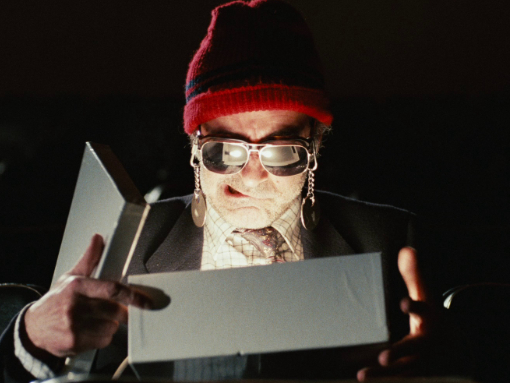
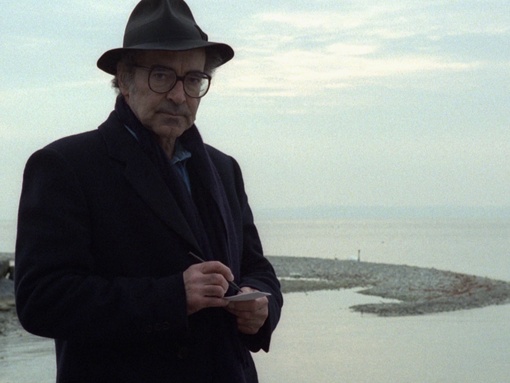
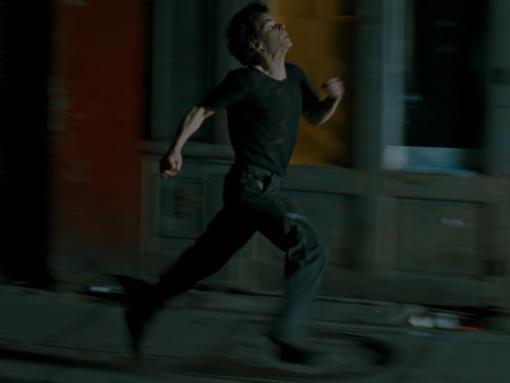
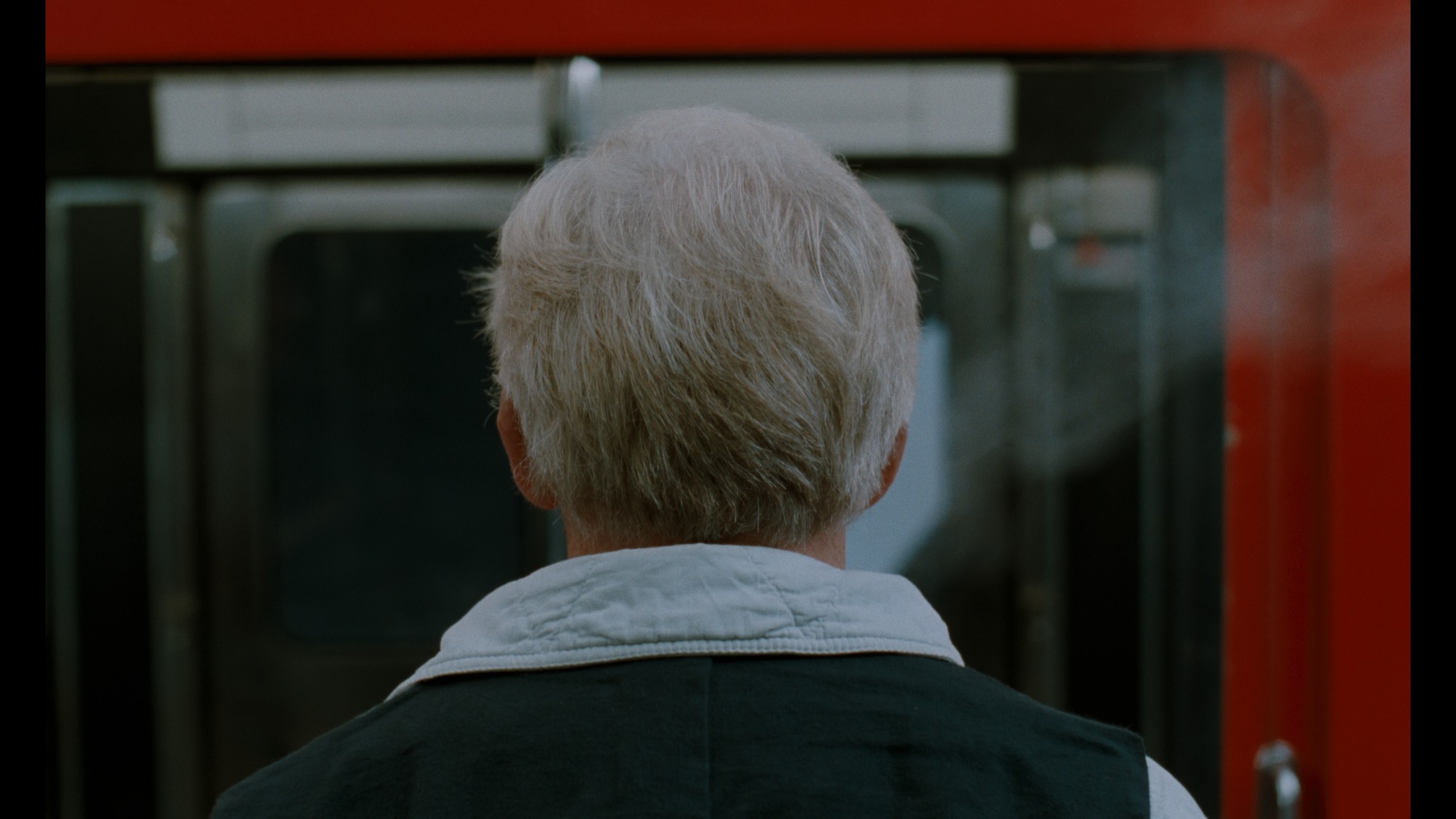
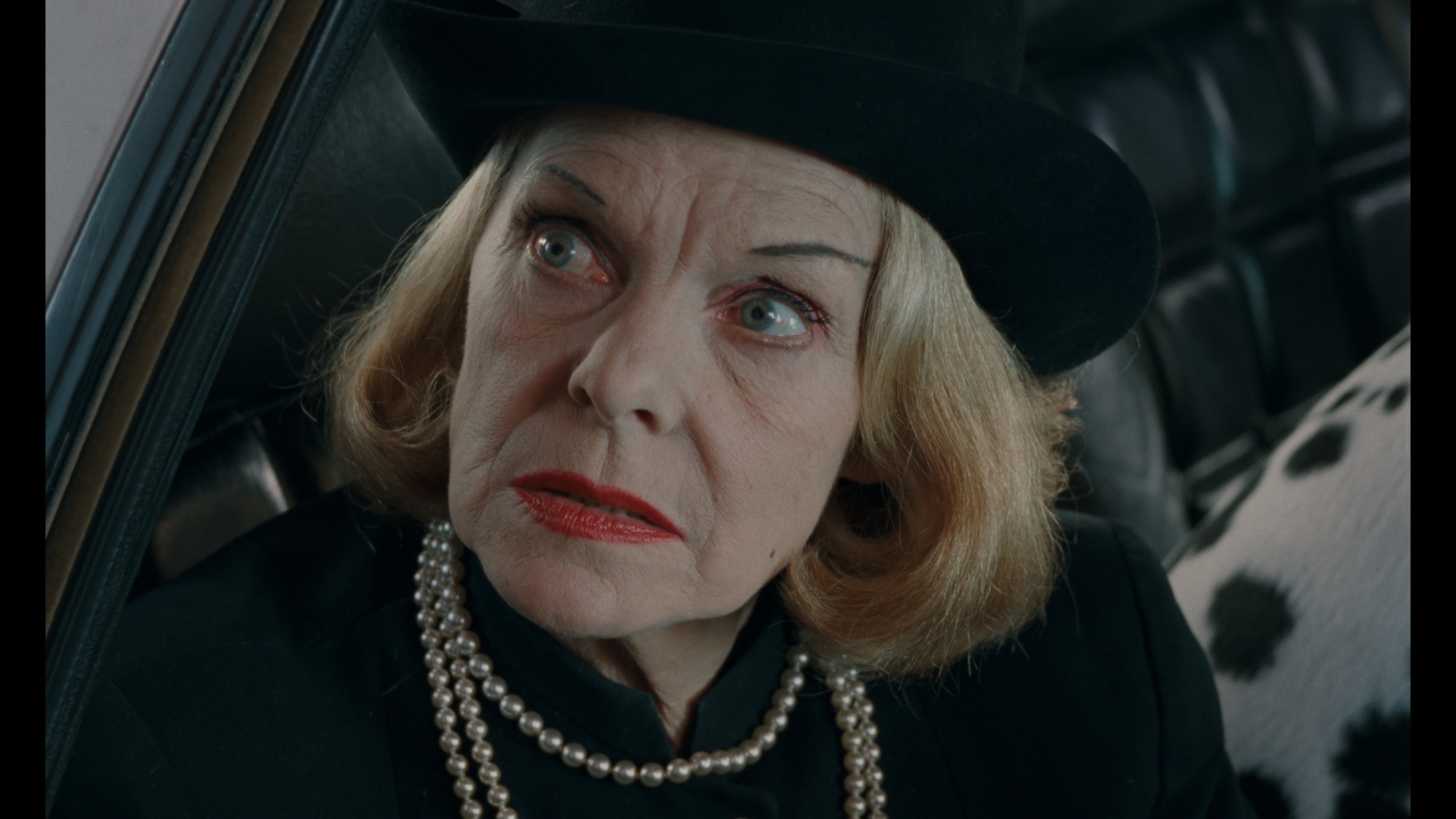
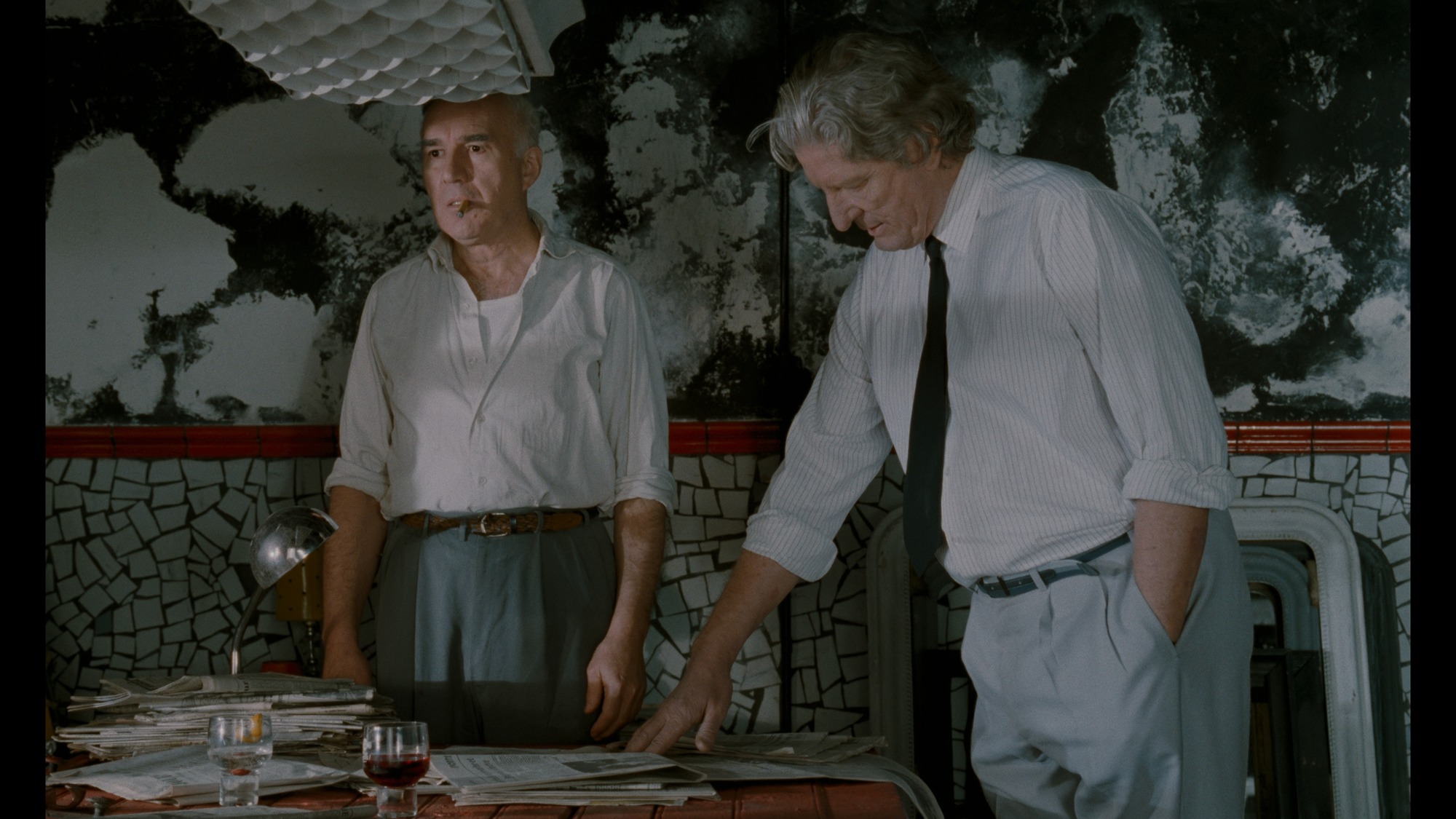
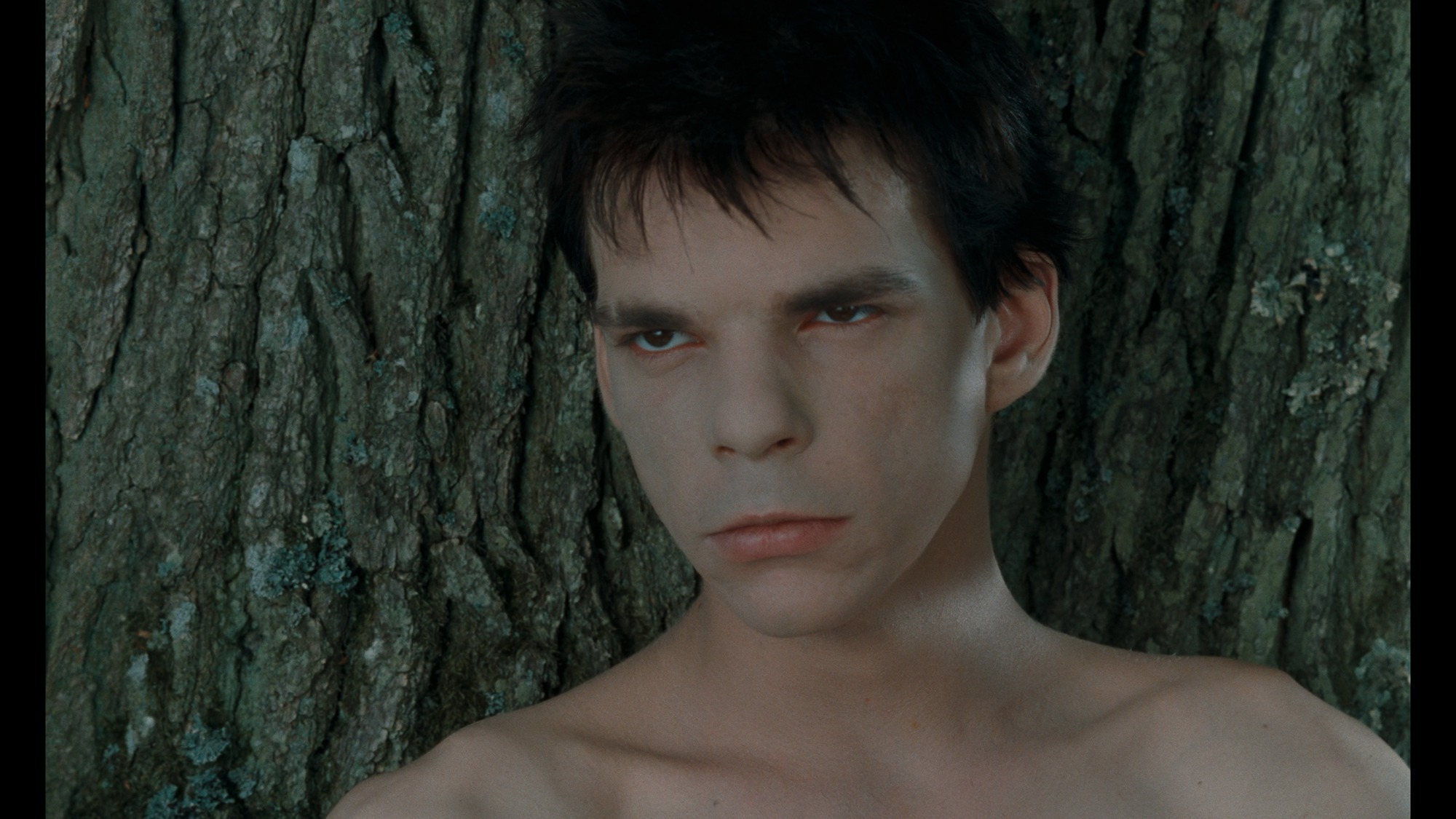
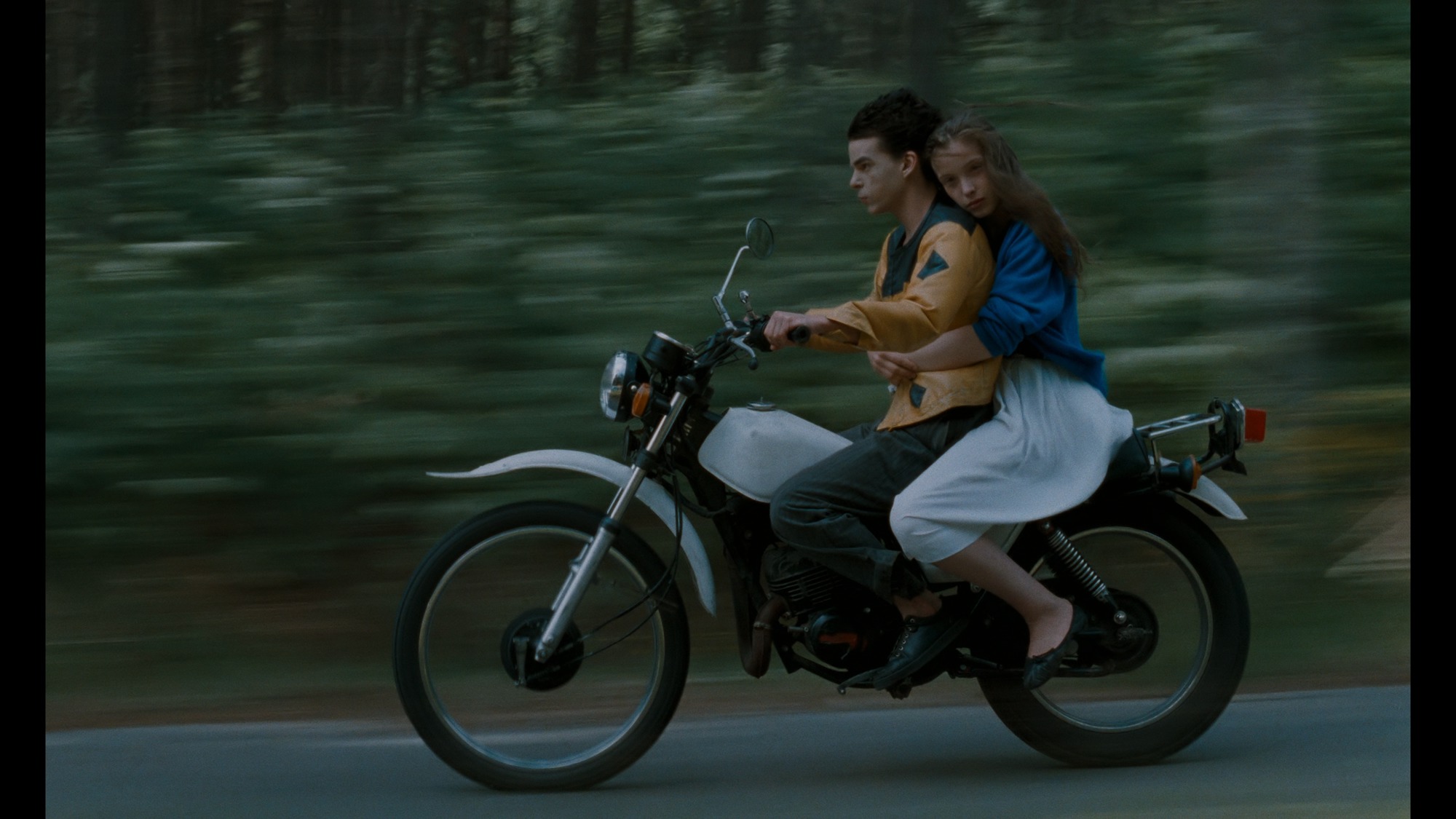
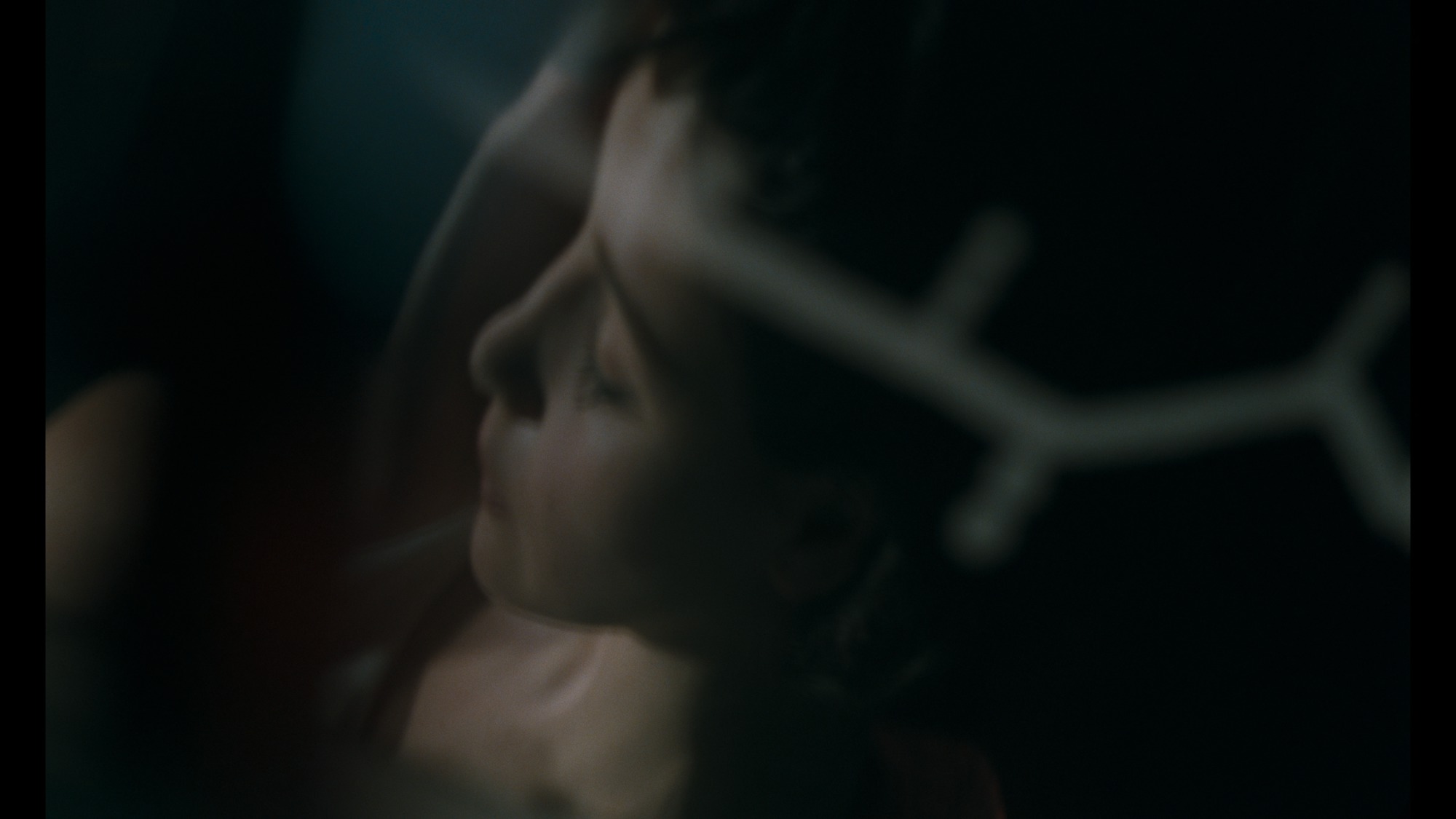
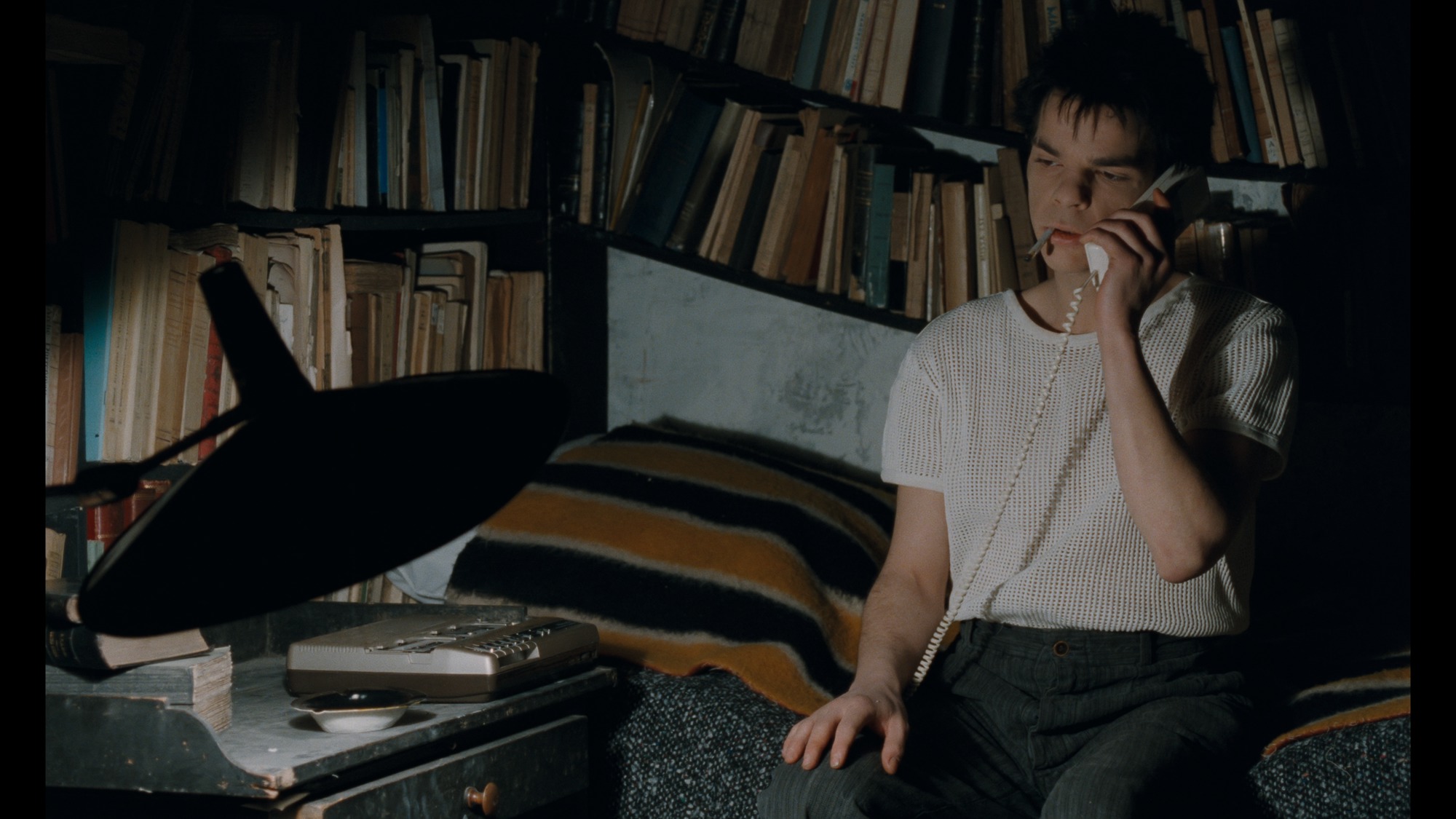
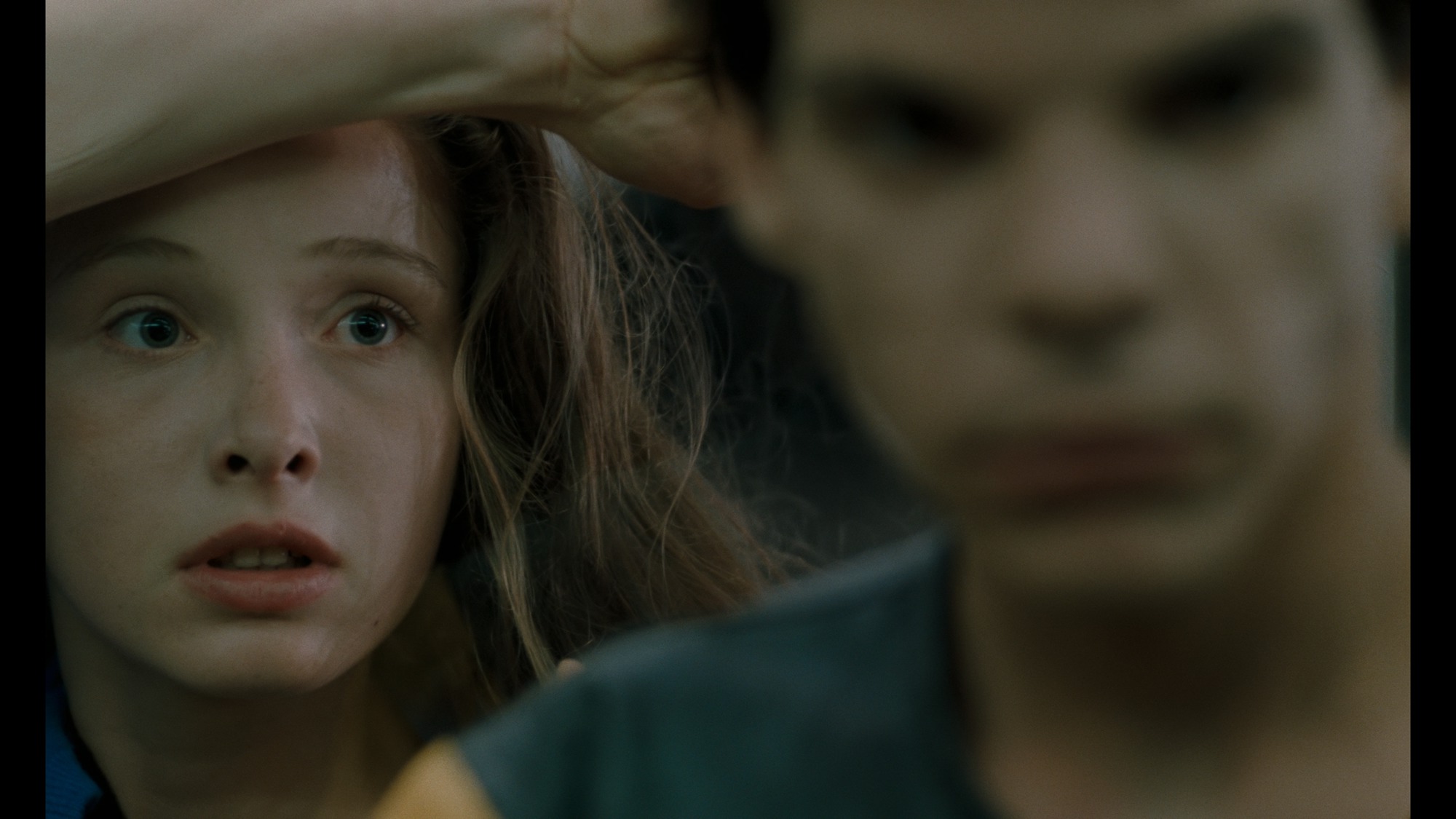
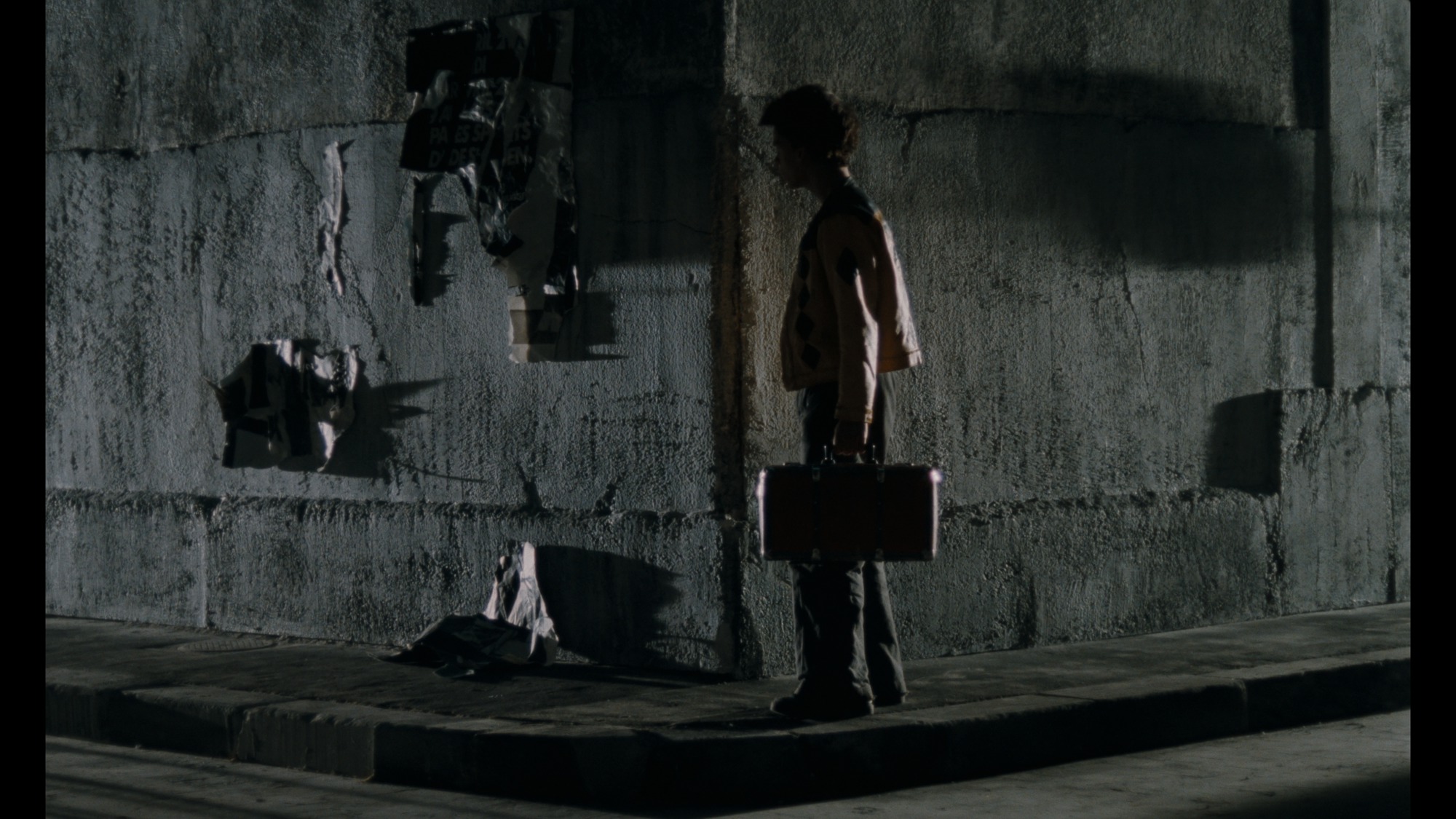
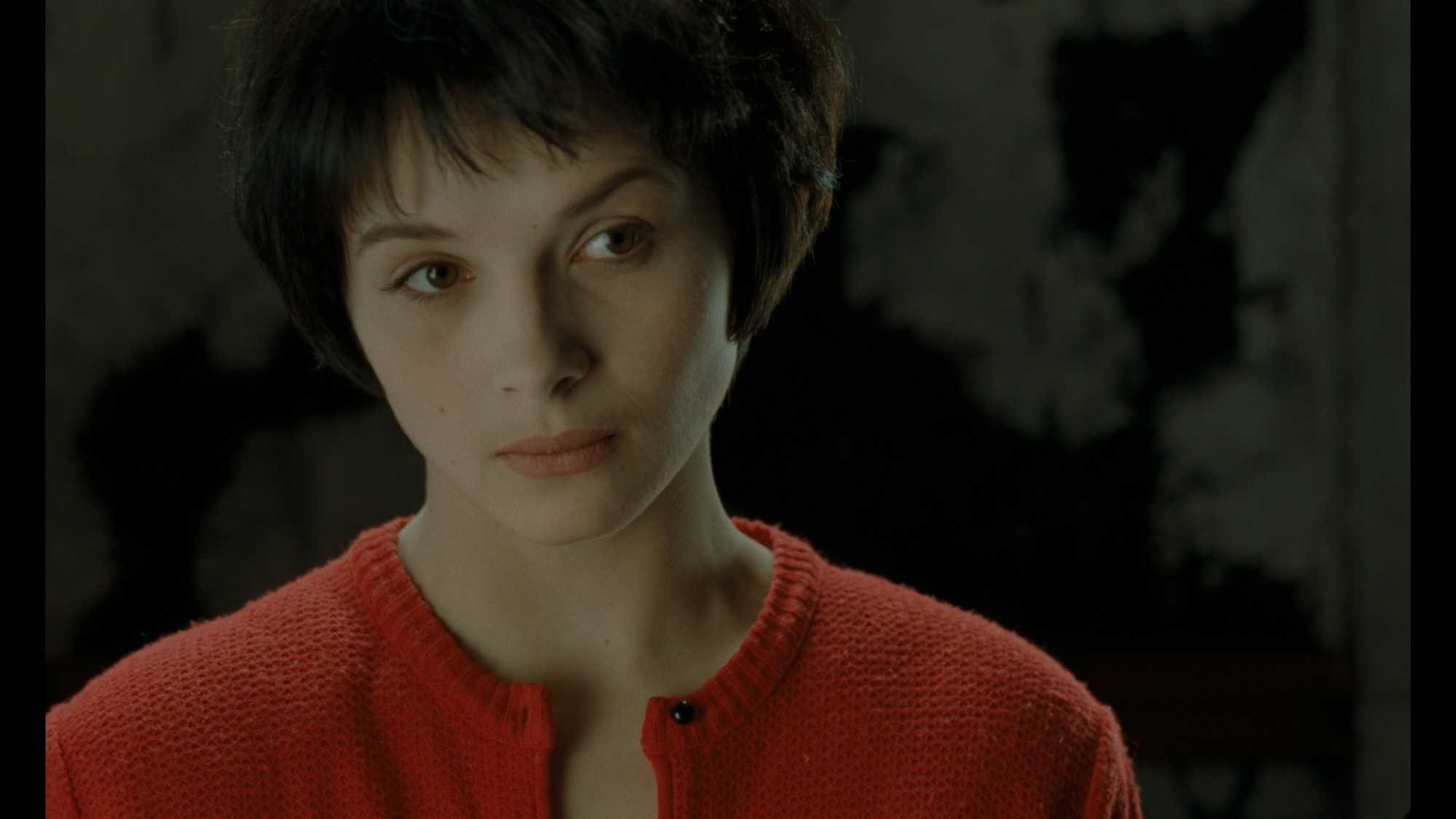
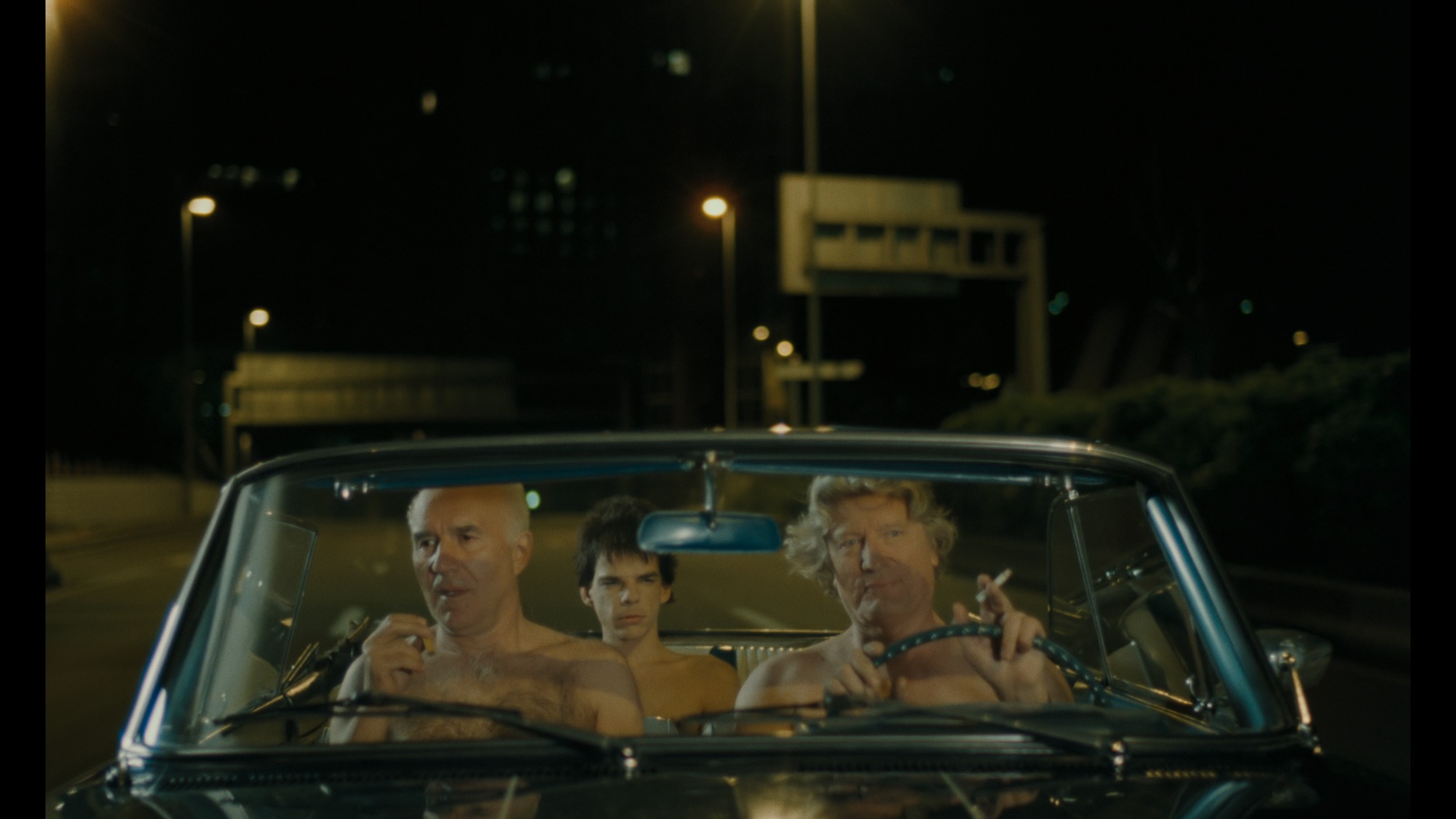
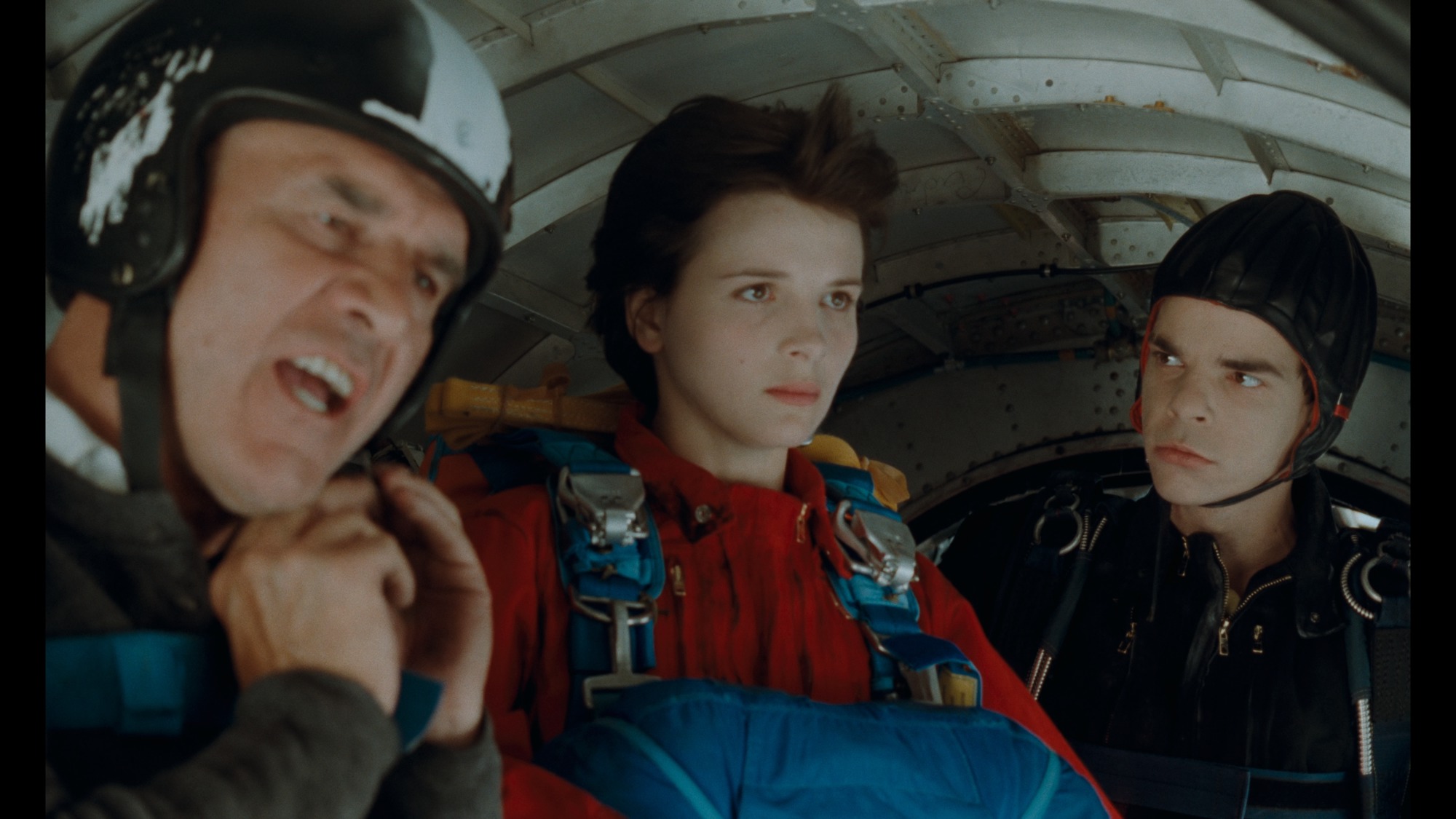
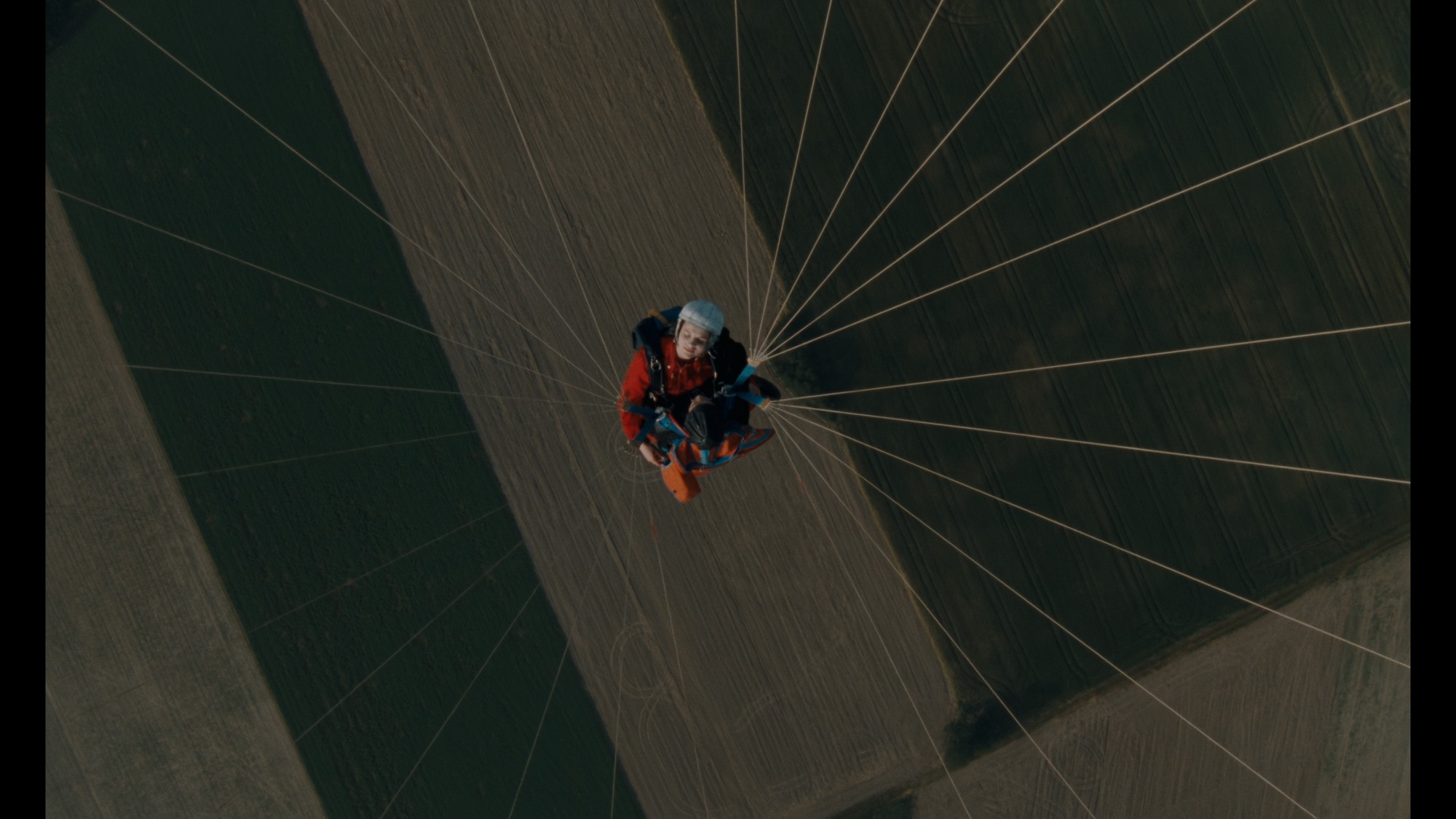
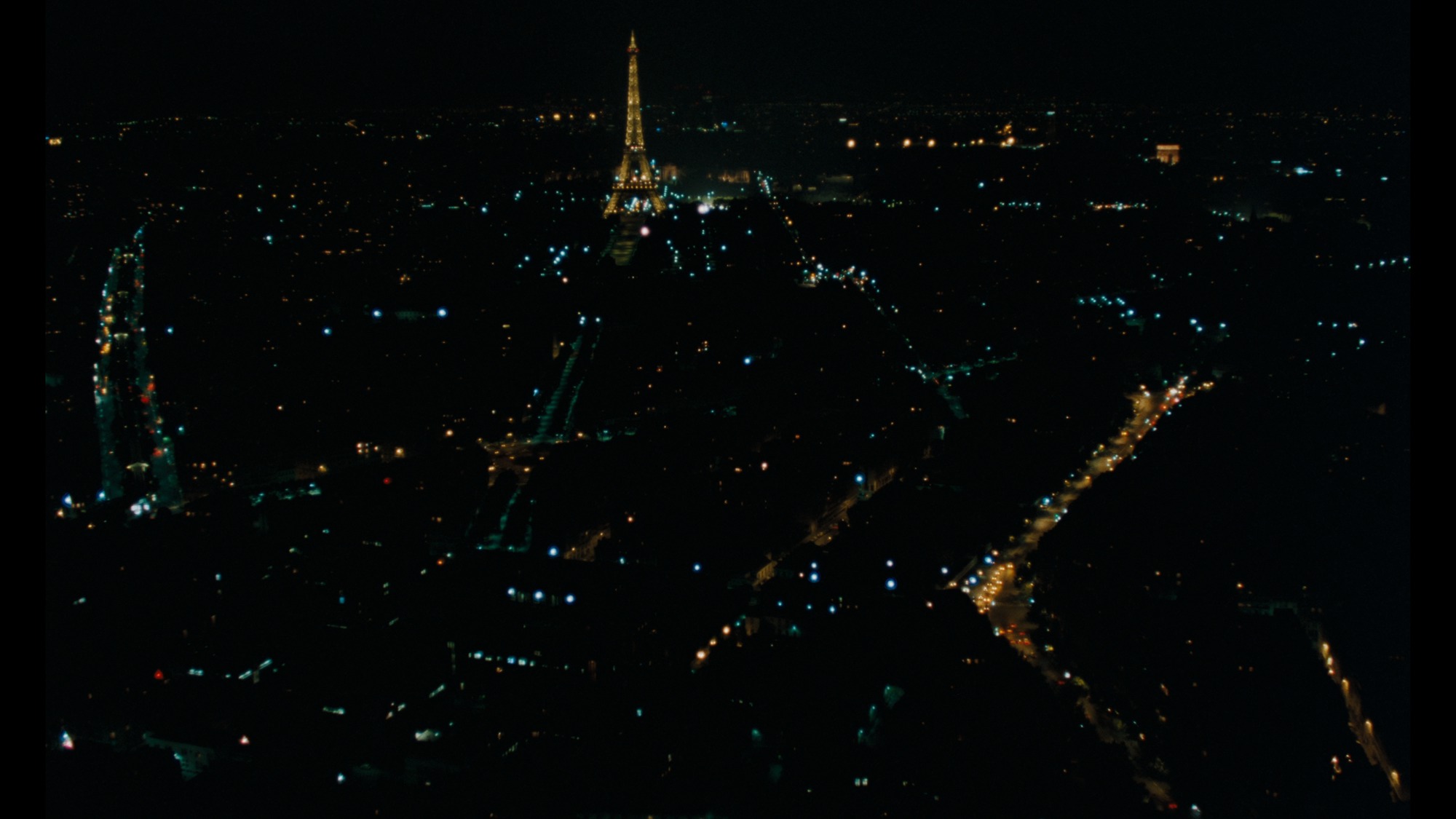
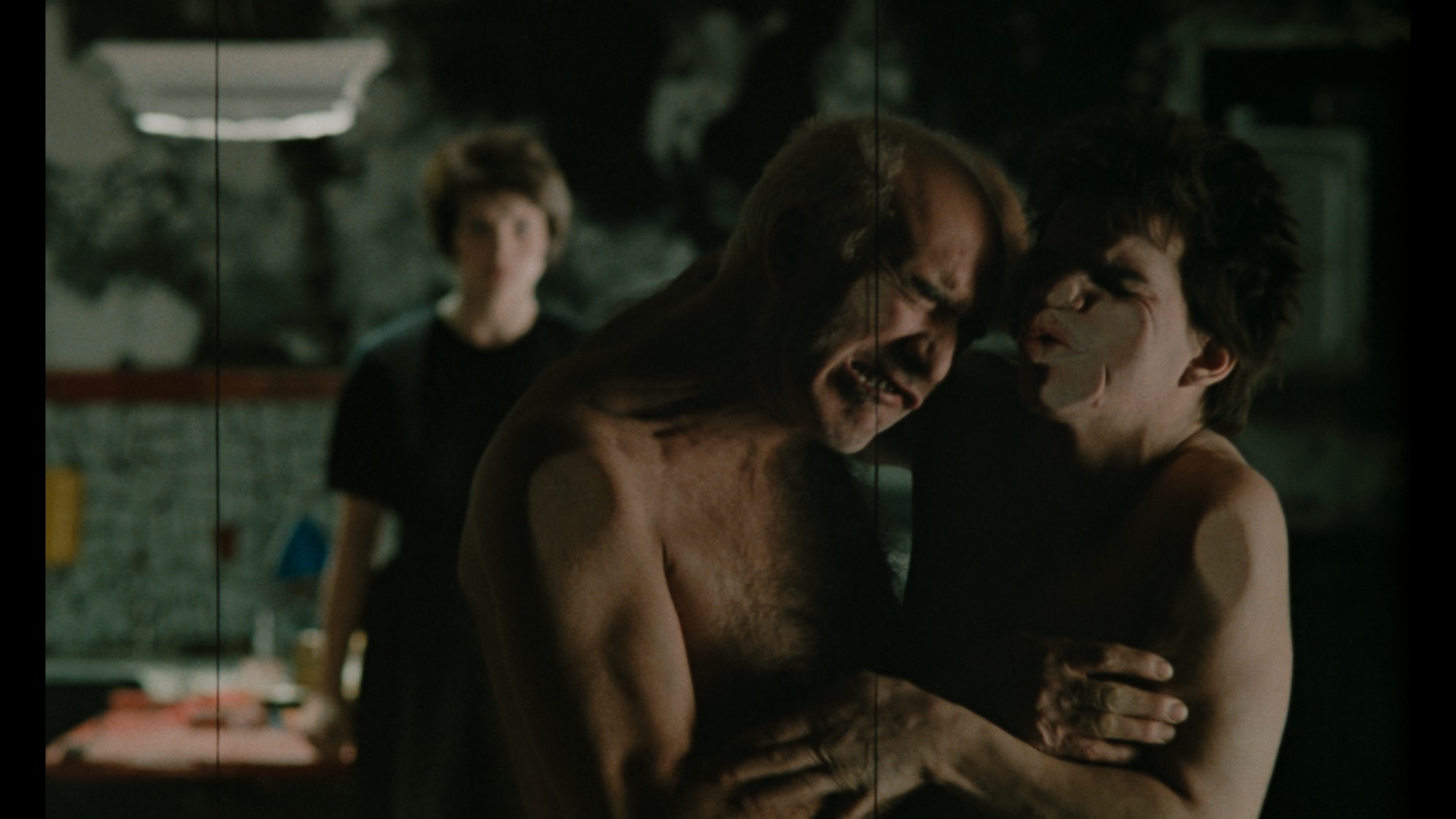
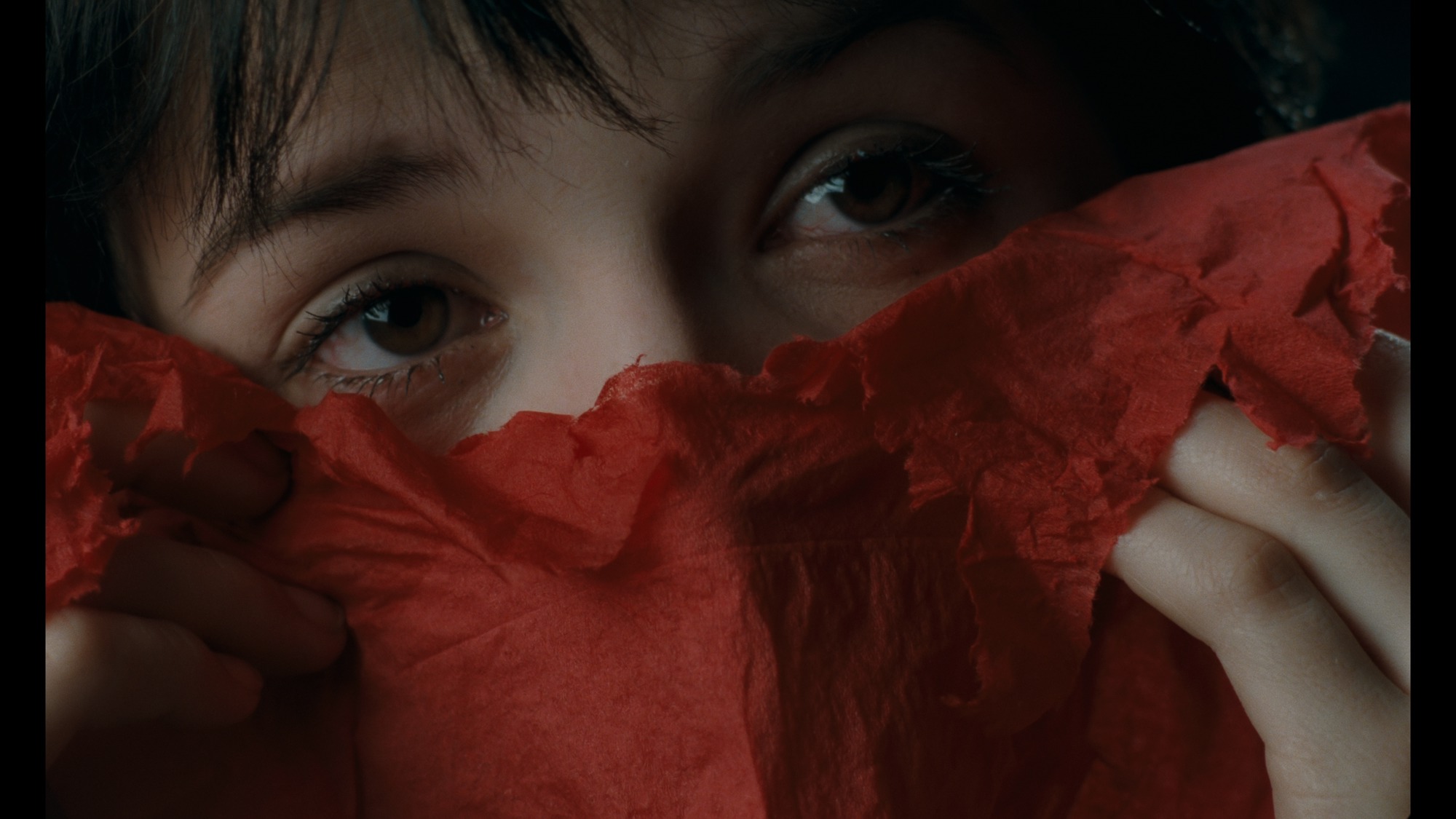
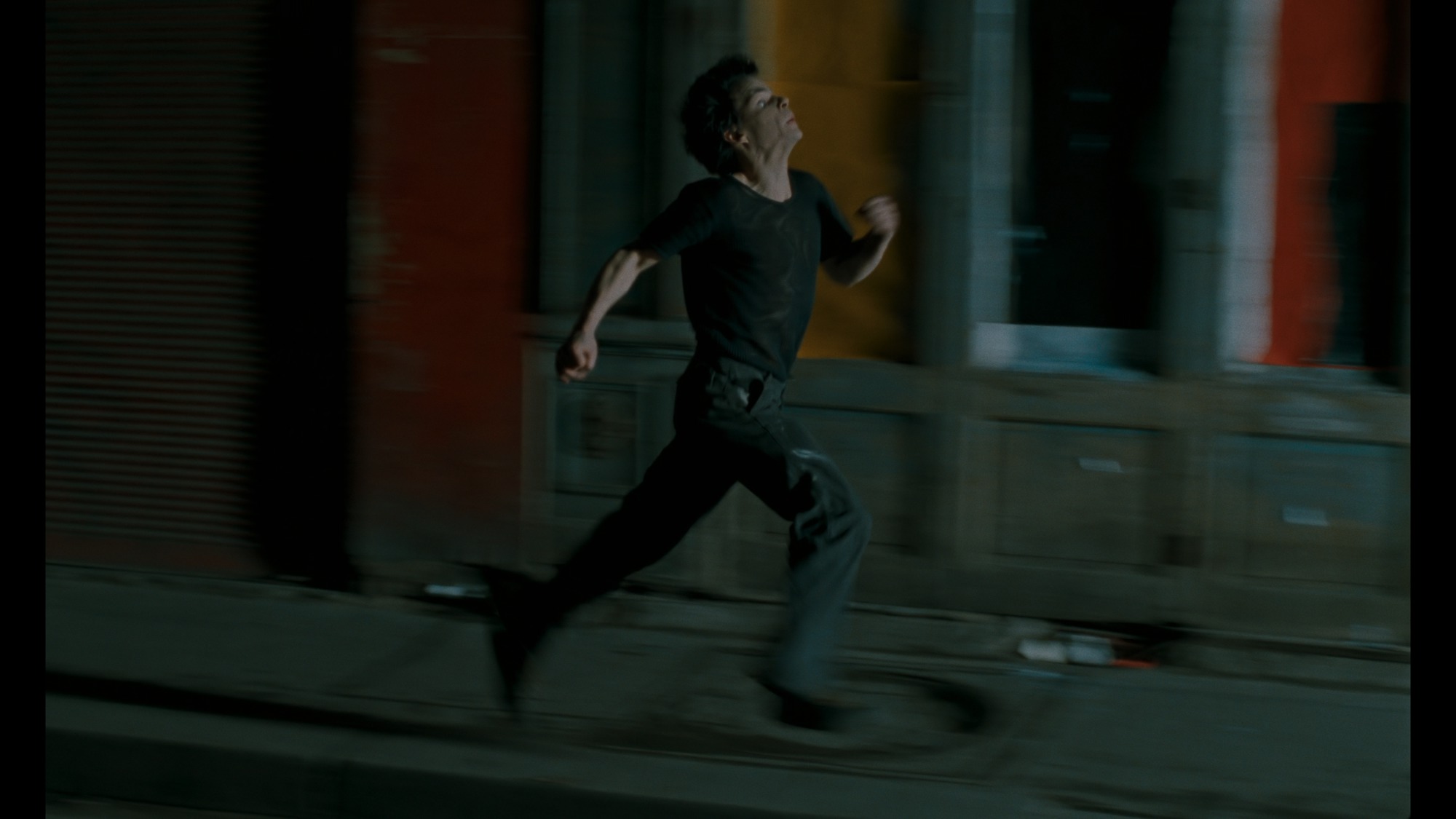
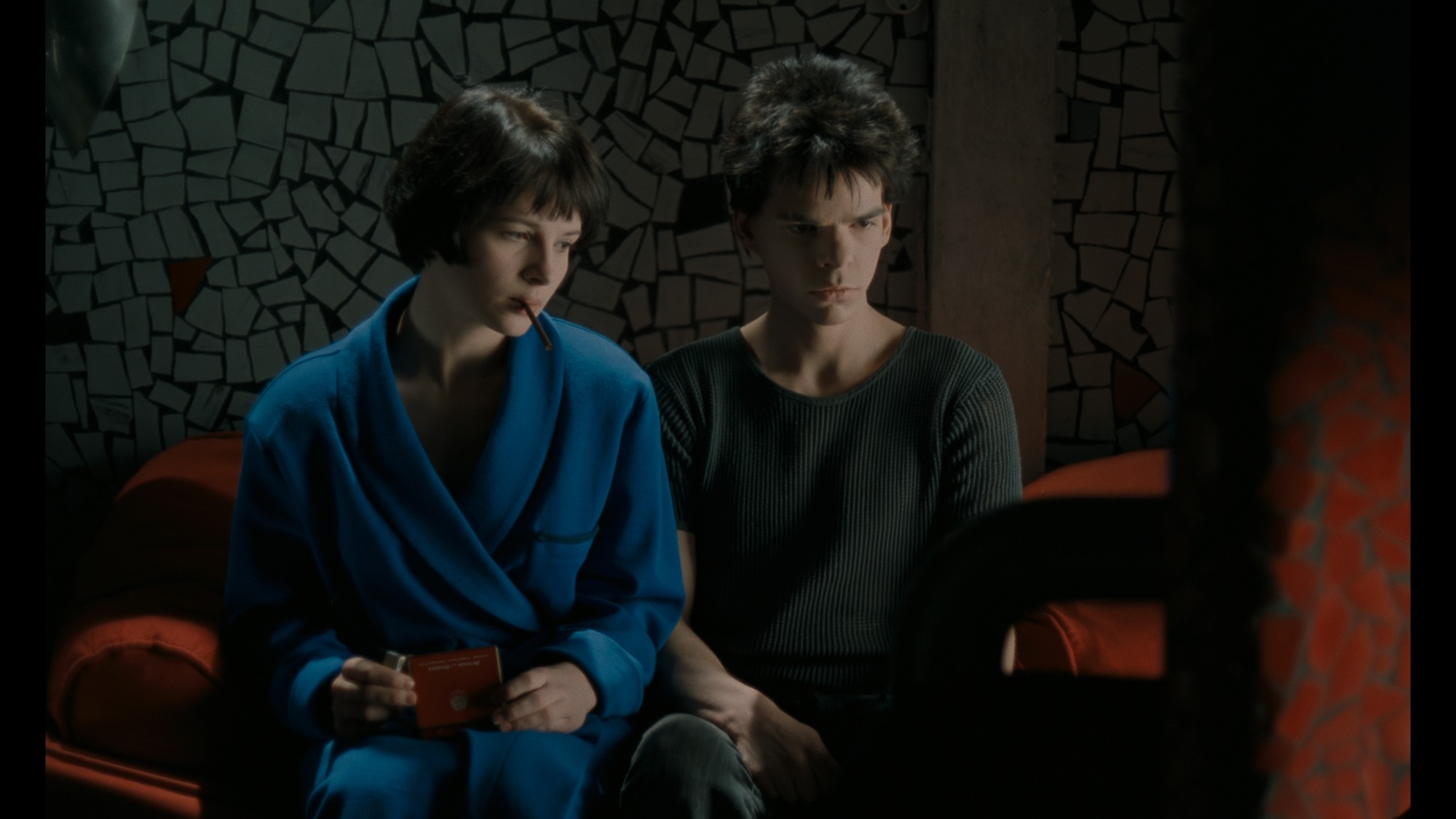
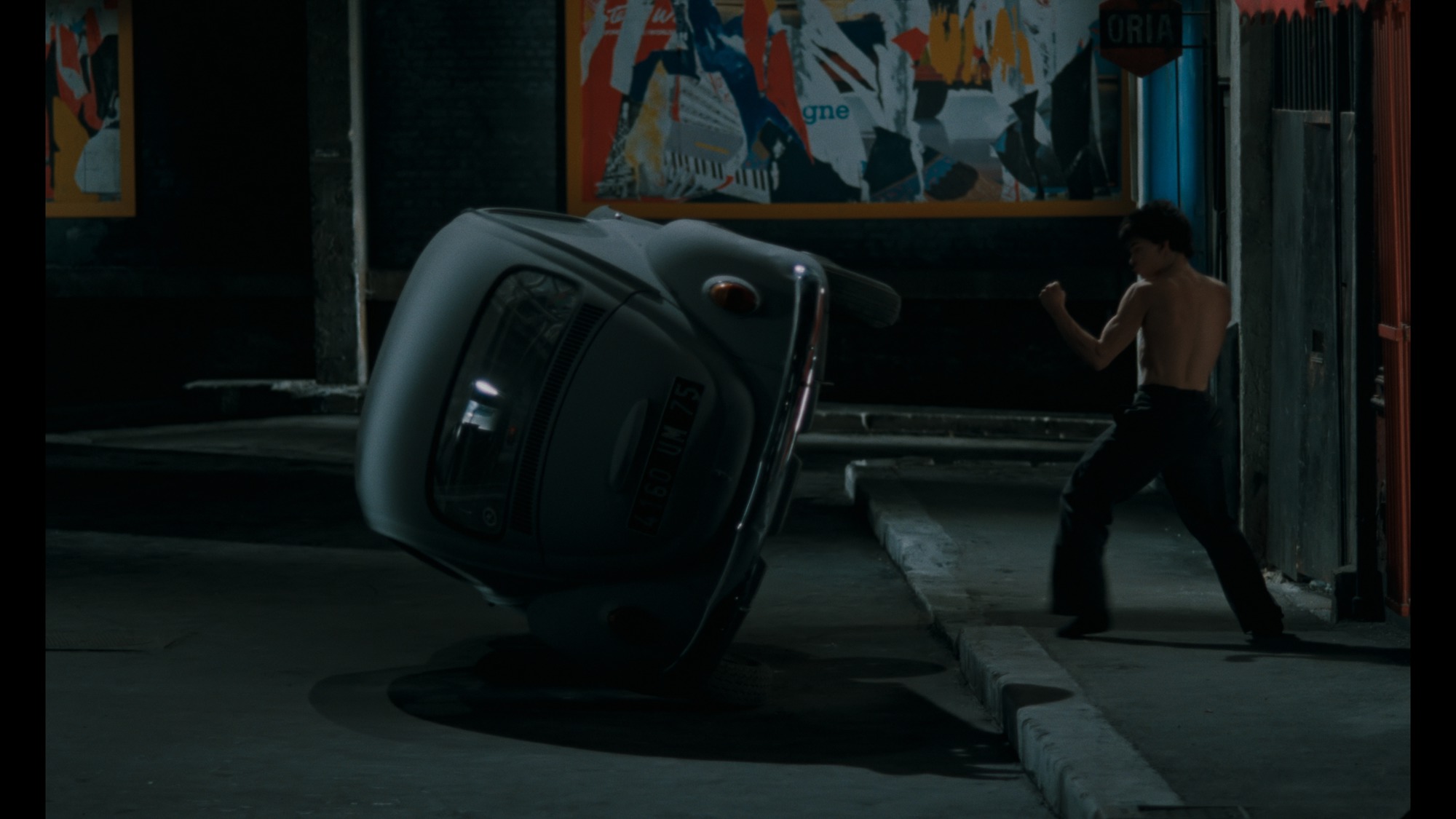
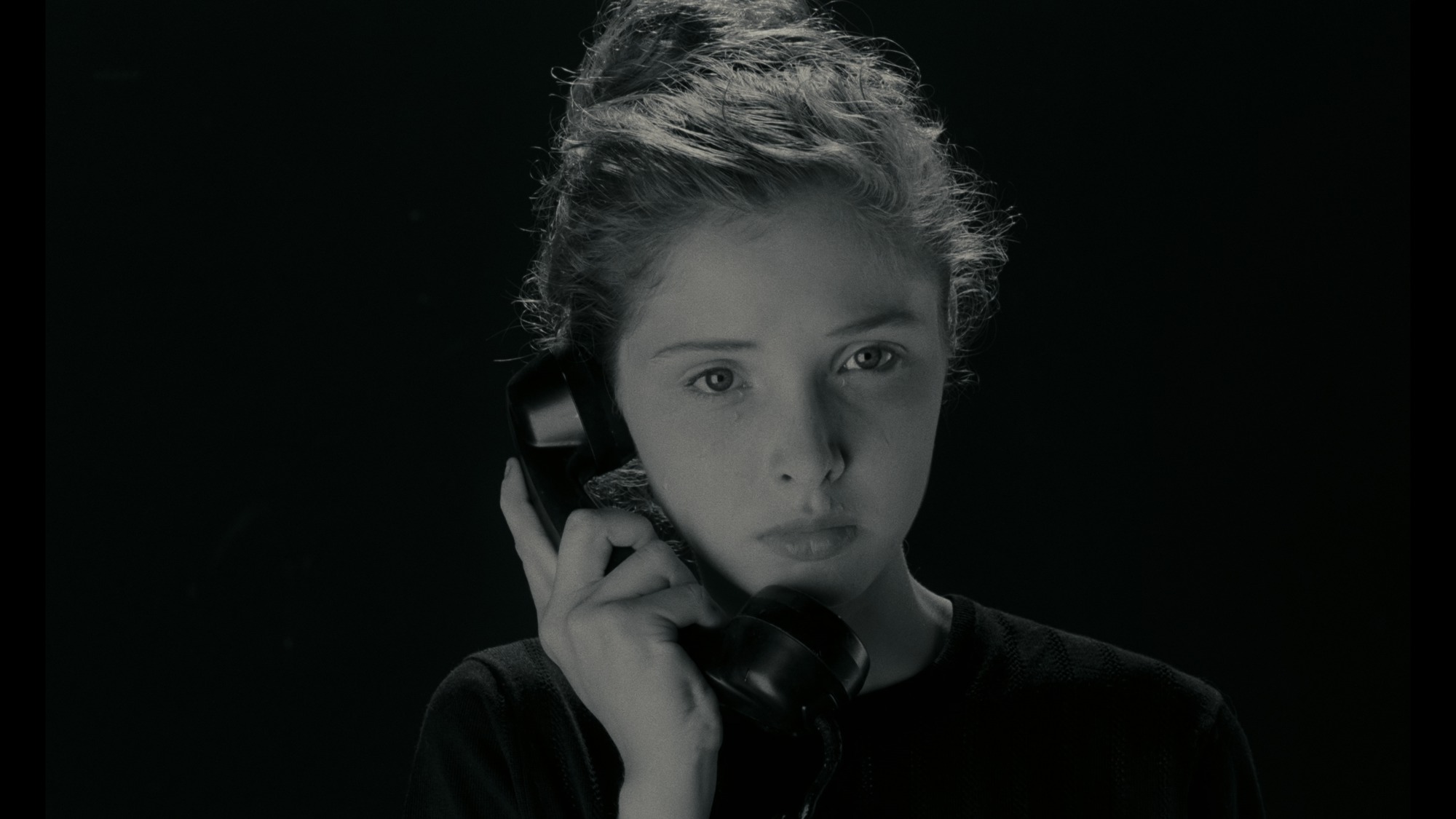
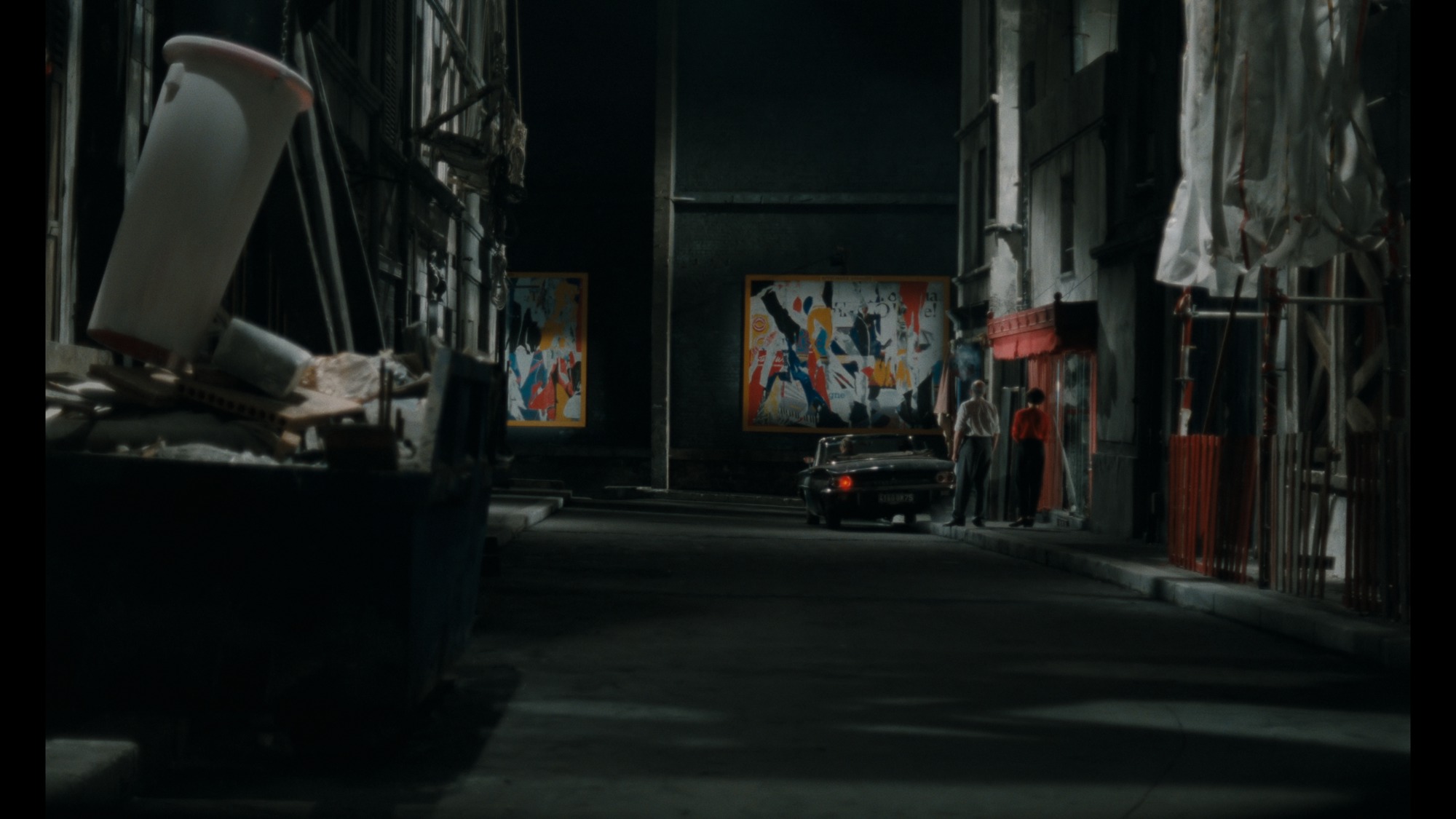
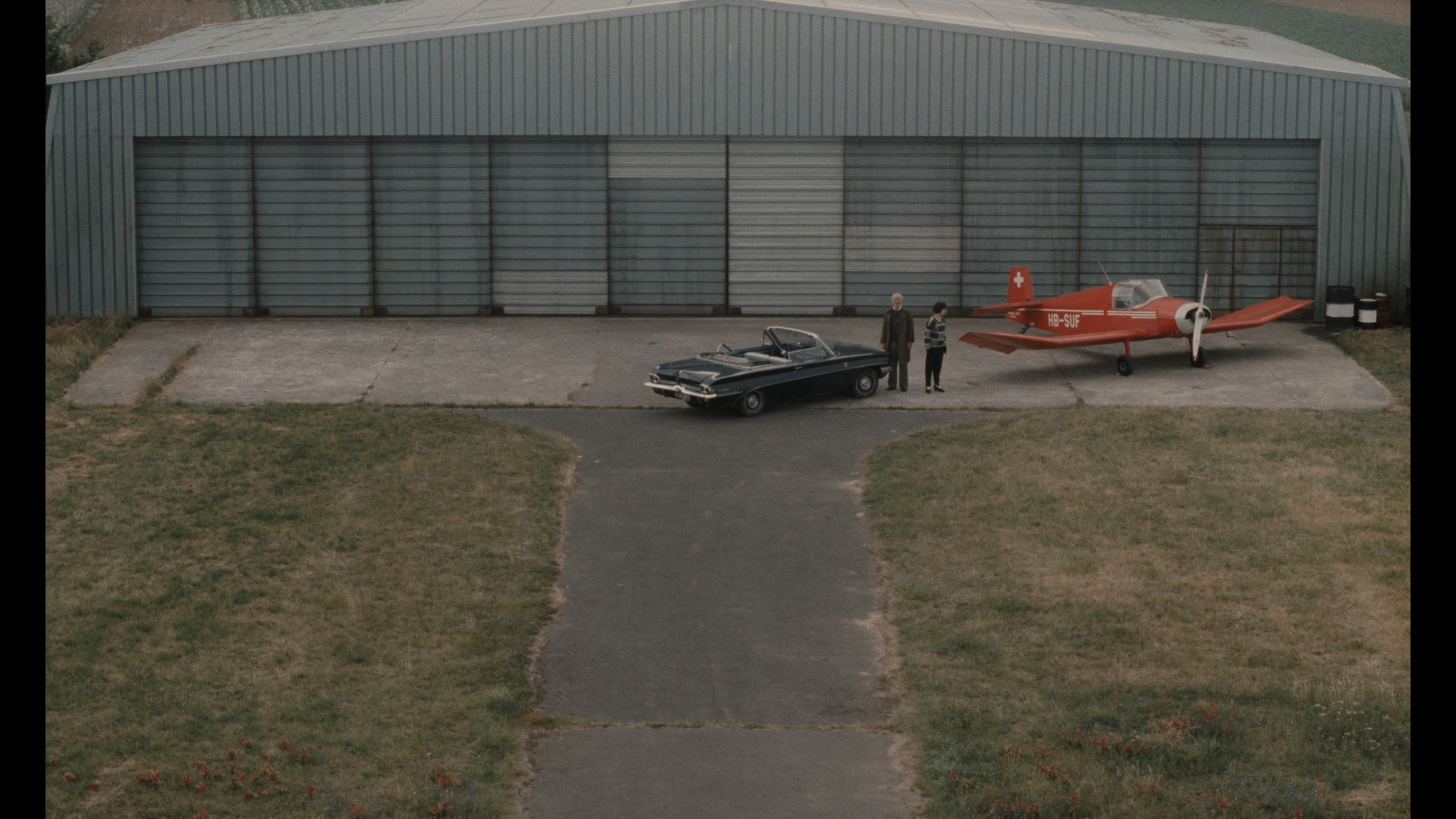
As with the previous film in the set, Boy Meets Girl, we get another outstanding 4K presentation. It’s incredibly clean, with the digital encode rendering the film’s incredibly fine grain structure naturally while bringing out fine details and textures with ease. Outside of a slow-mo sequence where some minor print damage is still present, the restoration has pretty much eradicated every bit of dirt and debris, and the film looks fairly new.
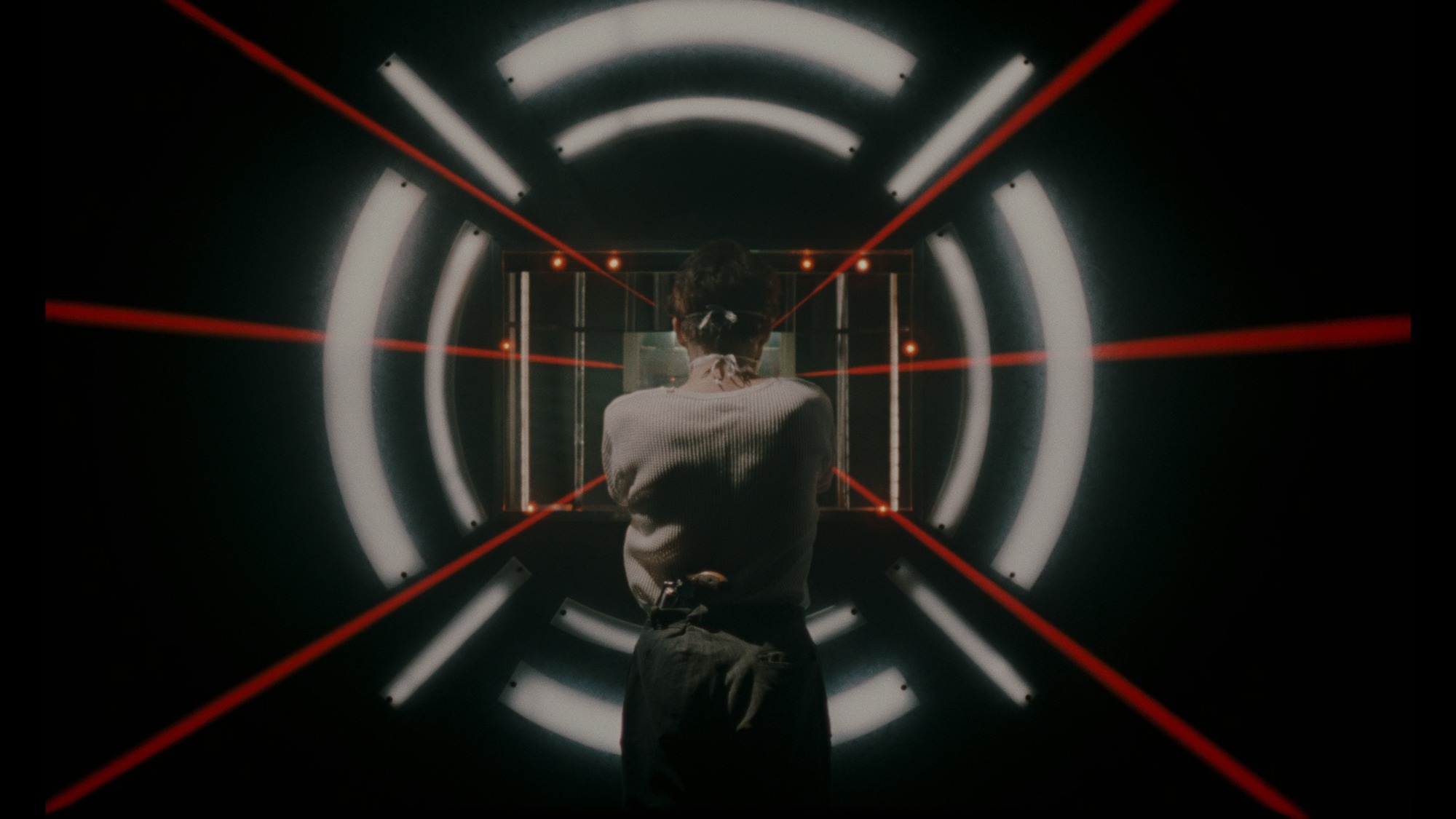
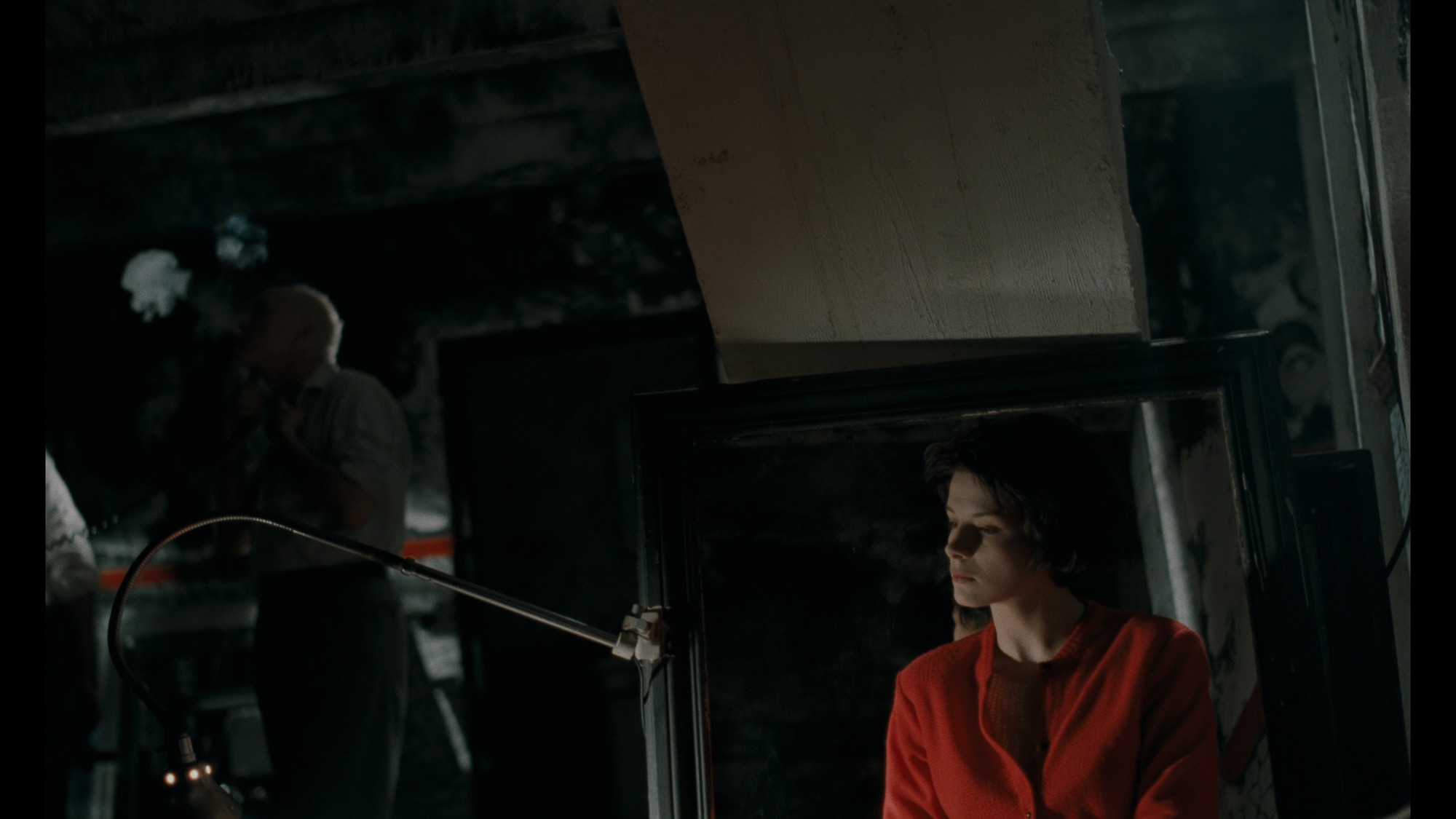
Despite the lack of HDR, the range is pretty wide, with nice shadows and light breaking beautifully through the smoke in a few shots. I also liked how the light comes through the darkness in a few shots during the film's heist sequence. Details also remain visible in the highlights, with no evidence of clipping, and I didn’t notice any macroblocking in the darker areas, where it had a minor presence in Boy Meets Girl. Colors also look good, though admittedly it’s not the most vibrant-looking film outside of the reds that pop up here and there. There’s a slightly green cast as well, but it looks like something that could have been achieved through the photochemical process, and is not simply from digital knobs being thrown about.
Still, as strong as it is, it’s a little disappointing that a proper HDR grade wasn’t done here. It looks great, but there were times when I felt it was missing that slight kick that might have pushed it further. What we get is still an excellent, film-like presentation, even if it occasionally feels just a little too much like a video rendering.
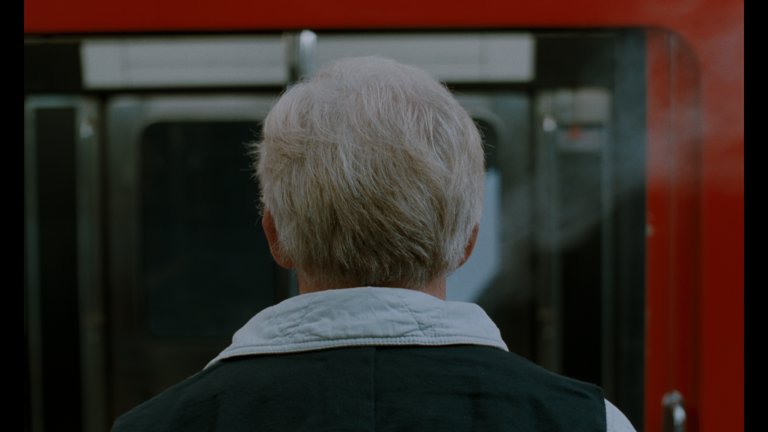
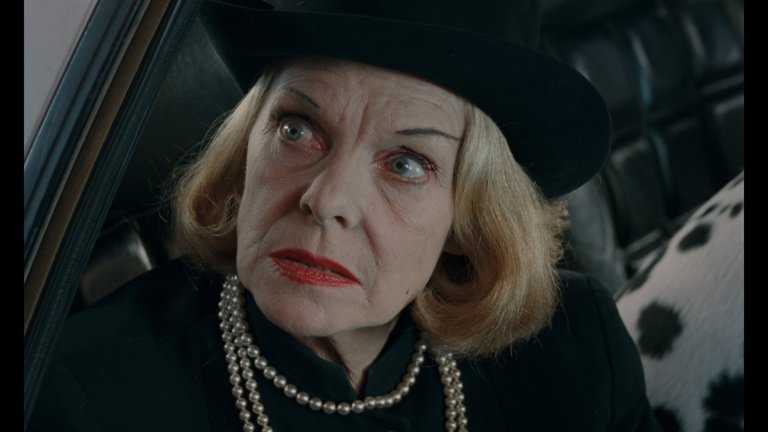
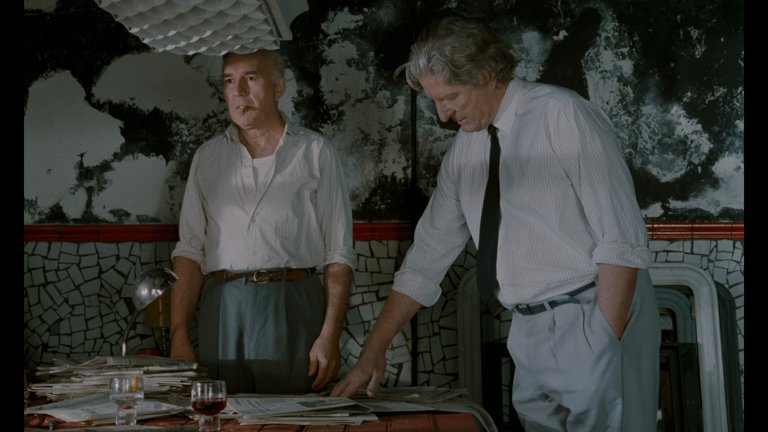
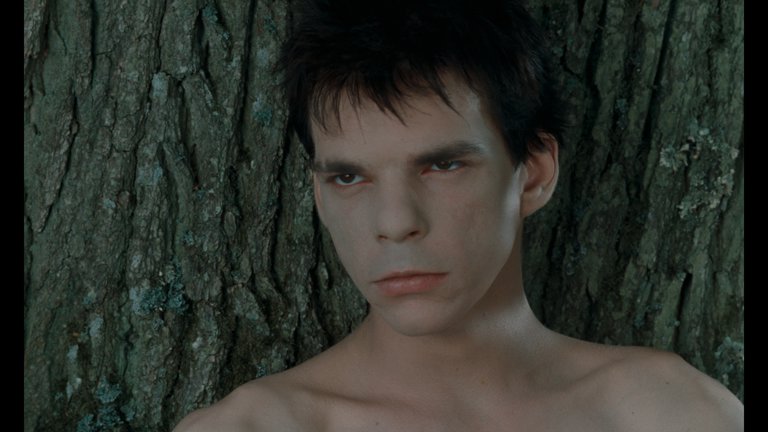
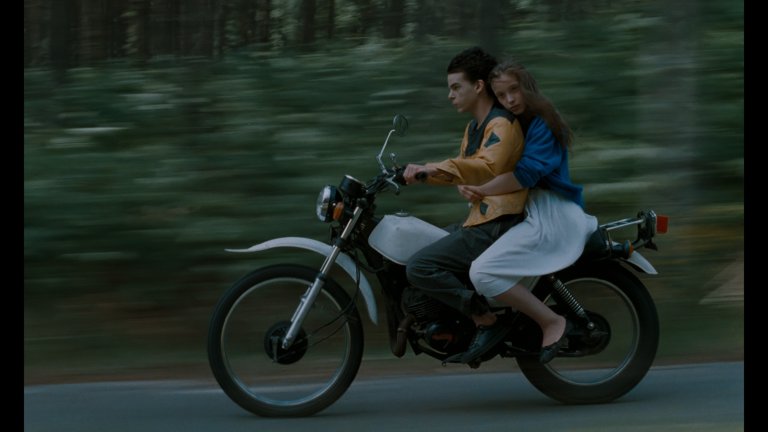
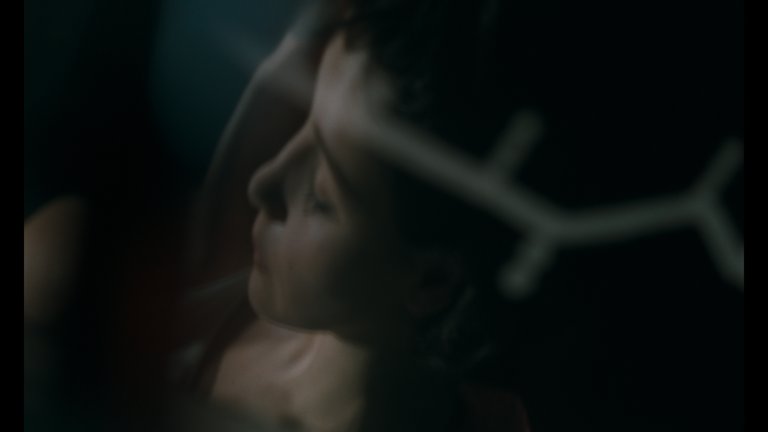
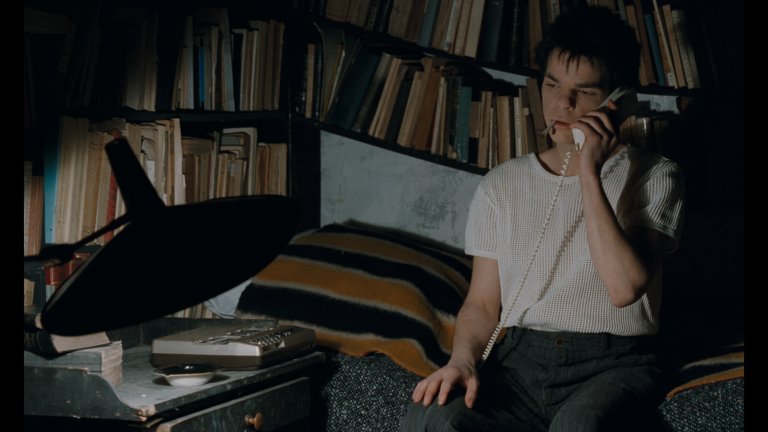
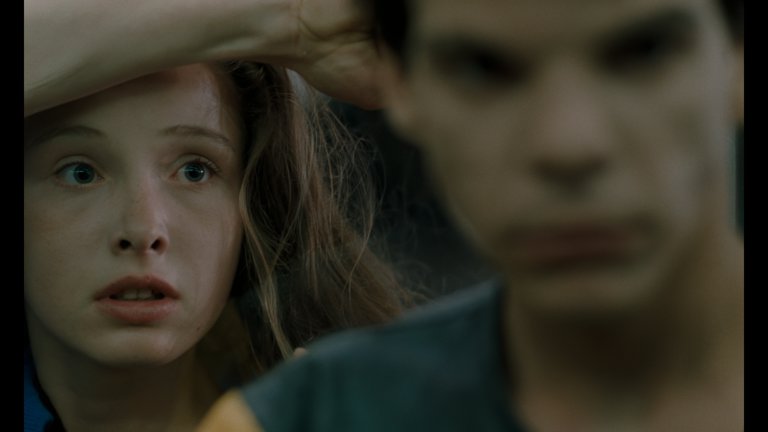
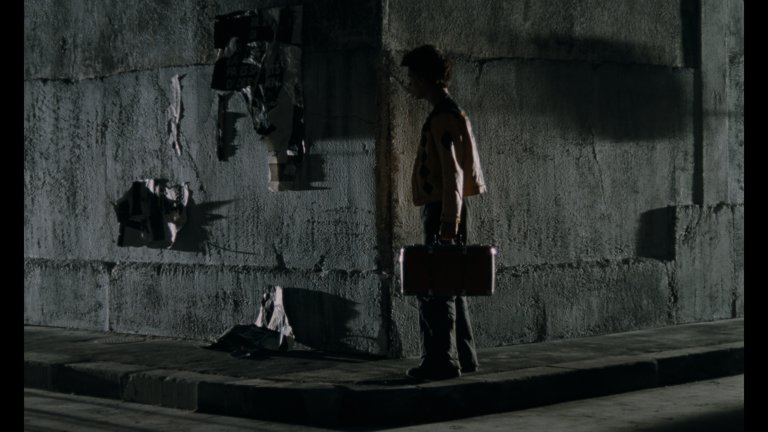
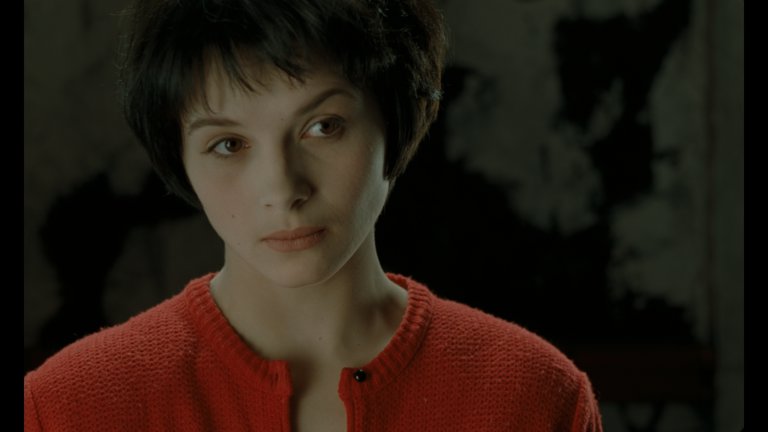
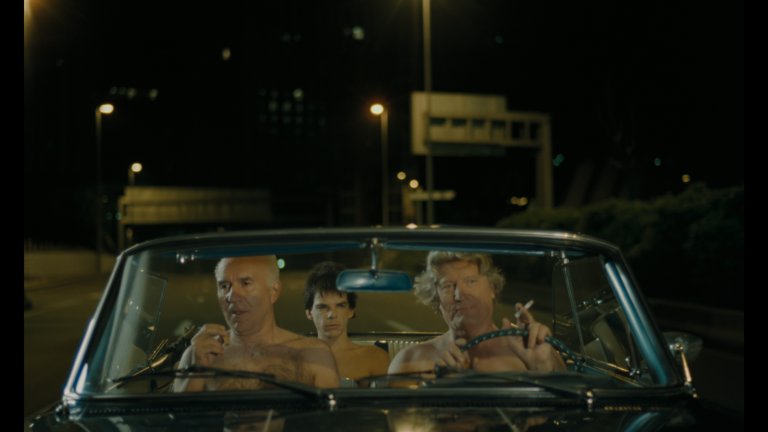
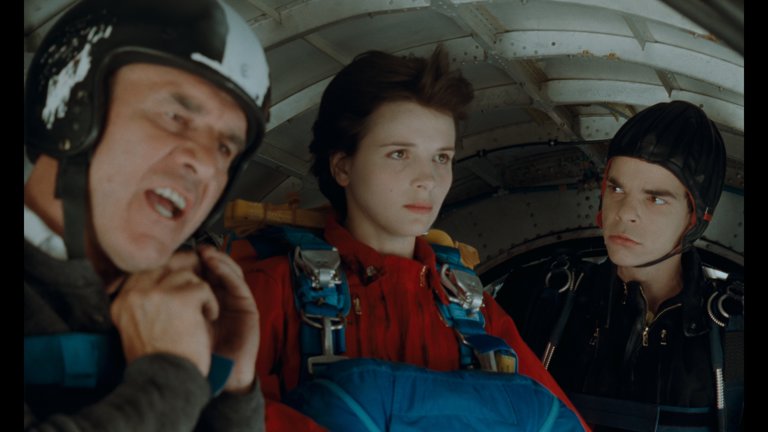

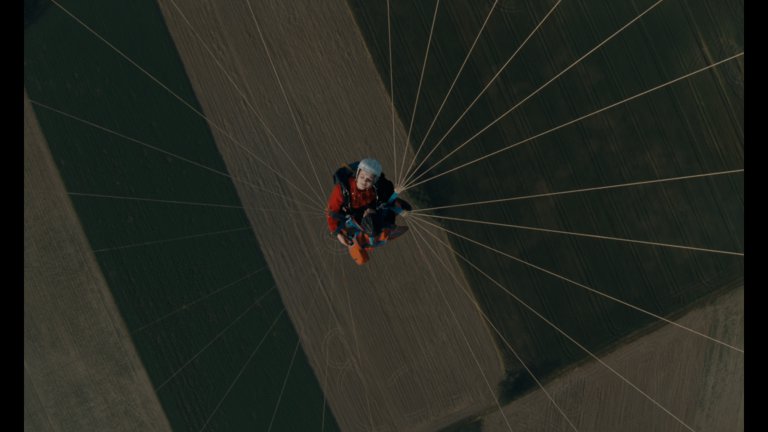
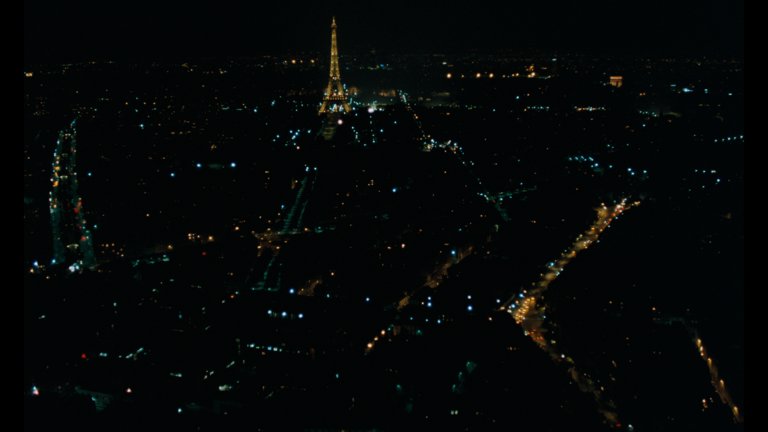
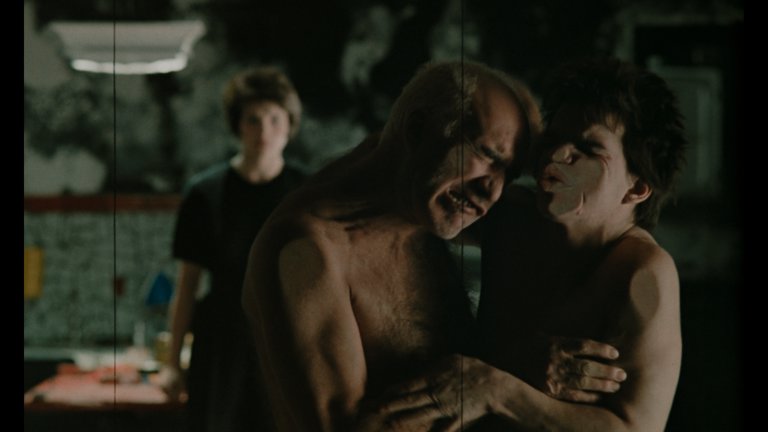
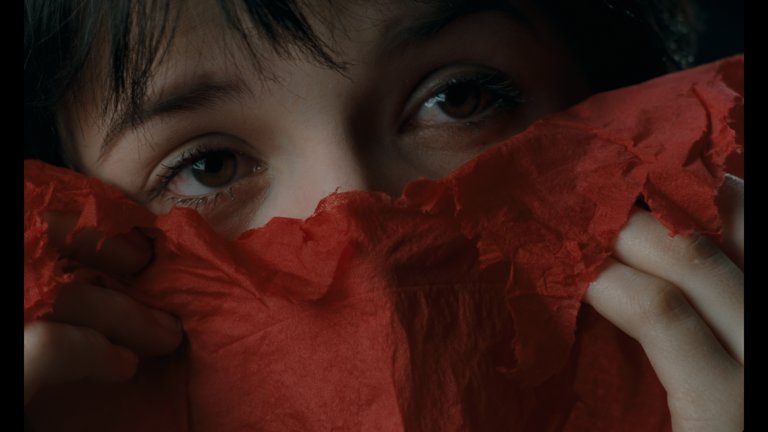
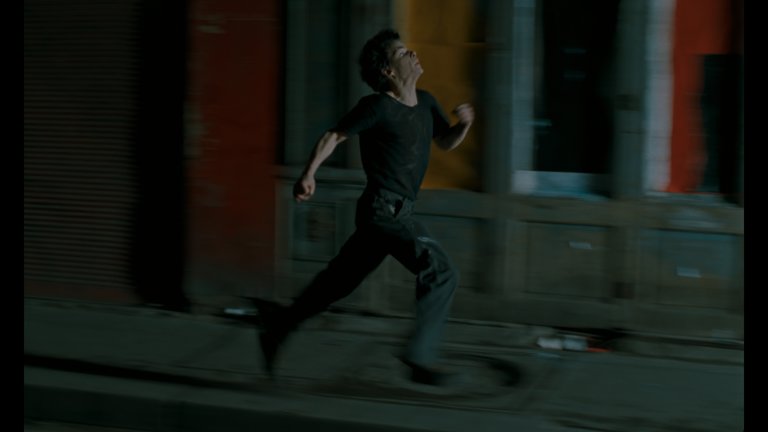
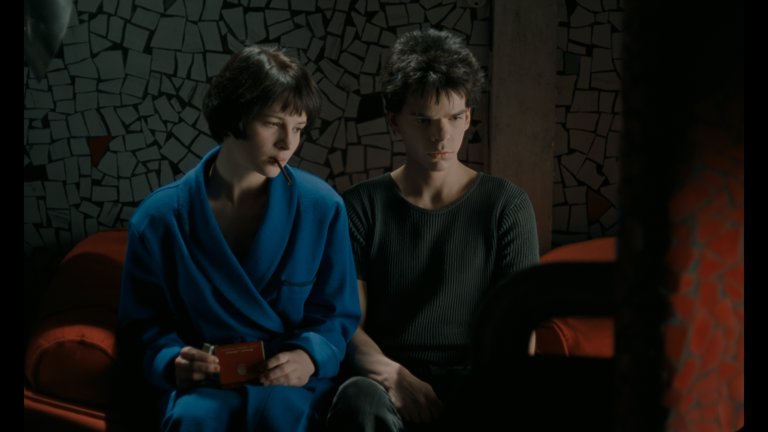
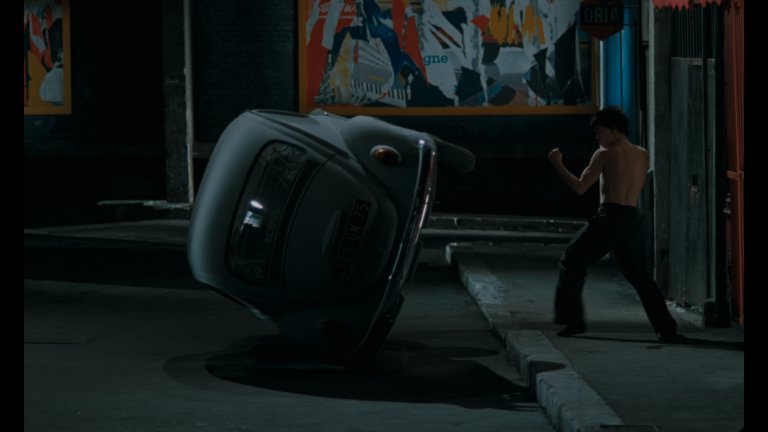
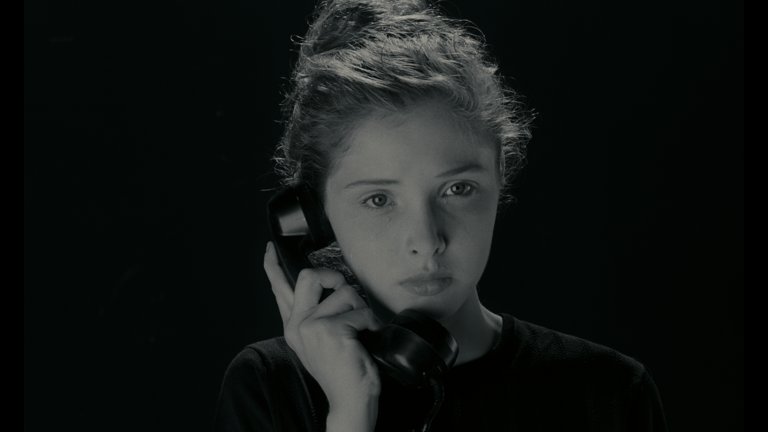
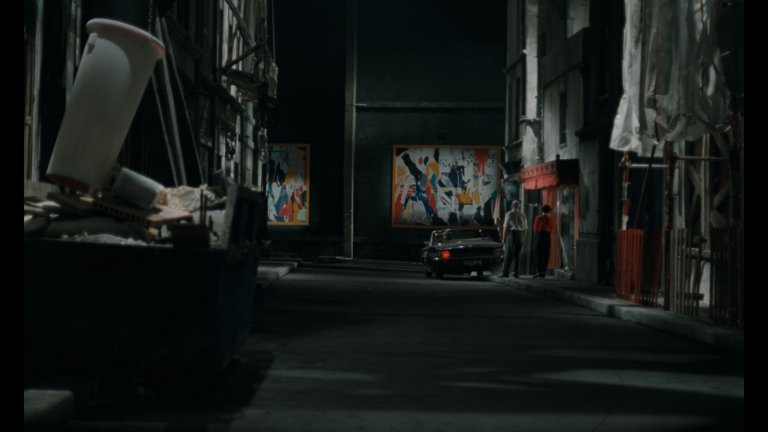
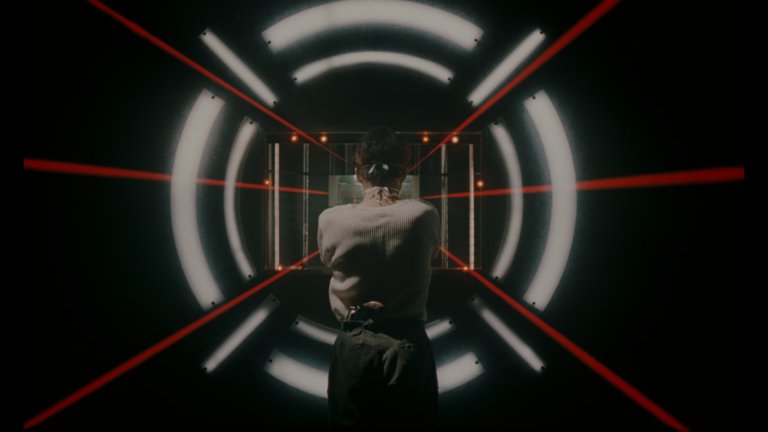
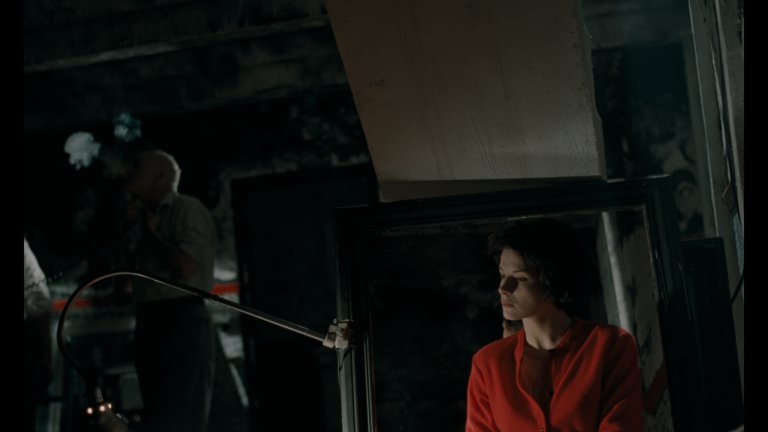
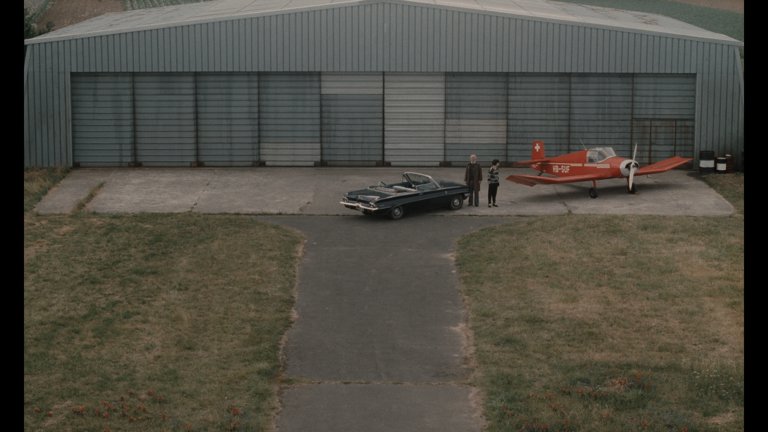
Three Films by Leos Carax - Screen Captures

Audio 7/10
The lossless PCM single-channel monaural presentation manages to be rather surprising. Despite the single-channel limitation, it has ample range and superb fidelity, especially when it comes to the music, as in the scene featuring David Bowie’s “Modern Love.” Dialogue sounds fantastic, as do some of the film’s more action-packed moments, and filtering does not sound to have been applied. In the end, it’s a surprisingly dynamic track.
Extras 6/10
Supplements are found on the accompanying Blu-ray, starting with a new 19-minute interview with editor Nelly Quettier. After giving a brief background, she talks about how she first came to work with Carax, replacing the editor on Boy Meets Girl, before getting into their collaborations, with a particular focus on Mauvais Sang. She discusses the material, how cinematographer Jean-Yves Escoffier shot it, and, of course, how she (and Carax) assembled it all. She touches briefly on The Lovers on the Bridge, mentioning its lengthy production and how she had to quickly edit rushes to show potential financiers. She also expresses how much she loves working with Carax and brings up a frustration she had while working with another director, which led her to vent to Carax by email. She shares his response here, in which he explains why she was such a good editor for his films. It’s an affectionate reflection on their work together, with some good detail around a few scenes. It's the strongest inclusion here.
Criterion then includes the 2014, 70-minute documentary on Carax, Mr. X: A Vision of Leos Carax. Featuring interviews with collaborators, critics, and scholars, it’s a more conventional look at the filmmaker’s work than the quasi-autobiographical It’s Not Me found on the previous disc, and definitely nowhere near as fun. After a brief introduction, it makes its way through his films, sometimes rather quickly (I felt Pola X was skimmed over), throwing in clips and providing those aforementioned interviews. It’s fine, and I enjoyed some of the interviews, with Denis Lavant and Kylie Minogue being standouts and Richard Brody sharing some decent insights into Carax’s work. Yet I think I ultimately expected a bit more than a fairly generic career retrospective.
The disc closes with a 5-minute deleted scene featuring Denis Lavant and Michel Piccoli, followed by 20 minutes of archival footage, both from standard definition sources. The latter appears to consist of behind-the-scenes footage, outtakes, and possibly alternate scenes. Most of it doesn’t have audio, though sound will occasionally pop in, including mid-sequence. The best portions are probably those around the skydiving sequence, including the hot air balloon used to get one shot.
And that’s it. It’s a little weaker overall than the supplements for Boy Meets Girl, but still worth going through, even if the documentary wasn’t as engaging as I would have hoped.
Closing
The supplements are probably the weakest collection in the set, but the 4K presentation still looks fantastic, even if it could look a tad better.
BUY AT: