Winstanley
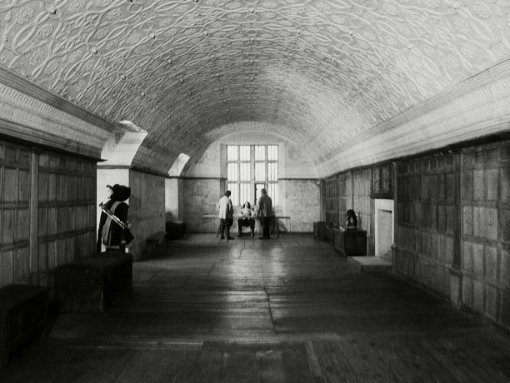
BUY AT:

See more details, packaging, or compare
Synopsis
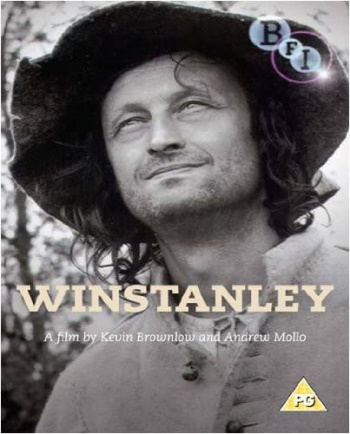
A meticulously accurate historical film set in 1649 in the poverty and unrest left in the wake of the English Civil War. A group of impoverished men and women, led by Gerrard Winstanley (a former soldier and cloth merchant ruined by the war), set up a commune on St George's Hill in Surrey, and the story follows their attempts to live in perfect peace and harmony. Directors Kevin Brownlow and Andrew Mollo attempted to make a completely authentic film - the costumes were copied from originals in the Victoria and Albert Museum, the armour was borrowed from the Tower of London Armoury, and the script was altered when Winstanley's pamphlets were discovered in the British Museum. The film is accompanied by an award-winning documentary, 'It Happened Here Again', by Eric Mival, who had previously worked with Brownlow and Mollo on 'It Happened Here'.
Picture 8/10
BFI Video presents Winstanley in its original aspect ratio of 1.33:1 on this dual-layer Blu-ray disc. The transfer is presented in 1080p.
Again the BFI have outdone themselves. The film is simultaneously being released on DVD by BFI and Image Entertainment also released the film on DVD years ago. I have not seen either DVD (this is my first time with the film) but I doubt the film has ever looked better on home video; the image is absolutely wonderful and the film itself really looks like something that was made quite recently.
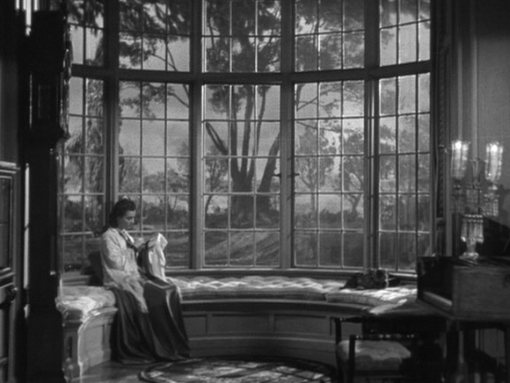
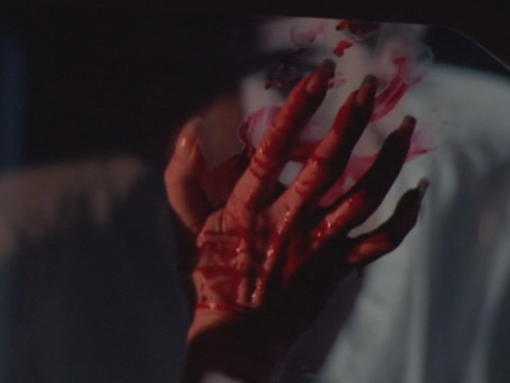
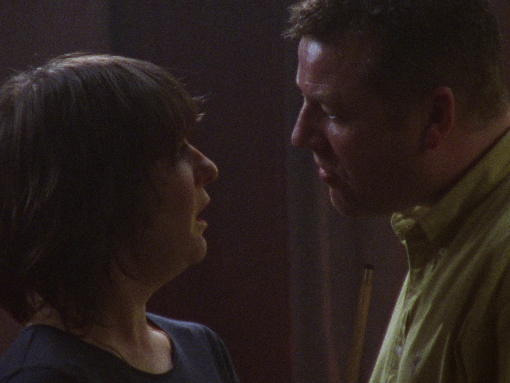
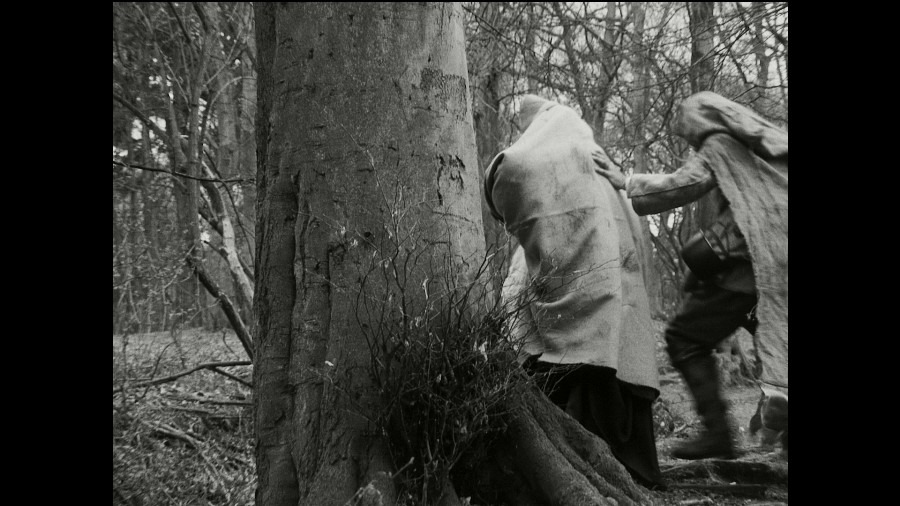
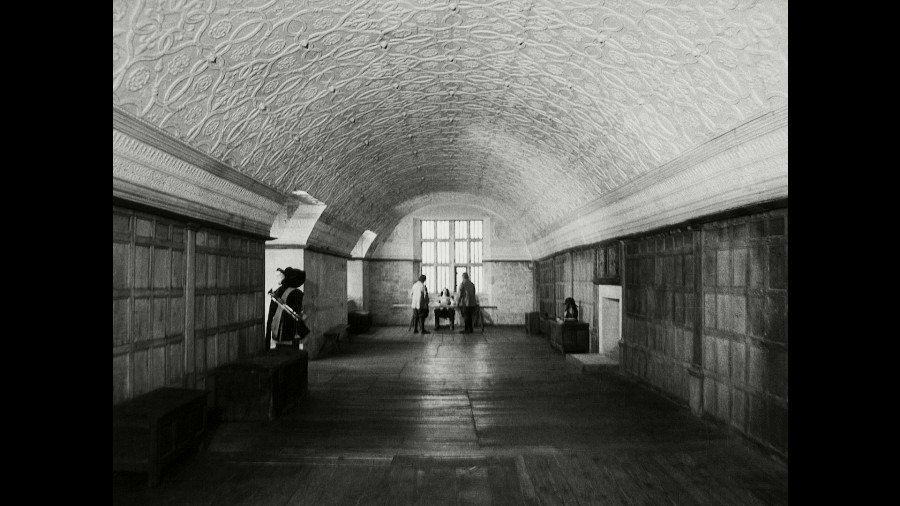
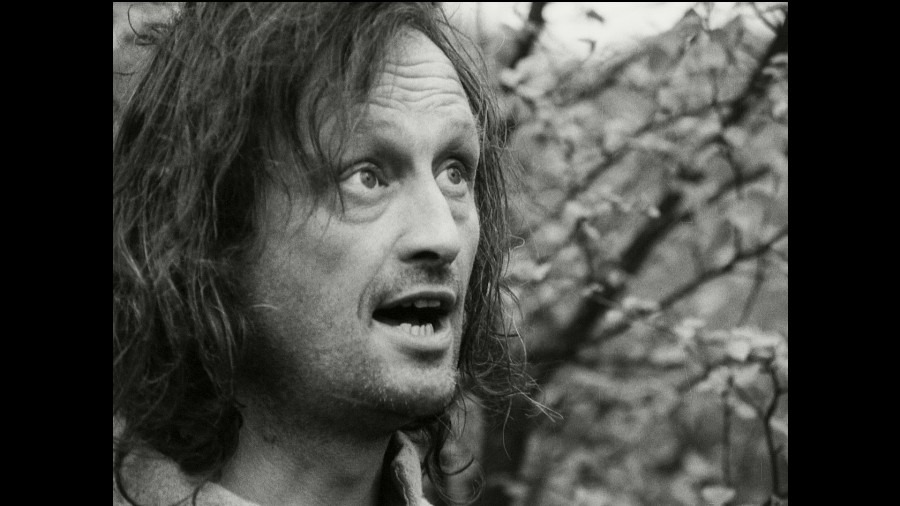
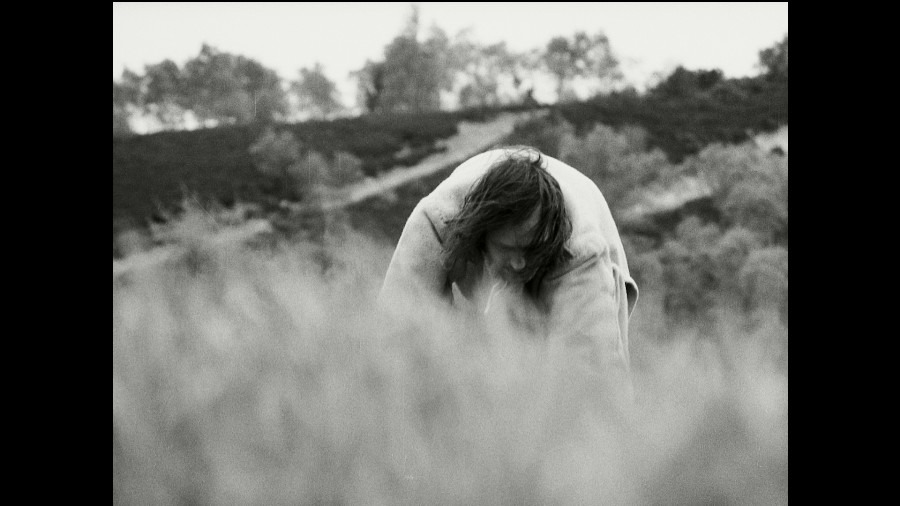
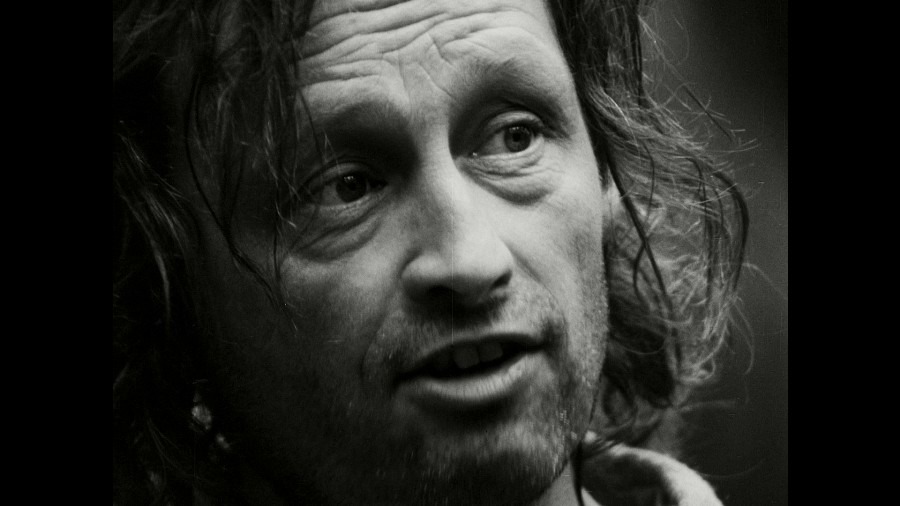
The transfer is sharp and crisp, detail is incredible and best shown off in the details of the costumes. Contrast looks to have been boosted somewhat with blacks looking really deep at times but gray levels are remarkable and distinct.
Grain is present yet other than during the first little bit it’s surprisingly not all that heavy (at least for me) and the source has been beautifully restored. Rarely does any damage show up, limited only to a few minor marks and at least one instance with some faint vertical scratches. All in all it’s a striking looking image.
Though a UK disc this Blu-ray is actually region free and should play on all Blu-ray players worldwide.
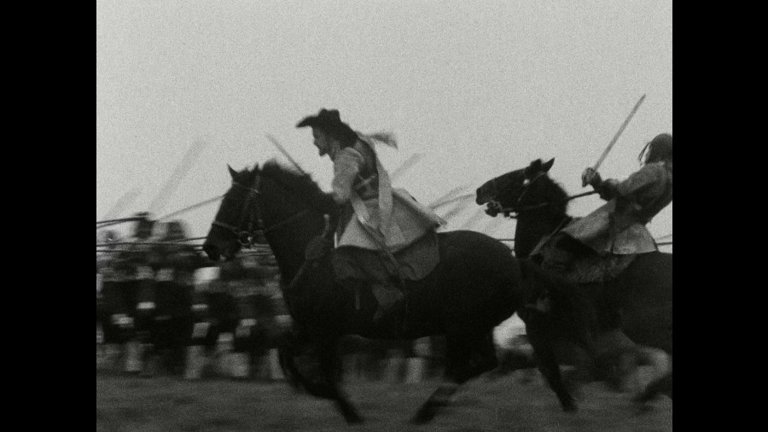
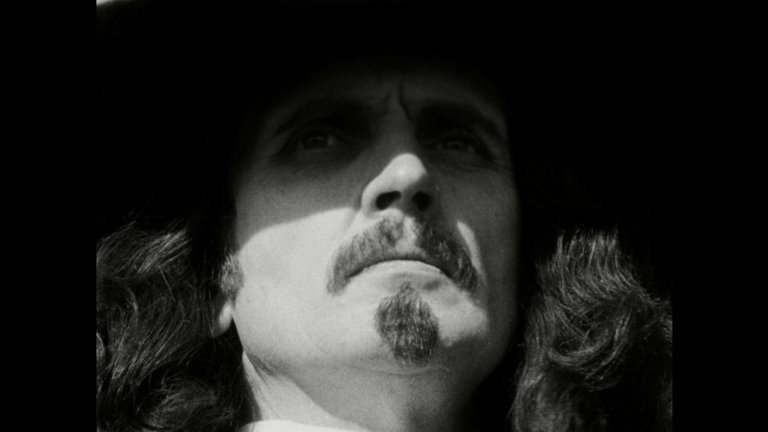
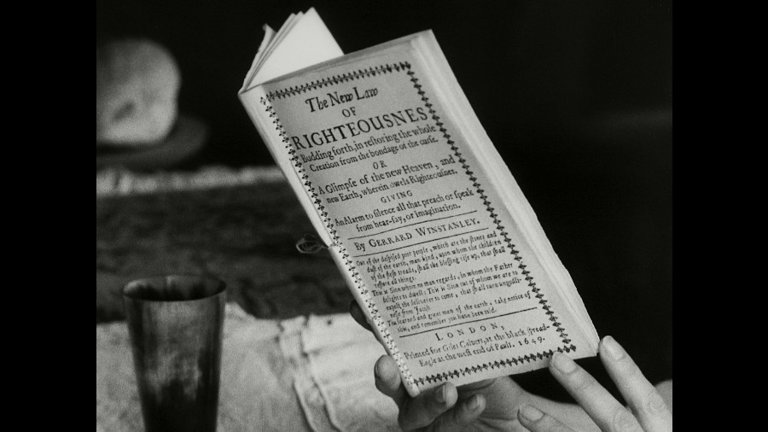
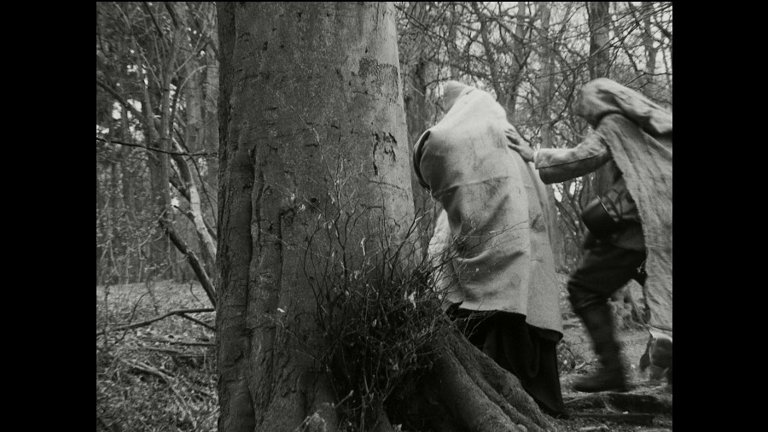
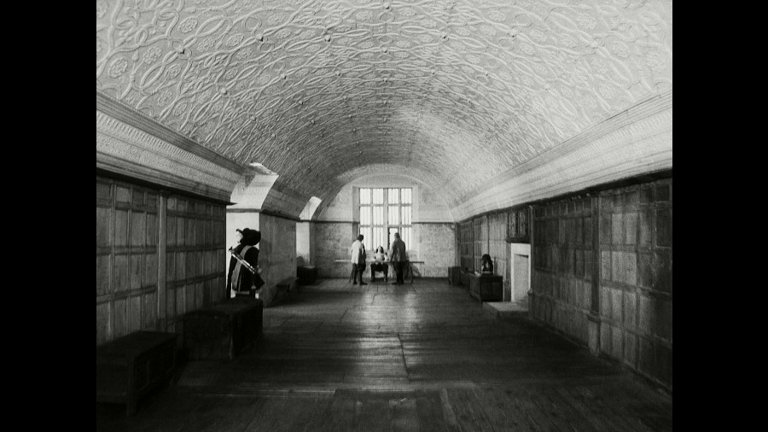
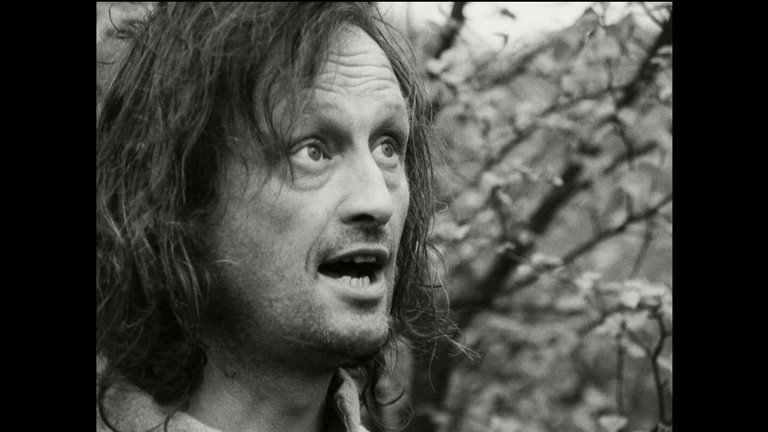
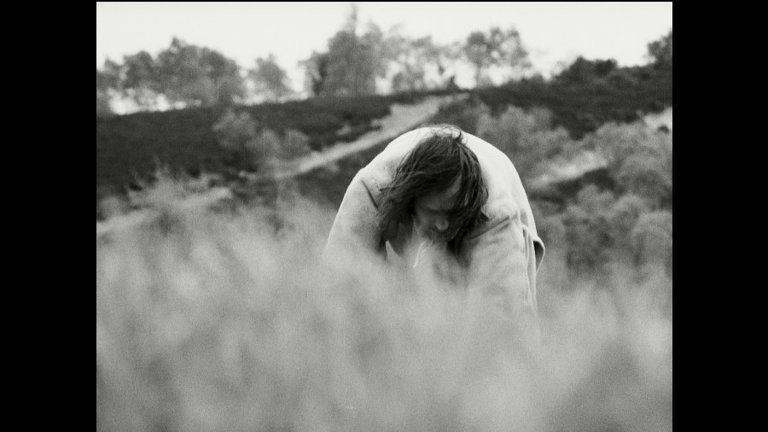
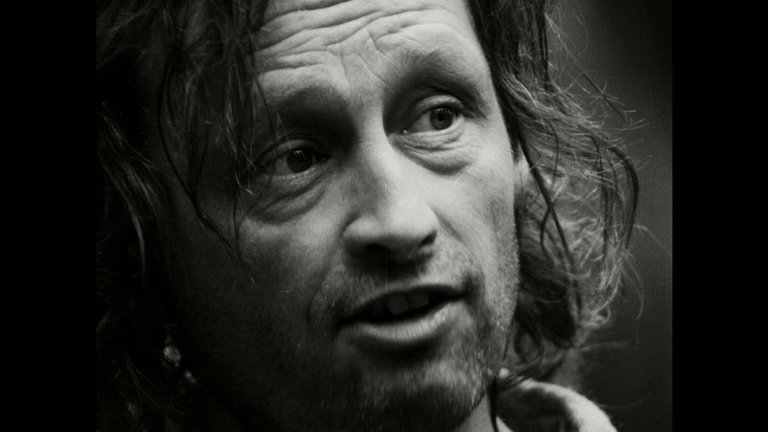
Winstanley - Screen Captures
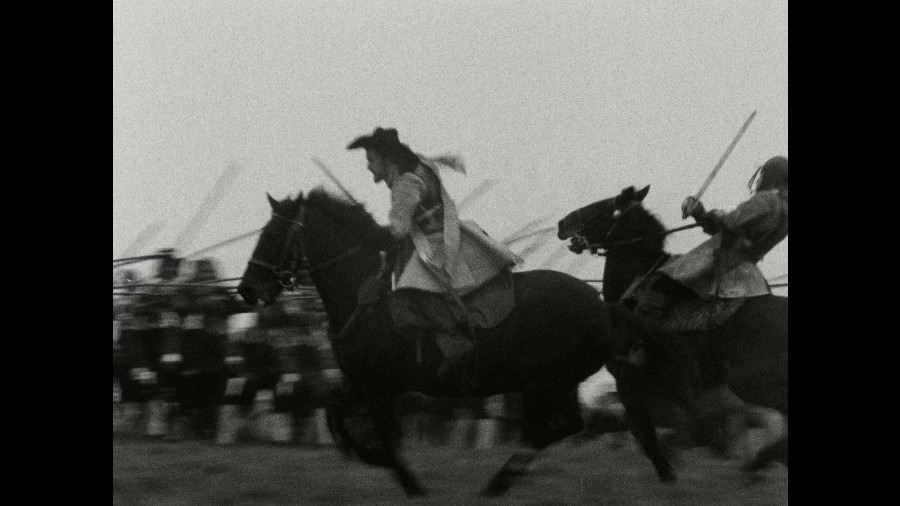
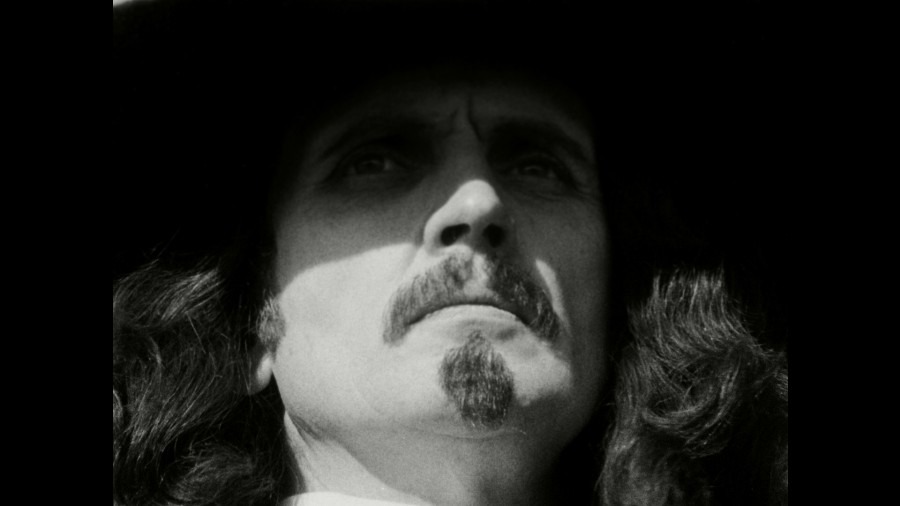
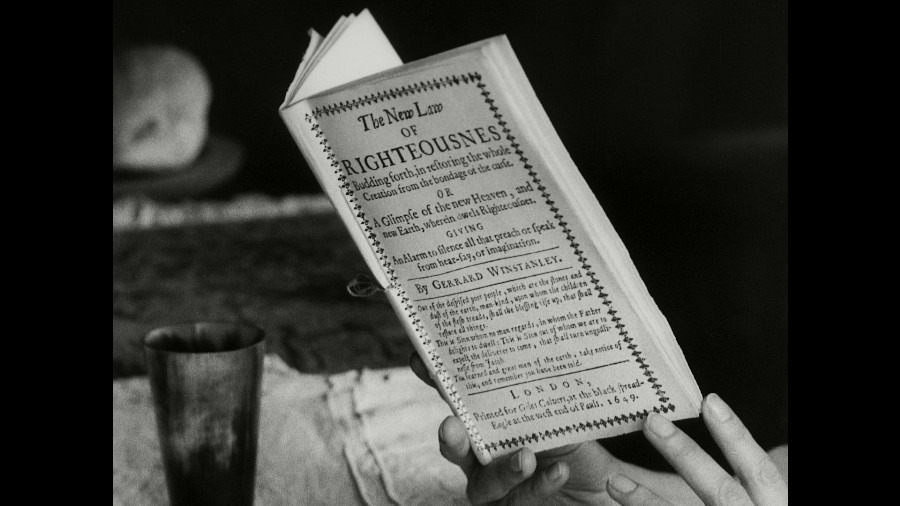
Audio 6/10
BFI video, as usual, presents a lossless mono track. While it certainly is sharp and clear for a majority of the film it is also limited by its source. The majority of the film is clear and dialogue is articulate, but there are instances where the volume can be a little low and dialogue is hard to hear. There are also other factors that make it hard to hear dialogue such as in exterior shots where the wind can drown out the voices or cause them to trail off, suggesting the sound used was taken on location. This is of course in the source, done during filming, and considering the authentic nature the film strives for this could have been all purposely done. But there is also some distortion early on and then periodically throughout the film, though again I feel this is more than likely something in the source that couldn’t be ironed out.
Extras 7/10
BFI have put together a modest collection of supplements but despite the small amount they still manage to cover the film better than most other DVD and Blu-ray releases.
First is a new interview with the directors Kevin Brownlow and Andrew Mollo, running about 39-minutes. While the interview is presented in high-definition with lossless audio the video looks to be heavily compressed and is littered with heavy macroblocking. Past this slight distraction we get a rather wonderful interview with the two men. The two talk about their first film, It Happened Here, and the hopes that that film, which received a lot of attention and did fairly well, would further their career. Yet despite a minor part in a major production (from which they were fired) they never got anything until they finally found funding through the BFI for Winstanley after every studio turned them down. They talk about how they could work their low budgets (in the end it sounds as if most everyone worked for free) and how the two year period they were given to make the film really helped (they were able to wait for certain seasons and work on the film on weekends so everyone could go to their regular jobs during the week.) They also mention the authenticity they work for, the film’s general acceptance, which was better in France, and then even touch on some of their film influences. In general I can’t say their film influences were surprising, but I was stunned about what film influenced the battle scenes early on: I figured Alexander Nevsky was the influence, the use of the Prokofiev score possibly leading me to think that, but Brownlow insists it was Welles’ Chimes at Midnight to be the key influence in those scenes, explaining how you could have one long shot of an army, and then have the battle done in close up with about 6 actors, giving the idea of a lot of men. But sadly, again, Winstanley didn’t further their careers despite what they were able to pull off with so little money. The two are very engaging, humourous, and don’t seem bitter their two films didn’t lead to bigger, better things. They seem proud of what they did and enjoy reflecting back on the making of the film, which in turn gives us a very engaging interview.
Next in the features is the documentary It Happened Here Again, which looks to have been made primarily on location of the filming of Winstanley. This 49-minute documentary unfortunately repeats a lot of what is mentioned in the previous interview supplement but the bonus here is that we get some great behind-the-scenes footage, in colour no less. Again there’s mention of It Happened Here but there’s more on the distribution problems of that film (and I also found it fascinating that other film directors, including Peter Watkins and Stanley Kubrick, helped them out in small ways by either helping on the set or giving them film stock.) A much younger Brownlow talks about the waste that happens in commercial filmmaking and how they are able to better manage money on their cheaper productions, and there is a lot of comparisons between their indie style of filmmaking and commercial filmmaking. There’s more here about the actors and working with a non-professional cast, and you get footage of the crew together and get an idea of the work conditions. It’s actually a really good documentary and I certainly enjoyed it. Both the interview and this documentary do share a lot of the same information (and some different information) but if you were to decide to only watch one of the features I would recommend this one over the other by a fraction, more because of the behind the scenes footage presented here.
9 Dalmuir West is a 13-minute short film by Kevin Brownlow acting as “a record of the last weekend of Glasgow trams”, filmed on a weekend in September, 1962. It’s a rather fascinating (and educational!) documentary that covers the last run of one of the trams, giving an idea of their historical importance and also capturing what is being lost with the decommissioning of the service.
Closing off the disc is a barely 2-minute restoration demo, showing the clean up that went into the transfer. It’s impressive, that’s for sure, all improvements displayed in before-and-after wipes along with side-by-side comparisons (the original film on the left, the new transfer on the right.) It looks good but I still feel there was maybe some middle ground on the contrast level. Shockingly the original source wasn’t in that awful of shape, looking to have held up rather well over the years.
And as usual we get a rather thick booklet with this title, this one containing 33 or so pages of material. Inside you’ll find an essay on the film by David Gardiner, a short recollection by Marina Lewycka on the making of Winstanley, a collection of reviews on the film (including reviews by Tom Milne, Jonathan Rosenbaum, and David Robinson, along with a few blurbs by others,) and then short biographies on both Brownlow and Mollo. And finally Eric Mival, the director of the documentary It Happened Hera Again provides notes on the production and how he wanted to show how these two make a film on such a low budget. As usual it’s a great booklet and the perfect cap to this set.
Despite the repetitive nature between the two primary supplements they’re both wonderful and give a satisfying look into the making of the film. Again BFI has truly impressed.
Closing
This is a remarkably good film, a pleasant surprise. It’s rather shocking how they were able to pull it off on less than a shoestring budget. The film I’m sure has a very low appeal but BFI have still done a remarkable job on this release, giving it a striking video transfer and some great supplements. An easy recommendation.
(Again, this Blu-ray disc is region free and should play on all Blu-ray players worldwide.)
BUY AT: