100 Years of Olympic Films
02: Chamonix 1924/Paris 1924
BUY AT:


See more details, packaging, or compare
Synopsis
Spanning fifty-three movies and forty-one editions of the Olympic Summer and Winter Games, this one-of-a-kind collection assembles, for the first time, a century’s worth of Olympic films—the culmination of a monumental, award-winning archival project encompassing dozens of new restorations by the International Olympic Committee. These documentaries cast a cinematic eye on some of the most iconic moments in the history of modern sports, spotlighting athletes who embody the Olympic motto of “Faster, Higher, Stronger”: Jesse Owens shattering sprinting world records on the track in 1936 Berlin, Jean Claude-Killy dominating the slopes of Grenoble in 1968, Joan Benoit breaking away to win the first-ever women’s marathon on the streets of Los Angeles in 1984. In addition to the work of Bud Greenspan, the man behind an impressive ten Olympic features, this stirring collective chronicle of triumph and defeat includes such landmarks of the documentary form as Leni Riefenstahl’s Olympia and Kon Ichikawa’s Tokyo Olympiad, along with lesser-known but captivating contributions by major directors like Claude Lelouch, Carlos Saura, and Miloš Forman. It also serves as a fascinating window onto the formal development of cinema itself, as well as the technological progress that has enabled the viewer, over the years, to get ever closer to the action. Traversing continents and decades, and reflecting as well the social, cultural, and political changes that have shaped our recent history, this remarkable marathon of films offers nothing less than a panorama of a hundred years of human endeavor.
Picture 7/10
Moving on to disc 2 of Criterion’s box set 100 Years of Olympic Films we get three films directed by Jean de Rovera covering the winter games in Chamonix and the summer games in Paris, both held in 1924. The three films are The Olympic Games Held at Chamonix in 1924, The Olympic Games as They Were Practiced in Ancient Greece, and The Olympic Games in Paris 1924. They are presented here on a dual-layer disc, all in the aspect ratio of 1.33:1 with 1080p/24hz high-definition encodes. I couldn’t locate notes on the restorations though they do state all films in the set up to 1992 were done in 2K or 4K resolution except for the Mexico City and Seoul films, which were done in high-definition. It’s likely all of these were done in 2K.
With a staggering 54 films (53 if you count both parts of Olympia as one) my initial suspicion when the set was announced was that we would get stunning 4K or 2K restorations for the bigger titles in the set (like Tokyo Olympiad, both parts of Olympia, Voices of Light, and so on) while the rest would get middling high-def ones at best. Popping in the second disc it became evident that this really wasn’t going to be the case and that, even with the smaller, more obscure films, a great amount of effort was going to be going into each one).
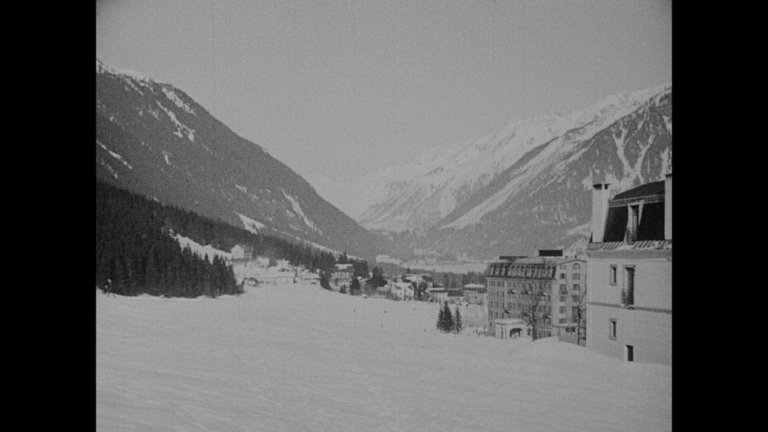
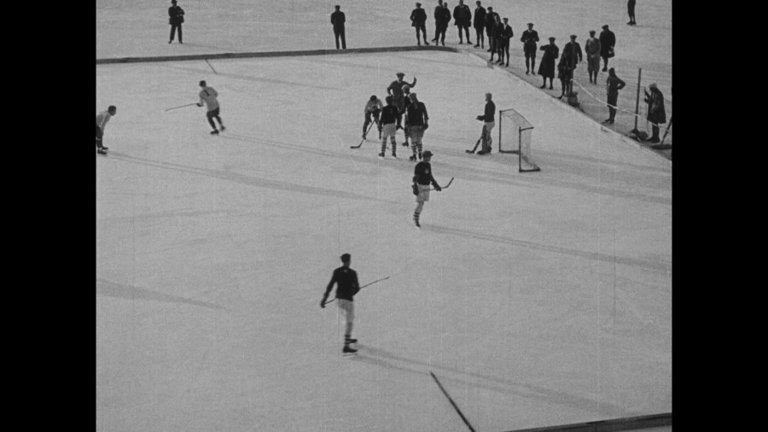
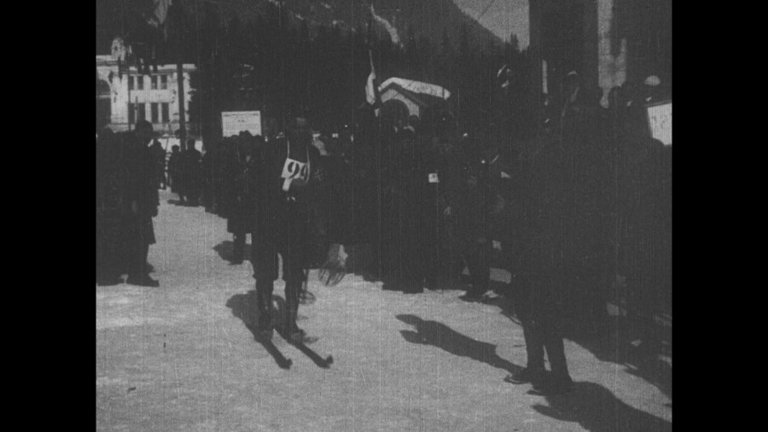
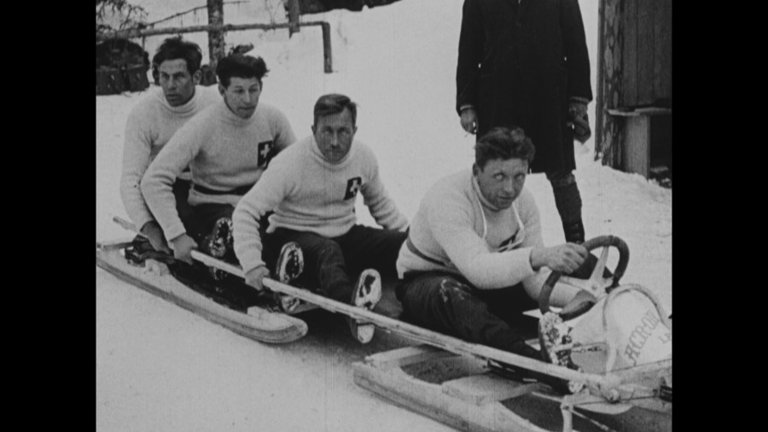
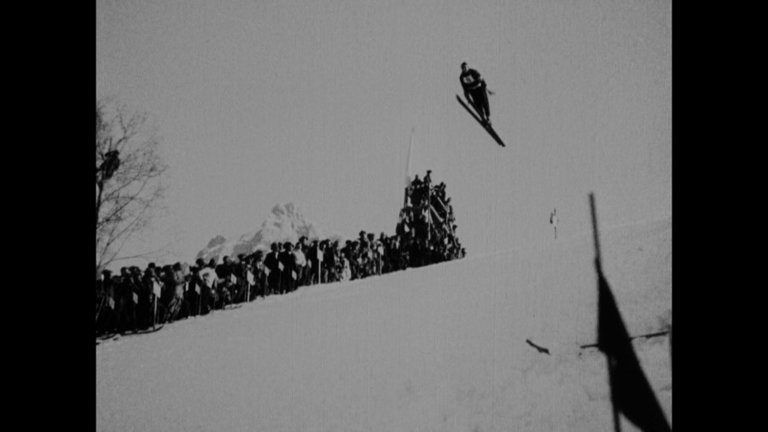
I’m not entirely sure about the history of the Ancient Greece short (running a total of 8-minutes with restoration credits) but it appears the other two films on this disc have been put through the ringer: the Chamonix film is incomplete, a lot of the footage missing, while the Paris film was thought to have been lost. Despite this the two, though not without more obvious flaws in comparison to the Stockholm film on the first disc, look stunningly good. Due to its missing footage Chamonix has been re-edited with the chronology corrected so it does feel like a more complete film than it probably did in what originally remained. That said the footage is in surprisingly decent condition all things considered. Tram lines are more obvious here as are some other minor marks, scratches, and fluctuations but the overall image is fairly clean.
Though a handful of shots can be a bit soft or out-of-focus the level of detail throughout is generally high, and the image manages to be crisp and clean in both long shots and close-ups, especially helpful since the film takes place primarily over large white backgrounds. The best and sharpest moments, though, are during a number of slow-motion sequences capturing skiers or bobsledders as they race downhill, every detail on the participants or objects as they race by looking crystal clear. Film grain is present and does get heavier at moments but in all it is rendered well and retains a natural look.
Contrast is also really good, again a necessity because of the snowy backgrounds, and nothing gets wiped out because of the bright white background. Black levels are, on average, fairly good but there are a couple of moments where the film looks to be faded a bit and blacks take on milkier grays and details end up getting lost and crushed out.
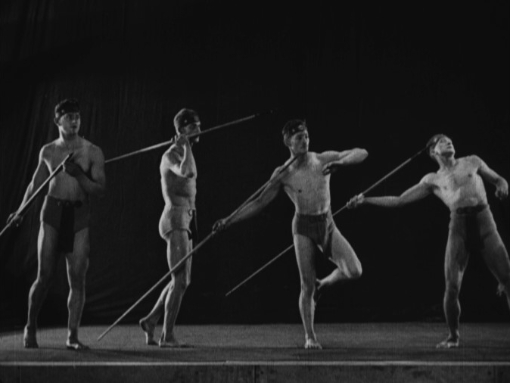
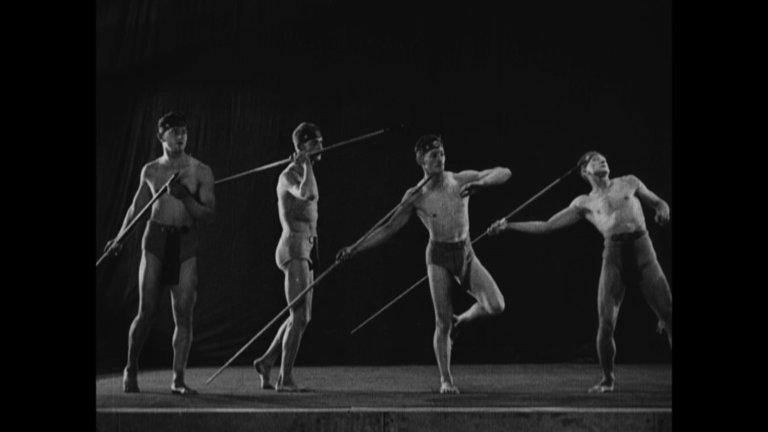
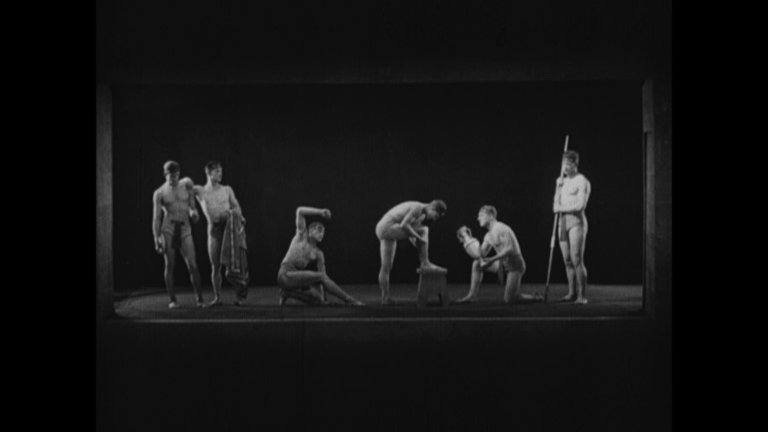
The short The Olympic Games as They Were Practiced in Ancient Greece also provides a great digital presentation, delivering great details and a very film-like image. Most of the film presents models over top of black backgrounds and the blacks are fairly rich and contrast looks spot on: you can clearly make out the folds of the curtain in the backdrop. This film, though, is a bit softer on the whole in comparison to the other films and it does present a fair share of damage. There’s nothing major, but there are plenty of scratches around the edges along with some other minor marks, some missing frames, and there is a noticeable fluctuation. But the strong high-definition presentation allows the image to retain a filmic texture.
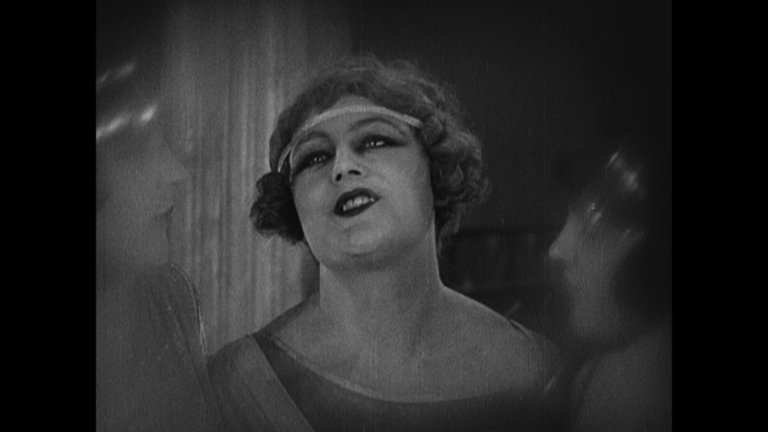
The Paris film can be a bit problematic itself due to source issues but the nearly 3-hour film still receives an impressive restoration. Scratches are also more prominent, as are a few other marks like tram lines, but they’re rarely heavy and a majority of the time the image is clean. The image is very crisp a lot of the time, and the fine details in close-ups are impressive. Still, there are places where the source degrades a bit and the level of detail can drop. A lot of the soccer/football and rugby sequences, which are mostly long shots of the games, are blurrier than other sequences, and the damage gets a bit heavier during the rugby sequence. It’s here where either mold or possibly a chemical stain just about eradicates the image, where at some points all you can make out are faint grayish dots running around on screen. This is the worst of it, though, and considering it has been technically lost for decades we’re probably lucky that’s all there really is. Gray levels are again good for the most part and tonal shifts blend smoothly. Black levels are again strong for the most part but, like the Chamonix film, there are a handful of moments where the blacks turn that milky dark gray, which is more than likely a source issue.
Past some of its source issues, though, the digital presentation, like every one so far in the set, is excellent itself. The film is grainy and the level of grain can fluctuate but at no point did I find it noisy or problematic. All details are sharply delivered where the source allows and, like every other film so far, it looks like a film.
In all the final products still show their age but the amount of work that has gone into them is still obvious and the final results still clearly blow away any expectations I may have had. They all look good.
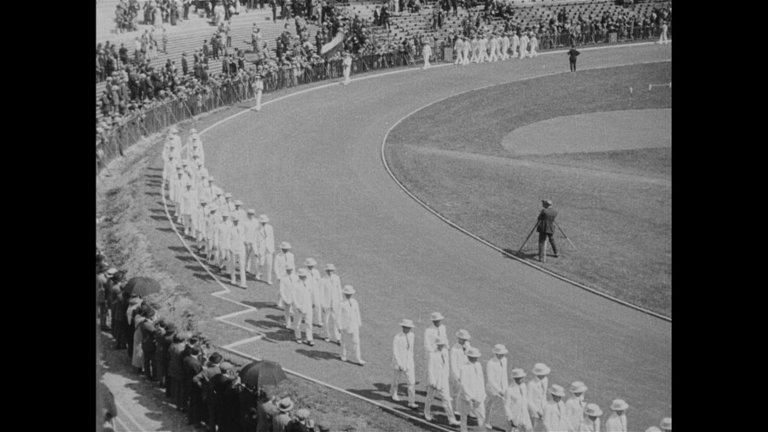
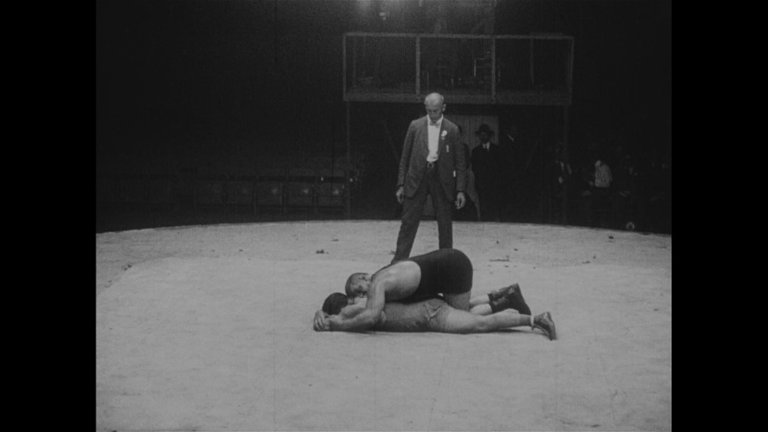
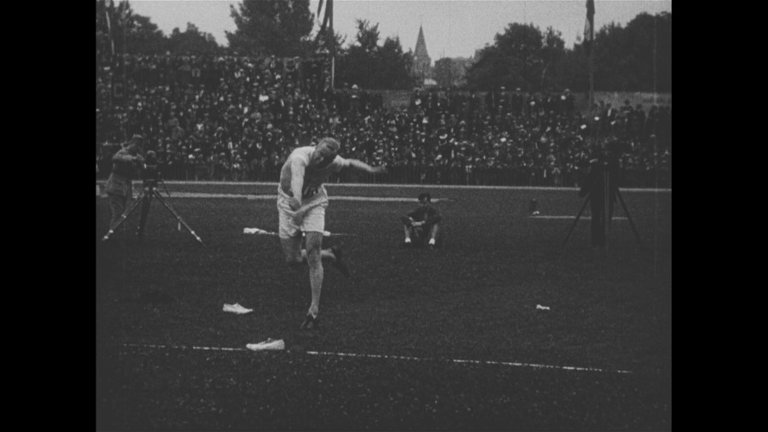
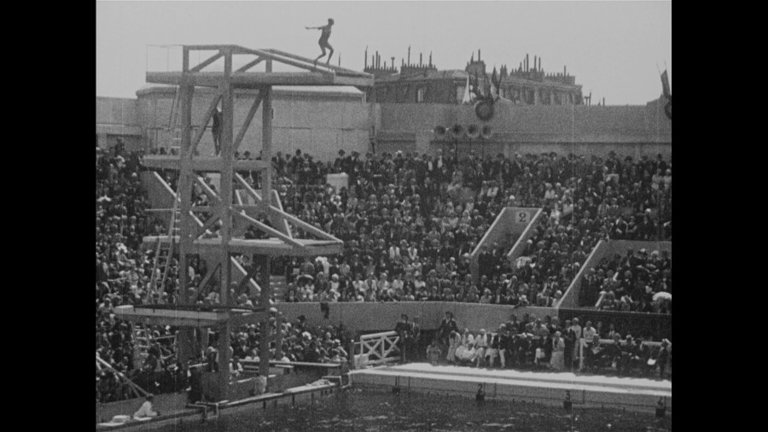
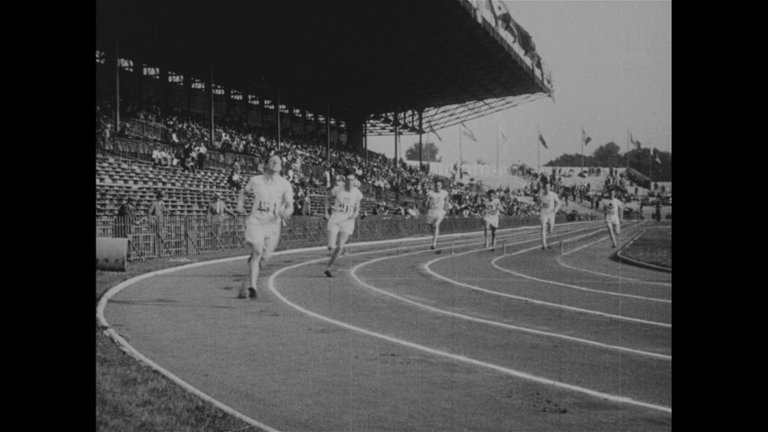
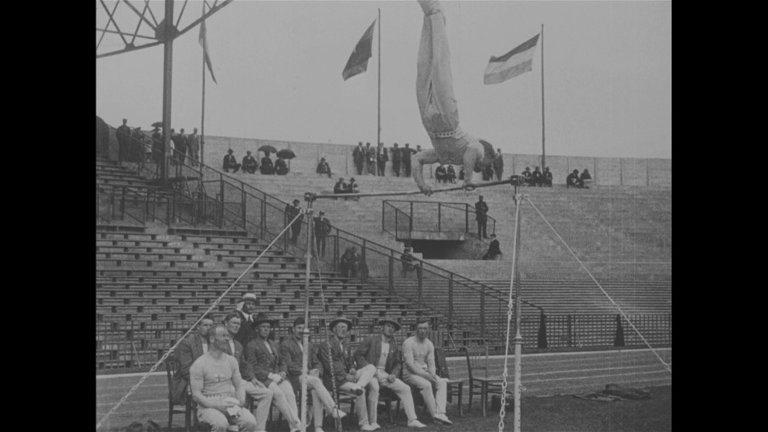
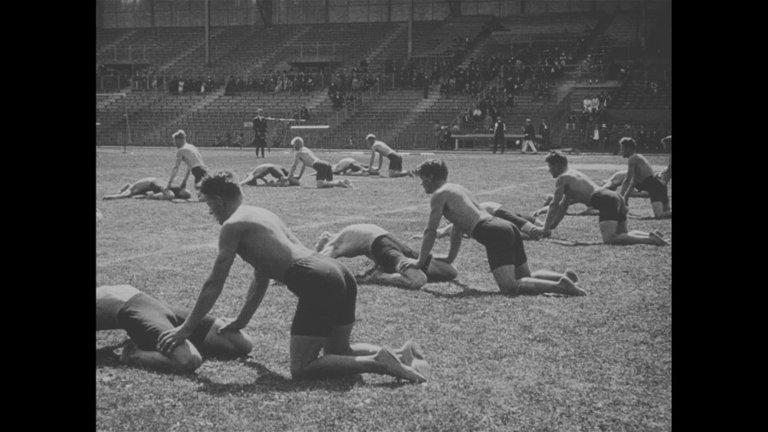
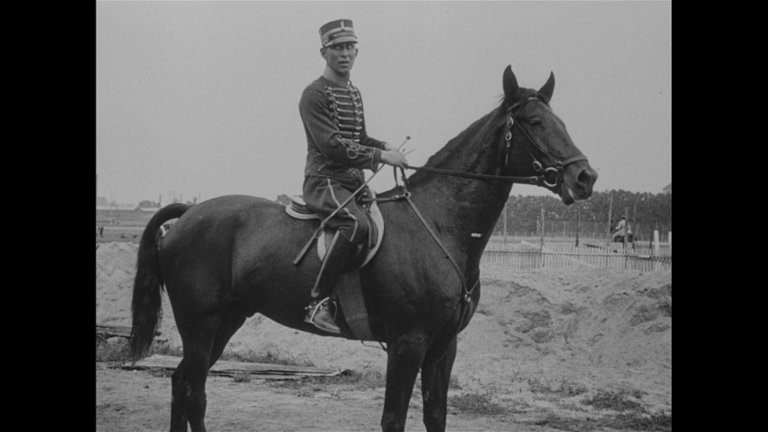
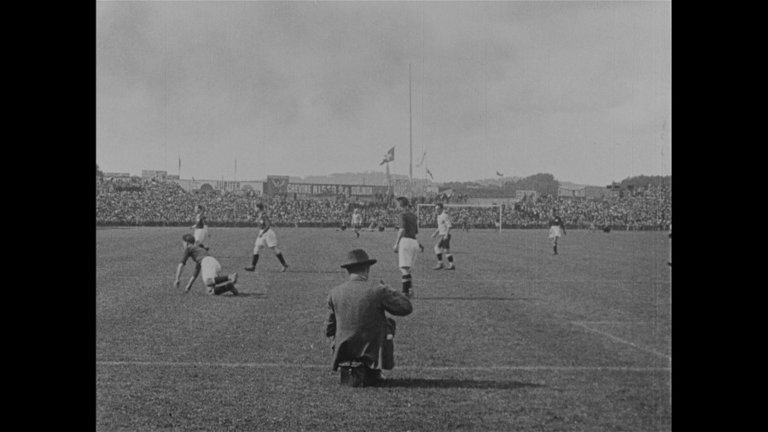
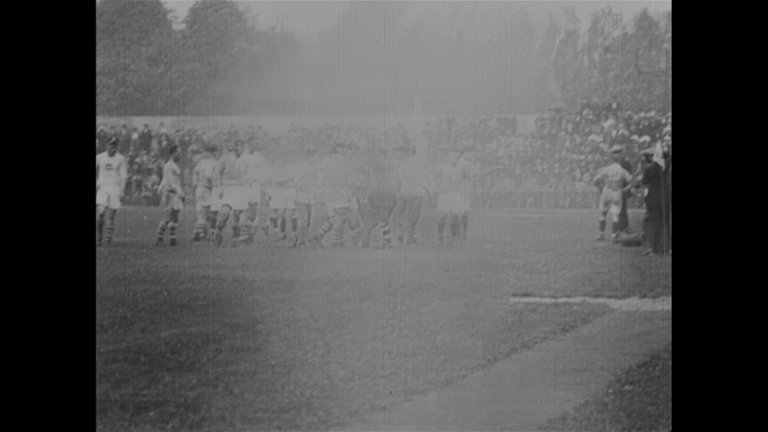
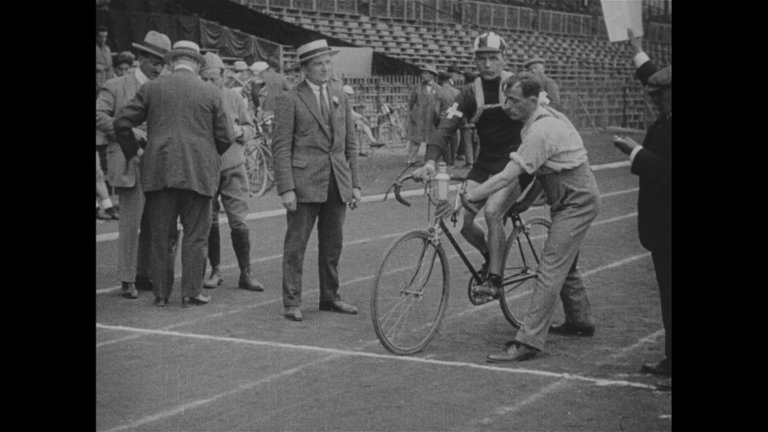
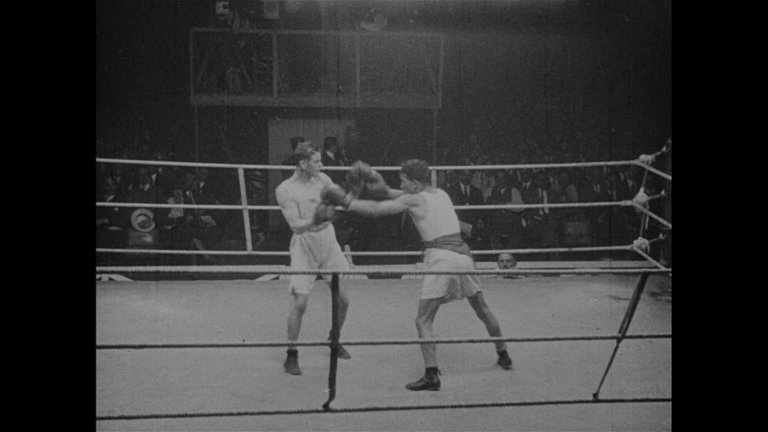
100 Years of Olympic Films - Screen Captures
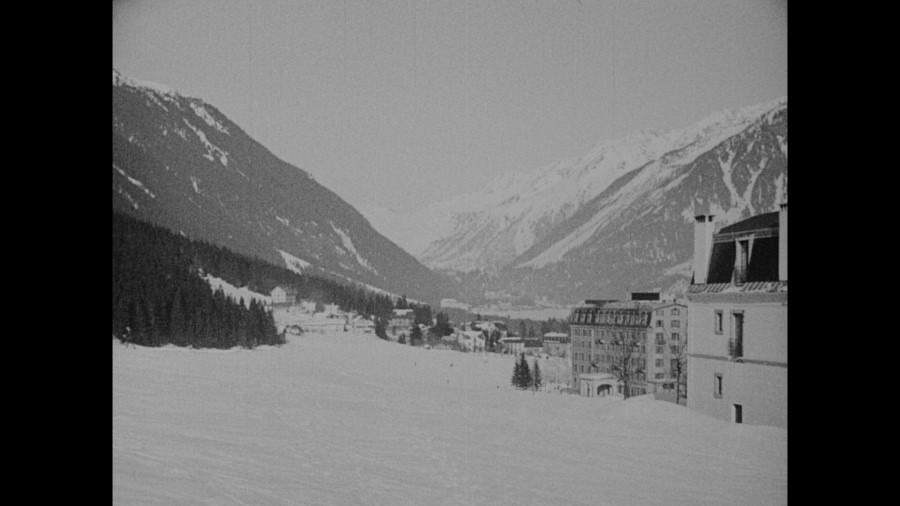
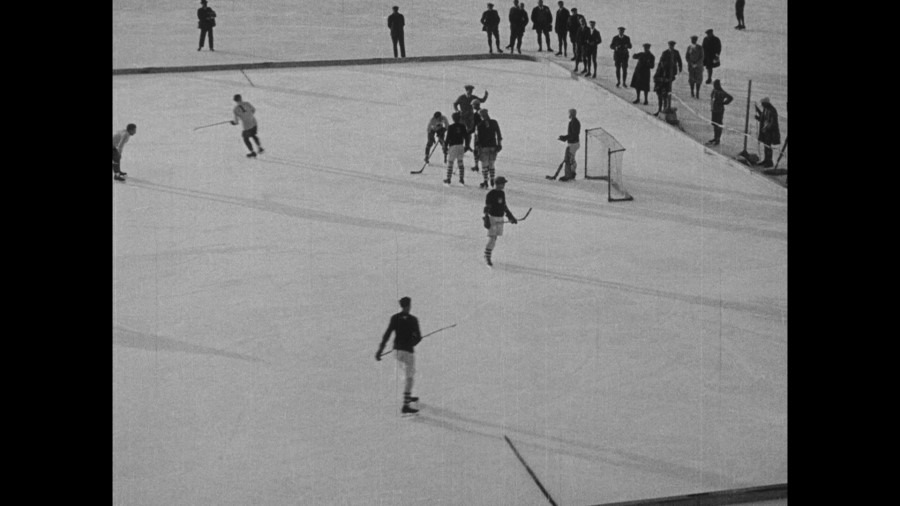
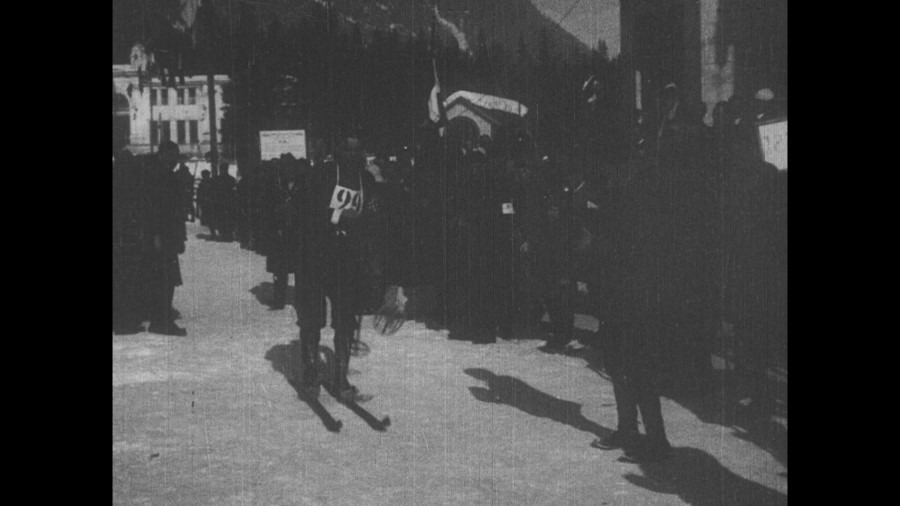
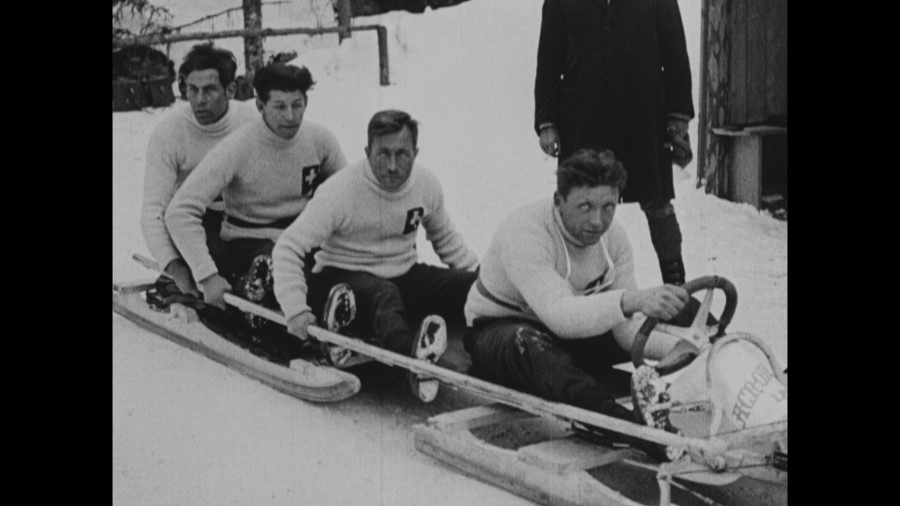
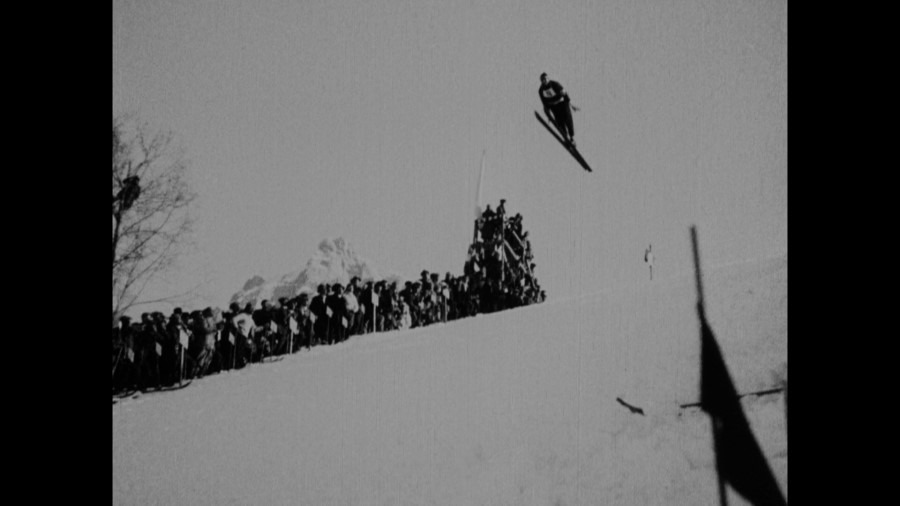
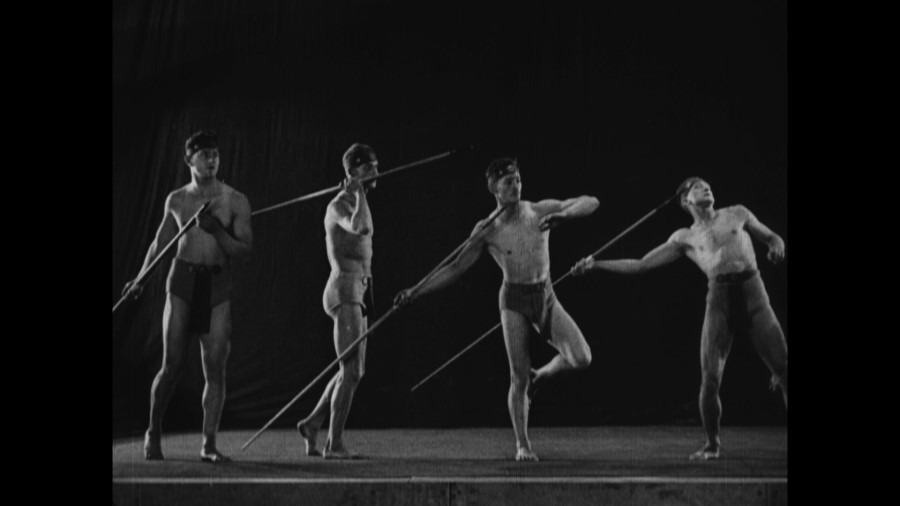
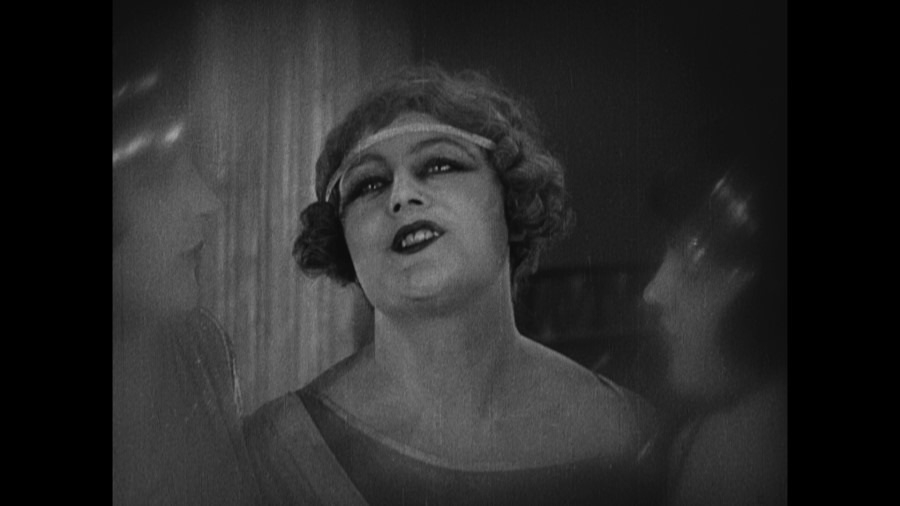
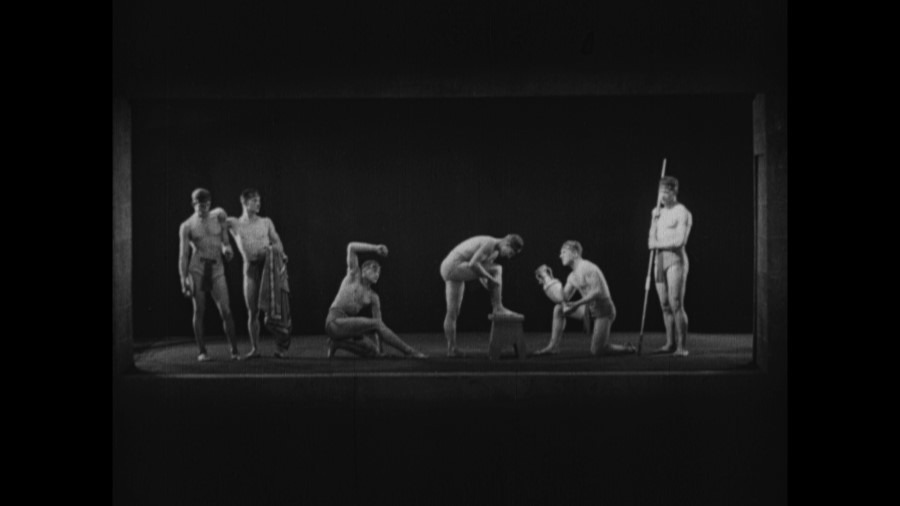
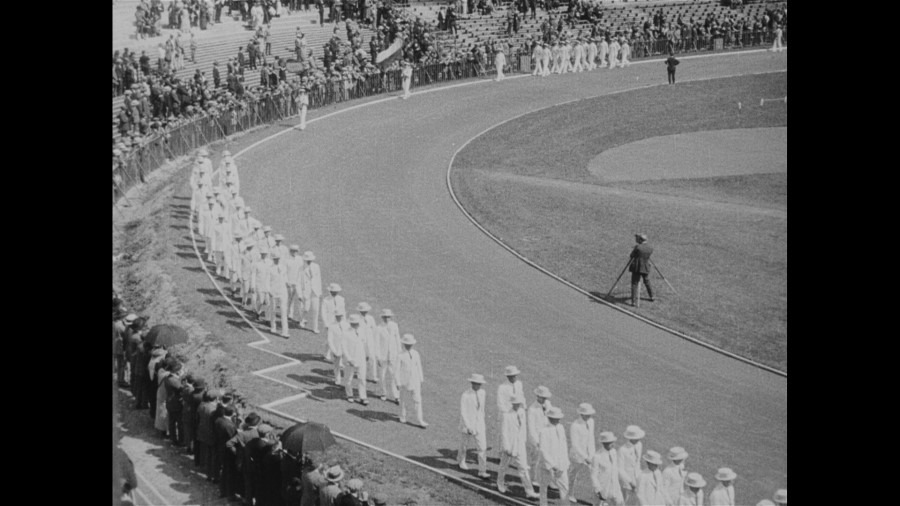
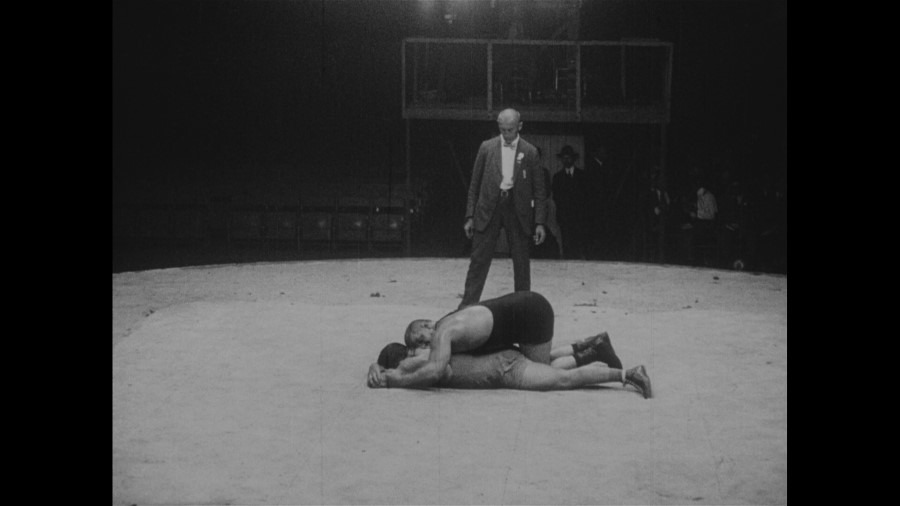
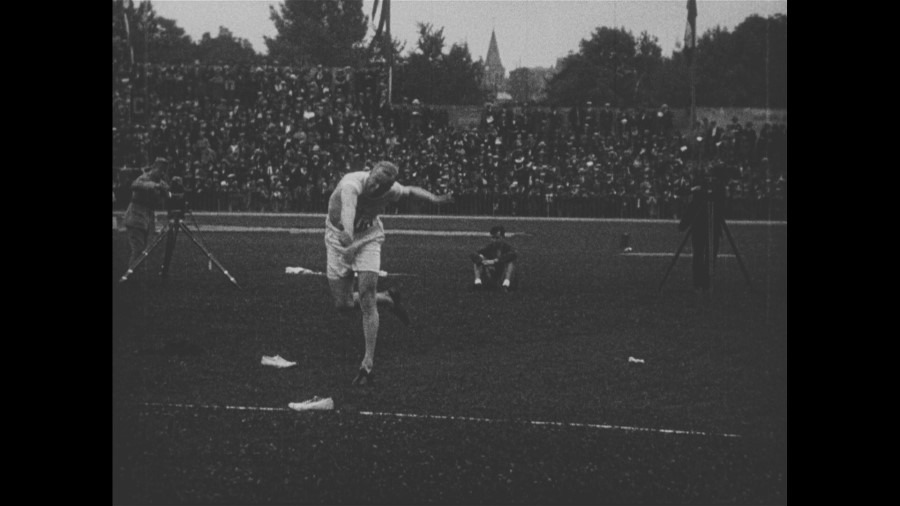
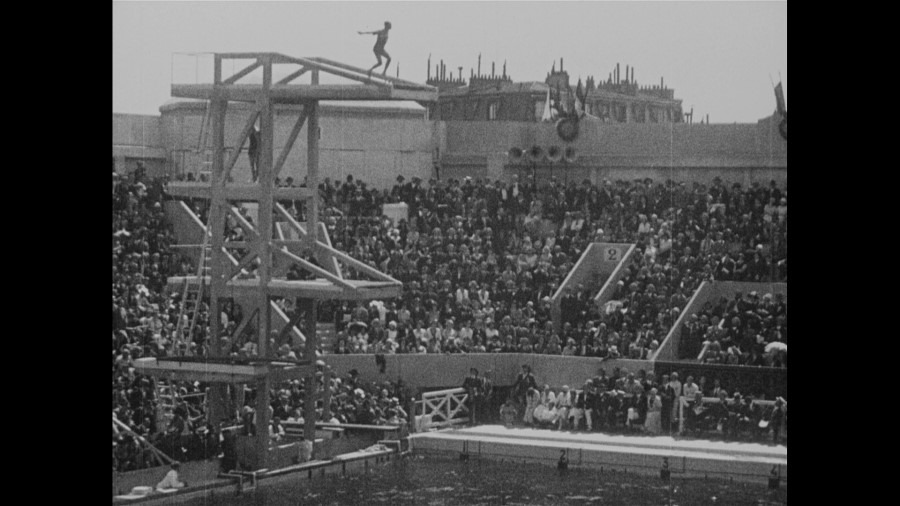
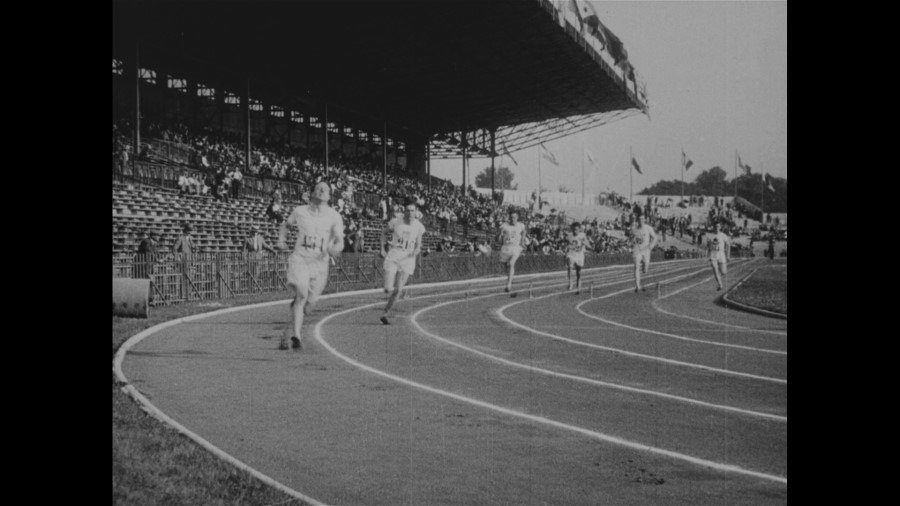
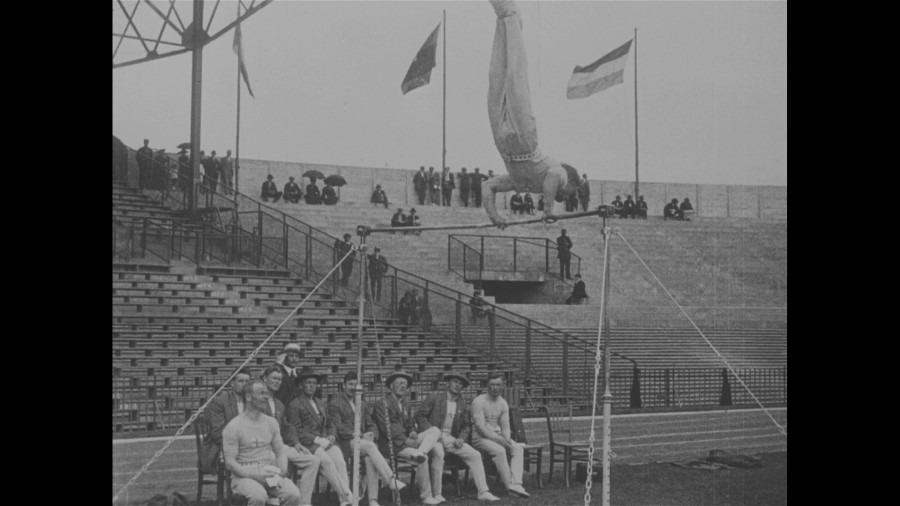
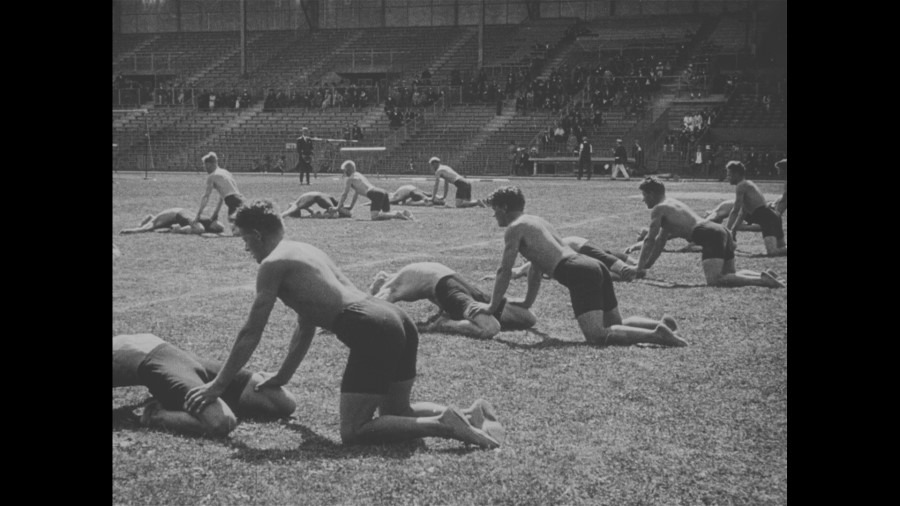
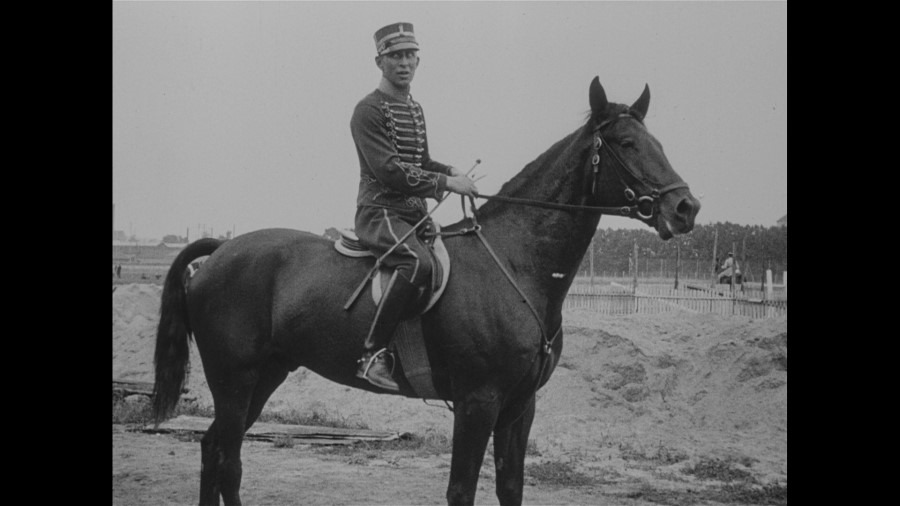
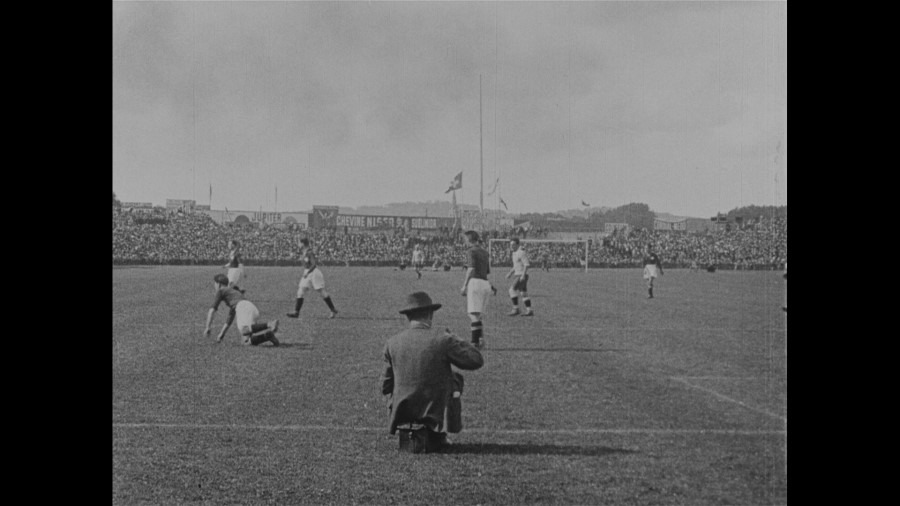
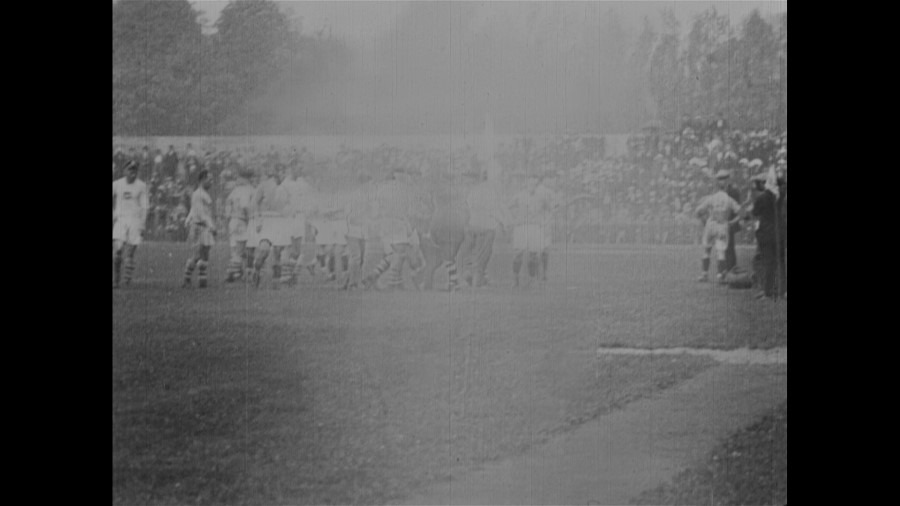
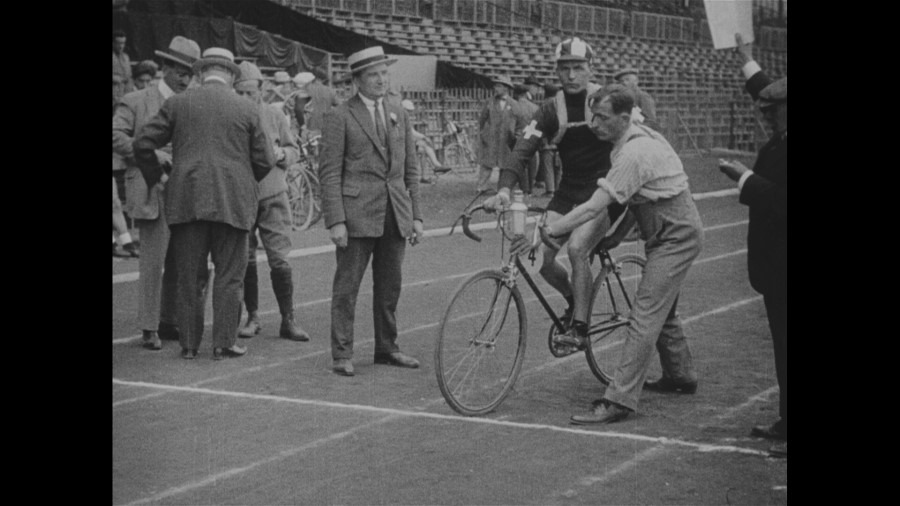
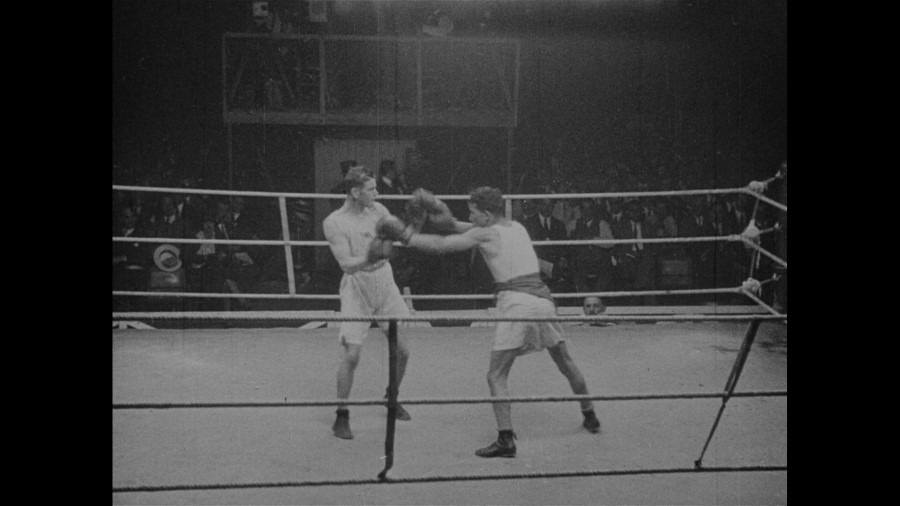
Audio 7/10
All three films are silent and Criterion includes scores for each, all performed by Donald Sosin and all three are presented in lossless PCM 2.0 stereo. Again nothing too surprising about the score but they are effective and suit their respective films. Range and fidelity are great but like the score on the previous disc it’s not the most dynamic presentation.
The Olympic Games Held at Chamonix in 1924: 7/10 The Olympic Games as They Were Practiced in Ancient Greece: 7/10 The Olympic Games in Paris 1924: 7/10
Extras 5/10
The only disappointing aspect to this set is that there are no on-disc special features to speak of. The set does come with an incredibly thorough 216-page hardbound book, featuring material on the restorations by Adrian Wood along with essays covering the films, all written by film scholar Peter Cowie. It also filled with photos from the various events. Cowie provides two essays related to this disc, one for the Chamonix film covering the first winter game and then second covering the other two films. He doesn’t give too much credit to the filmmaking itself but does point out the use of slow motion and its effectiveness. (The grade given here refers to the supplements for the set as a whole, which, in this case, is just the included book.)
Closing
Continuing on this set is delivering some impressive presentations. The films on this one are admittedly a bit more limited due to source materials but the restorations are still very good and the encodes are clean and sharp, delivering nice filmic looks for each title here.
BUY AT: