100 Years of Olympic Films
11: Melbourne/Stockholm 1956
BUY AT:


See more details, packaging, or compare
Synopsis
Spanning fifty-three movies and forty-one editions of the Olympic Summer and Winter Games, this one-of-a-kind collection assembles, for the first time, a century’s worth of Olympic films—the culmination of a monumental, award-winning archival project encompassing dozens of new restorations by the International Olympic Committee. These documentaries cast a cinematic eye on some of the most iconic moments in the history of modern sports, spotlighting athletes who embody the Olympic motto of “Faster, Higher, Stronger”: Jesse Owens shattering sprinting world records on the track in 1936 Berlin, Jean Claude-Killy dominating the slopes of Grenoble in 1968, Joan Benoit breaking away to win the first-ever women’s marathon on the streets of Los Angeles in 1984. In addition to the work of Bud Greenspan, the man behind an impressive ten Olympic features, this stirring collective chronicle of triumph and defeat includes such landmarks of the documentary form as Leni Riefenstahl’s Olympia and Kon Ichikawa’s Tokyo Olympiad, along with lesser-known but captivating contributions by major directors like Claude Lelouch, Carlos Saura, and Miloš Forman. It also serves as a fascinating window onto the formal development of cinema itself, as well as the technological progress that has enabled the viewer, over the years, to get ever closer to the action. Traversing continents and decades, and reflecting as well the social, cultural, and political changes that have shaped our recent history, this remarkable marathon of films offers nothing less than a panorama of a hundred years of human endeavor.
Picture 8/10
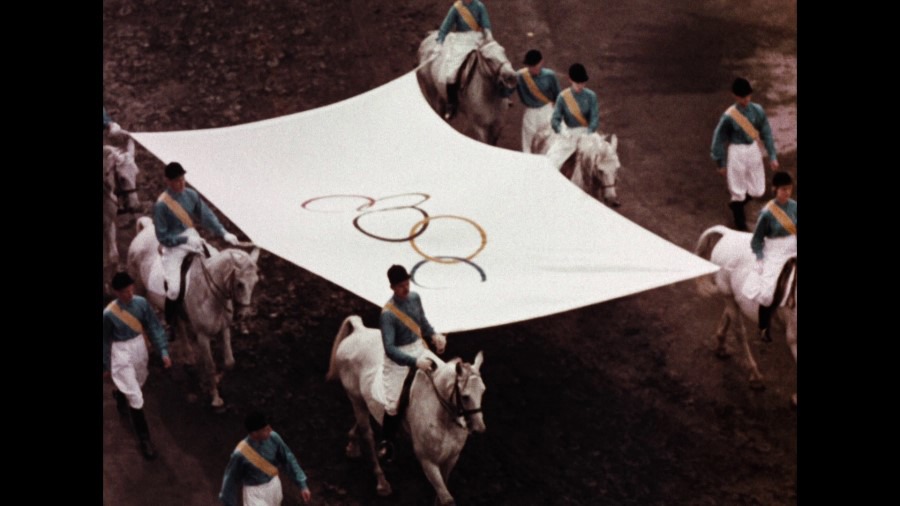
Disc number eleven in Criterion’s 100 Years of Olympic Films box set presents four films centering around the 1956 Melbourne/Stockholm Summer Games on a dual-layer disc: Peter Whitchruch’s Olympic Games, 1956, René Lucot’s The Melbourne Rendez-vous, Louis Gueguen’s short bio on the Game’s marathon gold medalist, Alain Mimoun, and then the 16-minute The Horse in Focus, which covered all equestrian events held in Stockholm since strict quarantine rules in Australia, where the Games took place, meant horses could not be shipped there in a reasonable amount of time. This latter film has no director credited. All four films are given 1080p/24hz high-definition encodes and are presented in the aspect ratio of 1.37:1. There are no specific notes about these films but Adrian Woods’ essay on the restorations states all restorations prior to the films covering the 1996 Games (not counting the Mexico City and Seoul Games) were done in either 2K or 4K restoration.
Olympic Games, 1956 is the weakest looking one of the four, and probably one of the weaker ones in the set. The colours are nice, with some wonderful blues and reds present, and damage isn’t an issue: like most films in the set the restoration work has really cleaned up damage. Unfortunately it looks like they were limited by available materials, which impacts the image. The image is quite soft and fuzzy, details limited in both long shots and close-ups. Grain is present, suggesting it’s not an issue with noise reduction gone amok but just the way the original film elements were. For the most part the digital presentation is fine, and the encode handles the grain quite well, but a few lower lit scenes that take place indoors (gymnastic events and so on), the grain gets a bit blocky and unnatural. This is really one of the few times in the whole set (again, so far) where this happens.
Rendez-vous comes out much better. Like the previous film its colours are also wonderfully saturated and bright, keeping a more natural hue to them, but it also delivers far sharper details. This is best shown in long shots of the fields, which come off a bit mushy in Olympic Games but far sharper with more distinguishable details (grass, dirt, etc.) present. Grain rendering is far better, most evident in similar indoor shots to what was offered in the previous film. Where it could look chunky and blocky in the other film it’s far finer and cleaner here. It is evident different film stocks were used, which will play a part into it but this presentation also benefits with a better encode. Some colour fluctuations pop up but outside of that the restoration has been very thorough and damage is not an issue. This looks wonderful.
The lone black and white film, Alain Mimoun, still manages to hold its own against the previous colour film. This one is a mix of actual footage from the marathon (that Mimoun won) mixed with somewhat amusing reenactments of his life as he perseveres through one drawback after another (it’s one of those). The reenactments might look better than the race footage (which Cowie points out was taken from Rendez-vous) but on the whole the image is very sharp and highly detailed, with excellent contrast and grayscale.
The shortest film, The Horse in Focus, is a step up from Olympic Games but has a few problems, which can be traced to materials. Colours look a bit under saturated, with a little damage and some fading in places evident, but outside of that details still manage to be pretty good. It’s not razor-sharp but still significantly sharper than Olympic Games. Grain can be a bit noisy in a few places but on the whole its fine.
A few week spots but on the whole the disc offers another great batch of films and restorations. Materials hold things back in a couple of places but the significant work that has gone into these is more than evident.
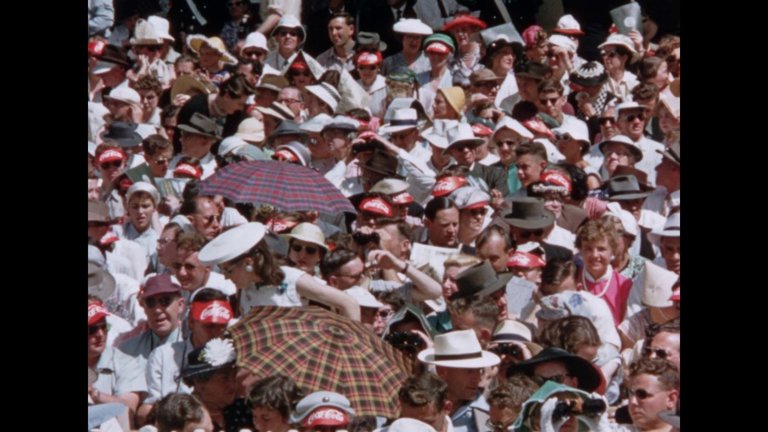
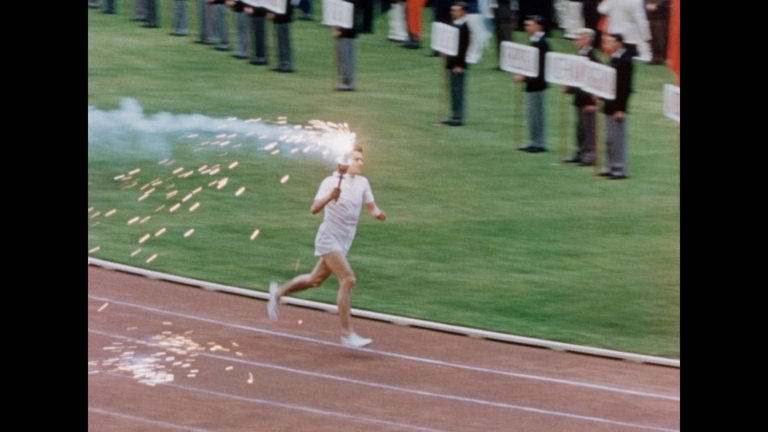
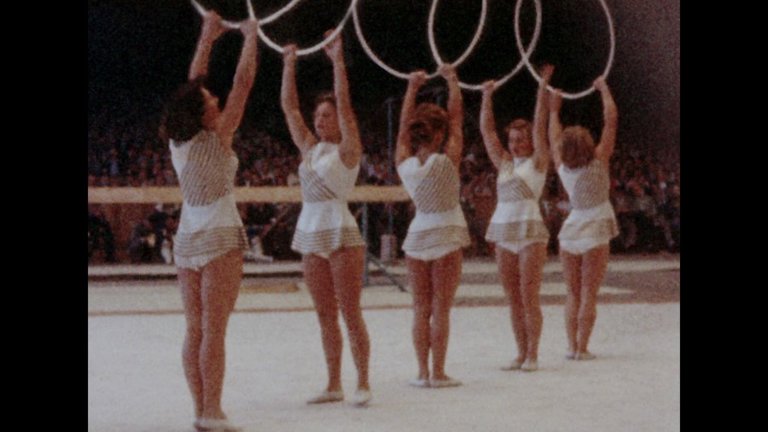
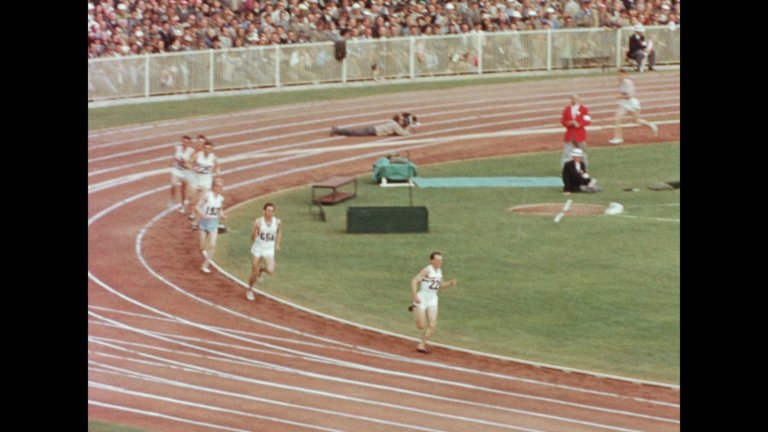
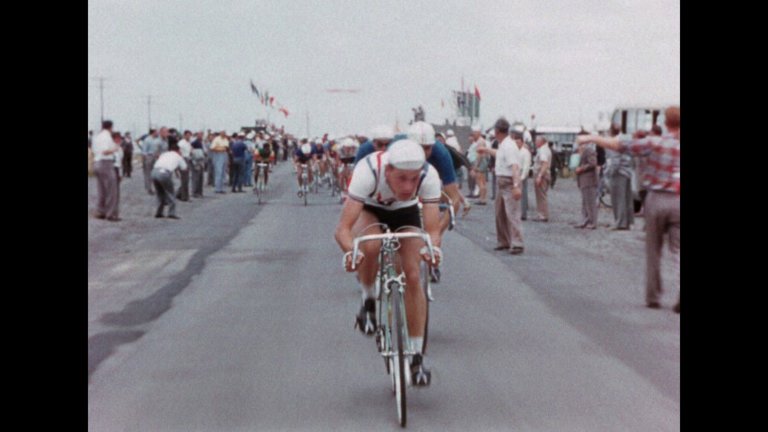
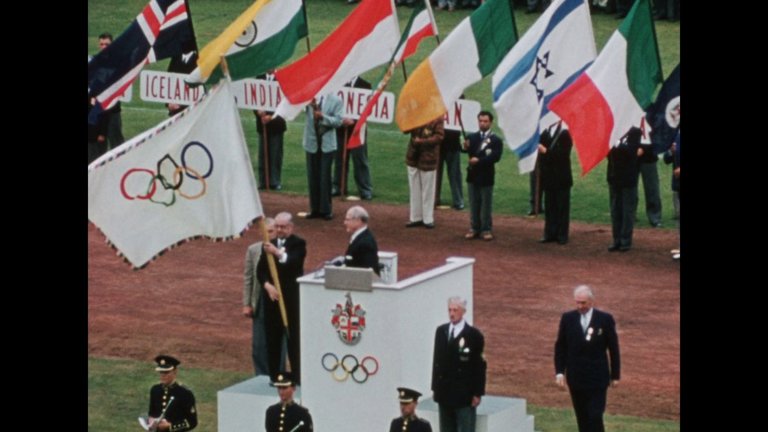
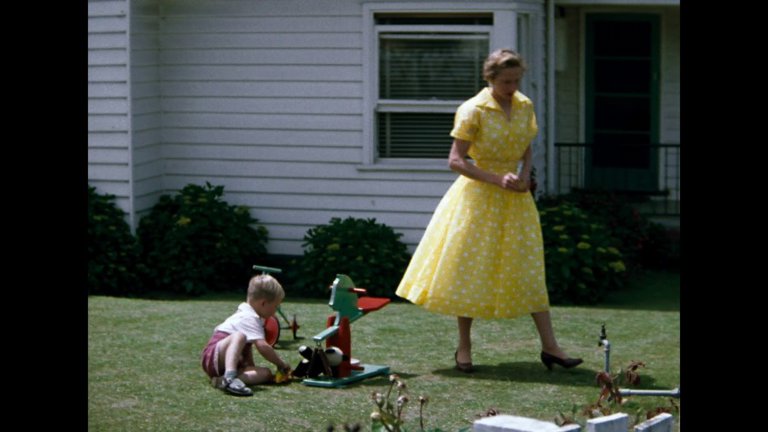
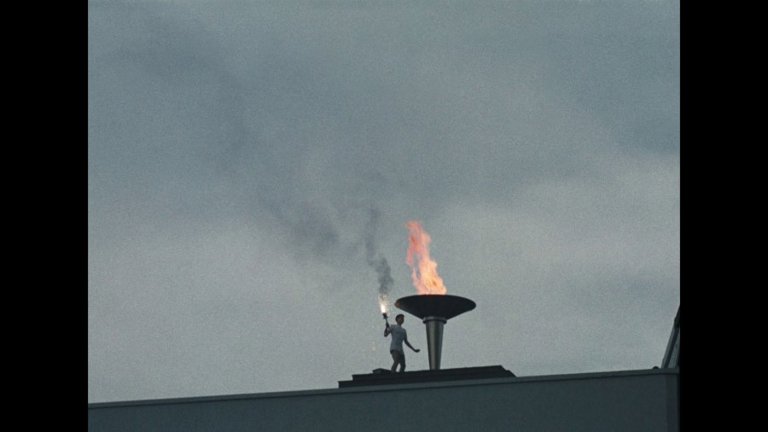
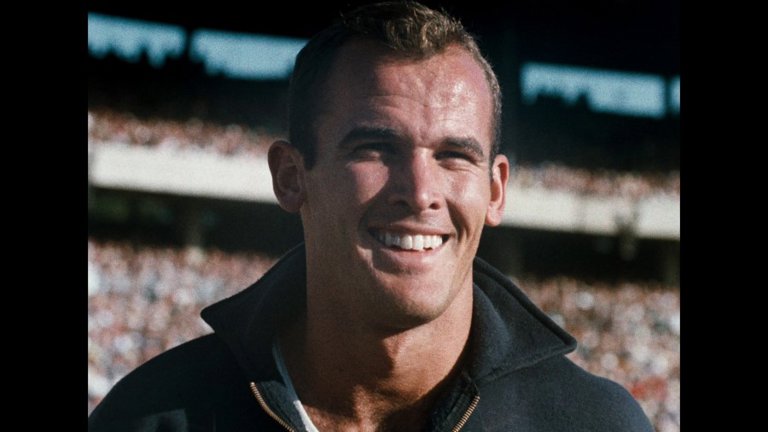
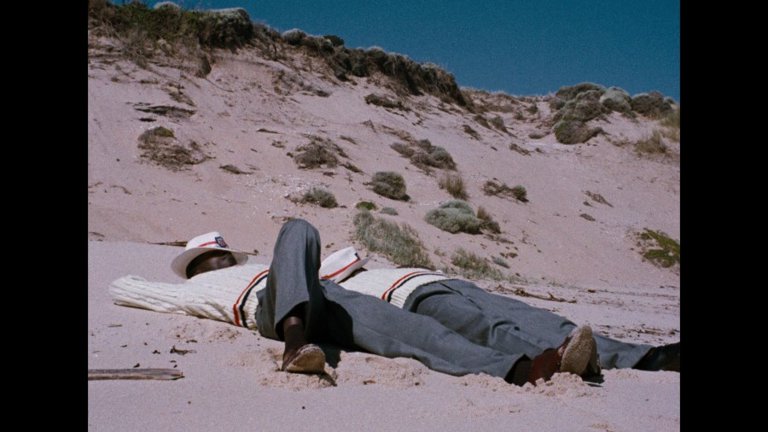
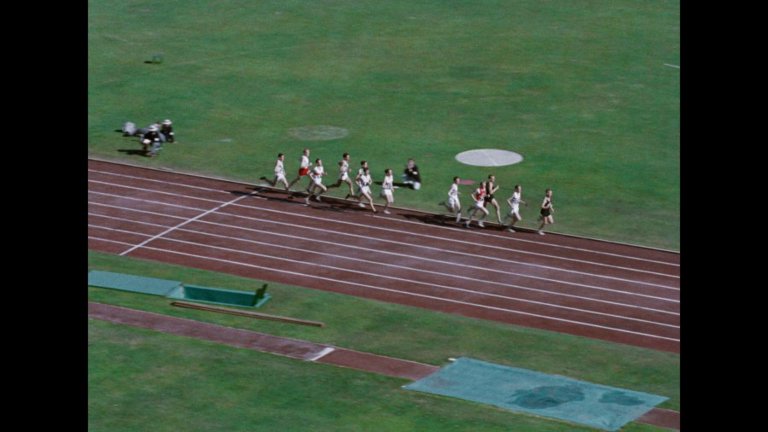
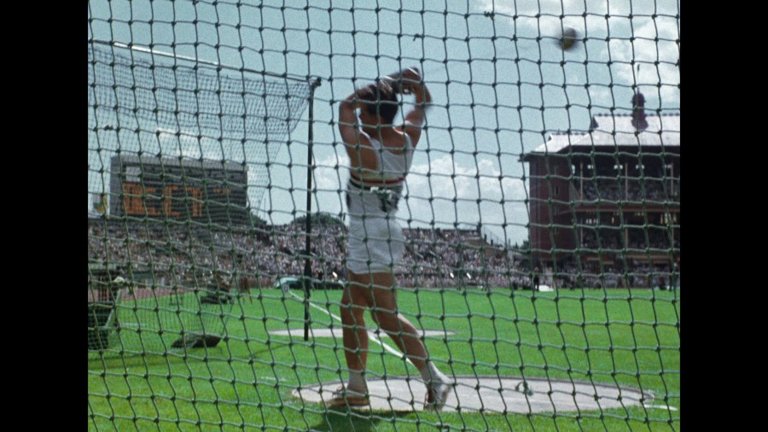
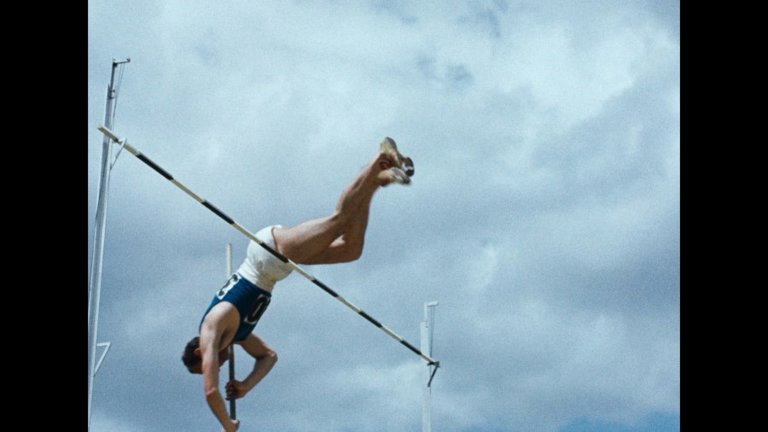
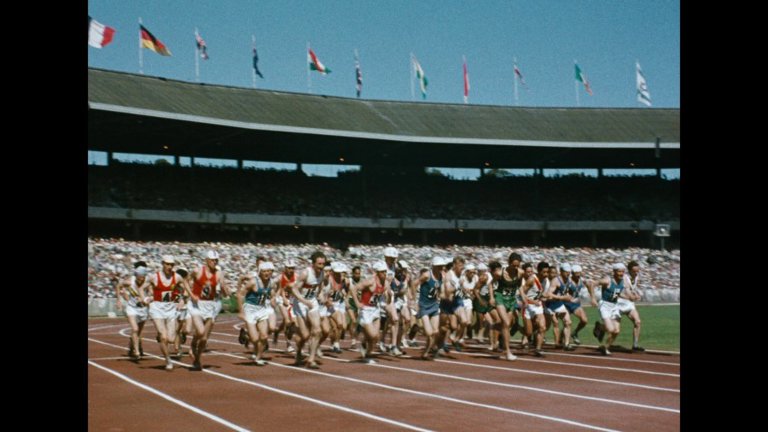
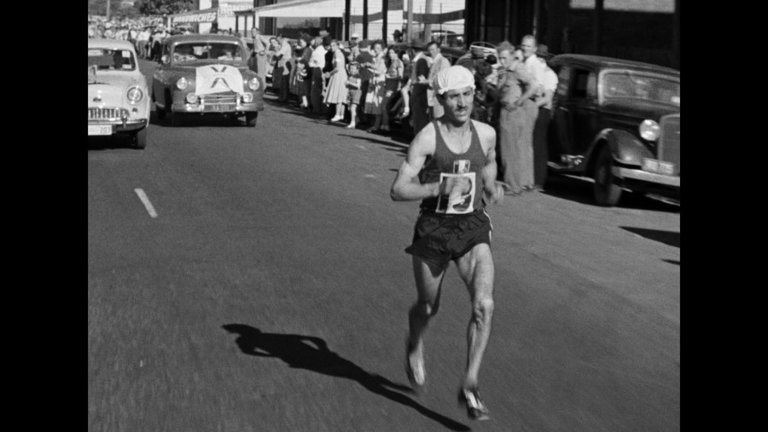
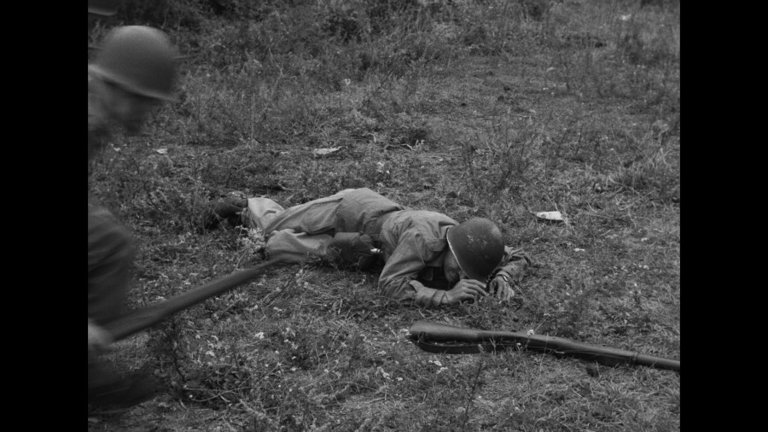
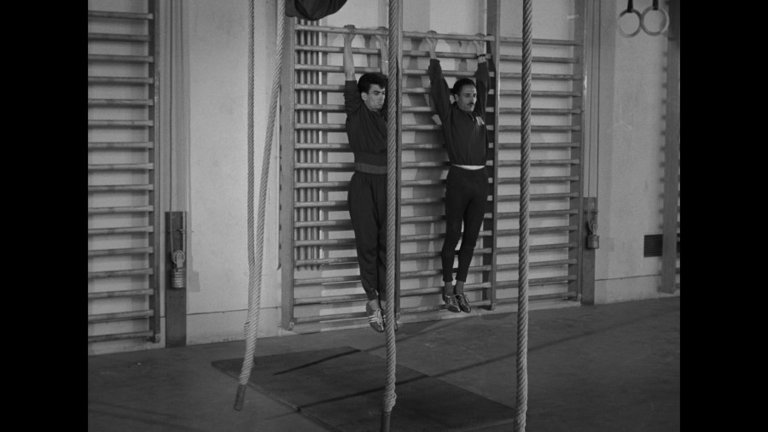
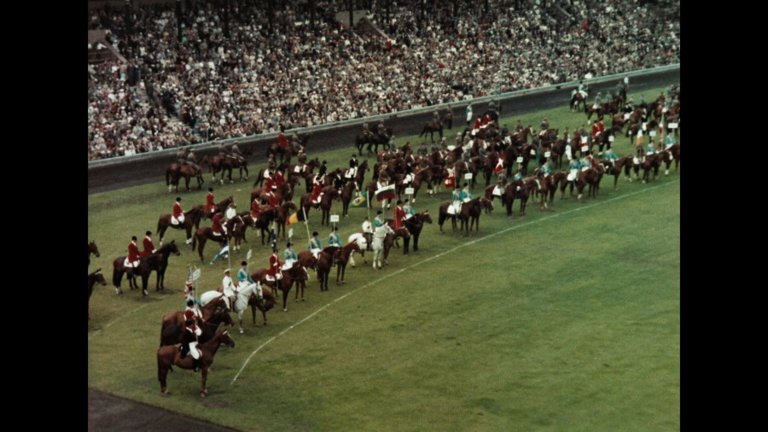
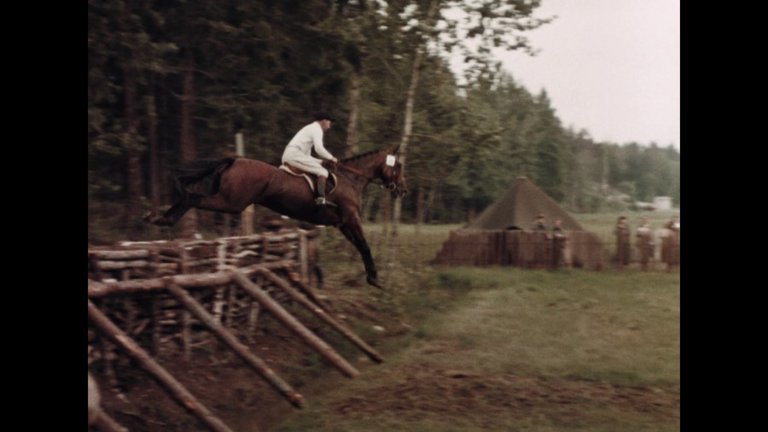
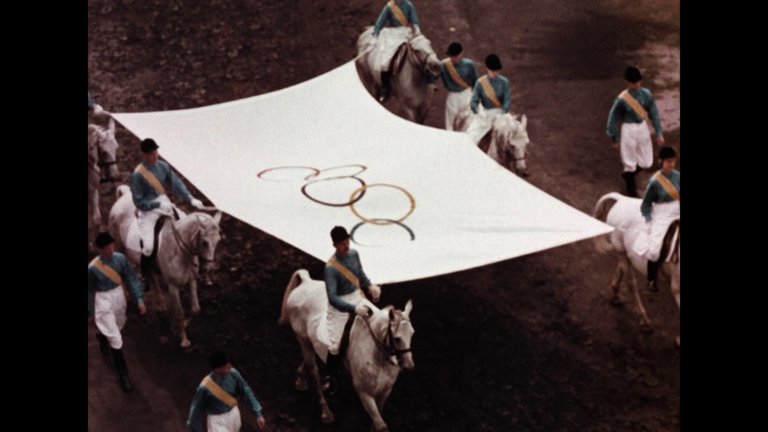
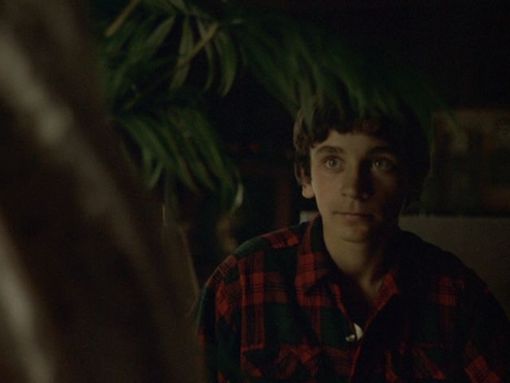
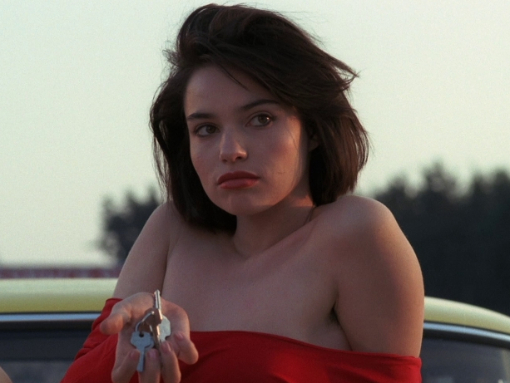
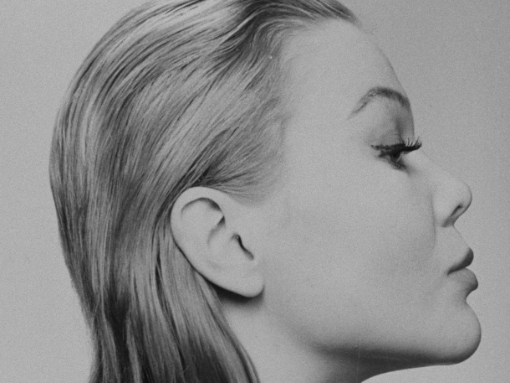
100 Years of Olympic Films - Screen Captures
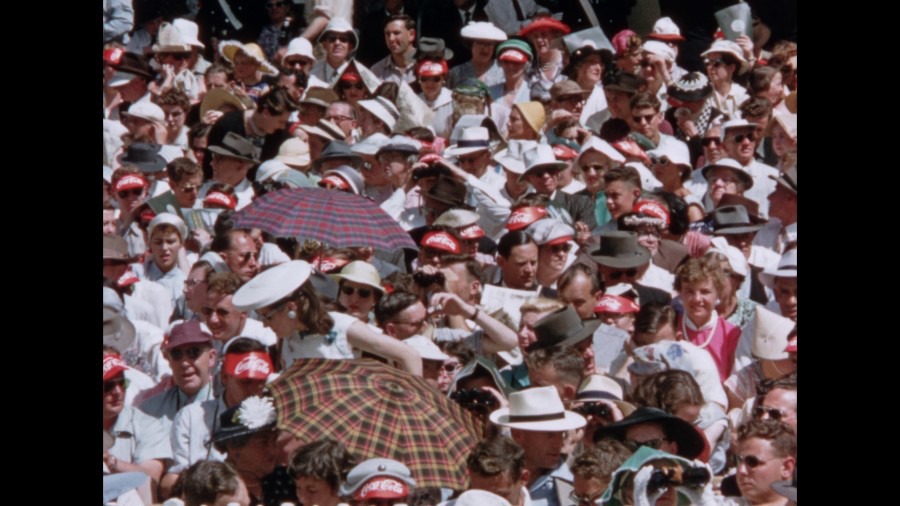
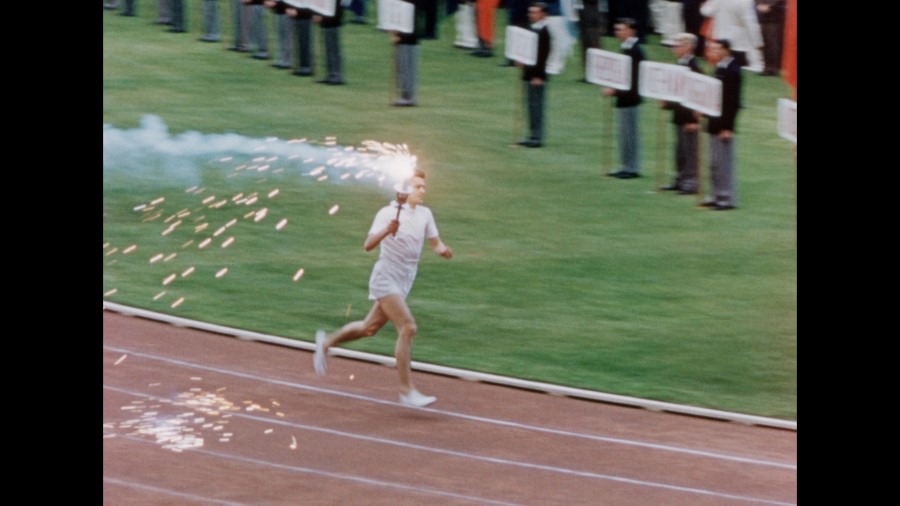
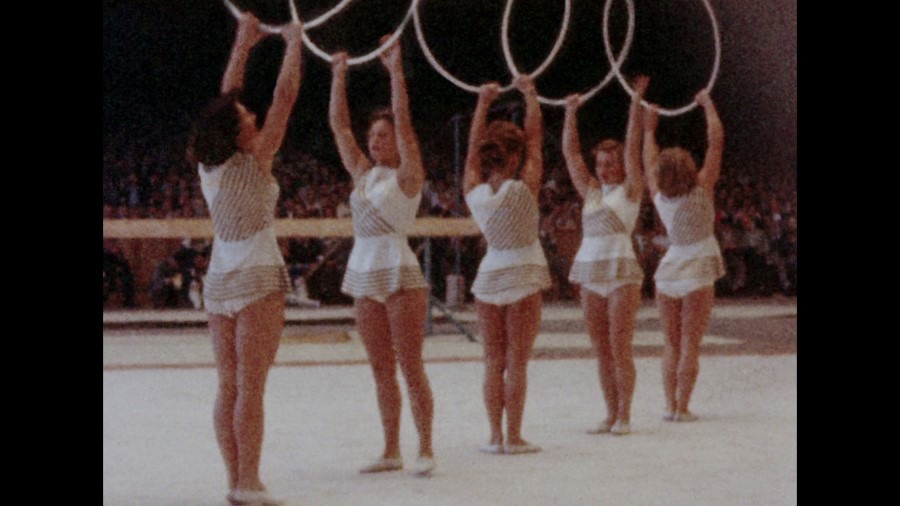
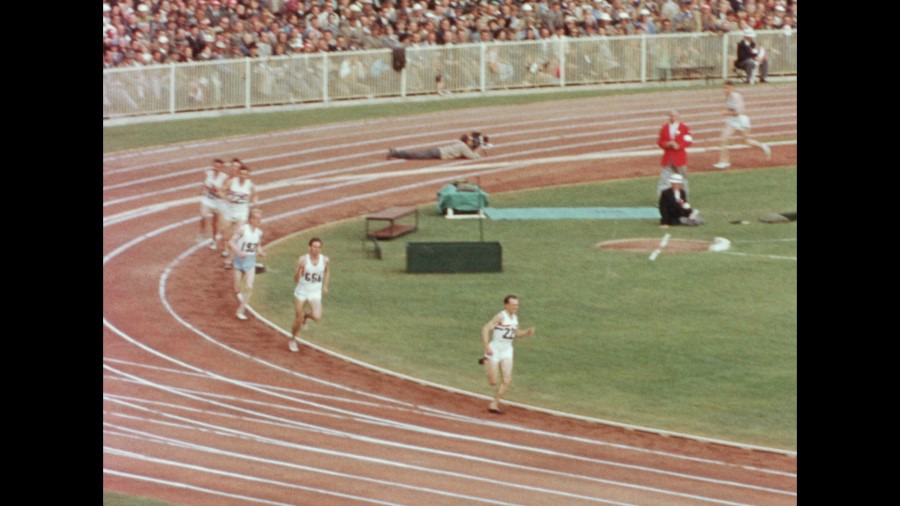
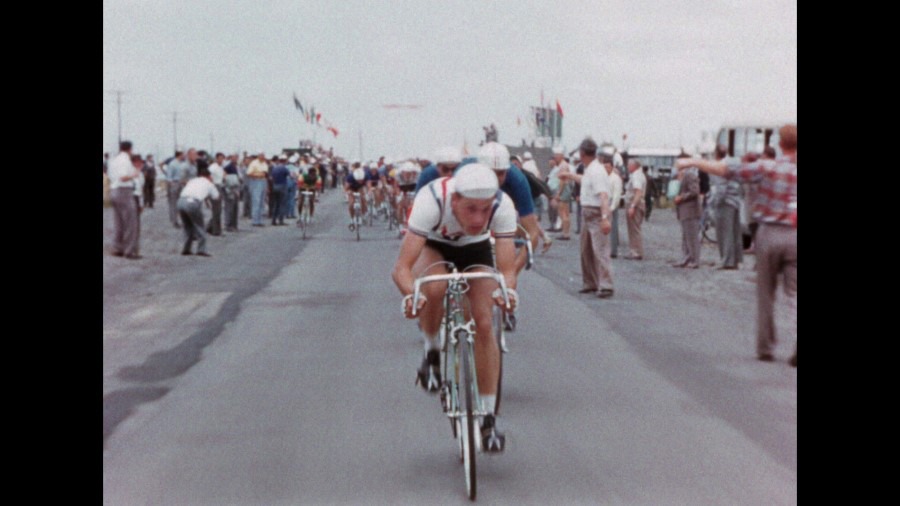
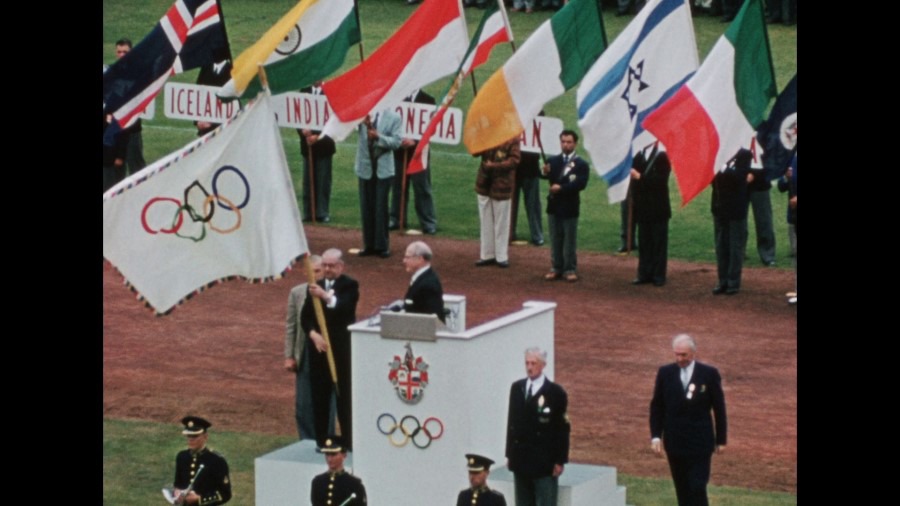
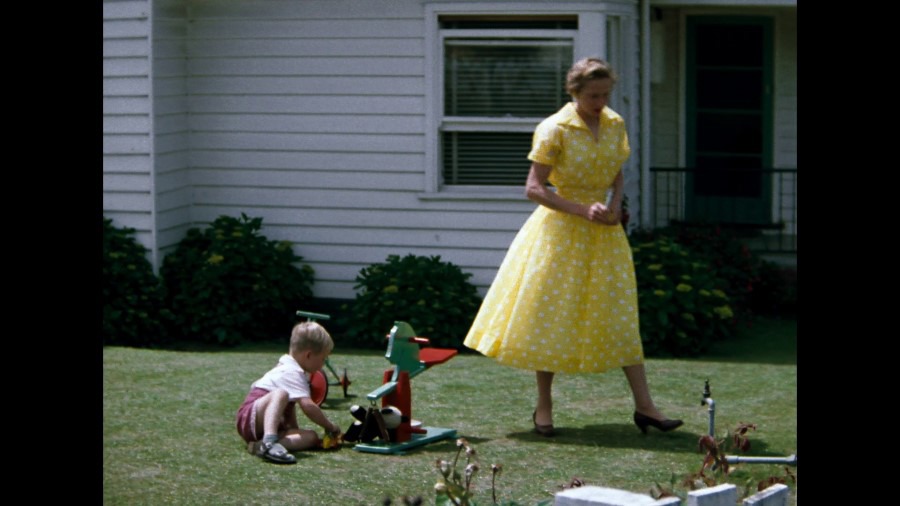
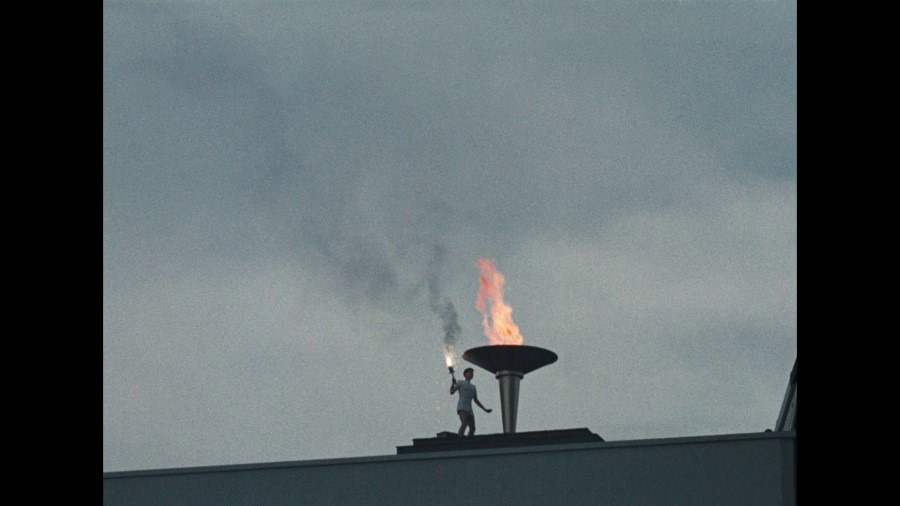
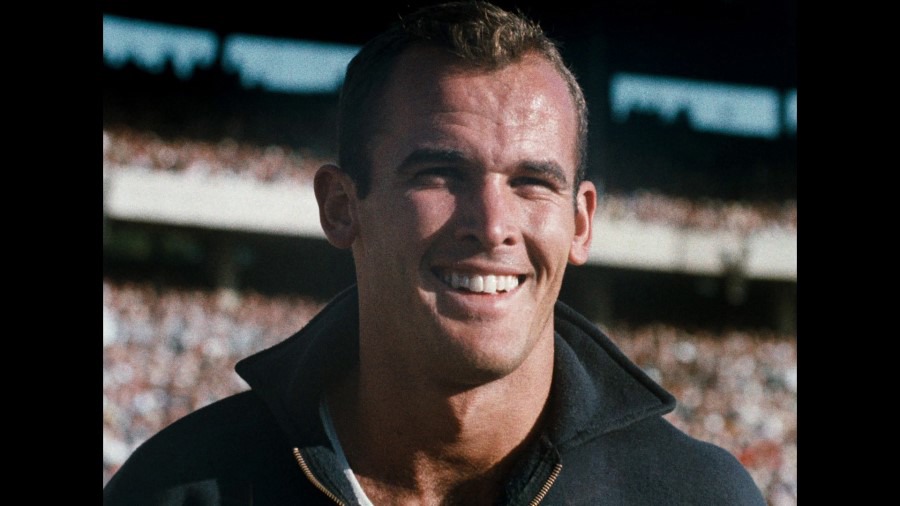
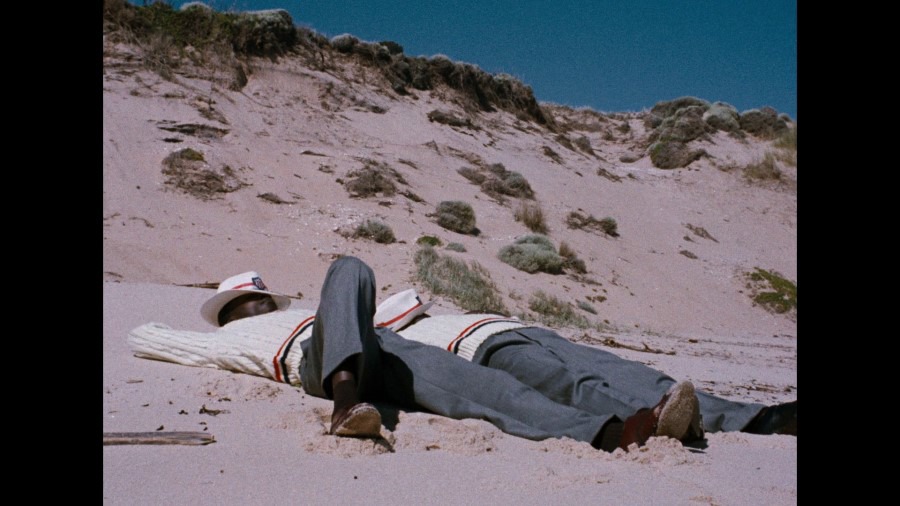
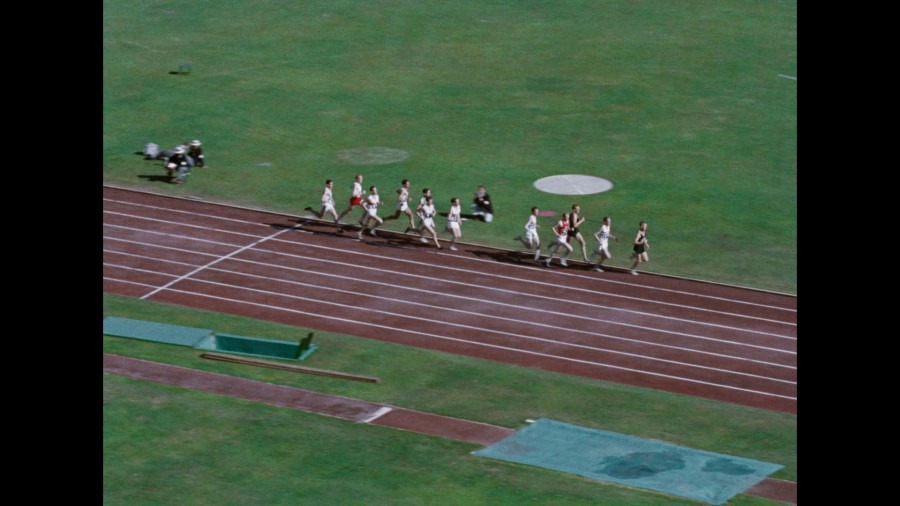
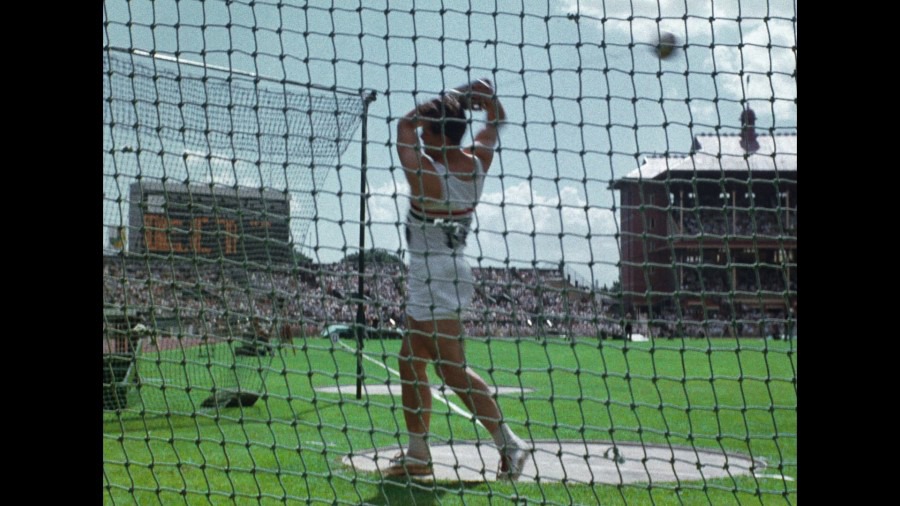
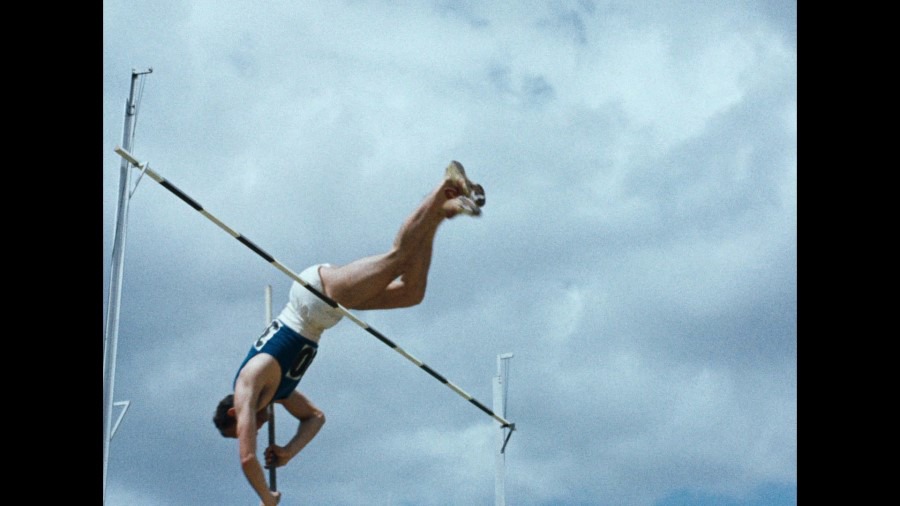
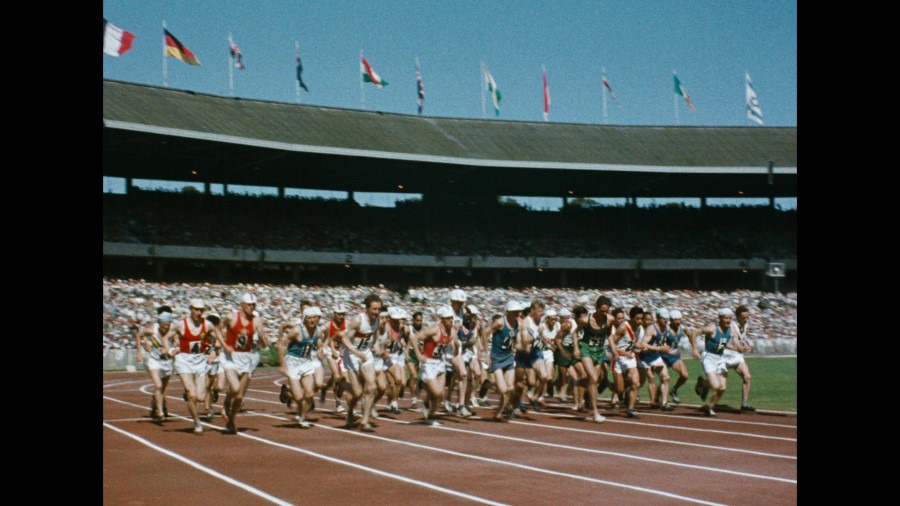
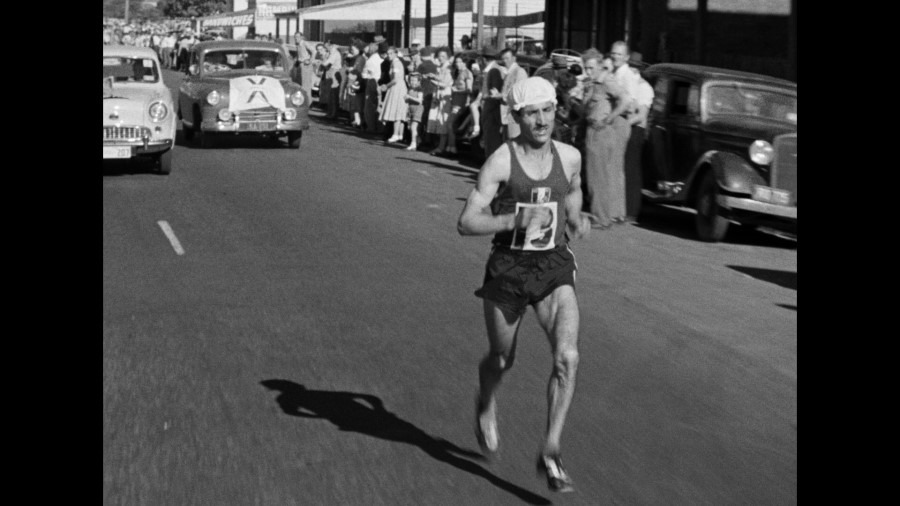
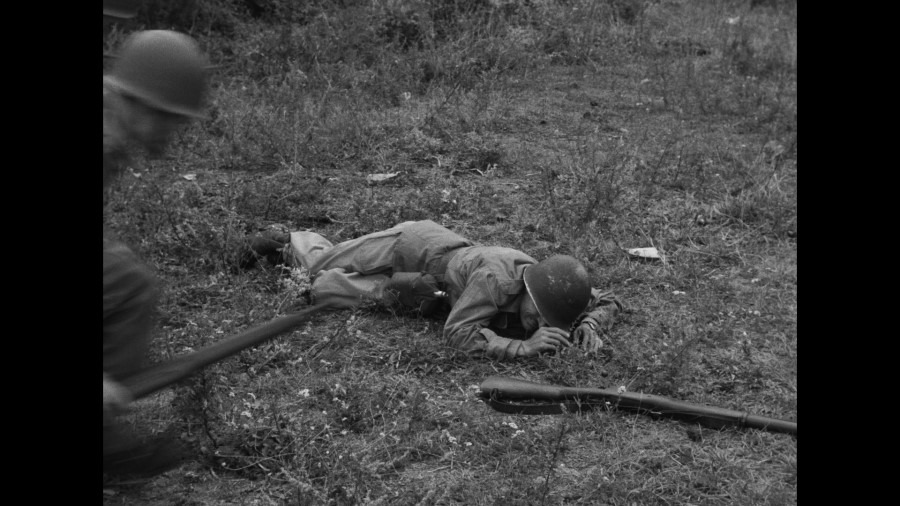
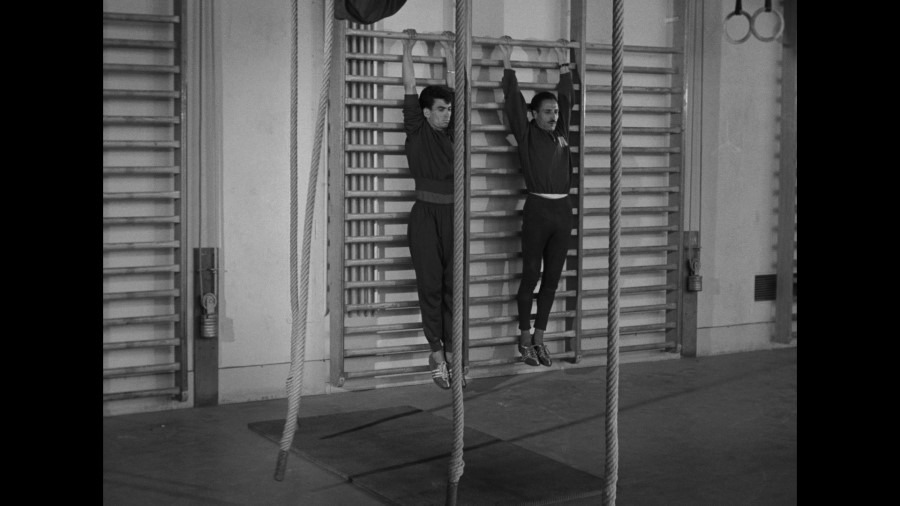
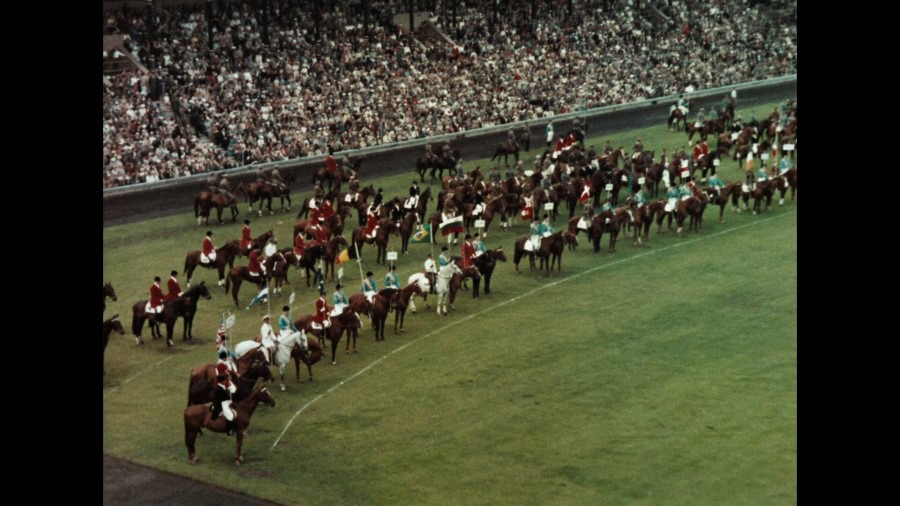
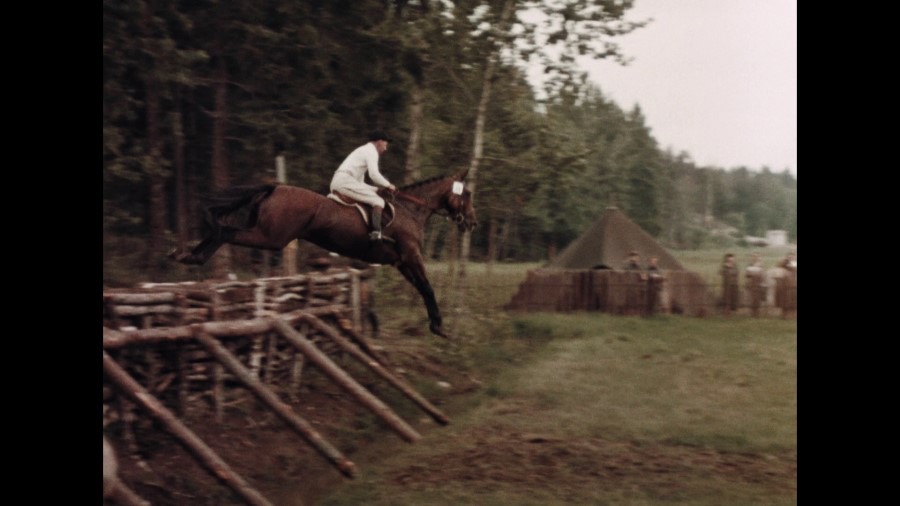
Audio 6/10
All three films come with lossless PCM 1.0 mono tracks, The Horse in Focus in Swedish, the other films in French. All three are a bit limited by the age of the materials but they’re fine overall. They’re clean, don’t present any significant distortion or damage, and Rendez-vous manages to be a bit more dynamic.
Olympic Games, 1956: 6/10 The Melbourne Rendez-vous: 6/10 Alain Mimoun: 6/10 The Horse in Focus: 6/10
Extras 5/10
The only disappointing aspect to this set is that there are no on-disc special features to speak of. The set does come with an incredibly thorough 216-page hardbound book, featuring material on the restorations by Adrian Wood along with essays covering the films, all written by film scholar Peter Cowie. It also filled with photos from the various events. Cowie covers all four films in this essay, though admits to preferring Rendez-vous out of all of them, despite some dated elements. He also gets into great detail about some of the events and Alain Mimoun himself. It’s one of the lengthier ones in the book. (The grade given here refers to the supplements for the set as a whole, which, in this case, is just the included book.)
Closing
An interesting mix of films this is one of the more fun discs in the set. Elements hold back a couple of the films but the same amount effort has gone into the restorations that has gone into the other films in this set so far.
BUY AT: