American Dream
BUY AT:


See more details, packaging, or compare
Synopsis
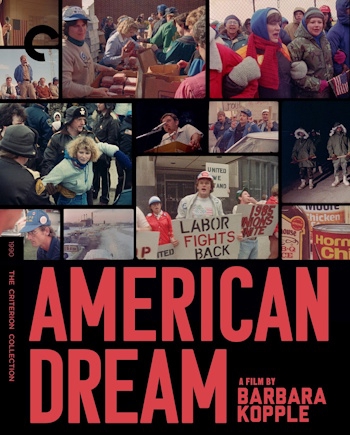
Winner of the Best Documentary Feature Oscar, Barbara Kopple’s American Dream details the tumultuous 1985–86 labor strike against Hormel Foods in Austin, Minnesota. Fed up with dangerous plant conditions and drastic wage cuts, Austin’s Local P-9 went against the advice of its parent union and, aided by an activist campaign to damage the meatpacking giant’s reputation, conducted a nearly yearlong walkout. But as the strike dragged on, some workers found themselves desperate enough to cross the picket line, dividing a community already roiled by blockades, riots, and the intervention of the National Guard. Following up her landmark documentary Harlan County USA with another uncompromising report from the trenches of working-class America, Kopple captures the human and political costs of one of the most significant setbacks to organized labor amid the unchecked corporatism of the Reagan era.
Picture 9/10
Barbara Kopple’s American Dream receives a new Blu-ray edition from The Criterion Collection, which presents the film in 1080p/24hz high definition on a dual-layer disc in its original aspect ratio of 1.33:1. The new presentation is sourced from a 4K restoration scanned from the 35mm internegative.
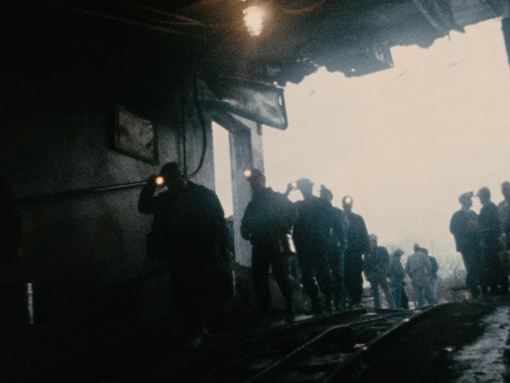
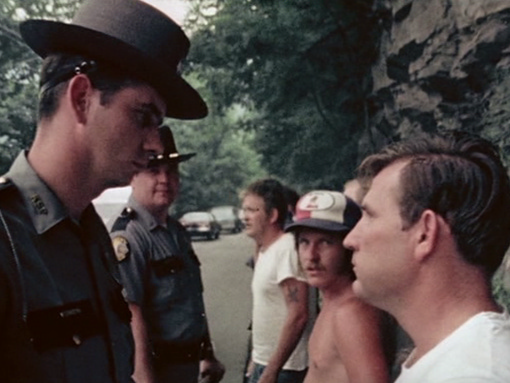
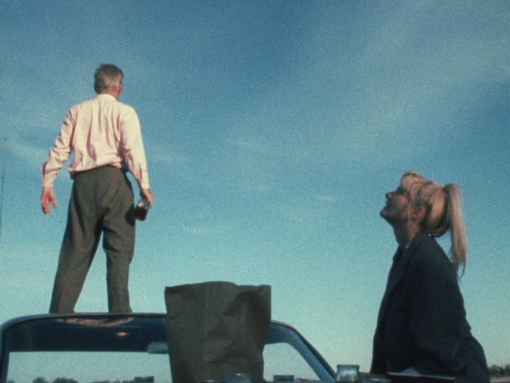
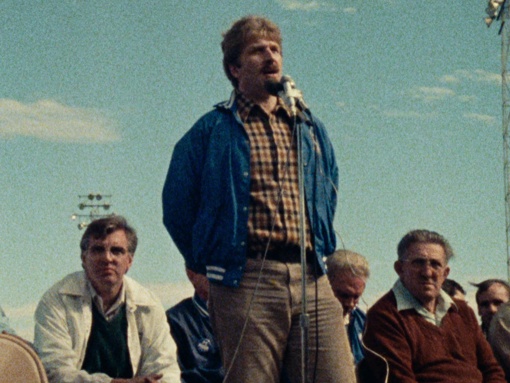
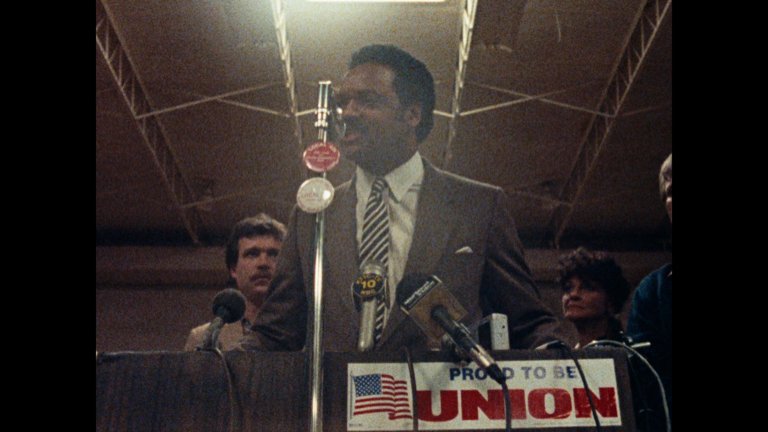
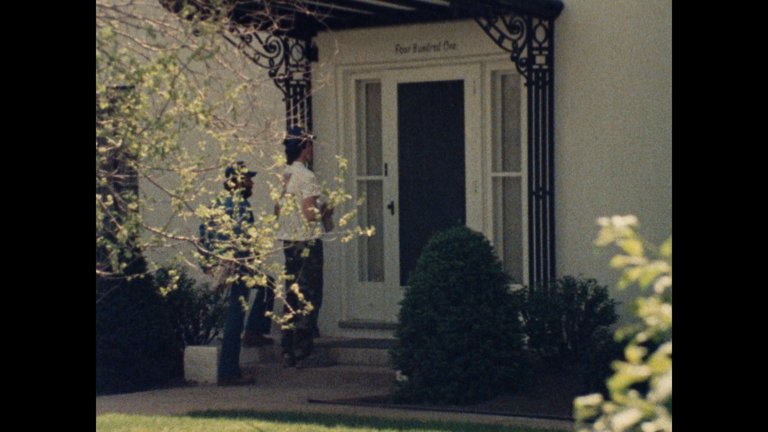
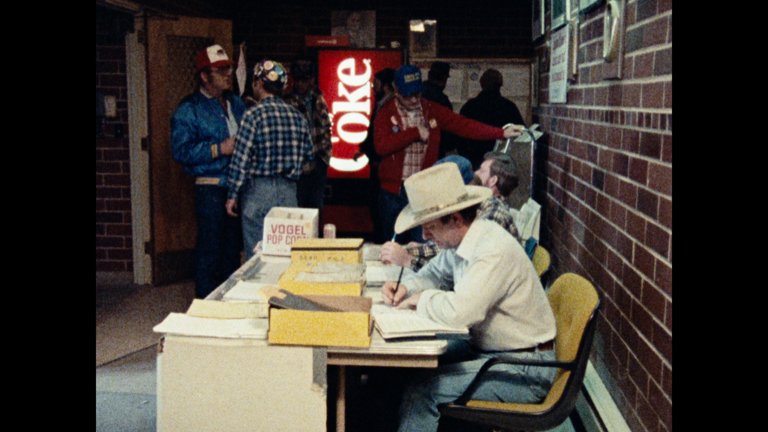
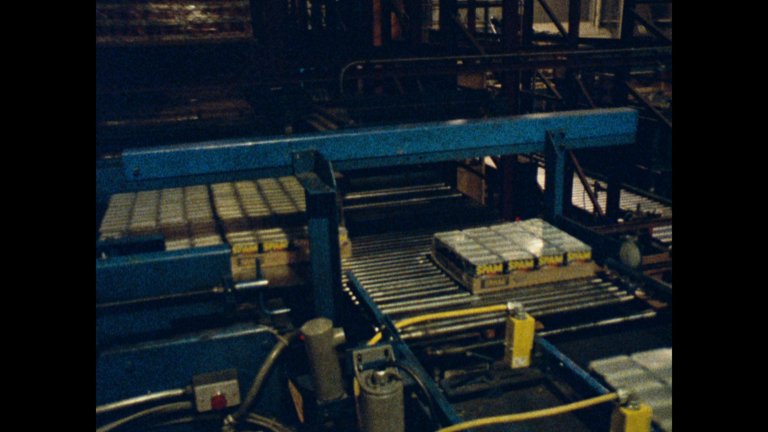
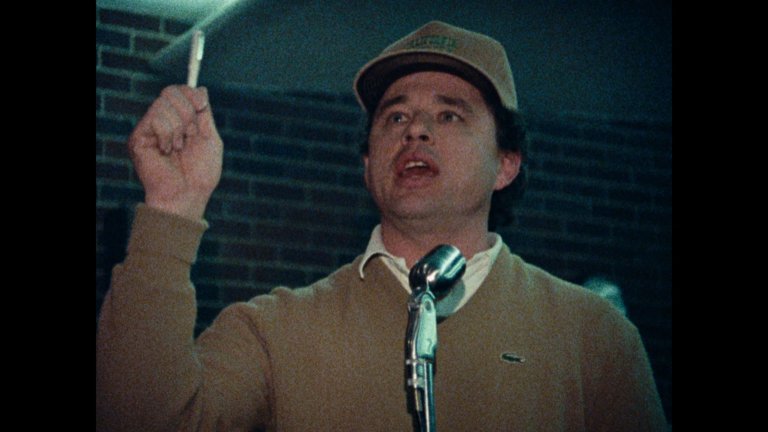
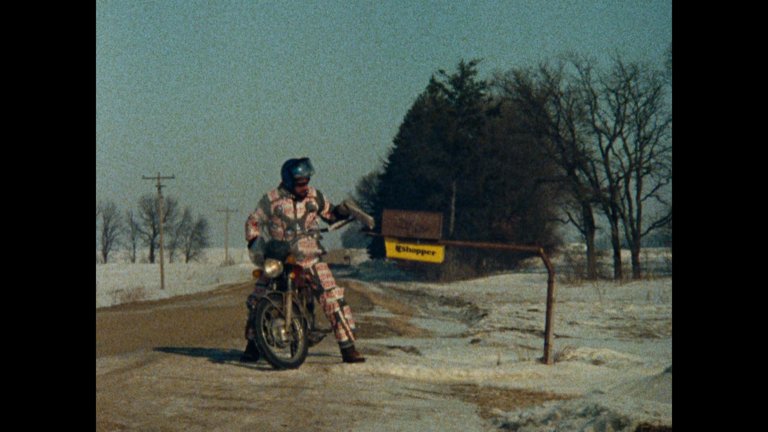
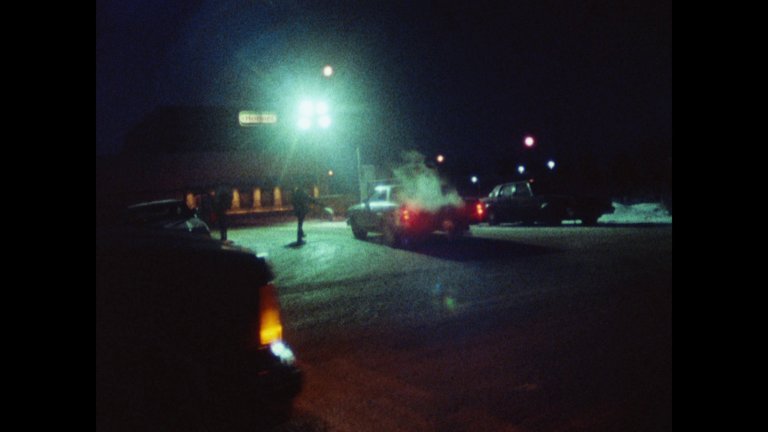
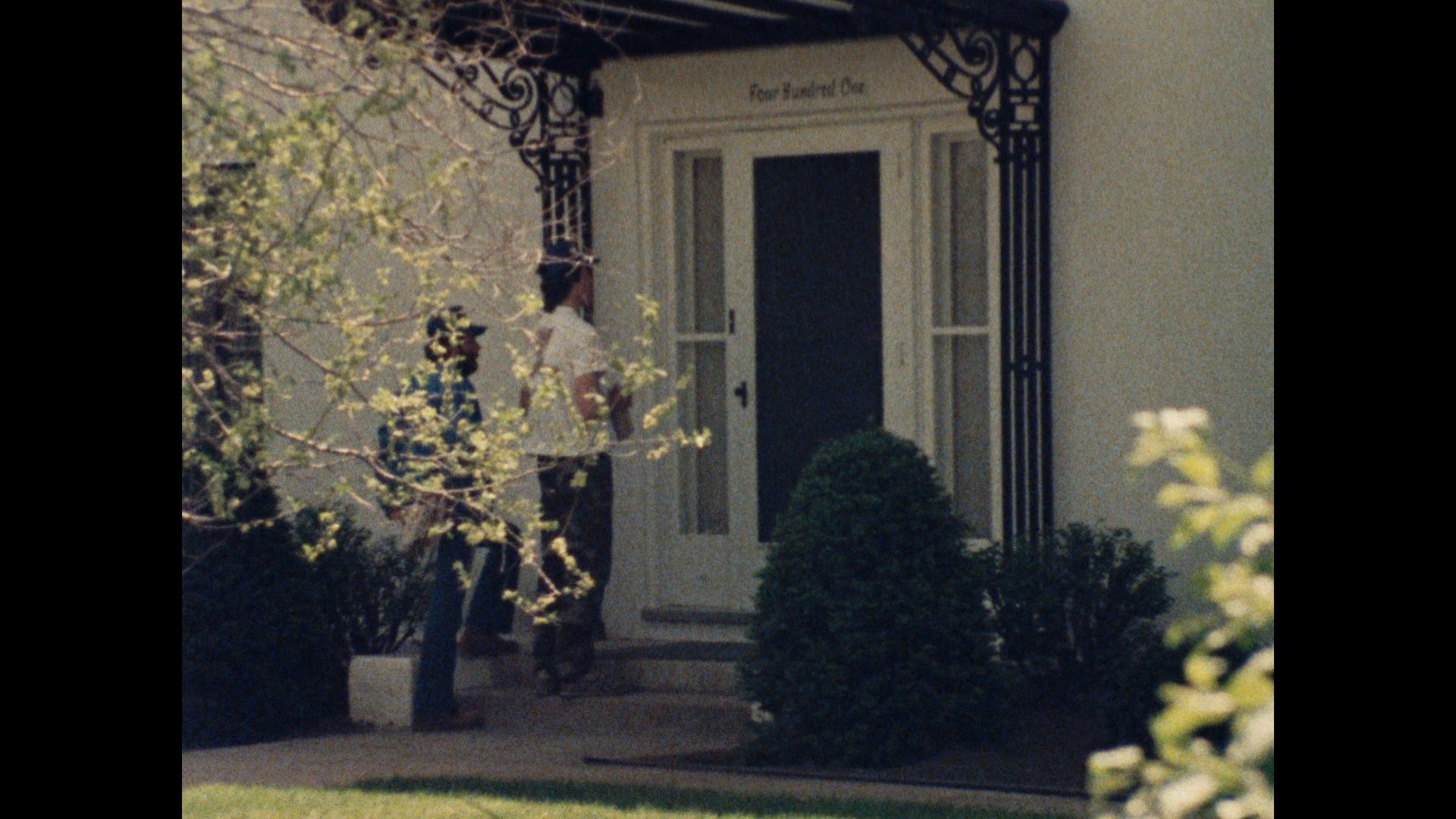
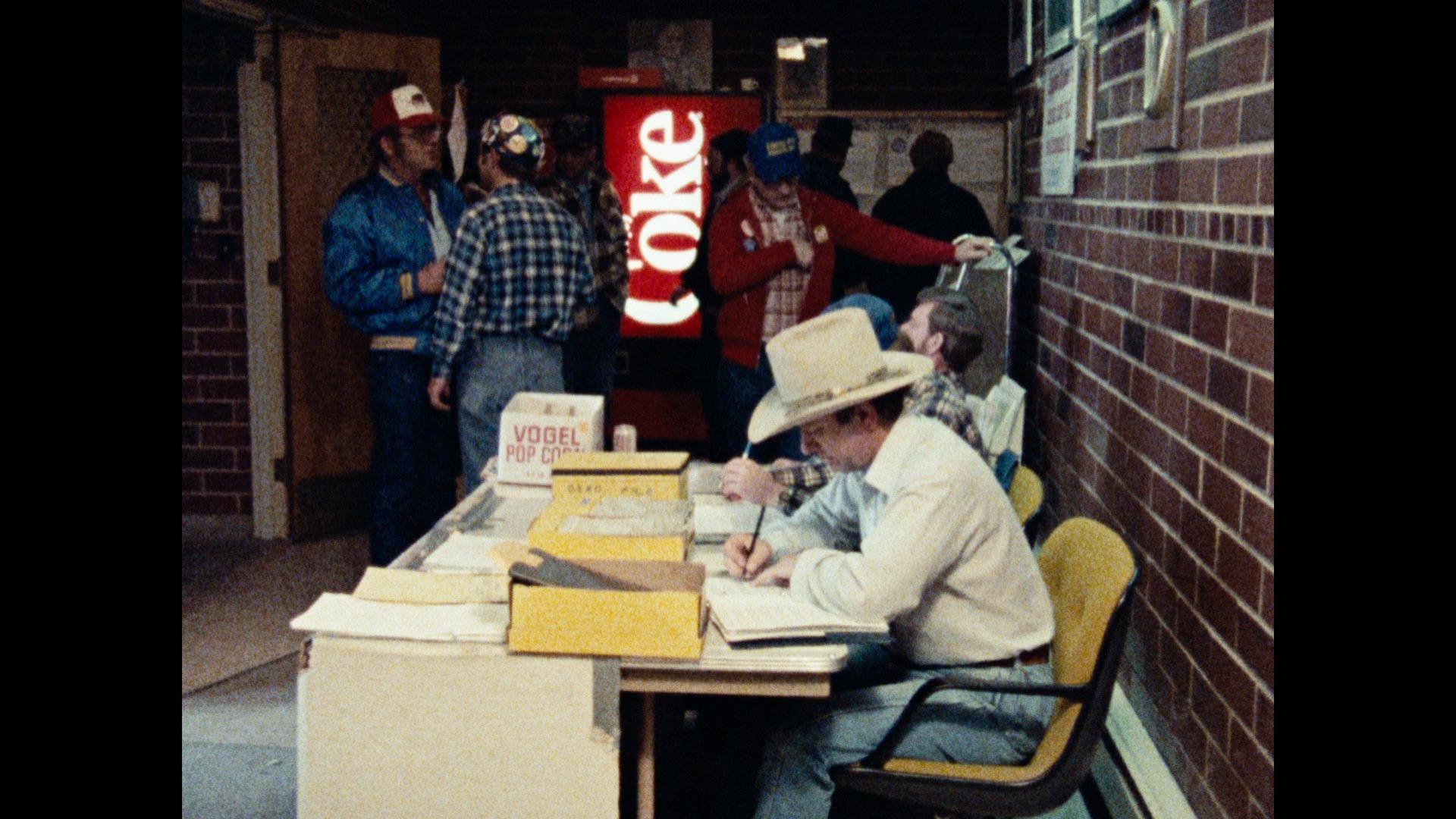
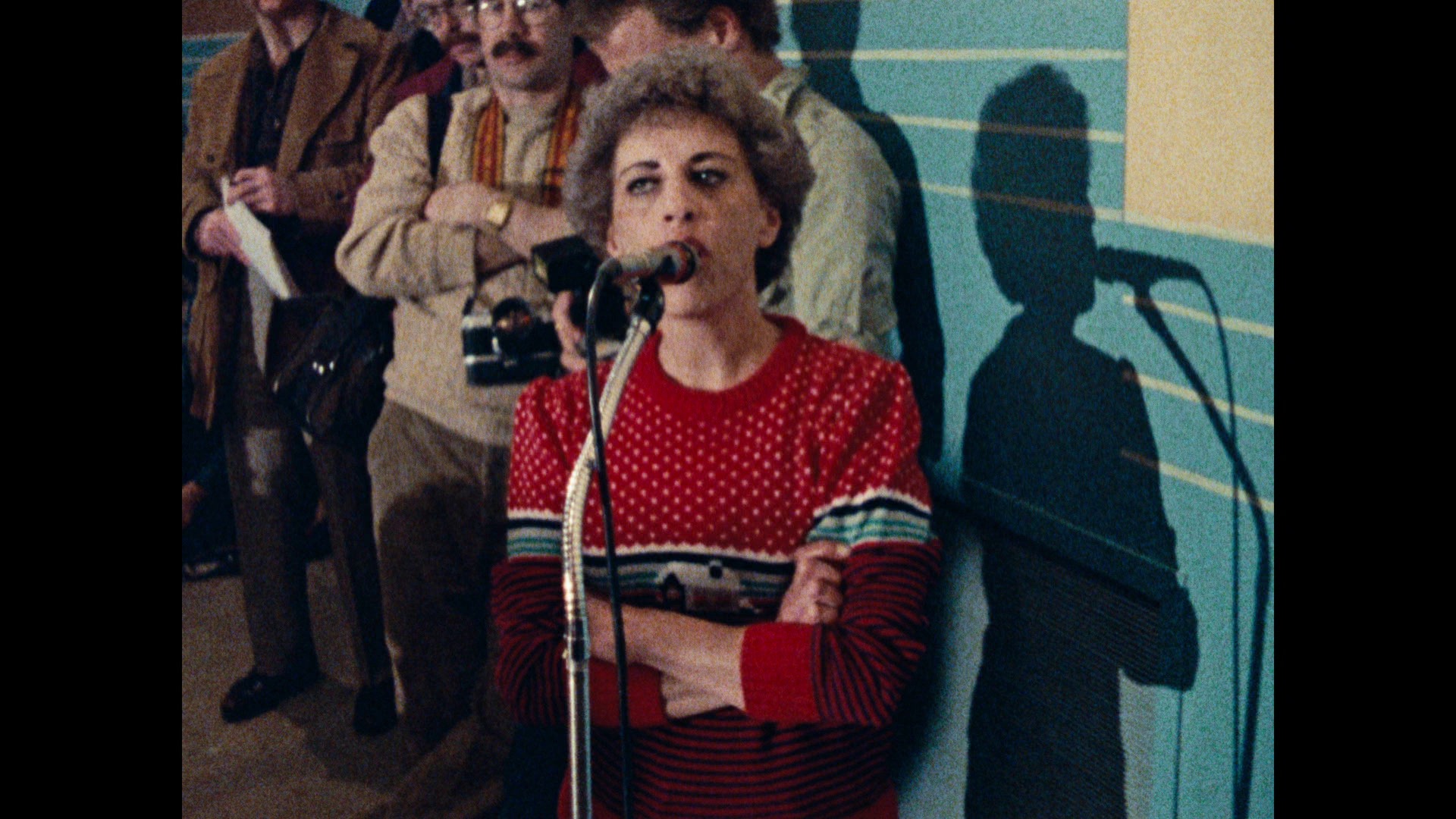
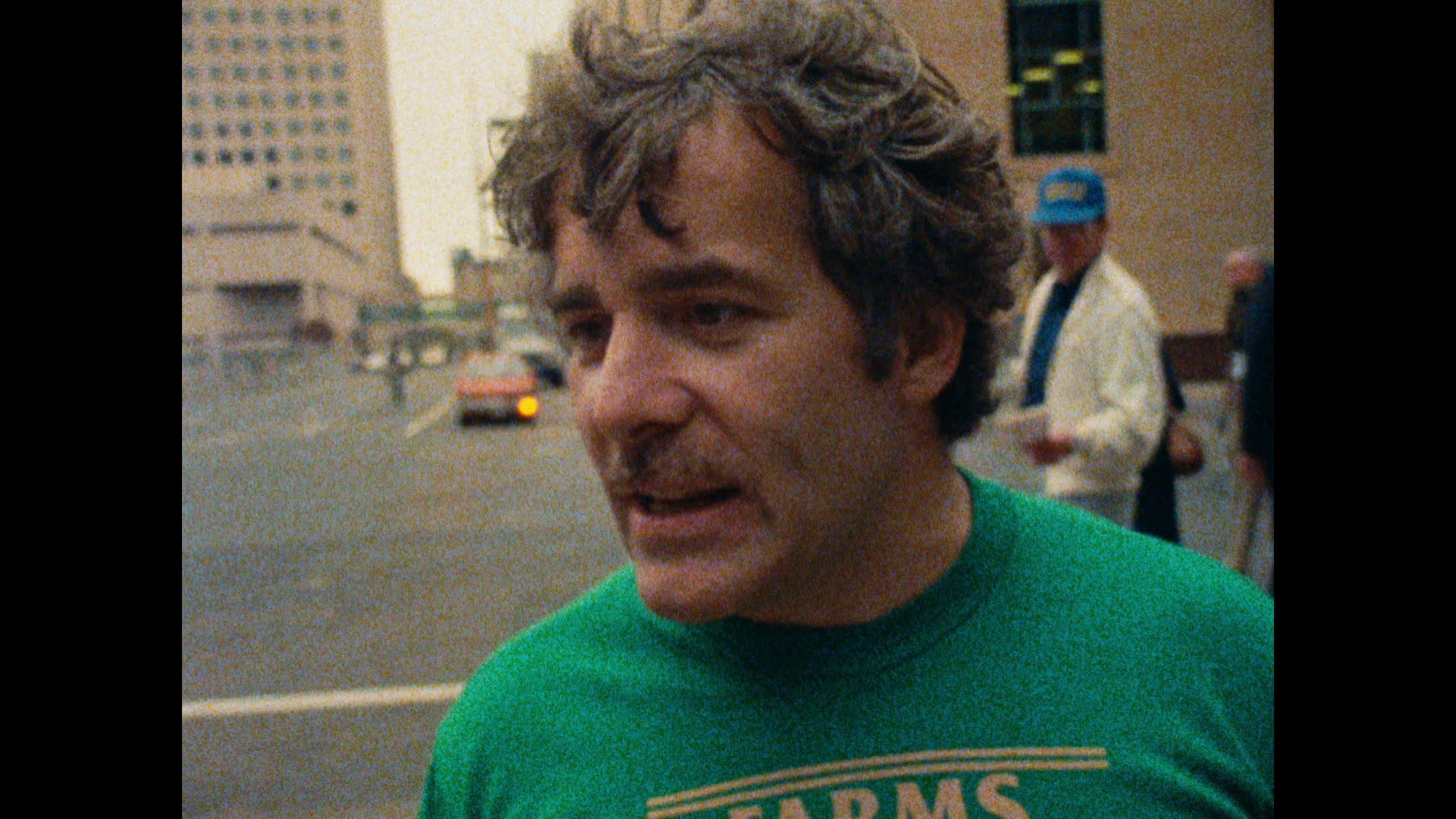
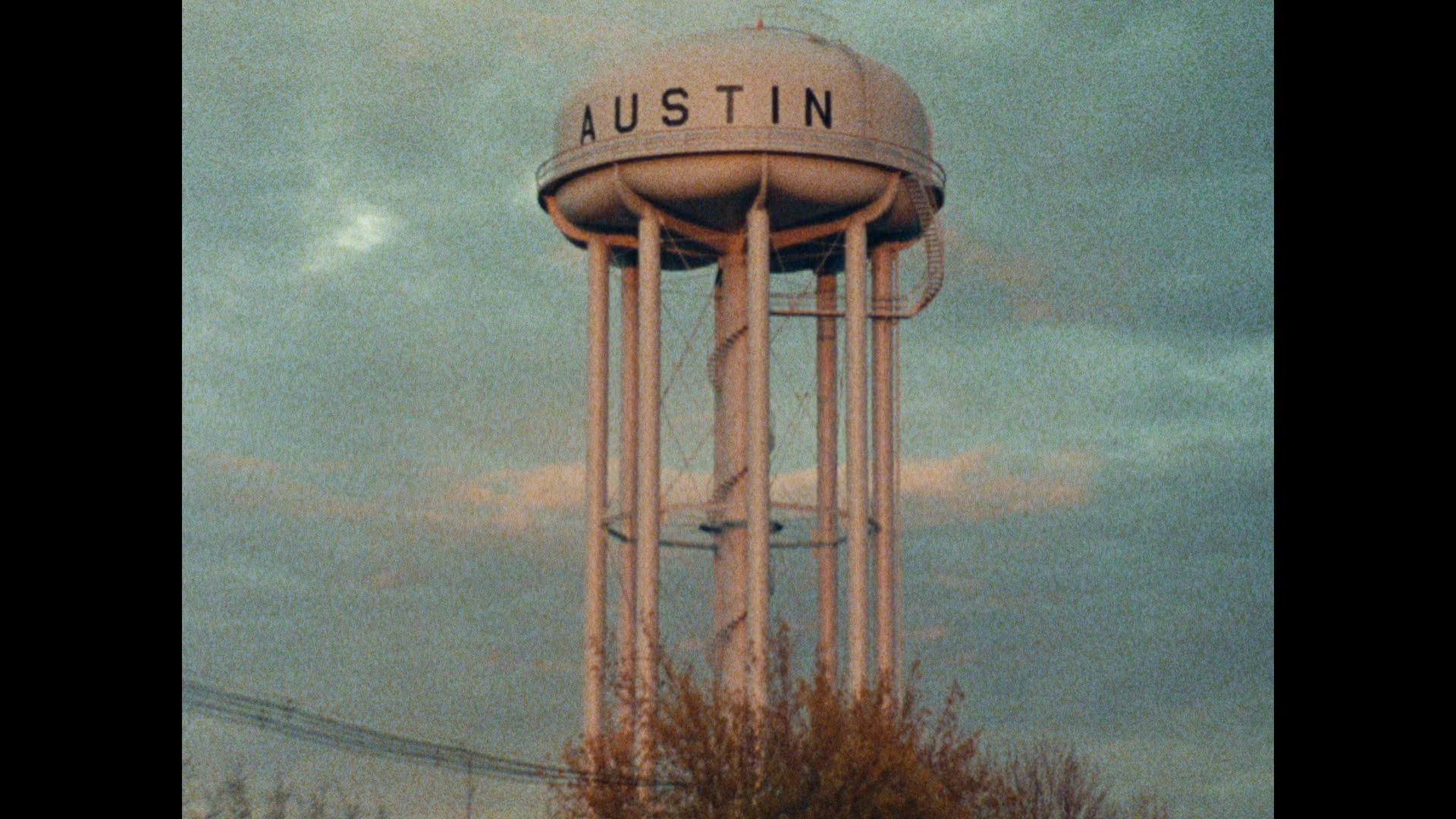
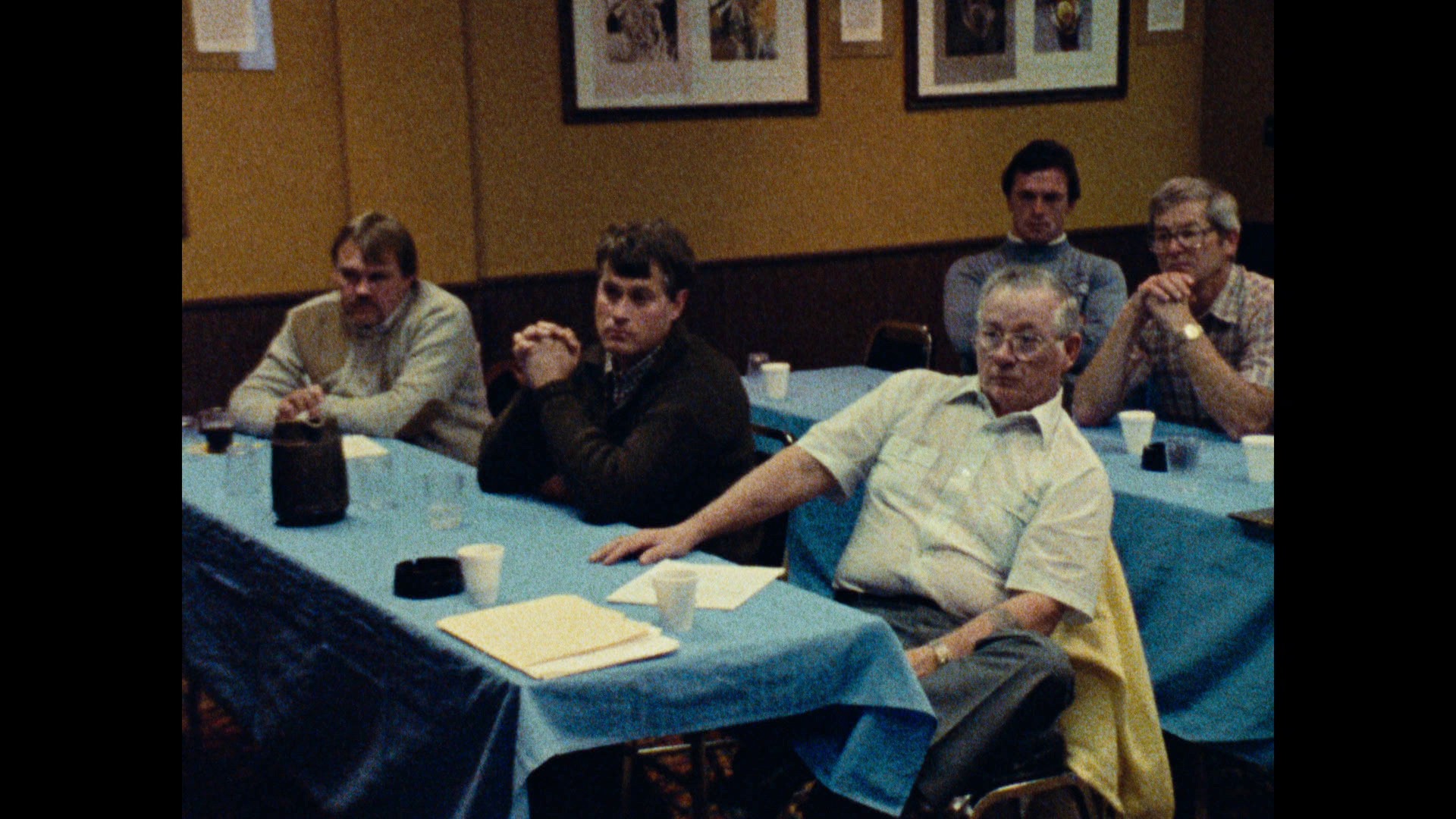
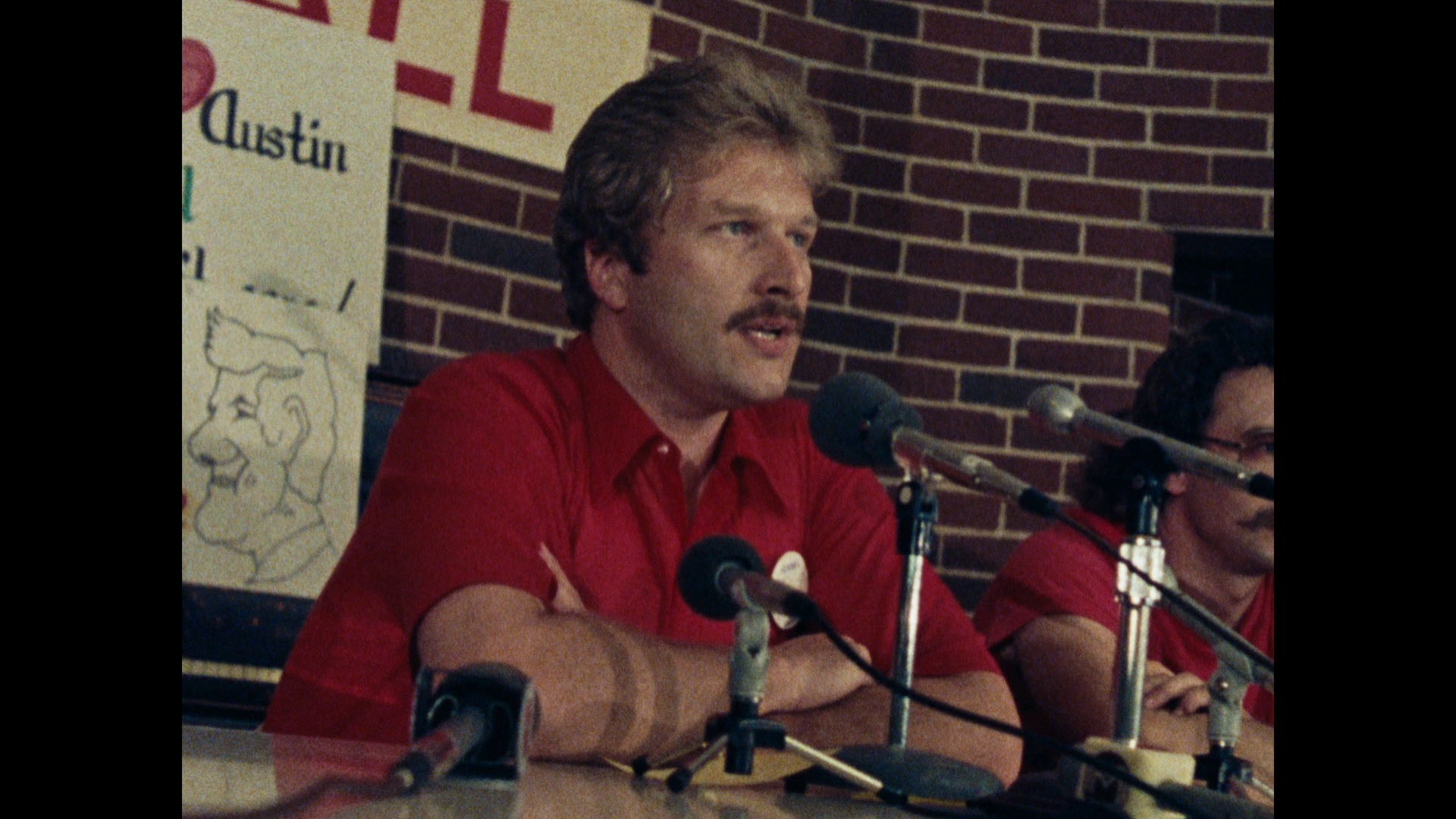
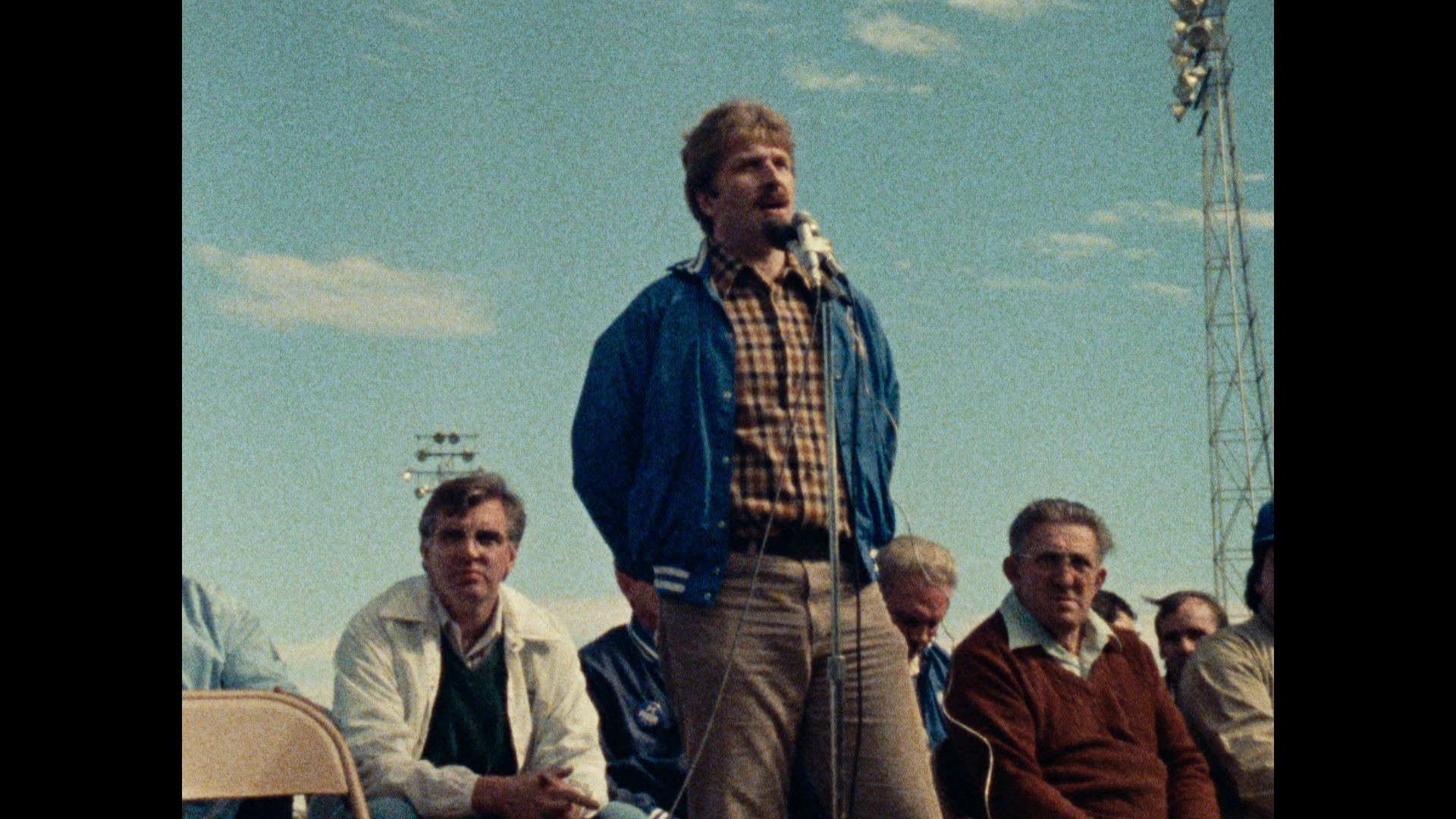
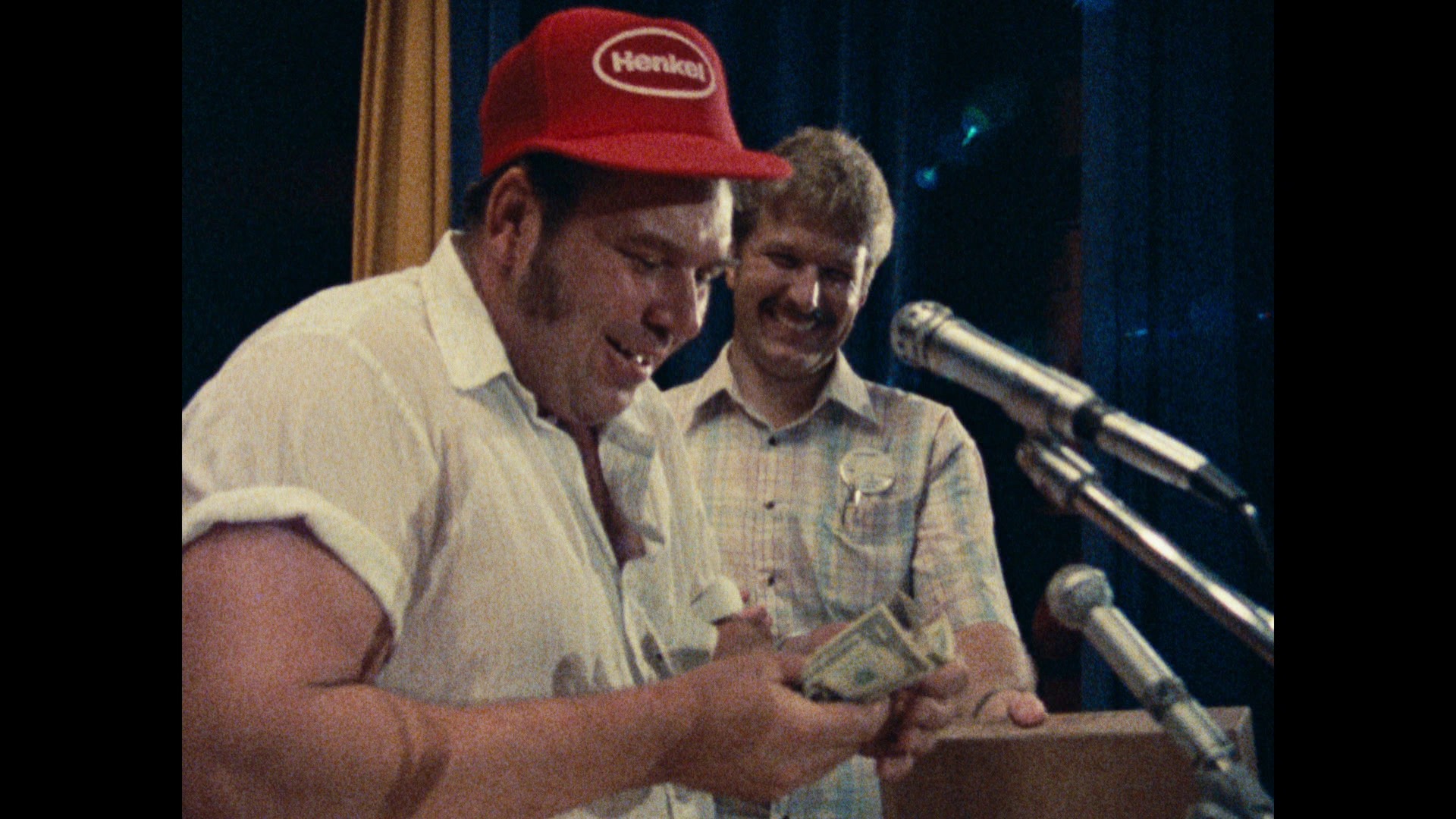
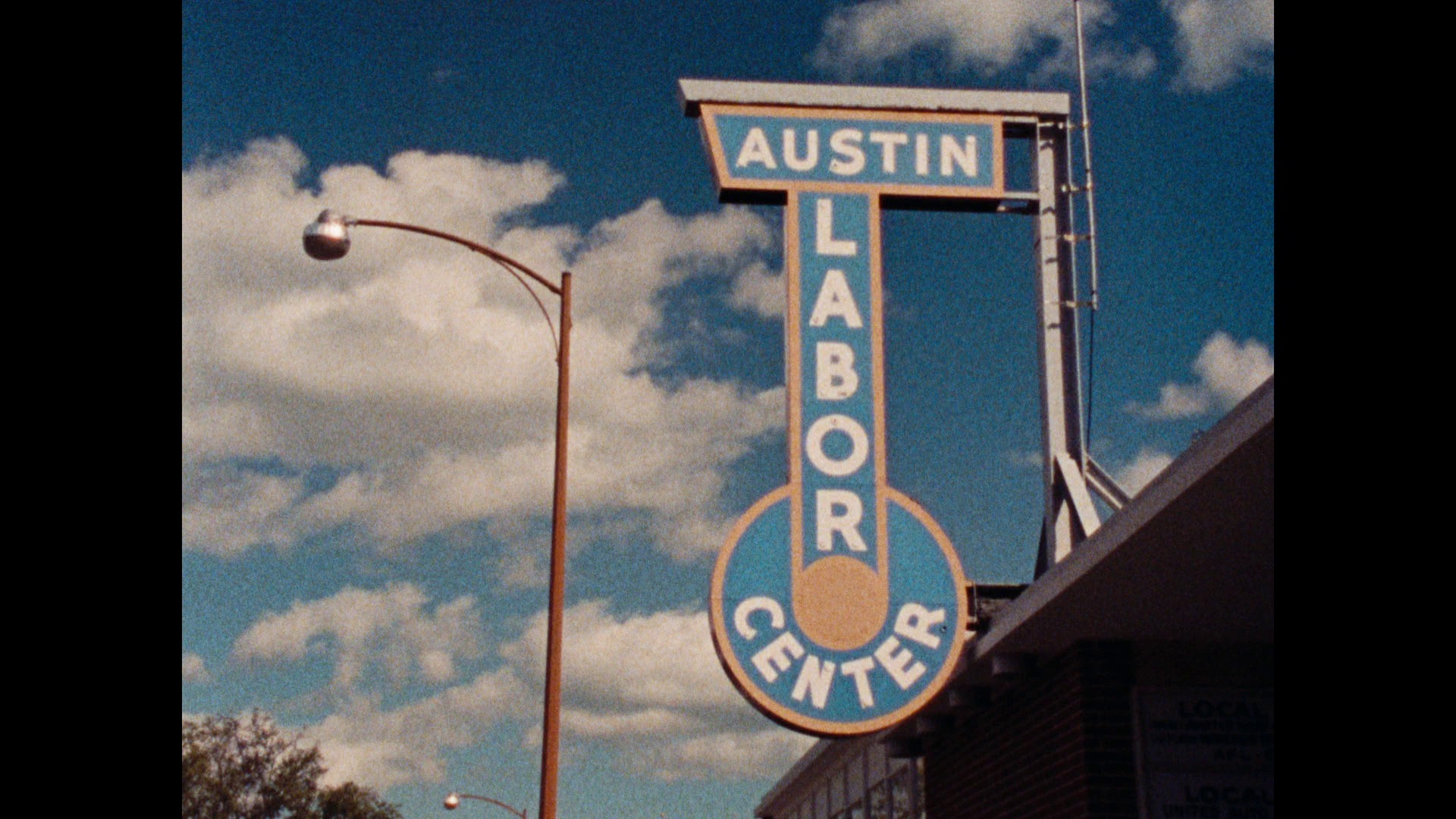
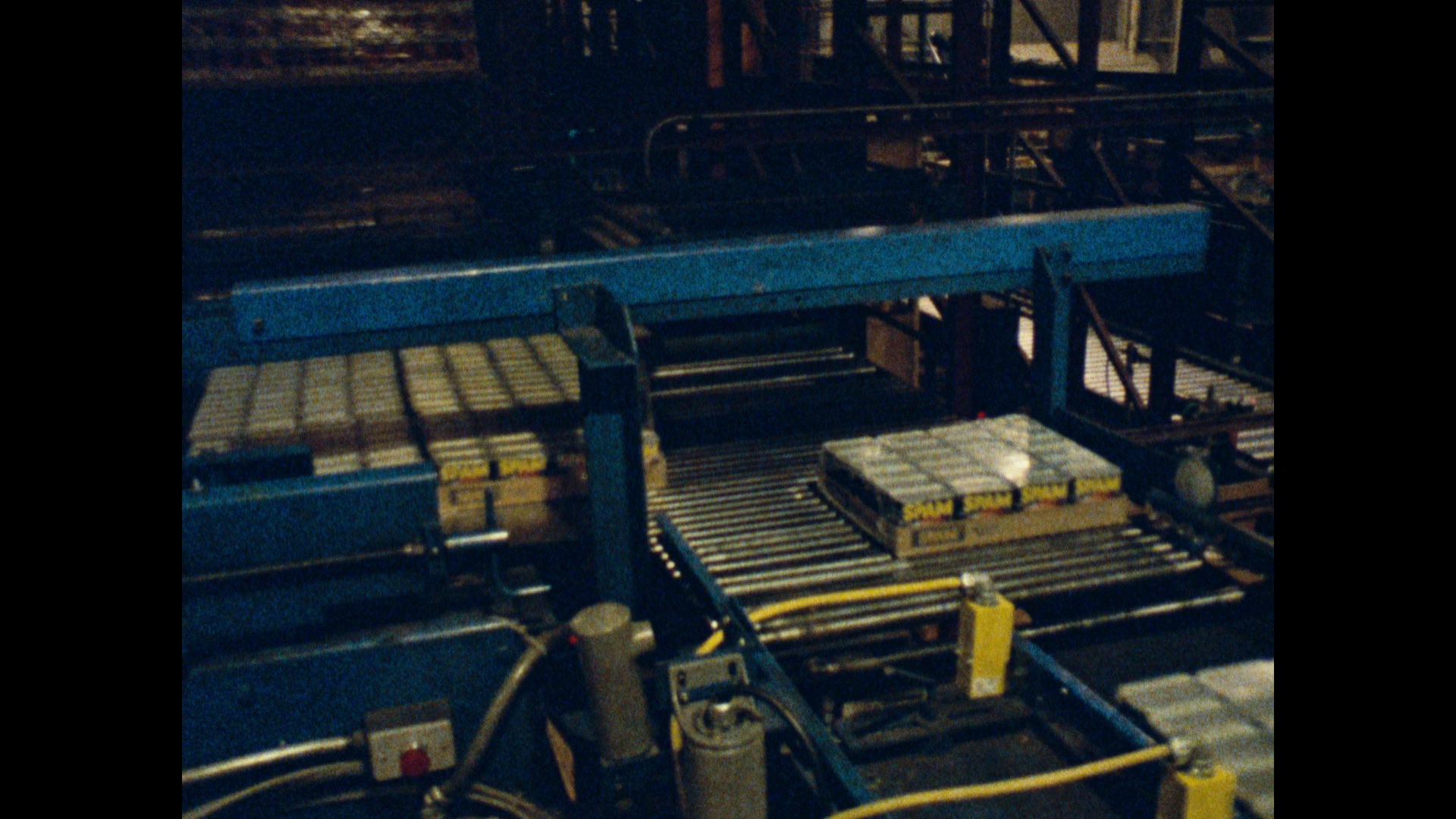
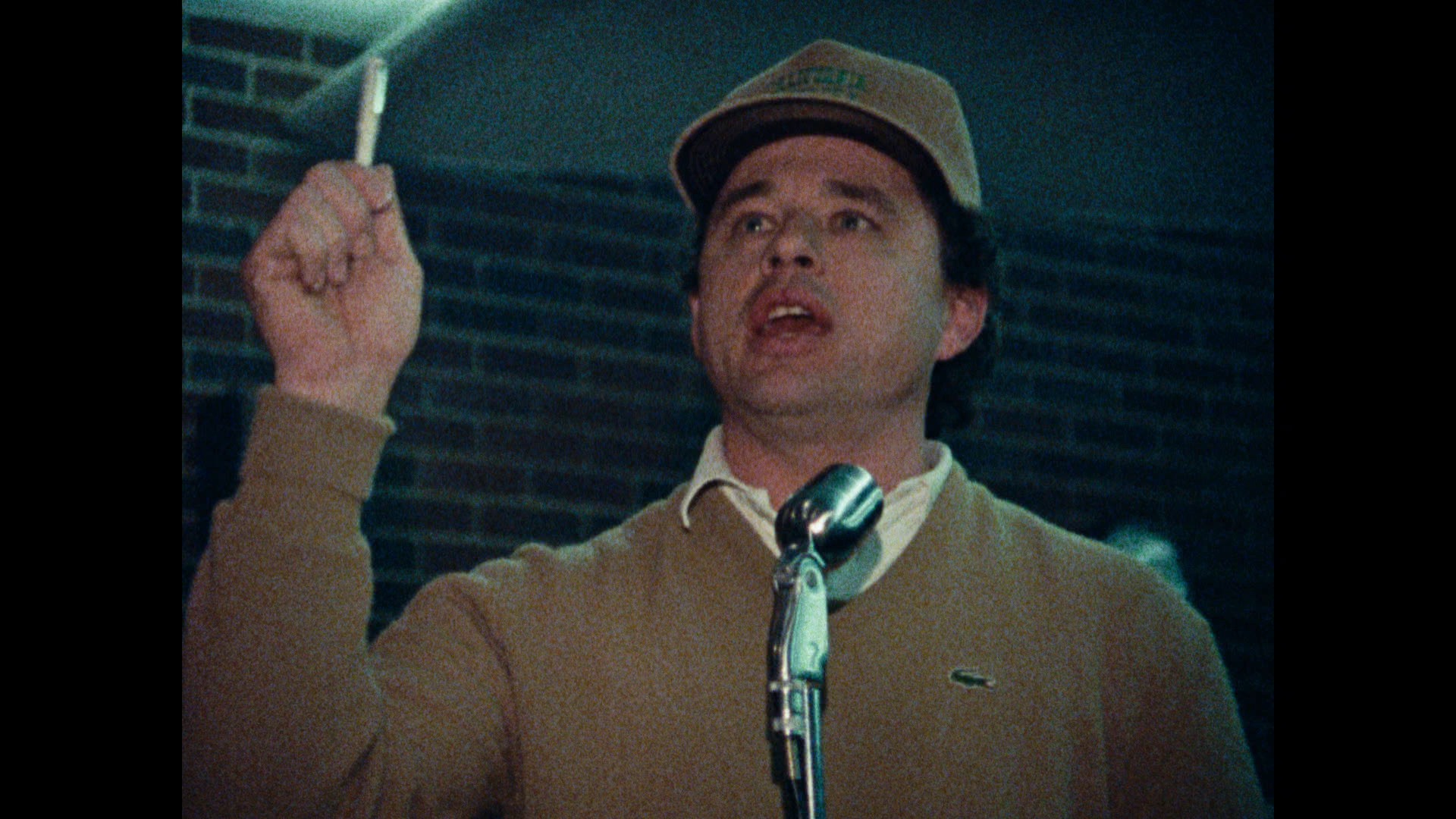
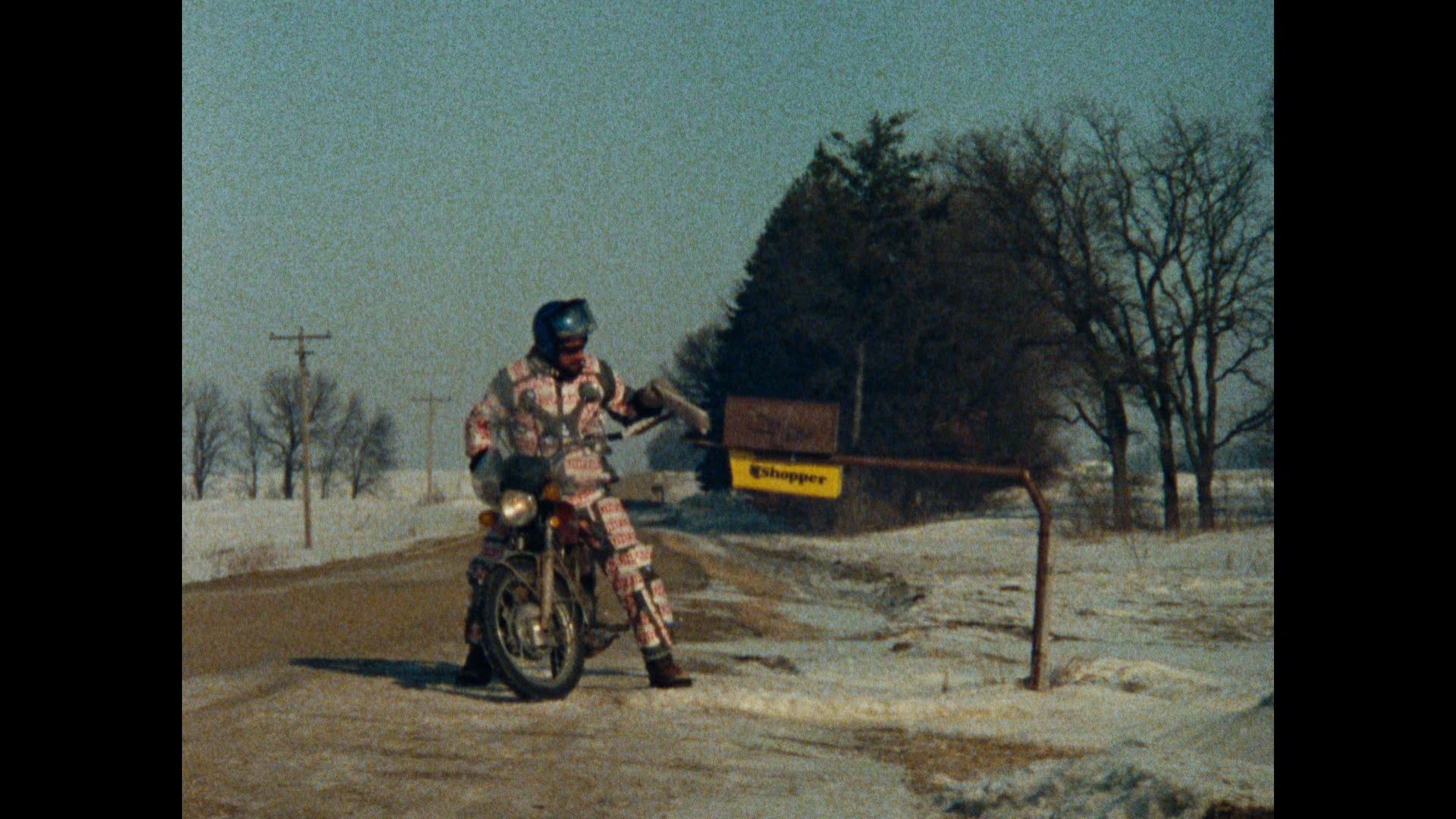
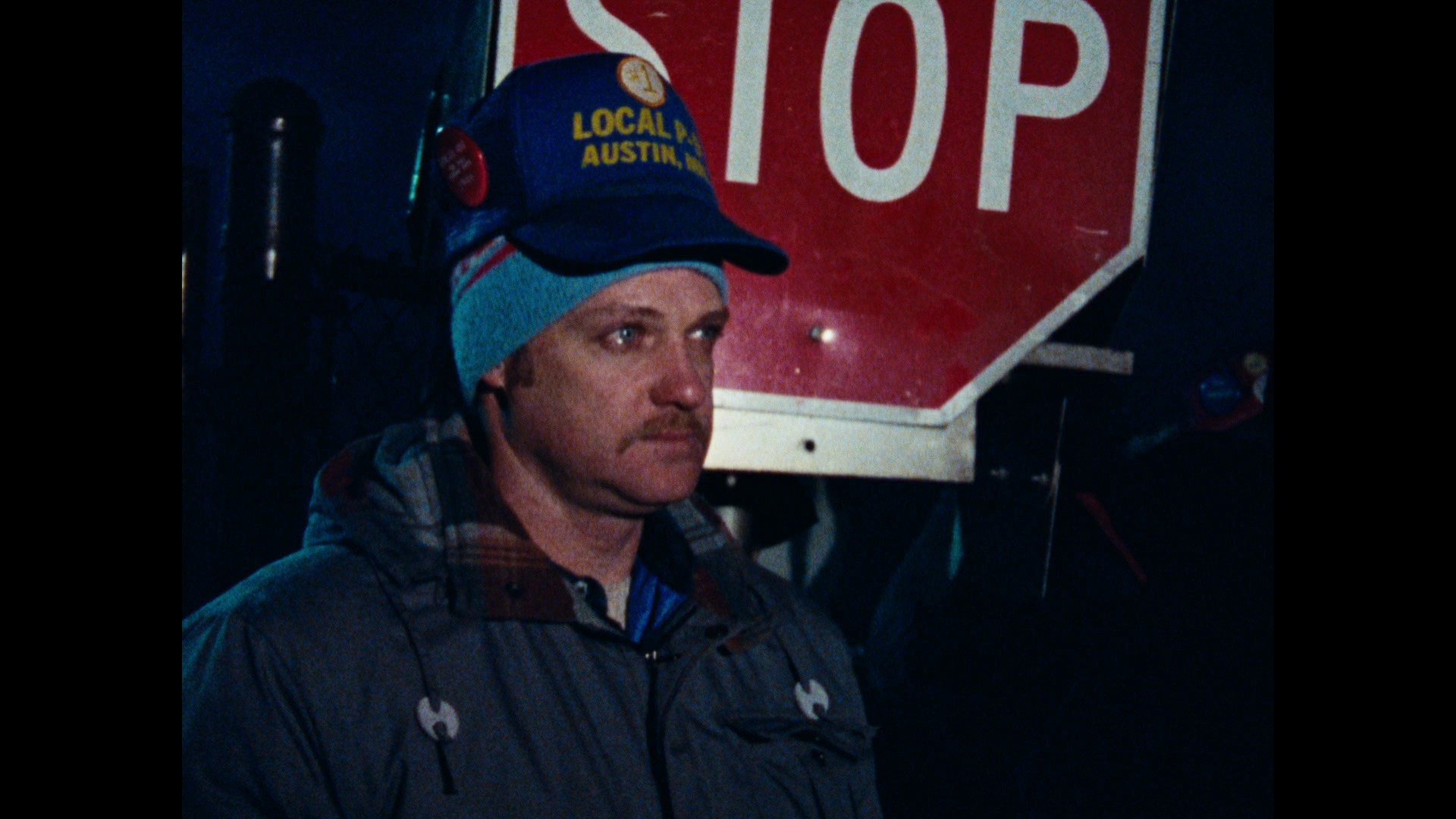
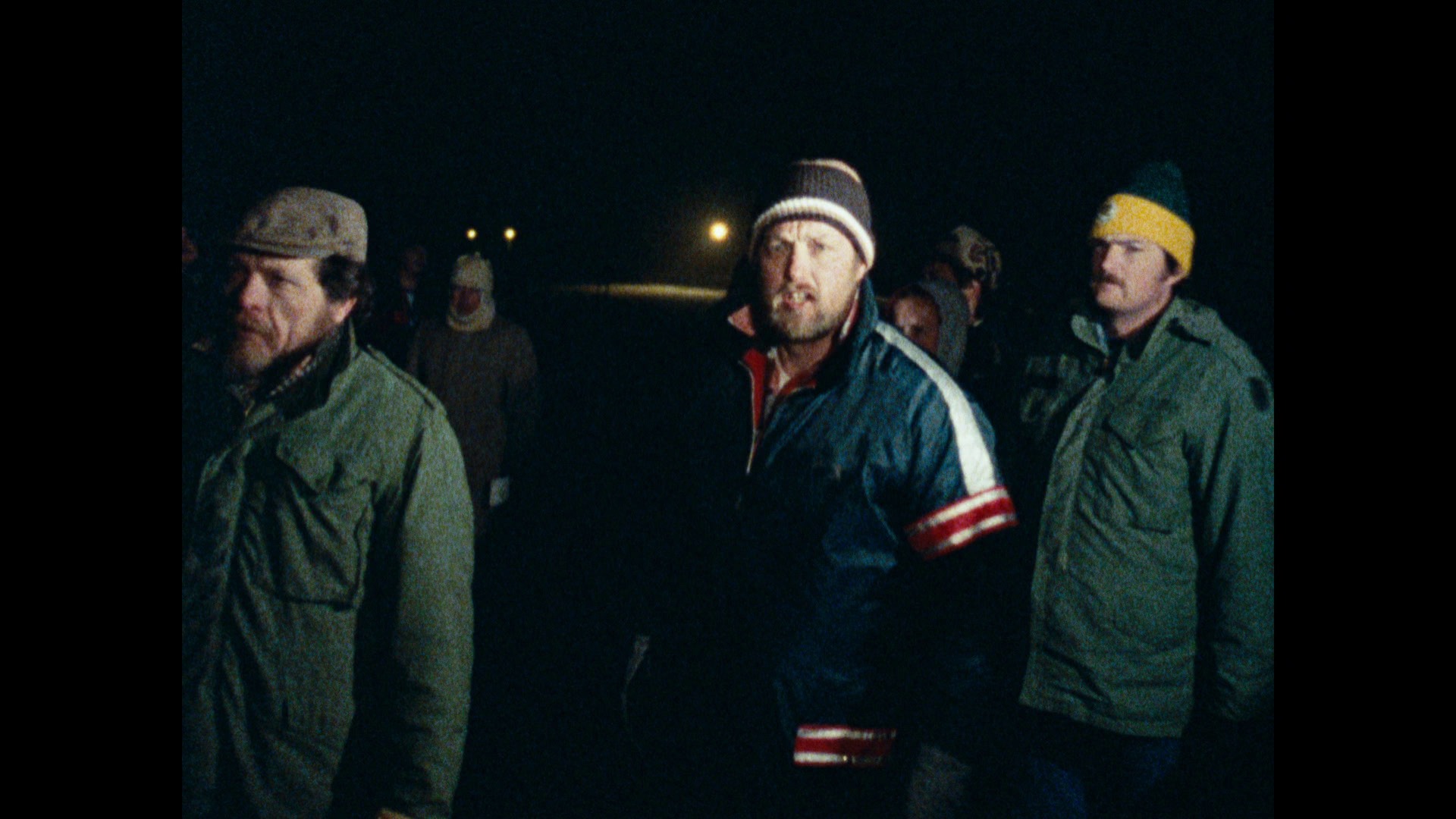
Though Harlan County USA received a full 4K release from Criterion, I can’t say I was too surprised this one didn’t, though I still think it would have benefited from the format. The primary issue is that the film simply isn’t all that sharp or detailed, which I’m fairly certain comes down to the use of what is at least a third-generation element, and what is ultimately a blow-up of the original 16mm elements at that. Because of that, grain appears very coarse and heavy, and ultimately obliterates whatever fine detail was there. I was a little surprised by this, especially seeing how much sharper Harlan County USA looks by comparison, despite having been released more than 14 years earlier, but that's clearly the benefit of having access to the original negatives.
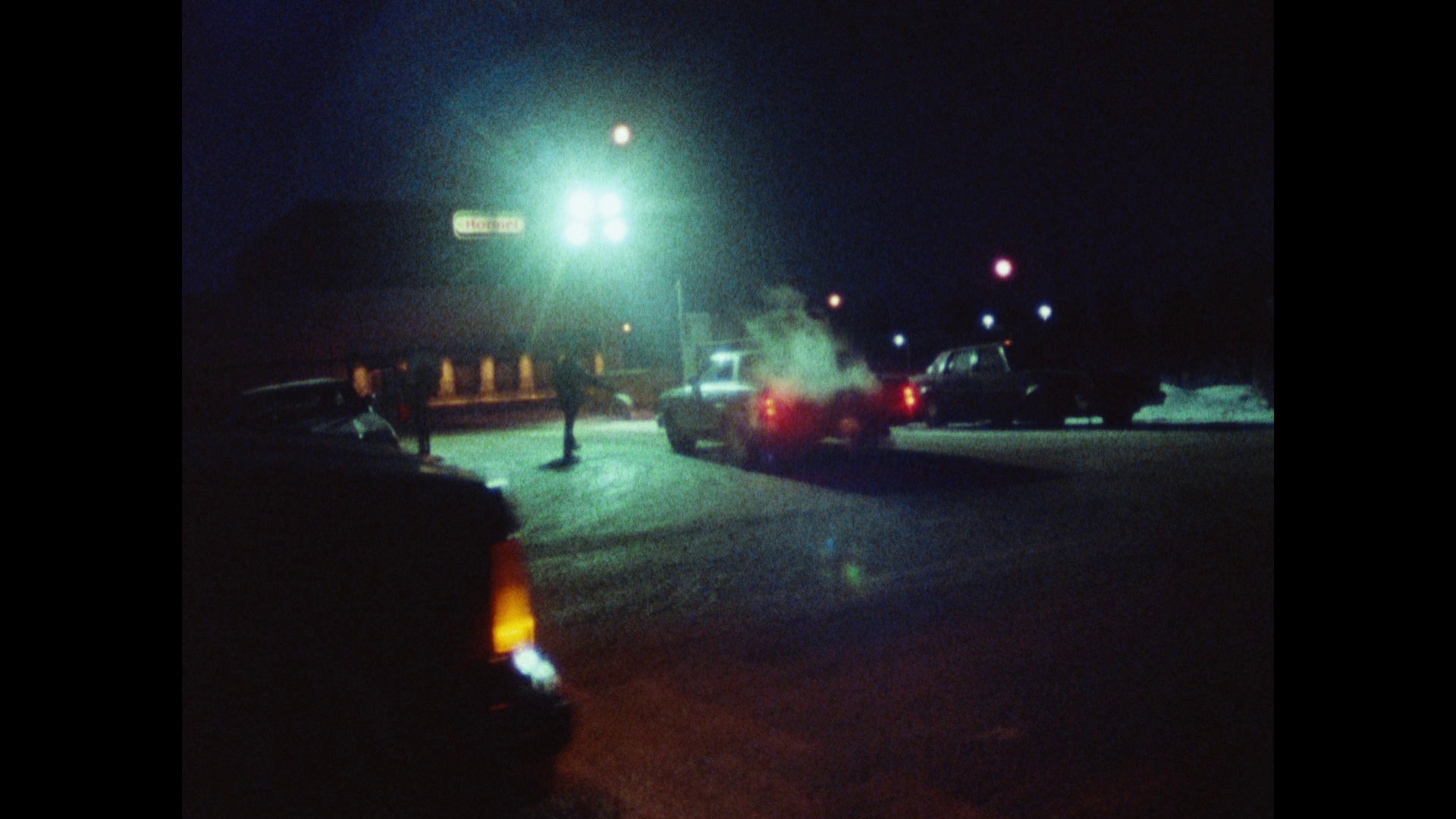
All that said, this is still an impressive-looking presentation supported by a strong encode. Though not perfect, it handles that coarse and heavy grain remarkably well, faltering a teeny-bit during some of the darker sequences. I was also happy with the film's color grading, while the restoration work appears to have been thorough, leaving virtually nothing behind in terms of damage.
Despite its built-in shortcomings, this is a solid presentation, though one I still think would have benefited from the increased resolution afforded by the 4K format.
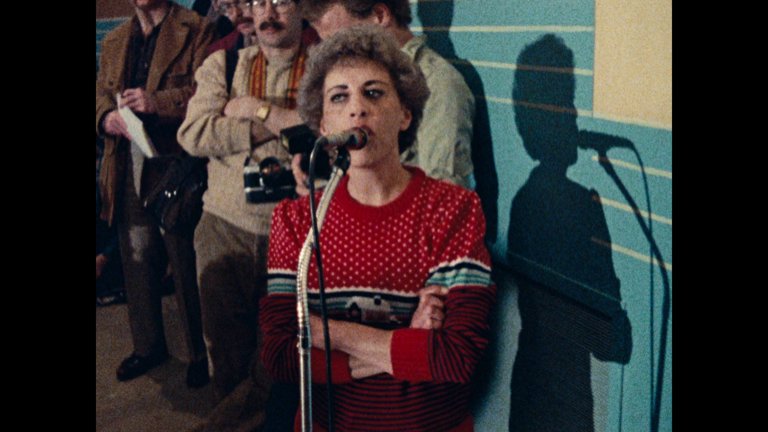
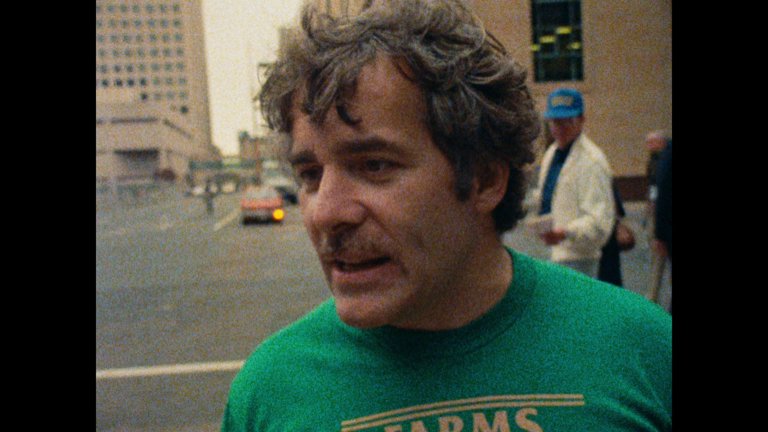
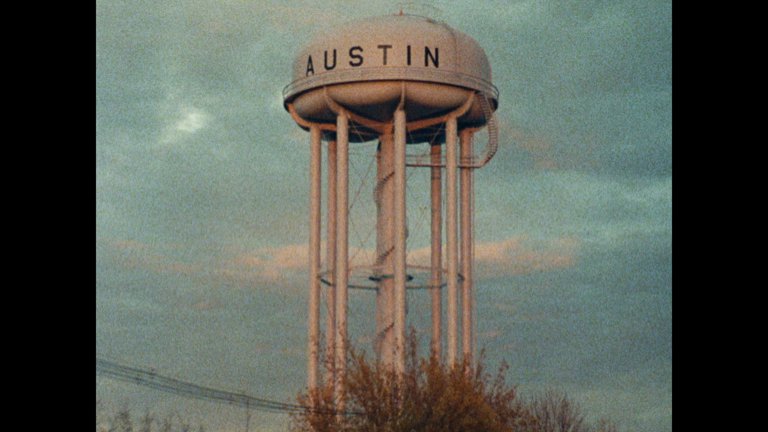
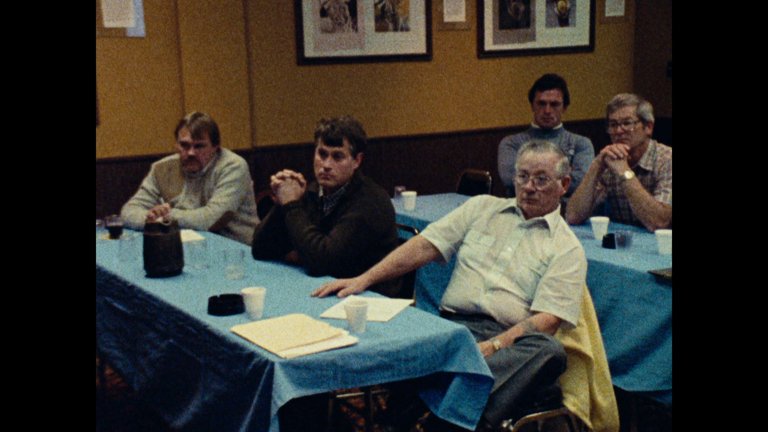
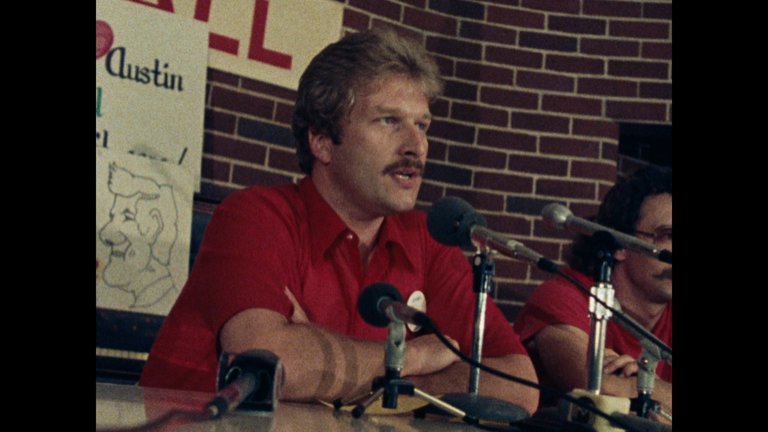
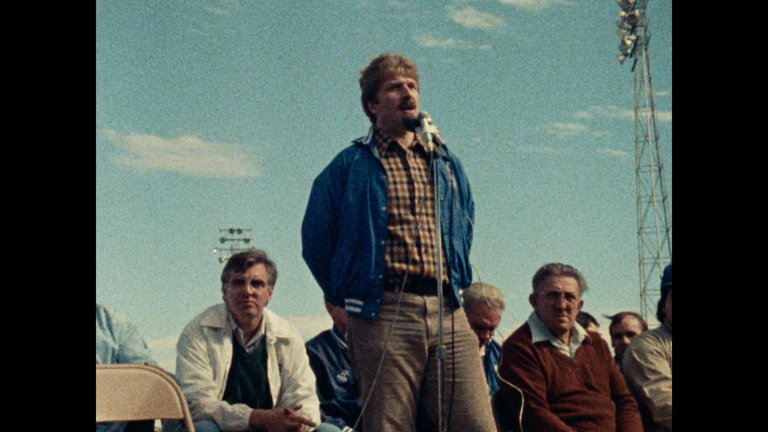
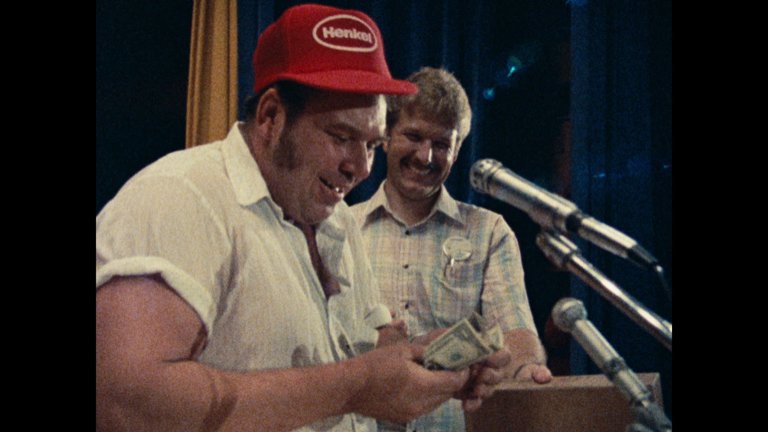
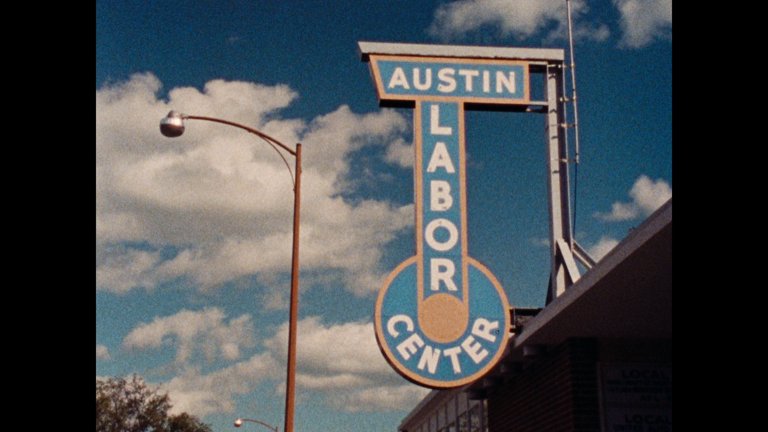
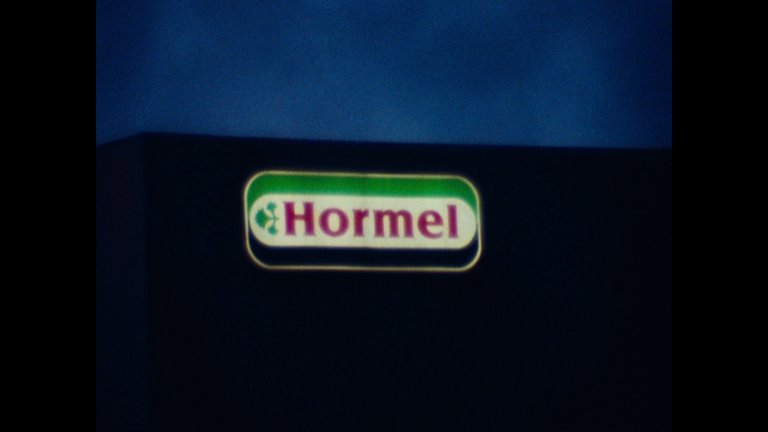
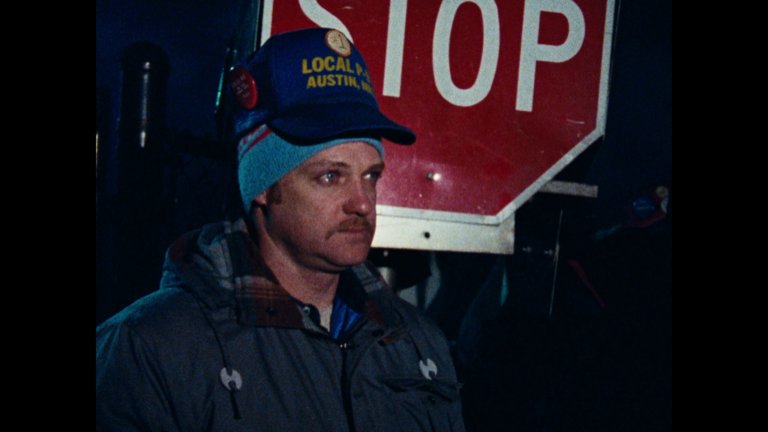
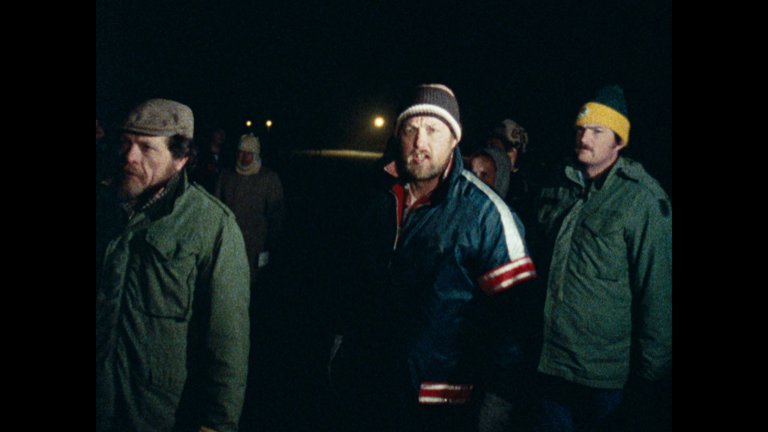
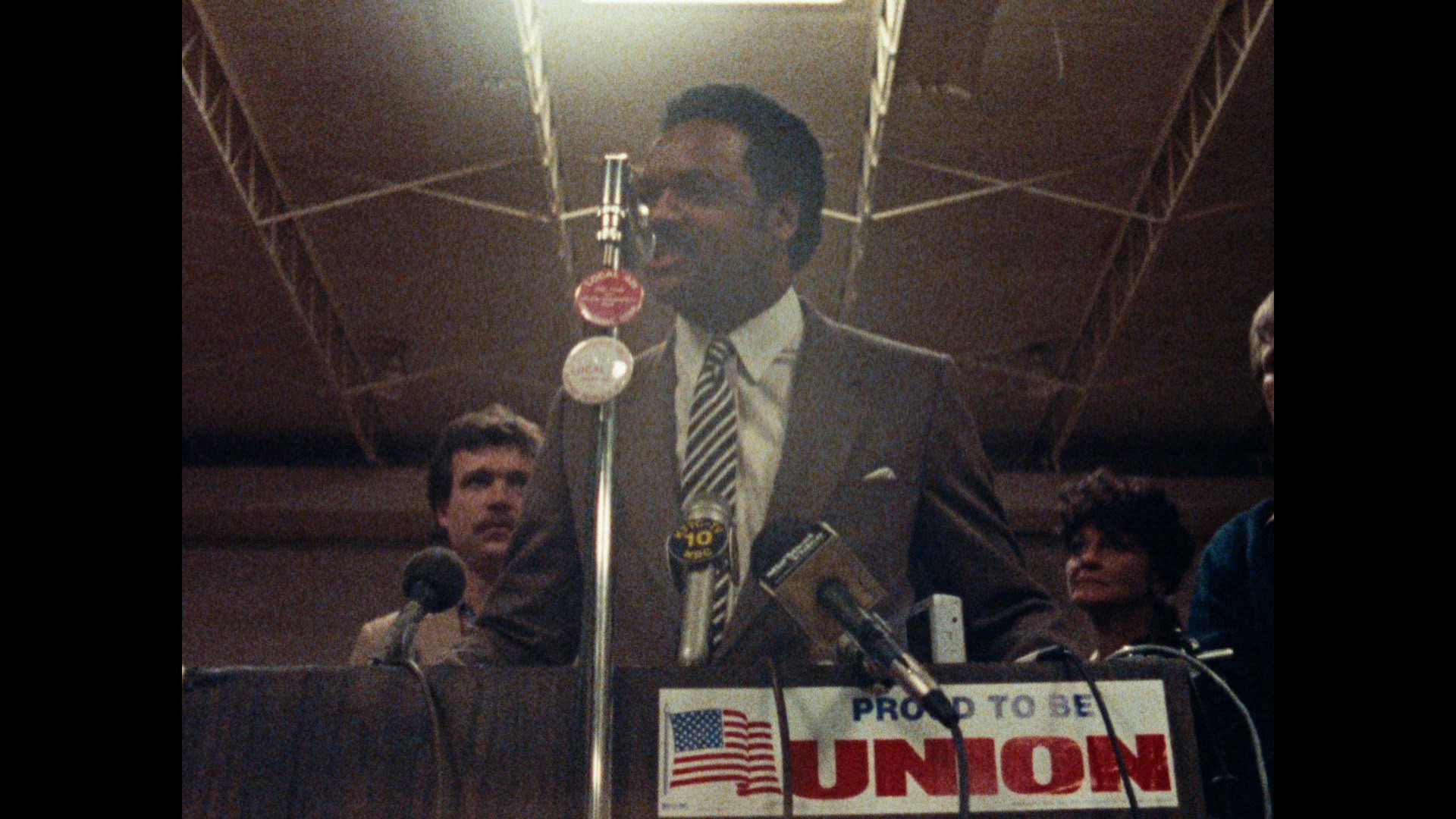
American Dream - Screen Captures
Audio 7/10
The lossless PCM monaural soundtrack sounds quite good as well. Its range is surprisingly wide, voices are clear and easy to hear, and the music that pops up delivers excellent fidelity.
Extras 4/10
The supplements end up being a little disappointing, with Criterion not going to the same lengths they did for Harlan County USA, where they brought back Kopple and many of the film’s subjects to reflect on that period and what followed. Here, we only get a couple of archival interviews, the first featuring Kopple and radio host and historian Studs Terkel on a WFMT Chicago program broadcast March 20, 1992. The two discuss the background of the Hormel plant and the lengthy period of the strike captured in the film before moving into a general conversation about the importance of documentary filmmaking, bringing up Roger & Me. Kopple also brings up how she did approach this material a little differently than how she had tackled Harlan County USA, including her decision to capture the perspectives of the "scabs" or the workers who refused to strike. This is something she refused to do with the earlier film, but she felt it she had to show how the economic conditions were hitting people differently this time around; it's not that these people didn't believe in what was being fought for, it was more they couldn't afford to do it. She also provides updates on several of the people featured in the film.
Running 50 minutes, it's a wonderful program and discussion, though it would have been nice to receive a more recent update somewhere in this release, especially since the only other substantial feature is a six-minute excerpt from a television interview between Kopple and Charlie Rose, recorded not long after the radio appearance. It isn’t especially in-depth, but Kopple does explain why the film, completed in 1990, wasn’t released by Miramax until 1992 despite its awards and acclaim.
The disc then closes with a Janus trailer for the new restoration, while the insert features an essay by Thom Powers. It’s a good read about the film and its subject matter that also touches on the significant impact the documentary had on Terkel.
Again, the material here is good; it simply doesn’t come close to offering the same level of insight as the supplements found on Harlan County USA.
Closing
Though the release feels like an afterthought compared to Criterion's edition for Kopple's Harlan County USA, the disc still delivers a solid high-def presentation.
BUY AT: