Harlan County USA
BUY AT:


See more details, packaging, or compare
Synopsis
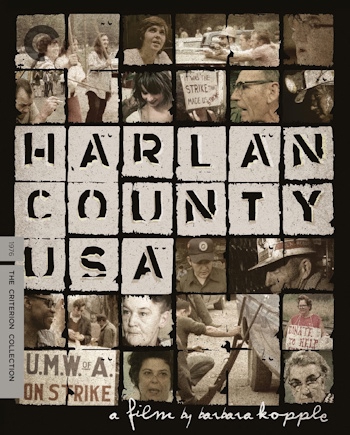
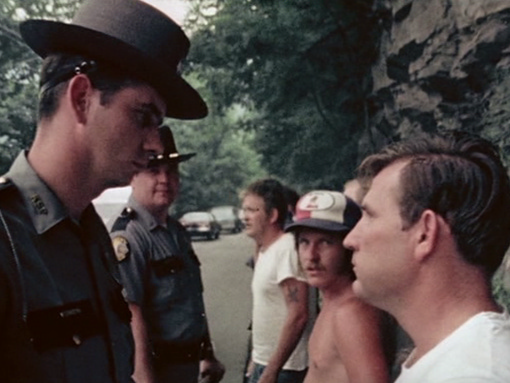
Barbara Kopple’s Academy Award–winning Harlan County USA unflinchingly documents a coal miners’ strike in a small Kentucky town. With unprecedented access, Kopple and her crew captured the miners’ sometimes violent struggles with strikebreakers, local police, and company thugs. With a haunting soundtrack—featuring legendary country and bluegrass artists Hazel Dickens, Merle Travis, David Morris, Sarah Ogan Gunning, and Florence Reece—the film is a heartbreaking record of the thirteen-month struggle between a community fighting to survive and a corporation dedicated to the bottom line.
Picture 9/10
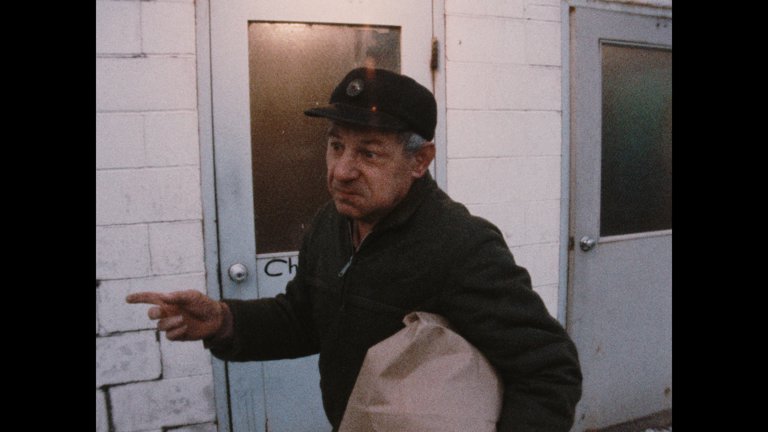
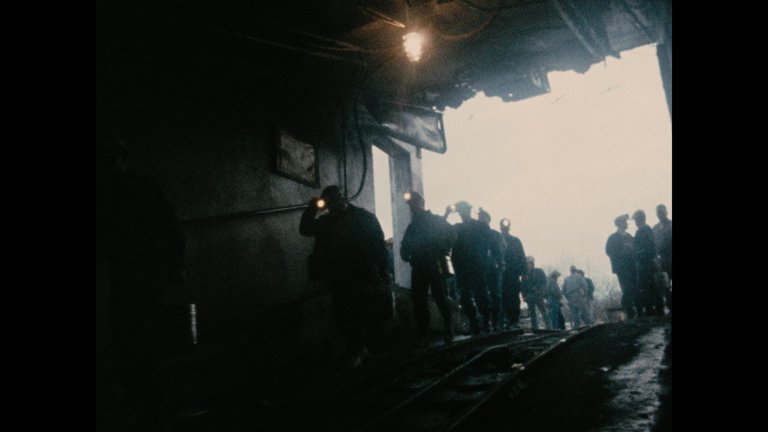
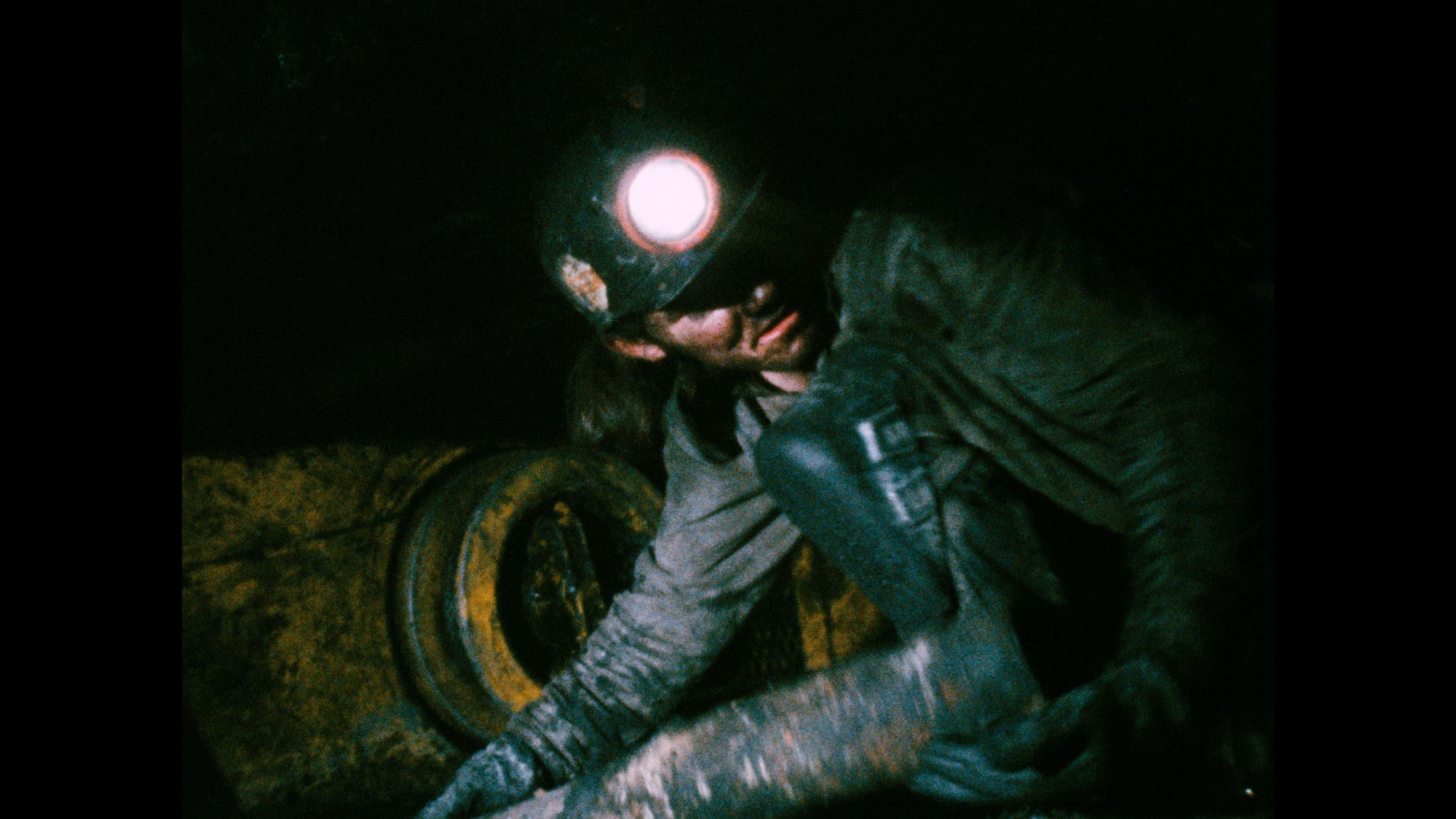
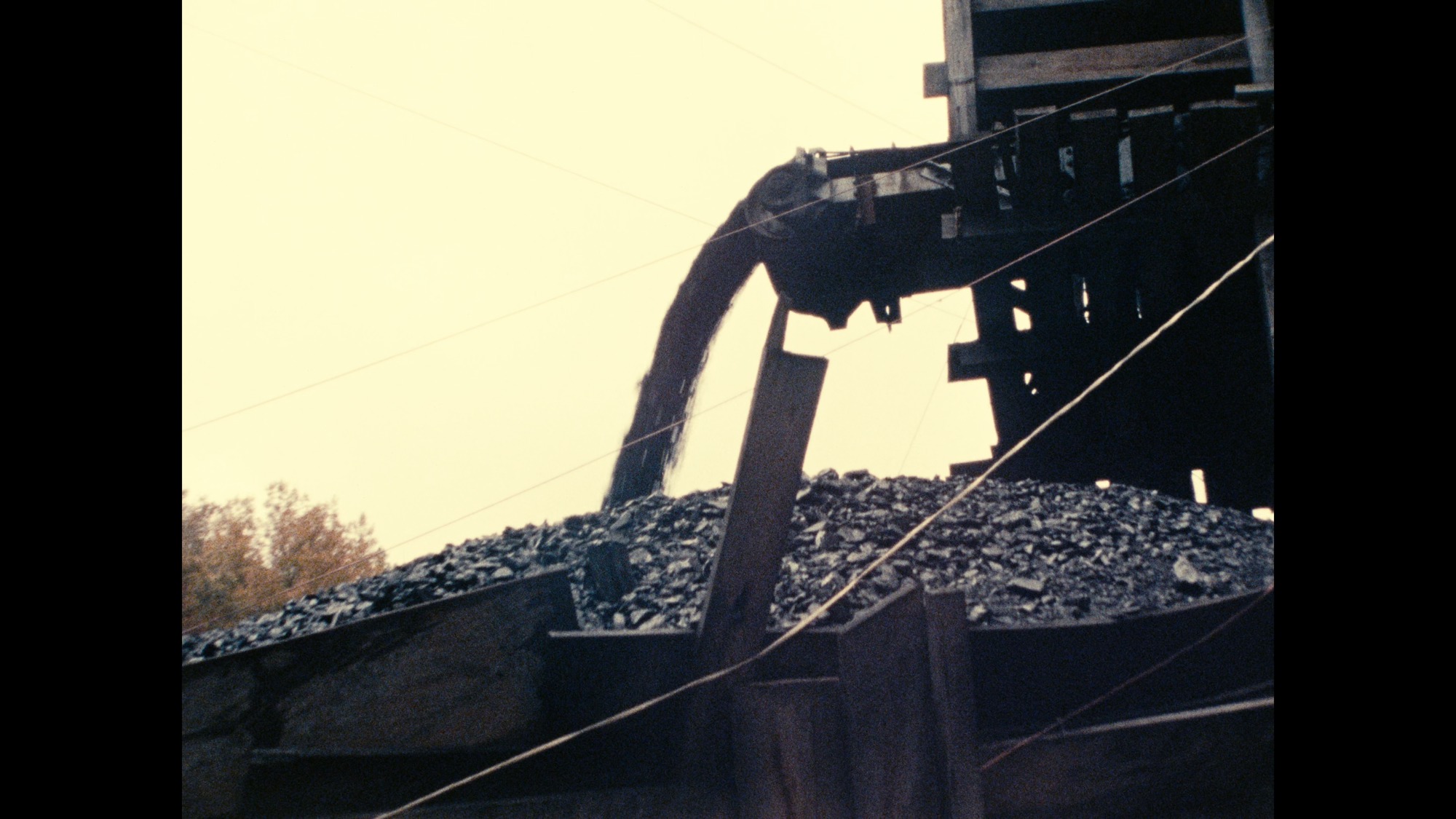
The Criterion Collection updates its DVD edition of Barbara Kopple’s award-winning documentary Harlan County USA to 4K UHD, presenting the film on a dual-layer BD-66 disc in its original aspect ratio of 1.33:1. The SDR 2160p/24hz ultra high-definition presentation is sourced from a new 4K restoration scanned from the original 16mm A/B/C rolls. The release also includes a standard dual-layer Blu-ray featuring a high-definition presentation of the film (from the same restoration) alongside all of the video supplements. The DVD had originally presented the film in a widescreen ratio of 1.78:1, cropping the top and bottom. This was apparently the ratio of the 35mm blowup of the film restored at the time.
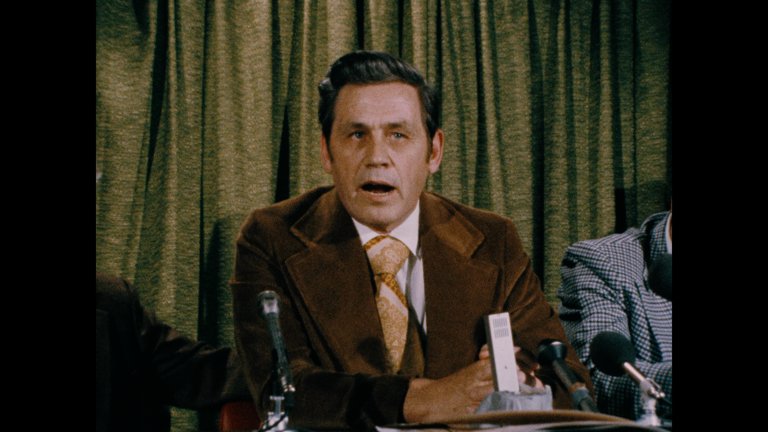
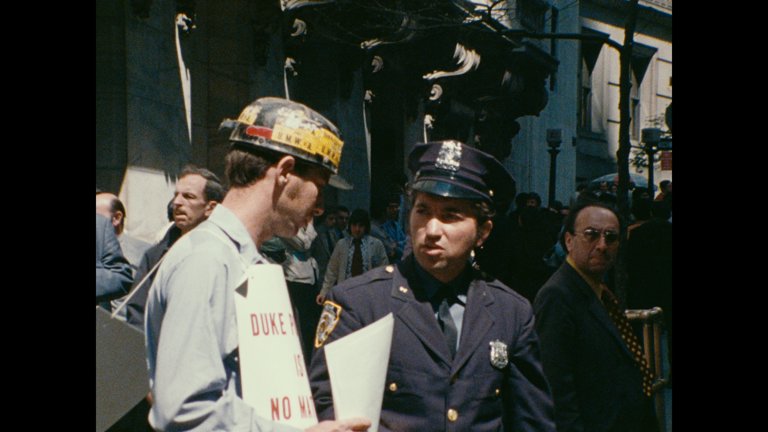
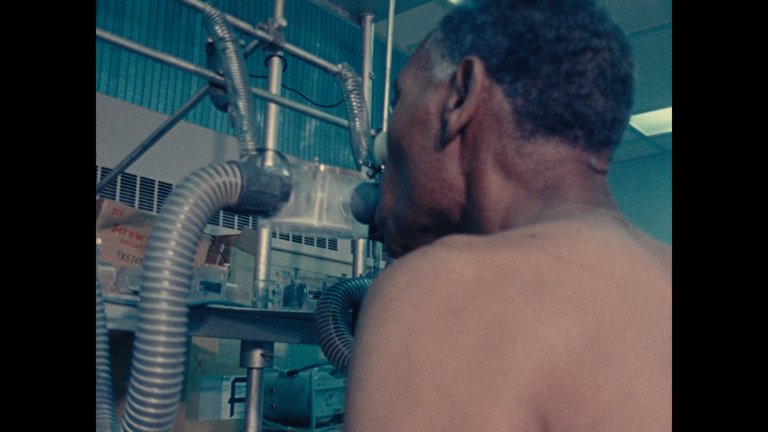
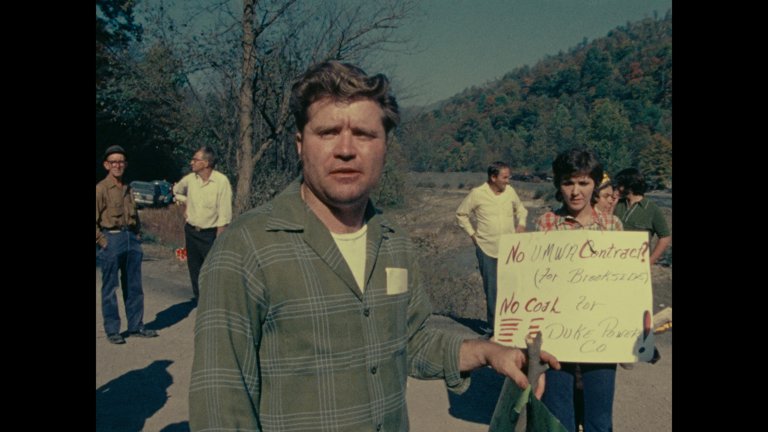
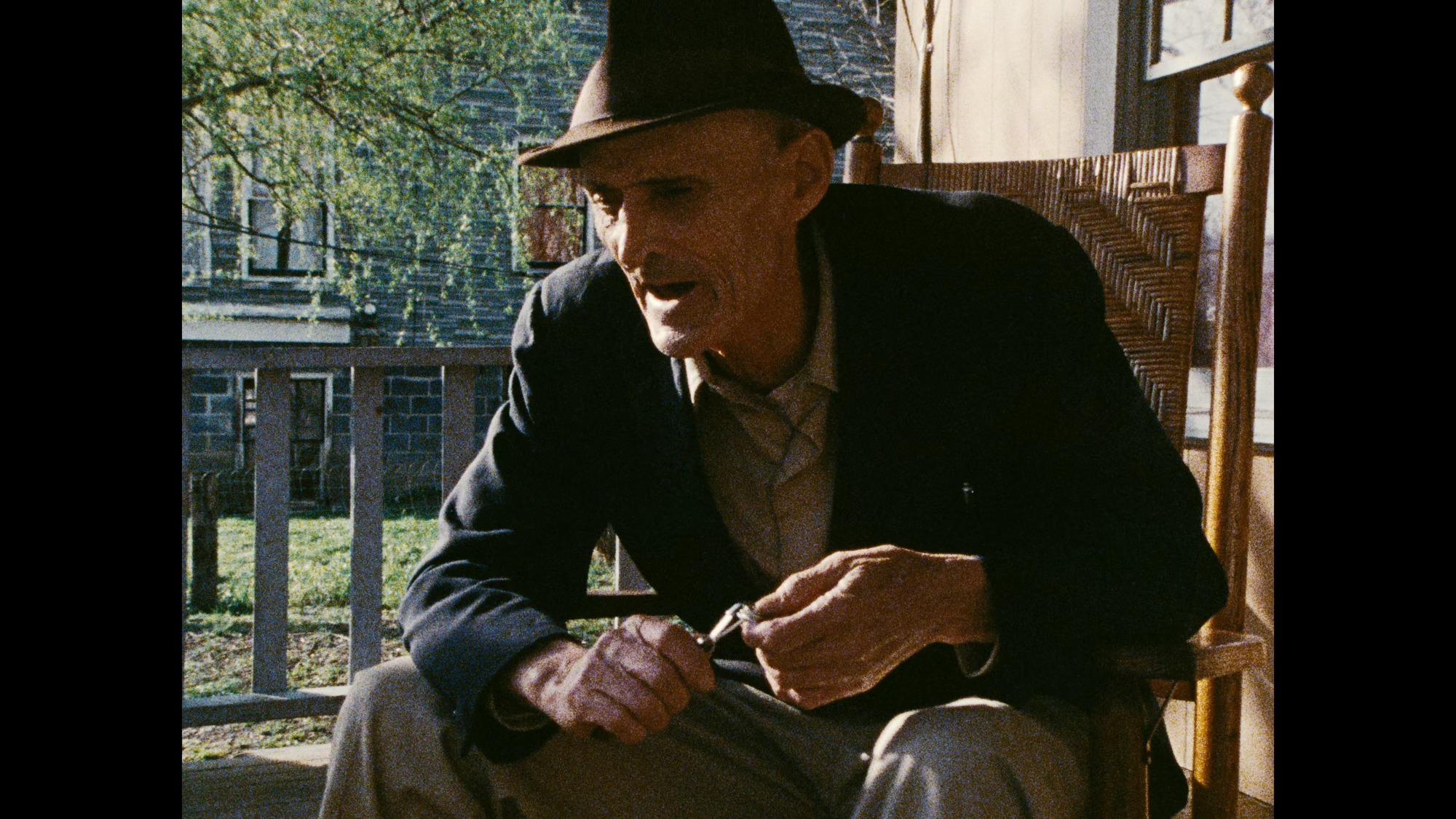
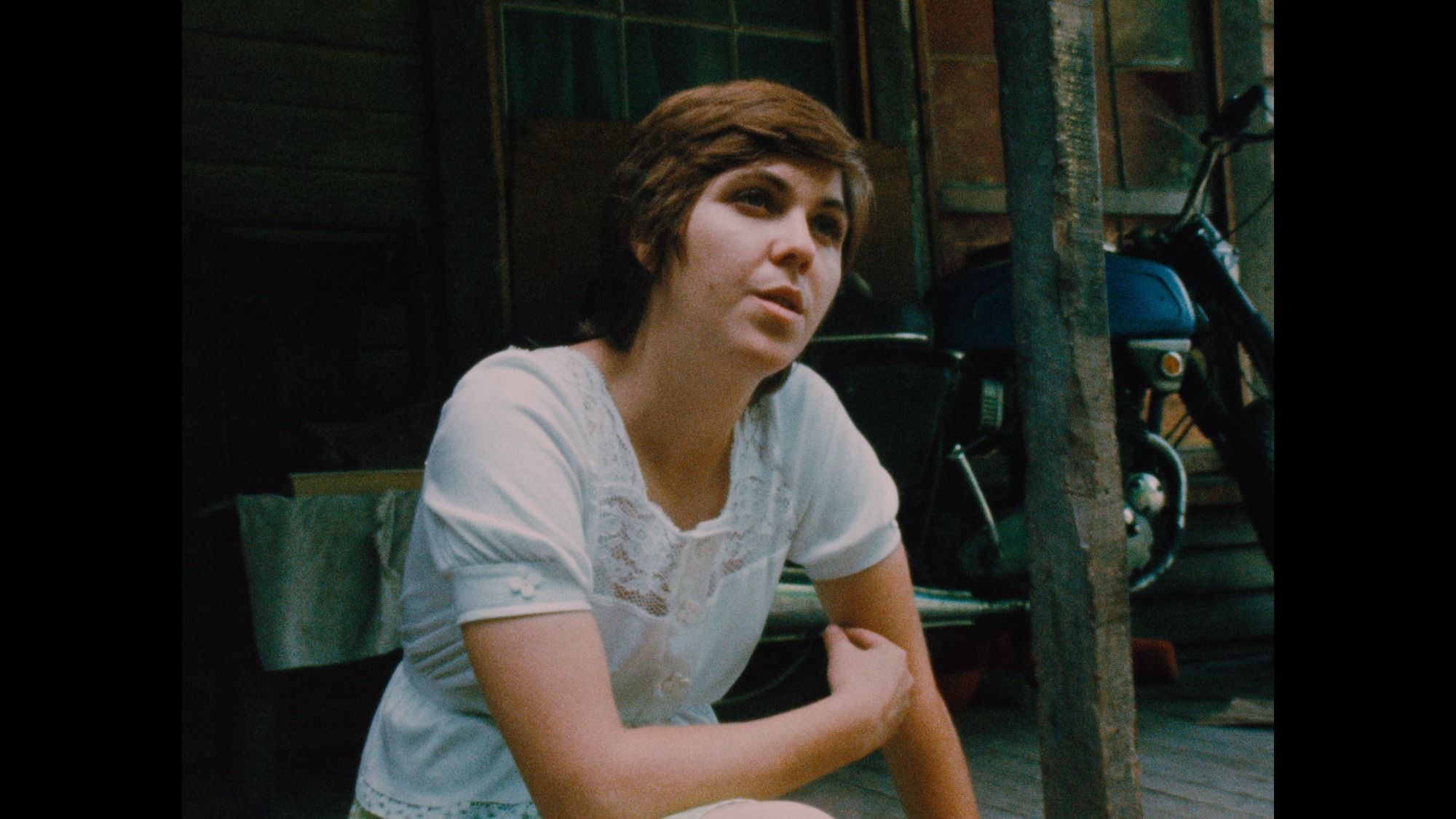
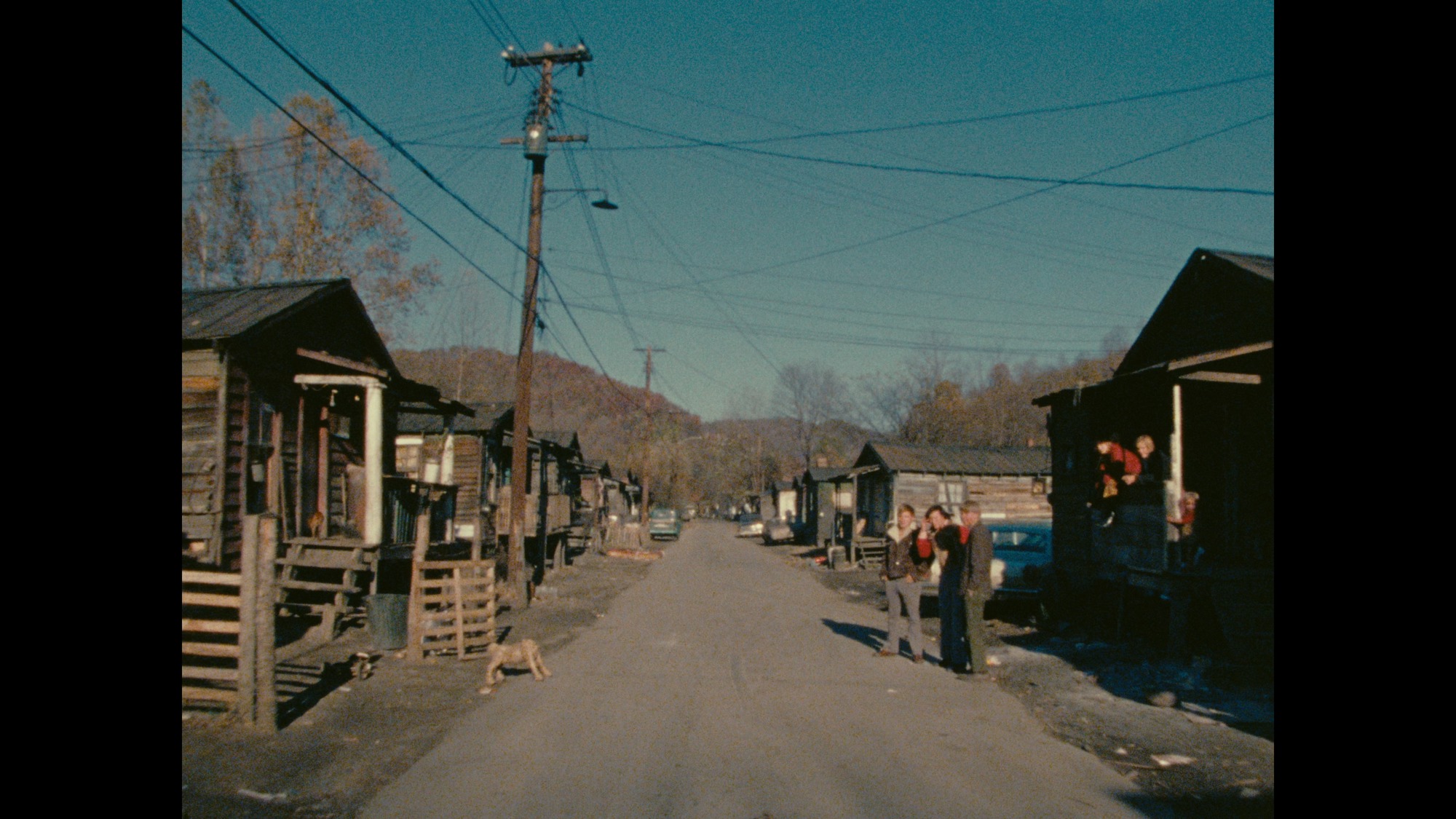
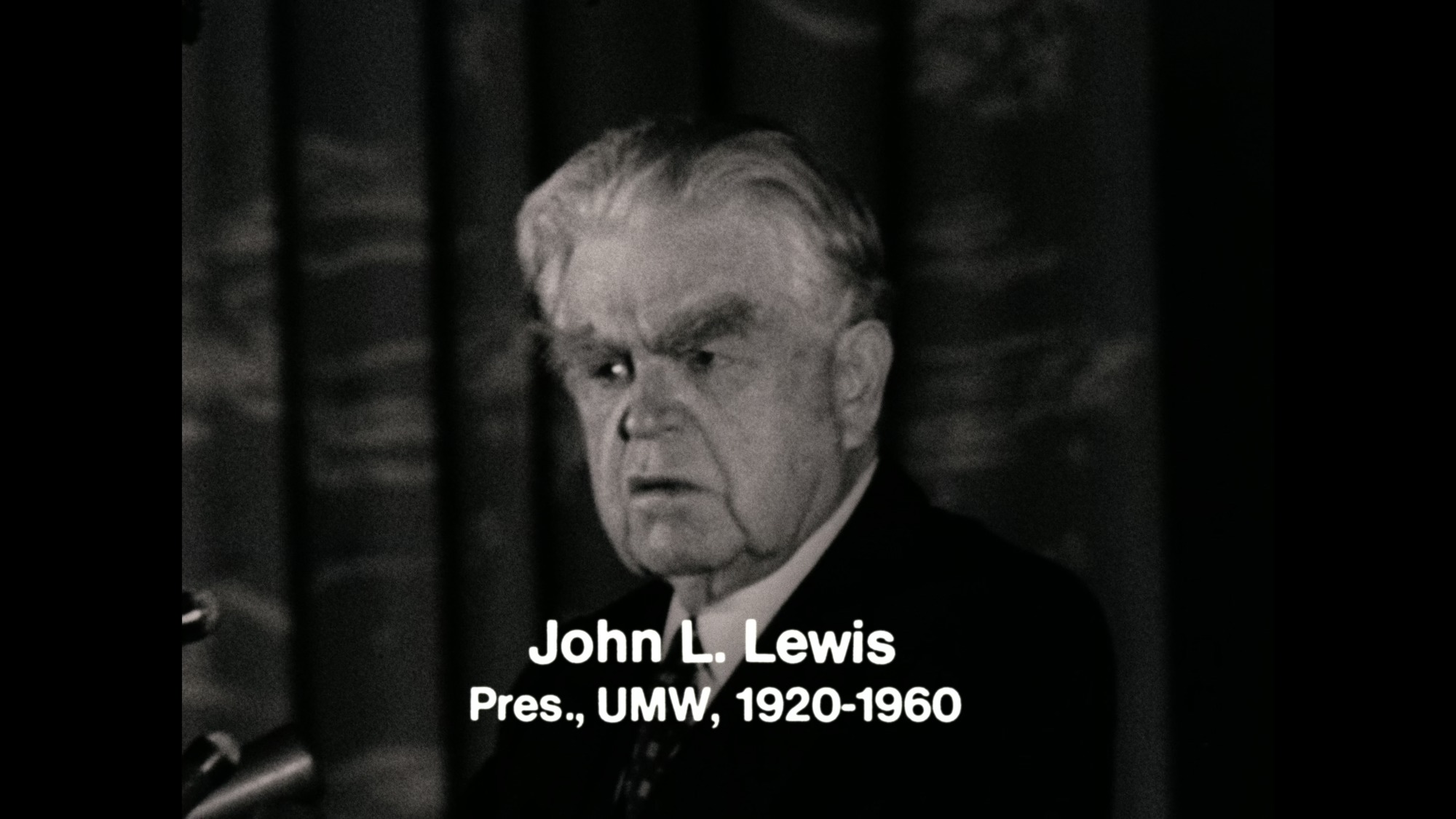
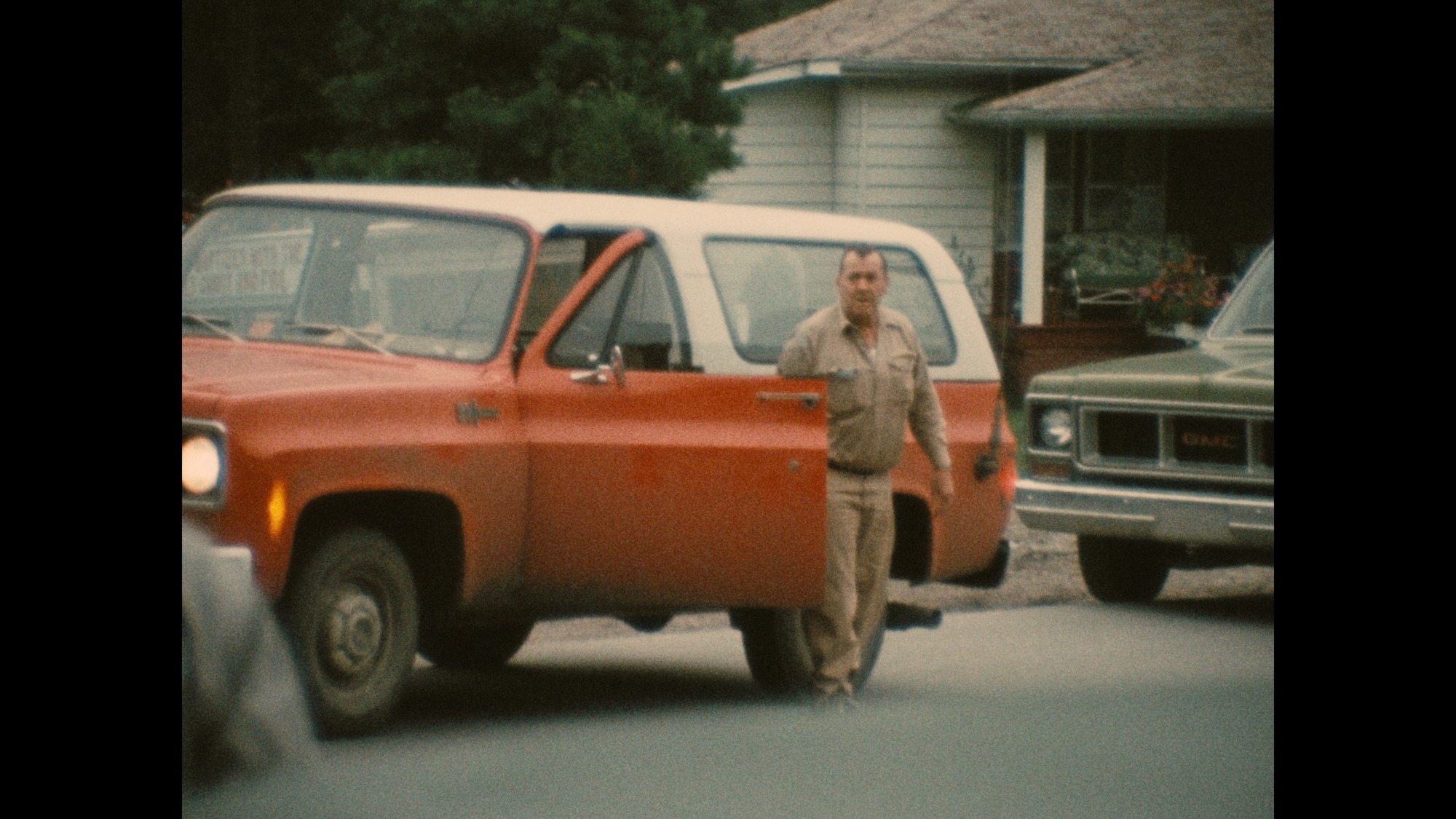
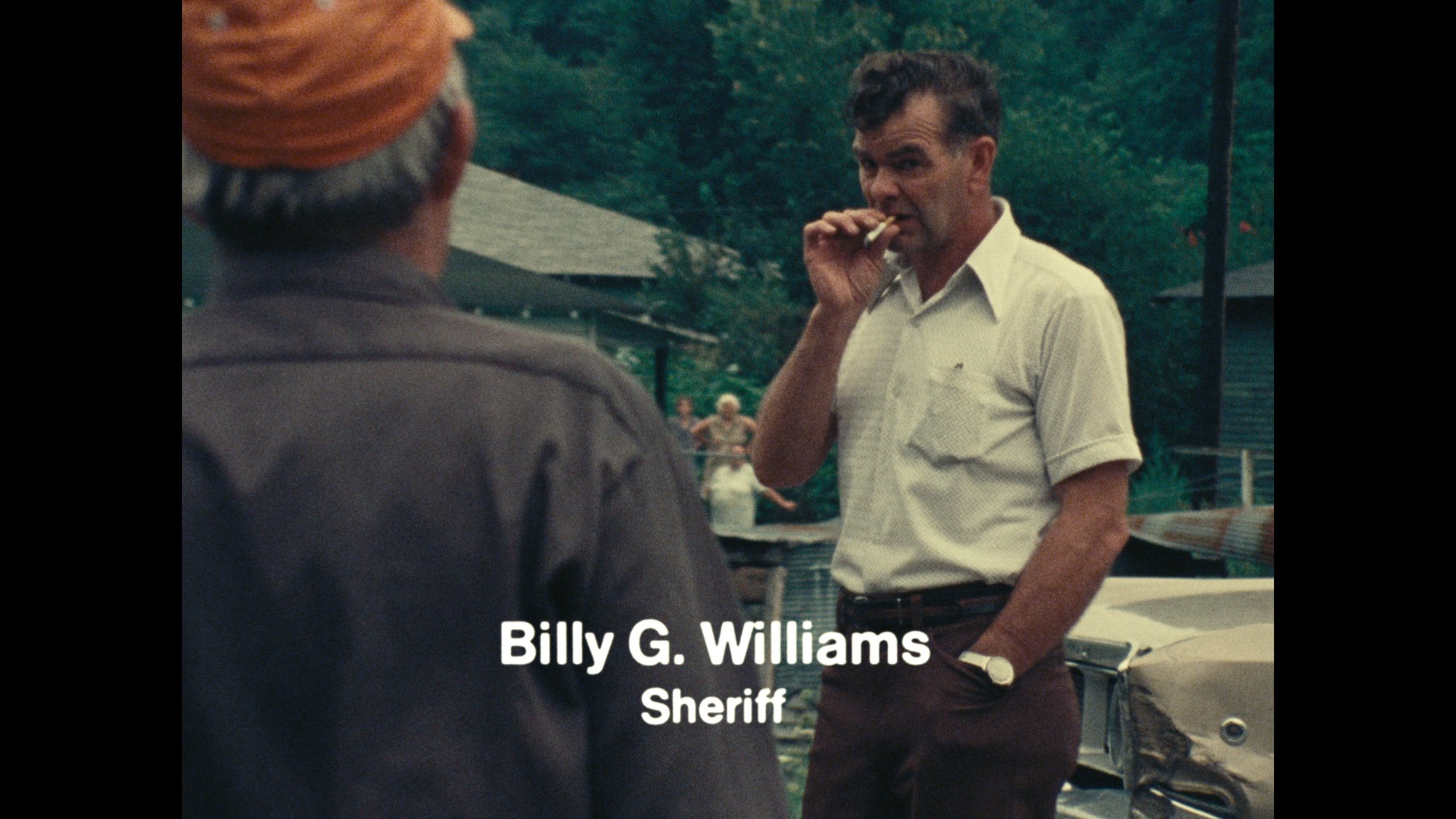
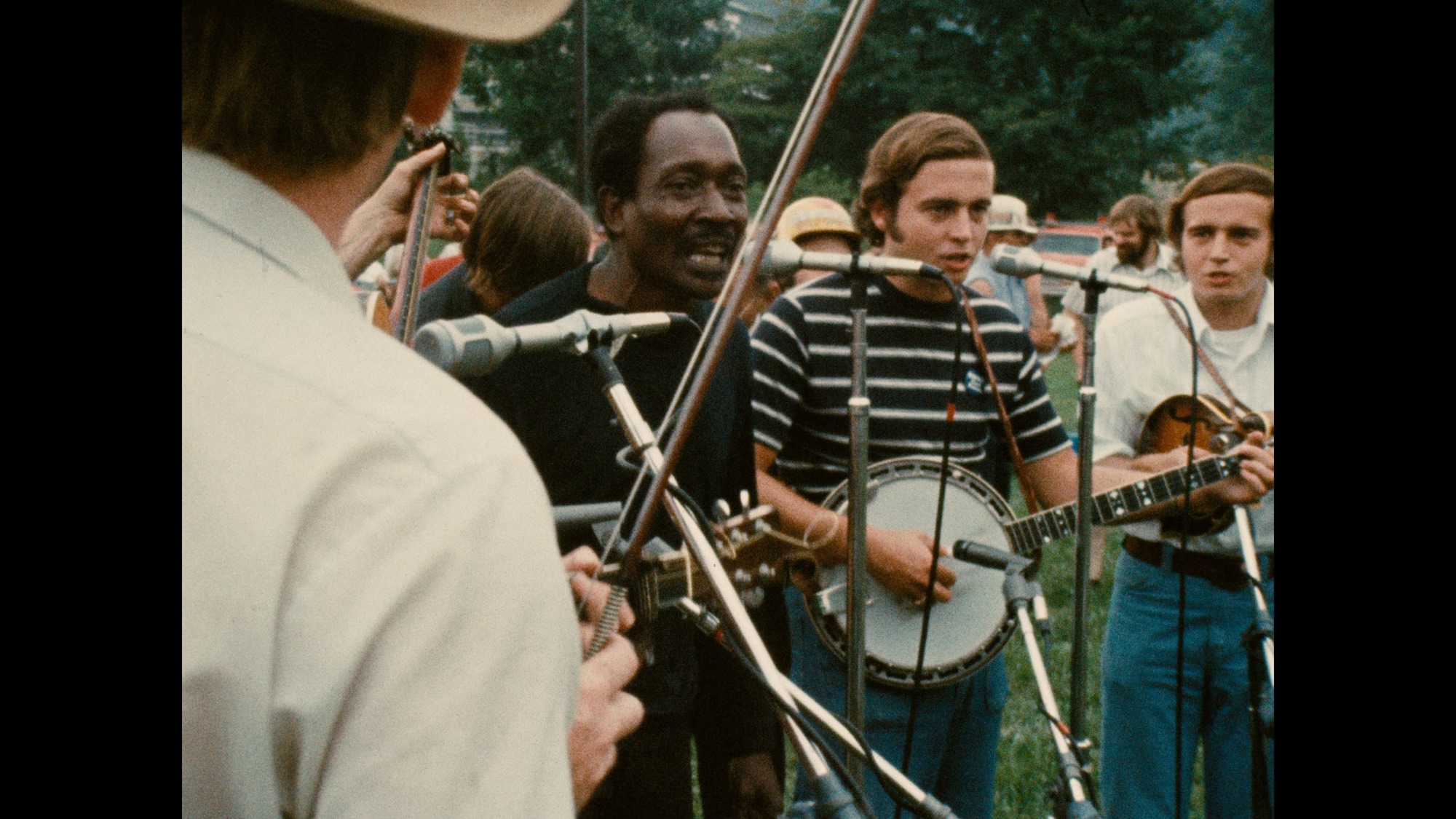
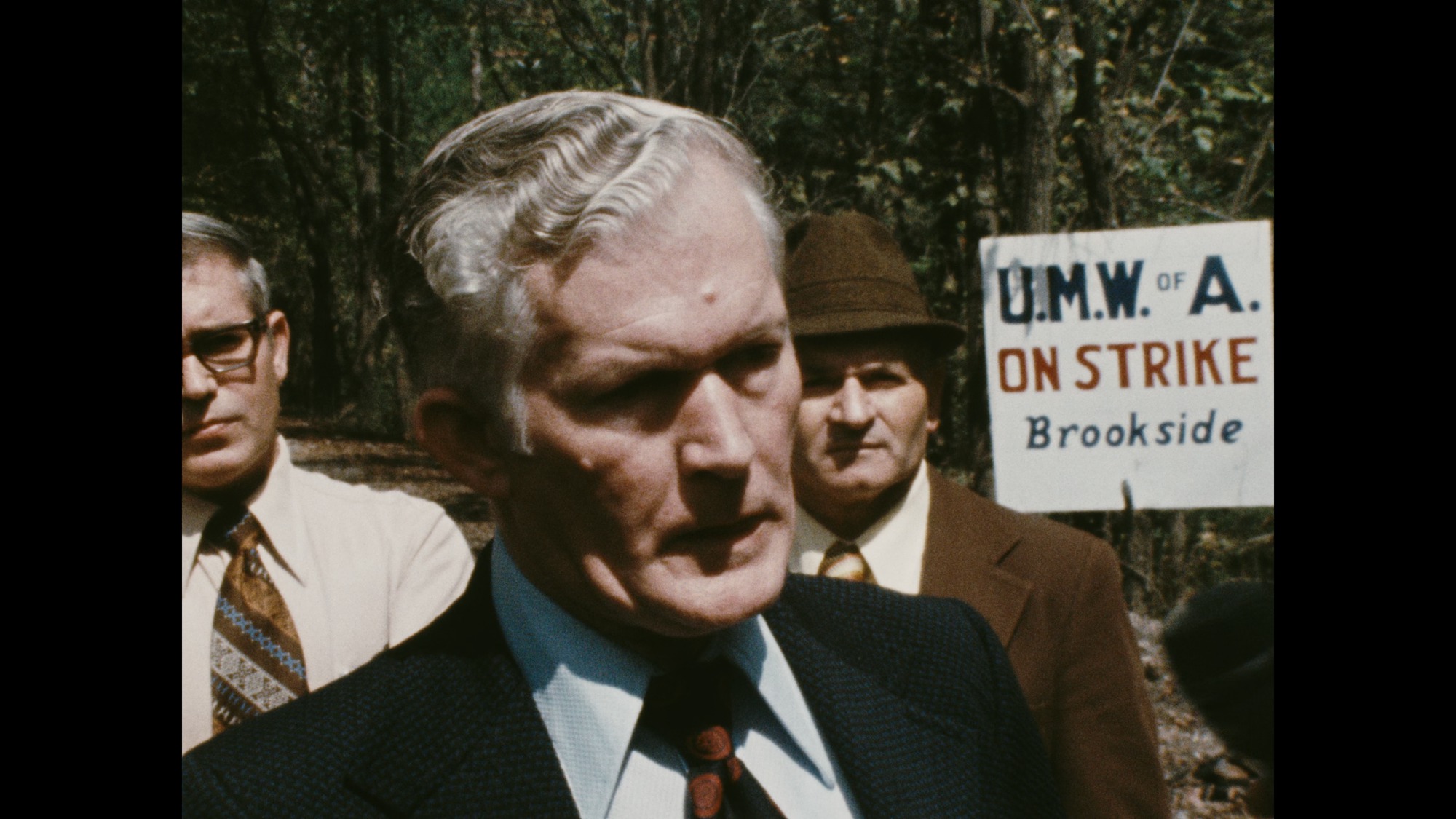
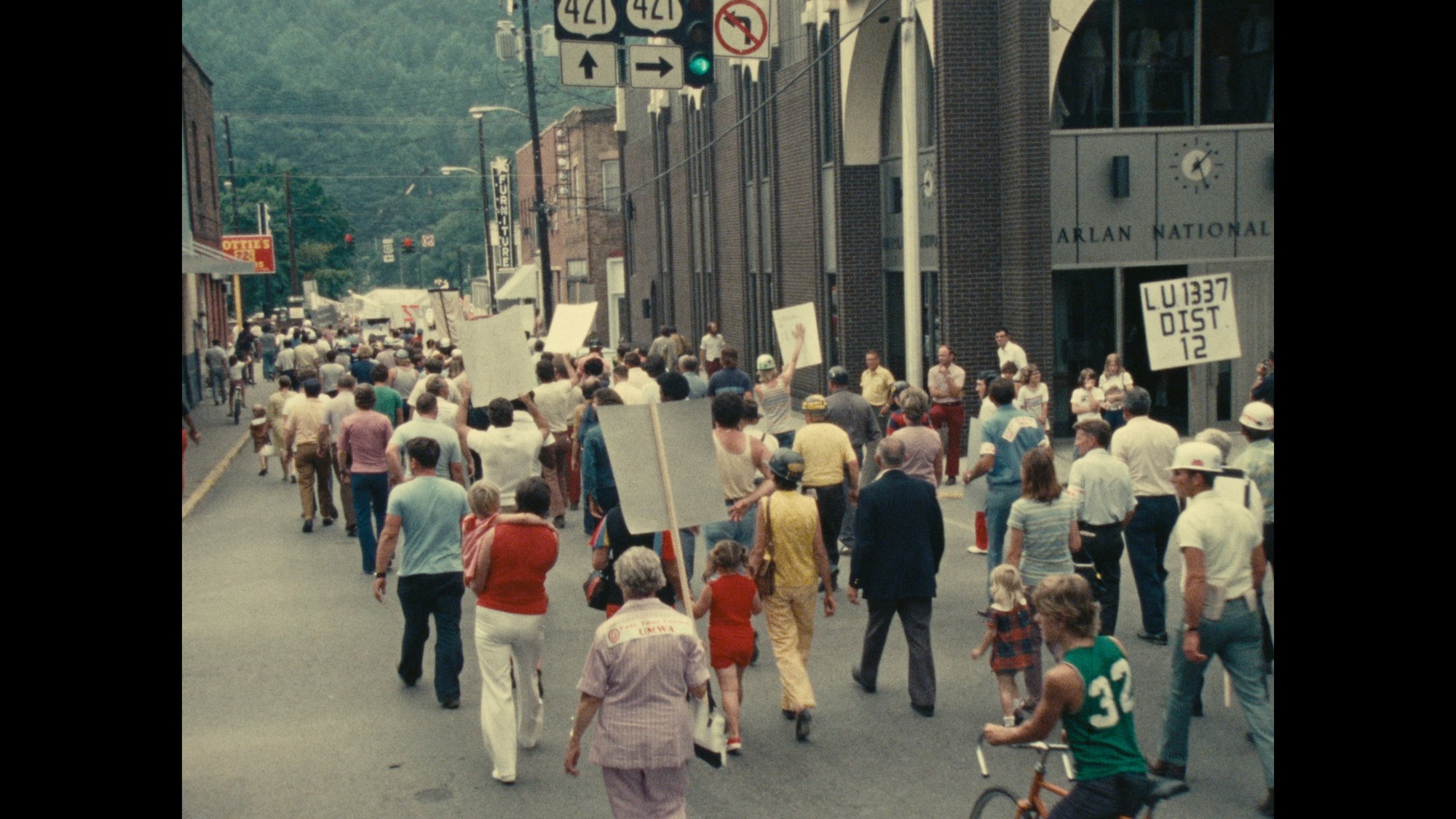
I’m quite shocked Criterion decided to give the film a full 4K release and not just a Blu-ray (as they’ve done with its companion release, Kopple’s American Dream), but am I ever glad they did. The 4K presentation looks unbelievably good, delivering a significantly cleaner and more film-like image compared to not only the old DVD edition but also the Blu-ray included here.
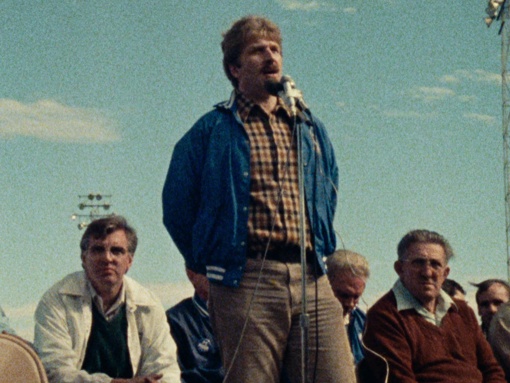
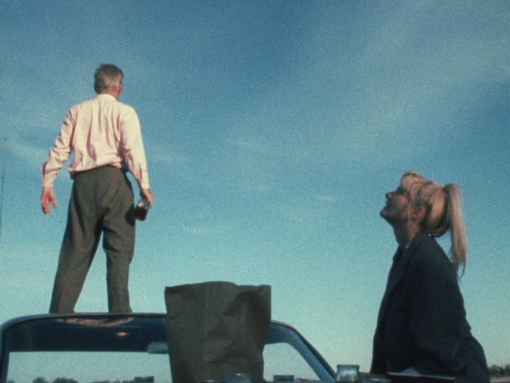
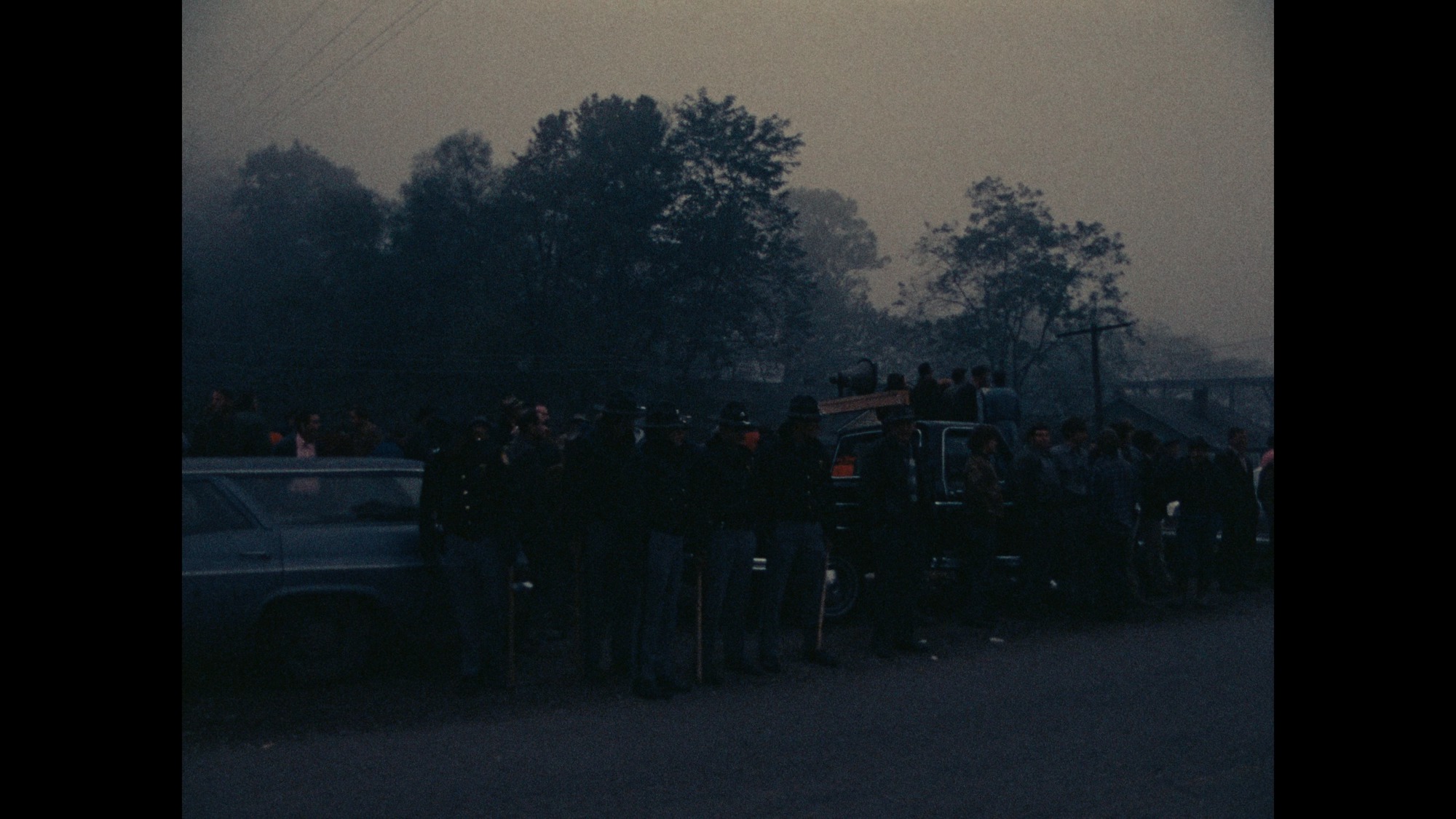
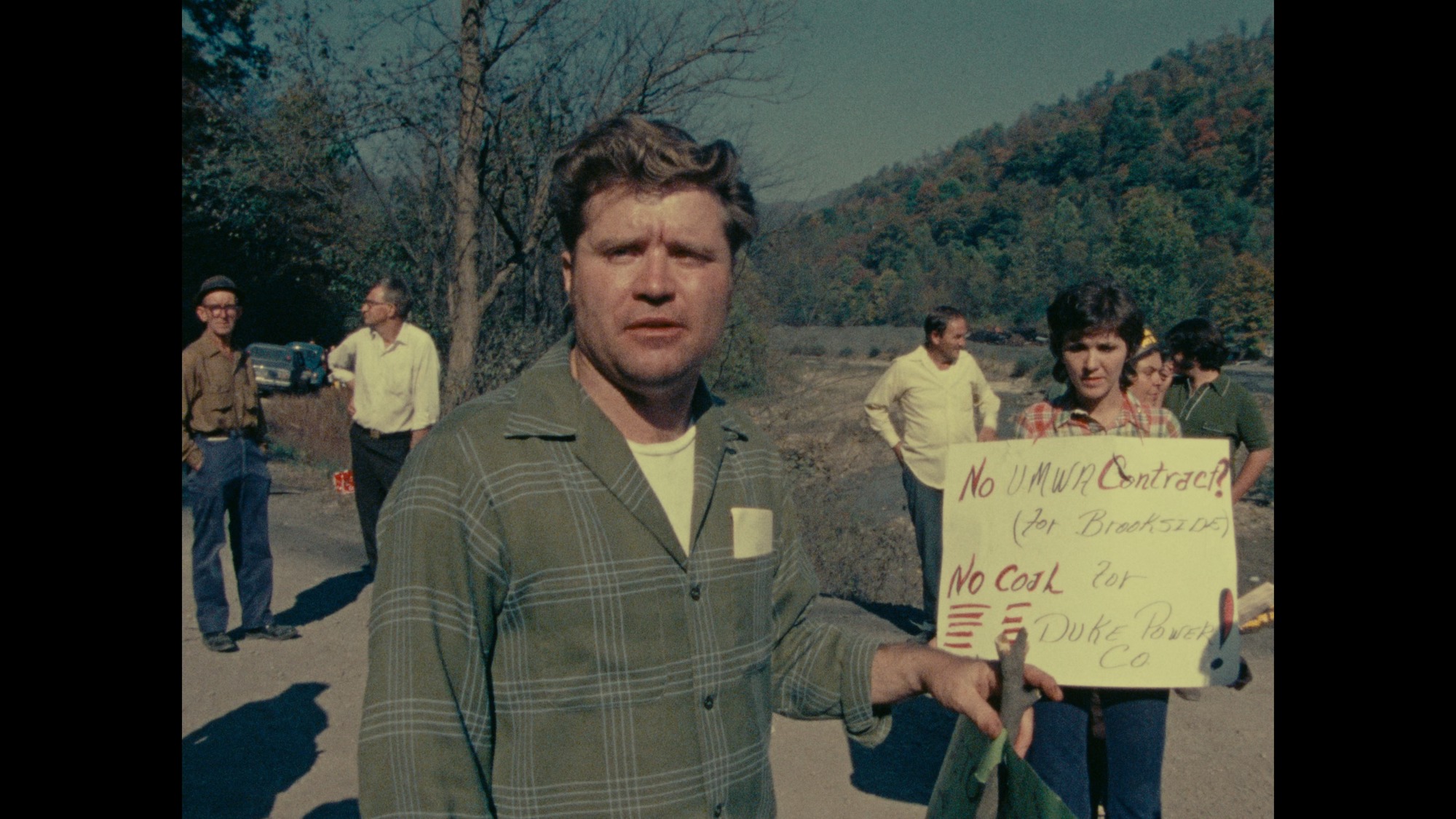
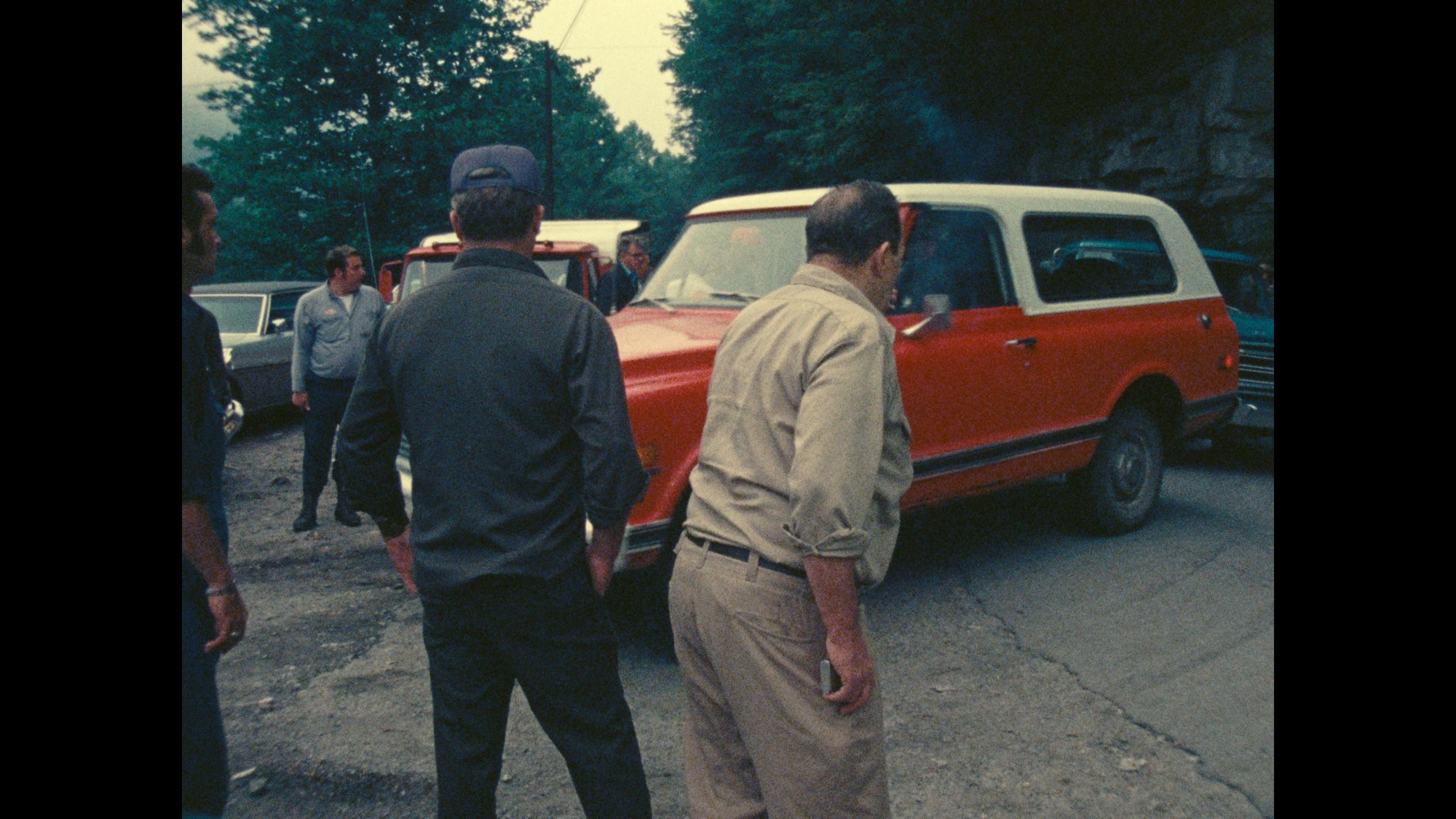
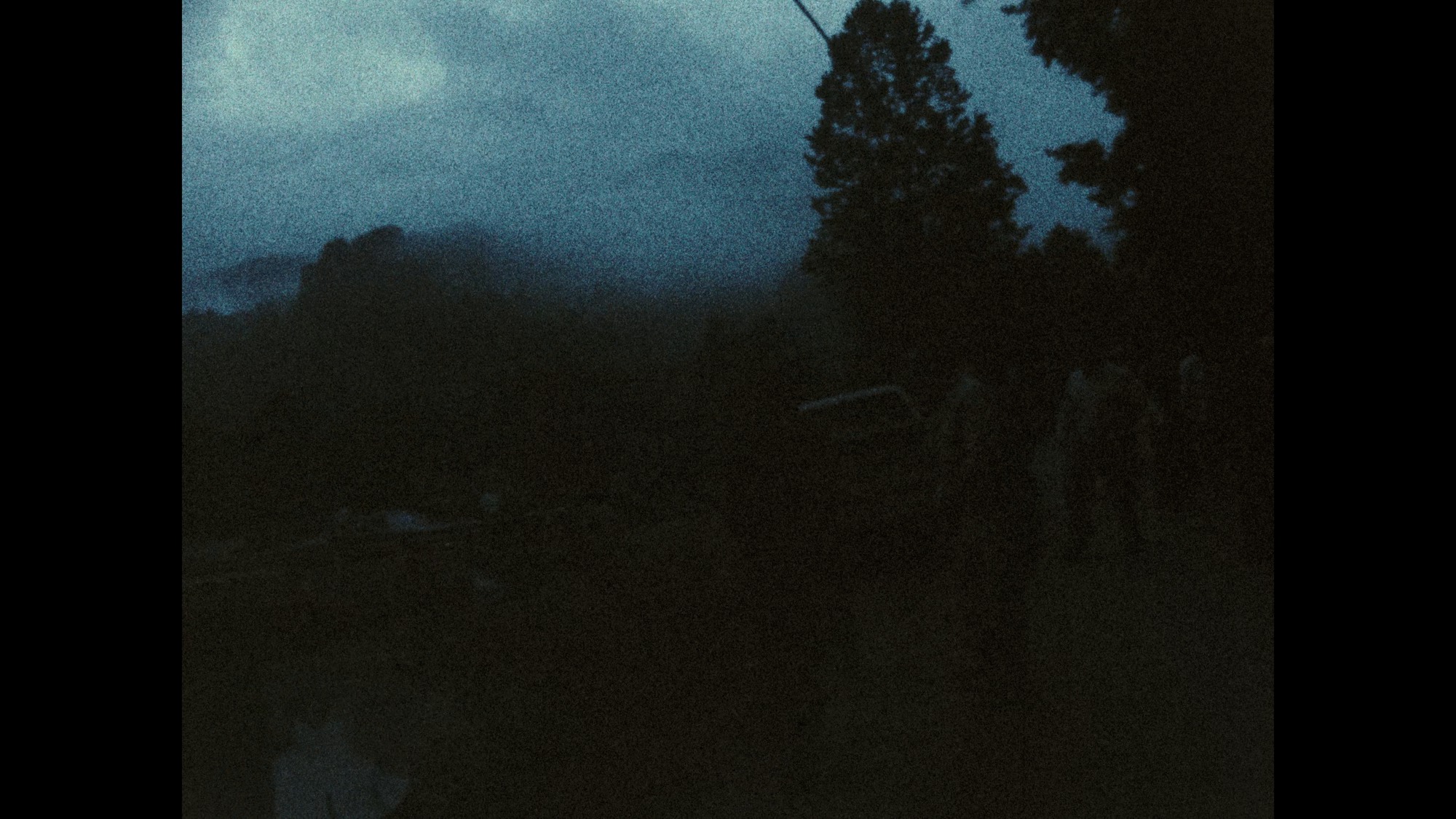
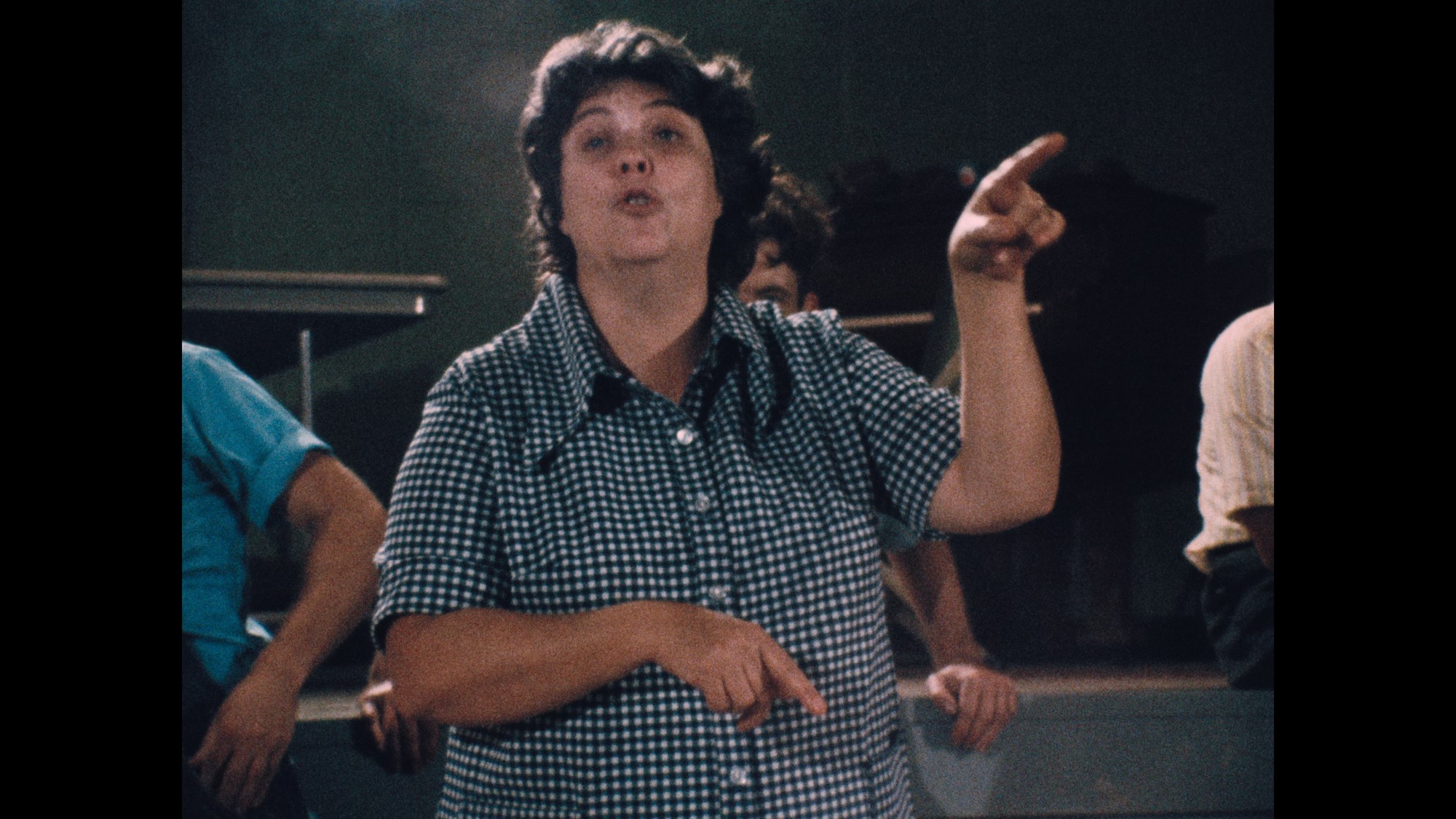
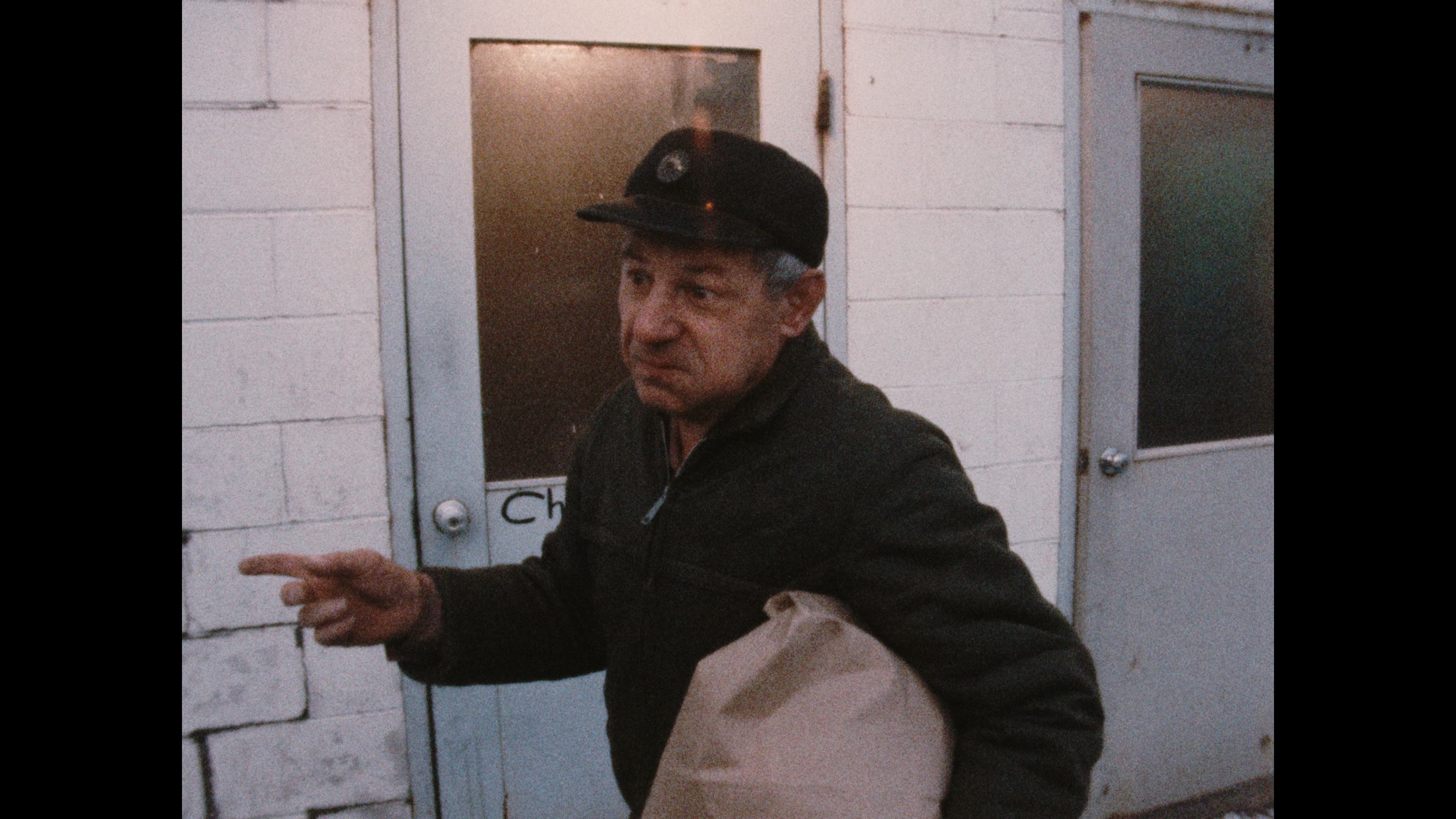
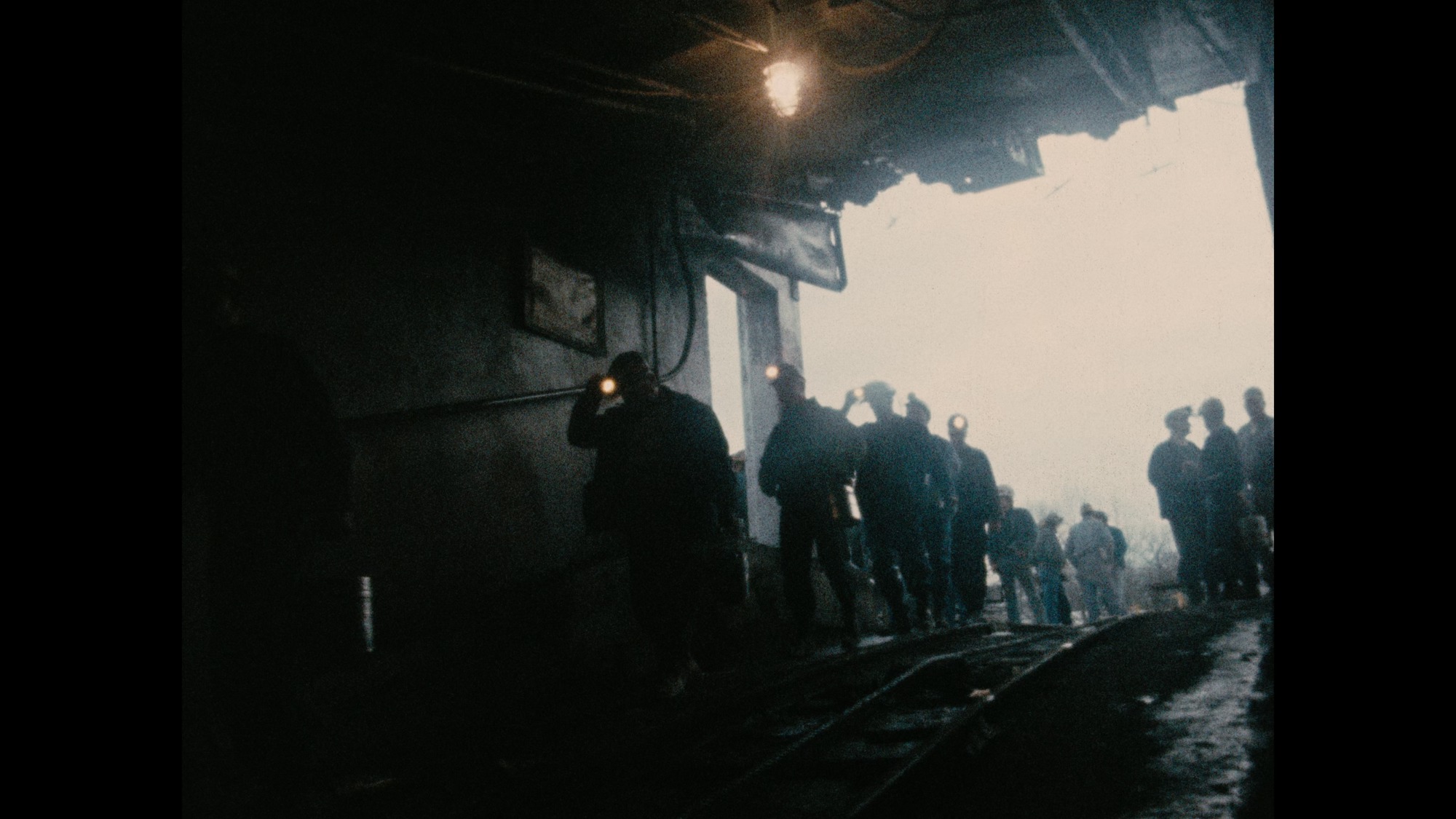
Despite the 16mm source, the level of detail present in every frame can be staggering at times, while grain is rendered cleanly and naturally throughout. Even when shooting conditions were about as far from optimal as they could get, as with a handful of nighttime shots and some of the sequences in the mines, where there is understandably very little light, the heavy grain retains a natural, photographic appearance without ever coming off noisy or blocky. That grain manages to remain clean in both the shadows and highlights, though some details can still be clipped. It's possible HDR could have helped in that area, but at the very least I didn’t notice any blocky patterns or other compression-related issues within the brighter areas of the screen.
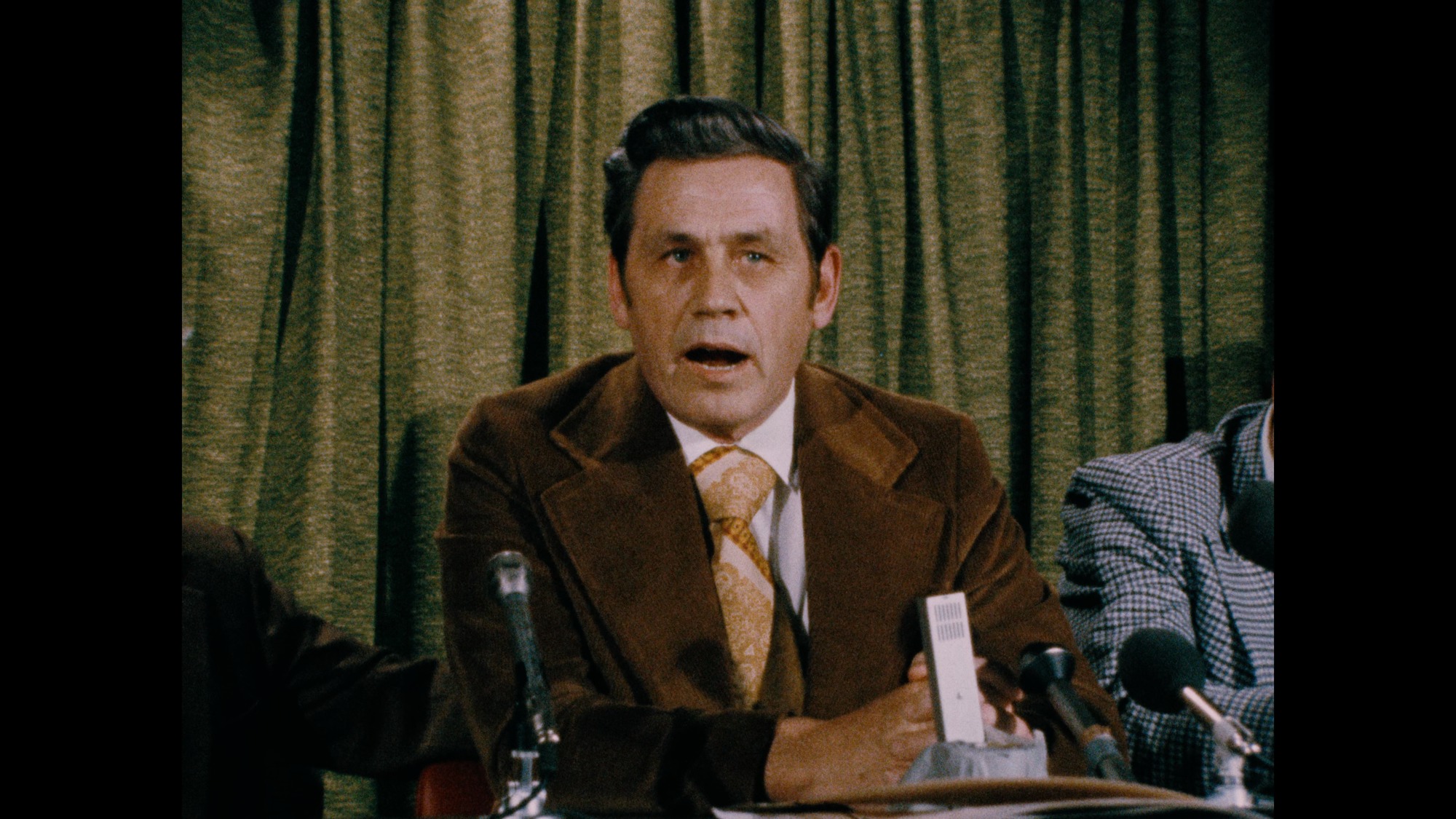
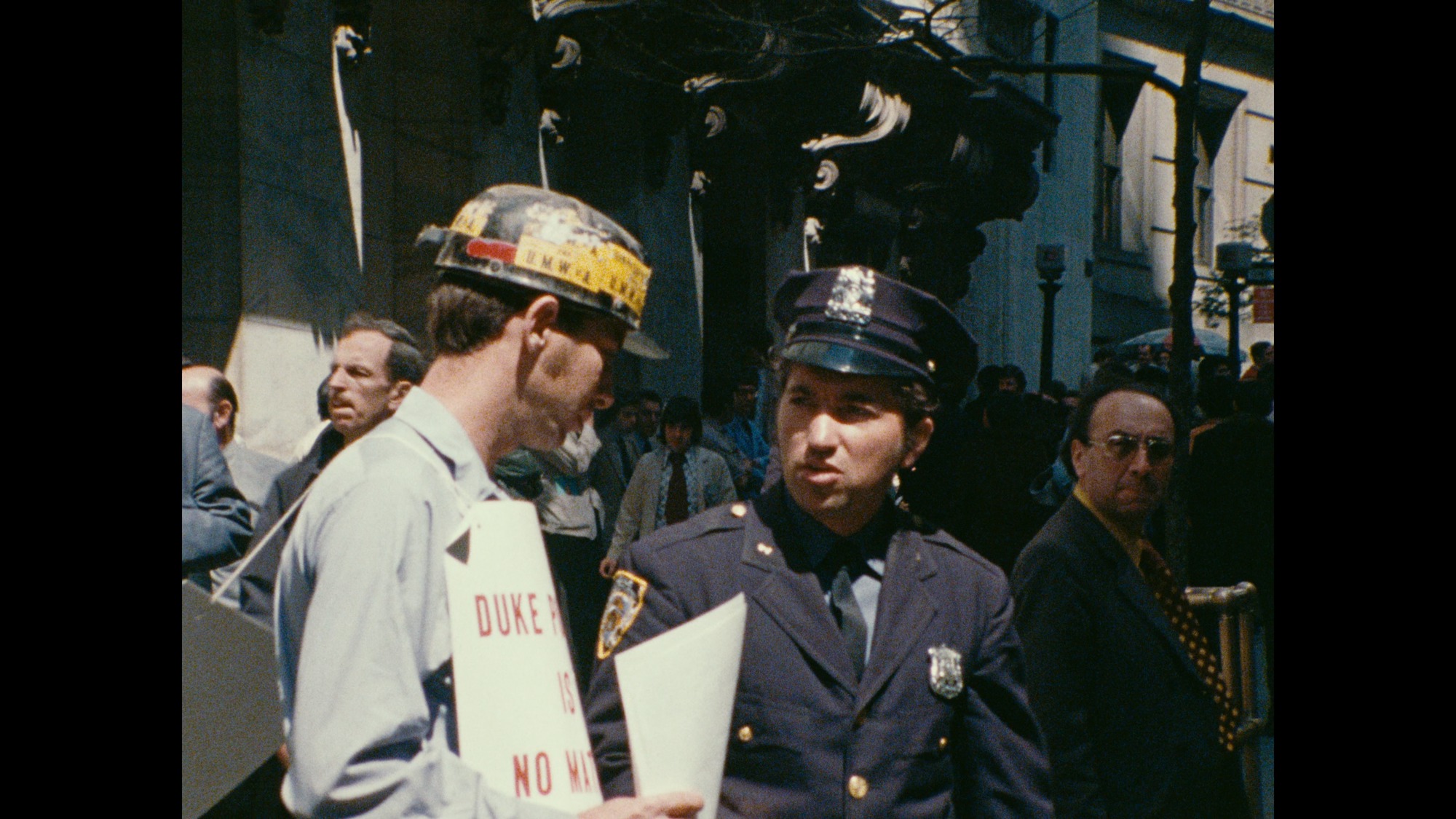
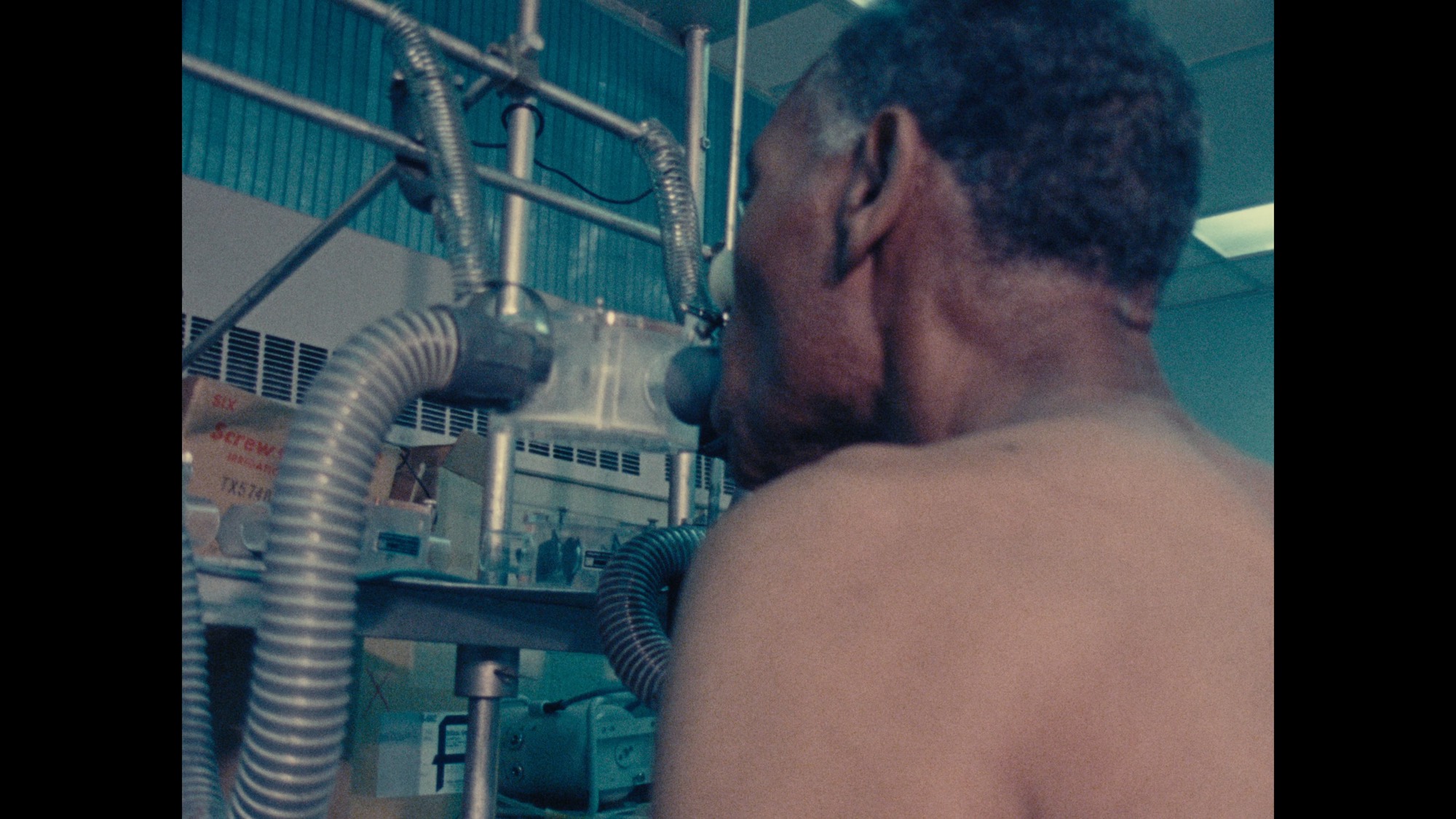
The restoration has also managed to clean things up significantly, with nothing noteworthy remaining when it comes to print condition and damage. I was also very pleased with the color grading, though it can vary from sequence to sequence, sometimes taking on a greener hue in one shot and less so in another, though I suspect this has more to do with the original shooting conditions and film stock than the restoration itself. Overall, whatever the case, this has a much more photographic appearance, especially when compared to the DVD.
In the end, the film looks remarkable, and I’d say the 4K is notably better than the included Blu-ray, which is already quite good on its own. The 4K just ends up doing a better job rendering the heavy grain structure, particularly when light levels are low. It’s an impressive presentation.
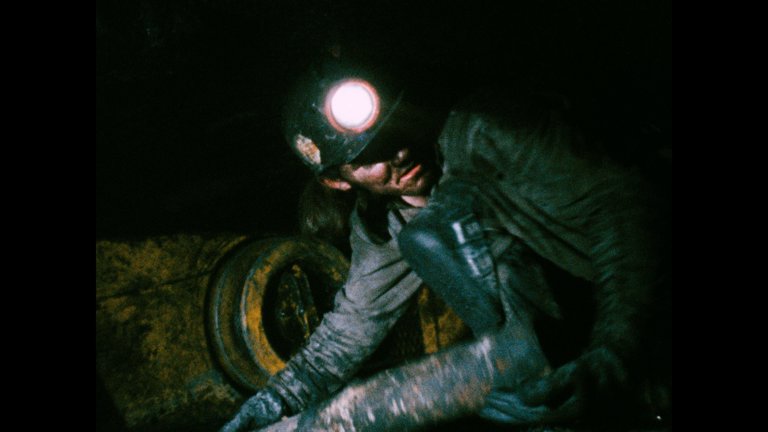
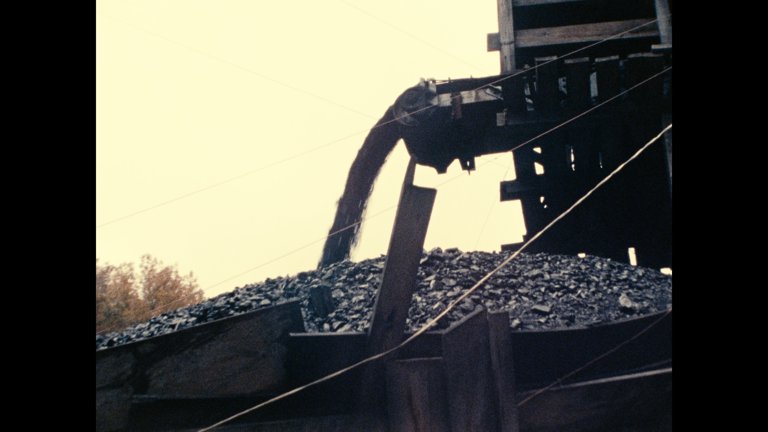
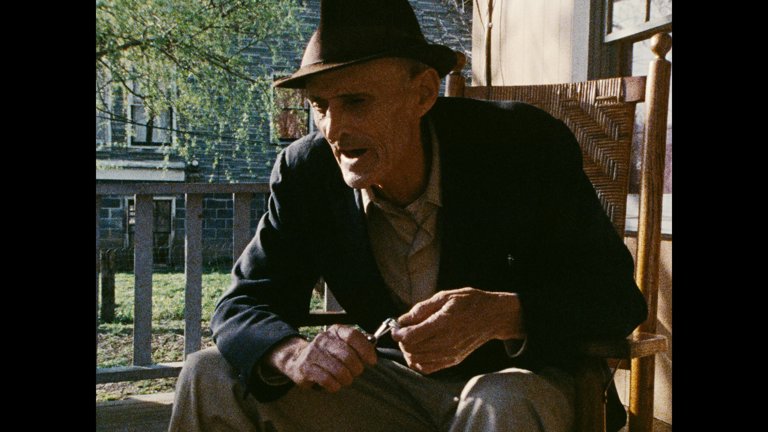
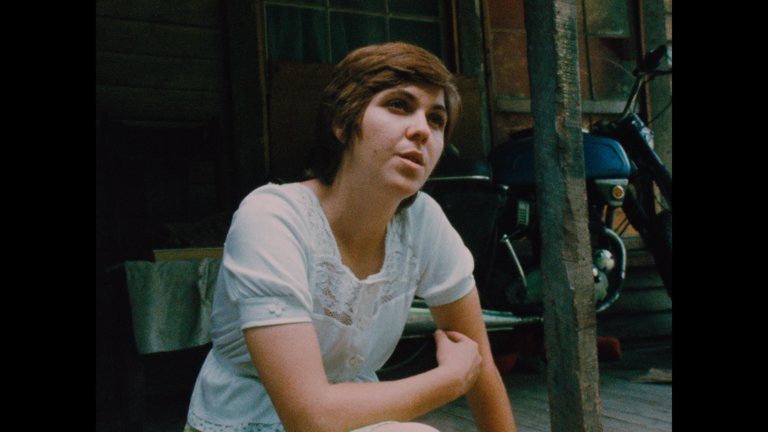
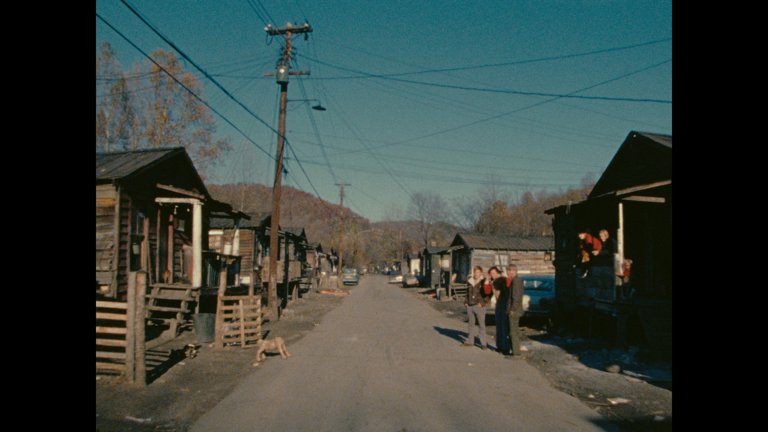
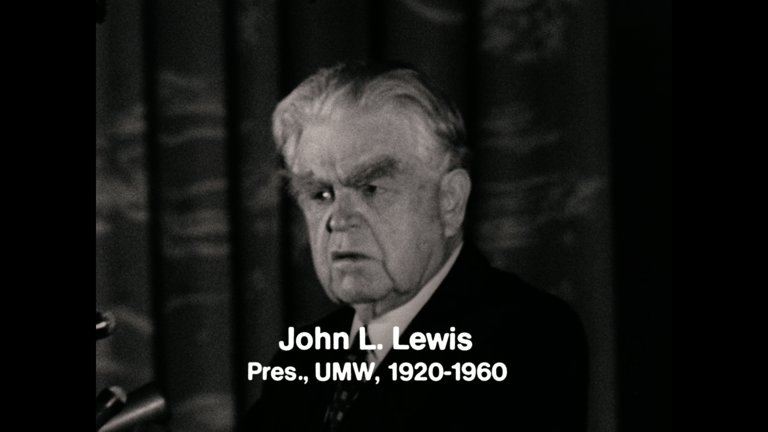
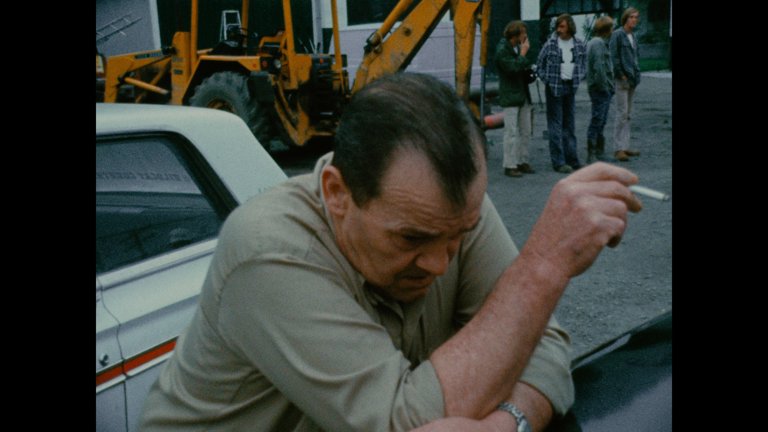
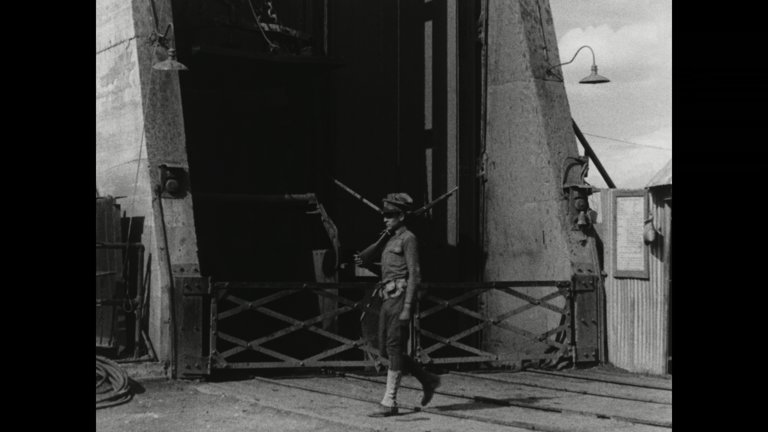
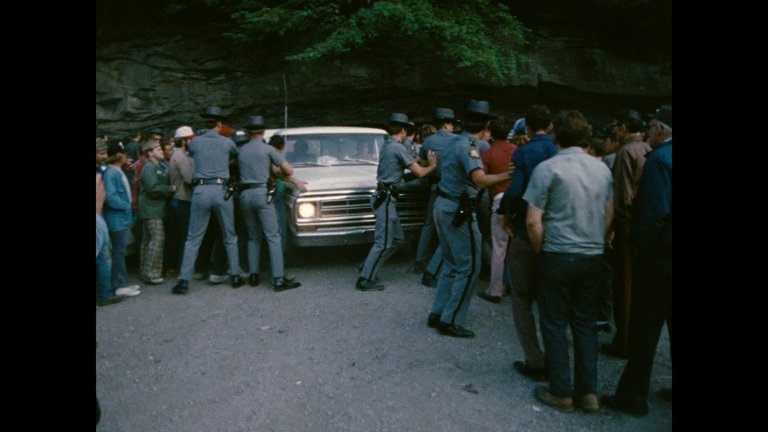
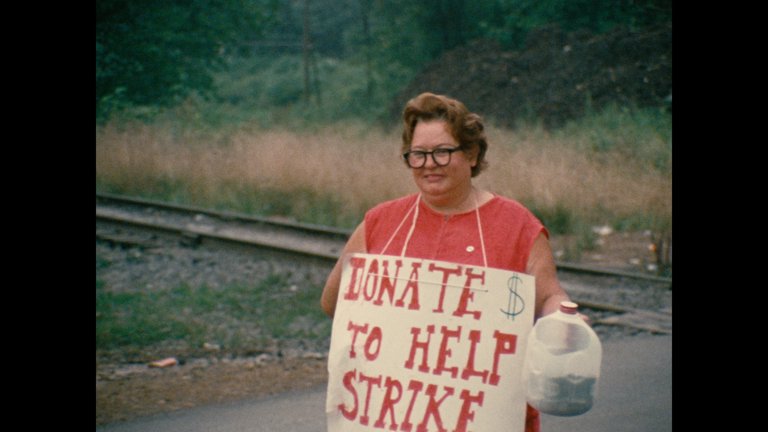
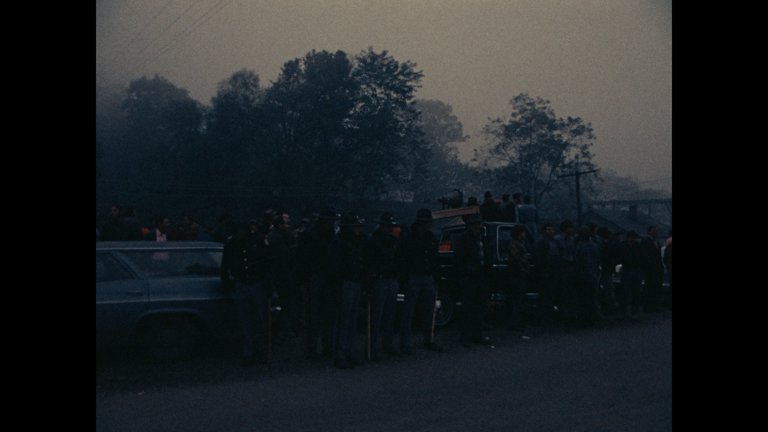
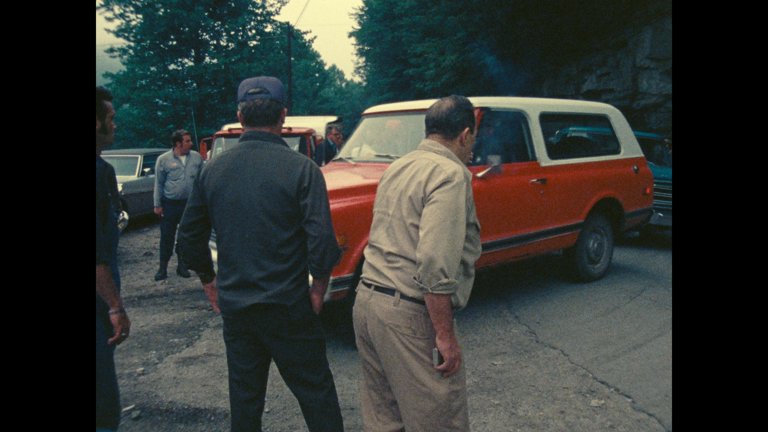
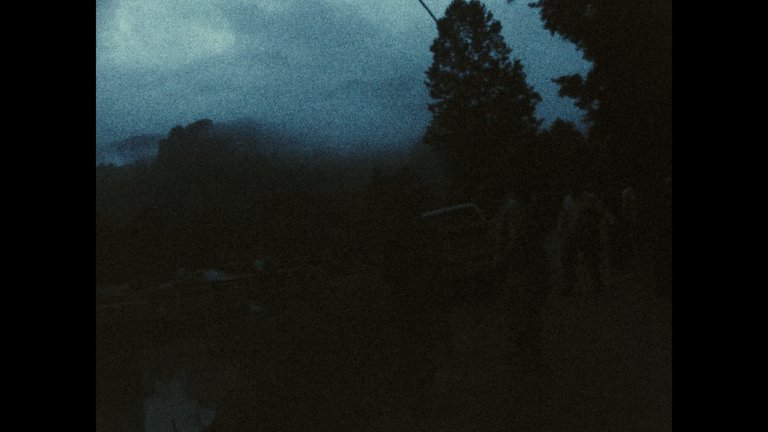
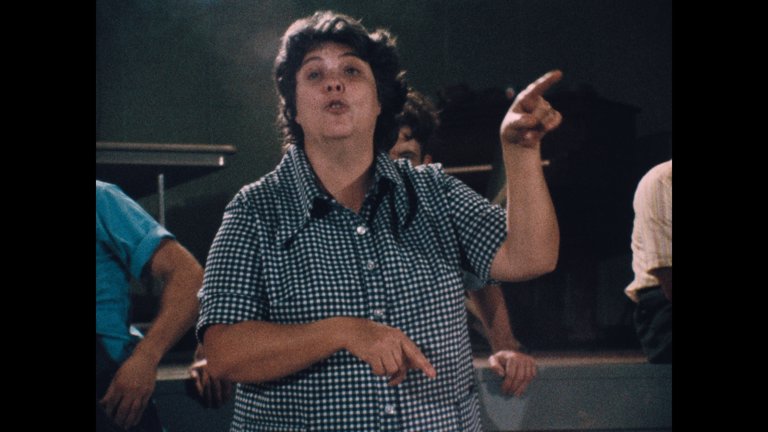
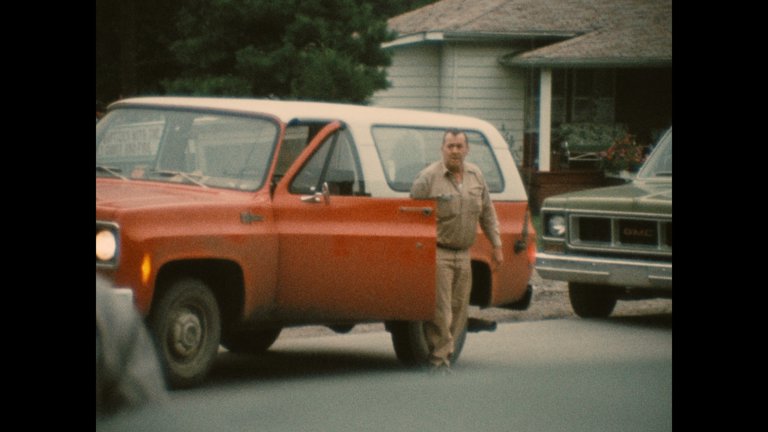
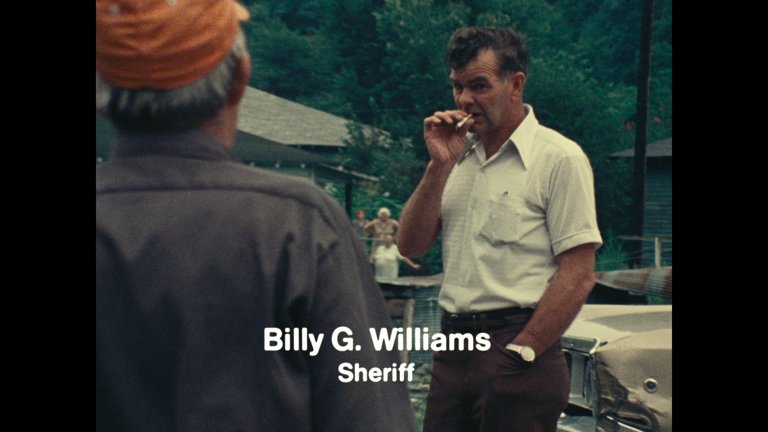
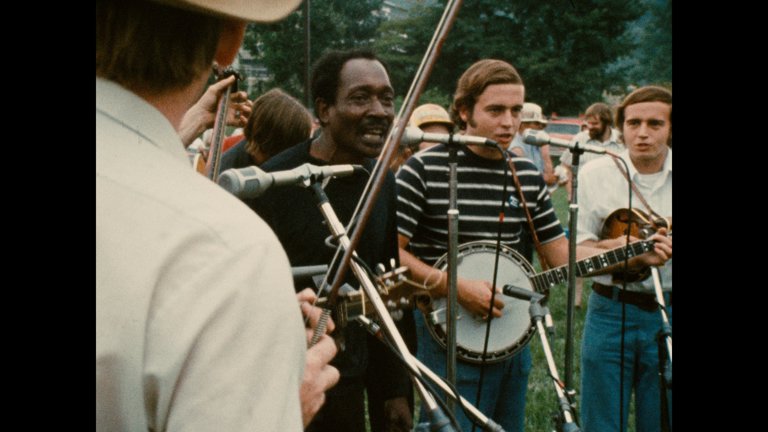
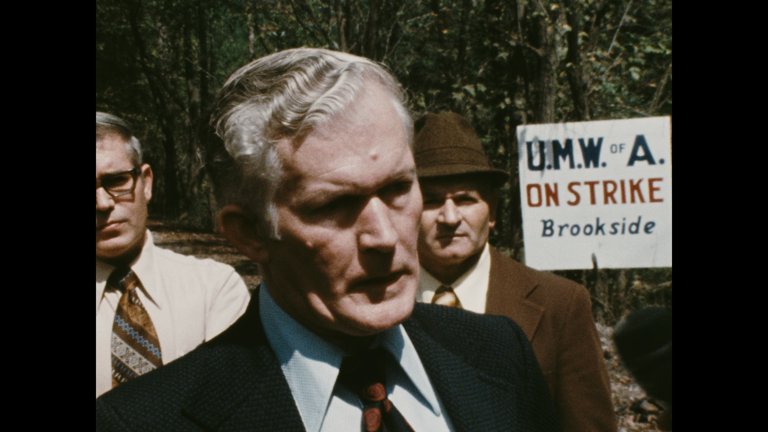
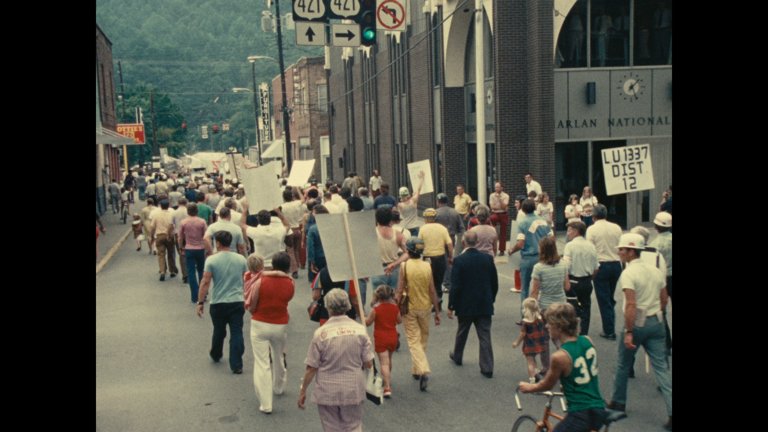
Harlan County USA - Screen Captures
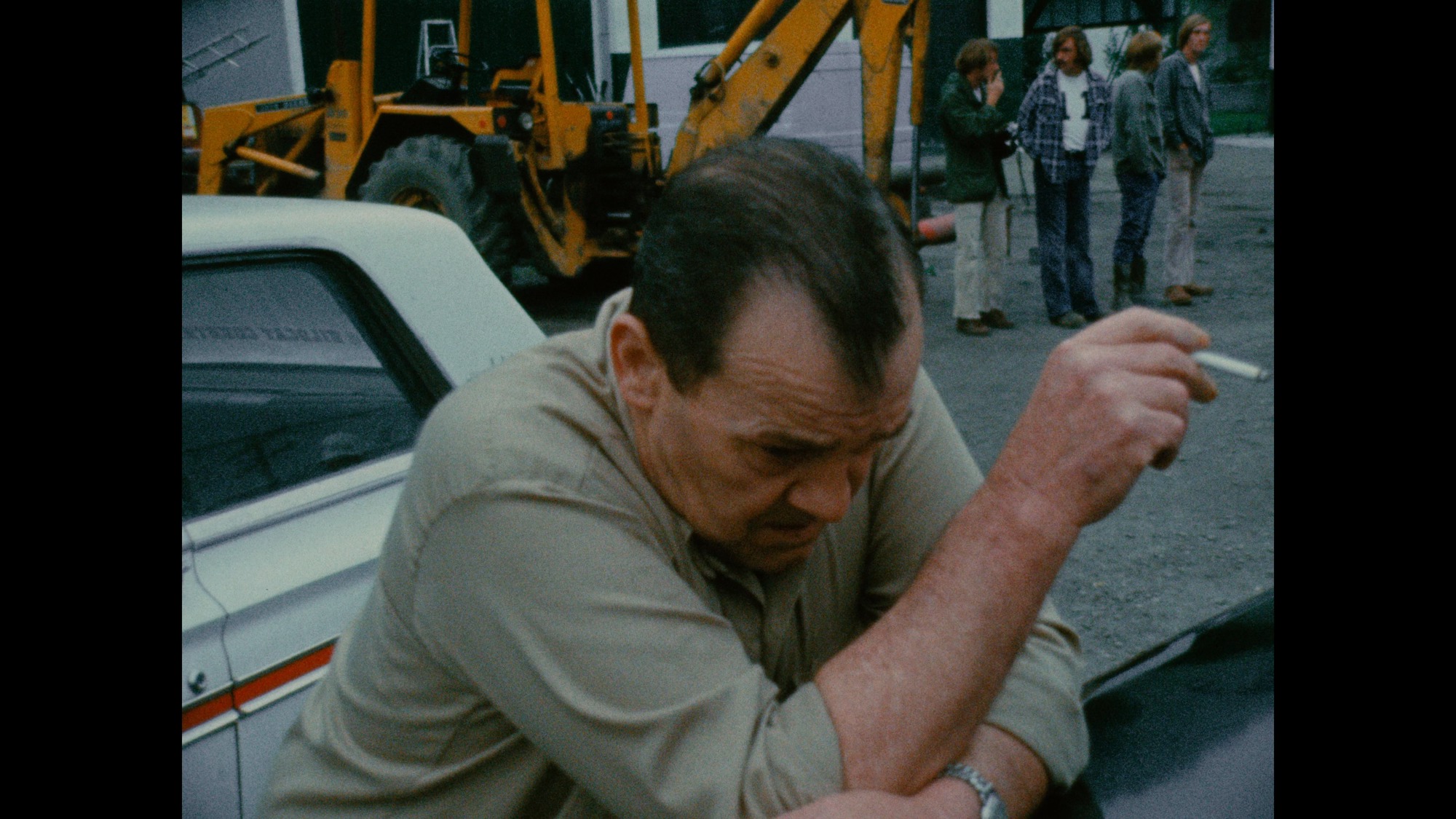
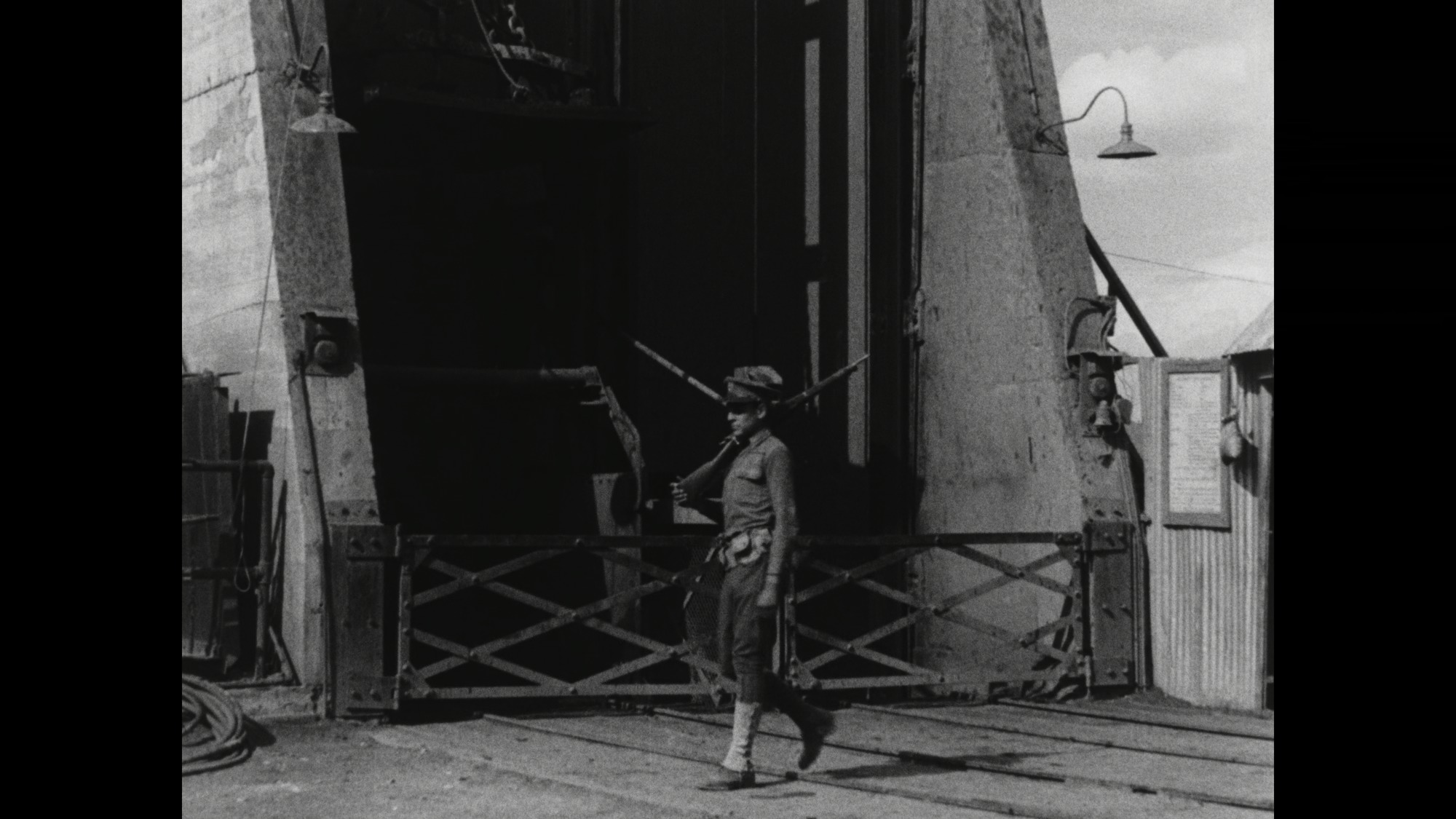
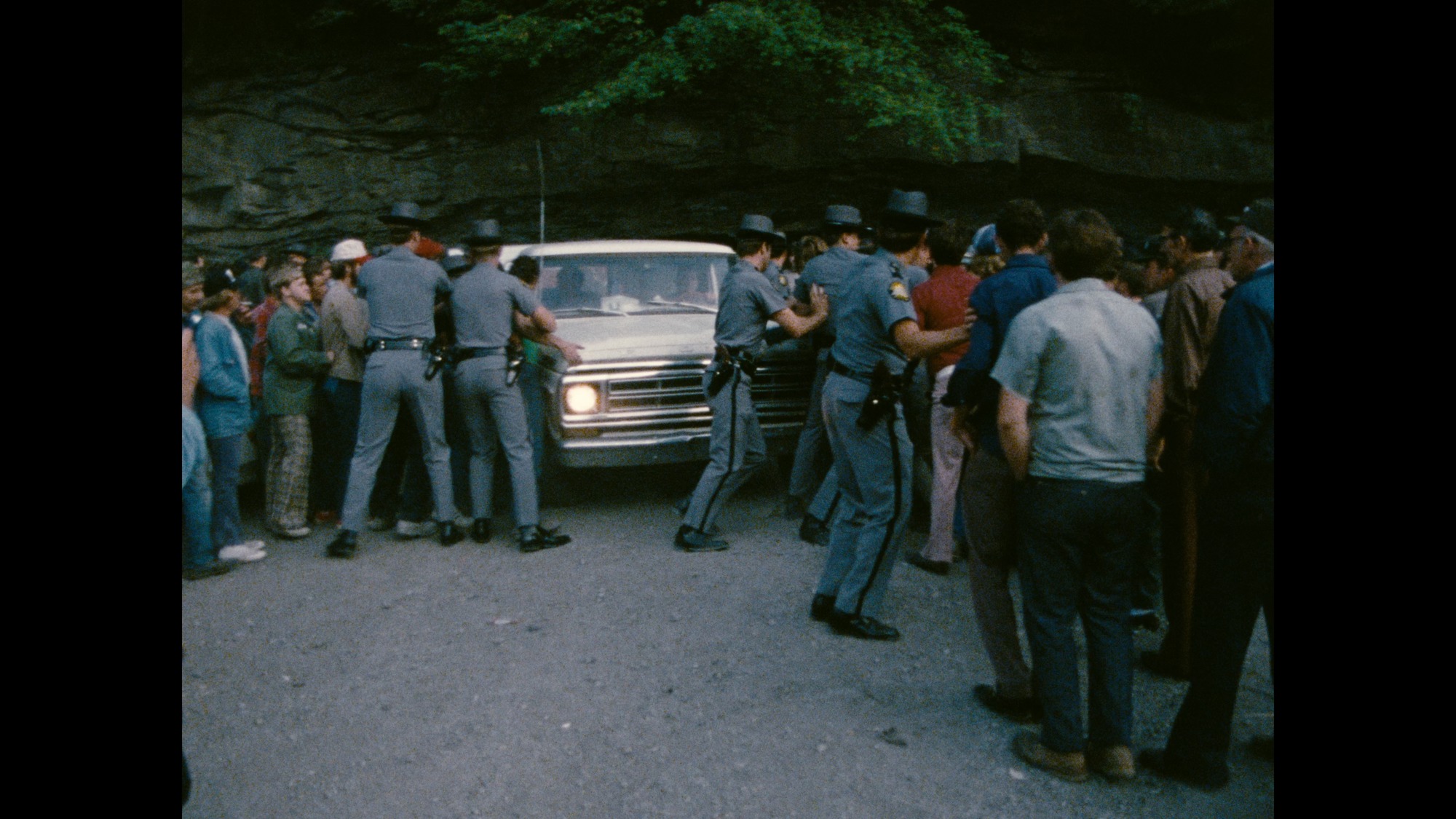
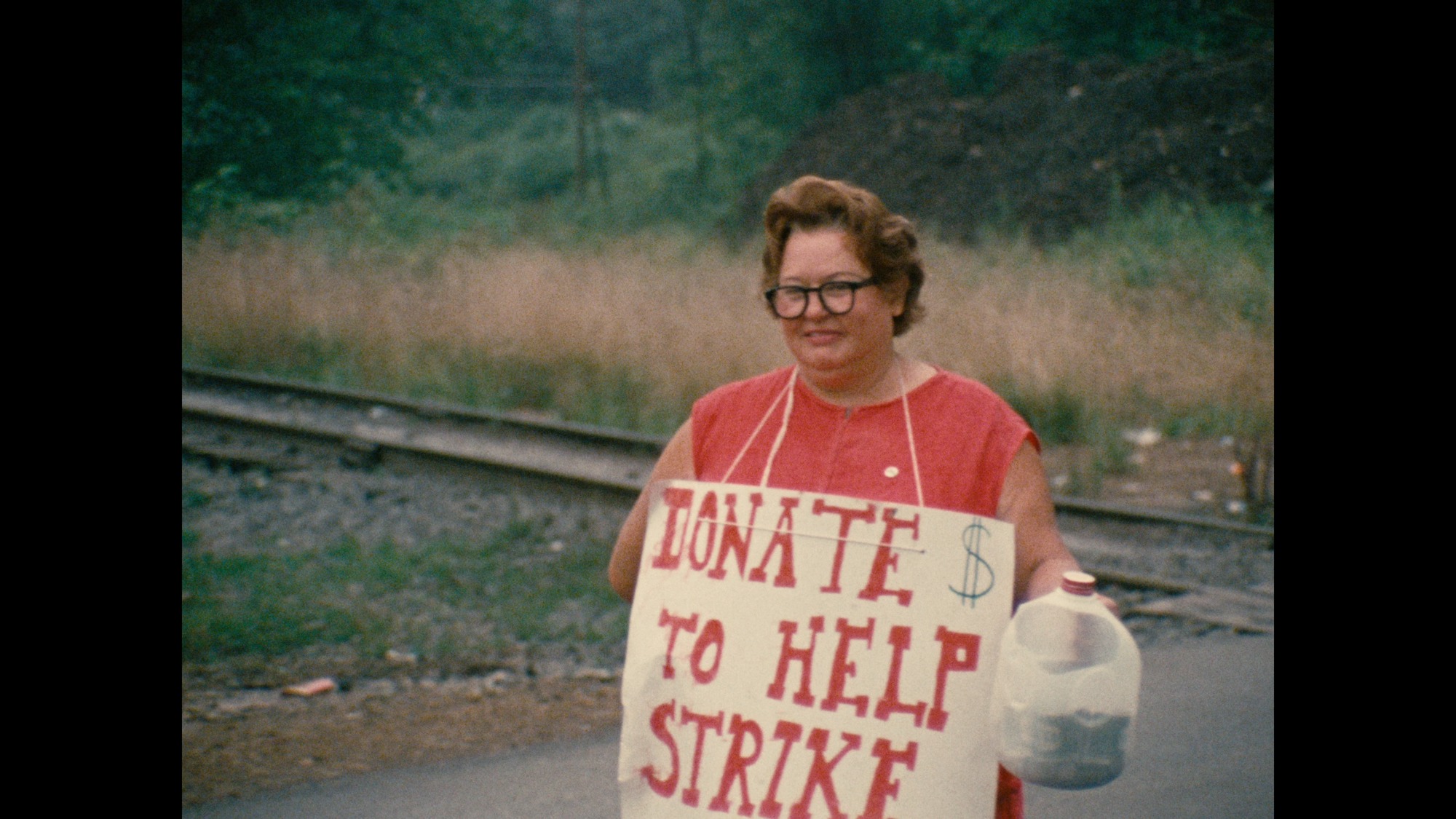
Audio 7/10
The lossless PCM soundtrack also sounds surprisingly good. There are some inherent limitations due, once again, to the original shooting conditions, but fidelity is excellent, spoken voices remain clear, and dynamic range can be surprisingly wide. The music by Hazel Dickens also reaches some impressive heights. The track is clean overall, free of distortion, and does not appear to have undergone any aggressive filtering. All in, it sounds good.
Extras 8/10
Criterion ports all of the special features from its DVD edition, starting with the audio commentary featuring Kopple and editor Nancy Baker. The two explain how they came to cover the strike and recall their experiences after arriving, with a shooting occurring almost immediately (though it was apparently the result of two men fighting over a woman, and nothing to do with the tensions around the strike). They also share their war stories and provide additional context around several events captured for the film, particularly their dealings with Basil Collins, who was clearly not-at-all happy about their presence.
Despite how fascinating that material proves to be, the track is still at its most interesting when the two discuss constructing the narrative from the endless amount of footage they had caught, primarily consisting of very little actually happening along the picket lines. The track then concludes with the two talking about the film’s first screenings and then its eventual Oscar win.
It’s a terrific track covering the project’s genesis and construction, but it's all expanded upon in the 22-minute making-of documentary Criterion produced for the 2005 DVD edition. It appears here on the Blu-ray alongside the remaining video features. Kopple and Baker both return and are then joined by other crew members and several miners who appeared in the film, all sharing additional stories. A little more comes out about the scabs and Collins (whom, unsurprisingly, no one appears to miss), along with the suggestion that the crew’s presence may have helped restrain Collins and the others, preventing the violence from escalating further. It’s not all that long but still an excellent addition, benefiting considerably from the participation of the film’s subjects nearly 30 years after the strike.
Following that are 6 outtakes running about 26 minutes in total. These include more footage around singer-songwriter Nimrod Workman, who sings a couple of his songs here, explaining their origins. Sadly, the crew ran out of film during one performance. There is also additional interview footage with several miners and their wives, including one where it comes out how it sounds as though there were attempts at sowing mistrust within the group of strikers. On top of that, Criterion includes a 12-minute interview with Hazel Dickens, who discusses how she came to write music for the film after first covering her family and musical background.
In a nice touch, Criterion also brought in John Sayles to discuss the film for six minutes. He talks about how its narrative and music struck him, as well as how the documentary became a reference point of sorts when he came to make Matewan. The disc then includes a 14-minute excerpt from a 2005 Q&A with Kopple, hosted by Roger Ebert, who laments how little had changed since the film’s release.
The disc finally closes with the film’s trailer, while the included booklet features a newer essay by Michael Atkinson, which has been adapted from one he wrote for the March/April 2025 issue of County Highway, replacing Paul Arthur’s essay from the DVD edition. This is followed by a reprint of Jon Weisberger’s essay covering the film’s music.
With the film now 50 years old, I would have expected some sort of contemporary retrospective beyond Atkinson’s essay, but as it's still a solid collection of material that is well worth going through.
Closing
There are no new features, but the 4K presentation looks shockingly good, far surpassing any expectations I had for it.
BUY AT: