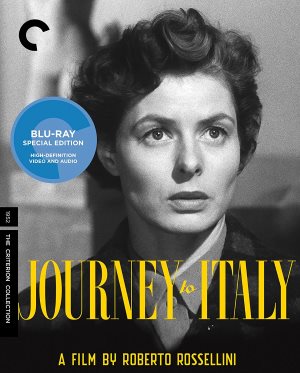
Journey to Italy
BUY AT:


See more details, packaging, or compare
Synopsis
Among the most influential films of the postwar era, Roberto Rossellini’s Journey to Italy (Viaggio in Italia) charts the declining marriage of a couple from England (Ingrid Bergman and George Sanders) on a trip in the countryside near Naples. More than just the anatomy of a relationship, Rossellini’s masterpiece is a heartrending work of emotion and spirituality. Considered a predecessor to the existentialist works of Michelangelo Antonioni and hailed as a groundbreaking modernist work by the legendary film journal Cahiers du cinéma, Journey to Italy is a breathtaking cinematic benchmark.
Picture 9/10
The third film in Criterion’s box set release 3 Films by Roberto Rossellini Starring Ingrid Bergman, Journey to Italy is presented on the first dual-layer disc of the 2-disc set in its original aspect ratio of about 1.37:1 in a new high-definition 1080p/24hz transfer.
Both Stromboli and Europe ‘51 presented transfers that were disadvantaged by weak source prints that clearly showed their age. The use of multiple sources could also cause noticeable fluctuations in quality from scene to scene or shot to shot. Journey to Italy appears to have held up far better over the years. This new 4k transfer (the only one in the set) was made from the original 35mm negative and the drastic difference between it and the other two films is staggeringly obvious—for the better.
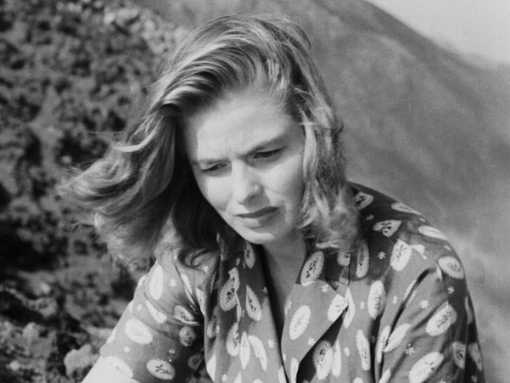
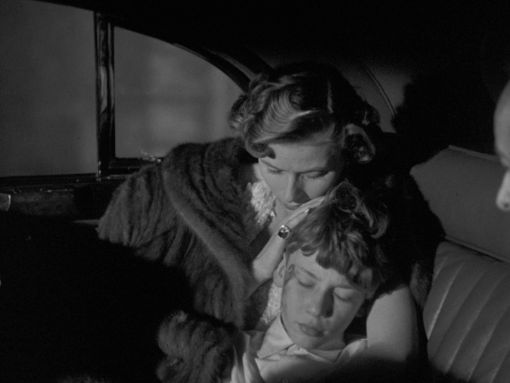
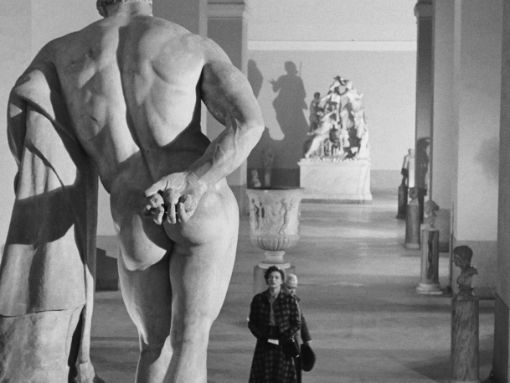
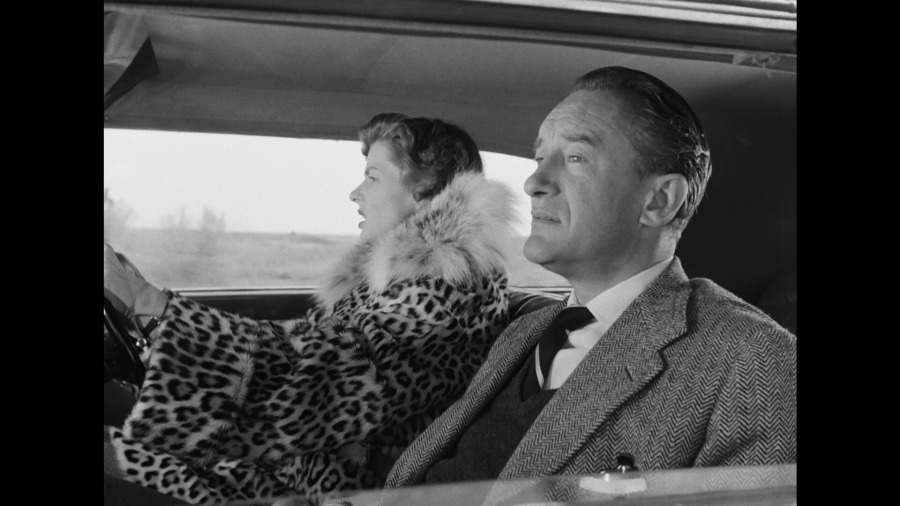
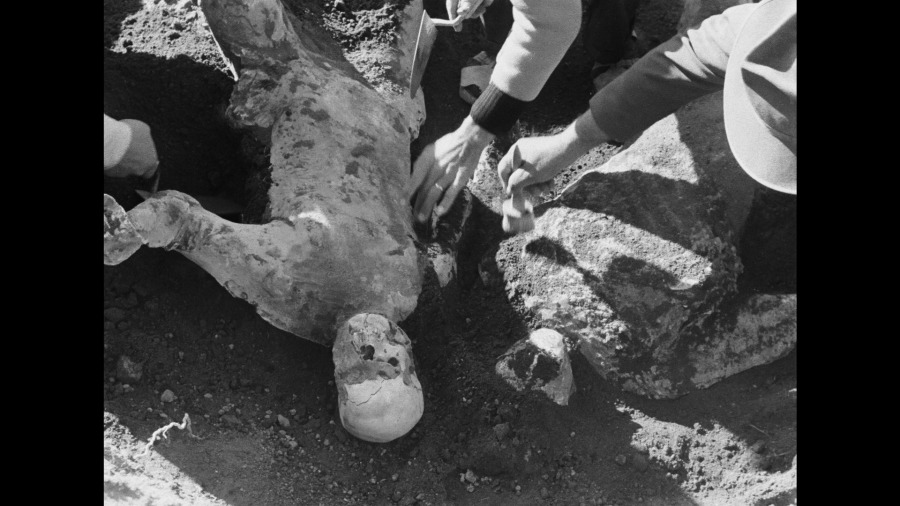
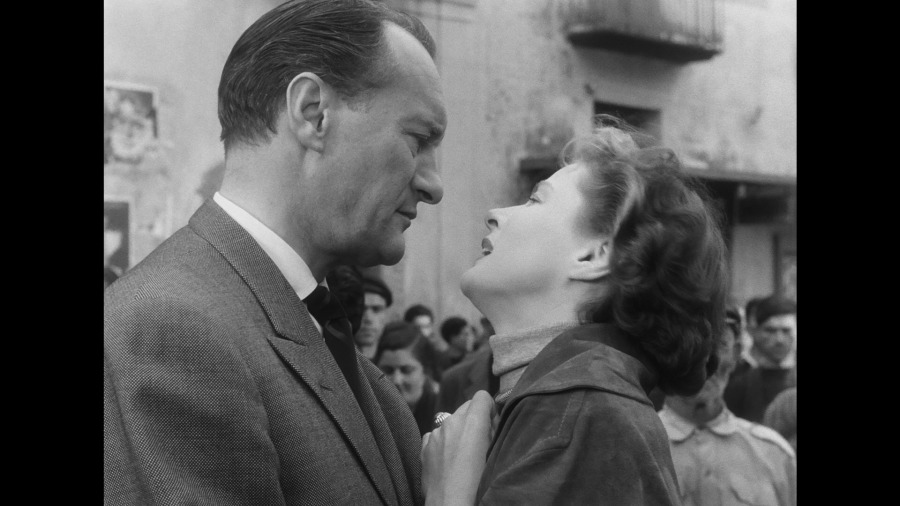
On top of the fact that the print is very clean, delivering at worst a few specs of debris and minor scratches, the image is also far sharper, with fantastic definition and depth. Fine patterns are clearly presented, the fine lines on Sanders’ jackets being the best example, with long shots even managing to deliver finer details in landscapes or brick work on buildings. Black levels are decent, as are gray levels, but contrast does look to be a bit boosted in places. The digital transfer doesn’t have any noticeable artifacts, renders the film’s grain structure perfectly, and looks very filmic overall. In all it’s lovely to look at.
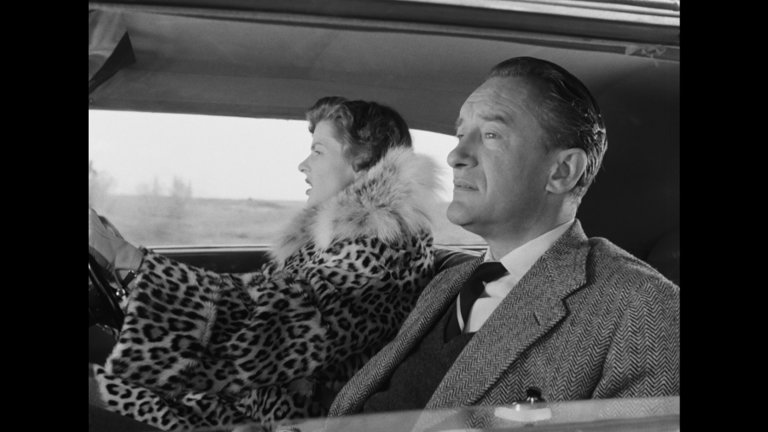
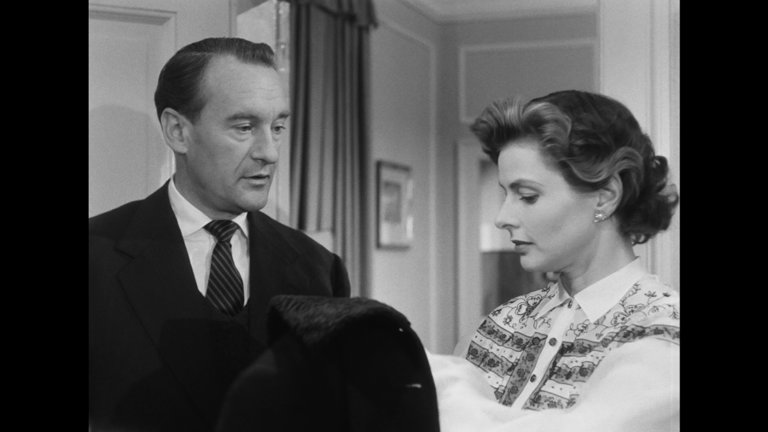
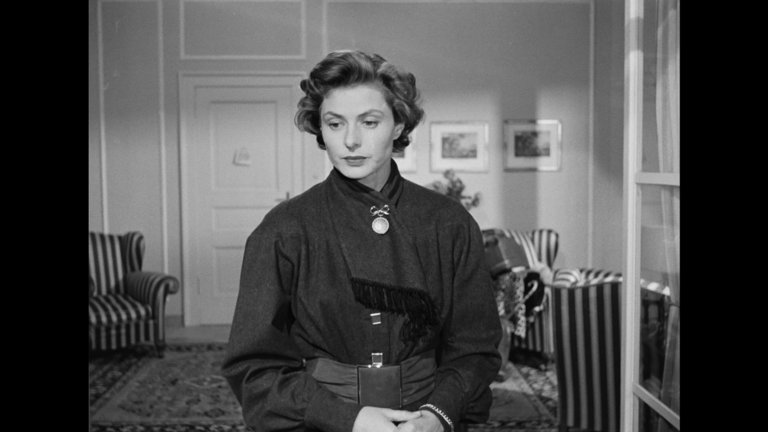
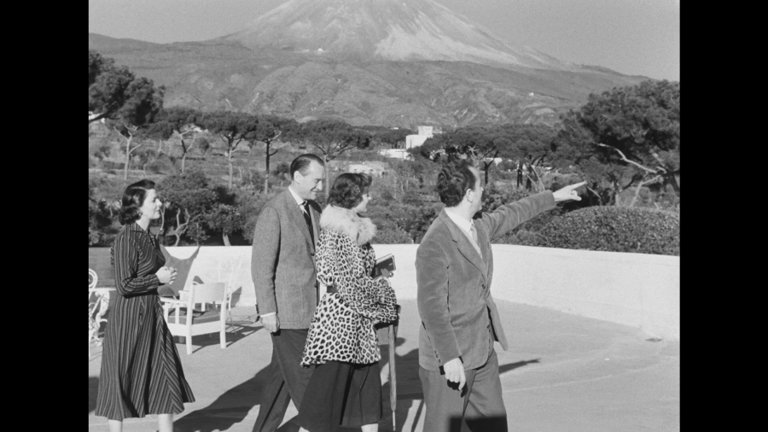
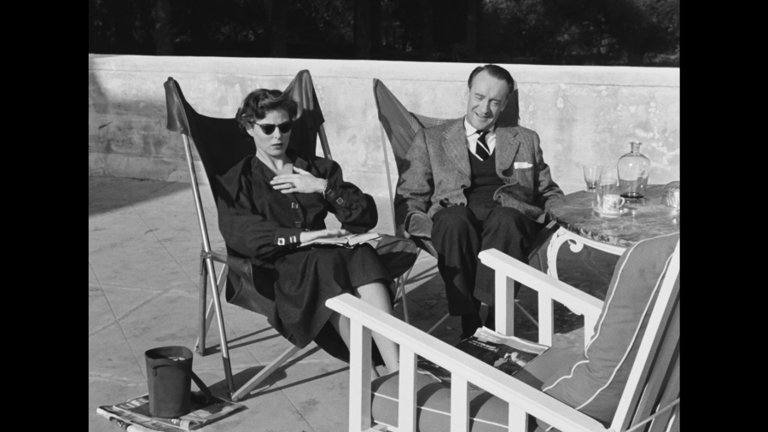
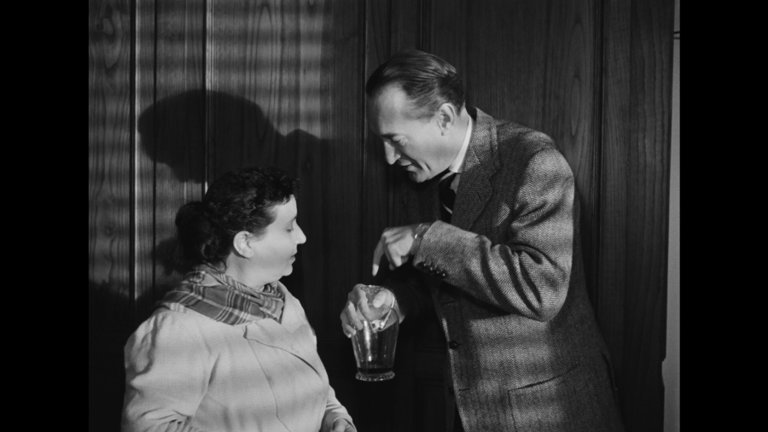
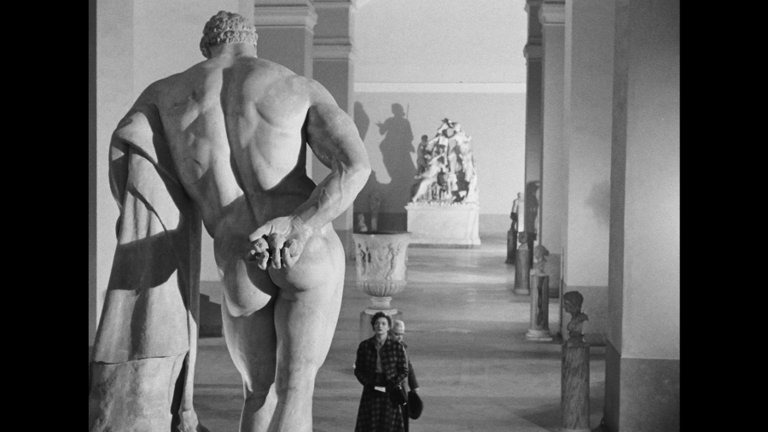
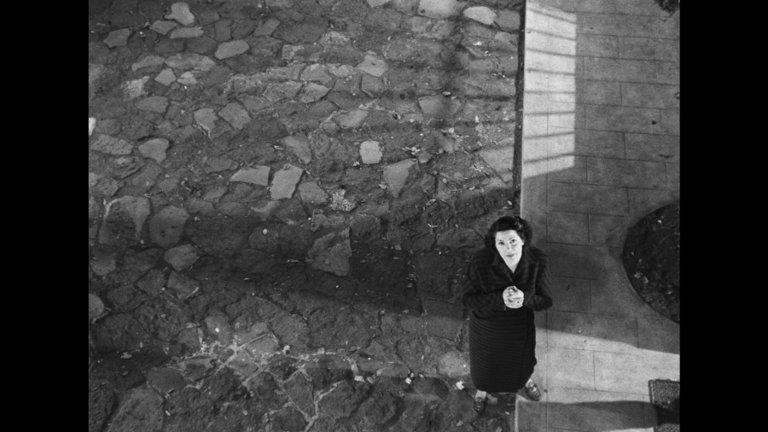
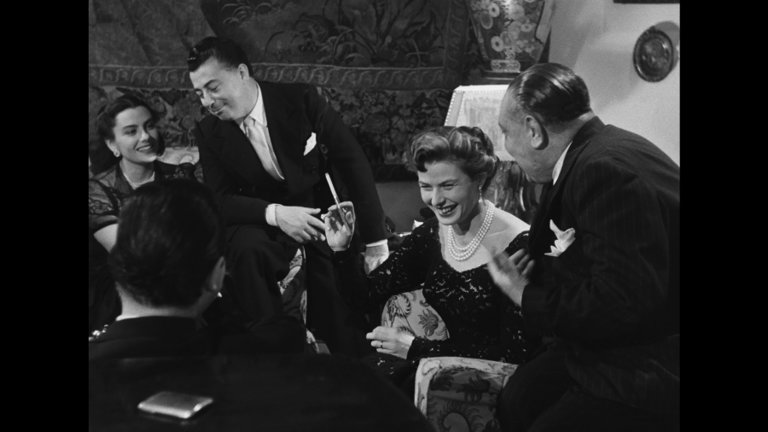
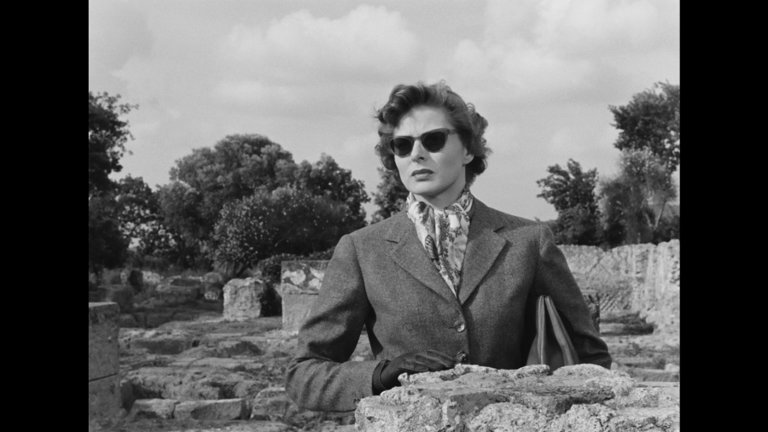
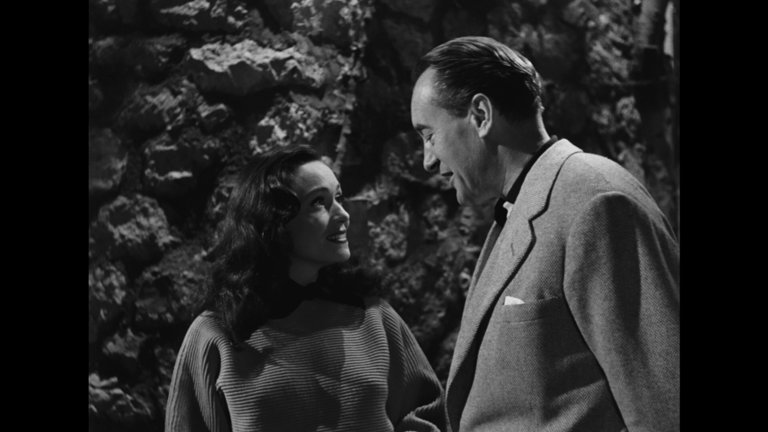
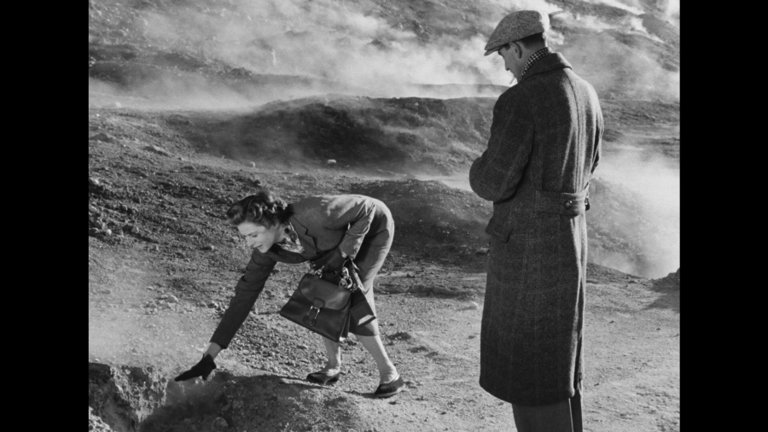
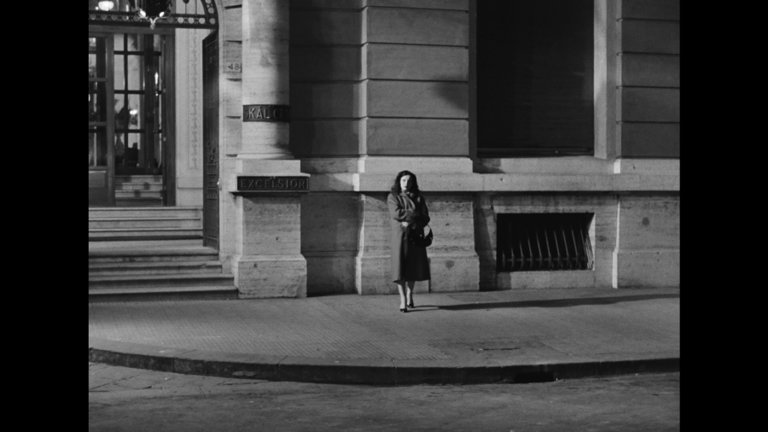
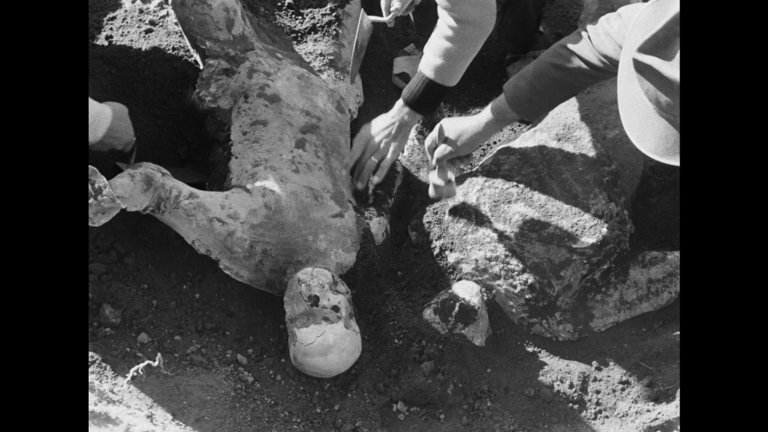
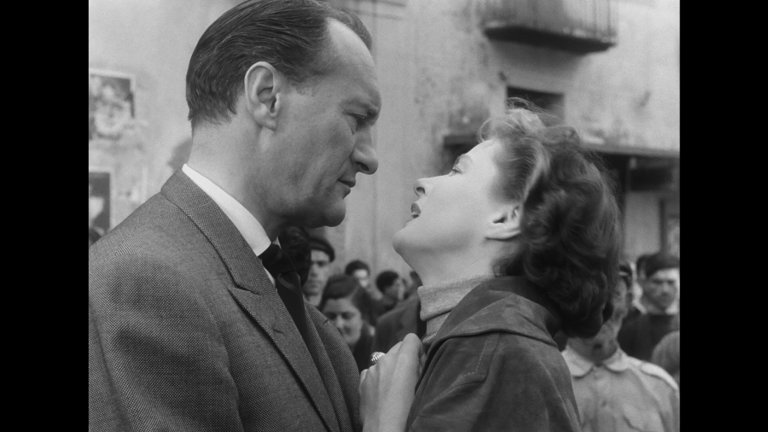
Journey to Italy - Screen Captures
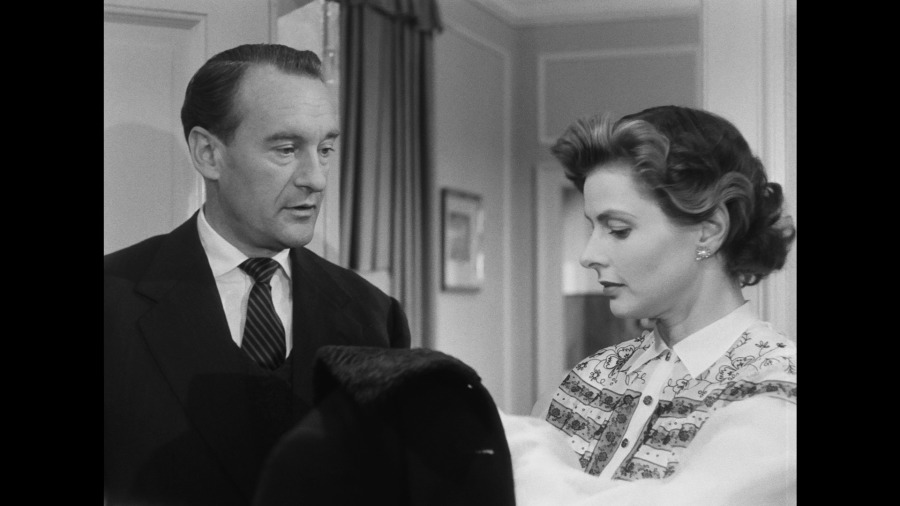
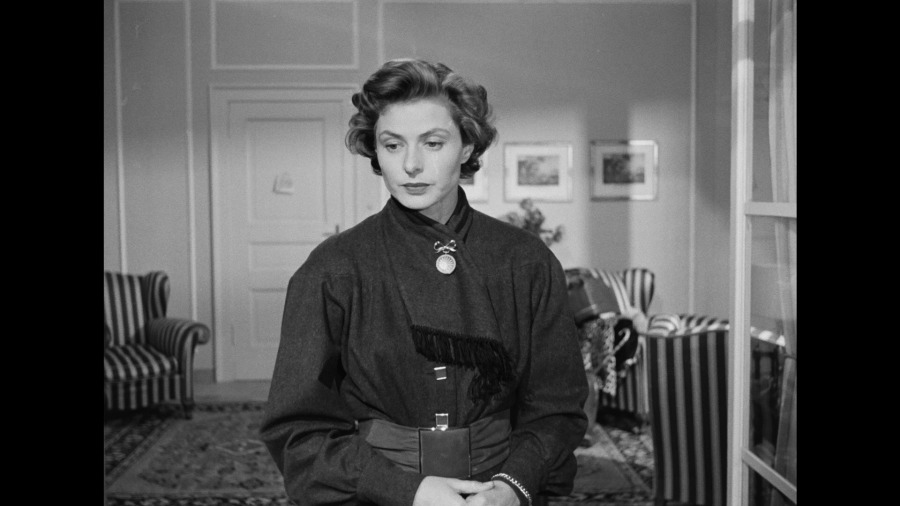
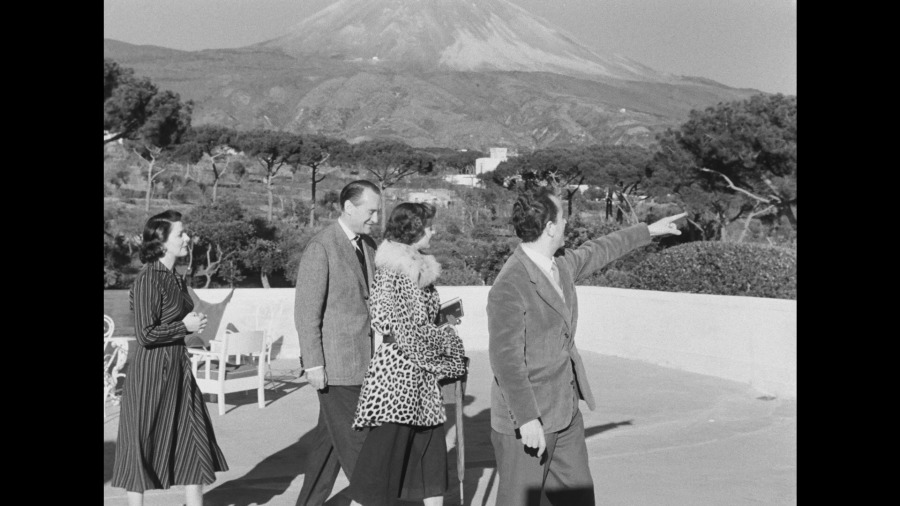
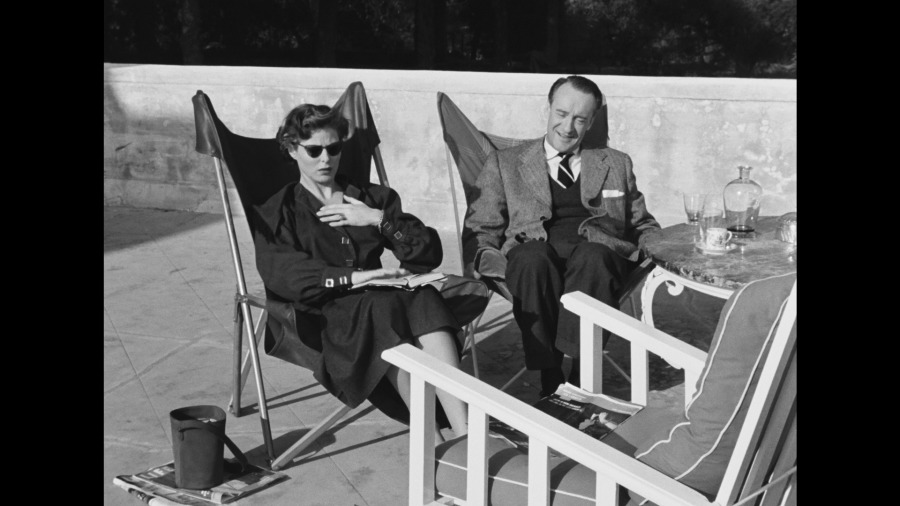
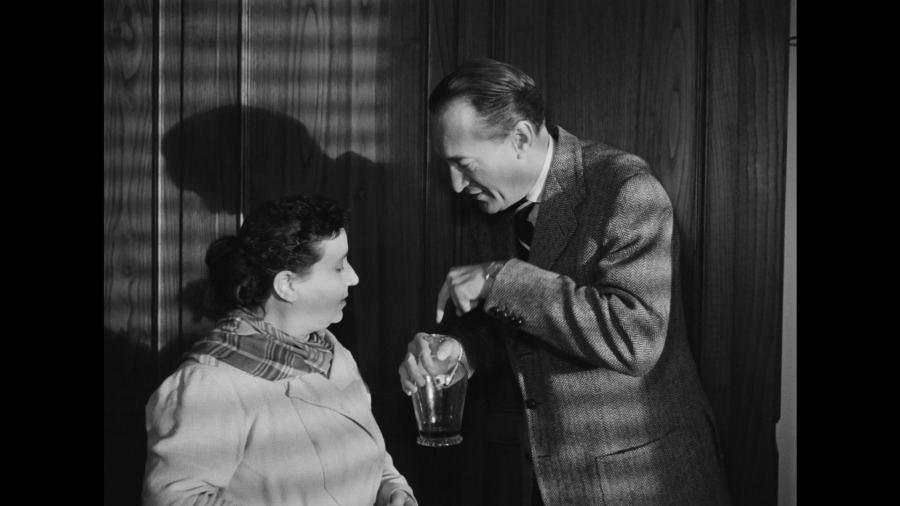
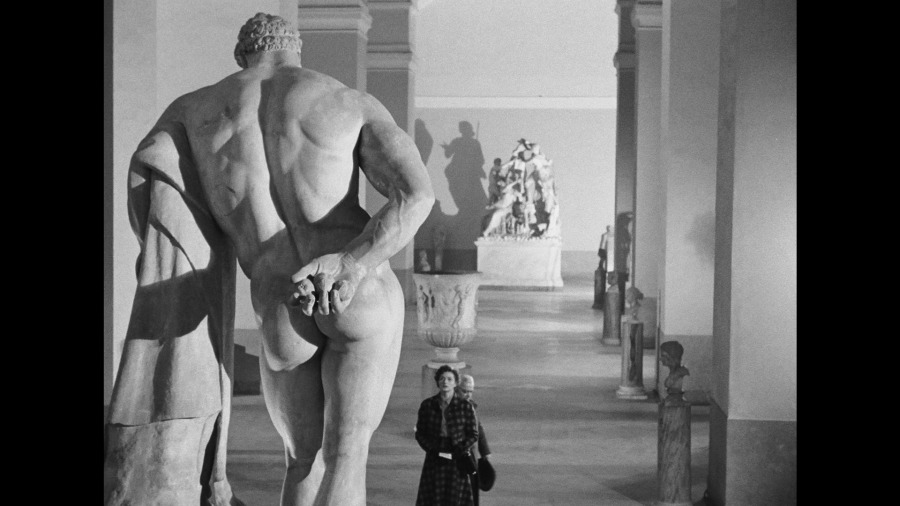
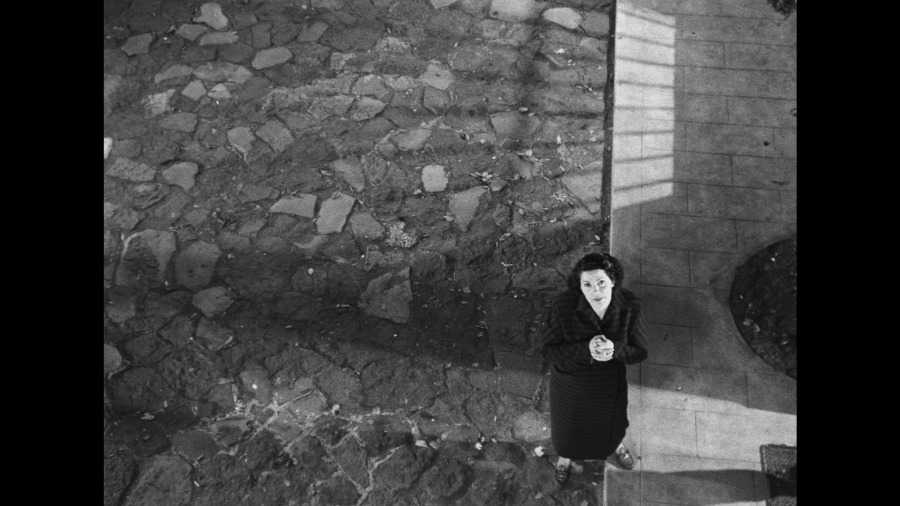
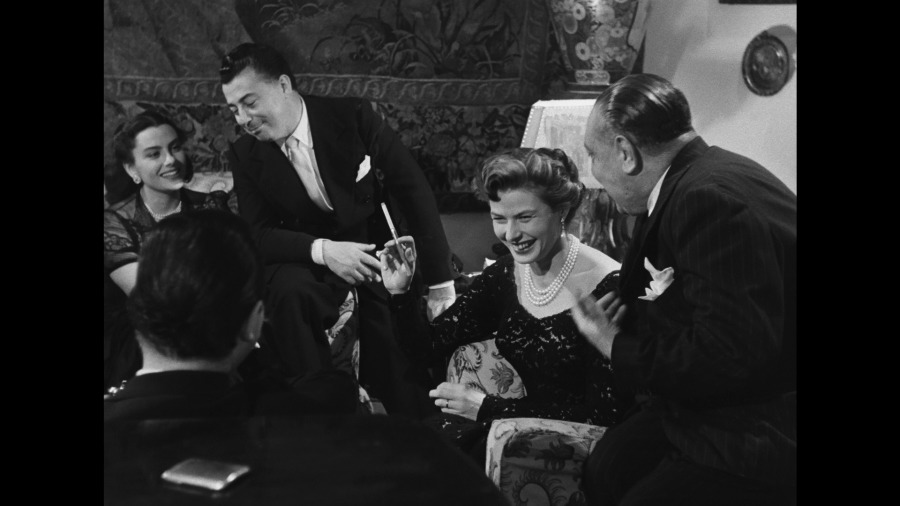
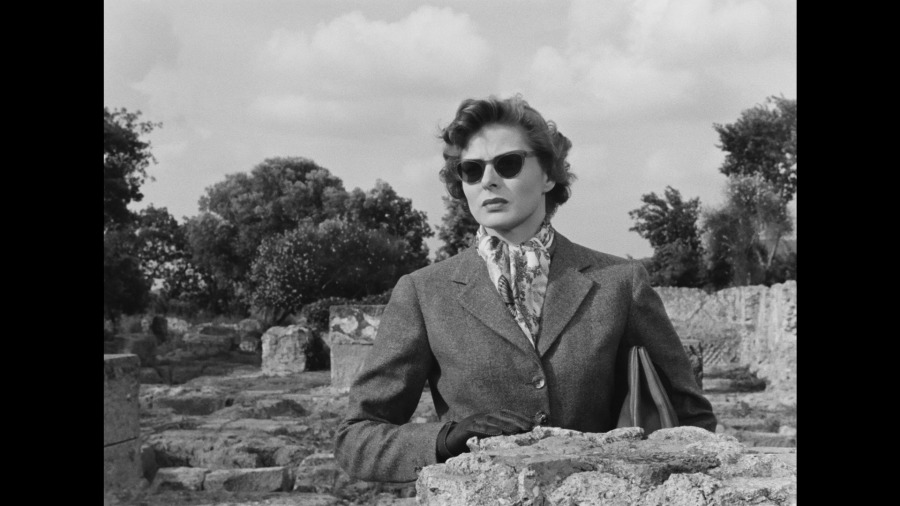
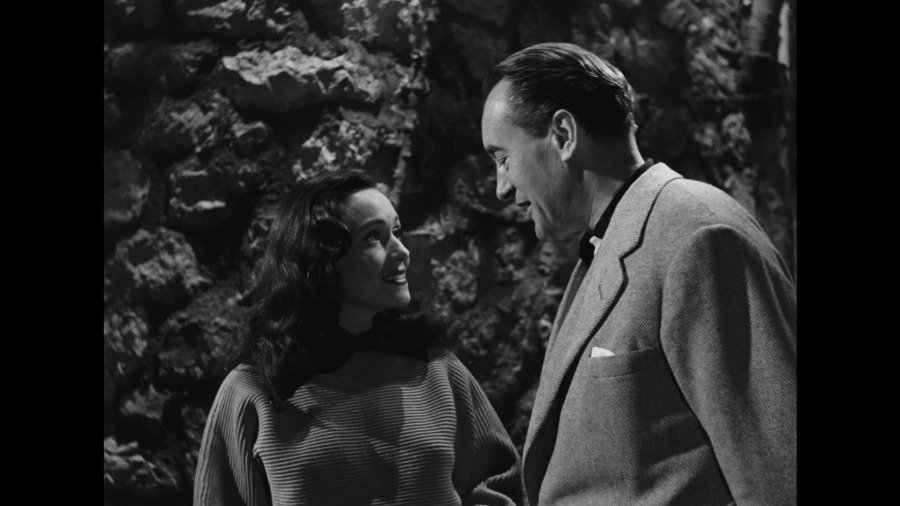
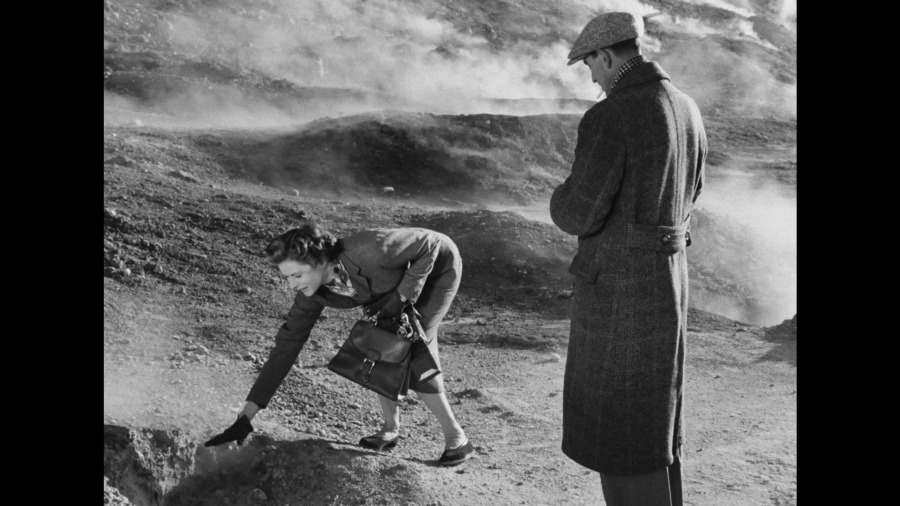
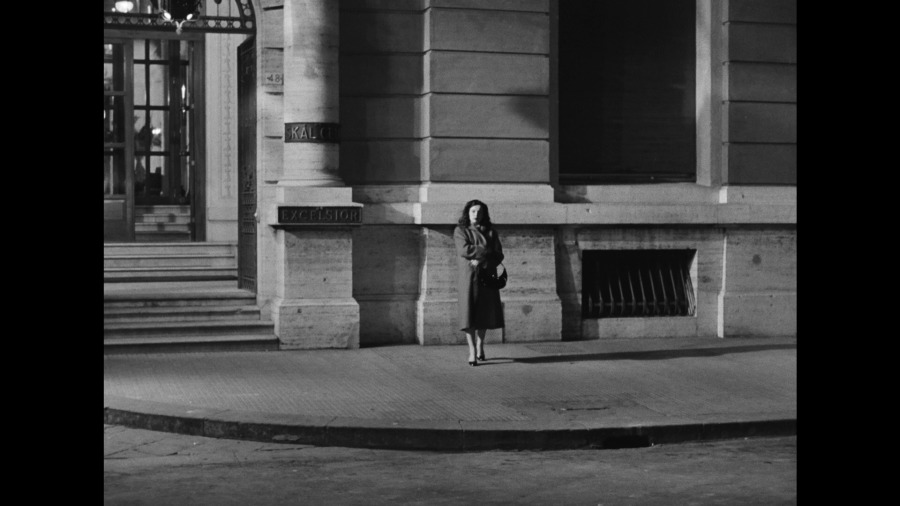
Audio 6/10
Journey to Italy also has the better audio track of the three films in the set in its English linear PCM 1.0 mono presentation. But that’s faint praise in reality. Though clear and free of noise and distortion, it’s a fairly weak track with no fidelity or range. It’s clear and dialogue is easy to hear, but that’s about it.
Extras 9/10
Part of a larger 4-disc set, Criterion packs most of the supplements for it on the two dual-layer discs here. This disc presents supplements specific to Journey to Italy but the majority of them cover the three films as a whole, with the second disc going over Bergman’s and Rossellini’s career and relationship.
The first disc starts with an audio commentary by film scholar Laura Mulvey, recorded originally for the BFI’s DVD edition. I’m usually not a fan of Mulvey’s tracks (her track for Peeping Tom is one of the more unbearable things I’ve ever listened to) and this one is no different. It’s an incredibly stuffy piece, dry as sand, as Mulvey drones on, obviously reading from a script or notes at least, as slowly as possible, covering the film’s themes and style, saying a lot but never really offering anything revelatory or, at the very least, interesting. Also frustrating is the amount of dead space.
Like the other discs in the set this one includes another introduction by Roberto Rossellini where he quickly talks about the film for 2-minutes, followed by an interview with scholar Adriano Aprá. Here he talks about the themes of the film, particularly the clash of cultures present (which he addresses as the “culture of sewing” and “culture of draping.”) He also talks about the obvious differences in style and narrative structure between this film and the others, specifically the fact it feels like the viewer is viewing everything from the outside. It runs about 11-minutes.
Criterion next includes a wonderful 32-minute interview with the twin daughters of Ingrid Bergman and Roberto Rossellini, Ingrid and Isabella Rossellini. The two talk about their parents and the films they made together, though Isabella admits it’s hard watching them because she’s can’t detach herself from the fact that that is her mother on screen. Their parents rarely discussed their films so the sisters are basically forced to discuss their takes on each film, which have changed over the years. It’s an affectionate and enlightening interview with the two, easily one of the strongest supplements to appear in the entire set.
Popping up yet again in a Criterion supplement, director Martin Scorsese talks about the impact Rossellini’s work has had on cinema, from the neorealist Rome Open City to what he calls the first “modern” film, Journey to Italy. He even comments on actor Renzo Cesana, who appears in the film, and his famous “Continental” character, who was parodied by Christopher Walken on Saturday Night Live. It runs 11-minutes.
Criterion then includes a couple of visual essays, the first entitled Living and Departed by Tag Gallagher, which runs 23-minutes. It first looks at the impact the death of Rossellini’s son had and then looks at the development in style from Stromboli to Journey to Italy, as well as how he worked with his cast. Surprised by Death by James Quandt runs a little long (in my opinion) at 39-minutes, but offers a fairly in-depth analysis of all three films and the shared plotlines, situations, and themes that he argues runs parallel to the lives and relationship of Bergman and Rossellini. Though the Quandt one may ramble a bit both essays are still preferable critical alternatives over Mulvey’s commentary.
The first disc then closes with a 5-minute movie reel showcasing the Rossellini’s in Capri. In Swedish it simply follows Bergman around during the shoot of Journey to Italy, with footage of the twins Isabella and Ingrid being led around by their nanny. A rather amusing inclusion.
The second dual-layer disc presents the remaining features for the set, which are more general in nature and not specific to any of the films. The first feature is the 62-minute documentary Rossellini through His Own Eyes, made in 1992. Made up almost entirely of archival interviews with the director (with audio interviews playing over various behind-the-scene bits and archival footage) the director recalls his early life, how he got into film, his political beliefs and how they were formed, and the documentary focuses on some of his favourite films, The Flowers of St. Francis in particular. There isn’t an awful lot about Bergman and their films together, but it does offer some insights into his historical films and then some time on the omnibus film Ro.Go.Pa.G. With some quick interviews with others it’s a rather concise if truncated look at the life and work from Rossellini through his own interviews (and a few others including Bergman and Anna Magnani.)
Bergman then gets some focus with the 50-minute documentary Ingrid Bergman Remembered, which is hosted by Bergman’s first daughter Pia Lindström. In covering the actresses’ career—from Hollywood to Rossellini’s films to banishment from the affair to her return in Anastasia—it’s standard fare, covering all one would expect, but it is probably at its best when it gets a little more personal when Lindström or Isabella Rossellini recall their mother and large family, with Isabella fondly recalling her excitement at having an “American sister” in Lindström, whom she gladly showed off. The set as a whole does go into great detail about the affair between Rossellini and Bergman and the scandal that followed, so when this documentary gets into more detail about it (the feature does focus a lot of time on it) there is a been-there-done-that feeling but it’s still a pretty decent biography of Bergman with some great home movies, including footage shot of her when she was 3 by her photographer father, all which is very touching and even heartbreaking.
Criterion then pulls in another family member to talk about Bergman and Rossellini in their niece G. Forella Mariani, who was very close with Bergman, who naturally felt like an outsider when she first joined the family. She talks about her personality and how she saw her job as an actress, which was just that, a “job” as an anecdote she shares hints at. She also talks about how she helped her in her own life. Along with the interviews with Bergman’s daughters found throughout the supplements this is another wonderful personal interview offering a peak at the family.
Criterion next includes a tribute to Roberto Rossellini called My Dad is 100 Years Old, directed by Canadian director Guy Maddin and starring Isabella Rossellini. In it Isabella talks about her father, his films, and his thoughts on the Hollywood system, with her father being represented here by a rumbling stomach (I doubt I could adequately explain why this is) while taking on the roles of various other film personalities including Fellini, Hitchcock, and even Selznick, who is of course the one who brought Bergman to Hollywood. It’s told with Maddin’s usual visual style which is going to be what attracts or repulses viewers.
The disc supplements (and the set as a whole) then closes with the 1952 short film The Chicken, directed by Rossellini and starring Bergman for the omnibus film Siamo donne. In it Bergman talks to the audience directly, telling of an incident involving her and a malevolent chicken that was determined to destroy her rare roses. It’s a more humourous outing for the two and actually fairly amusing.
I could have lived without the commentary but the remaining material is all rather good, delivering some wonderful analysis of the film and a fantastic overview of the work between Bergman and Rossellini.
Closing
The Rossellini/Bergman set is an impressively put together package, but the star of it is Journey to Italy, which delivers the best transfer and set of supplements.
BUY AT: