Killers of the Flower Moon
BUY AT:


See more details, packaging, or compare
Synopsis
An epic elegy of greed, betrayal, and murder, Martin Scorsese’s masterly adaptation of David Grann’s true-crime best seller unfolds in 1920s Oklahoma, where the discovery of oil brings extraordinary wealth to the Osage people. Into their world comes ne’er-do-well army veteran Ernest Burkhart (Leonardo DiCaprio), who joins his duplicitous uncle (Robert De Niro) in a horrifying scheme to rob the Osage of their money and land. Lily Gladstone charges the film with her transcendent performance as Burkhart’s Osage wife, Mollie Kyle, gradually awakening to the evil that surrounds her. With Killers of the Flower Moon, Scorsese brings a dark chapter of American history to the screen with gripping narrative power and a profound feeling for the weight of systemic injustice.
Picture 9/10
Previously only available in North America through Apple’s streaming service, Martin Scorsese's Killers of the Flower Moon receives a physical 4K UHD release from The Criterion Collection, who present the film with Dolby Vision on a triple-layer disc in the aspect ratio of 2.39:1. The 2160p/24hz ultra high-definition presentation comes from a supplied digital master. The release also includes two standard dual-layer Blu-rays: one featuring the film in 1080p high-definition, and the other containing all of the release’s special features.
I also have the Italian Eagle release of the film, and outside of now getting the intertitles in English (they’re in Italian with English subtitles on that edition), I wasn’t expecting much of a difference. Surprisingly, I think the Criterion presentation actually betters that one, if only marginally, with the more notable improvements coming from the film’s darker scenes.
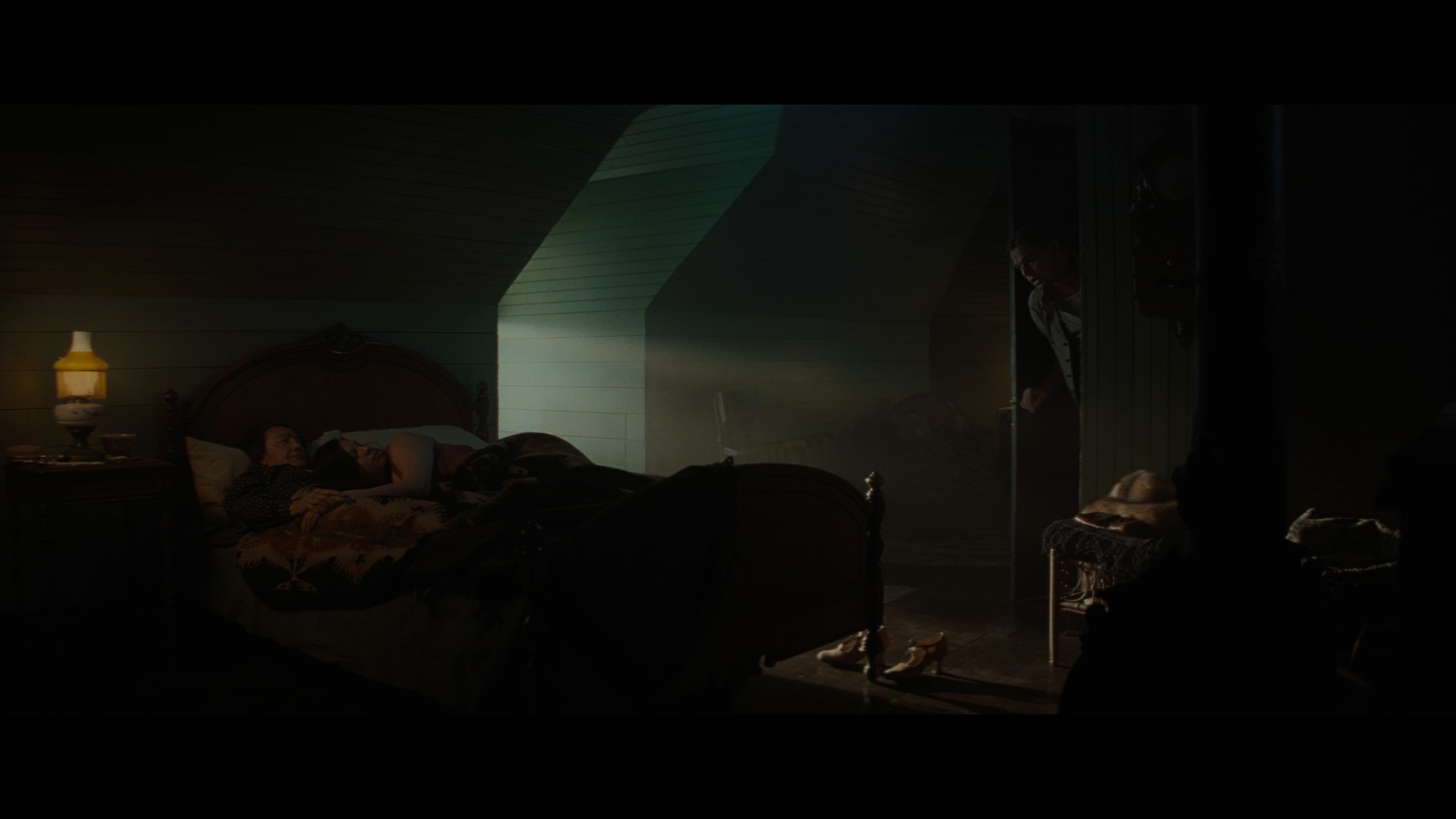
The movie was primarily shot on film, though low-lit and nighttime sequences were captured digitally, with lighting maintained through LED setups that could be adjusted for brightness and warmth (a supplement on this release goes into this in more detail). The streaming presentation is what it is, limited by compression and bandwidth, but even Eagle’s 4K could look a little flat, and at times waxy, during these sequences. I found this particularly noticeable in the opening, some of the council scenes, and the sequence inside the dimly lit Masonic temple.
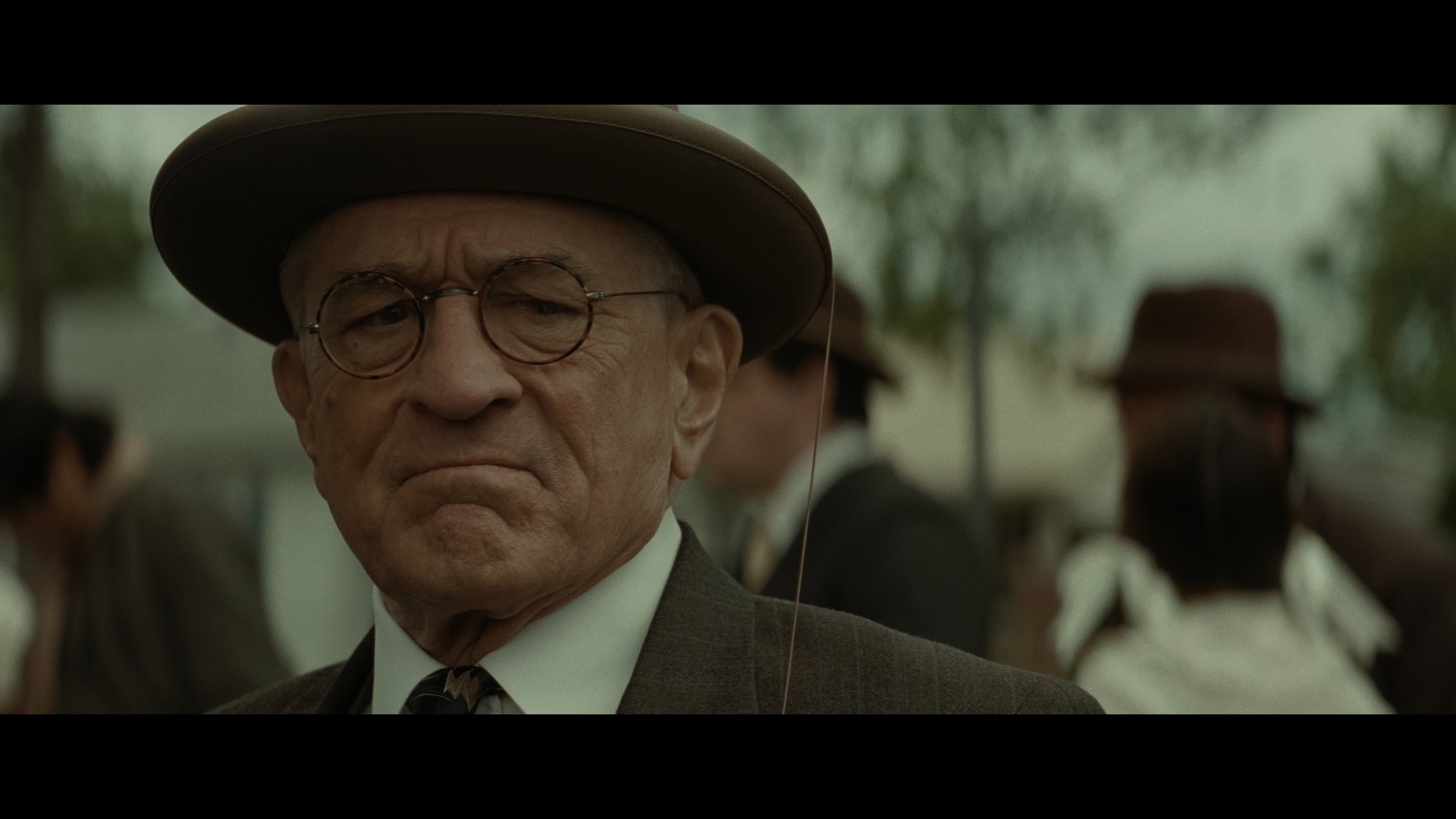
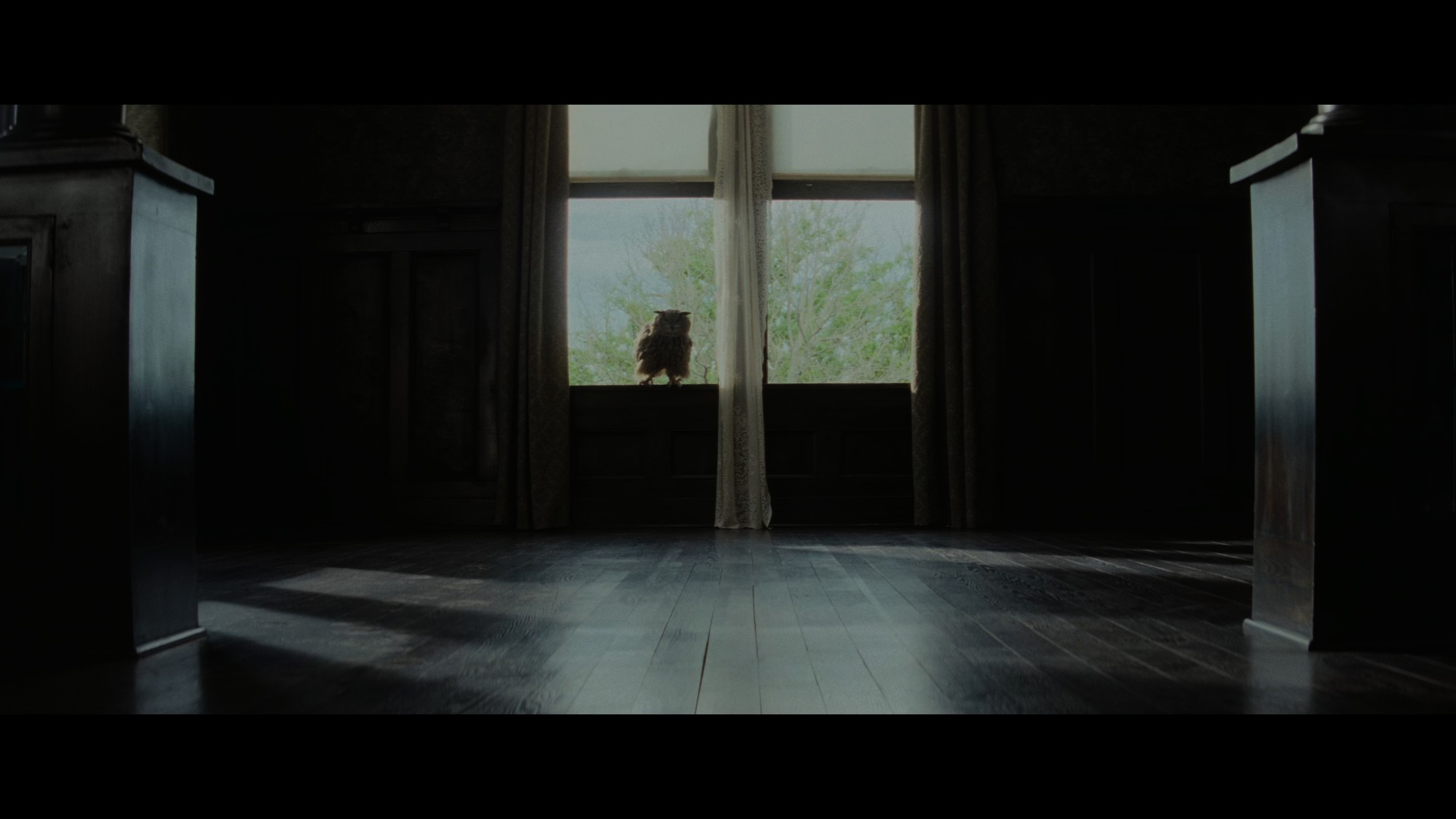
Criterion’s presentation appears to resolve finer detail more effectively in these moments, including an exterior nighttime dance sequence. Blacks remain strong, and there’s a respectable level of shadow detail thanks to HDR and Dolby Vision, which also adds a nice touch to the “magic hour” photography and scenes with headlights cutting through darkness. There are still occasional moments where faces can appear a bit waxy, though that may simply be inherent to the digital photography.
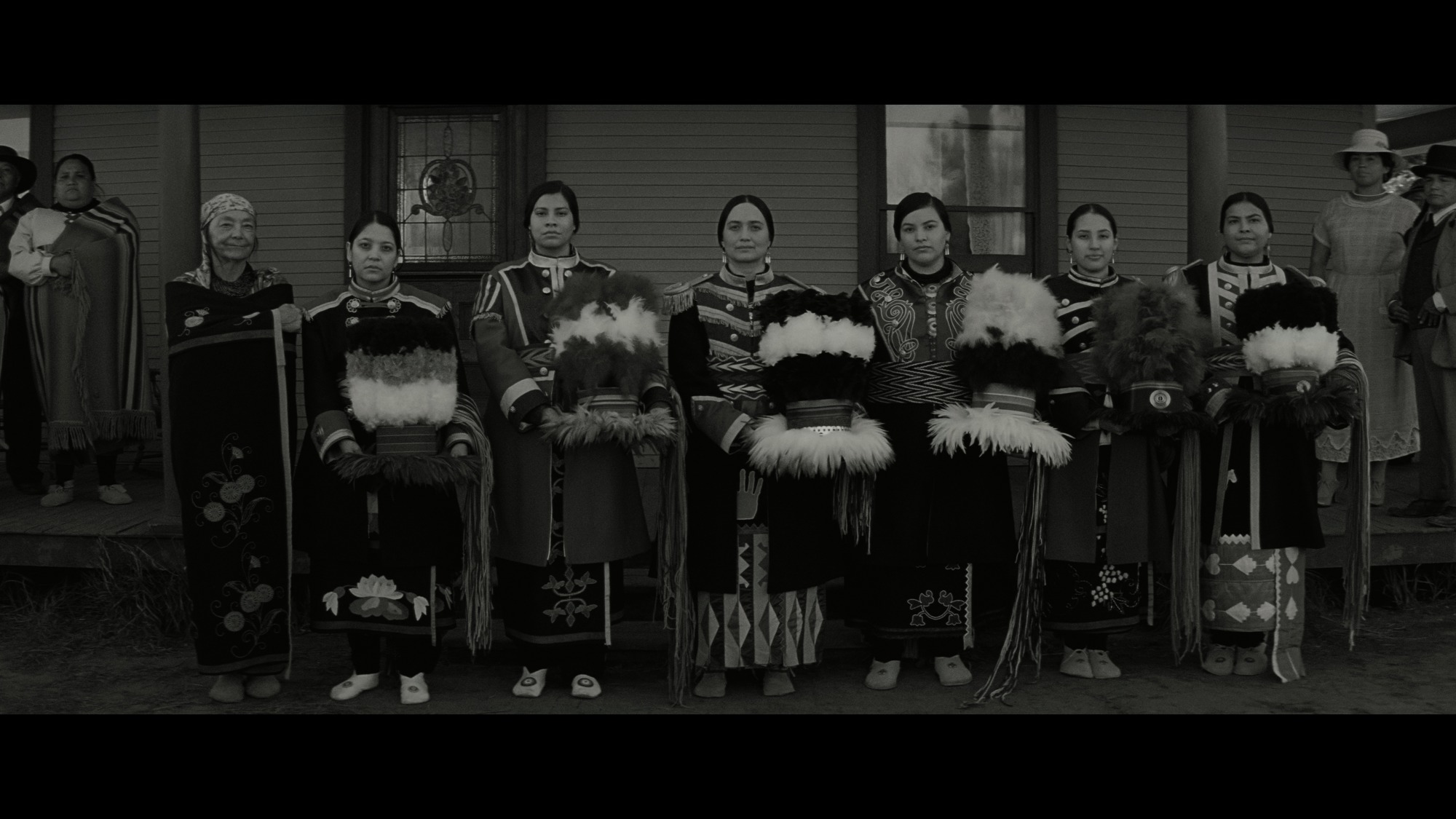
Daytime sequences, primarily shot on film, look excellent. Grain is very fine but rendered cleanly, and while Eagle’s disc handled it well enough, Criterion’s encode looks to handle it in a slightly more consistent manner. The image remains sharp throughout, with landscapes showing impressive depth, with finer textures and patterns, particularly in costumes, coming through clearly. Even the opening black-and-white “home movie” footage (some of which is genuine, as confirmed in the supplements) looks fantastic, with a wide grayscale range. Highlights are also well controlled, with no obvious noise or clipping.
In the end, Criterion is working from a supplied master from Paramount and Apple, but the encode here rises to the occasion, delivering a fantastic presentation.
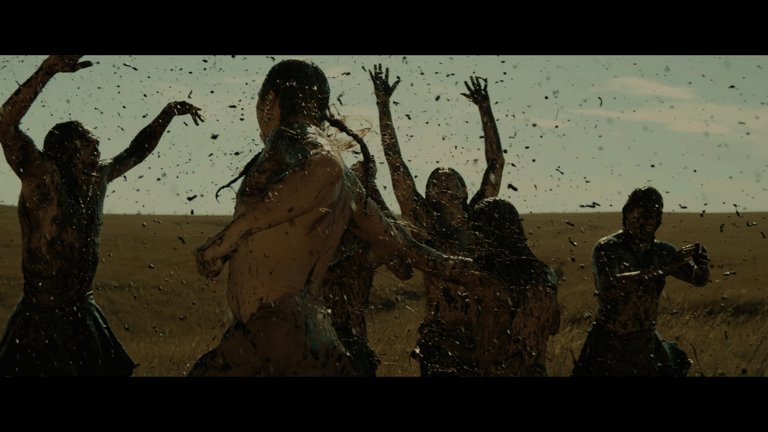
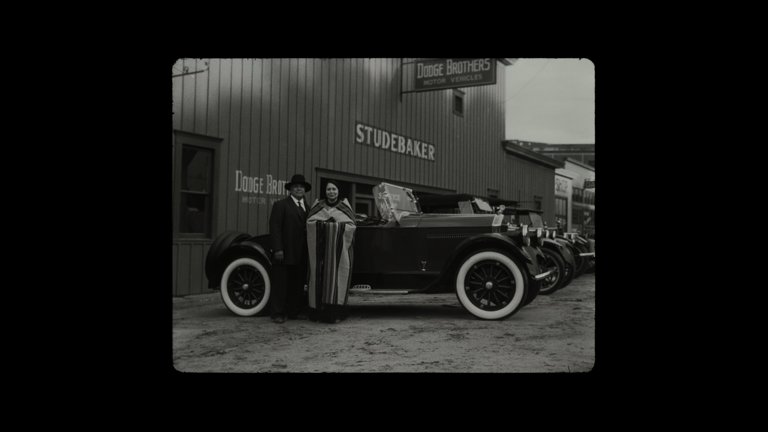
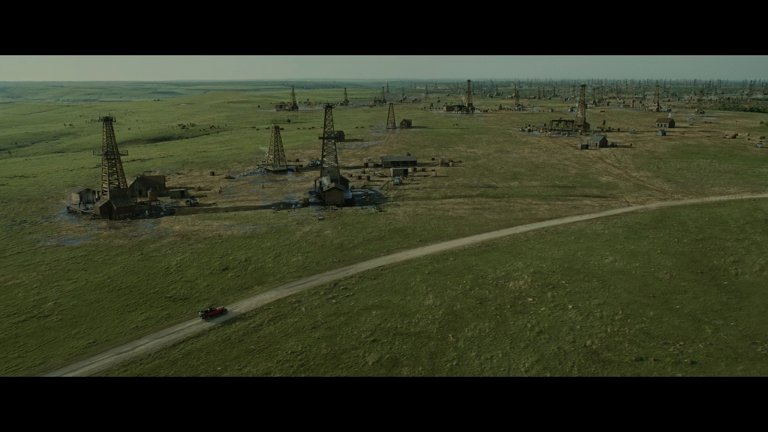
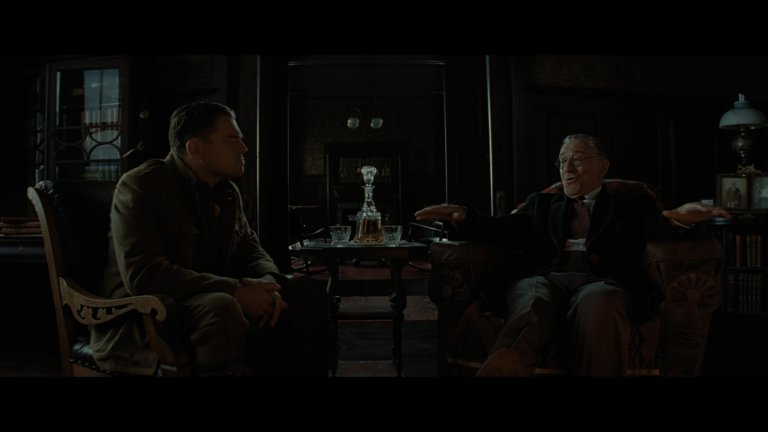
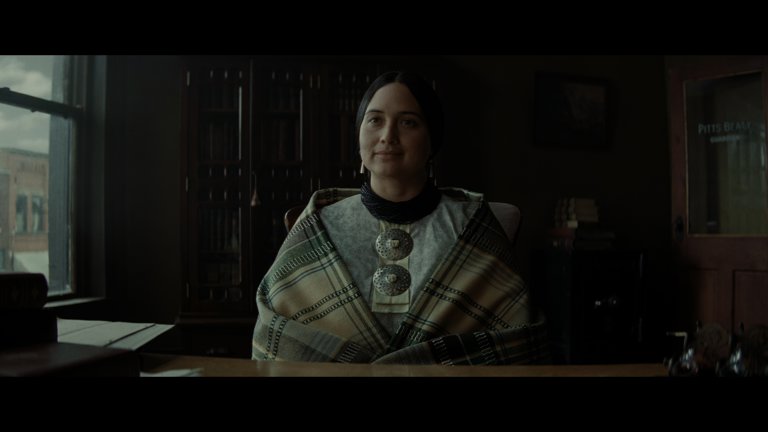
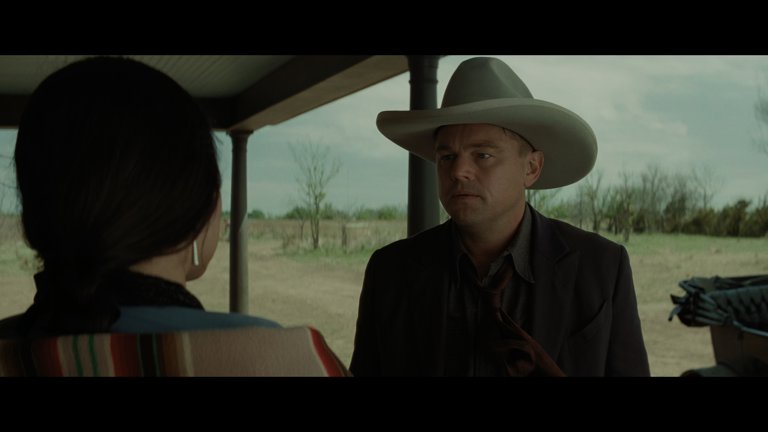
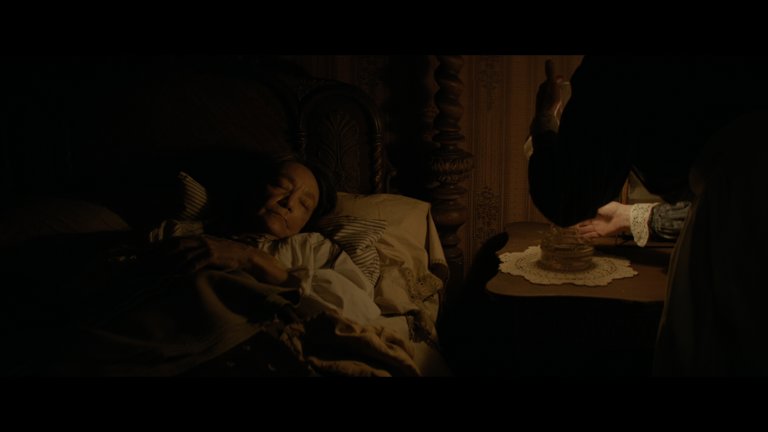
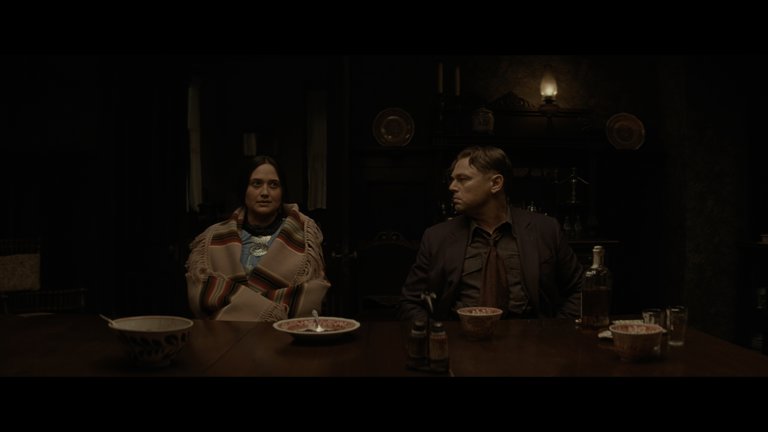
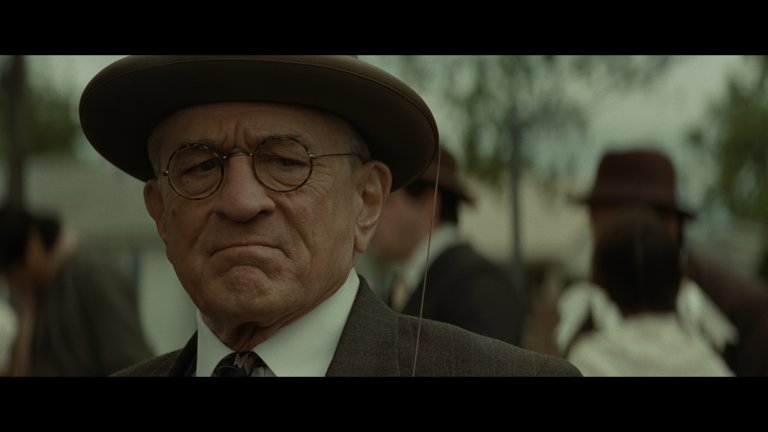
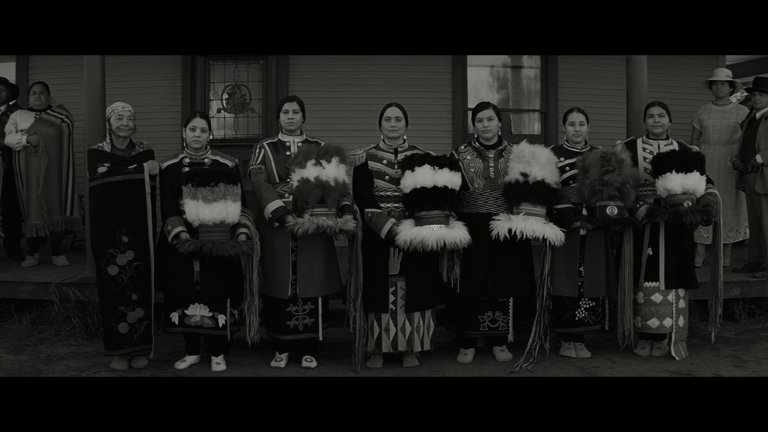
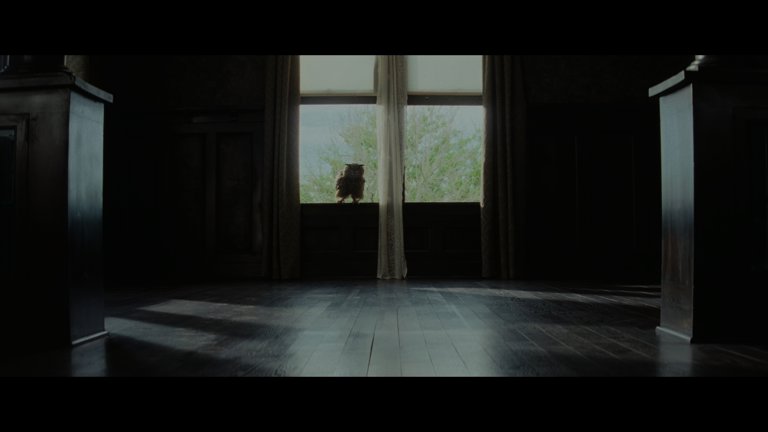
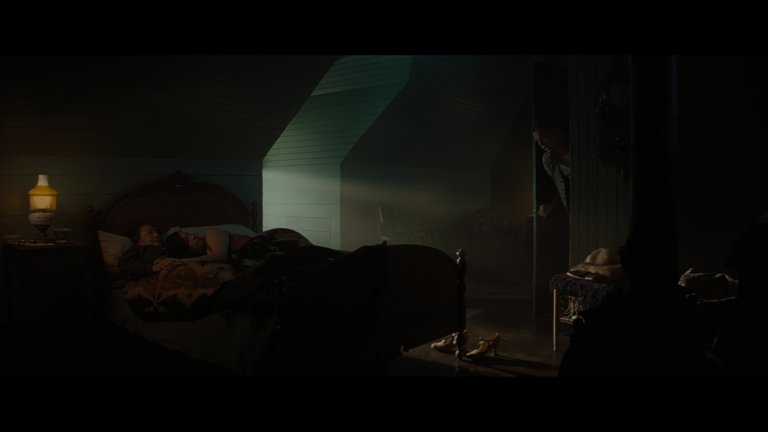
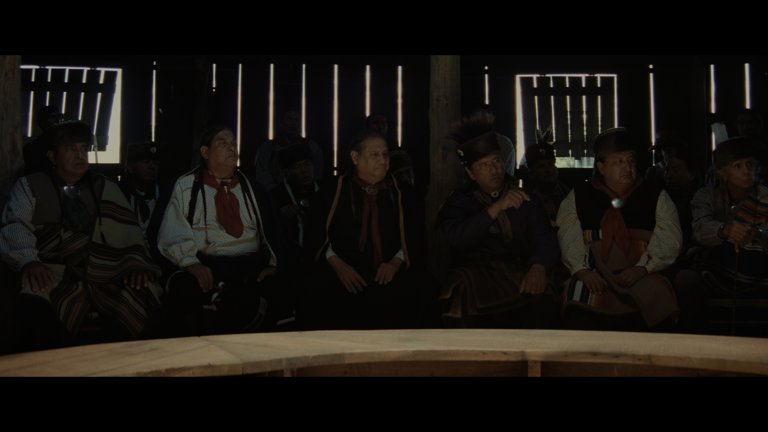
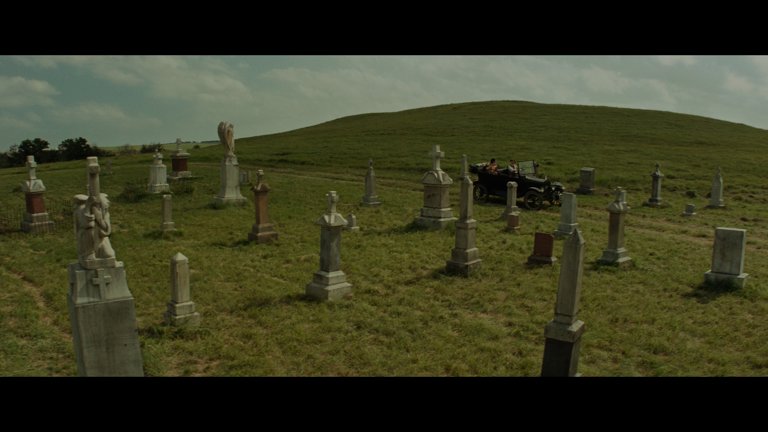
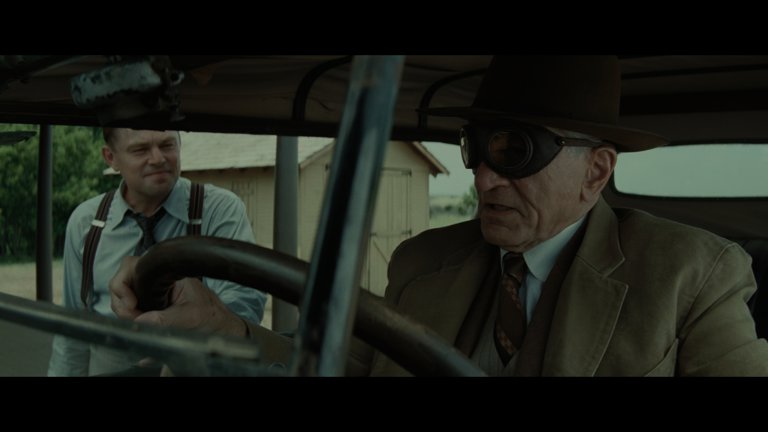
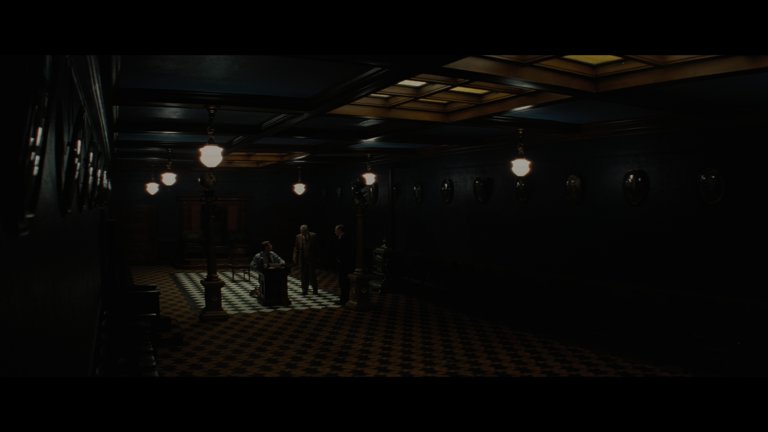
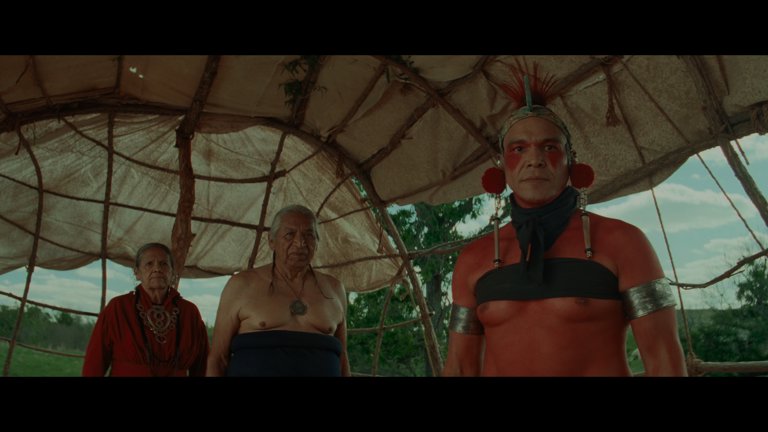
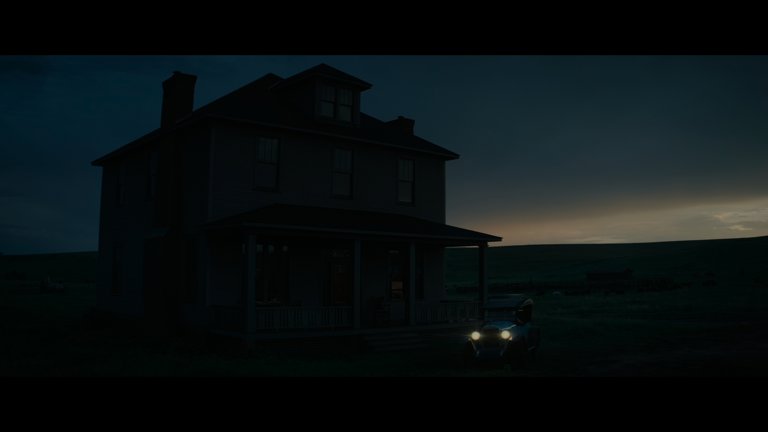
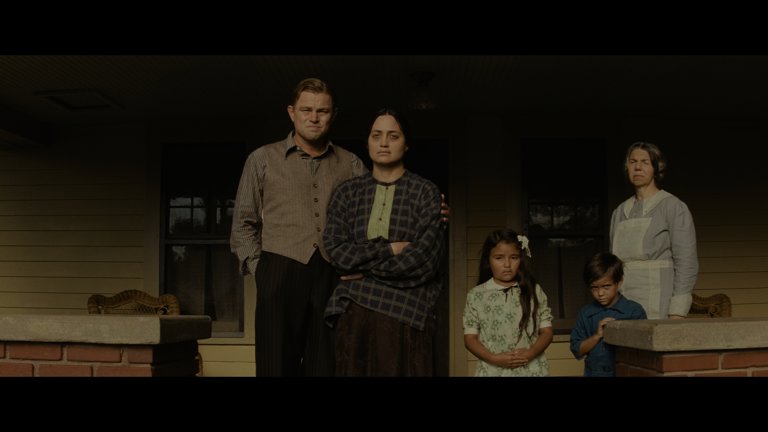
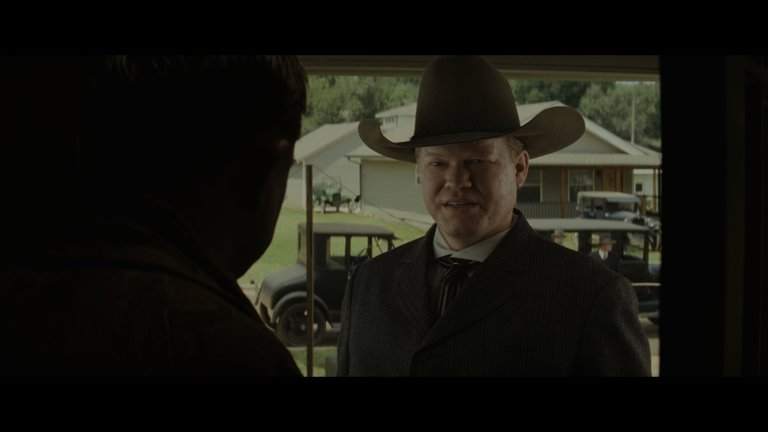
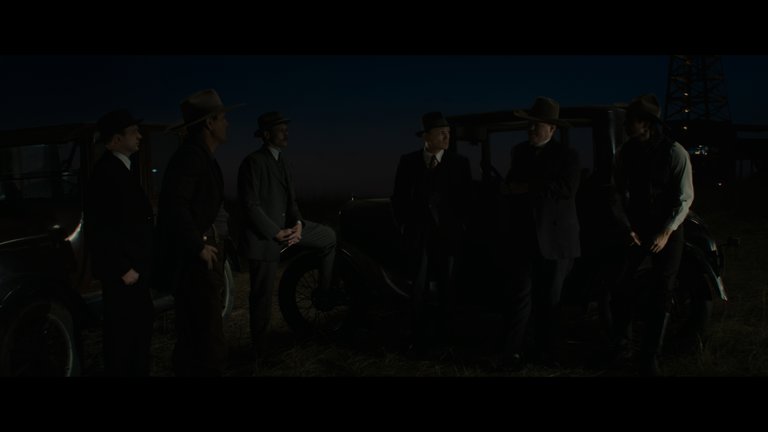
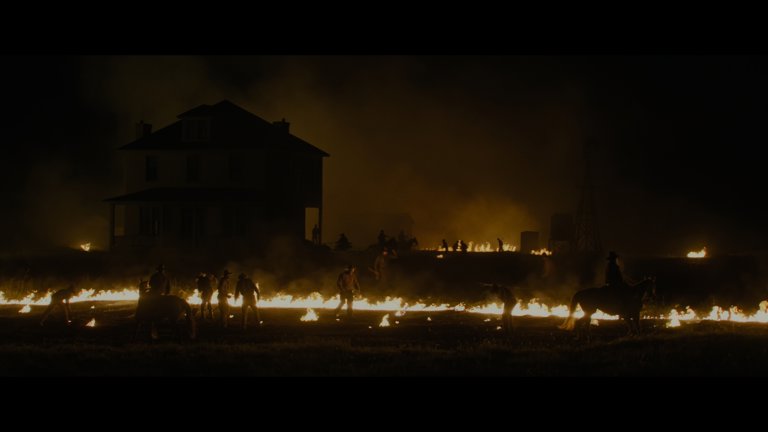
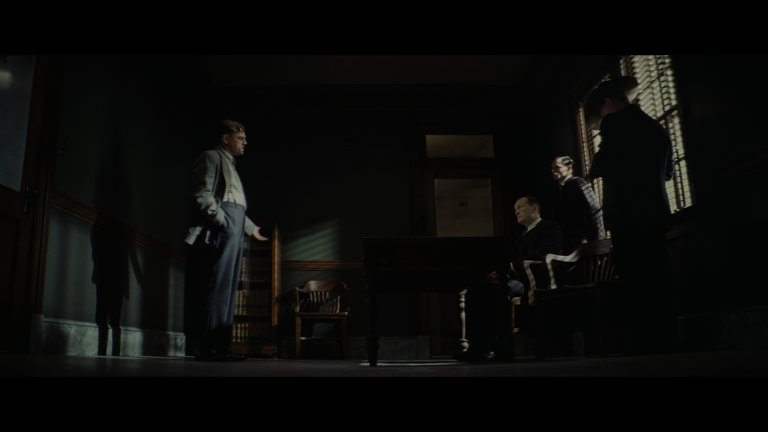
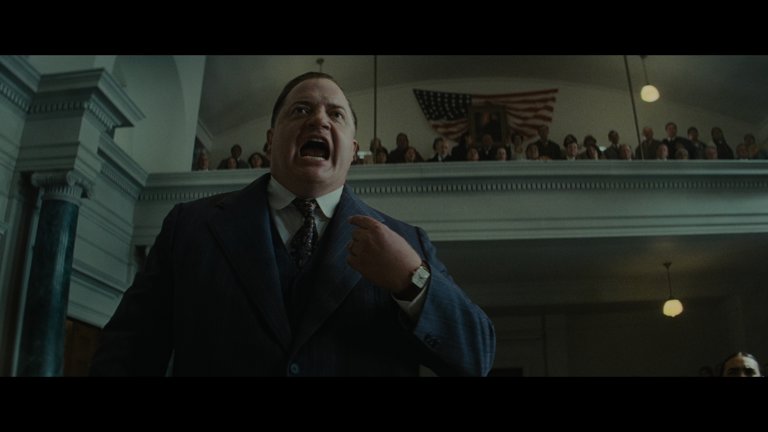
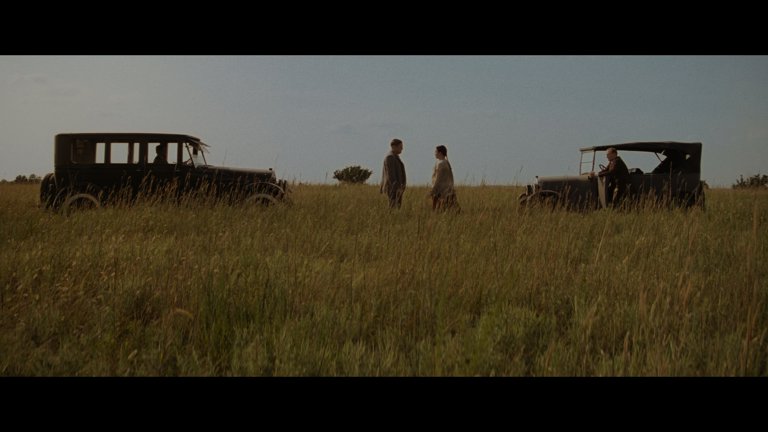
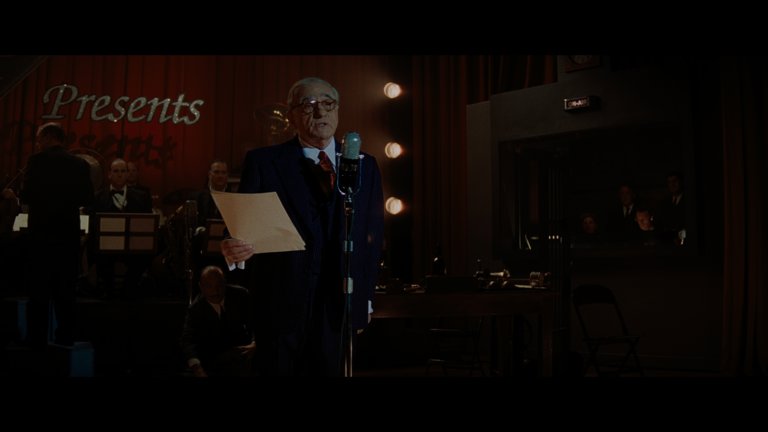
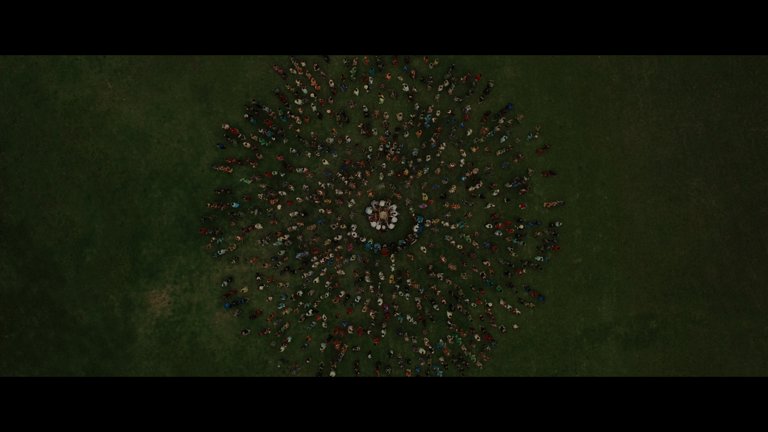
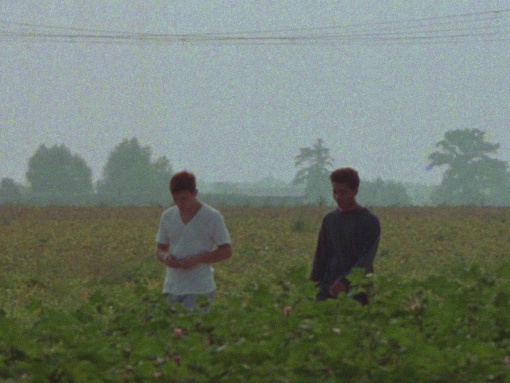
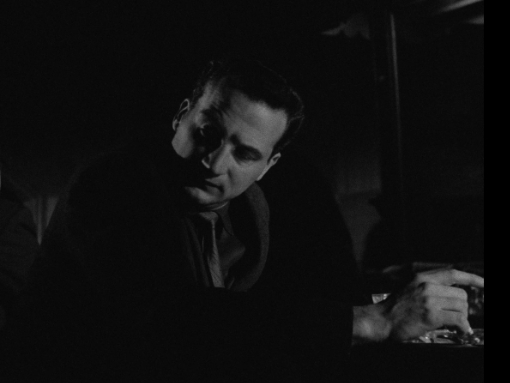
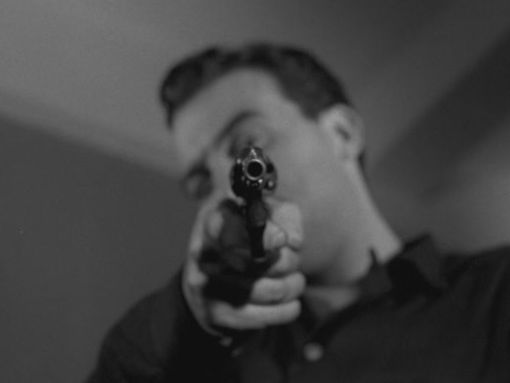
Killers of the Flower Moon - Screen Captures
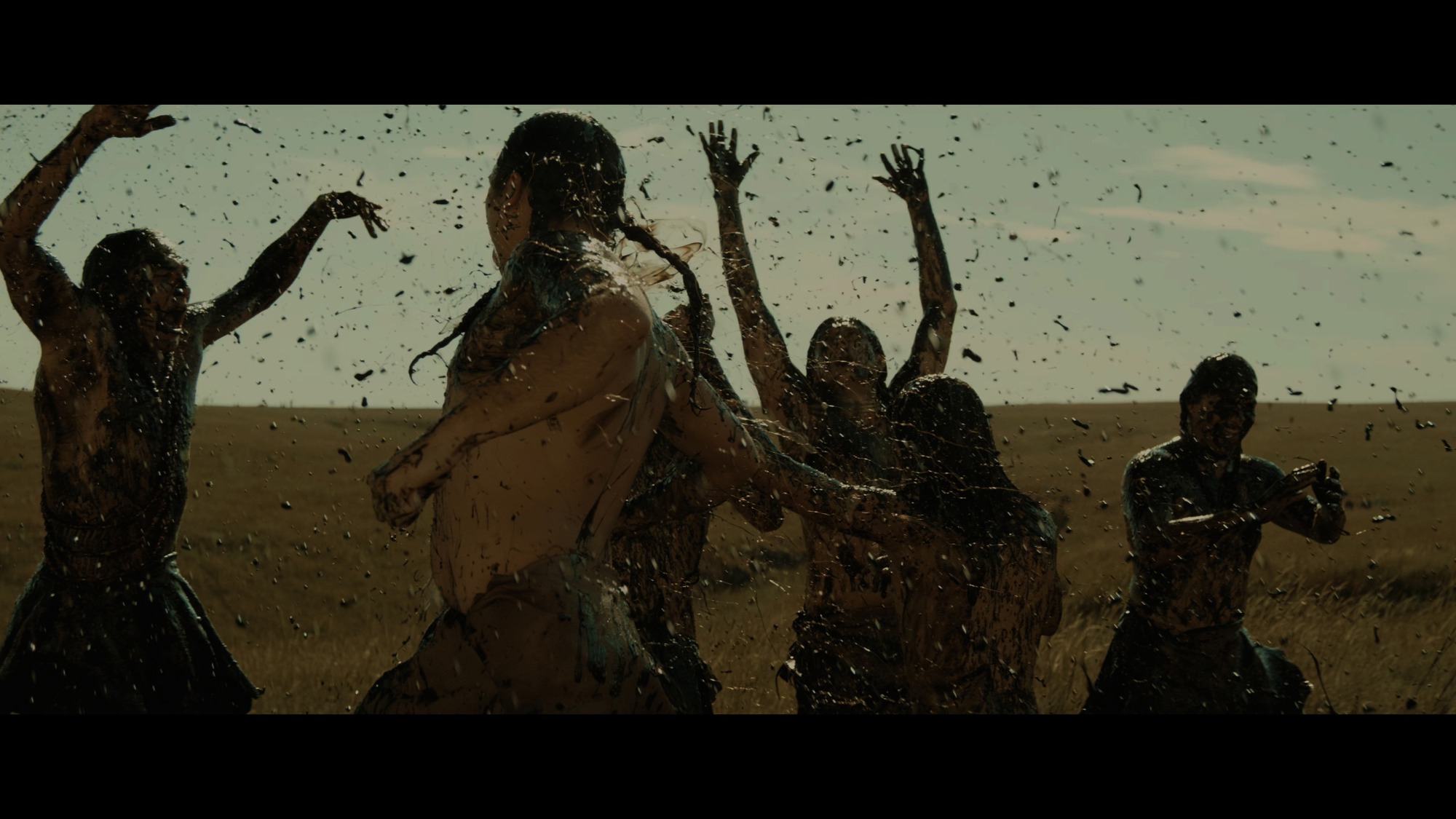
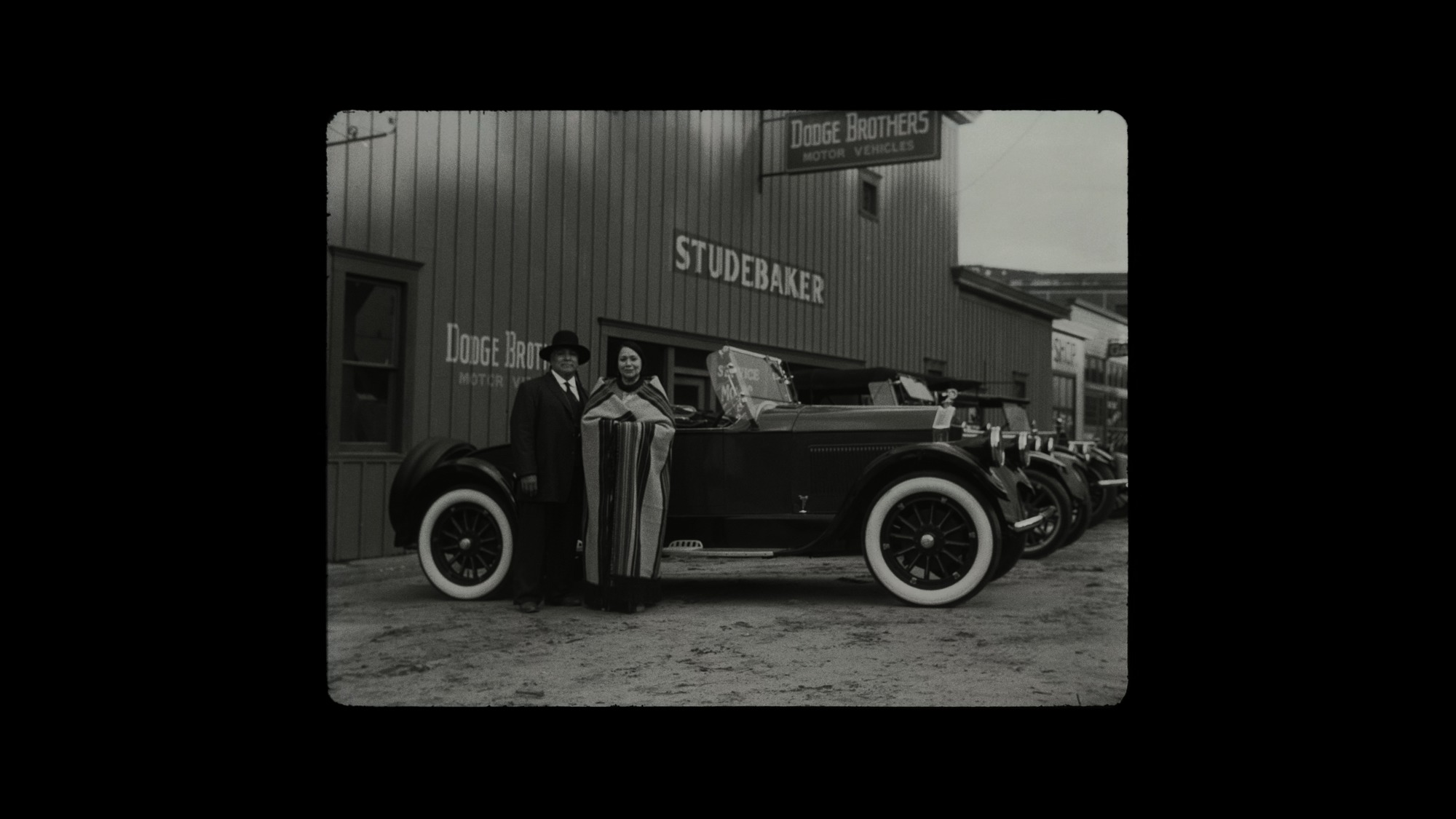
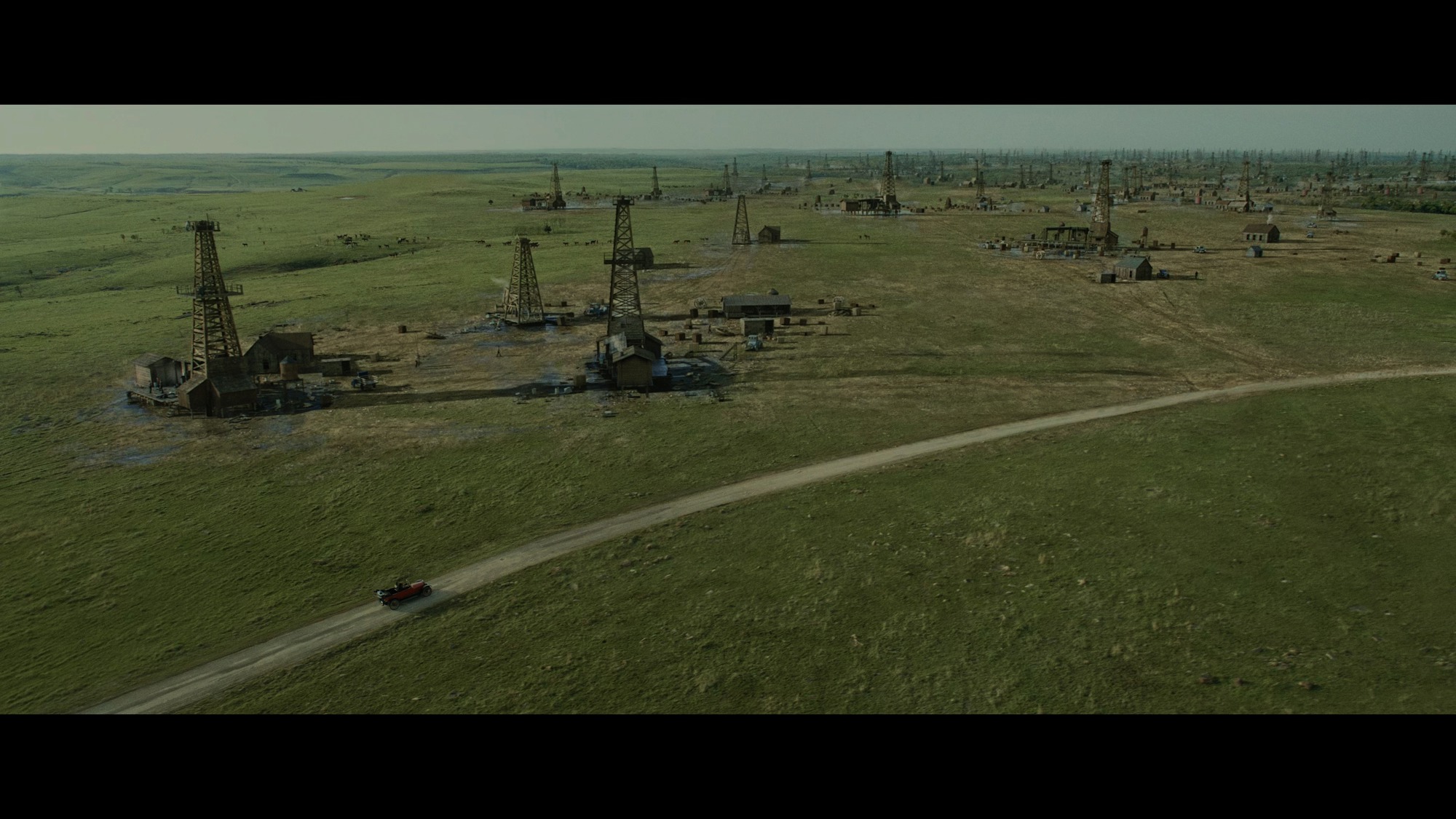
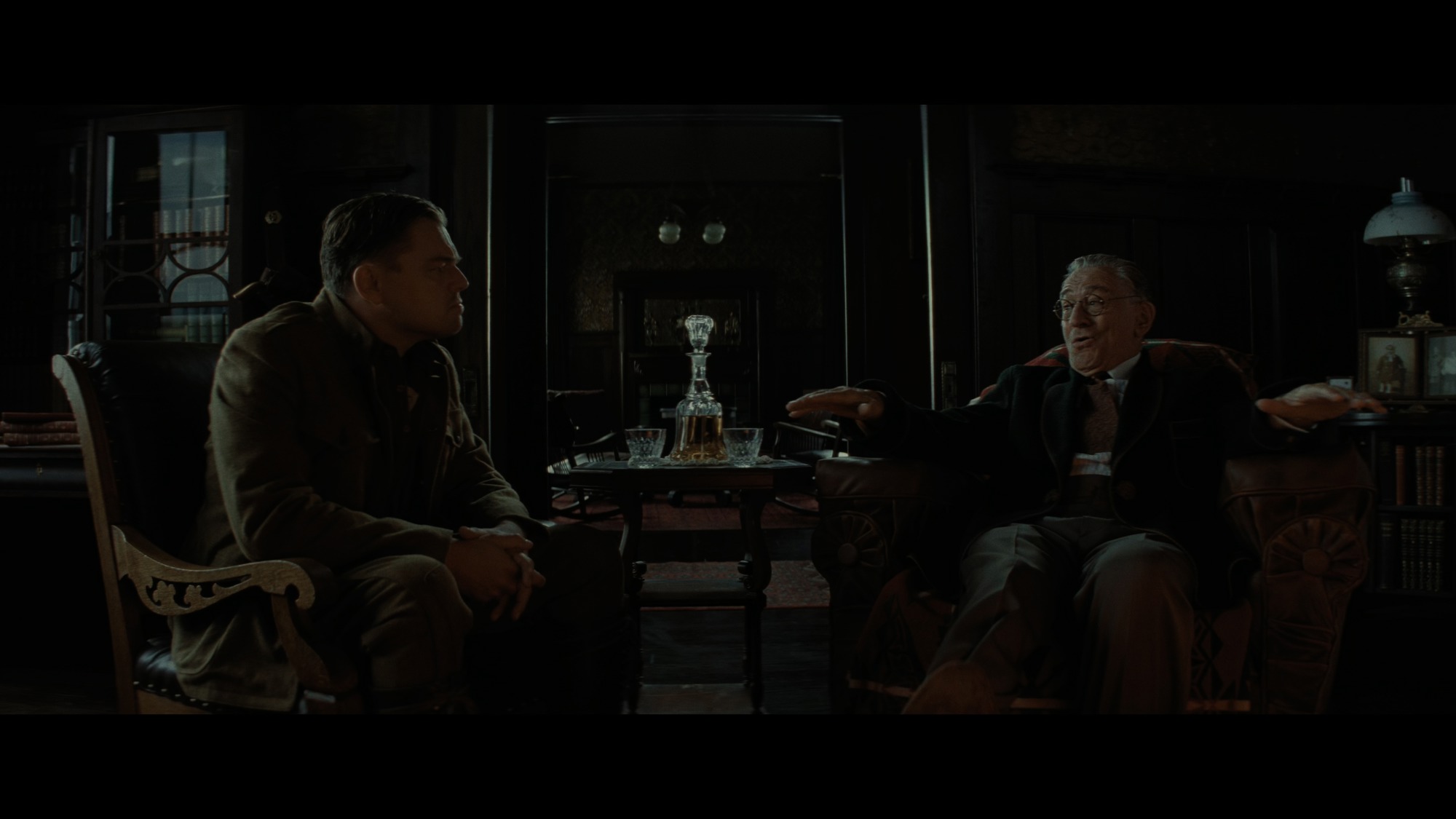
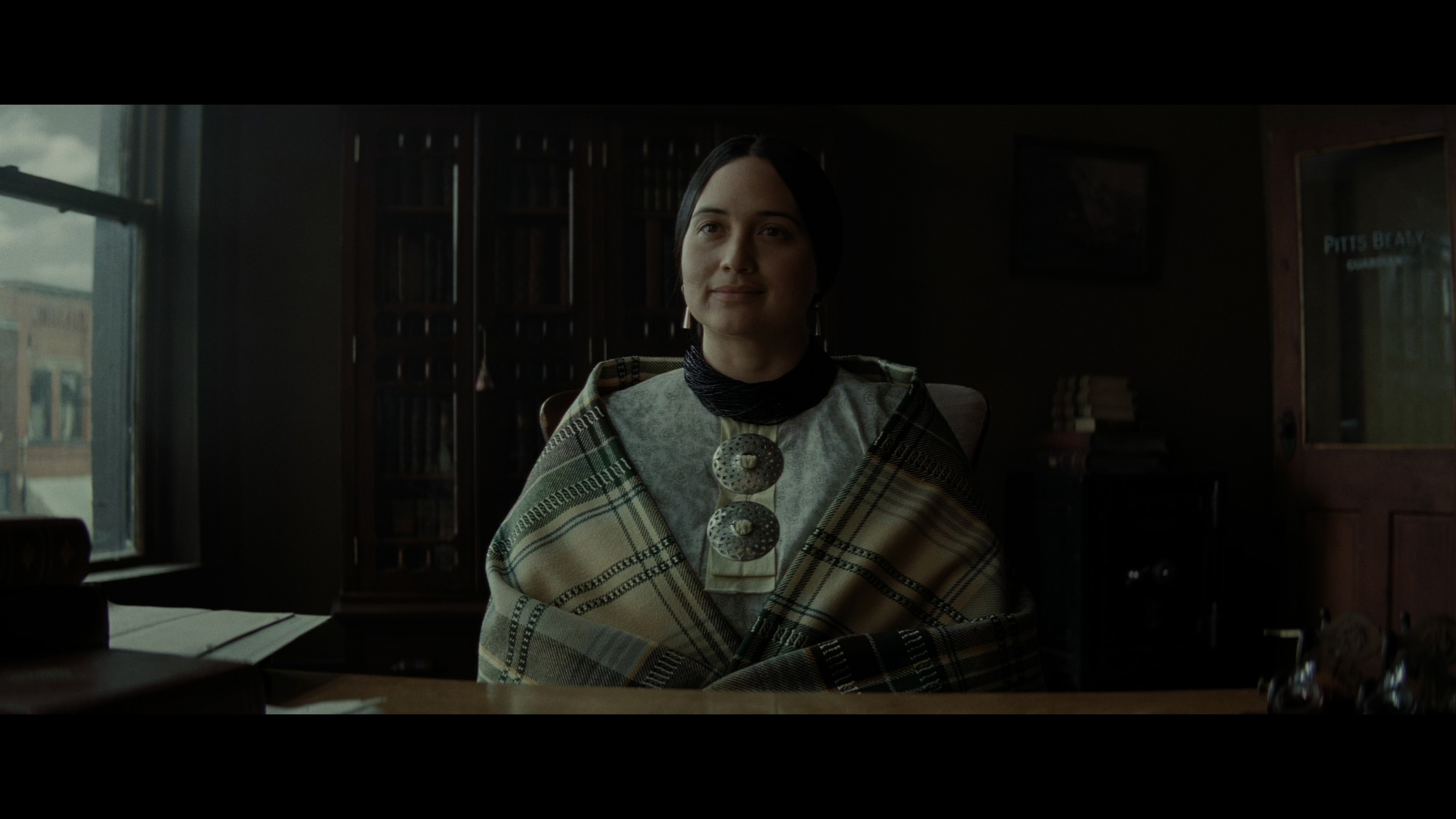
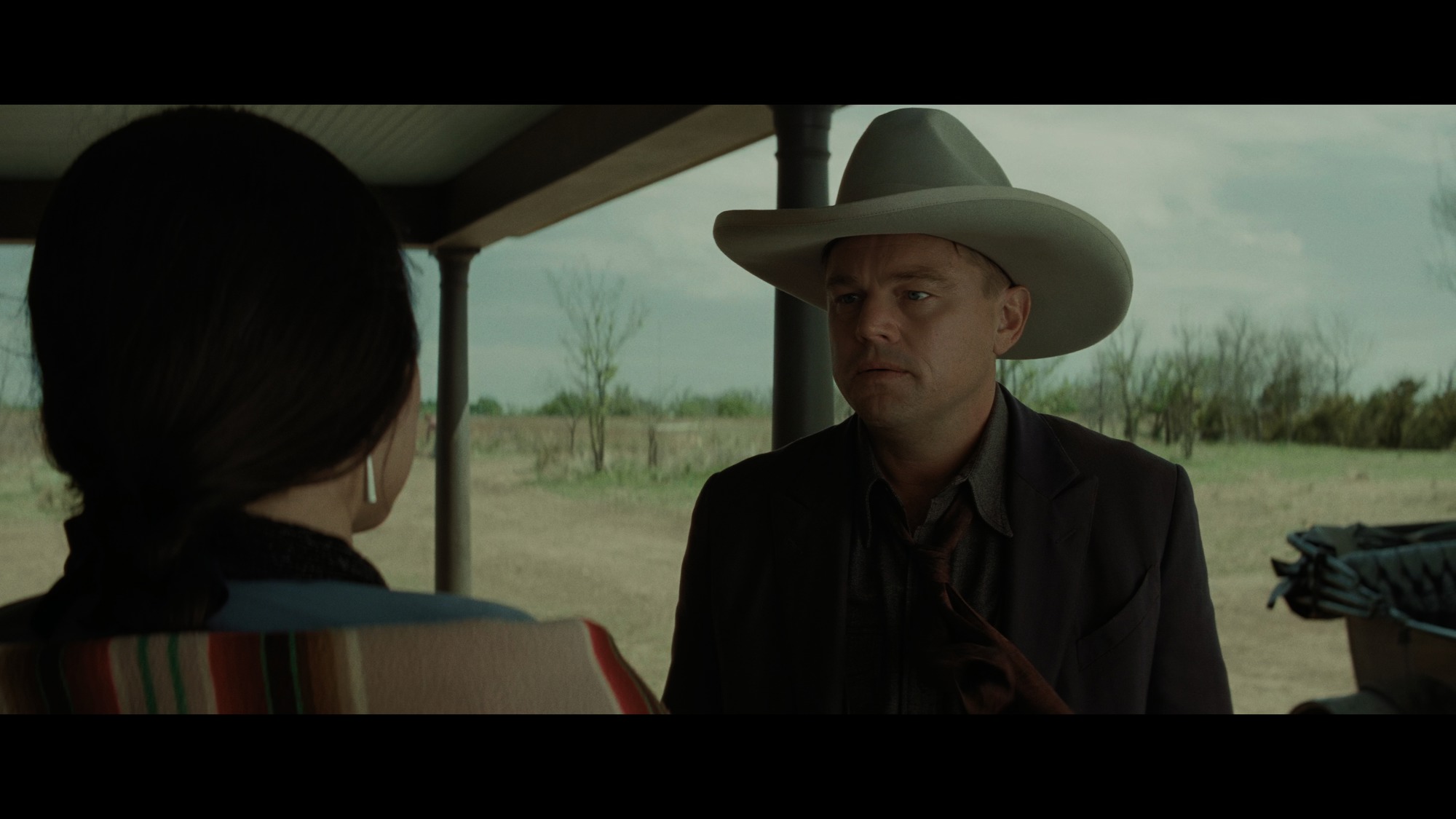
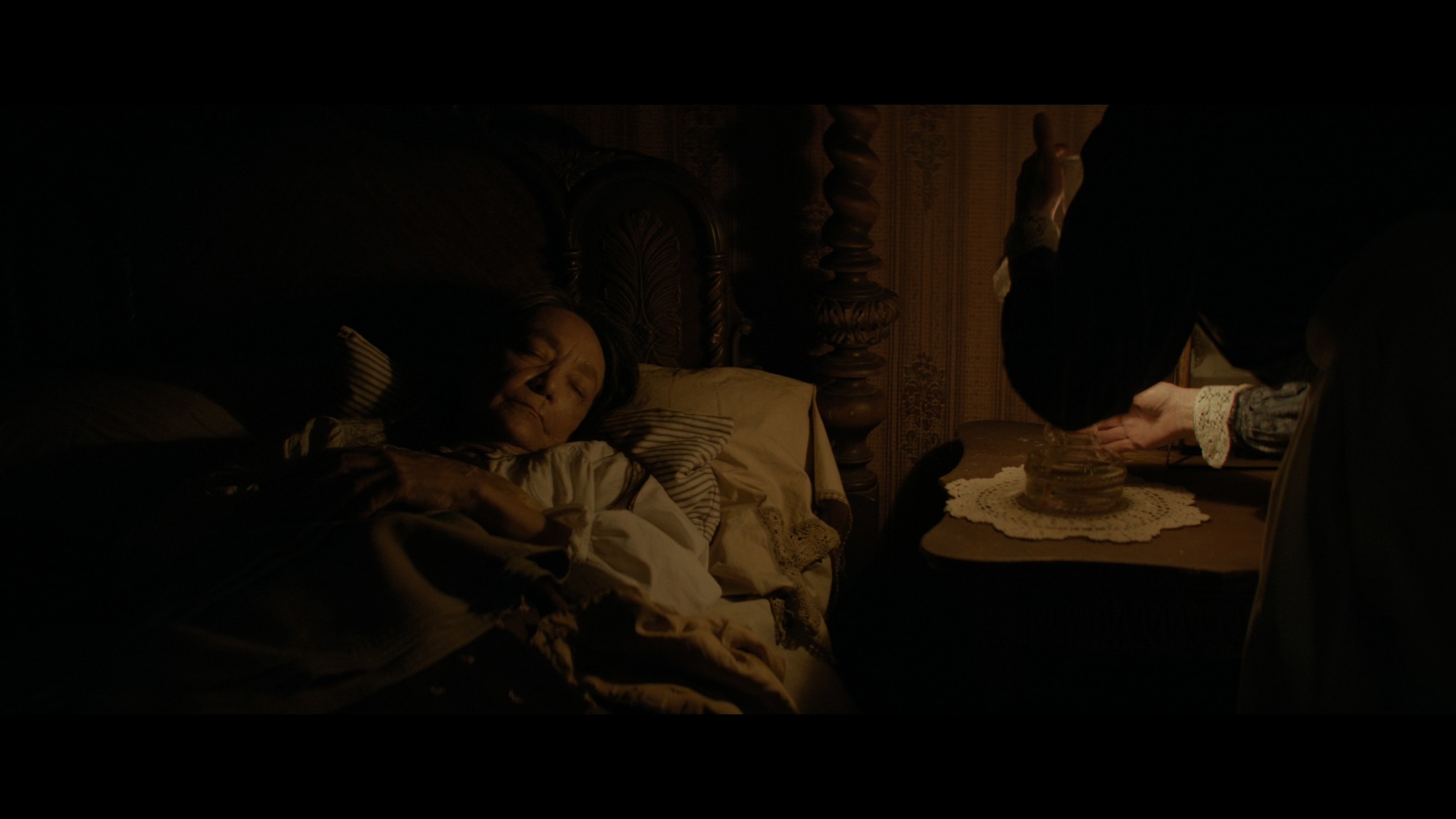
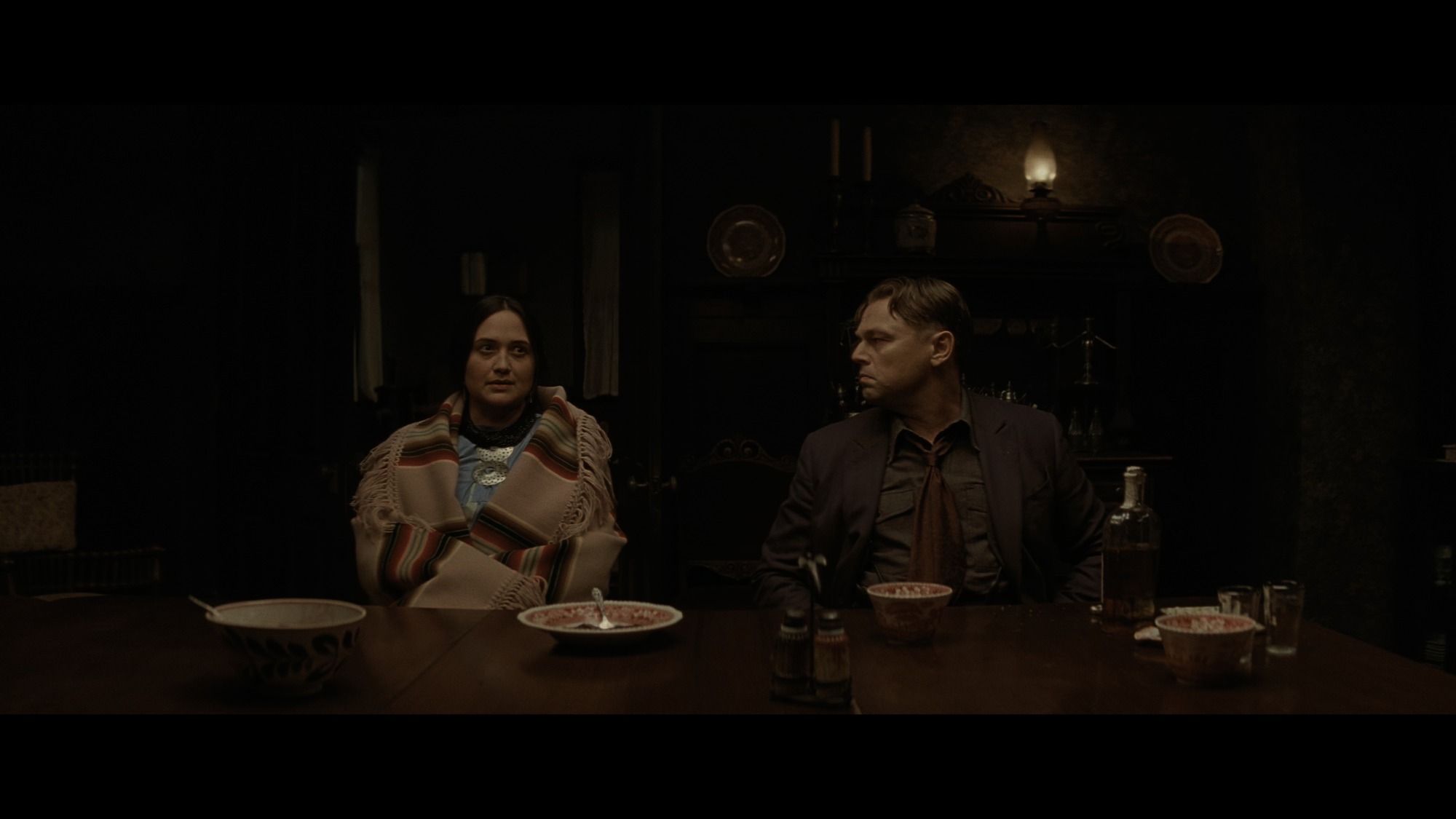
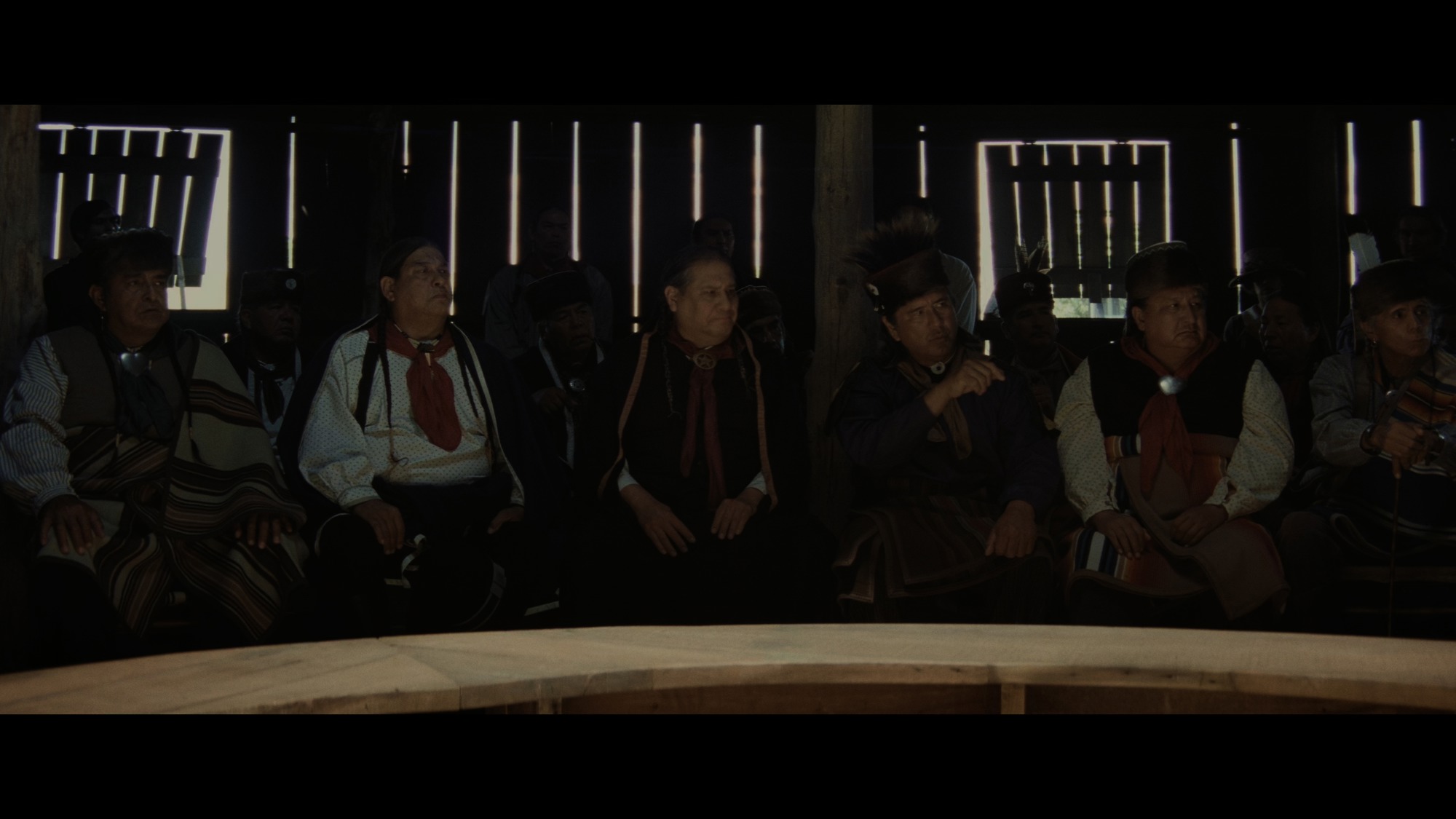
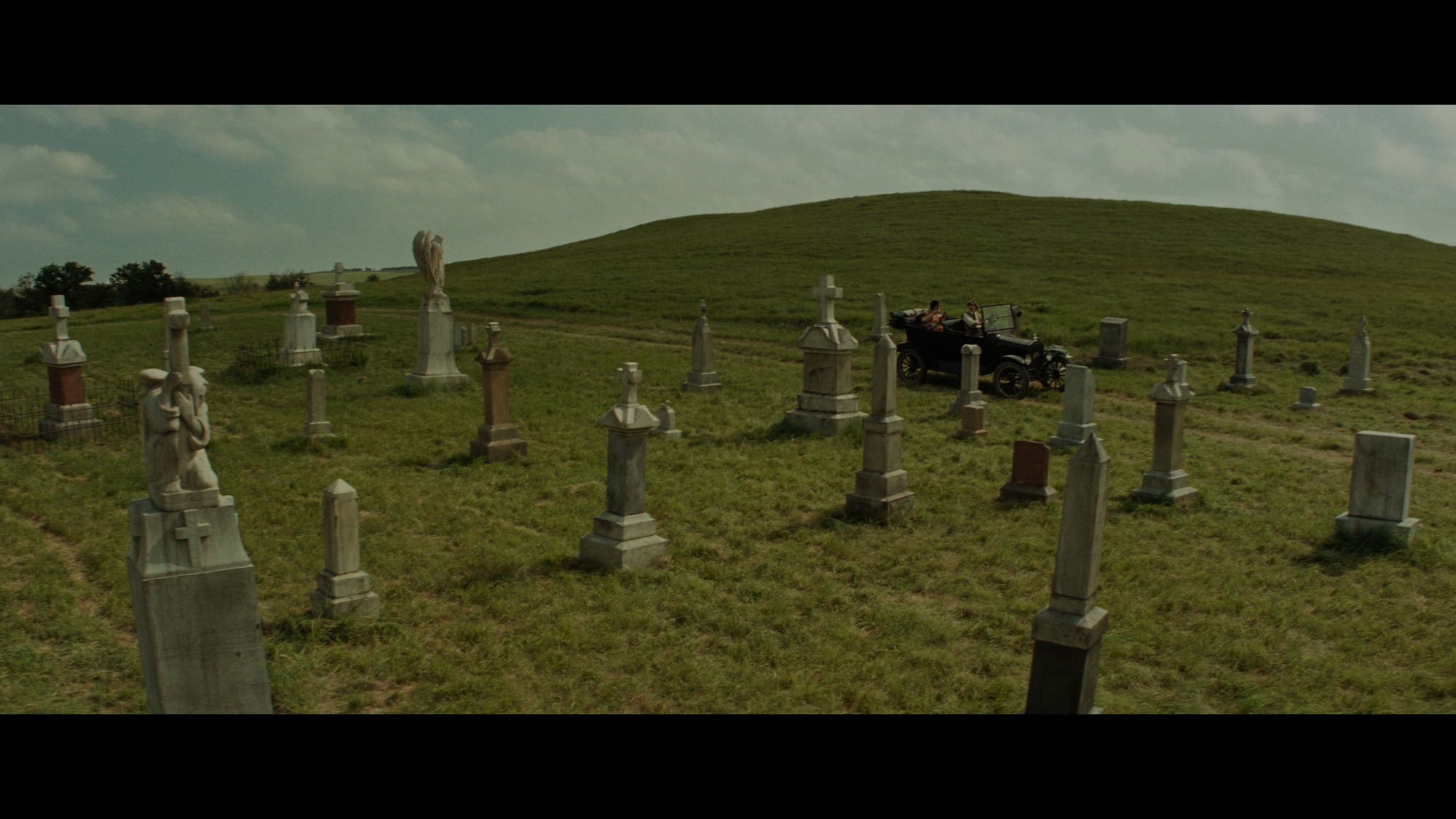
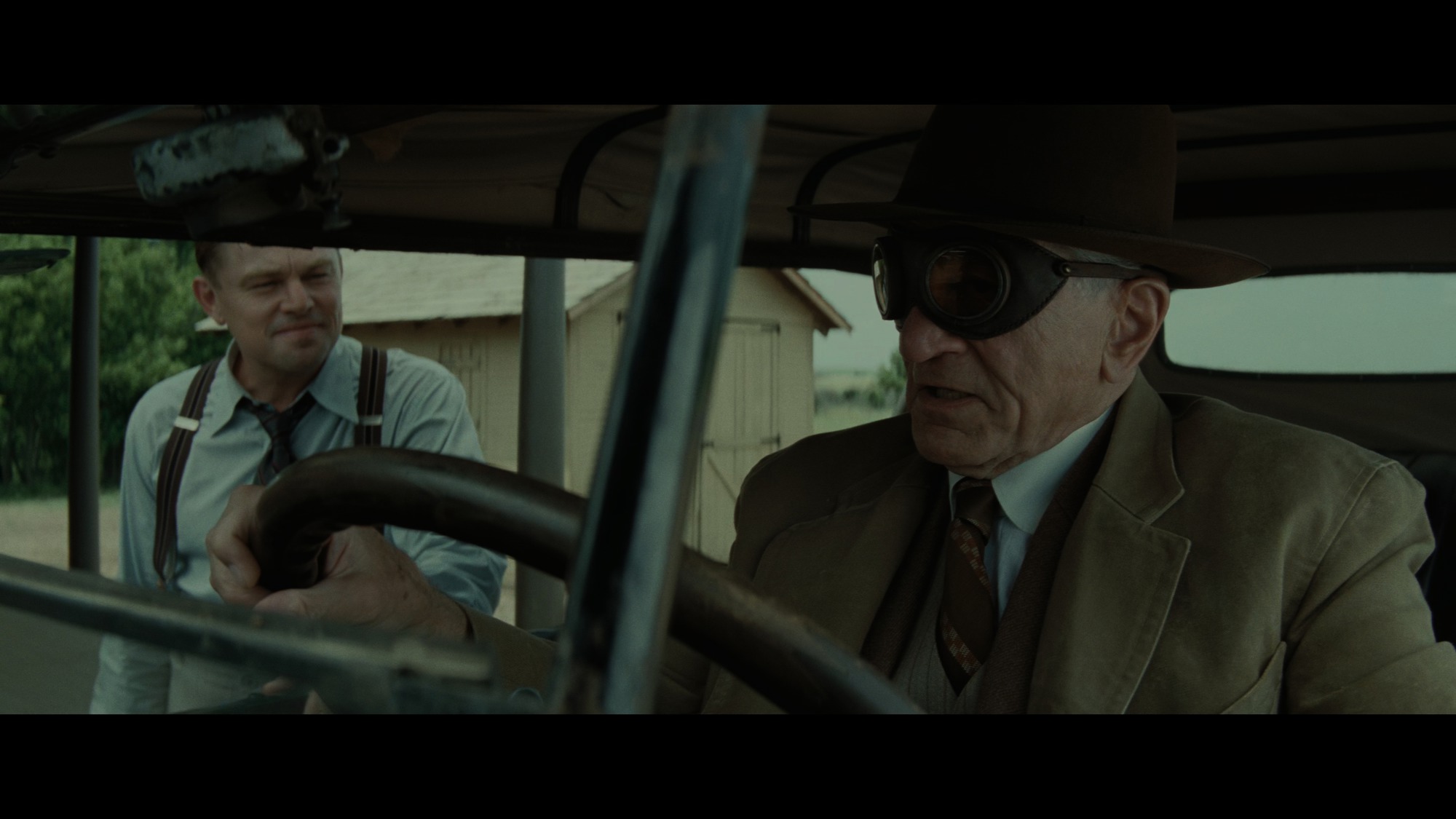
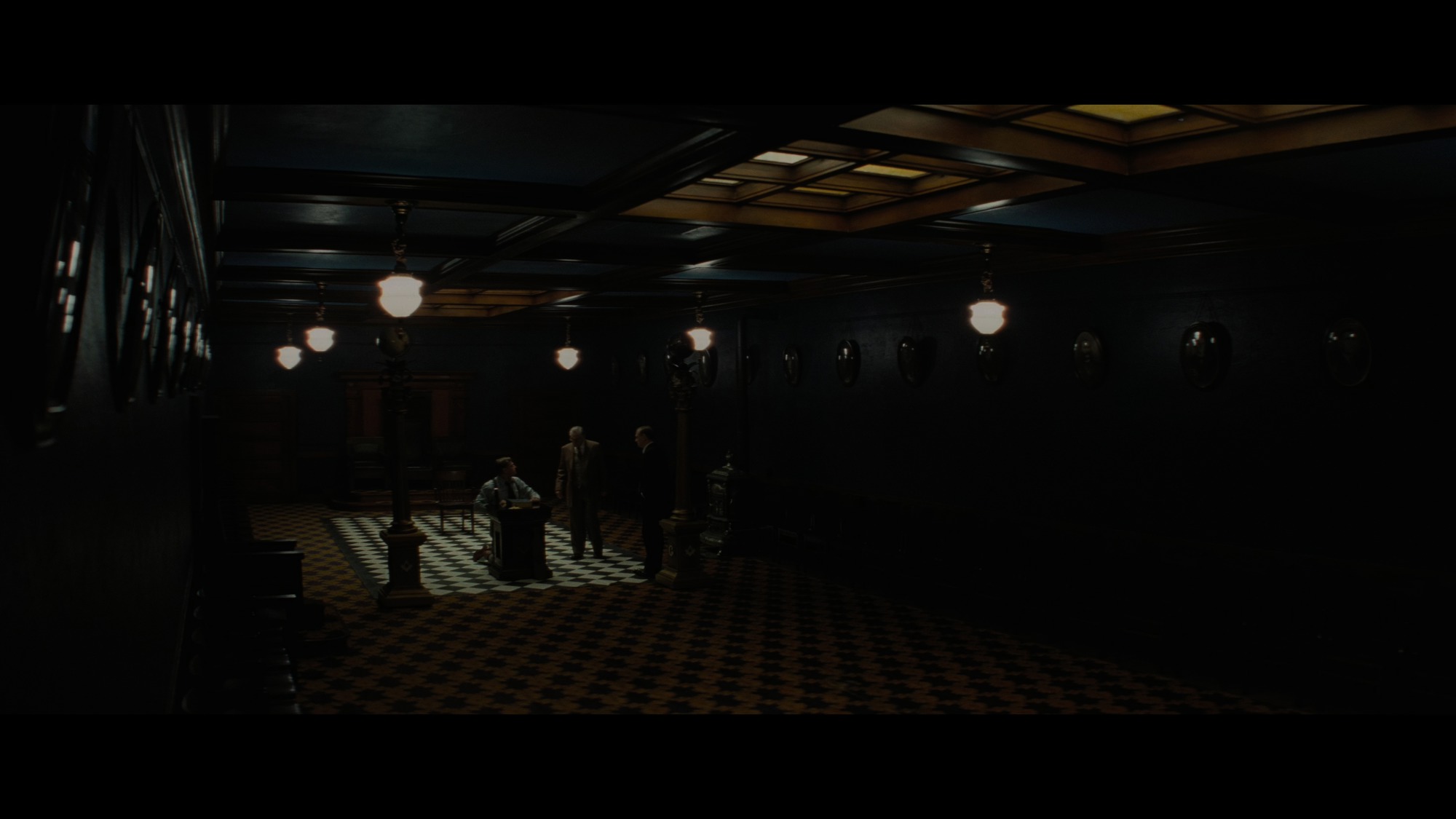
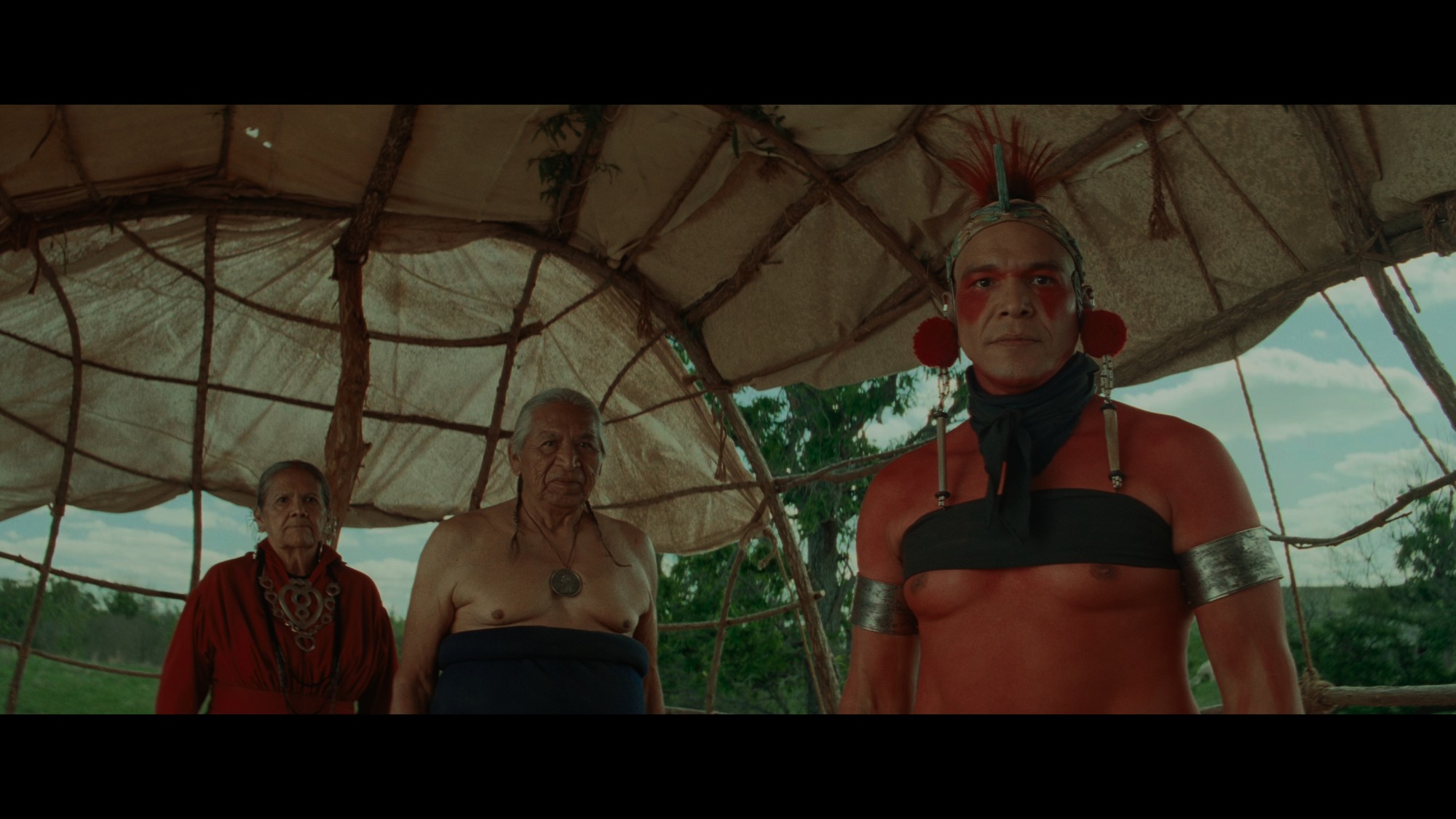
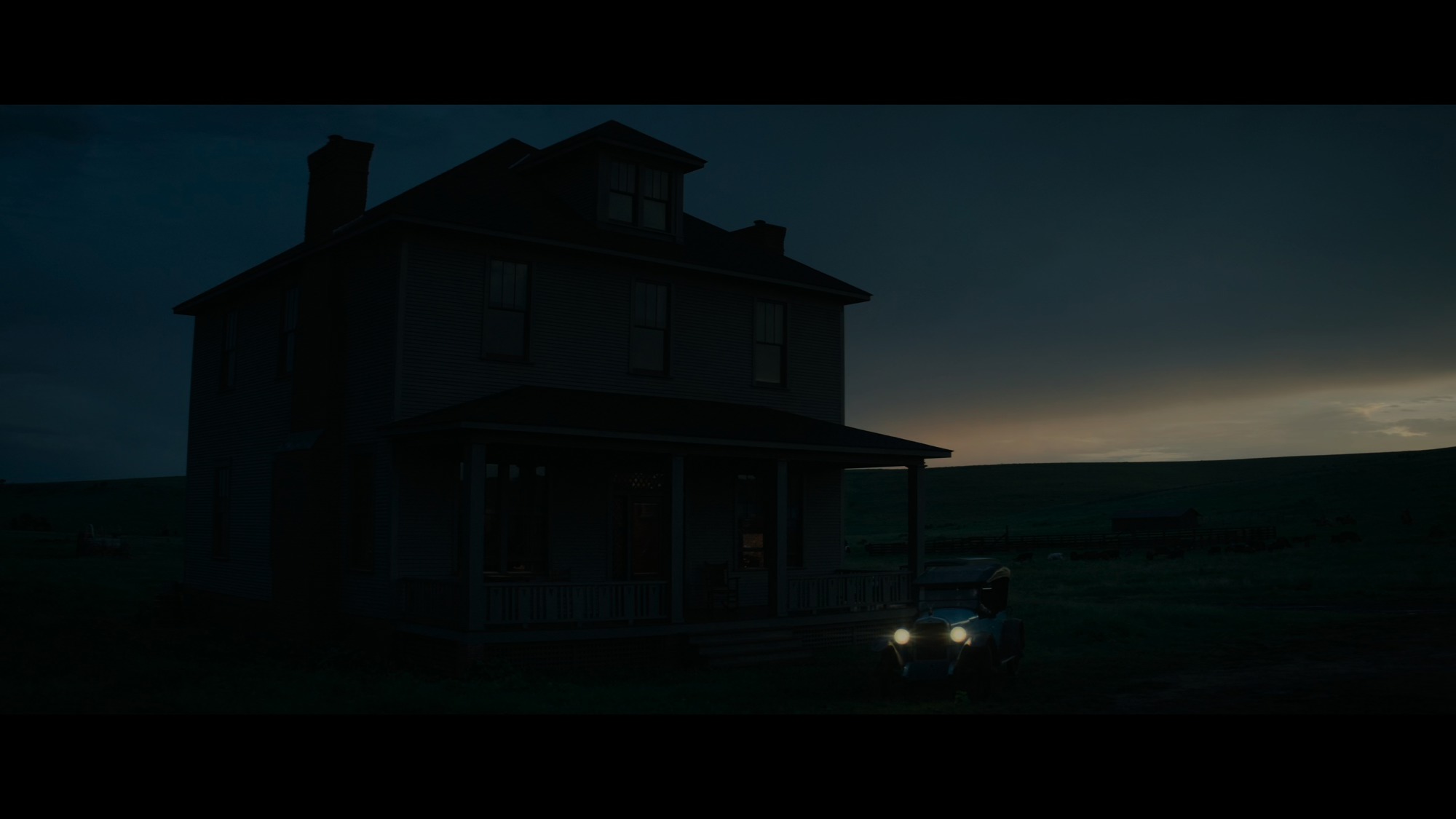
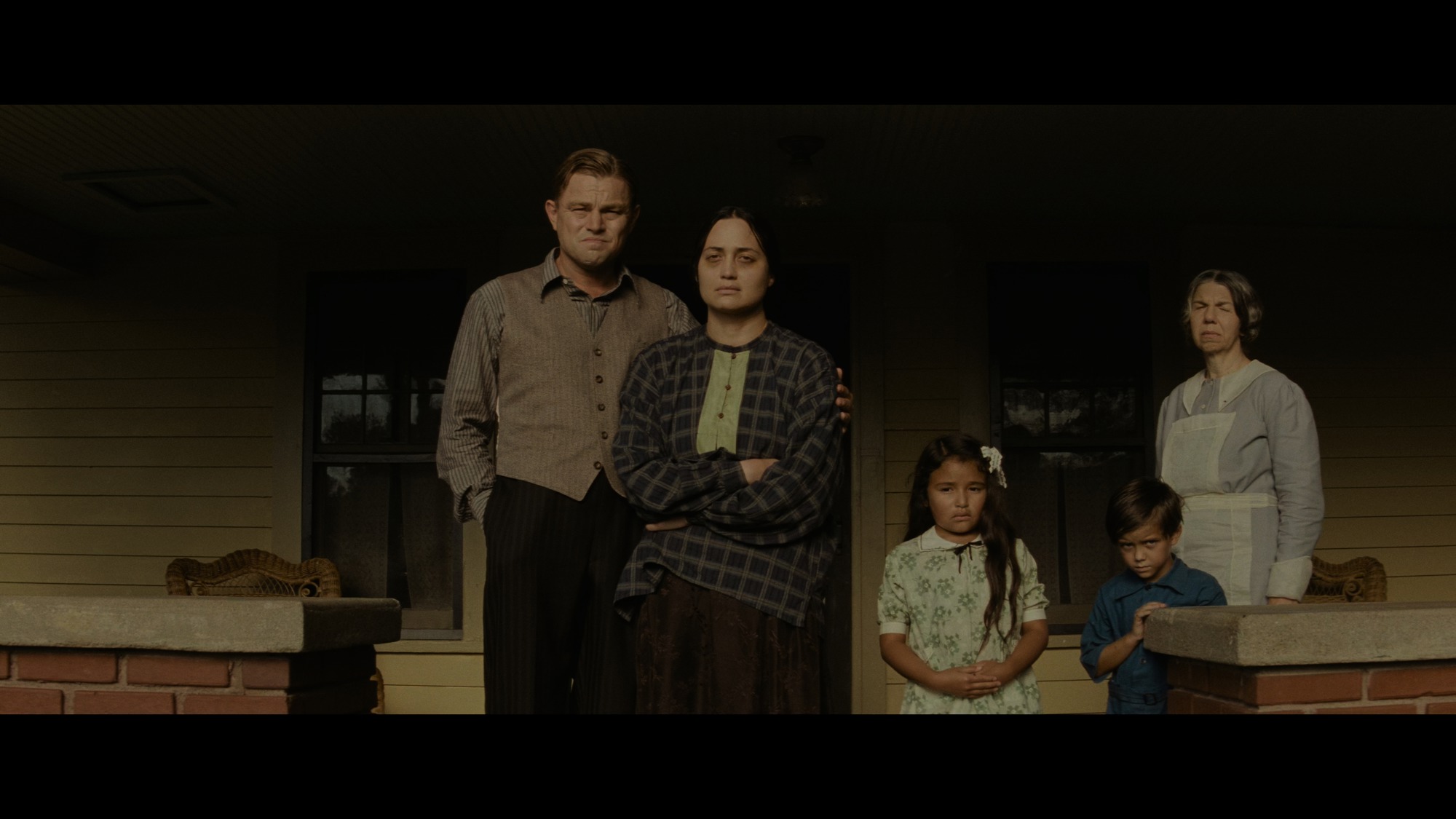
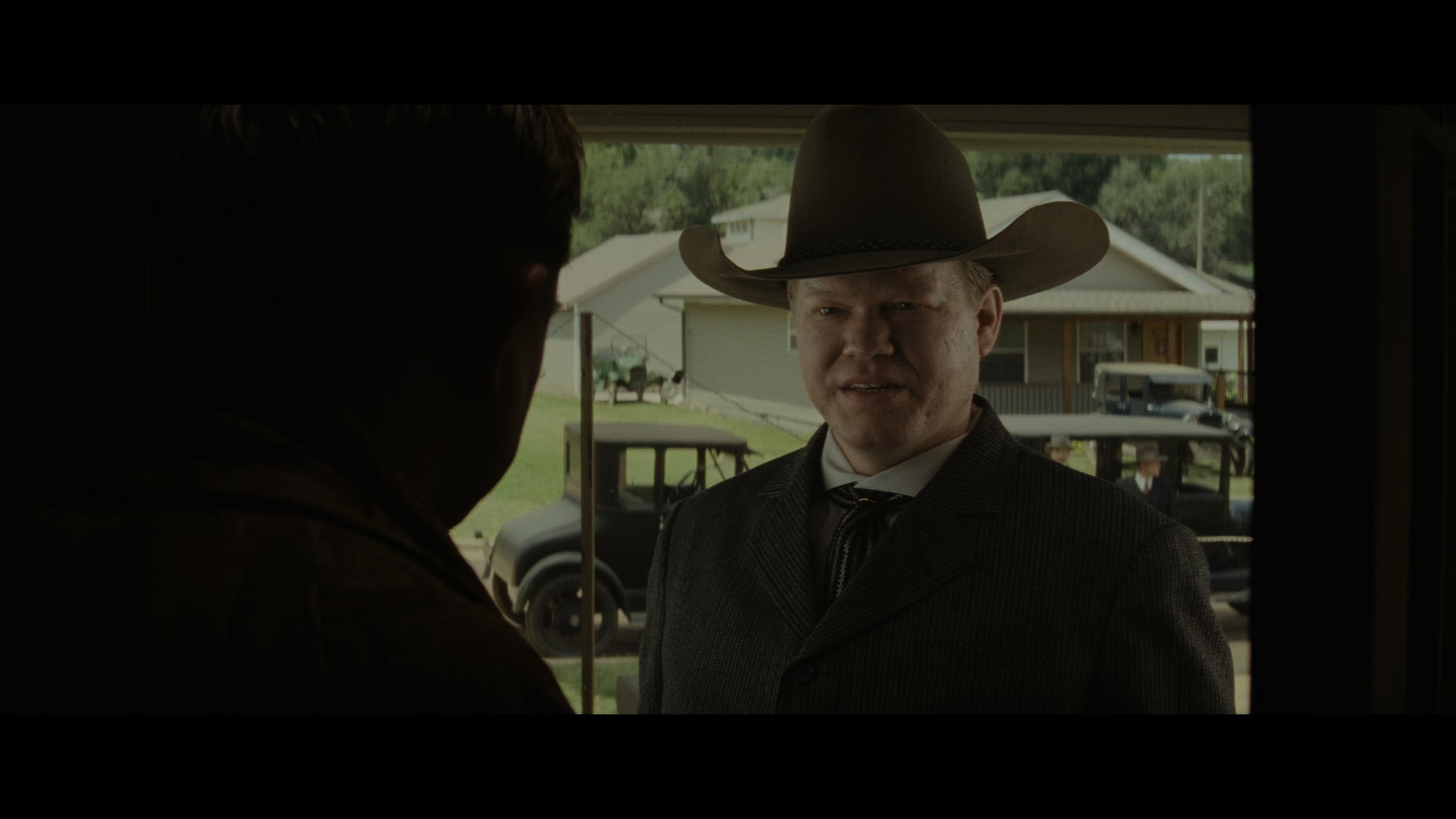
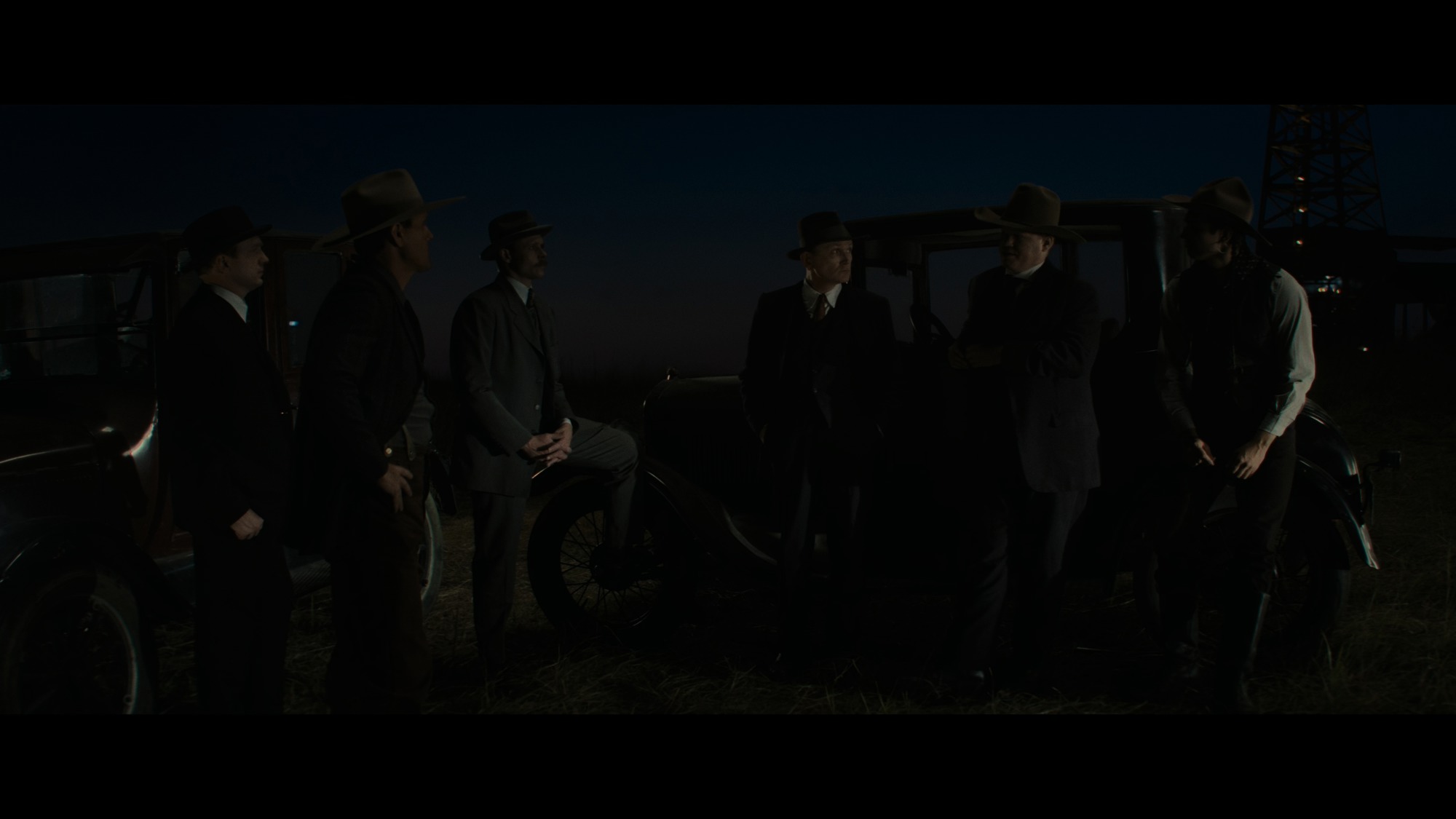
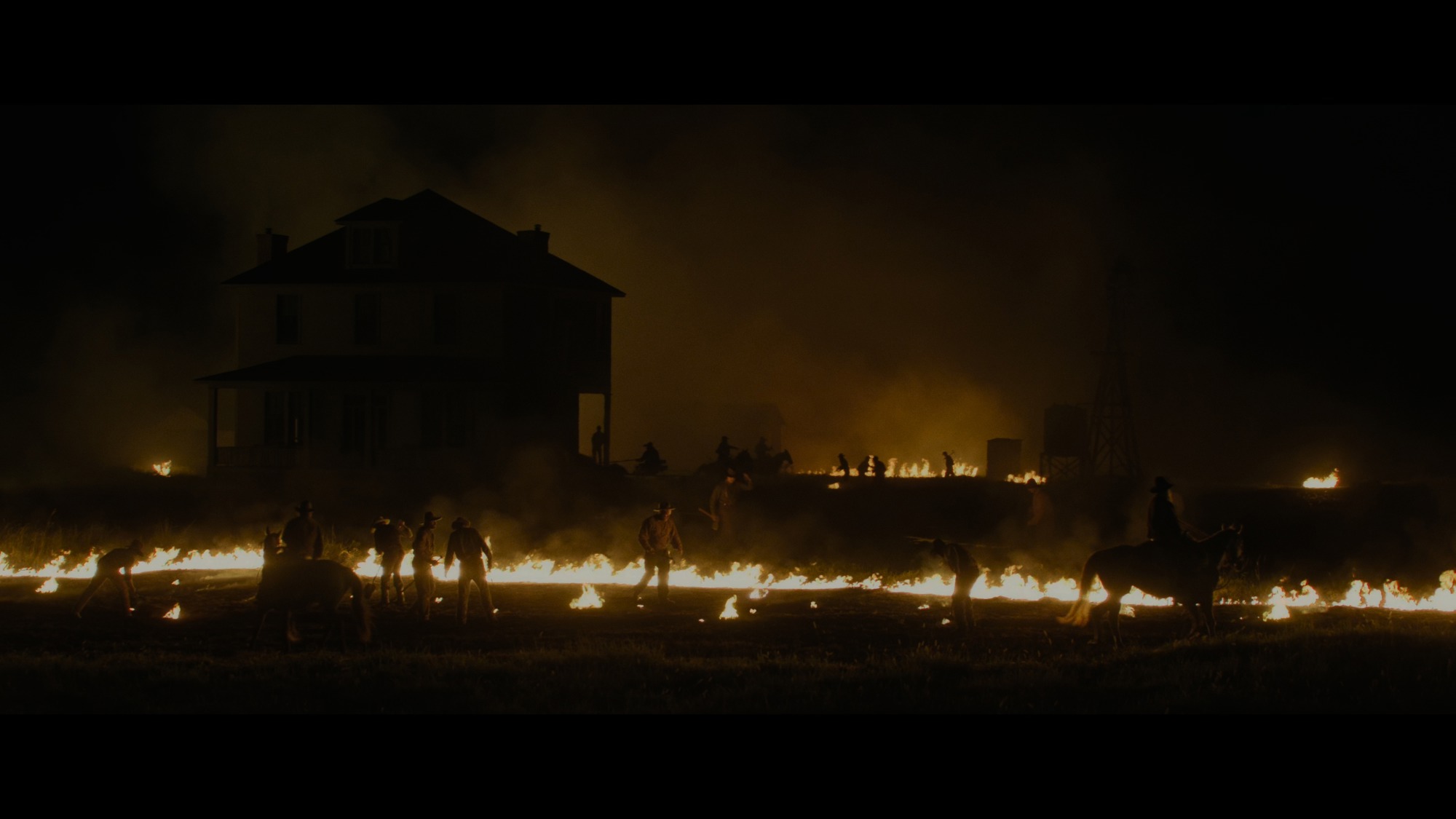
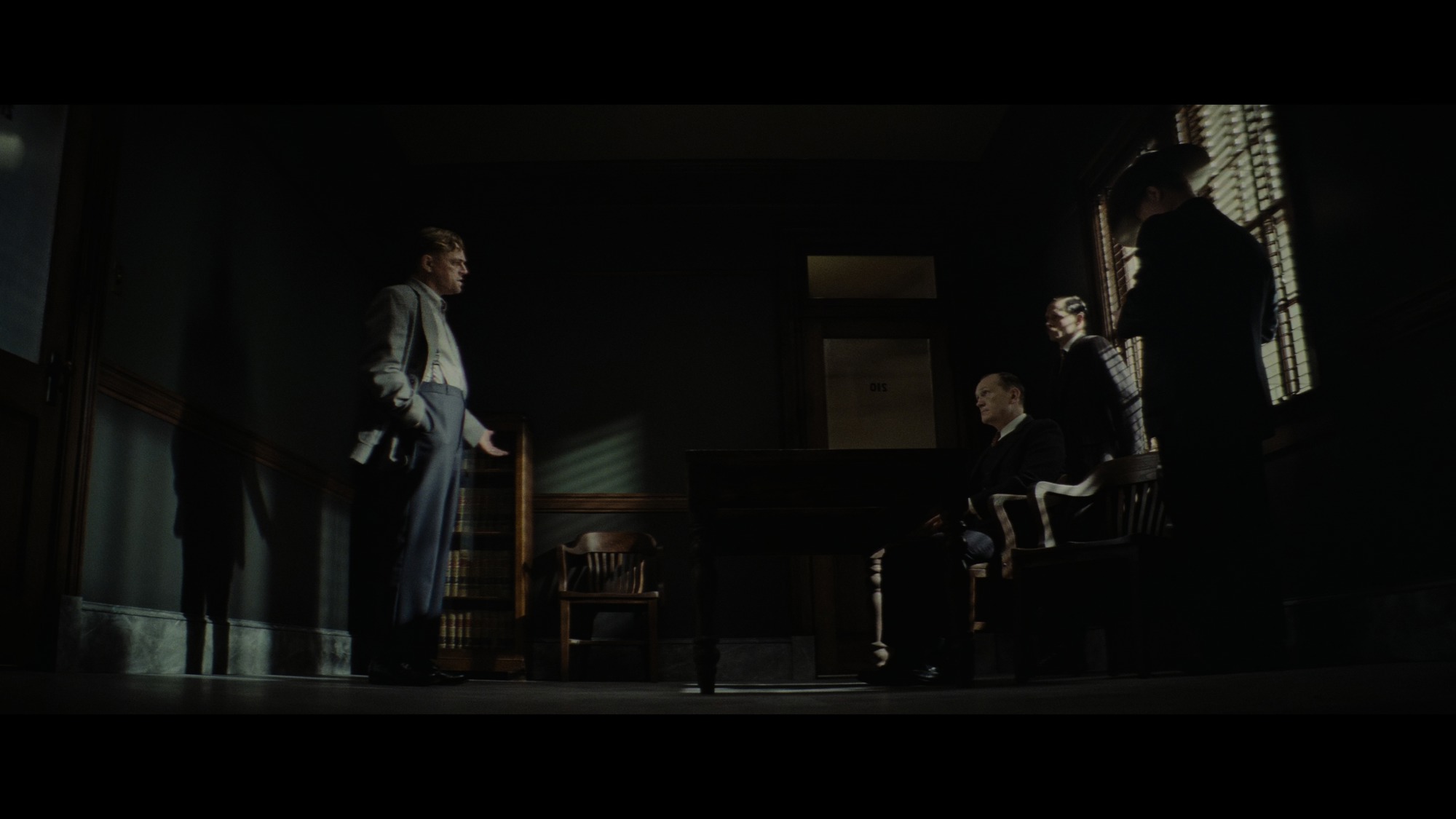
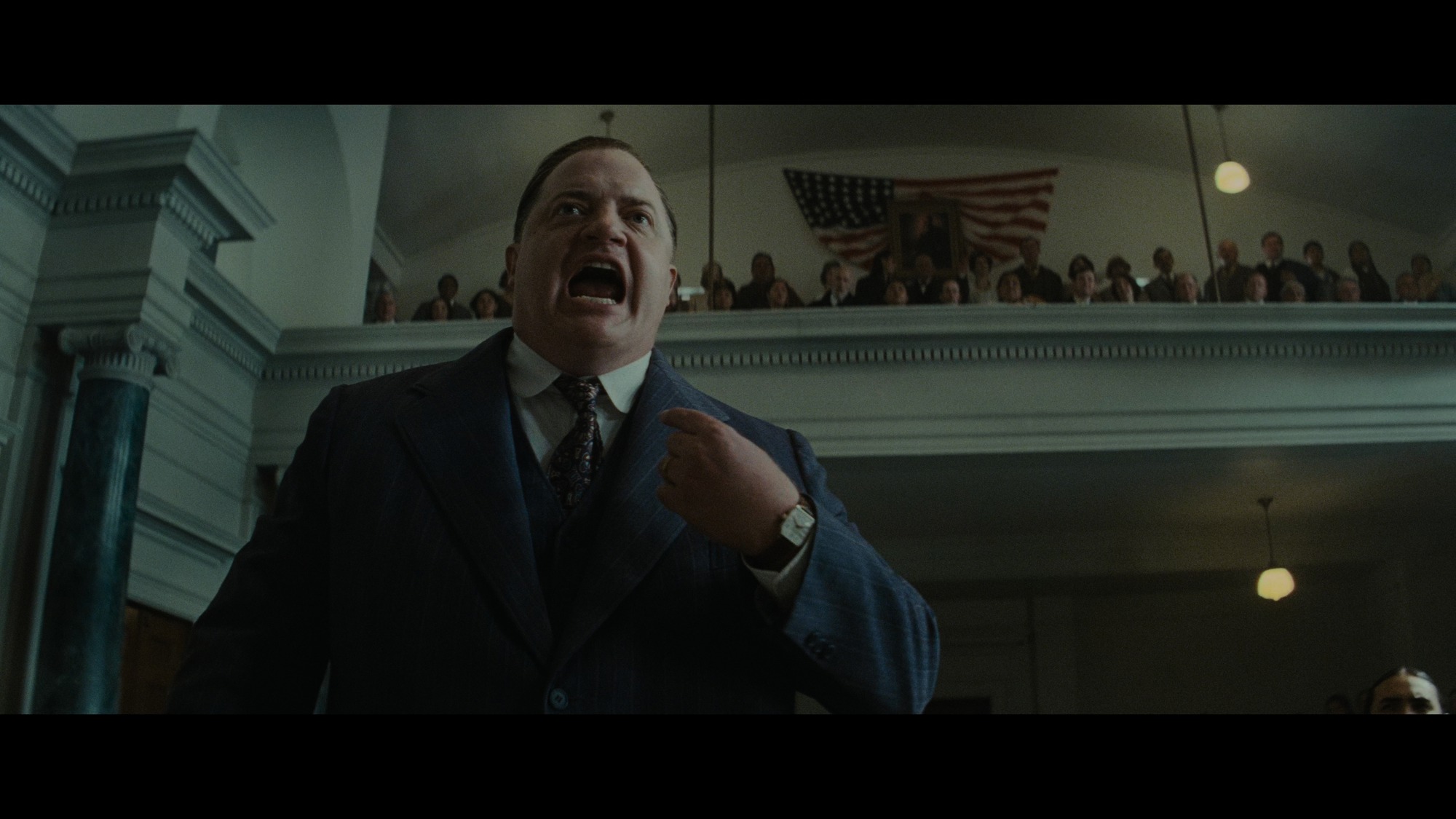
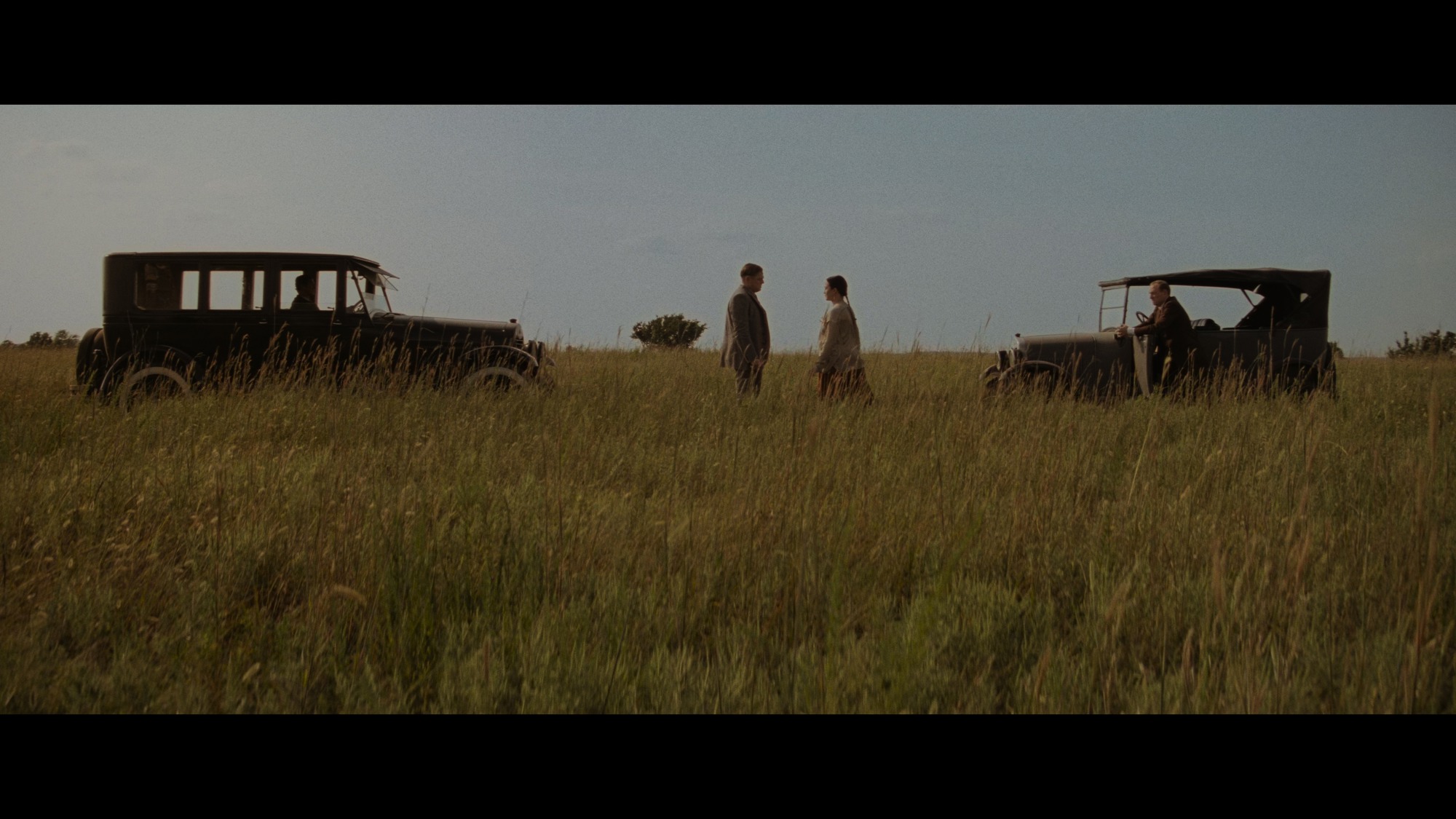
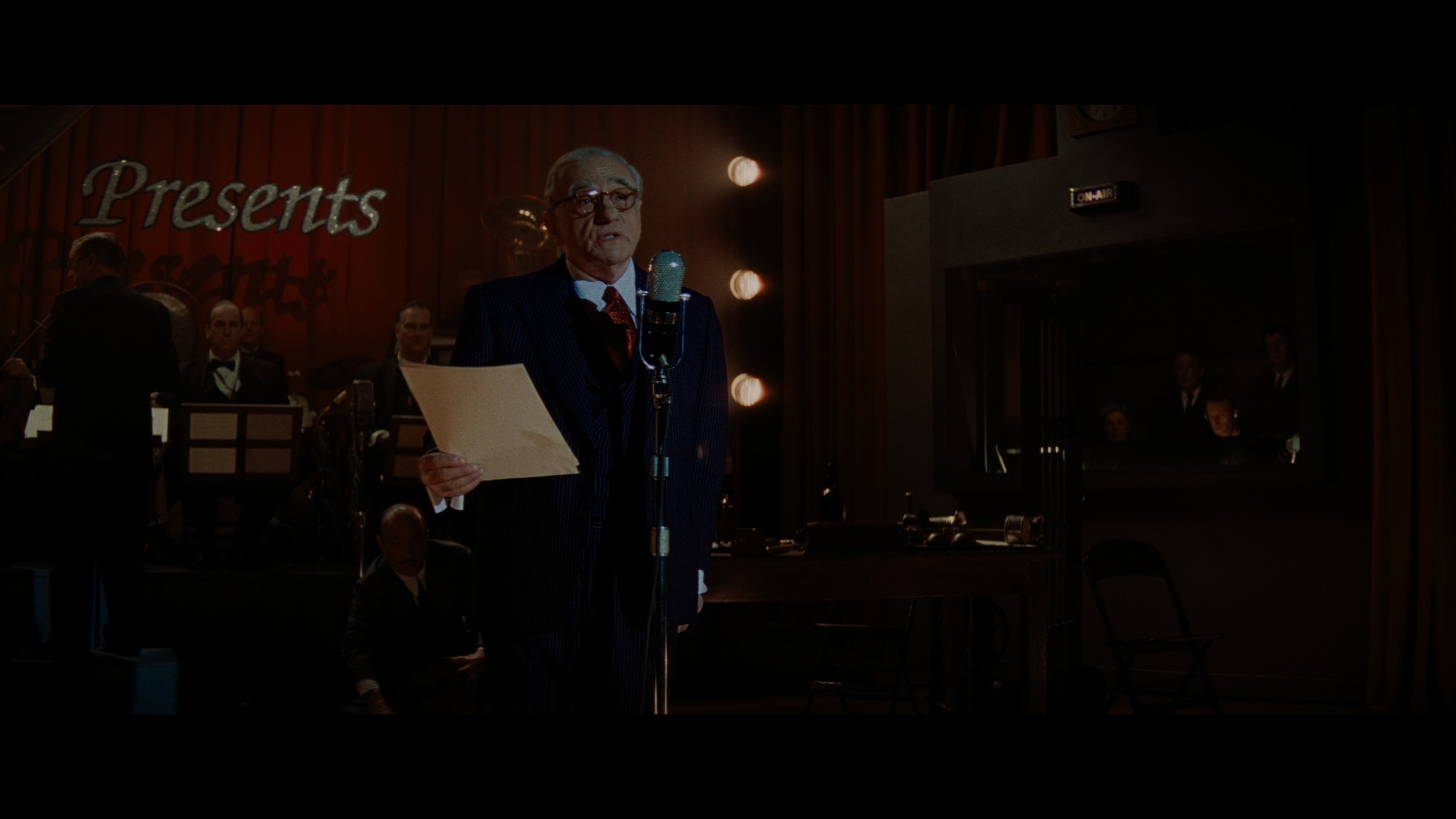
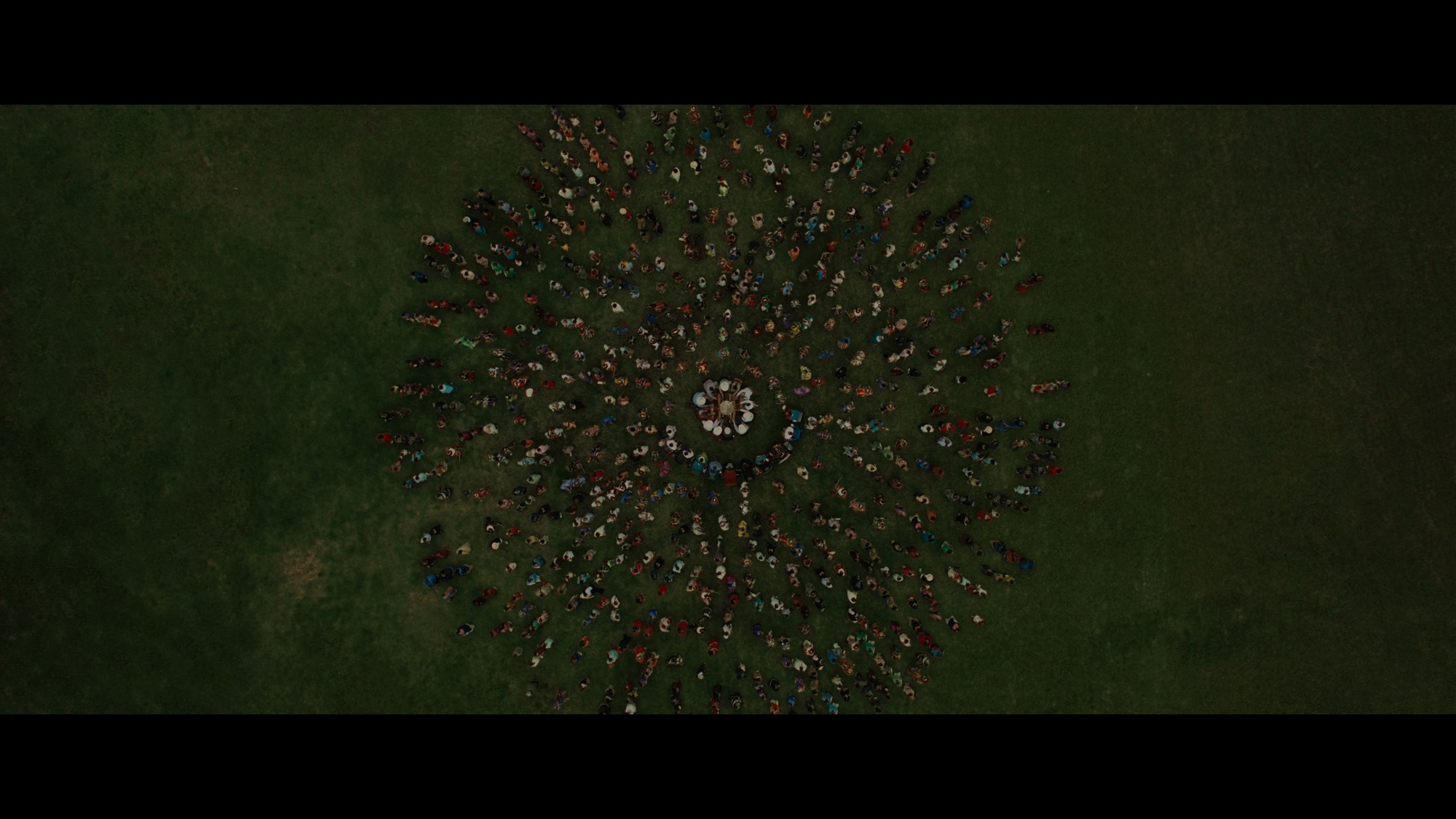
Audio 8/10
The audio also delivers a notable improvement over Eagle’s disc, with a Dolby Atmos presentation (that release only featured a 5.1 DTS-HD MA track). For an Atmos mix, though, I can’t say it’s all that aggressive: there is some effective use of height with select effects, and the film’s score and music cues fill the environment nicely, but that was probably the extent of it (my setup uses two front Atmos speakers, so results may vary).
Even if it’s not a standout Atmos track, it still sounds very good overall. Dialogue comes through clearly, while music and sound effects, from crowd noise to a sudden explosion, exhibit strong range and excellent clarity. It's mixed effectively.
My only issue is that I found myself having to crank the volume up more than usual. It’s hard to say whether that’s tied to the Atmos mix itself, so it may not be a concern for everyone, but it did stand out during playback. That said, once adjusted, I thought it sounded pretty good.
Extras 7/10
Supplements (all found on the third disc, a standard dual-layer Blu-ray) end up being a bit of a letdown overall, though there is still some worthwhile material here. It’s also a notable step up from the Eagle disc, which only included brief, studio-produced interviews and featurettes running one to three minutes each. None of that material appears in its original form here, though much of it has been repurposed into the new features, primarily two making-of documentaries: A Historic Collaboration (36 minutes) and WahZhaZhe: A Song for the Osage (about 33 minutes). Both combine interviews with cast and crew with what looks to be newer material featuring members of the Osage community.
The first documentary serves as a general making-of, opening with David Grann discussing his book and how he uncovered this history, which had largely gone overlooked. It then moves through the historical context before shifting to the production itself, covering the research involved, collaboration with the Osage (which allowed filming to take place on their land), and elements like costume and production design. One particularly interesting detail is that the film’s radio-play climax was inspired by an actual live “true crime” broadcast.
The second documentary initially appears as though it will focus on specific Osage ceremonies and how they are represented in the film (particularly the one near the end), but it ultimately shifts into a broader overview of Osage history and culture. Featuring interviews with both participants in the film and others from the community, it presents stories passed down through generations, including accounts from families directly affected by the events depicted. It also touches on a number of subjects not deeply explored in the film, including the government-run boarding schools many Native American children were sent to. Both documentaries are well assembled and informative, though I ultimately found this second piece more compelling for how it expands on material only hinted at in the film (also, the interviewees are all incredibly charming).
Cinematographer Rodrigo Prieto then appears in a 24-minute interview conducted by Glenn Kiser for the Dolby Creator Talks podcast. Prieto goes into detail about the film’s photography, with particular focus on the decision to use digital cameras and LED lighting for the nighttime sequences while retaining film for everything else. He explains the reasoning behind this approach and discusses moments where the production had to improvise, such as the storm scene in which DiCaprio and Gladstone sit in silence. This may even shed some light on one of my minor issues with the film: while I’m very fond of it (and have already revisited it multiple times, including twice since receiving Criterion’s 4K) there are moments that feel as though they linger a bit longer than necessary (though I’d be hard-pressed to suggest where cuts should be made). Prieto’s comments suggest some of this may stem from spontaneous decisions during production. Regardless, it’s a strong interview, and the information around the film’s hybrid shooting approach is still quite interesting.
Following this is a 30-minute collection of excerpts from the Cannes press conference after the film’s premiere, featuring Martin Scorsese, Leonardo DiCaprio, Lily Gladstone, Robert De Niro, and Chief Geoffrey Standing Bear. The discussion touches on the film’s early development, including the original idea of having DiCaprio play the FBI investigator before shifting the focus to the relationship between him as Ernest Buckhart and Gladstone. While some have criticized this choice (DiCaprio’s character is essentially the main character and, to be blunt, an idiot), I actually agree with the decision, as the tragic nature of that relationship proves far more compelling than a straightforward “whodunnit” (especially since, as is noted here, the outcome is never really in question). Gladstone and Standing Bear also offer thoughtful perspectives on the film’s depiction of the Osage, while De Niro—surprisingly more talkative than usual—discusses how his character reflects the banality of evil. Press conference material can often drag, but this edited selection is one of the better ones.
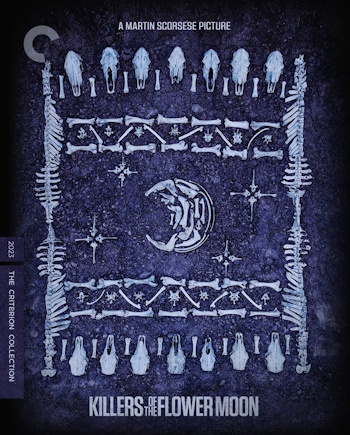
The feature I was most looking forward to, however, ends up being the most disappointing, even if it remains fascinating. This brief segment covers the creation of the release’s cover art by Osage artist Noah Kemohah. Titled Earthen Blanket Dusk, the piece was constructed using animal bones arranged into patterns inspired by traditional blanket designs. I love the concept, and I’m glad it’s included, but at only about a minute long (and apparently intended as a promotional piece), it really skirts over the design.
The disc closes with the film’s trailer. The set also includes a booklet featuring an essay by Vinson Cunningham, followed by another by filmmaker Adam Piron (a member of the Kiowa Tribe), who reflects on his initial concerns about the project and how Scorsese ultimately approaches the subject matter. Both are strong reads, complemented by a nice selection of photographs throughout.
All in all, it’s not a bad collection of supplements. The new documentaries in particular are well produced and offer valuable insight into both the film and its historical context. Still, the overall package feels a bit light, and the underwhelming piece on the cover art is a missed opportunity. Even so, it’s a clear improvement over the Eagle edition.
Closing
The supplements are good, if a bit disappointing, but I won’t complain too much; I had feared the film might never receive a proper North American physical release, and Criterion ultimately delivers, backed by a sharp presentation.
BUY AT: