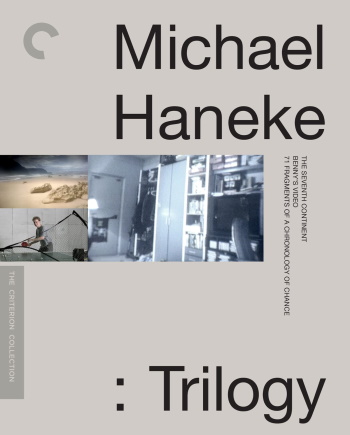
Michael Haneke: Trilogy
The Seventh Continent
BUY AT:


See more details, packaging, or compare
Synopsis
One of contemporary cinema’s most original, provocative, and uncompromising filmmakers, Austrian auteur Michael Haneke dares viewers to stare into the void of modern existence. With his first three theatrical features, The Seventh Continent, Benny’s Video, and 71 Fragments of a Chronology of Chance—a trilogy depicting a coldly bureaucratic society in which genuine human relationships have been supplanted by a deep-seated collective malaise—Haneke established the rigorous visual style and unsettling themes that would recur throughout his work. Exploring the relationships among consumerism, violence, mass media, and contemporary alienation, these brilliant, relentlessly probing films open up profound questions about the world in which we live while refusing the false comfort of easy answers.
Picture 7/10
The Criterion Collection presents Michael Haneke’s debut feature film The Seventh Continent on Blu-ray, presenting the film its original aspect ratio of 1.66:1. It’s currently available exclusively through Criterion’s latest set, Michael Haneke: Trilogy, and is found on the first dual-layer disc. It has been given a 1080p/24hz high-definition encode. The presentation is sourced from a 35mm interpositive.
As I expected this presentation—and every other one in the set—is sourced from an older master, maybe the same one Kino used for their DVD release, yet I was still pleasantly surprised to find it does hold up surprisingly well. It still manages to deliver a film-like consistency, even if grain can take on a bit of a noisy digital look in places. Jaggies and shimmering on tighter patterns pop up but they’re limited to a couple of areas, and the overall digital delivery looks clean much of the time. This all then leads to nice detail levels, the finer ones even managing to pop out.
This film (along with all of the other films in the set) has an incredibly dreary look, intentionally so as Haneke explains in one of the set’s interviews, but I thought color saturation was strong despite them being limited to blues and grays. Black levels are deep, though I found details could get crushed out in some of the shadows due to limited range. Brighter scenes show decent gradients but there are times where I felt there was a slight bit of banding to be found.
Again, what we get is clearly an older master, but it holds up surprisingly well and still looks significantly sharper and cleaner compared to Kino’s old DVD presentation. It’s not ideal but I was still pleased with it.
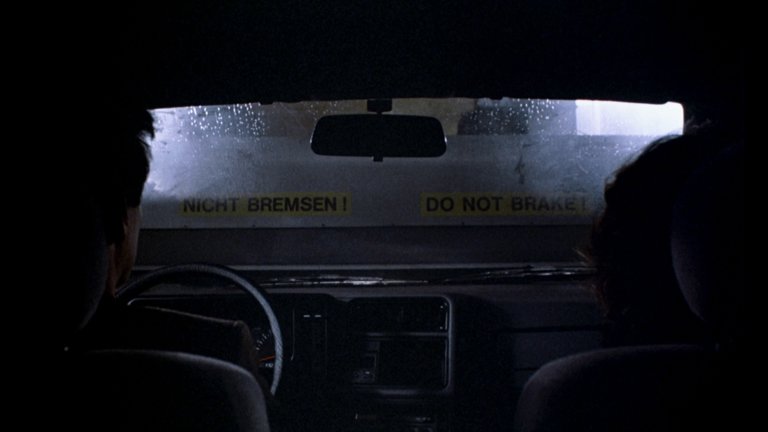
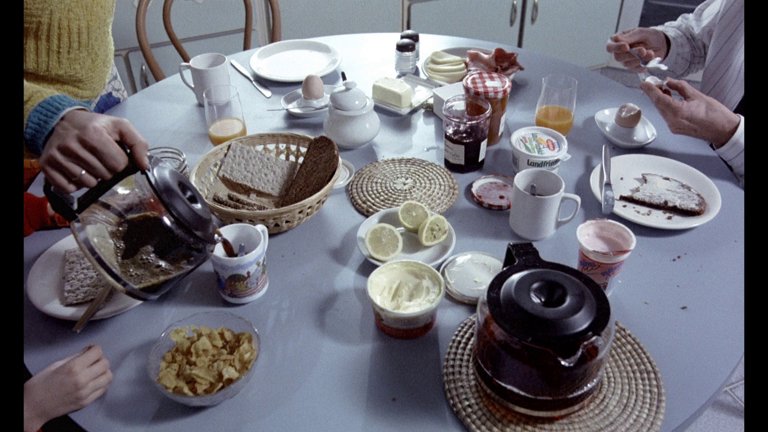
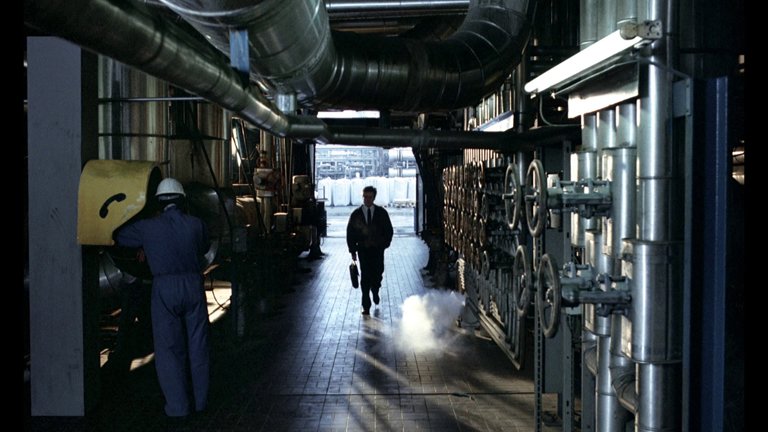
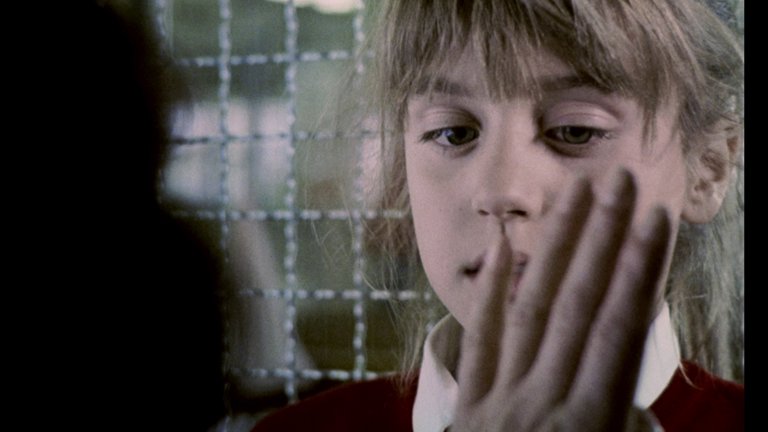
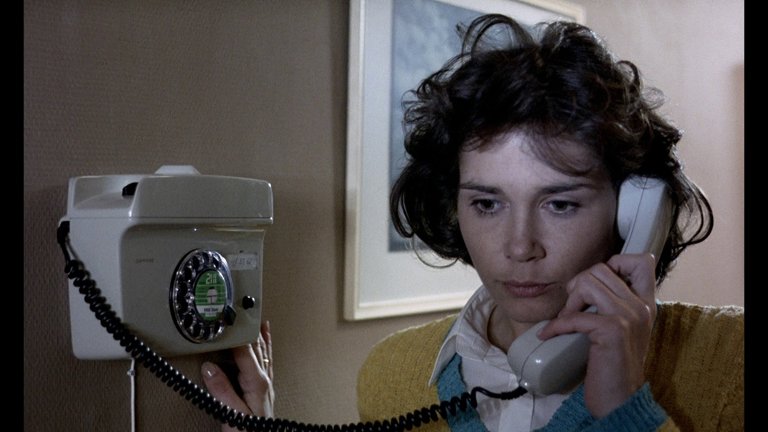
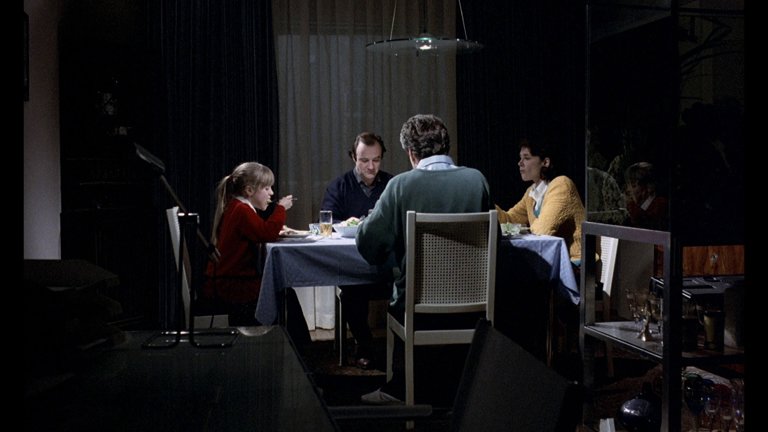
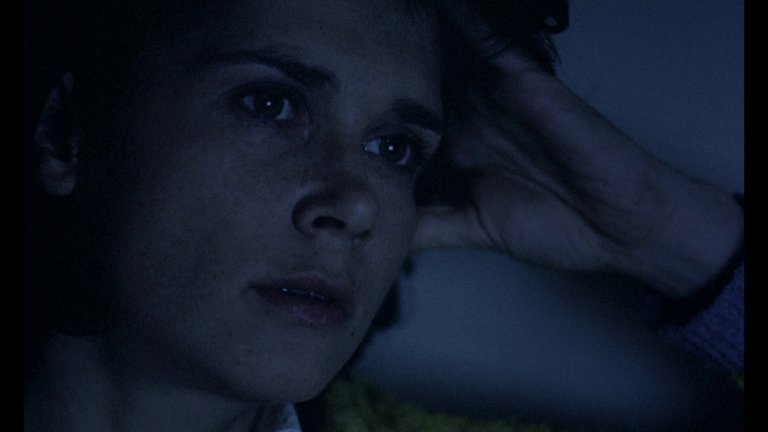
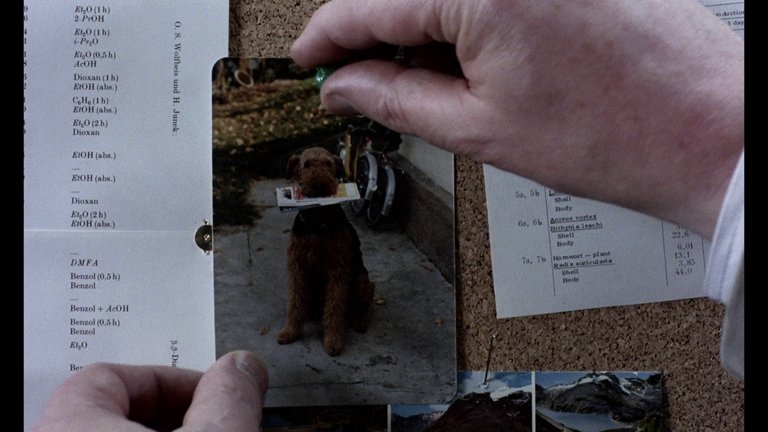
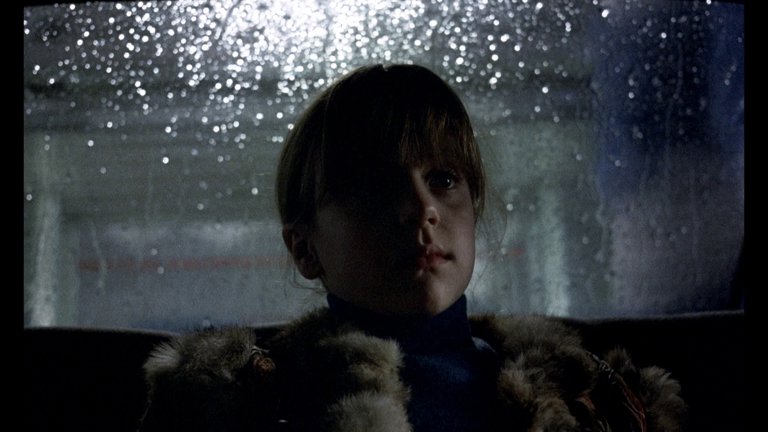
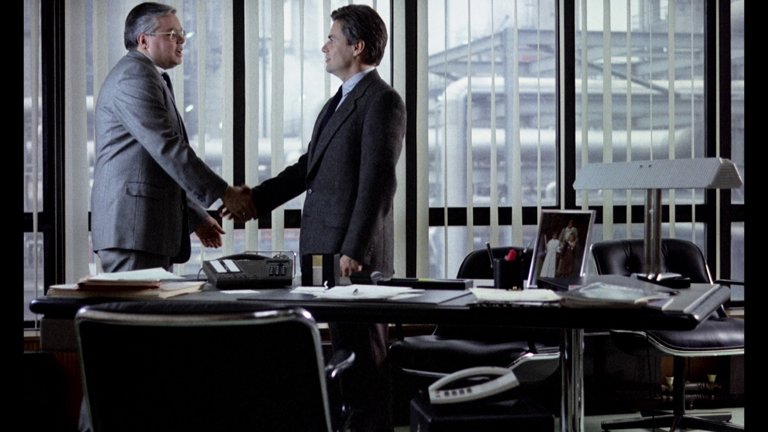
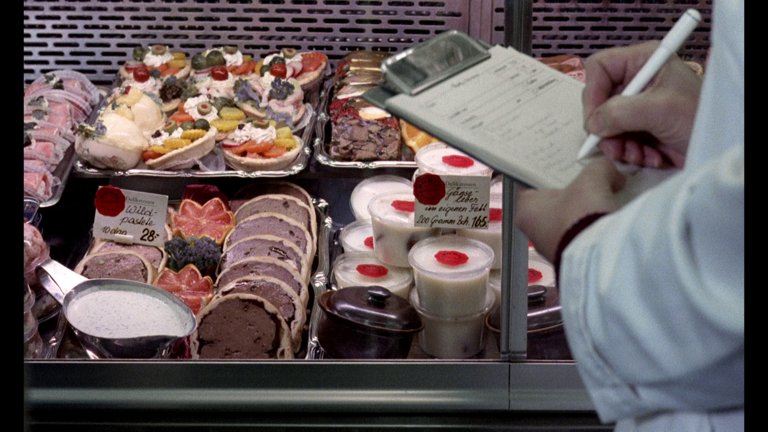
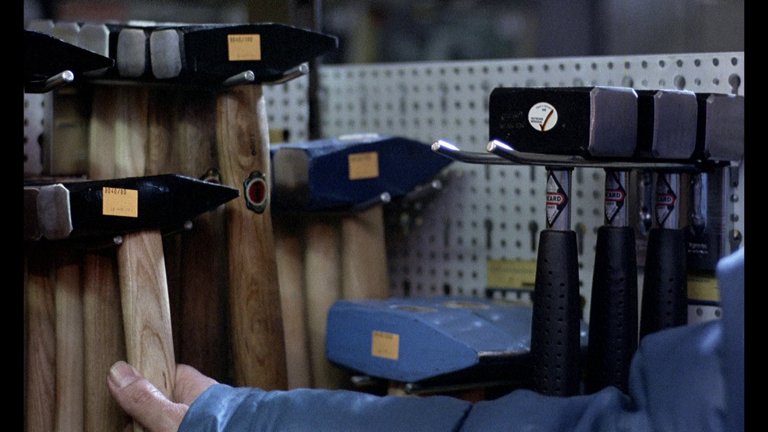
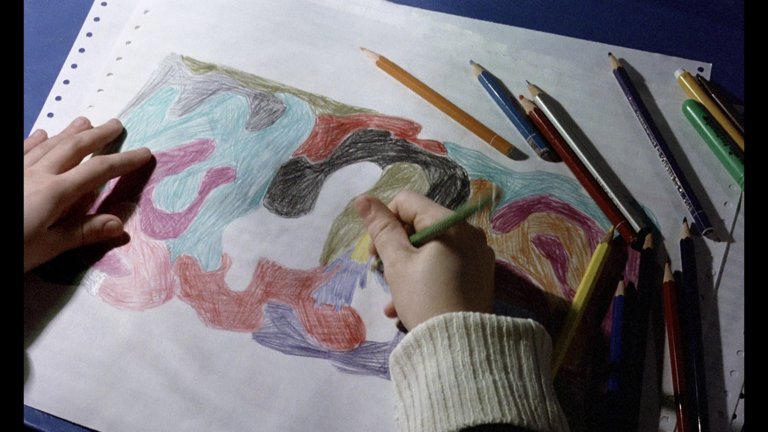
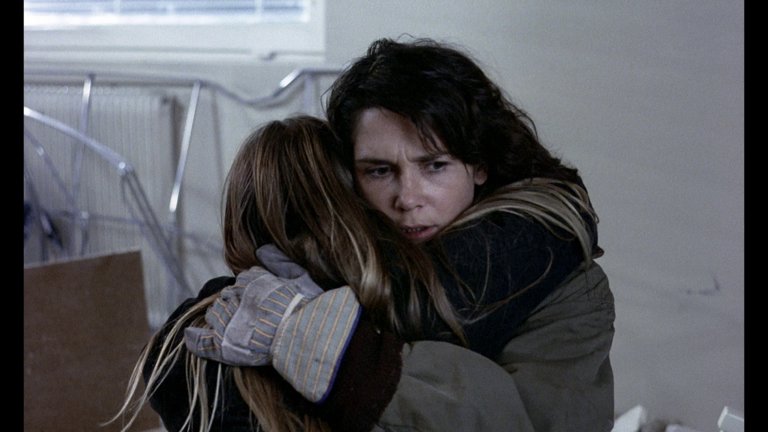
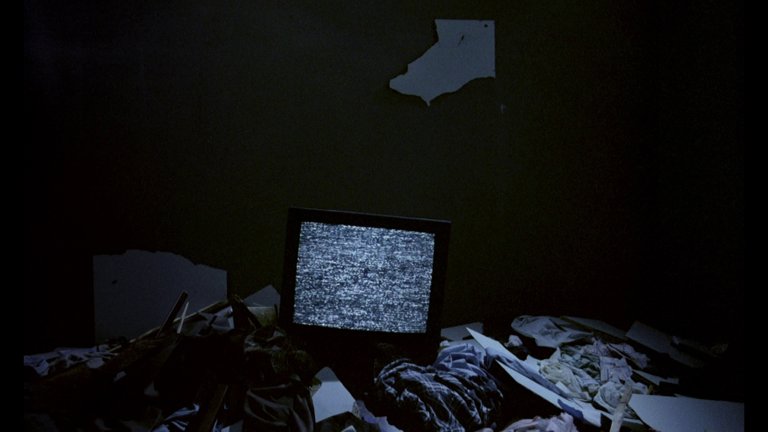
Michael Haneke: Trilogy - Screen Captures
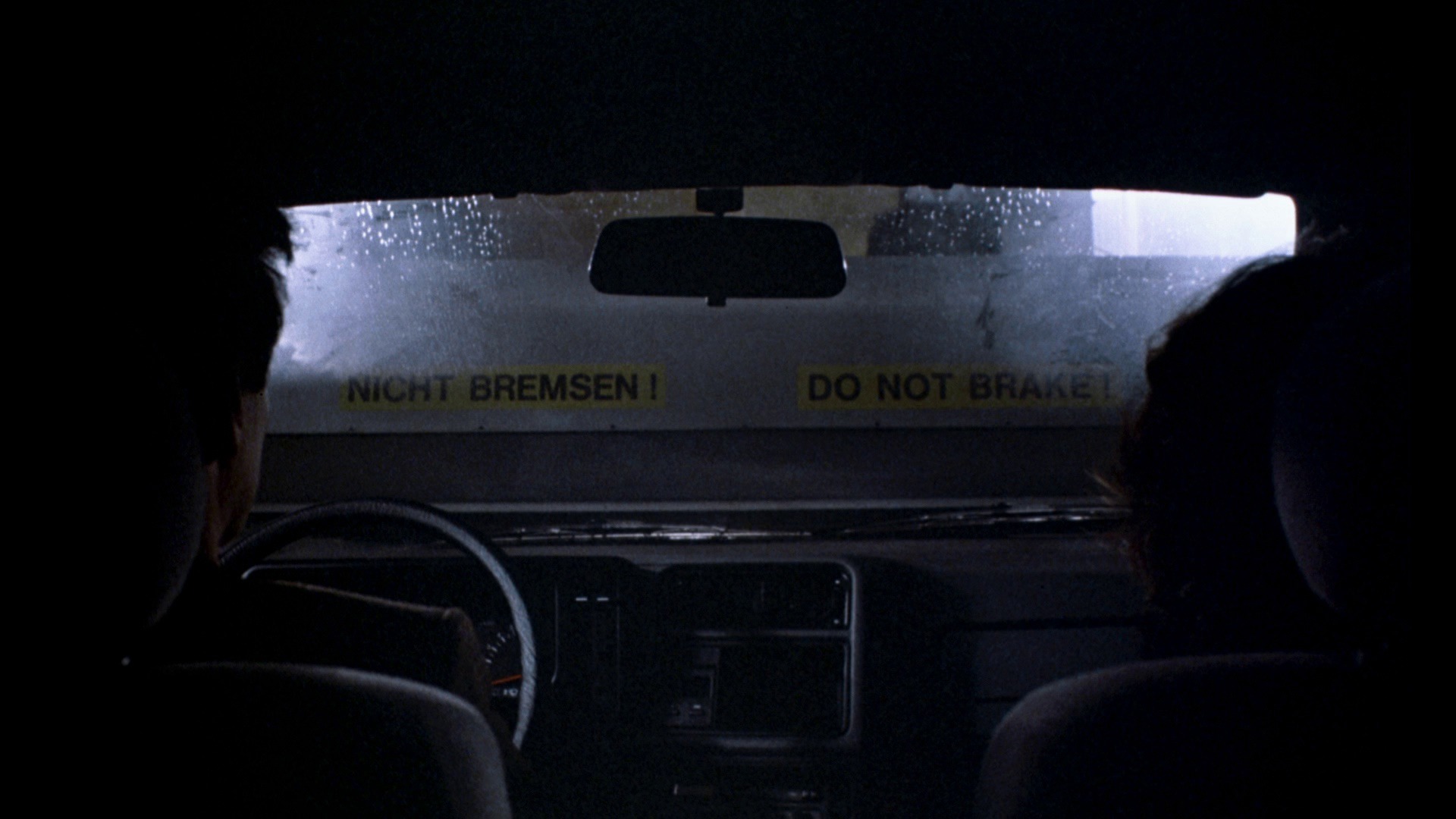
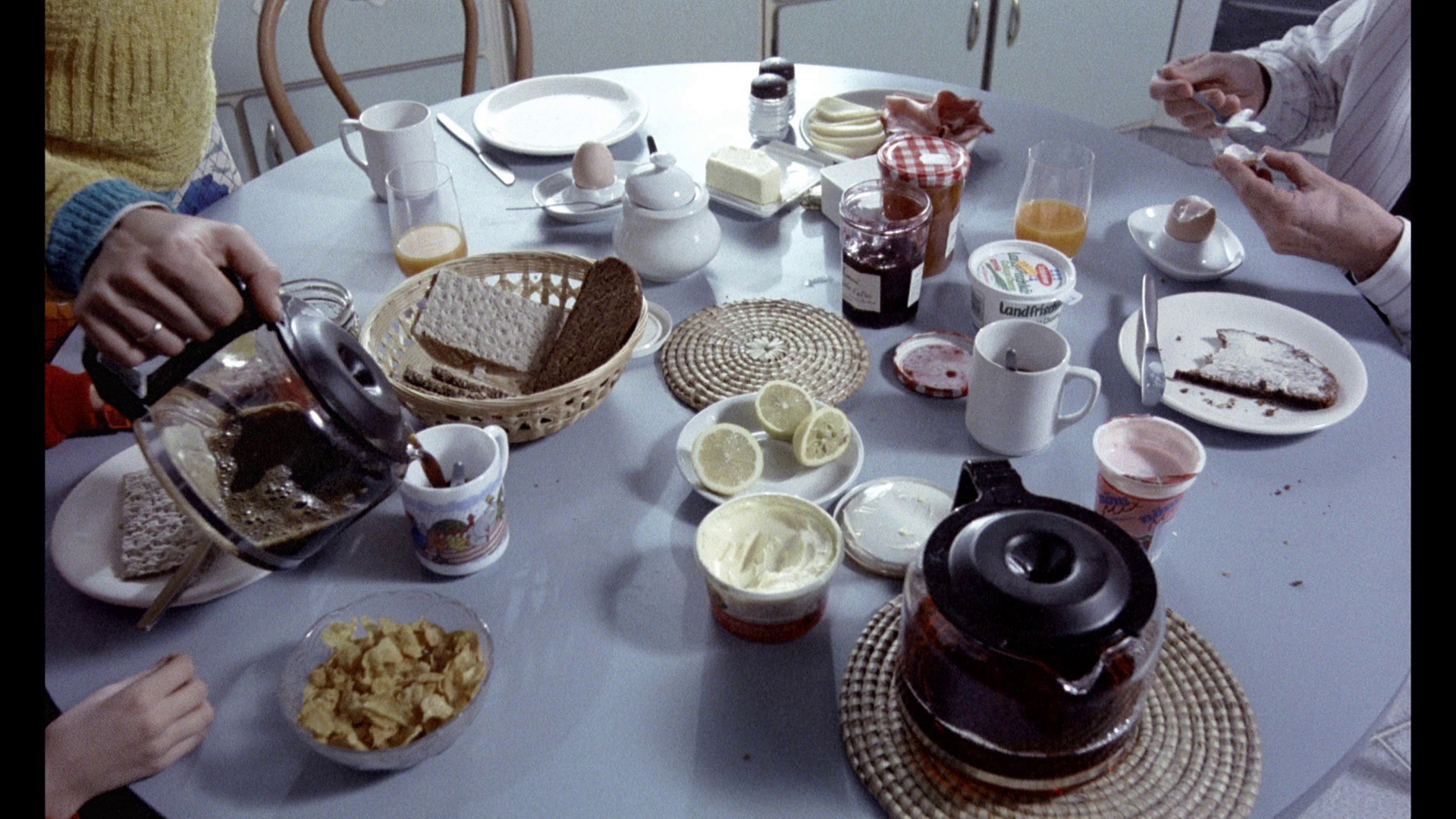
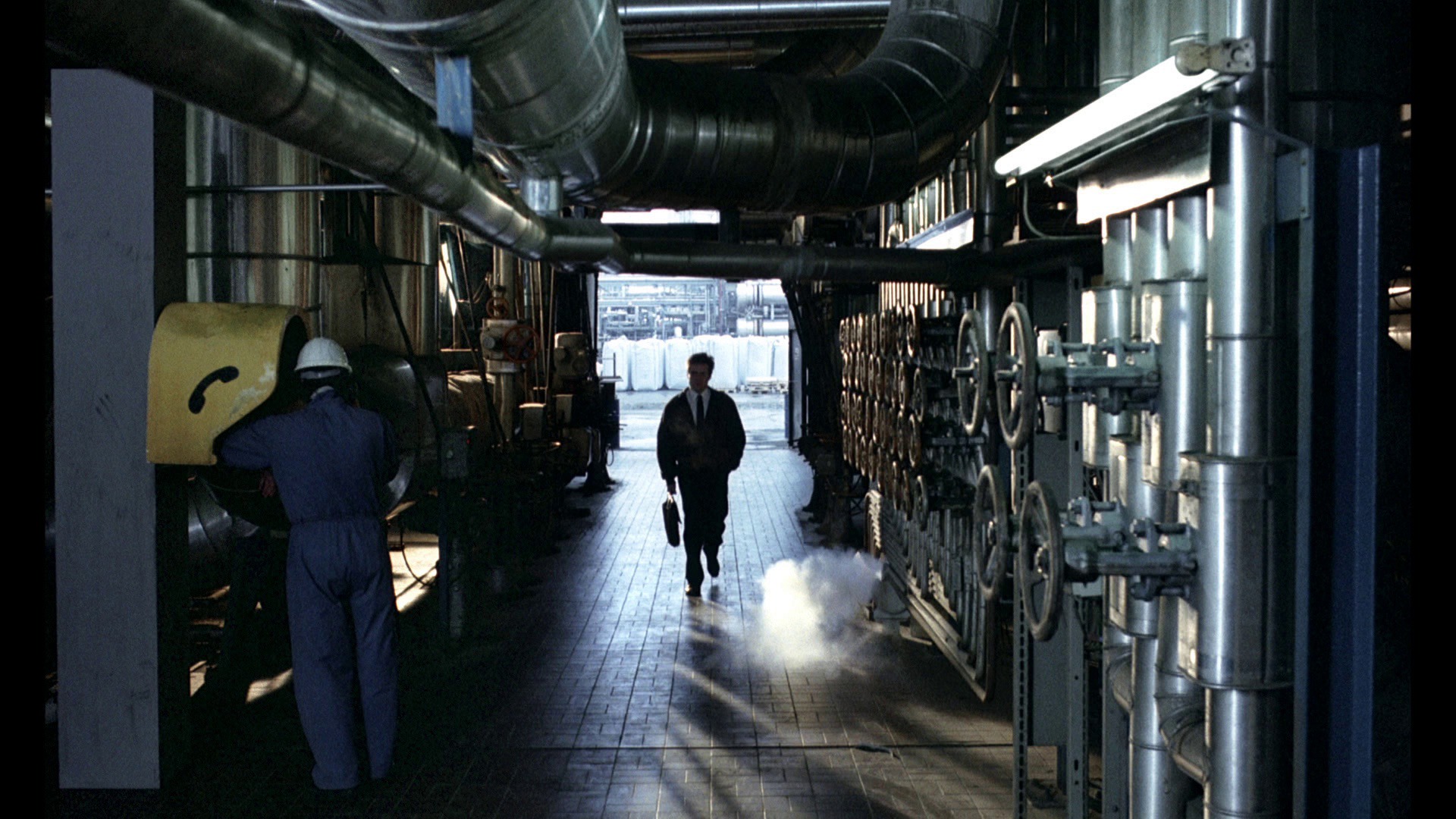
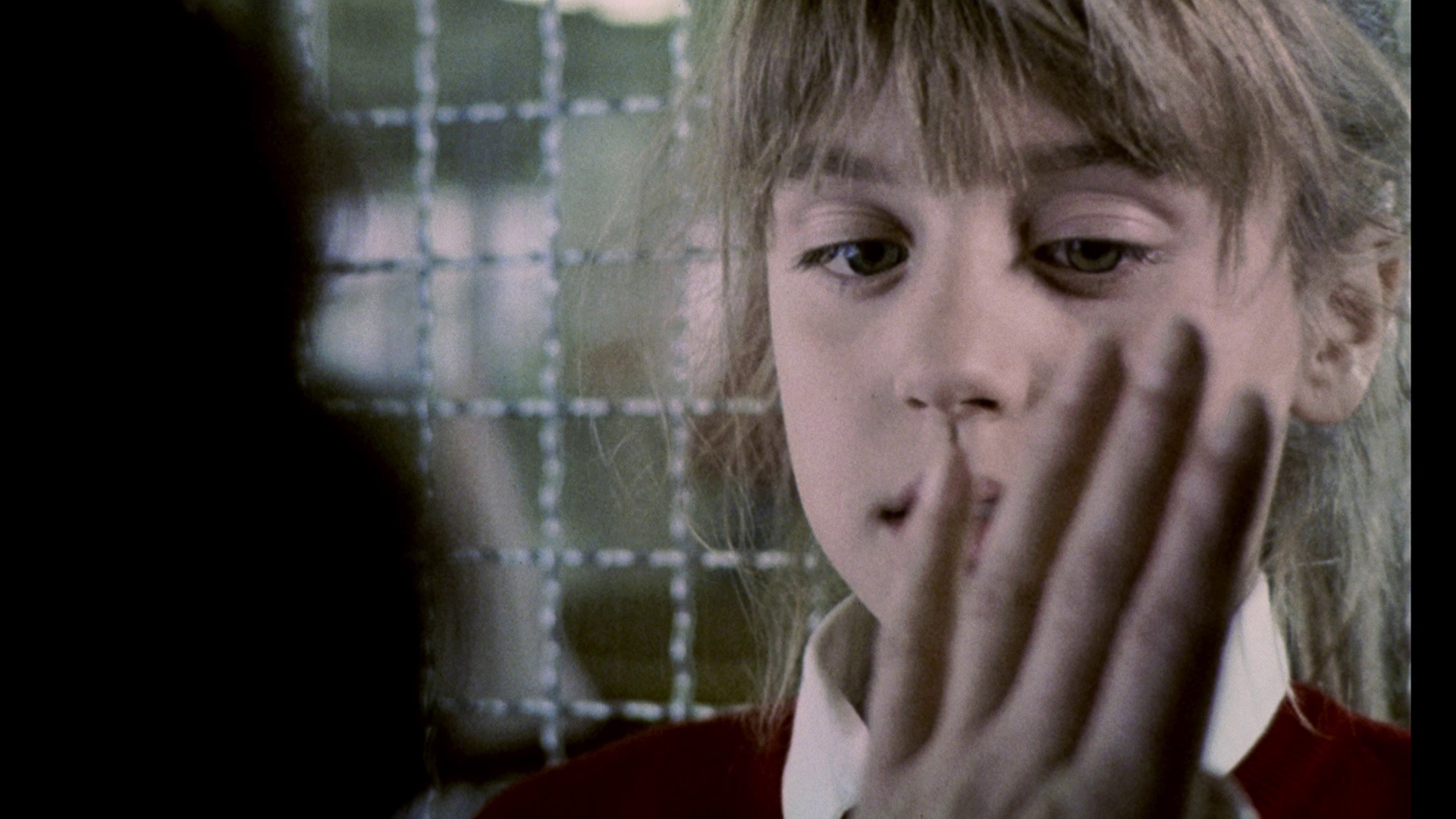
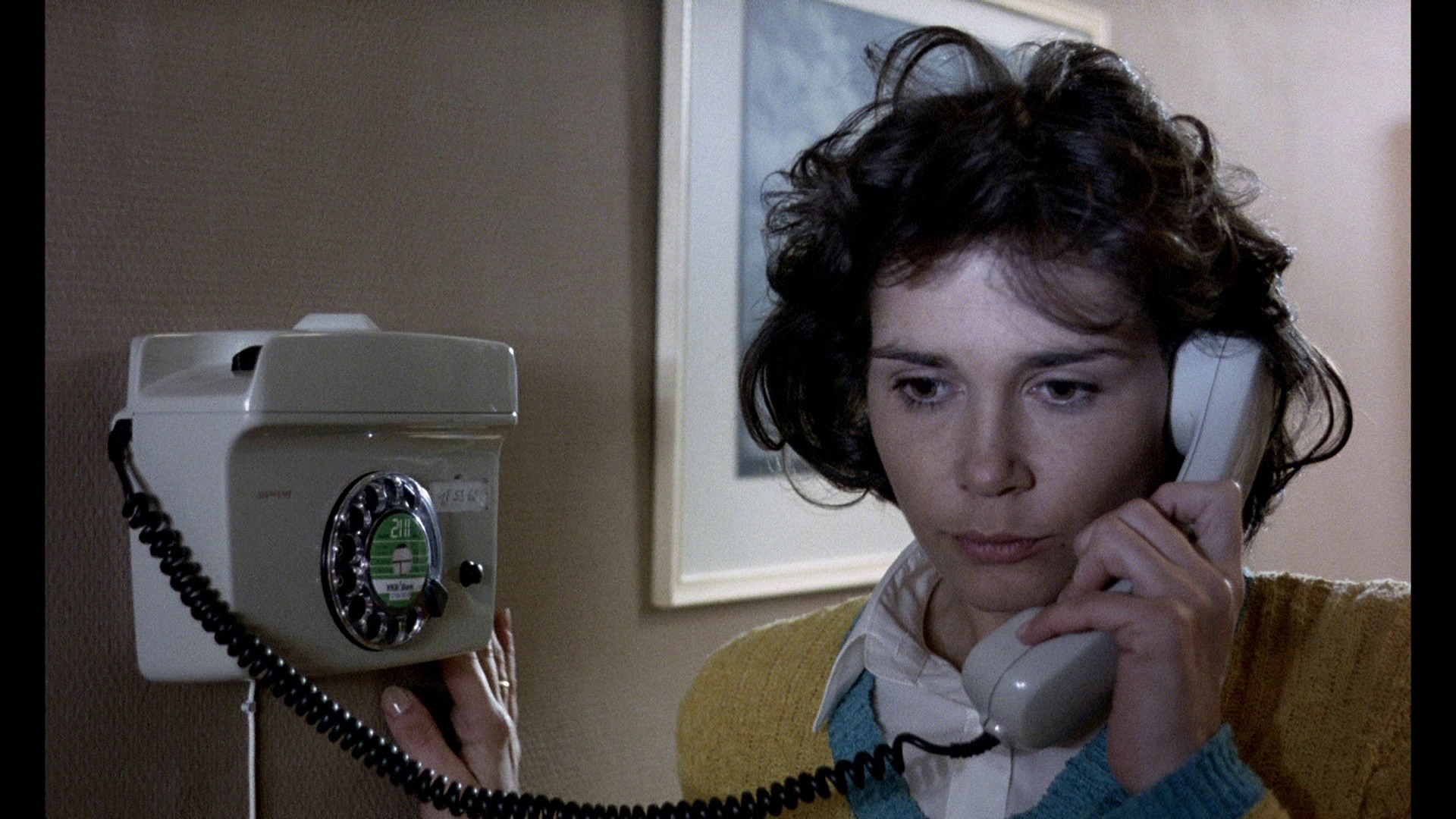
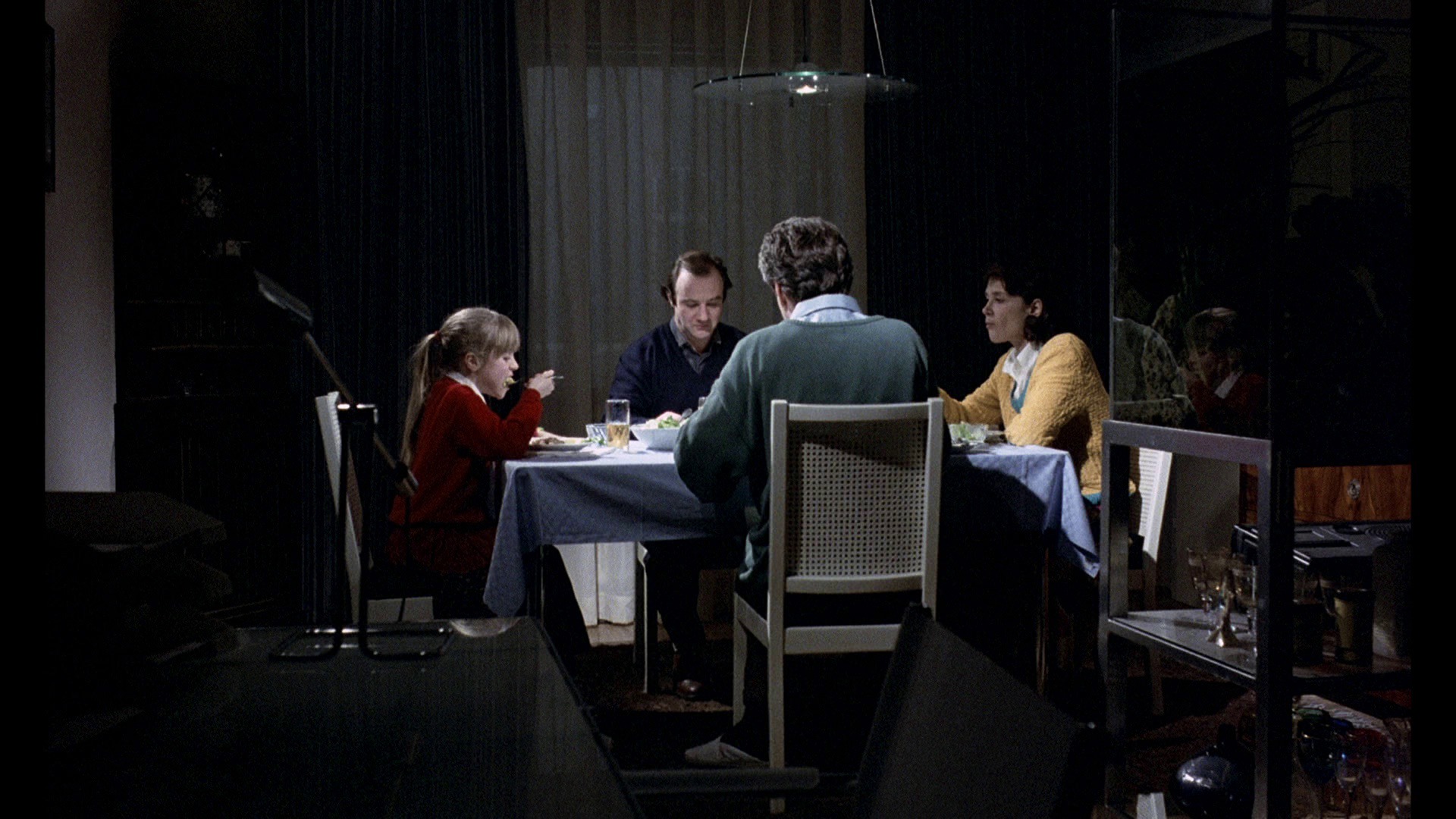
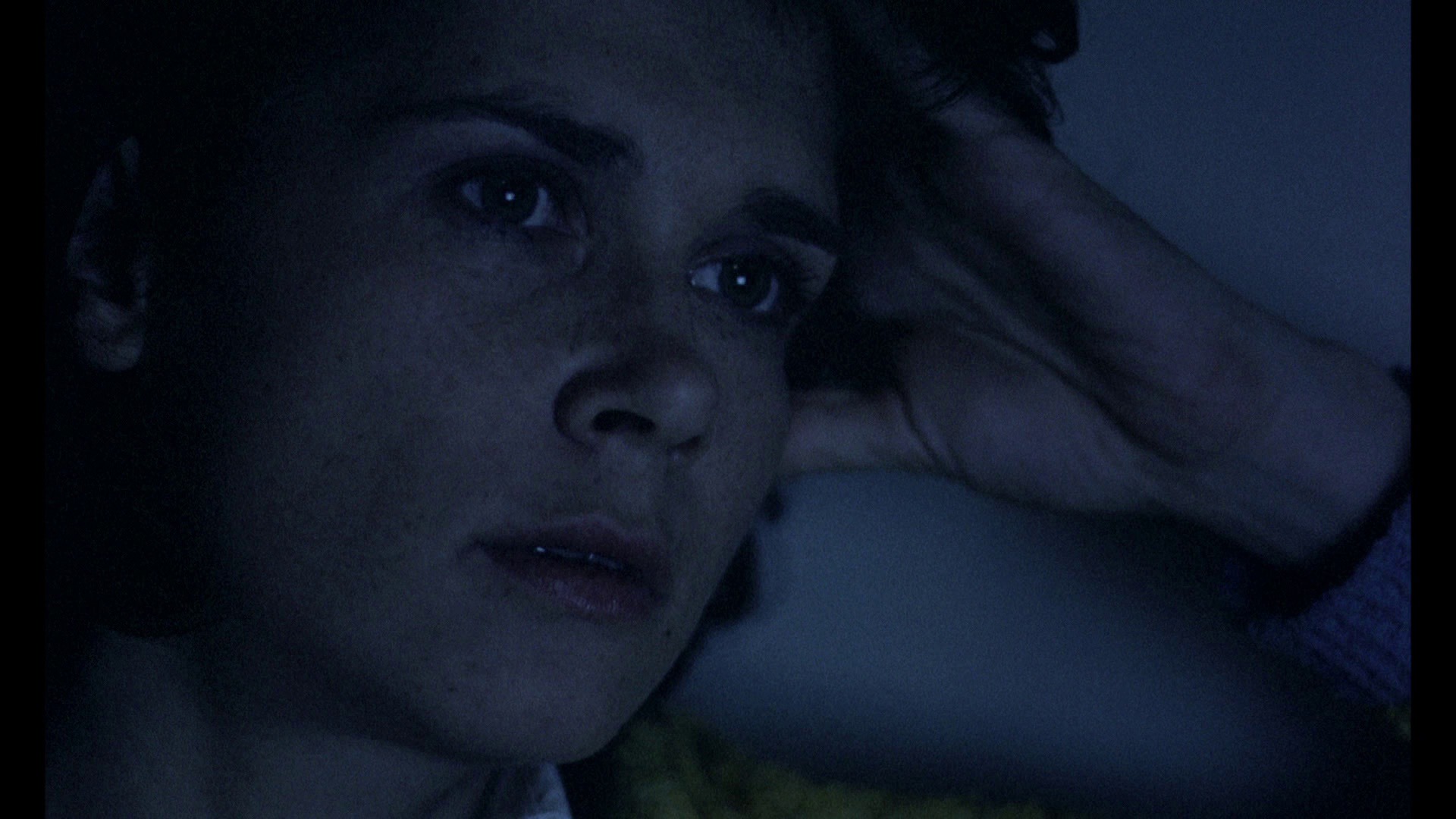
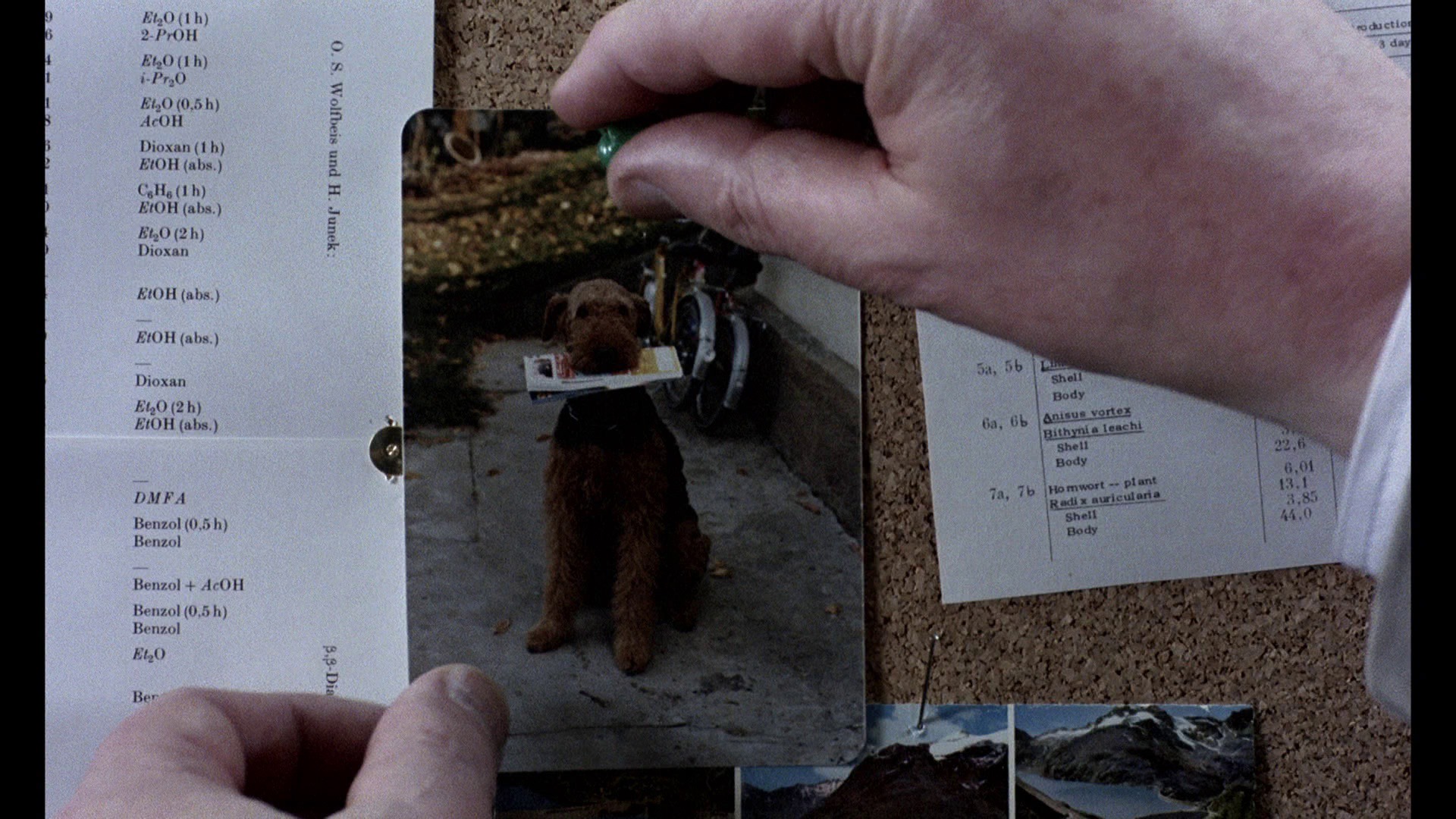
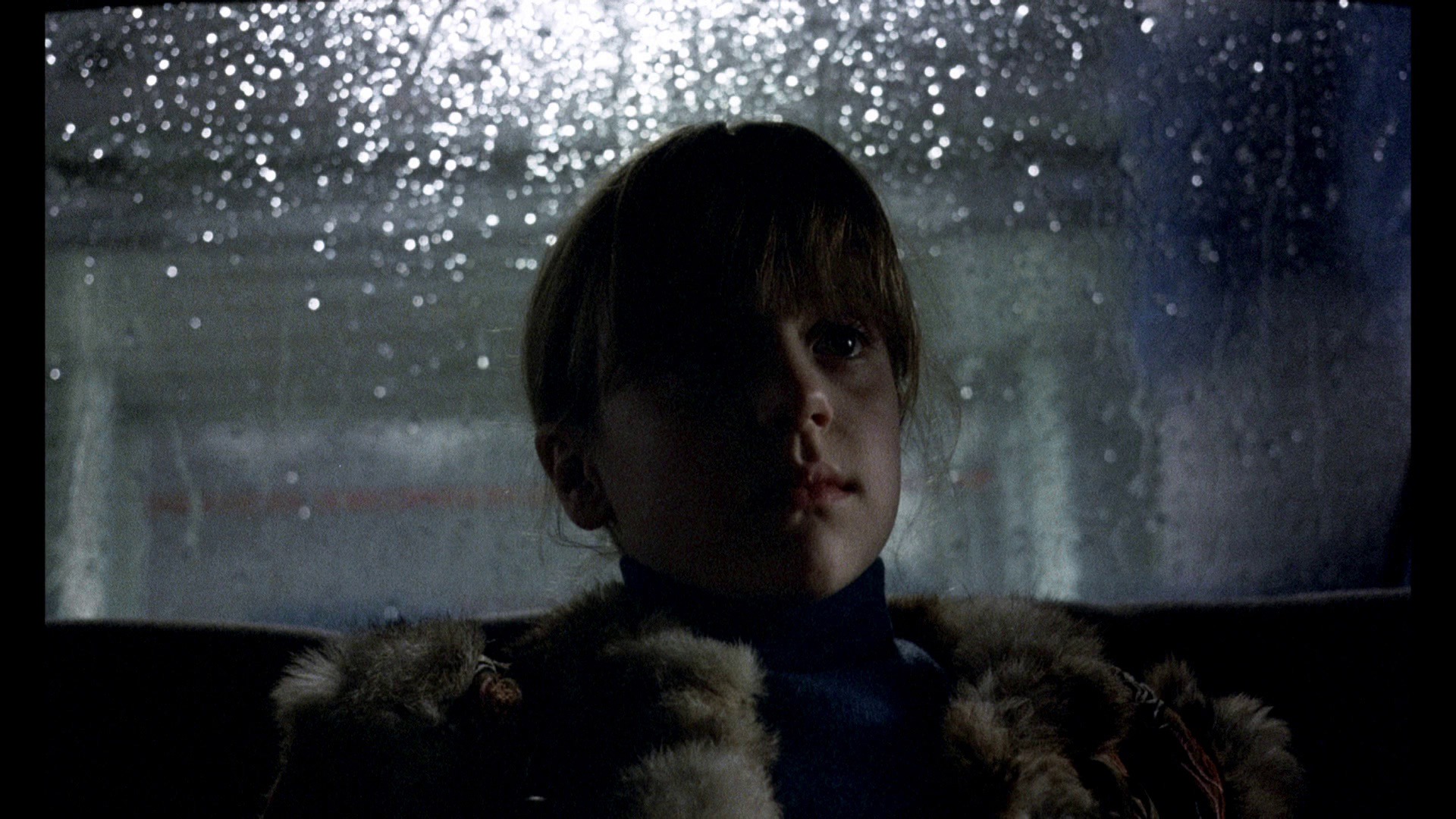
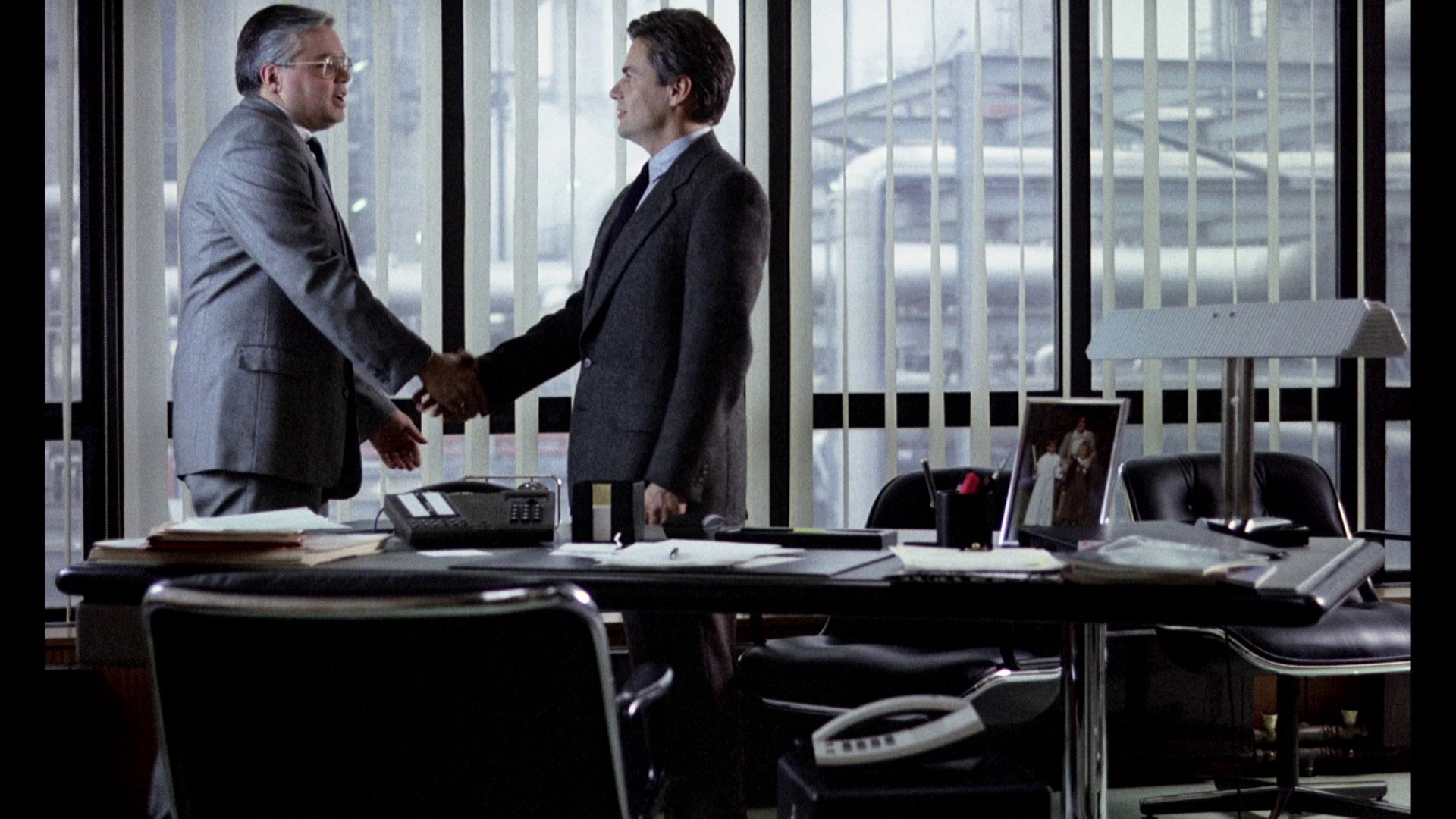
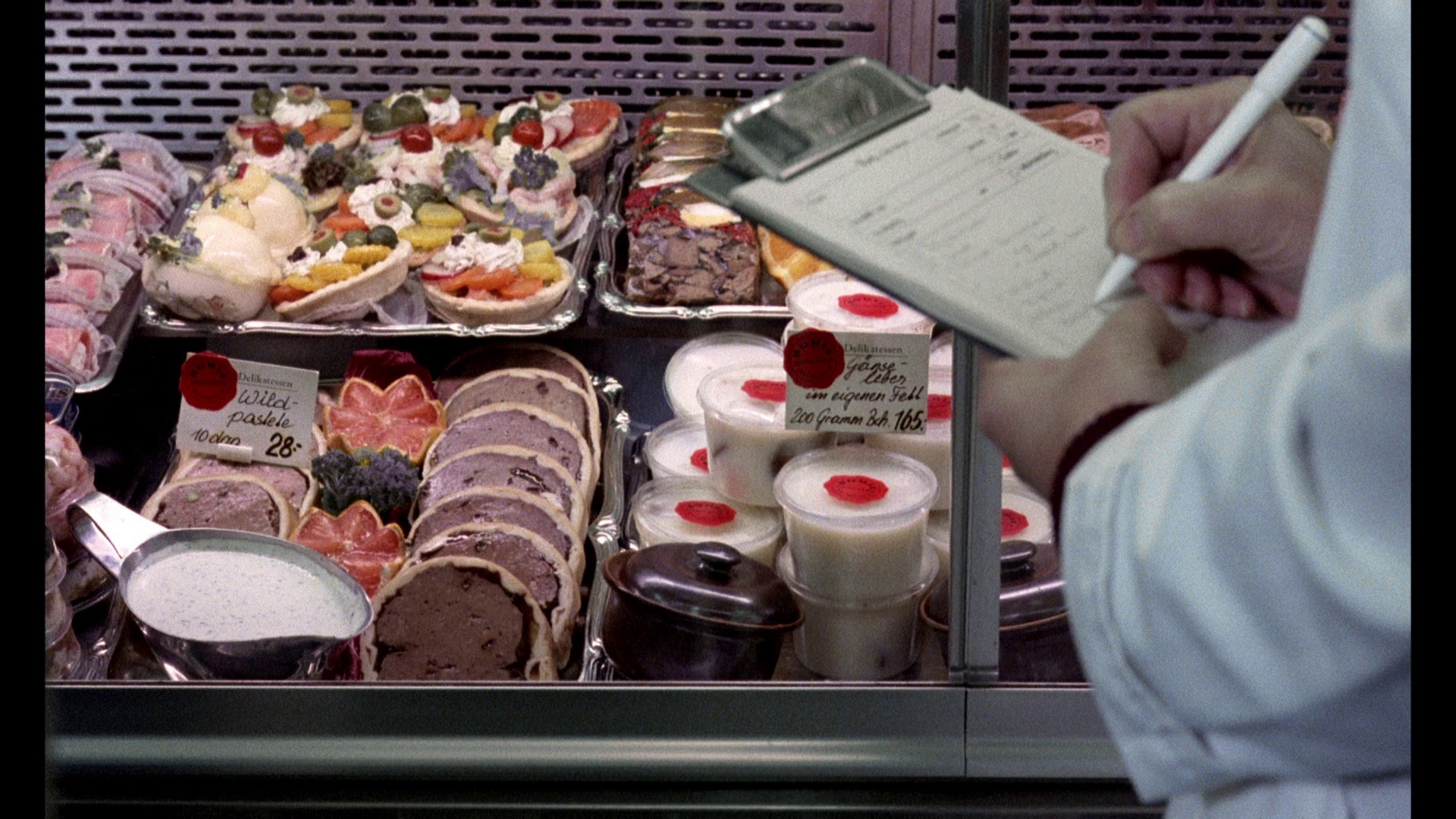
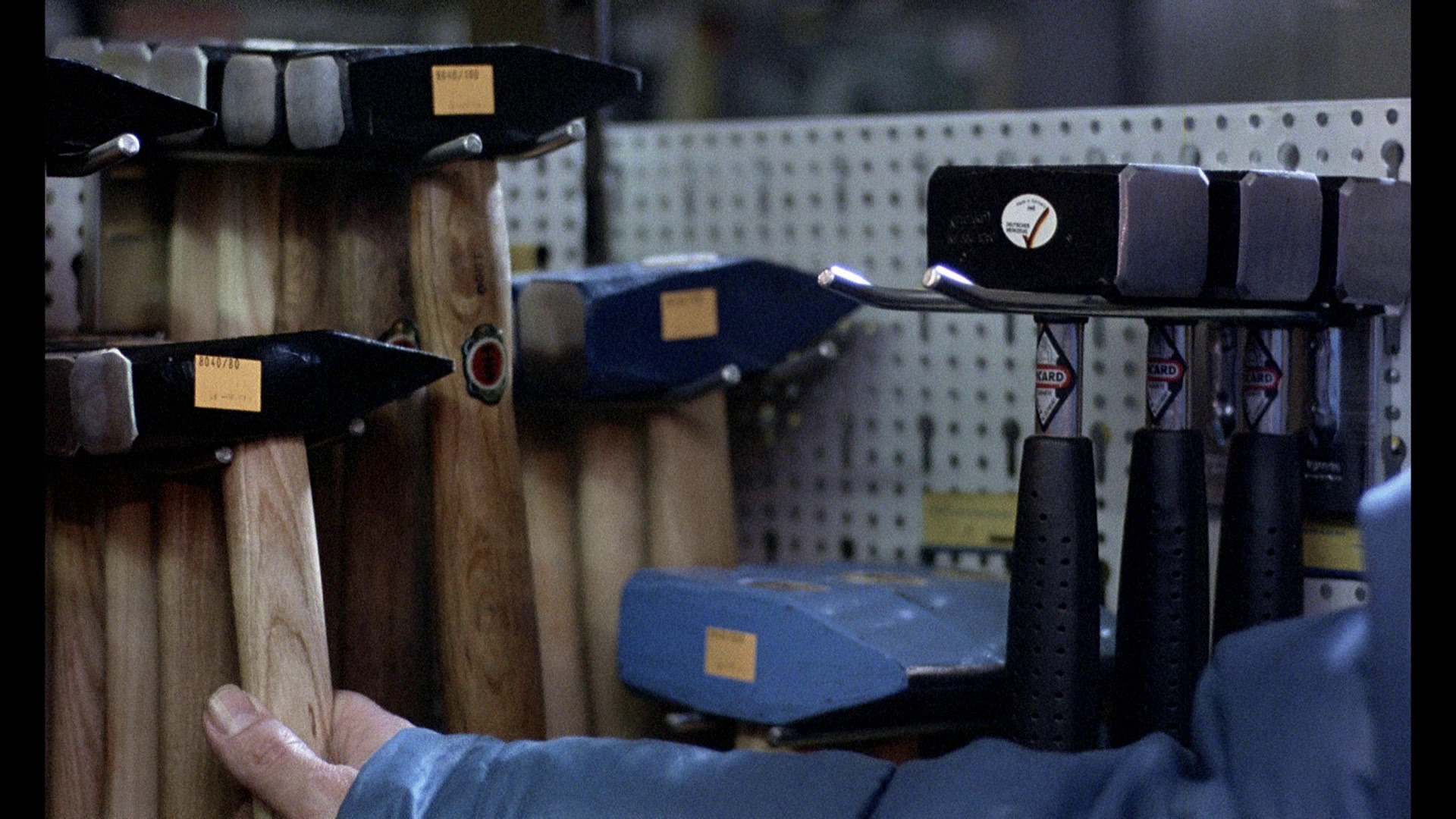
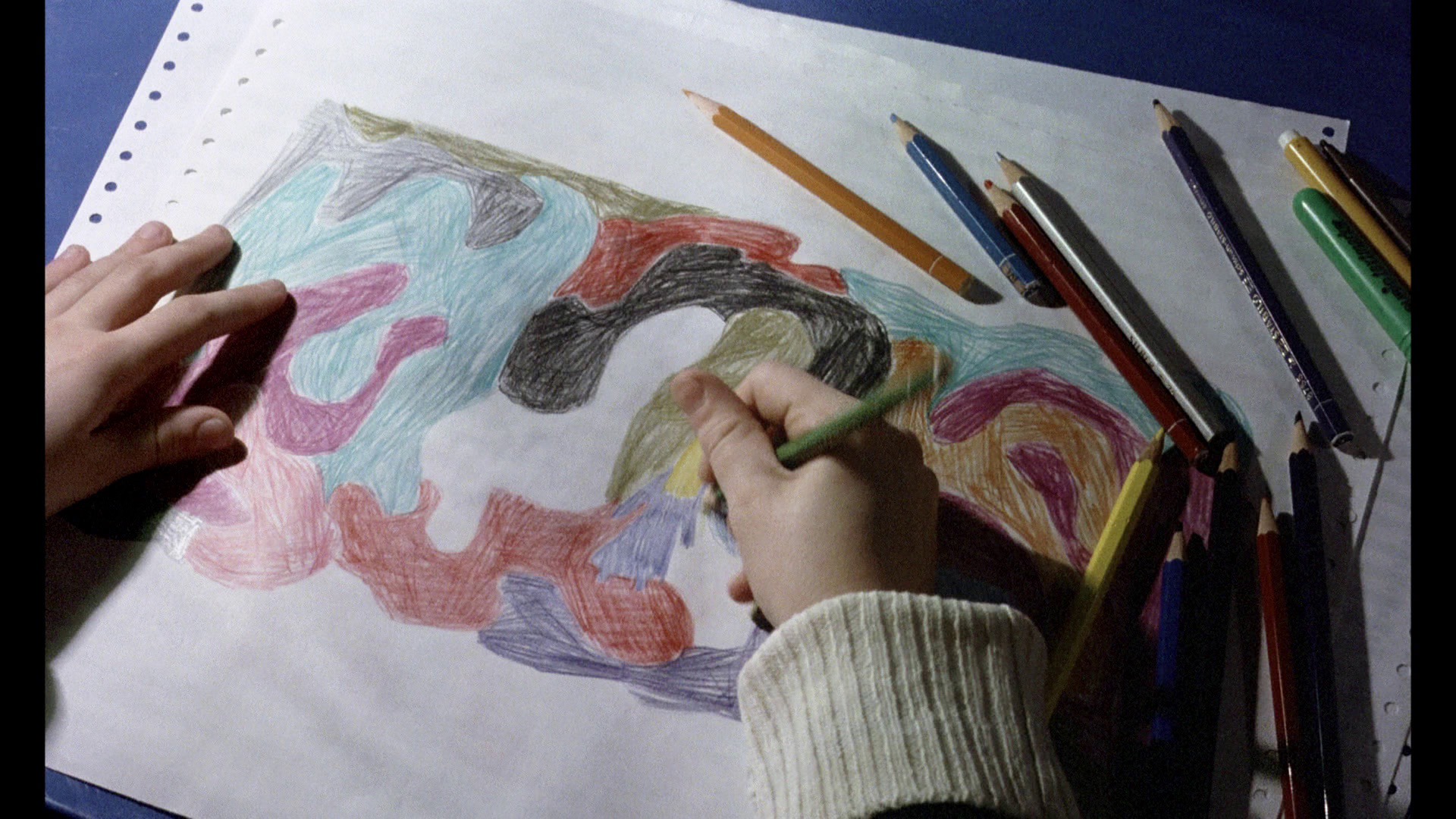
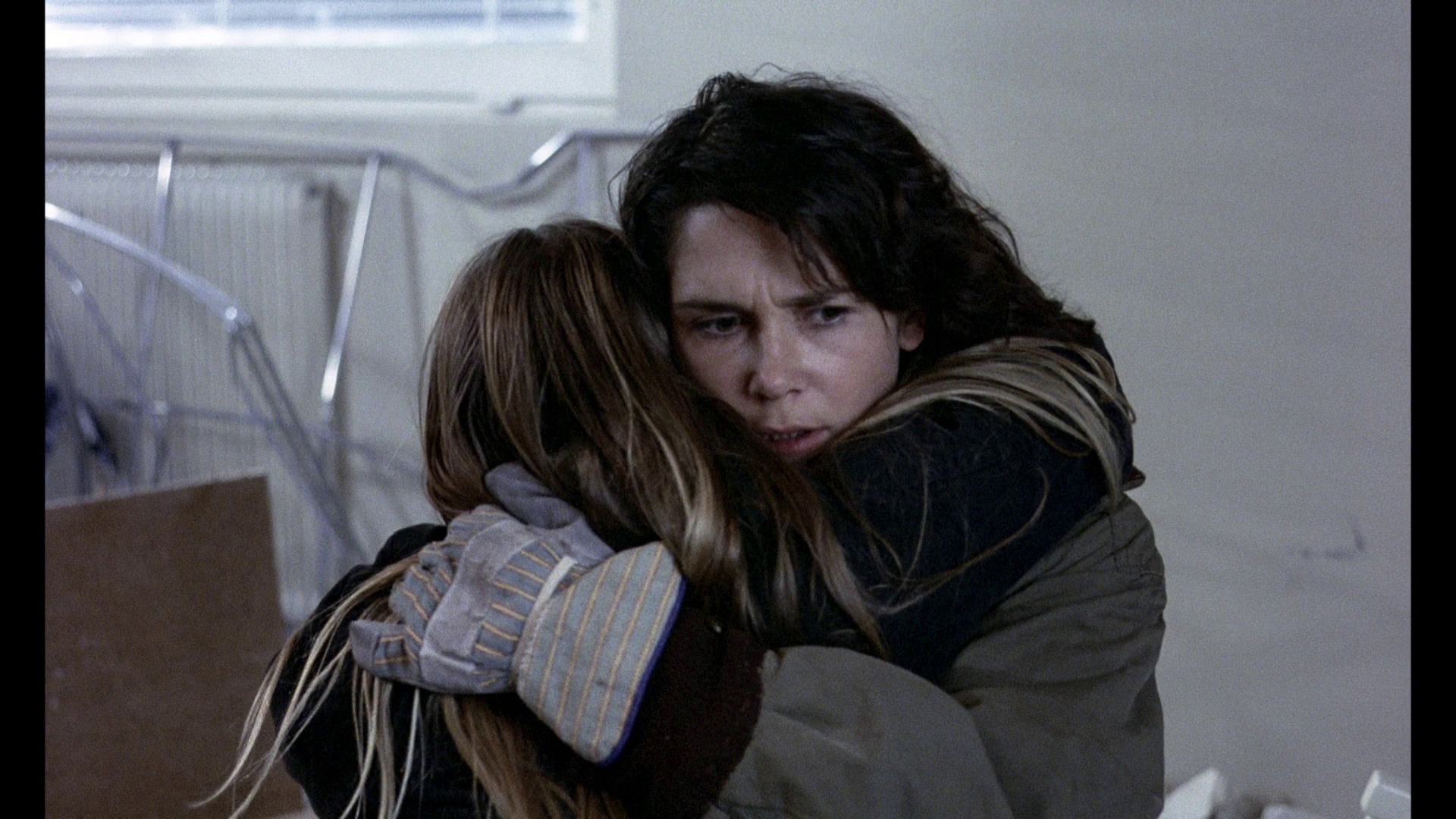
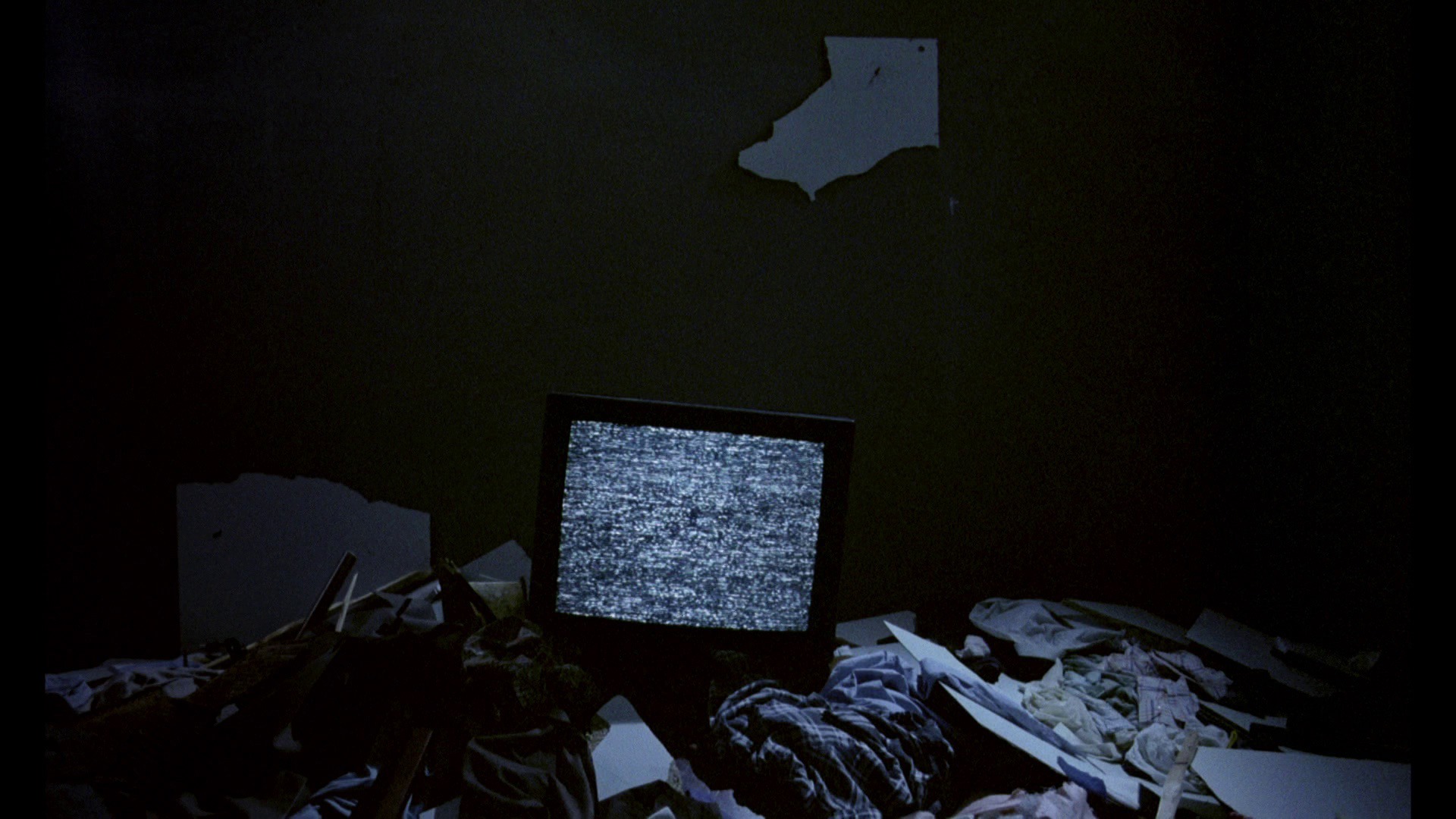
Audio 7/10
All of the films in the set come with lossless PCM single-channel monaural soundtracks, none of them being particularly showy. Still, there are some effective moments to be found in The Seventh Continent, a key scene midway through in an automated car wash sticking out as it shows an impressive level of range. The rest of the track has been cleaned up, no signs of damage present.
Extras 6/10
Supplements are spread across the three discs in the set, each disc including the respective film’s trailer (from a standard-definition source here) and a film-specific interview with Haneke, all of which were recorded in 2005 for other DVD releases. In this one Haneke talks about the incident that inspired the story and how he came to structure the film as he did, part of it being he wanted to tell a story that didn’t feed the audience the answers. Interestingly it sounds as though he had structured it initially for television but realized it would be better suited for a theatrical release, pushing him to finally make his first theatrical feature. Haneke’s interviews are always surprisingly breezy (even funny), and this is another good one with the director clearly explaining his goal with the film.
Film historian Alexander Horwath then sits for a 28-minute interview (recorded for Criterion in 2018) to discuss Haneke’s three early films and the loose trilogy they form. He first talks about the filmmaker’s television background, covering several of his works for the medium, before talking about first seeing The Seventh Continent and getting into the splash it made at the time. This then leads him to talk about the other films found in the set, what Haneke is saying about consumption of mass-media through them and how the critical reactions to these films at the time weren’t too hot. He notes critics fawned more over another film with a similar message, Natural Born Killers, but states he feels it has aged poorly compared to Haneke’s films, feeling they’re far more “durable” in the long run. I found Horwath’s contribution to be a strong addition and it should be beneficial to those just coming to Haneke’s work. It’s also worth mentioning that even though the other two films in the set come up I can’t say there is anything that really constitutes a “spoiler” about them so it should be safe to view before watching the other films.
And that’s it.
No, it’s not “packed” with stuff, but it’s a good way to start off the set.
Closing
The film receives a surprisingly nice presentation despite the dated master while the features ease one into the set and the remaining films.
BUY AT: