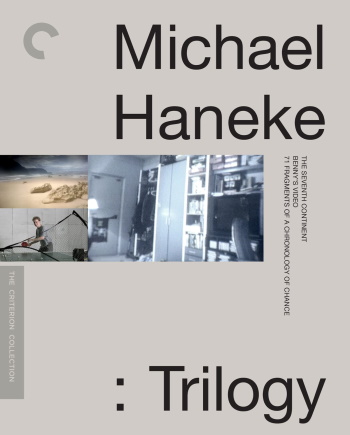
Michael Haneke: Trilogy
71 Fragments of a Chronology of Chance
BUY AT:


See more details, packaging, or compare
Synopsis
One of contemporary cinema’s most original, provocative, and uncompromising filmmakers, Austrian auteur Michael Haneke dares viewers to stare into the void of modern existence. With his first three theatrical features, The Seventh Continent, Benny’s Video, and 71 Fragments of a Chronology of Chance—a trilogy depicting a coldly bureaucratic society in which genuine human relationships have been supplanted by a deep-seated collective malaise—Haneke established the rigorous visual style and unsettling themes that would recur throughout his work. Exploring the relationships among consumerism, violence, mass media, and contemporary alienation, these brilliant, relentlessly probing films open up profound questions about the world in which we live while refusing the false comfort of easy answers.
Picture 7/10
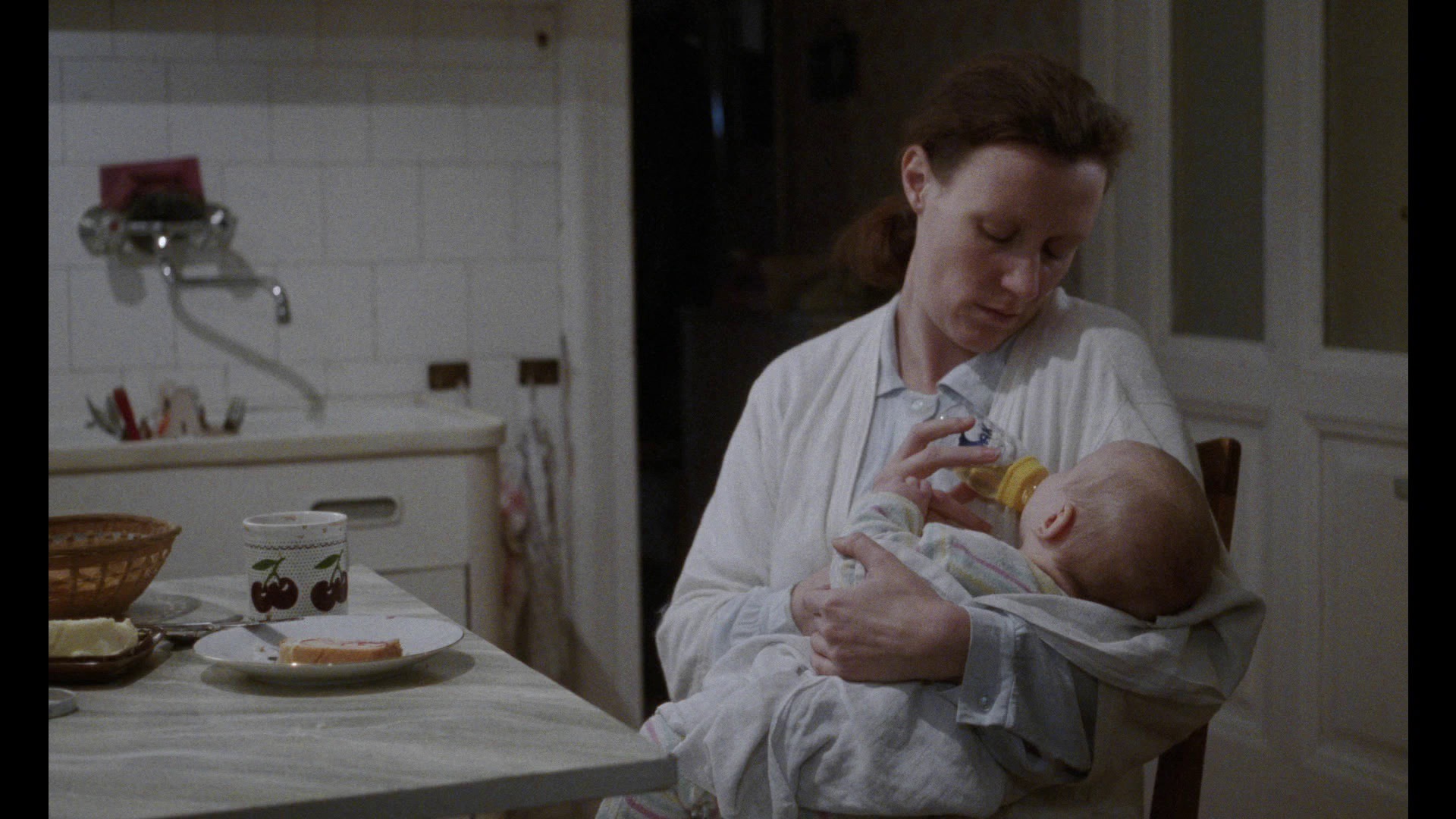
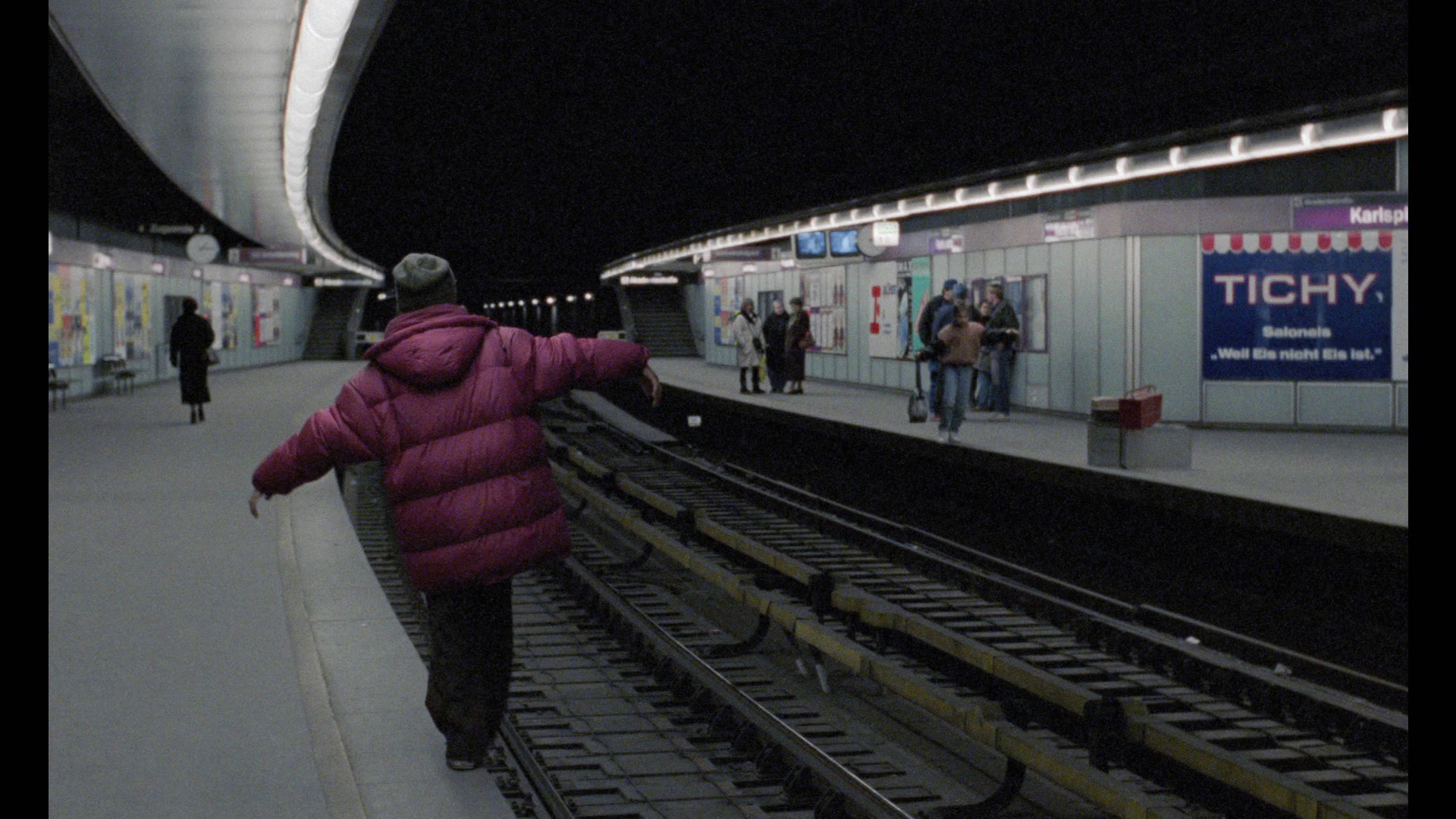
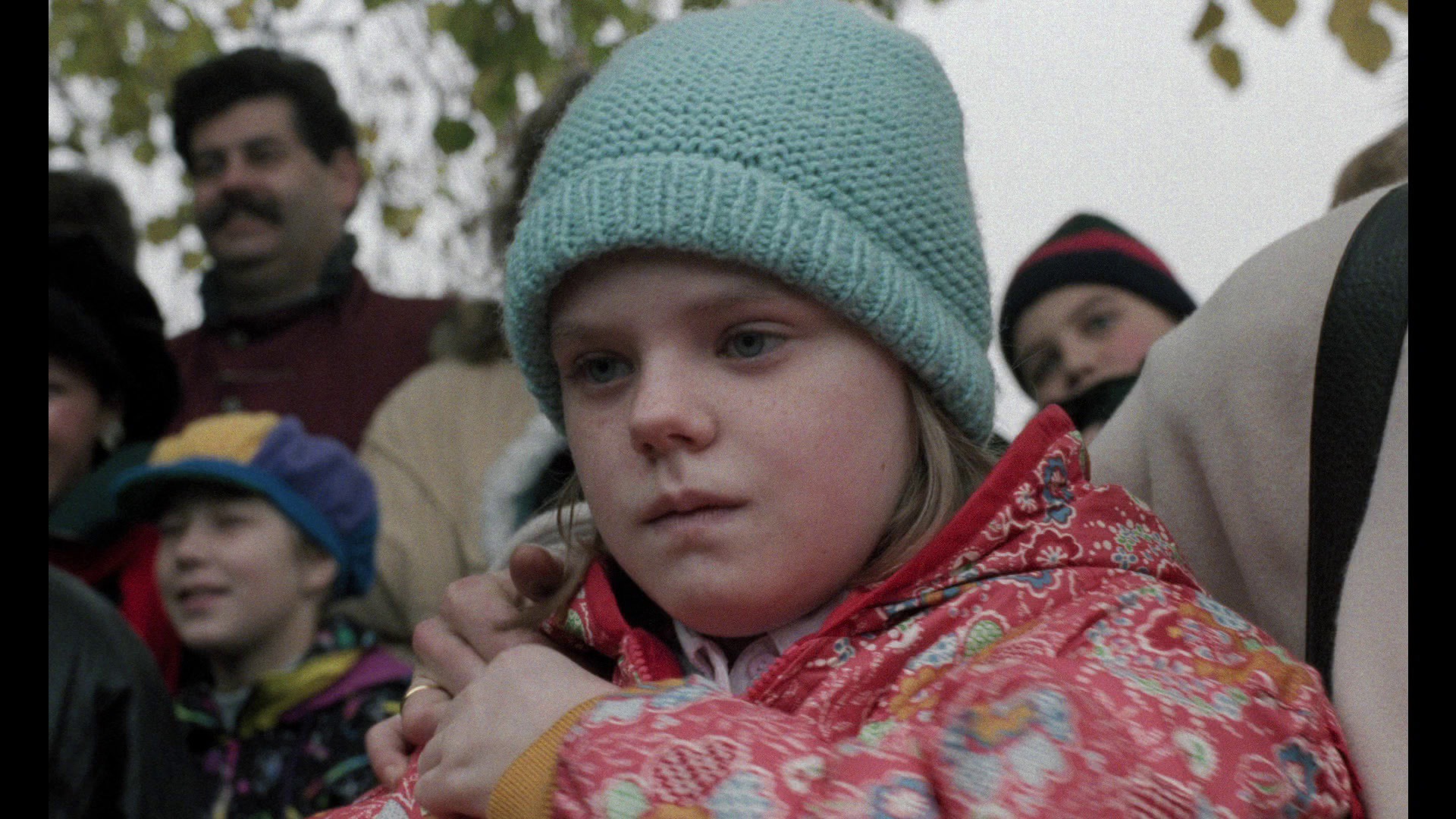
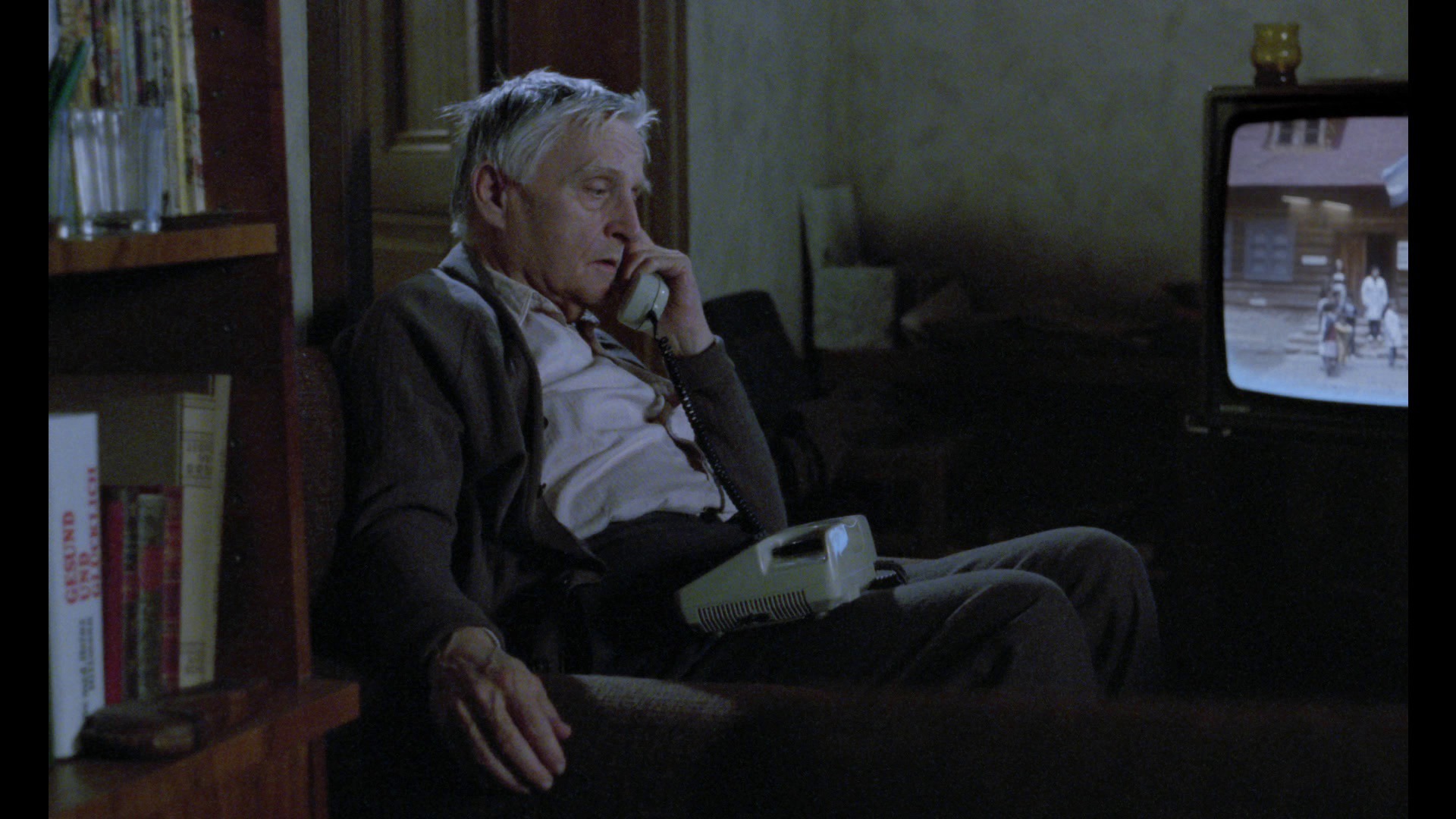
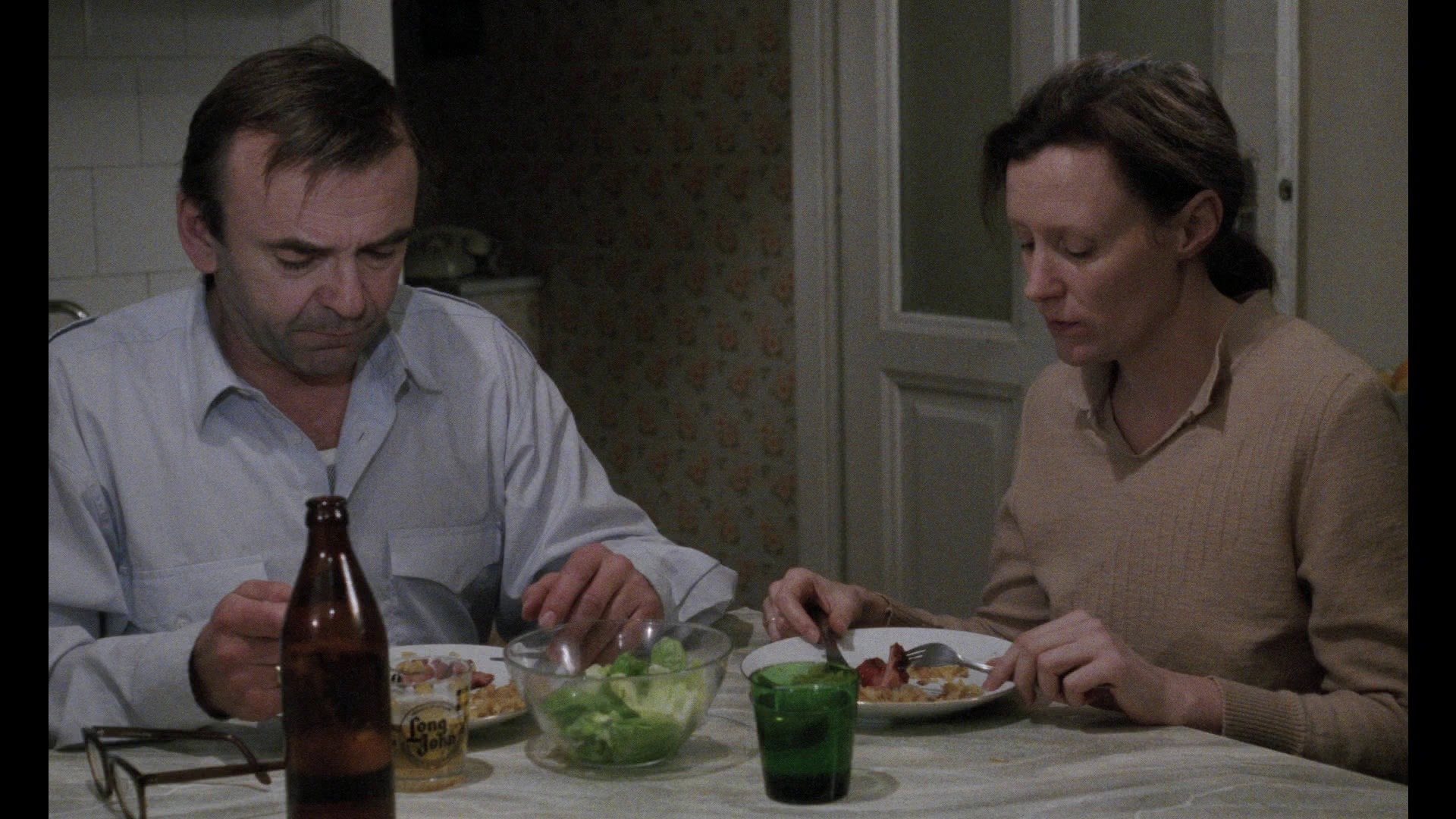
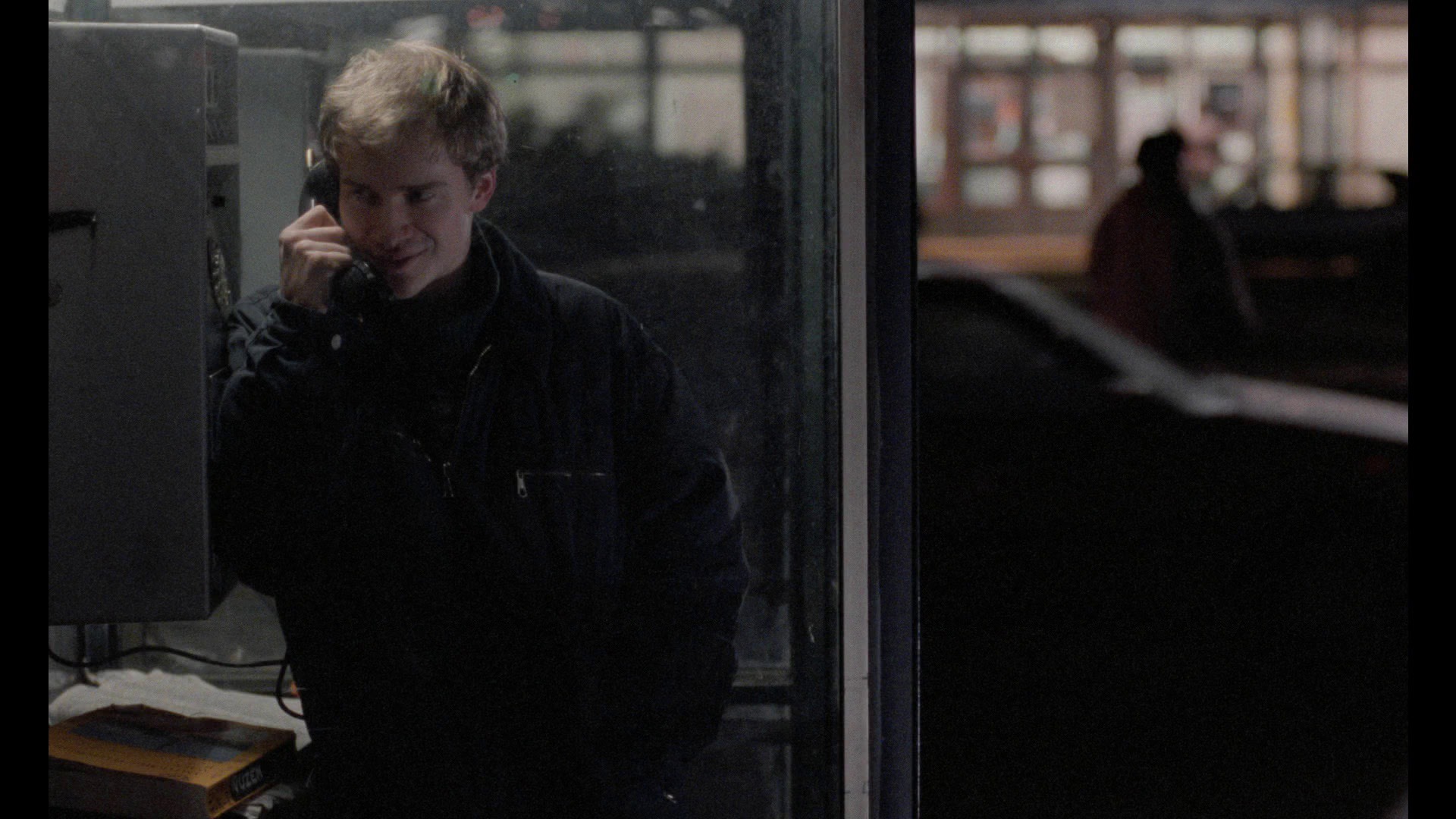
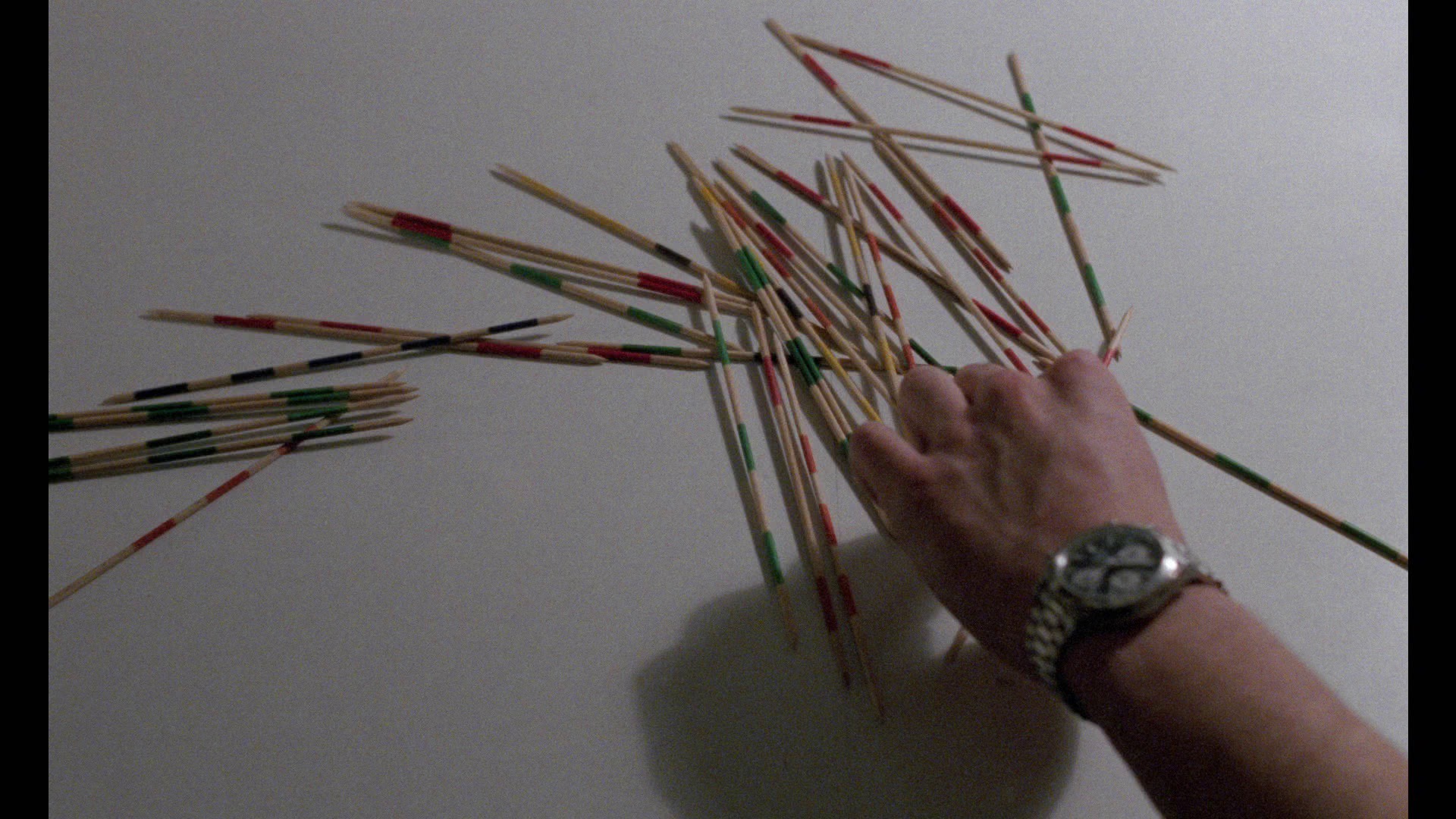
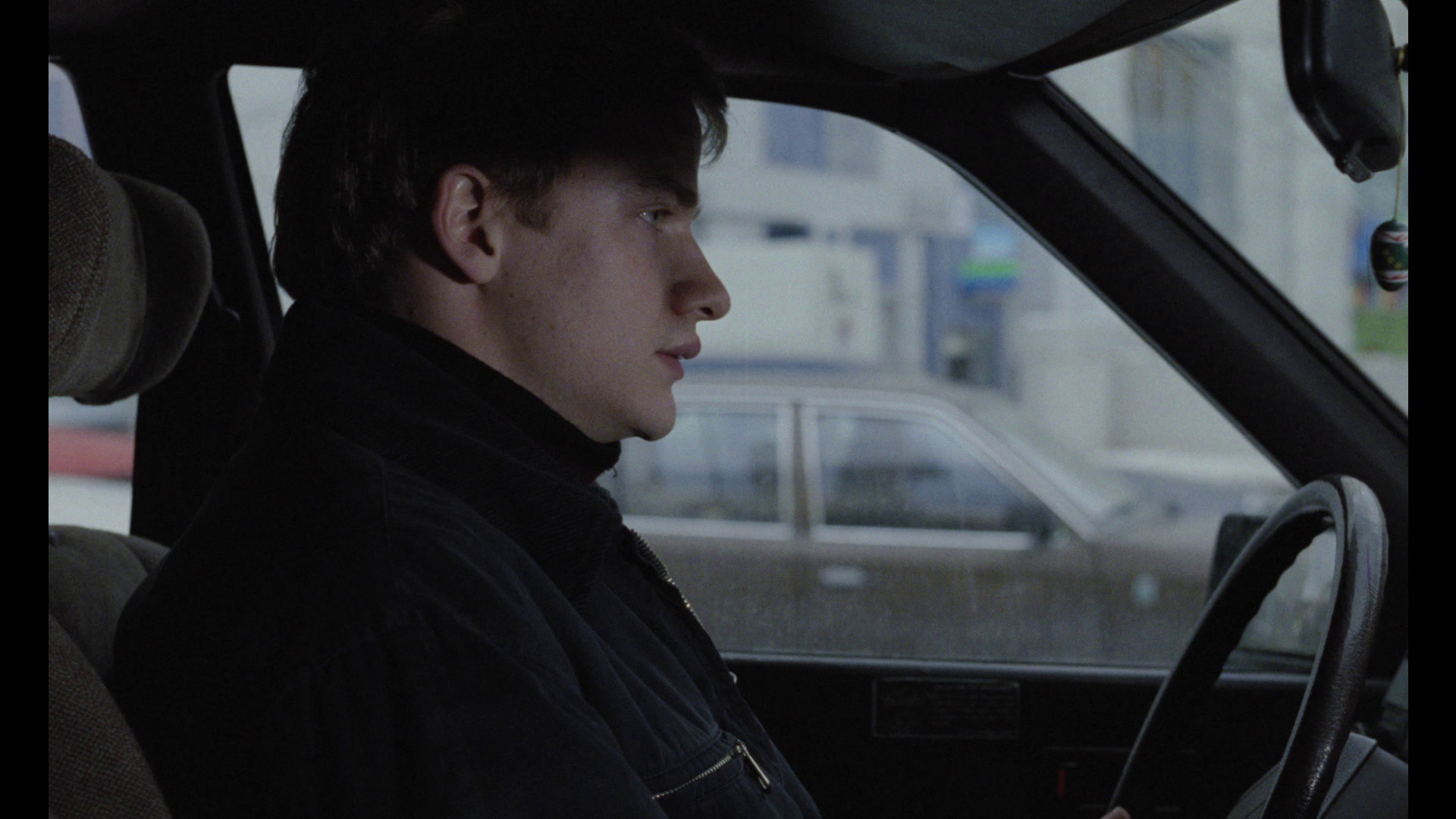
The third and final dual-layer disc in Criterion’s new set, Michael Haneke: Trilogy, presents 71 Fragments of a Chronology of Chance, delivered here with a 1080p/24hz high-definition encode in its original aspect ratio of 1.66:1. The master was taken from a scan of the 35mm original camera negative.
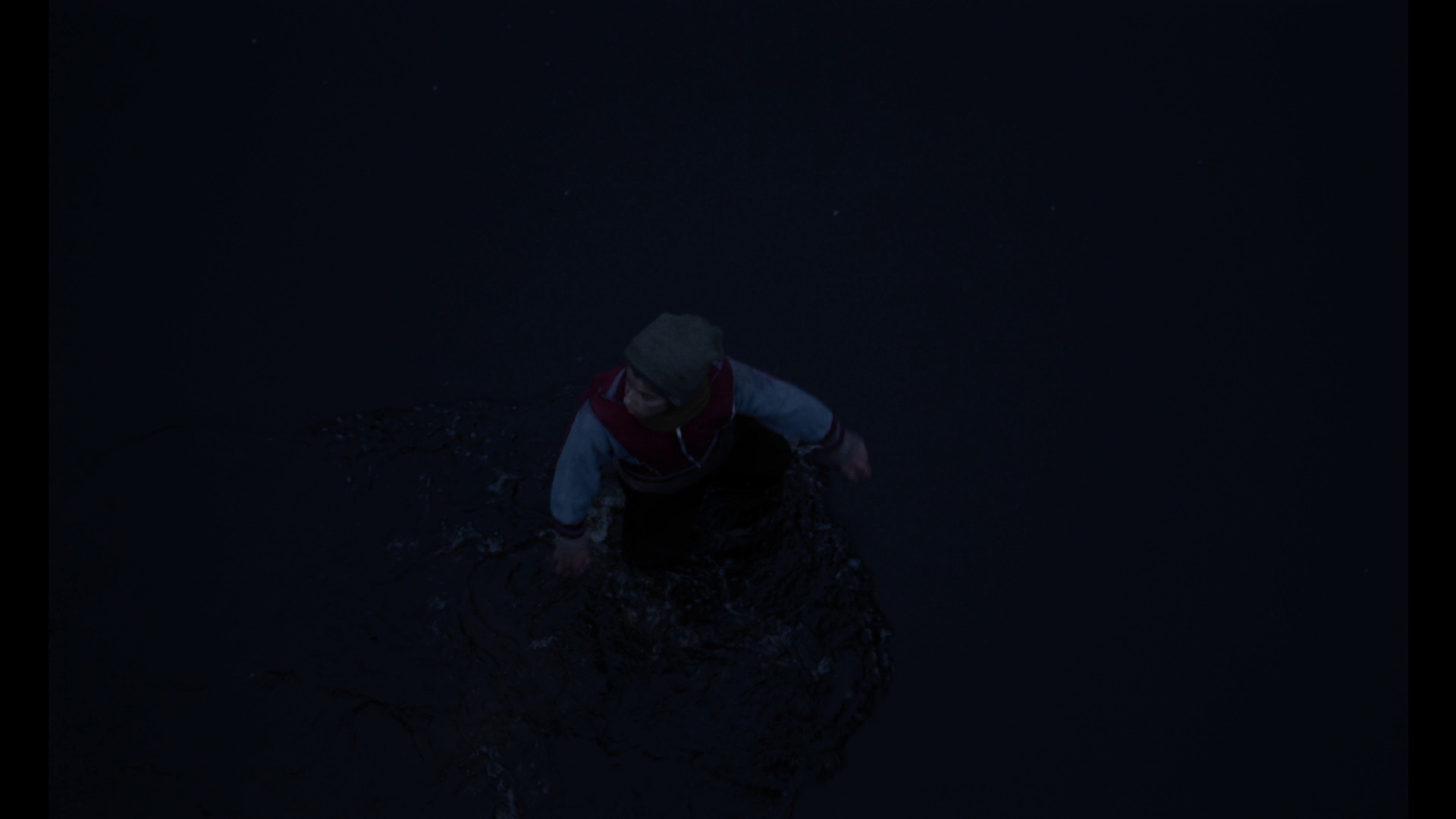
Criterion is again working with an older master and even if it’s still better than I was initially expecting the end results may end up being the weaker of three, if only by a slight margin. Banding and blocking pops up in the other presentation but they may end up being a bit more notable in this presentation, probably worse during the opening low-lit sequence where a character is moving through shallow water. Shimmering also pops up on occasion and the film’s grain can take on a bit of a blockier look.
Still, for what it is, it looks clean enough with a decent film-like texture and looking far sharper than what the Kino DVD offered. The restoration has also cleaned up things nicely, though a couple of larger stains do pop up in a couple of places.
Like the other films in the set the presentation doesn’t come out looking anywhere near as weak I was expecting, but the film could most surely use a new scan and restoration.
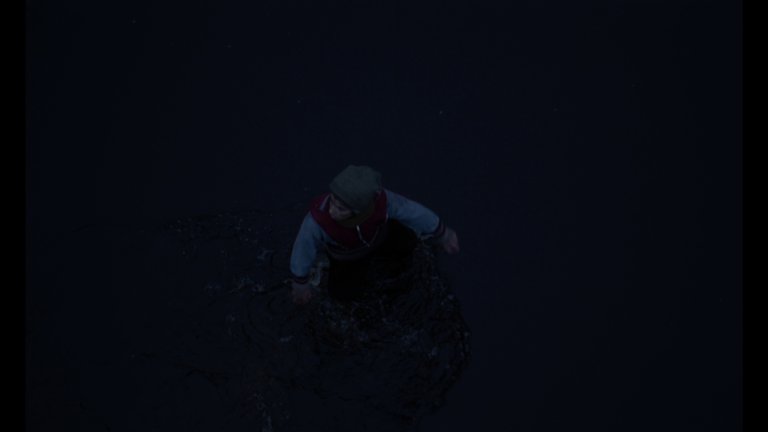
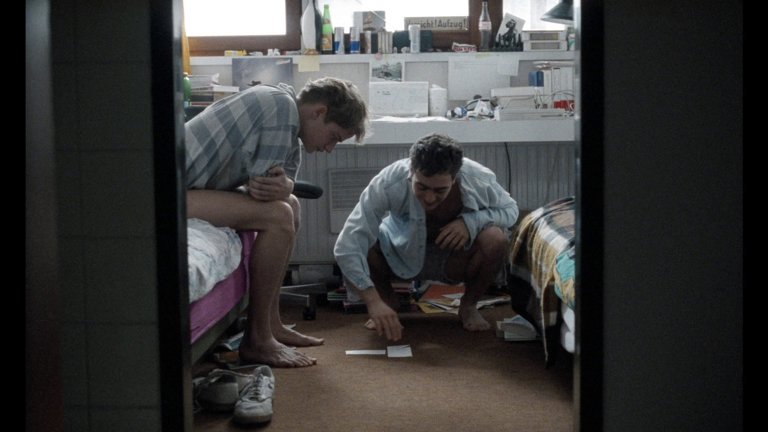
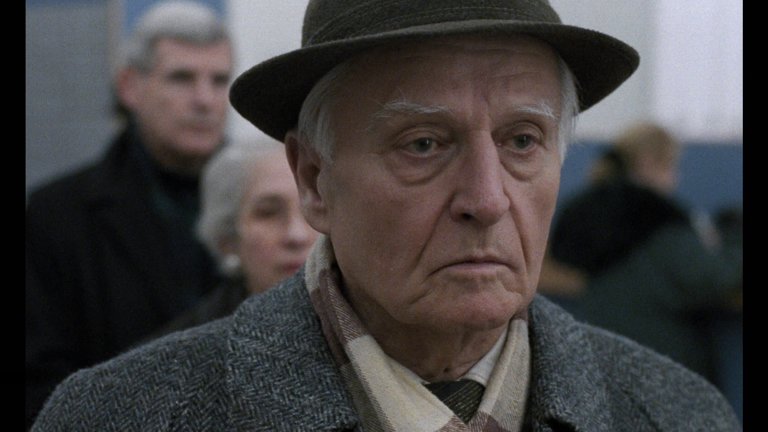
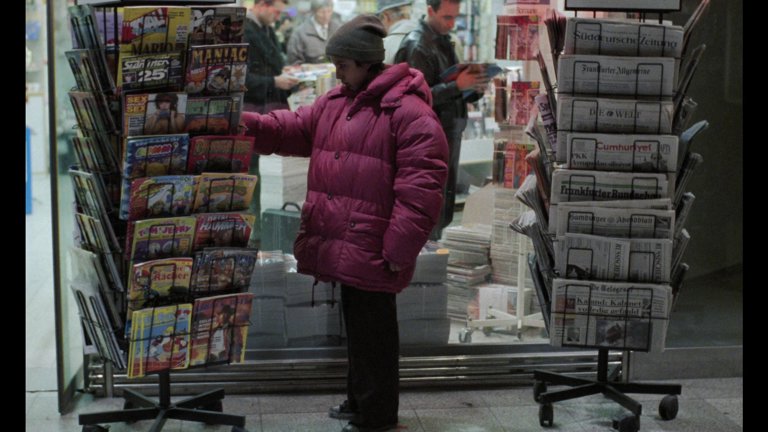
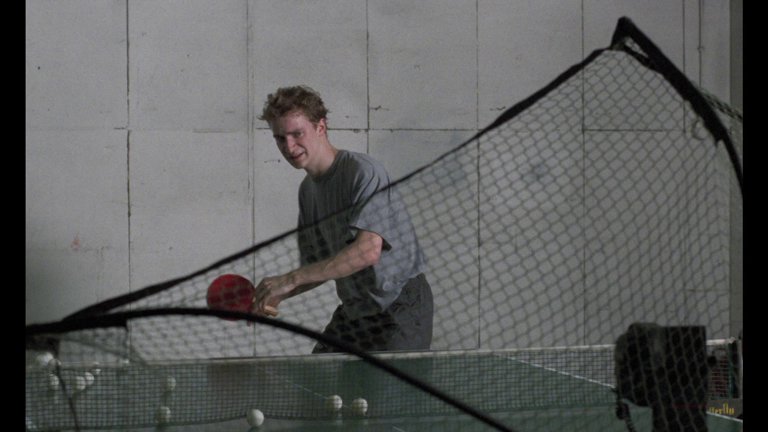
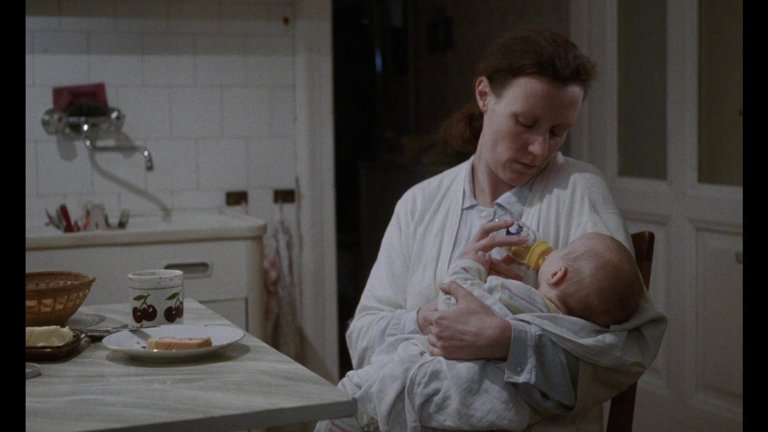
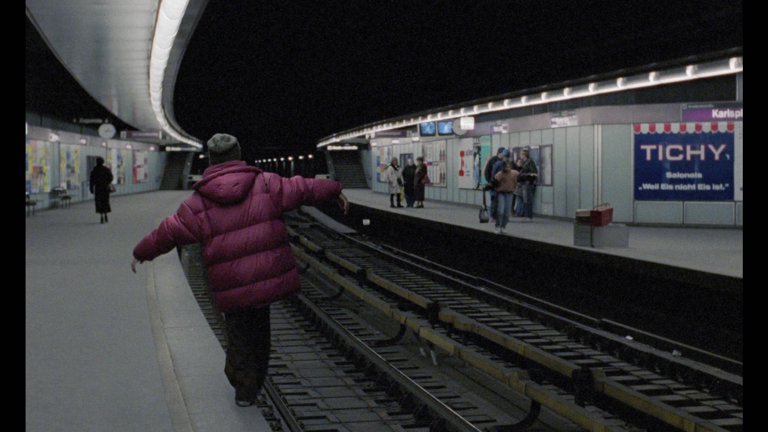
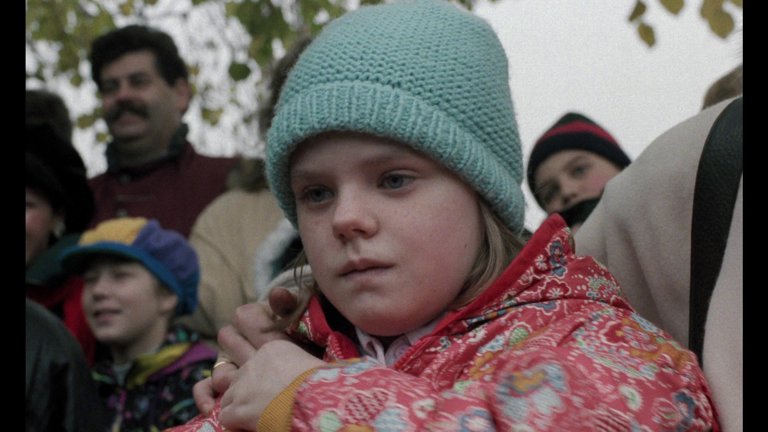
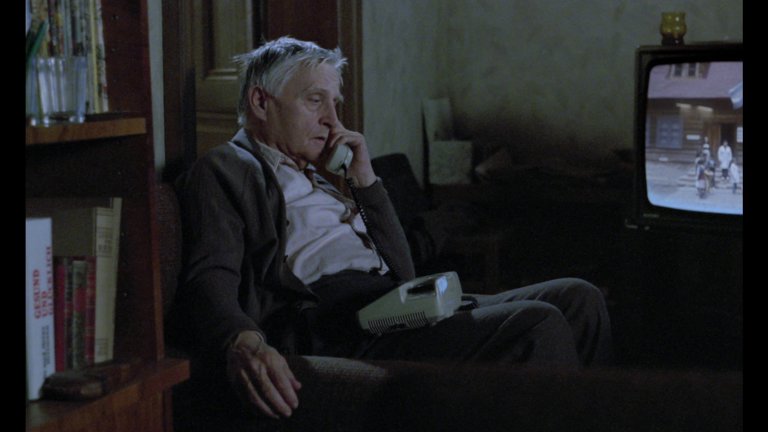
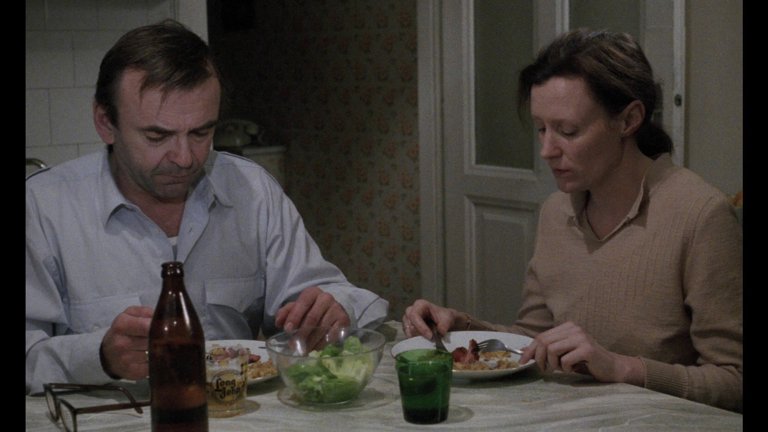
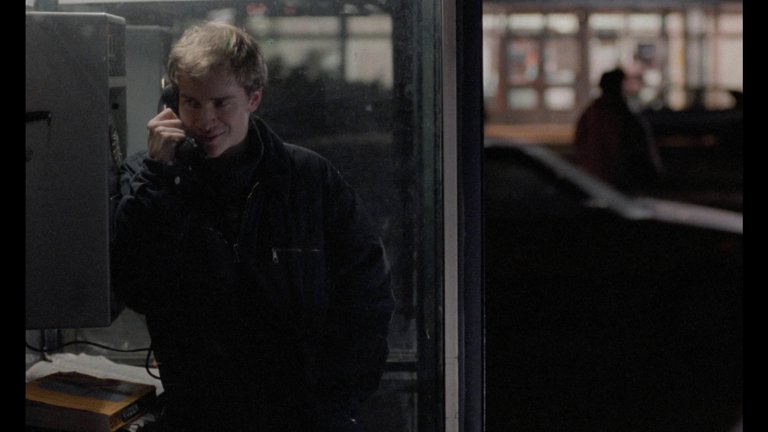
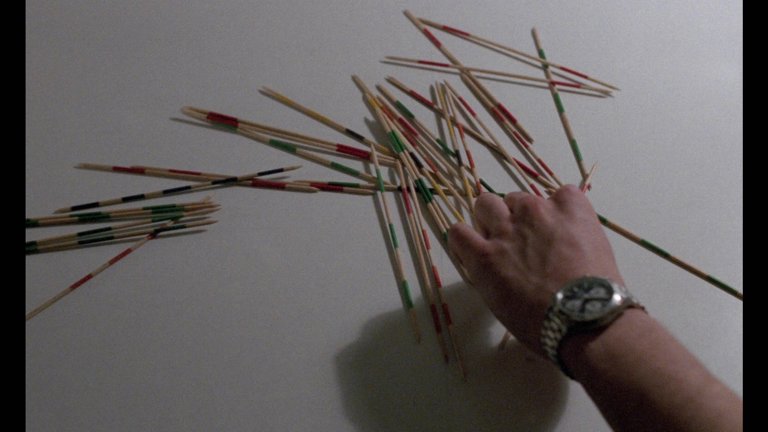

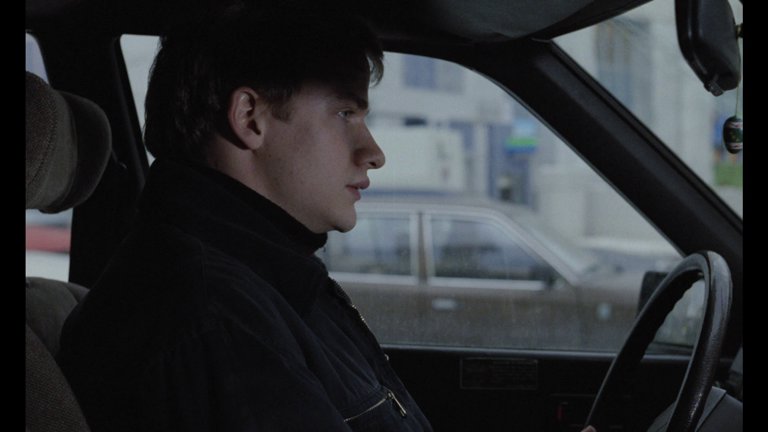
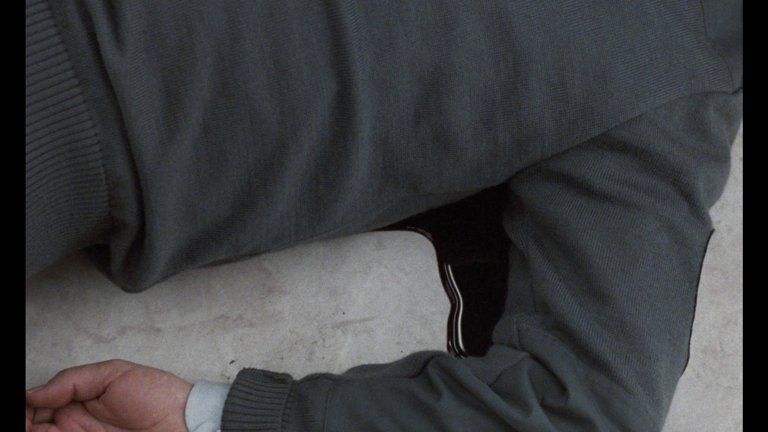
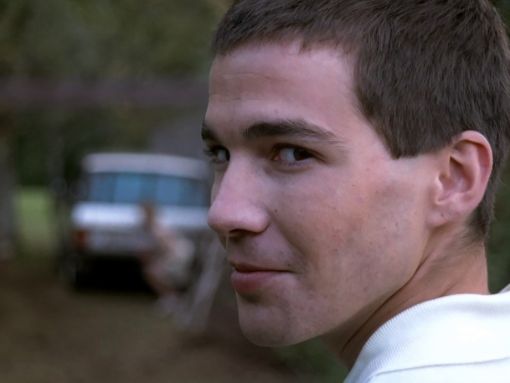
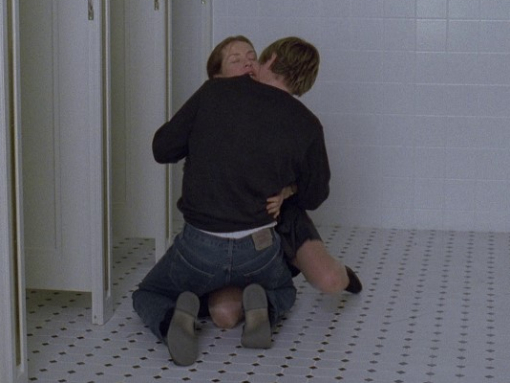
Michael Haneke: Trilogy - Screen Captures
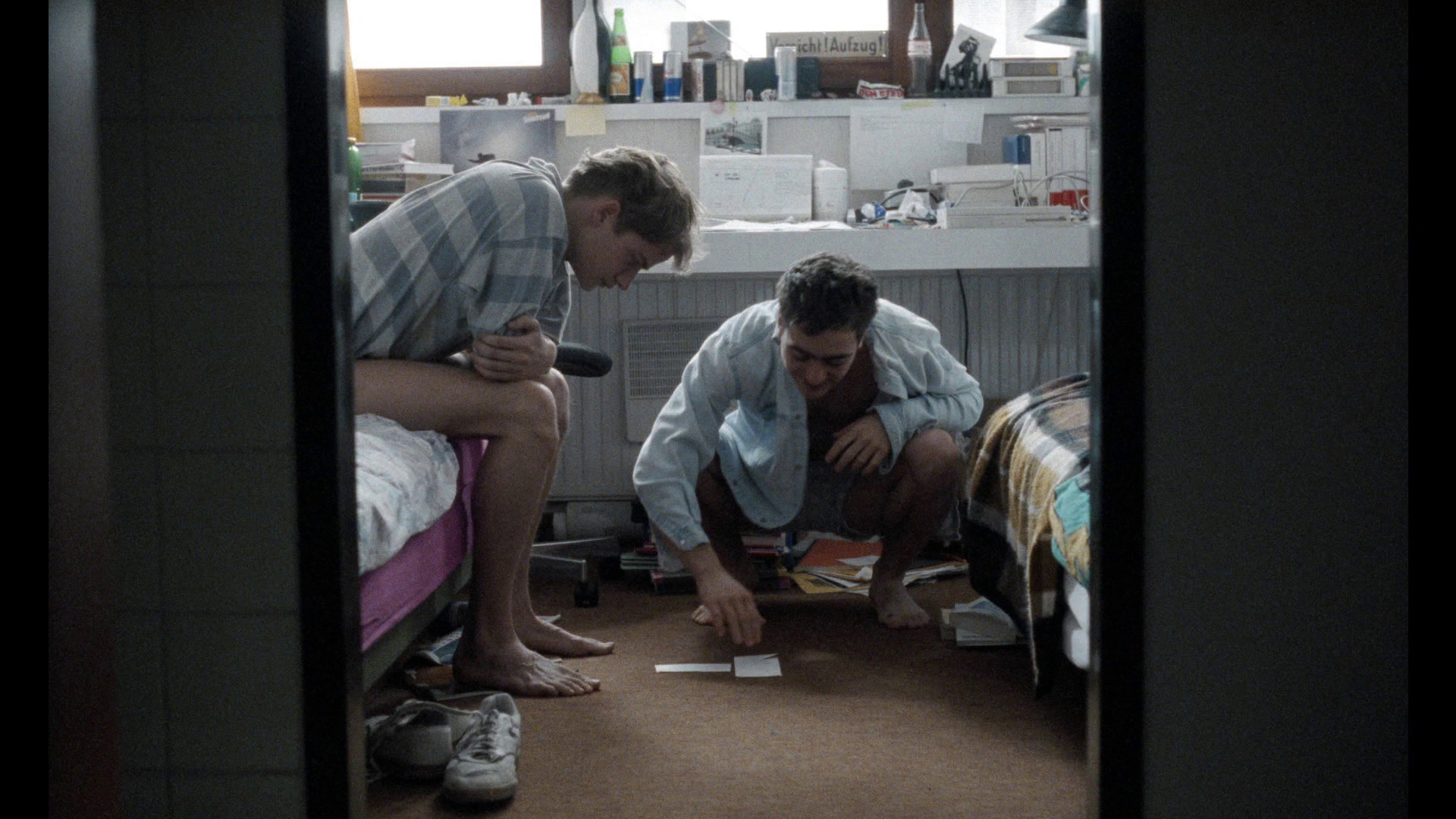
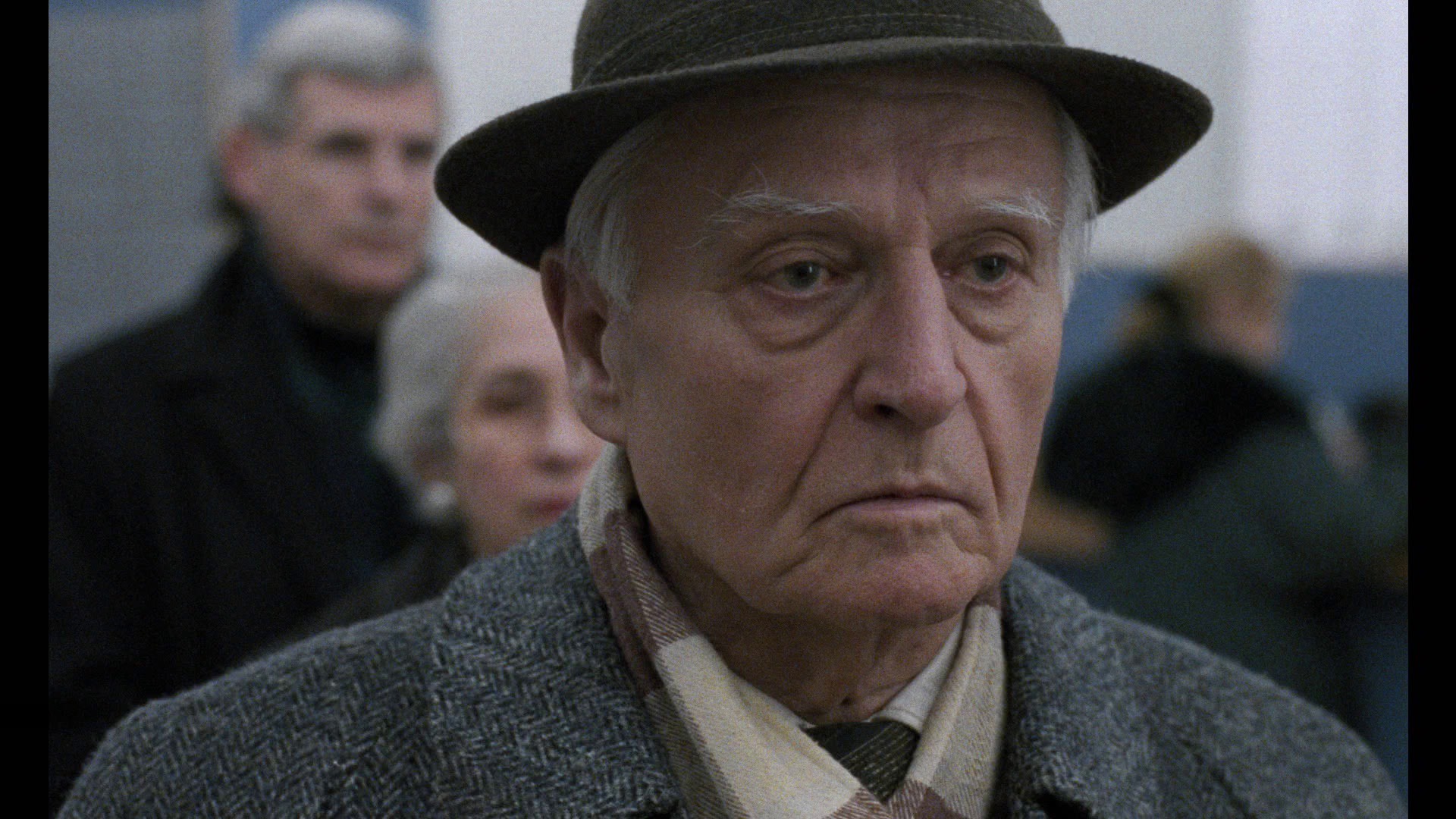
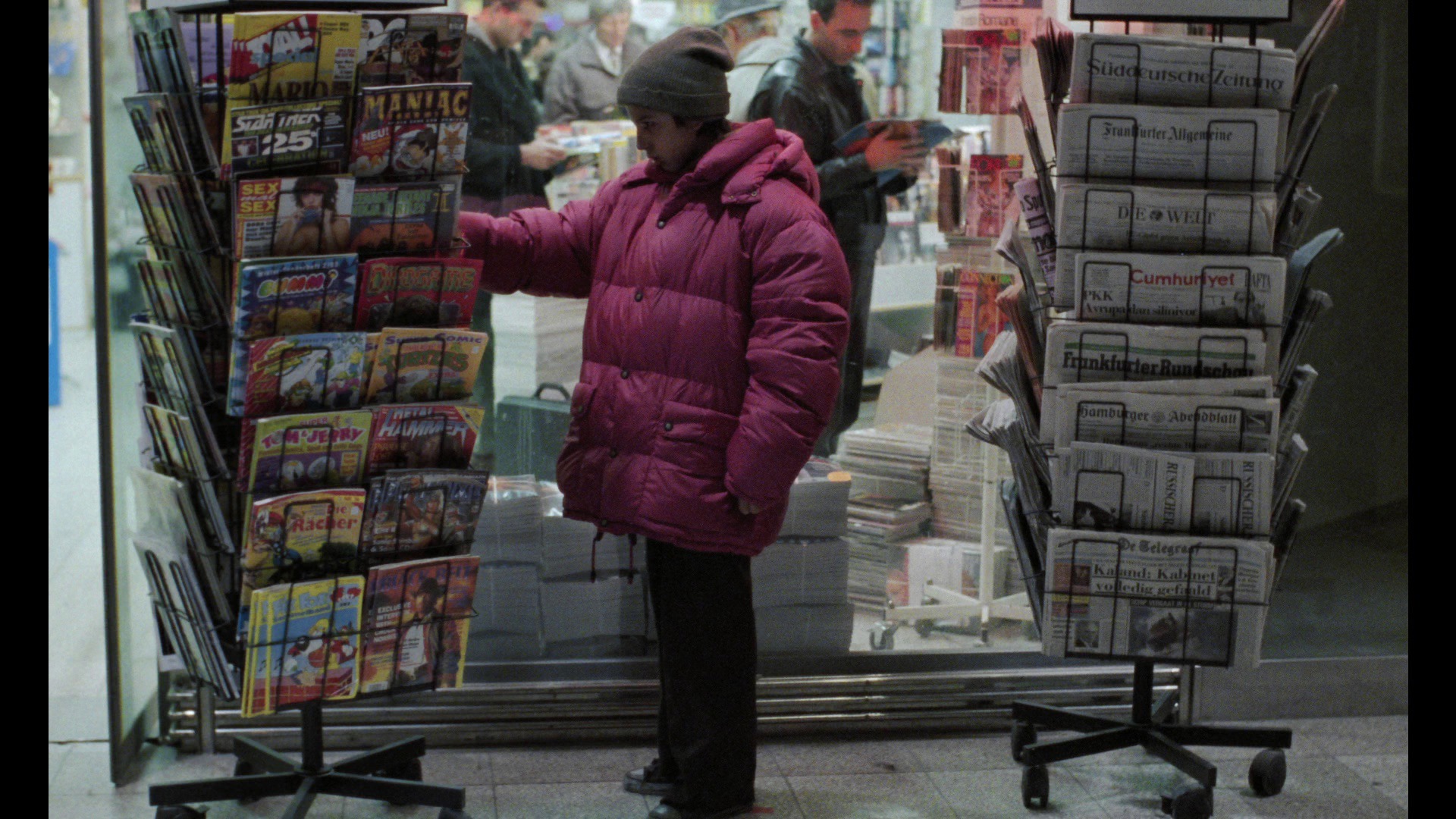
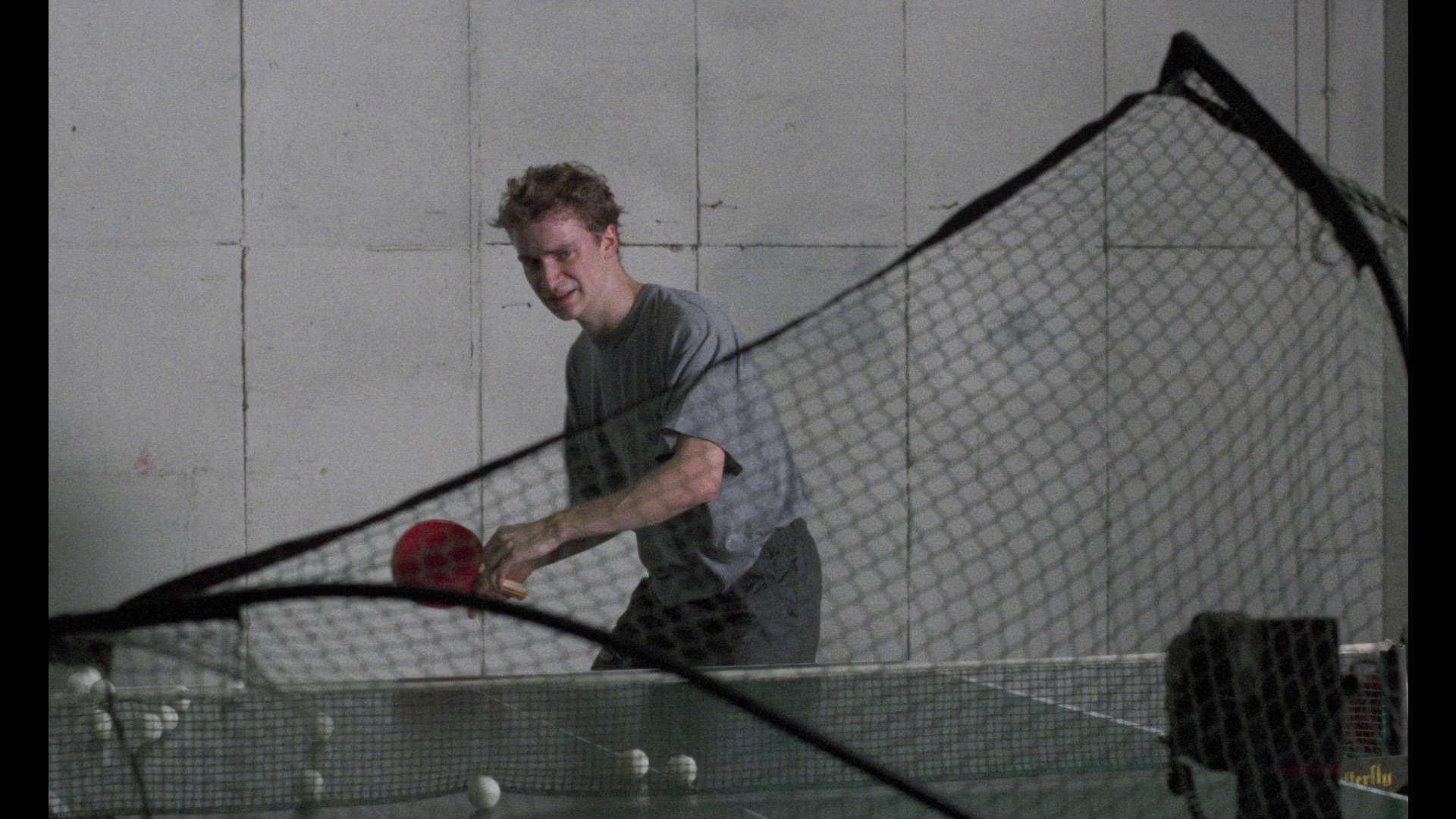

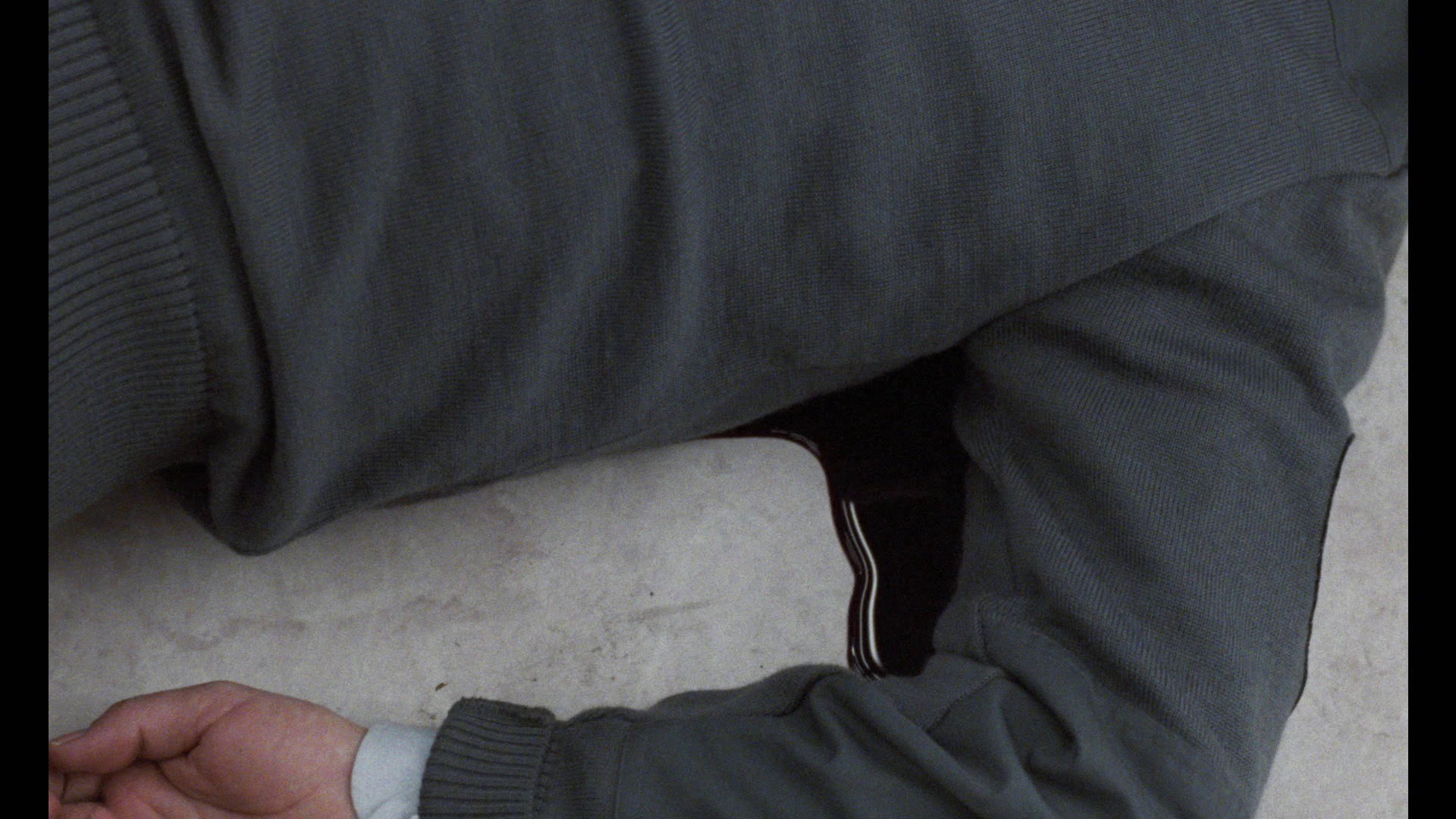
Audio 7/10
The film’s lossless PCM single-channel soundtrack sounds similar to the other films: mostly quiet with a handful of louder moments. Dialogue sounds clear and sharp, there’s no damage present, and dynamic range can be surprisingly wide.
Extras 7/10
The features begin (again) through an interview with director Michael Haneke, recorded in 2005 for other DVD releases. This conversation goes down a path similar to his interviews found on the other discs, the director explaining his influences behind the film before getting into detail about what he was trying to say. In his other interviews he does touch on violence in his films and how he tries to present it in a manner that counters Hollywood’s “consumable” violence, but he digs a bit deeper into the subject here (in his appearance in another feature found on this disc he mentions how he aims to make violence “banal” in his films). He also talks a bit more about his editing for this film and how he decides when his long takes are long enough. Yet again the filmmaker is very open about his intentions and why he made the choices he did, making for a very enjoyable and interesting 23-minutes.
The disc then features the set’s biggest addition, the feature length 2013 documentary Michael H. – Profession: Director. Filmed while Haneke was busy with Amour the documentary looks back through his film career to provide a deep look into his worldview and his refusal to “console” (for the lack of better word) his audience when confronting difficult subject matter, all of this accomplished through interviews with the director and a look at him behind-the-scenes. The documentary also delivers up interviews with those that have worked with him, including Jean-Louis Trintignant on the set of Amour. It's actually a fairly entertaining biography, far more interesting and energetic than these things can usually be (funny, too, like when the filmmaker recounts being offered a Hollywood feature), but it sadly doesn’t look at his television work and probably features far more clips from his films than it should, some of them containing spoilers. One from Cache is possibly the most brutal one. It’s worth watching but viewers should probably take heed.
The disc then closes off with the film’s trailer.
The documentary is a superb inclusion and one of the set’s strongest additions, despite some of its own shortcomings. Sadly, there are no additional features specific to the film itself, outside of Haneke’s interview, nor is there any sort of academic contribution to close the set off.
Closing
The disc closes with a feature-length documentary, but the film would greatly benefit from a new scan and restoration.
BUY AT: