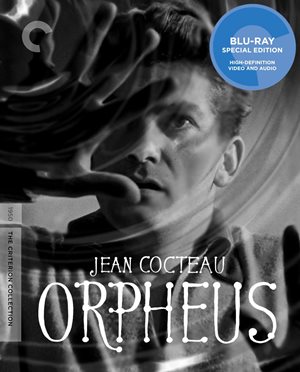
Orpheus
BUY AT:


See more details, packaging, or compare
Synopsis
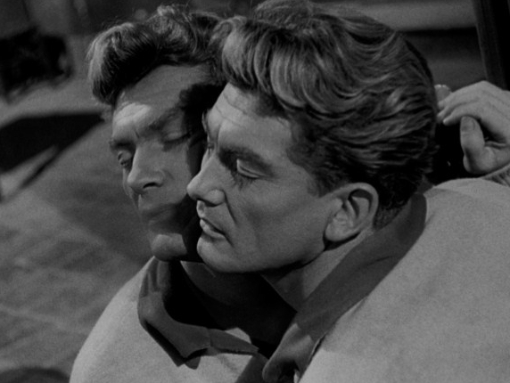
Jean Cocteau’s update of the Orpheus myth depicts a famous poet (Jean Marais), scorned by the Left Bank youth, and his love for both his wife, Eurydice (Marie Déa), and a mysterious princess (Maria Casarès). Seeking inspiration, the poet follows the princess from the world of the living to the land of the dead, through Cocteau’s famous mirrored portal. Orpheus’s peerless visual poetry and dreamlike storytelling represent the legendary Cocteau at the height of his powers.
Picture 8/10
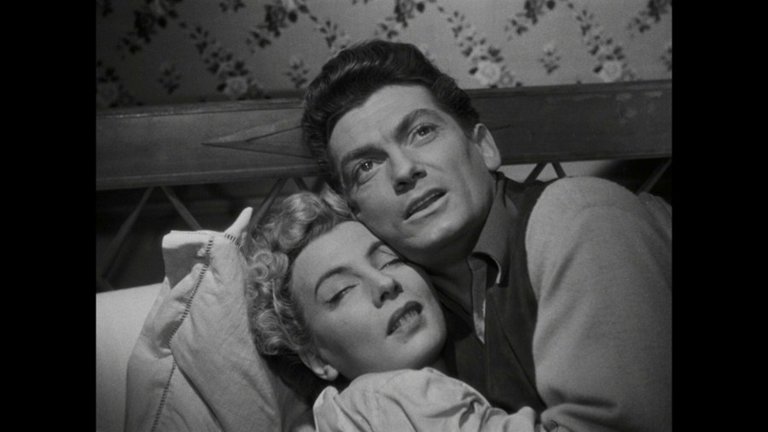
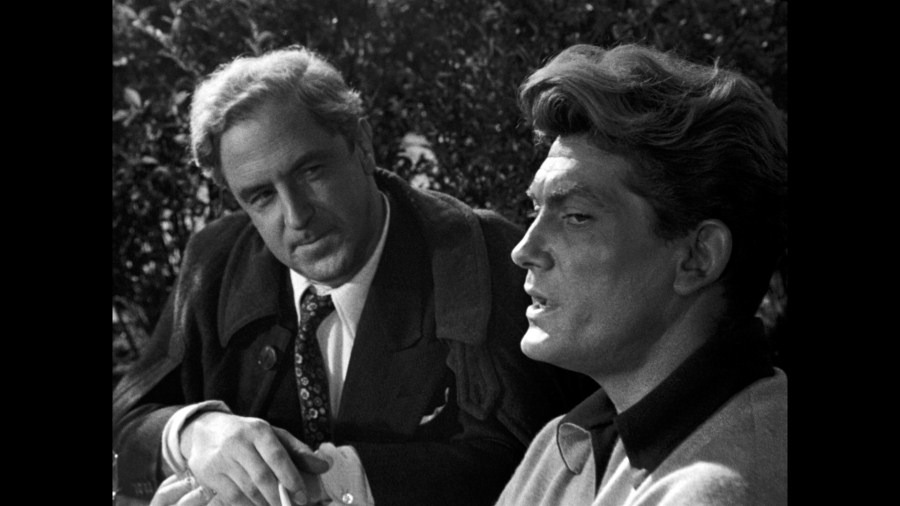
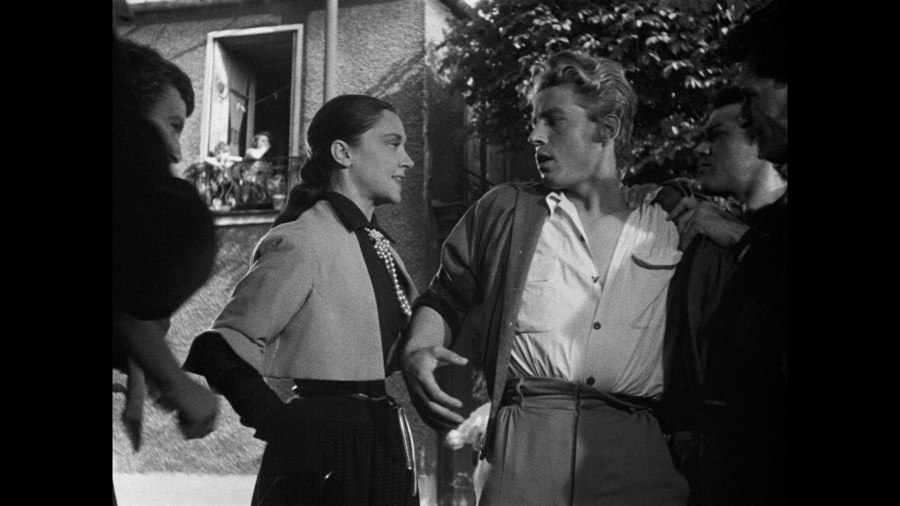
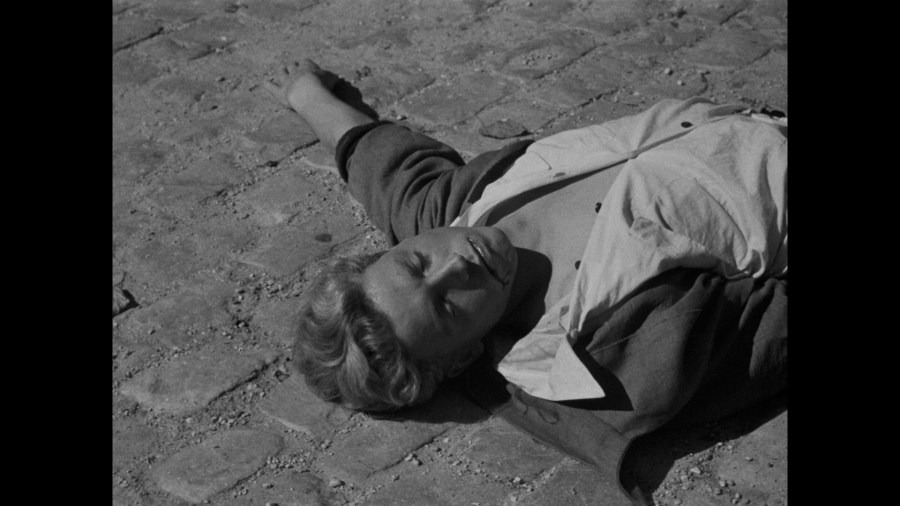
After losing the rights to the other two films in Cocteau’s Orphic Trilogy Criterion releases the second film, Orpheus, on its own on Blu-ray in its original aspect ratio of 1.33:1 on this dual-layer disc in a new 1080p/24hz high-definition transfer.
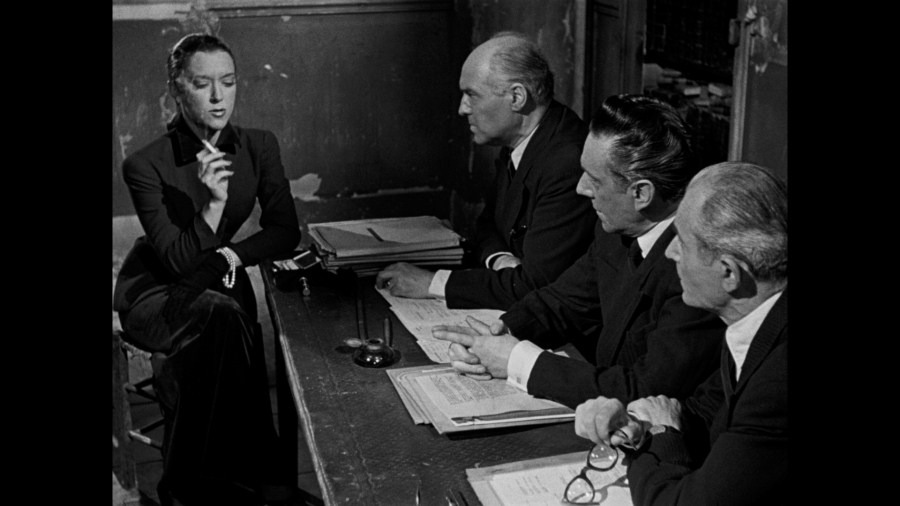
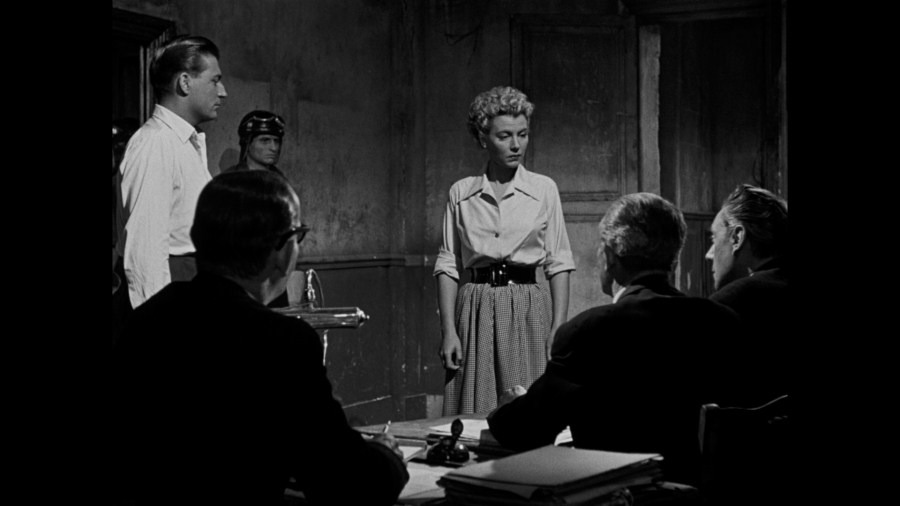
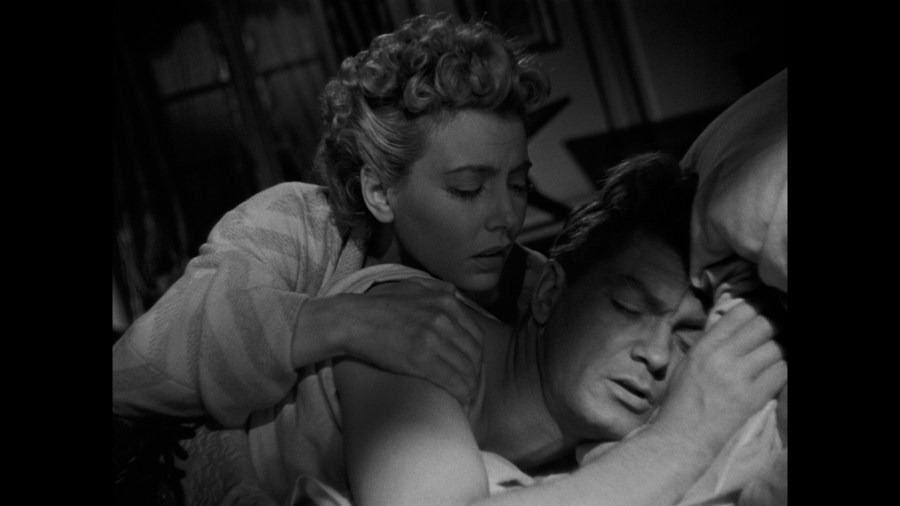
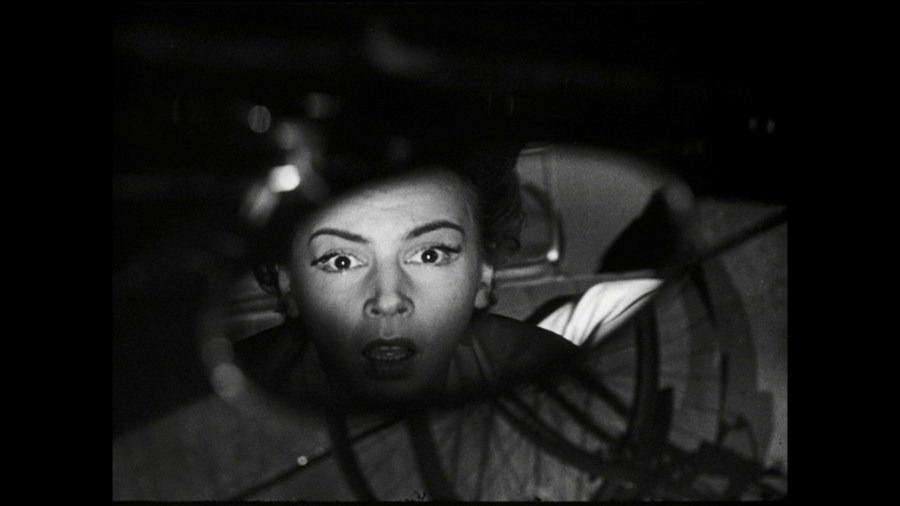
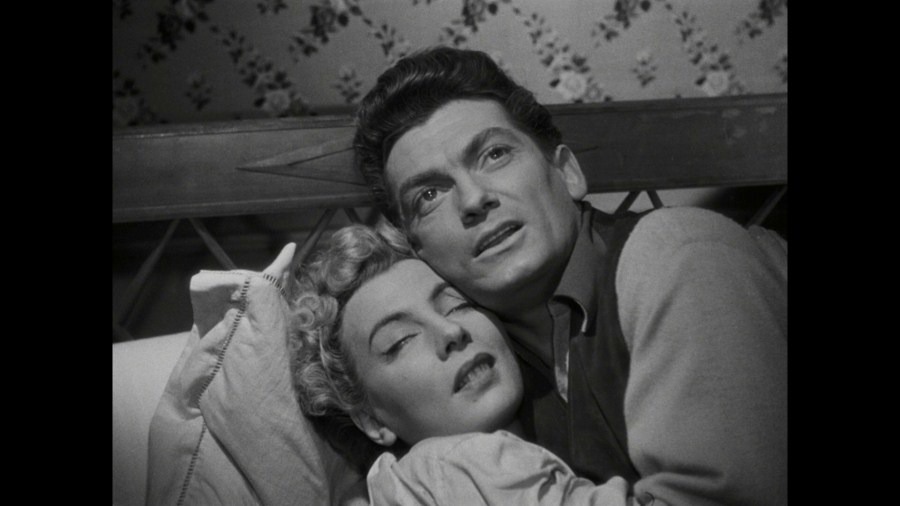
The Blu-ray’s transfer offers a drastic improvement over Criterion’s previous DVD, which wasn’t awful but certainly open to improvement. The image we get here is a far sharper and cleaner one, with barely any marks or other forms of damage, and crisp, clean details. Film grain is visible and remains natural but never calls attention to itself. Contrast looks great with distinct gray levels and fairly inky blacks.
In all a sharp, pleasant presentation, and it’s a real shame Criterion lost the rights to the other two films in the trilogy (The Blood of a Poet and Testament of Orpheus) as I would have loved to see those upgraded as well—it feels highly unlikely we’ll see those from anyone else anytime soon.
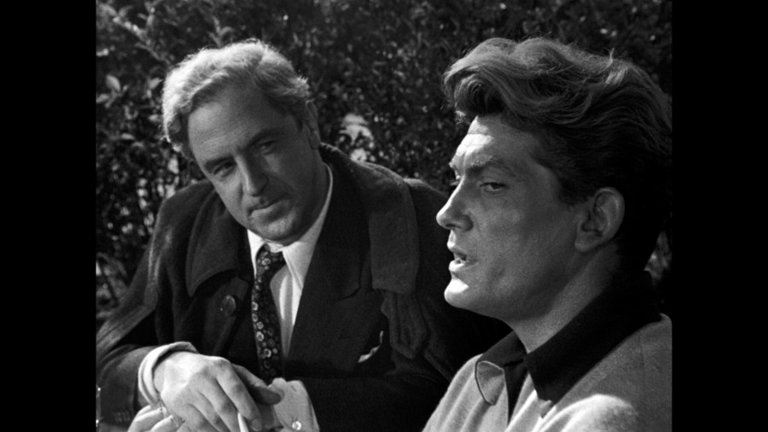
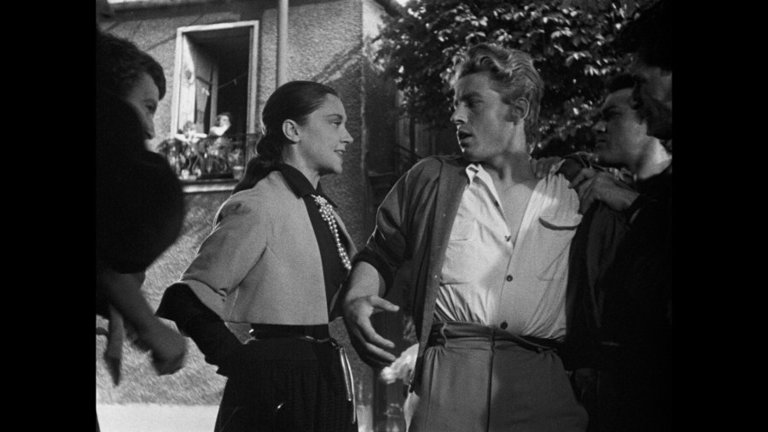
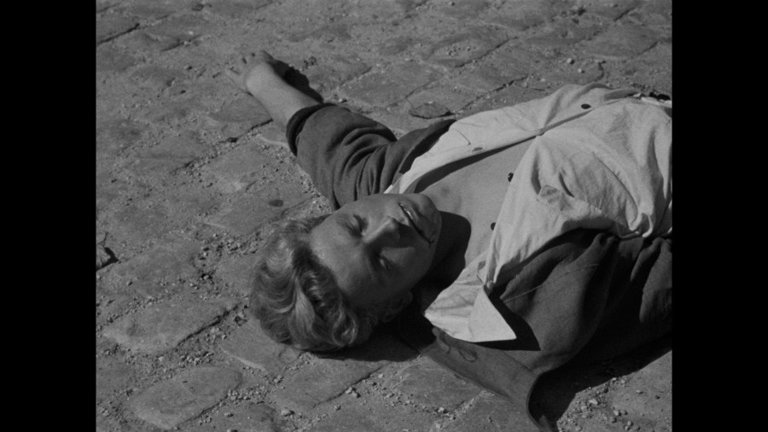
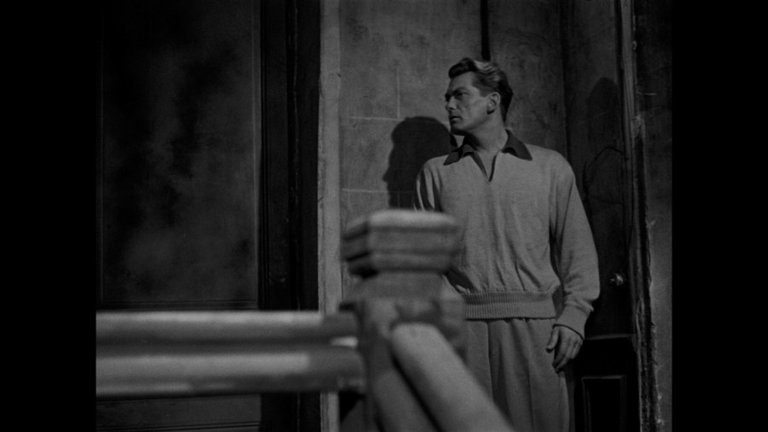
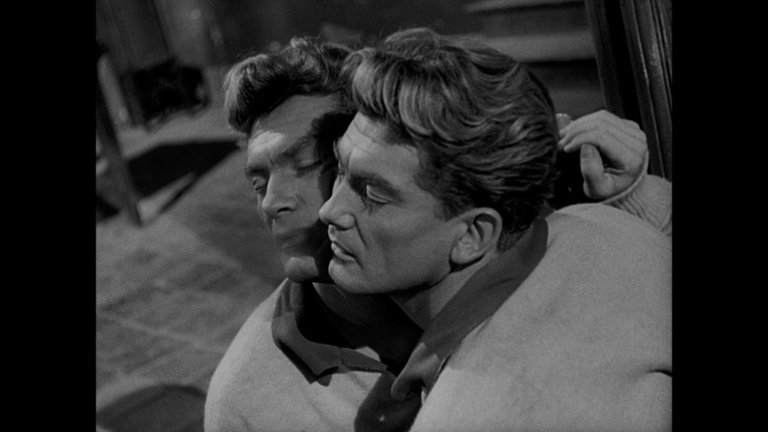
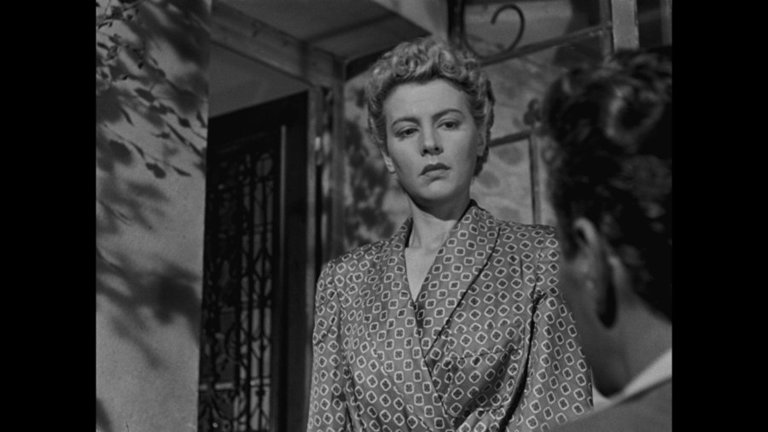
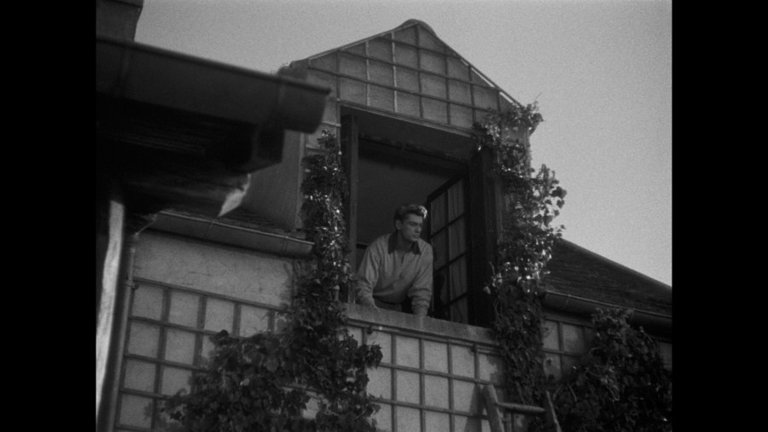
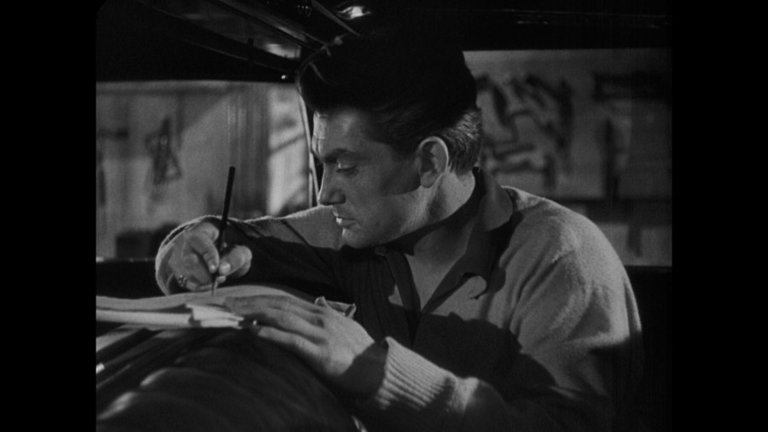
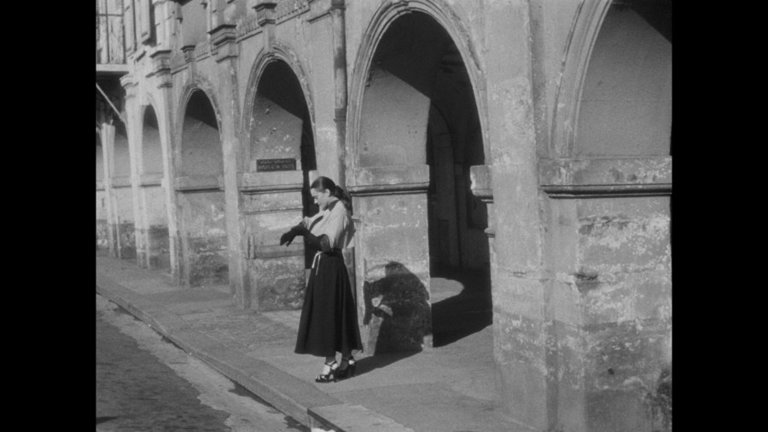
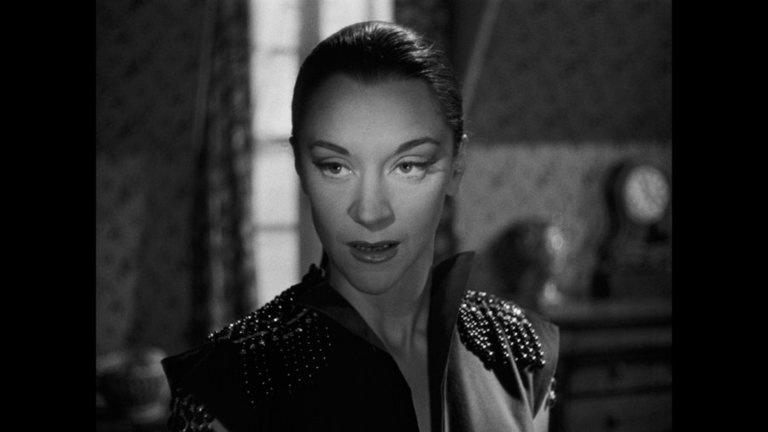
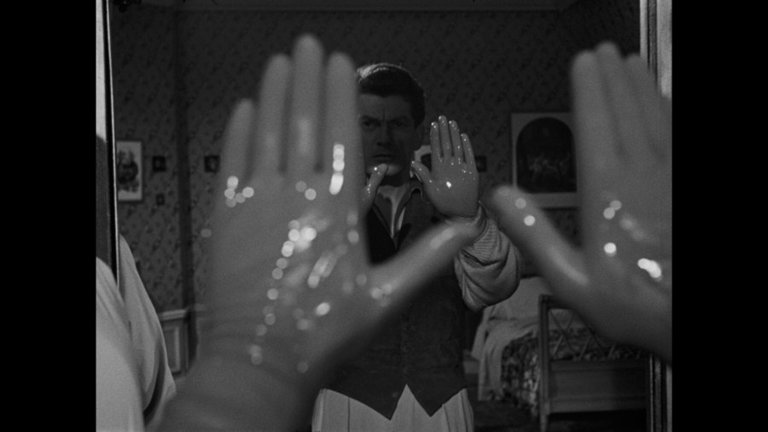
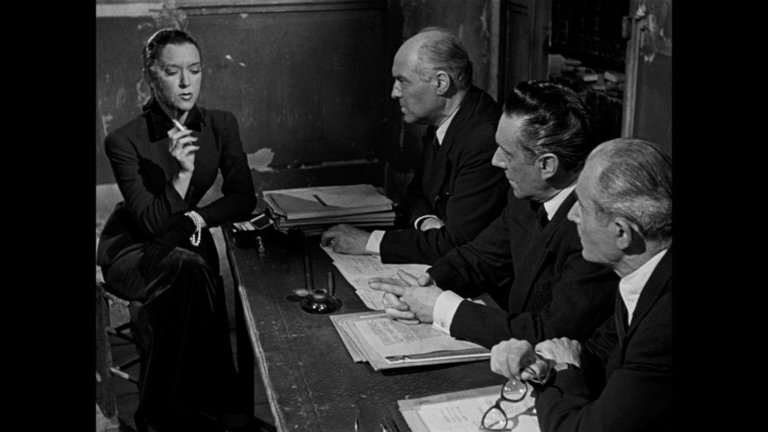
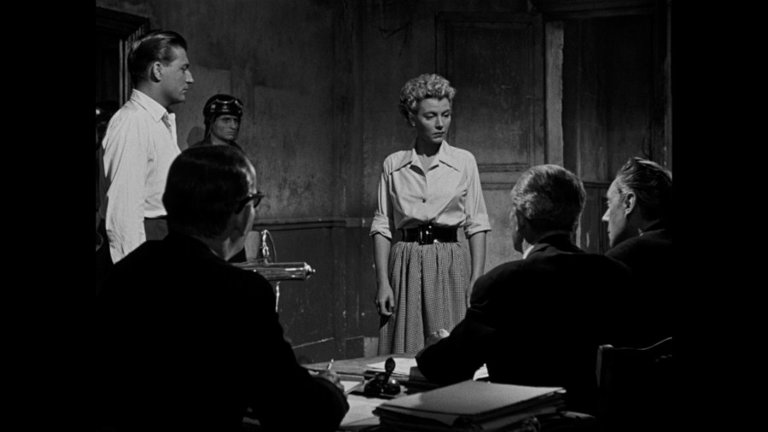
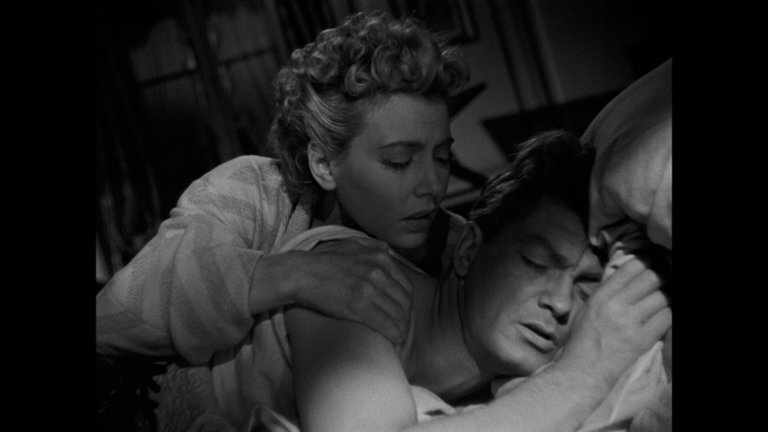
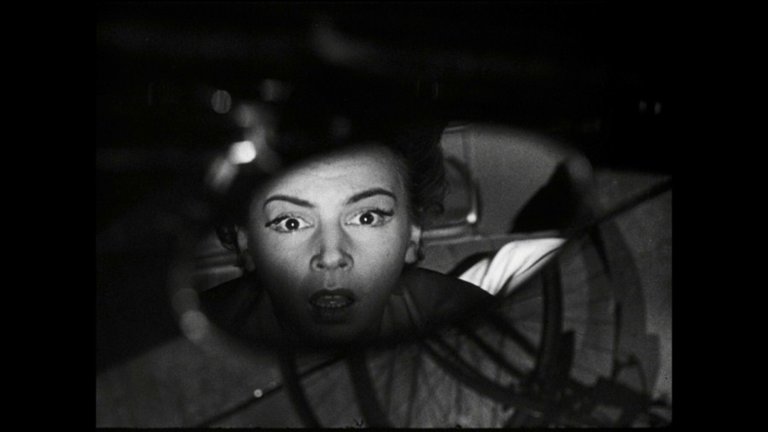
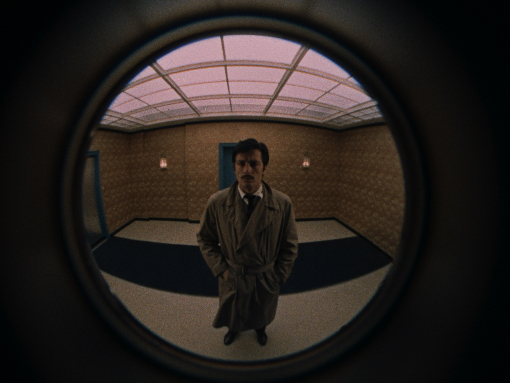
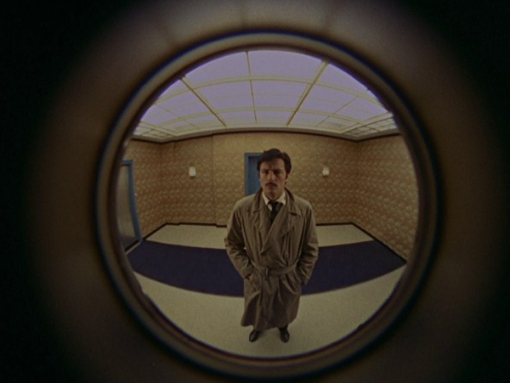
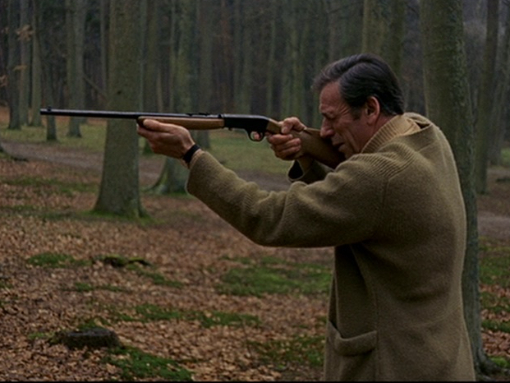
Orpheus - Screen Captures
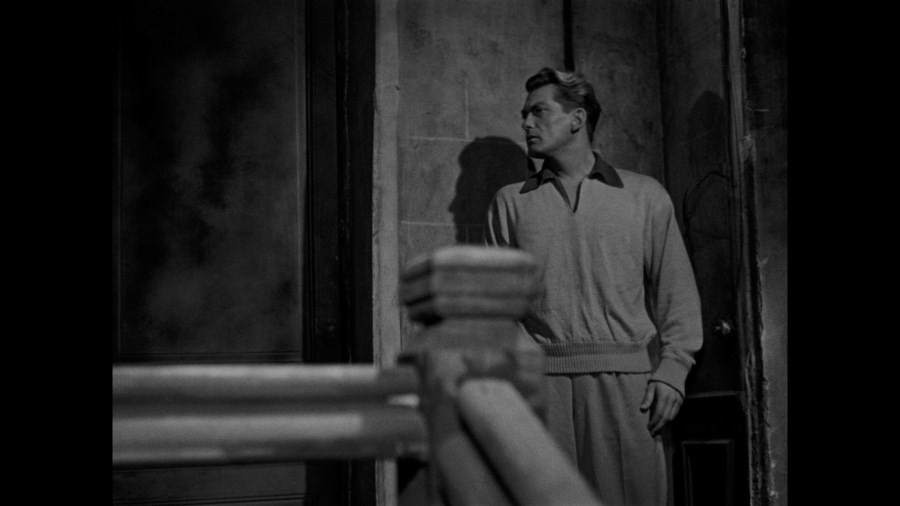
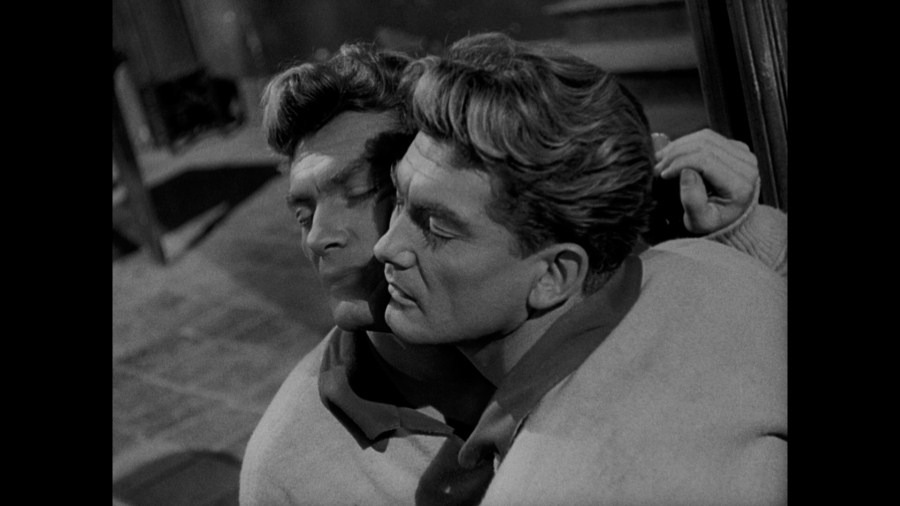
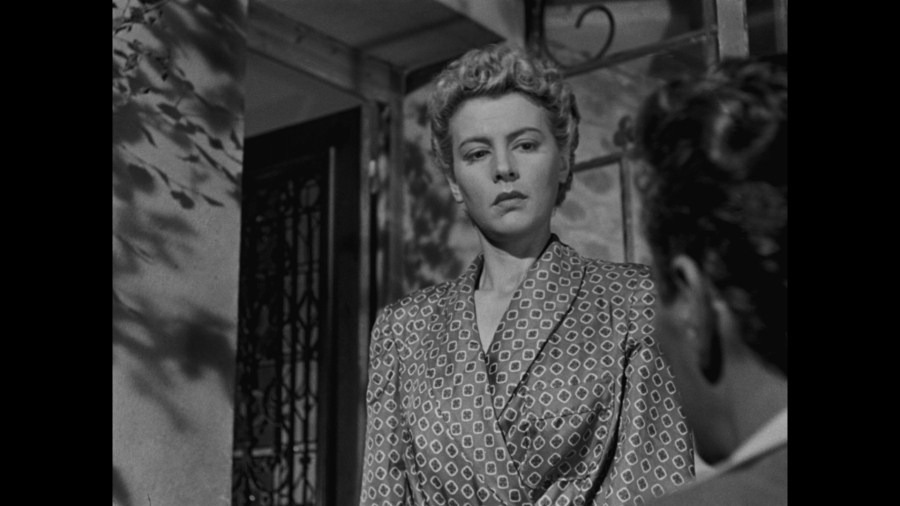
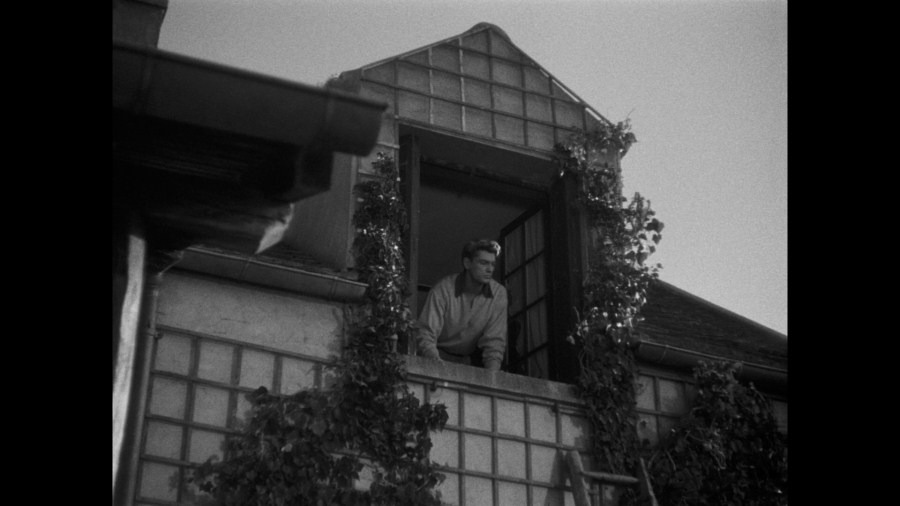
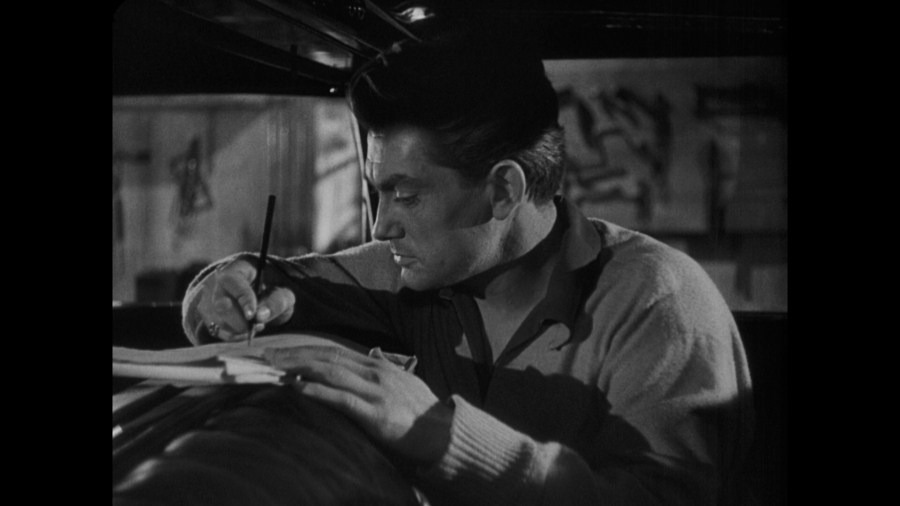
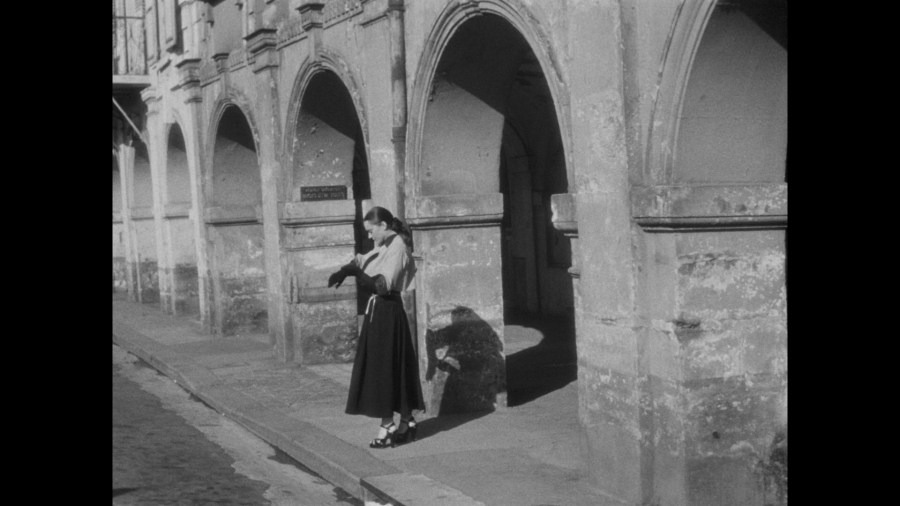
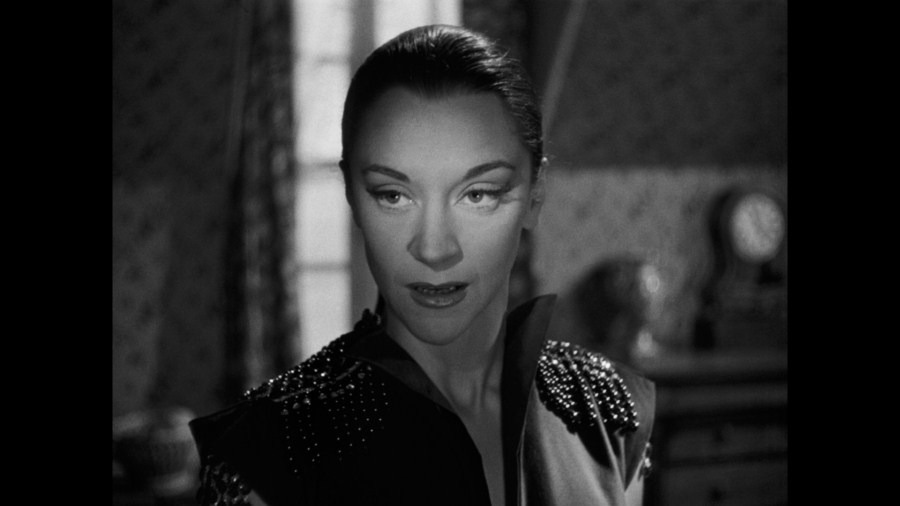
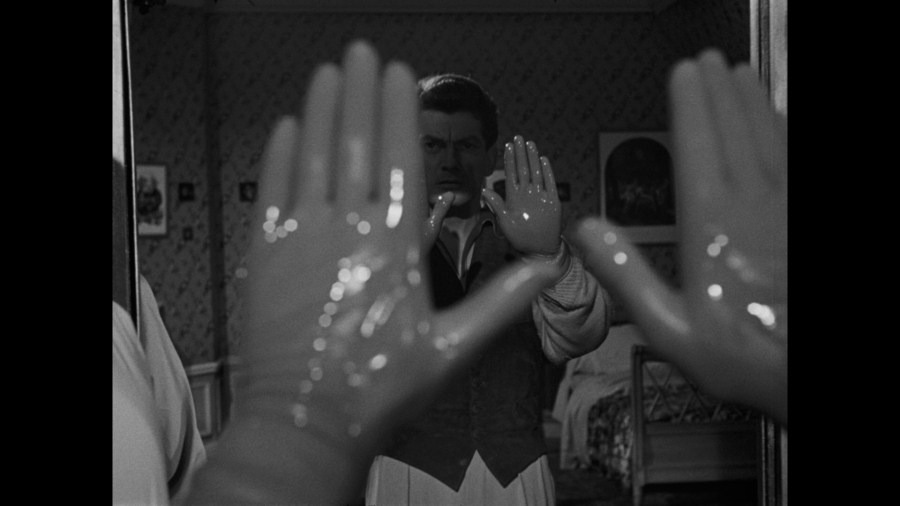
Audio 6/10
The lossless linear PCM mono track is certainly cleaner and sharper than the previous DVD edition’s but that’s about it. It’s still a fairly flat track with no fidelity or any real power. But it’s clear and presents no distracting problems.
Extras 8/10
The previous DVD for Orpheus, which was only available in a box set released by Criterion, technically contained no supplements, though the other two films in the set (again The Blood of a Poet and Testament of Orpheus) each had their own supplements. Figuring they will probably never get the rights to the films again, or at the very least any time soon, Criterion has carried over most of the supplements from those two discs to this single release and then added more.
New to this edition is the take-it-or-leave-it audio commentary by French-film scholar James S. Williams. It’s not a terrible track but I found it entirely underwhelming and probably wouldn’t have missed it if they didn’t bother including it. It suffers primarily from feeling a bit “scripted” and he really lacks much passion when he speaks. In the track he covers a lot about Cocteau’s life, how it shows up in the film, makes references to his other works, looks at framing and editing, themes within the film, the homoeroticism present, the many film tricks, the original Orphic legend, and he of course talks about the production, the actors, and filming locations. Unfortunately there’s a surprising amount of dead space and he falls into the trap of just telling us what is happening on screen. Though some information is fine and insightful the track suffers because it’s not at all surprising and really follows the same path as most scholarly tracks. It’ll come down to most viewers. My suggestion is to just listen to a bit and if it does nothing for you just leave it be.
Carried over from the now out-of-print DVD for The Blood of a Poet is the 67-minute 1984 documentary Jean Cocteau: Autobiography of an Unknown by Edgardo Cozarinsky. I remember being initially surprised by the documentary when I saw it and it still proves a fascinating film. It’s a very personal film about the director, put together from interviews with the artist/poet/director before his death, as he talks about his work, his life, his loves, and friends, the latter of which included many famous artists and composers. Surprisingly there’s not a lot about his film work—or I was at least expecting more—but it’s a great documentary and I’m happy to see Criterion was able to carry this over. Unfortunately it doesn’t look to have been restored but it’s still a decent presentation.
Another new addition is a 17-minute interview from a French television program In Search of Jazz recorded in 1956. Here Cocteau is questioned about his use of Jazz music in Orpheus and how rare it was (at the time) for this type of music to appear in films. Cocteau explains the traits of the music that made it a perfect fit, its use of beats, and so on. As with most interviews with the director, who is always an engaging and energetic interviewee, it’s an entertaining piece.
Next is a 13-minute interview with assistant director Claude Pinoteau from 2008, found under Jean Cocteau and His Tricks, filmed in 2008. Here he explains how some of the effects were done (reverse shots, rear-projection, duplicated sets for some mirror effects, and so on.) Some of this is probably obvious, though no less magical on screen, but hearing someone talk about these effects first hand, also explaining how they were planned out with the cinematographer, proves no less fascinating.
40-Minutes With Jean Cocteau is a 40-minute interview with the director, though technically the interview really only runs 20 to 25 minutes when you take out the introduction and endless clips from his films. At any rate, when we do get to Cocteau’s interview, recorded in 1959, Cocteau talks about his audience, primarily the young, The Blood of a Poet’s release, the reasons he hadn’t made another film since Orpheus (he would go on to make Testament of Orpheus later) and his artwork that he has done in his villa and elsewhere. Another engaging segment, though you can probably skip through the film clips that show up.
Ported over from the previous DVD for The Testament of Orpheus is Cocteau’s only colour 16mm film, La villa Santo-Sospir, a film he made simply just so could make an “amateur” 16mm film. It primarily covers the artwork he made to decorate his villa, giving a tour of the house. The artwork is fascinating and ranges from the rather simple to the elaborate. He then of course can’t help himself and adds some of his film tricks, primarily in the conclusion where he manages to bring flowers back to life. Another interesting film though unfortunately the film is obviously upscaled from standard definition.
The supplements then conclude with a collection of stills from the film made up mostly of production photos with a few advertising photos. We then get a theatrical trailer and then almost 2-minutes worth of silent footage of the Saint-Cyr Military Academy ruins, which was used for the location of The Zone. The footage was shot in 1950
The booklet then includes an essay on the film by Mark Polizzotti. Criterion then reprints Cocteau’s notes on the film, which appeared in the insert for the original DVD edition of Orpheus, though they’re expanded upon here. The booklet then concludes with an essay by James S. Williams about Cocteau’s short La villa Santo-Sospir.
Supplements that didn’t make it over from the Orphic Trilogy box set are the stills gallery for The Blood of a Poet, filmographies for Cocteau, and then his notes on Blood of a Poet and Testament of Orpheus.
Forgetting the commentary, which didn’t do much for me, the supplements here are all rather enjoyable and worth the time going through, all of them offering a unique look at the film and the director.
Closing
It’s unfortunate Criterion lost the rights to the other two films in Cocteau’s Orphic trilogy as this reissue for Orpheus, the second film in the trilogy, is a splendid upgrade, outdoing the original in every way, and I’m sure we would have been treated to similar upgrades with the other films. As it is Criterion at least tries to make up for the lack of the other films by at least carrying over the supplements found on their respective DVDs from the box set and then delivering a stunning black and white transfer. Here’s hoping Criterion might be able to regain the other films one day.
BUY AT: