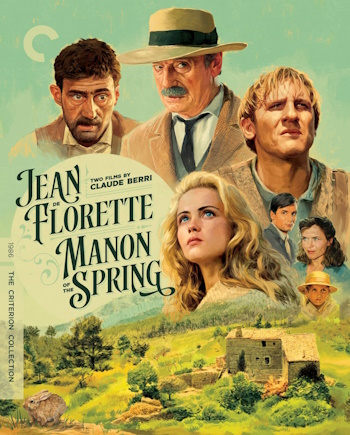
Jean de Florette / Manon of the Spring: Two Films by Claude Berri
BUY AT:


See more details, packaging, or compare
Synopsis
A sprawling tale of greed, betrayal, and revenge plays out amid the bucolic splendor of the French countryside in Claude Berri’s masterly two-film adaptation of a literary work by the legendary Marcel Pagnol. Spanning three generations in the lives of two families, Jean de Florette and Manon of the Spring vividly recreate the provincial world of an early-twentieth-century village, where an outsider’s arrival sets in motion a devastating chain of events. With gorgeous cinematography, keen insights into human nature, and superb performances from icons of French cinema (Gérard Depardieu, Yves Montand, Daniel Auteuil, and Emmanuelle Béart), these richly absorbing moral tales—at the time of their production, the most expensive French films ever made—are triumphs of epic storytelling in the classical tradition.
Picture 8/10
The Criterion Collection presents Claude Berri’s Jean de Florette and its sequel/continuation Manon of the Spring (both based on Marcel Pagnol’s novels) in a new set, with each film presented in 2160p/24hz ultra high-definition on individual triple-layer UHD discs, framed at 2.35:1. The set also includes the films in 1080p high definition on separate dual-layer Blu-rays (one for each film). All of the presentations stem from the same 4K restorations headed by Pathé, sourced from scans of the 35mm original negatives and a 35mm interpositive.
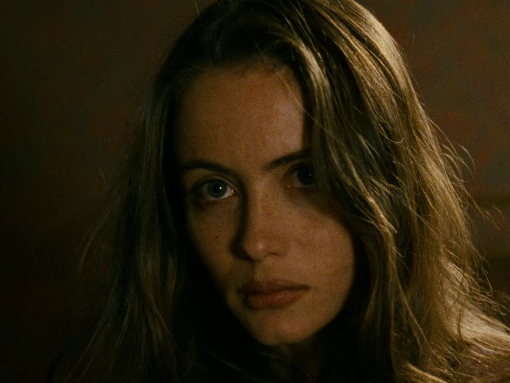
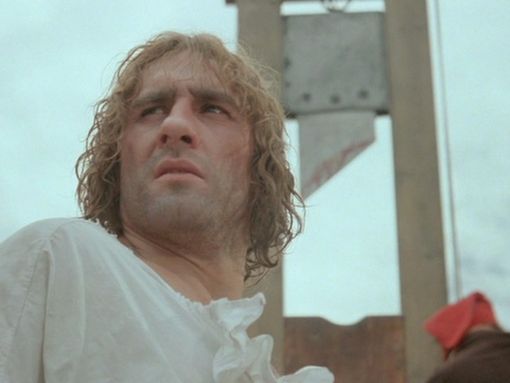
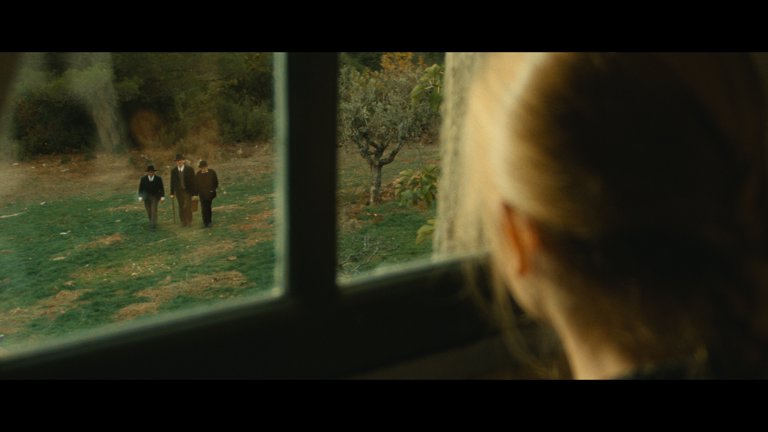
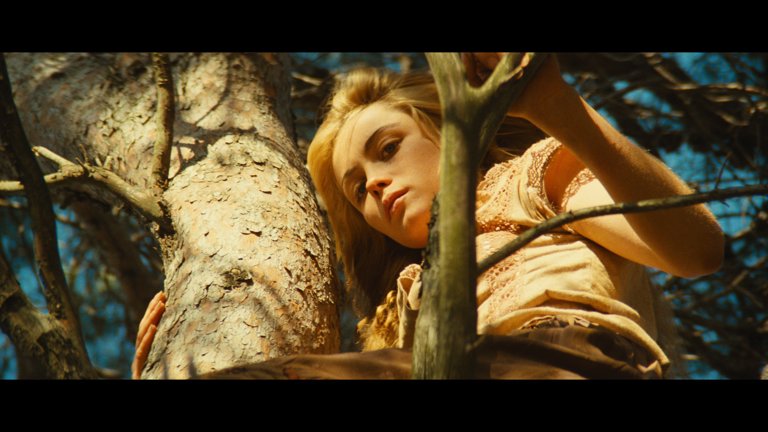
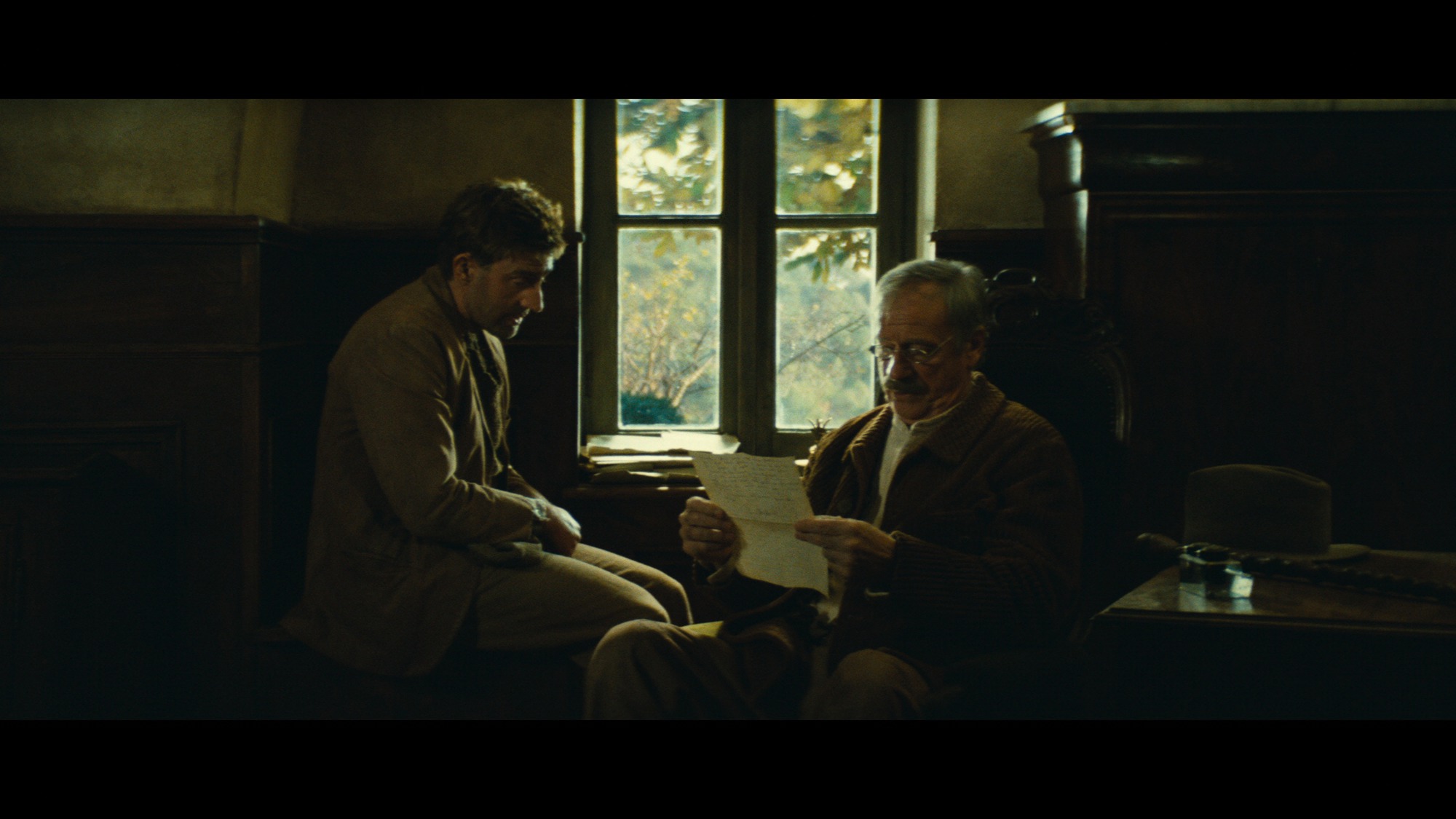
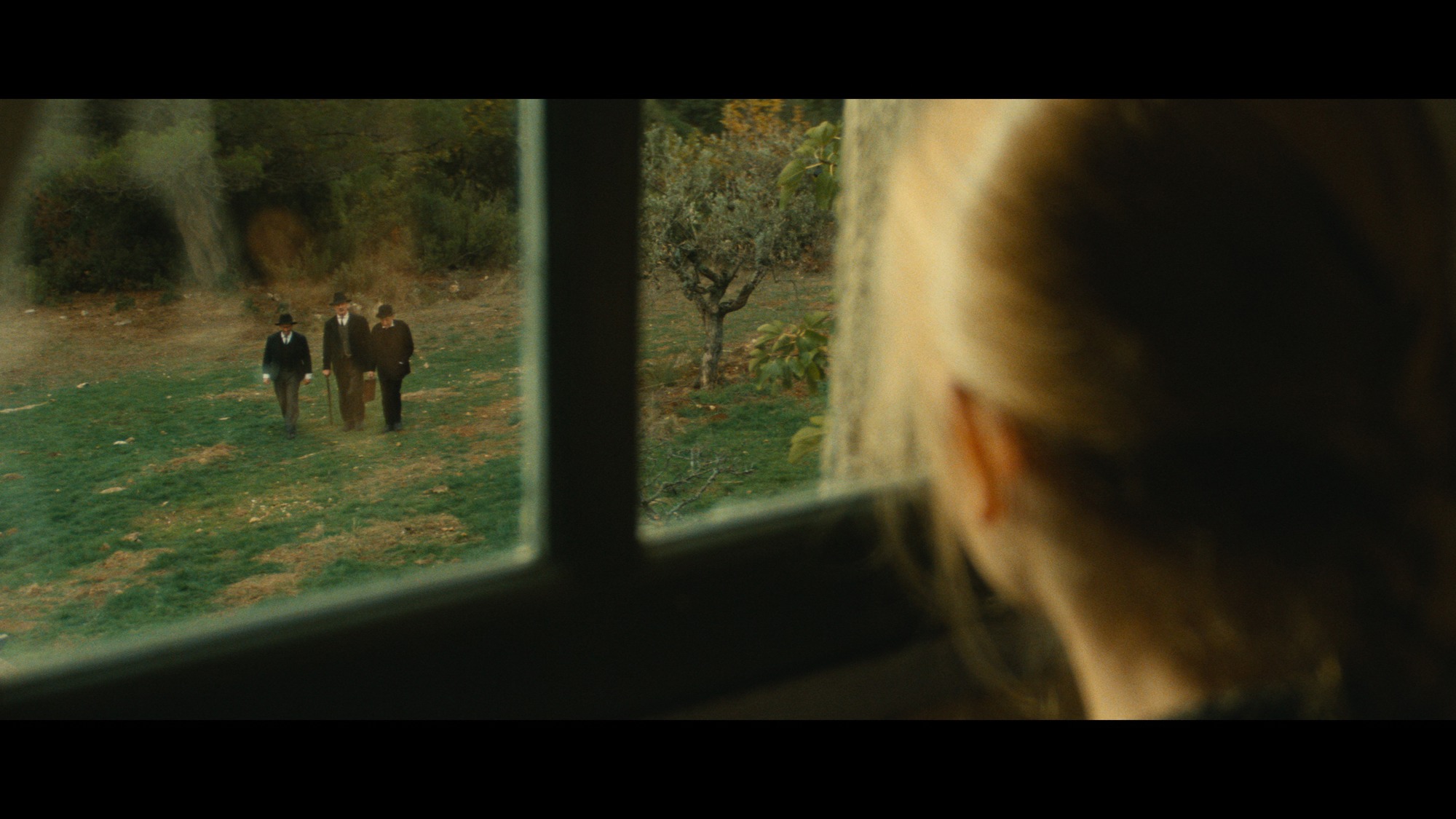
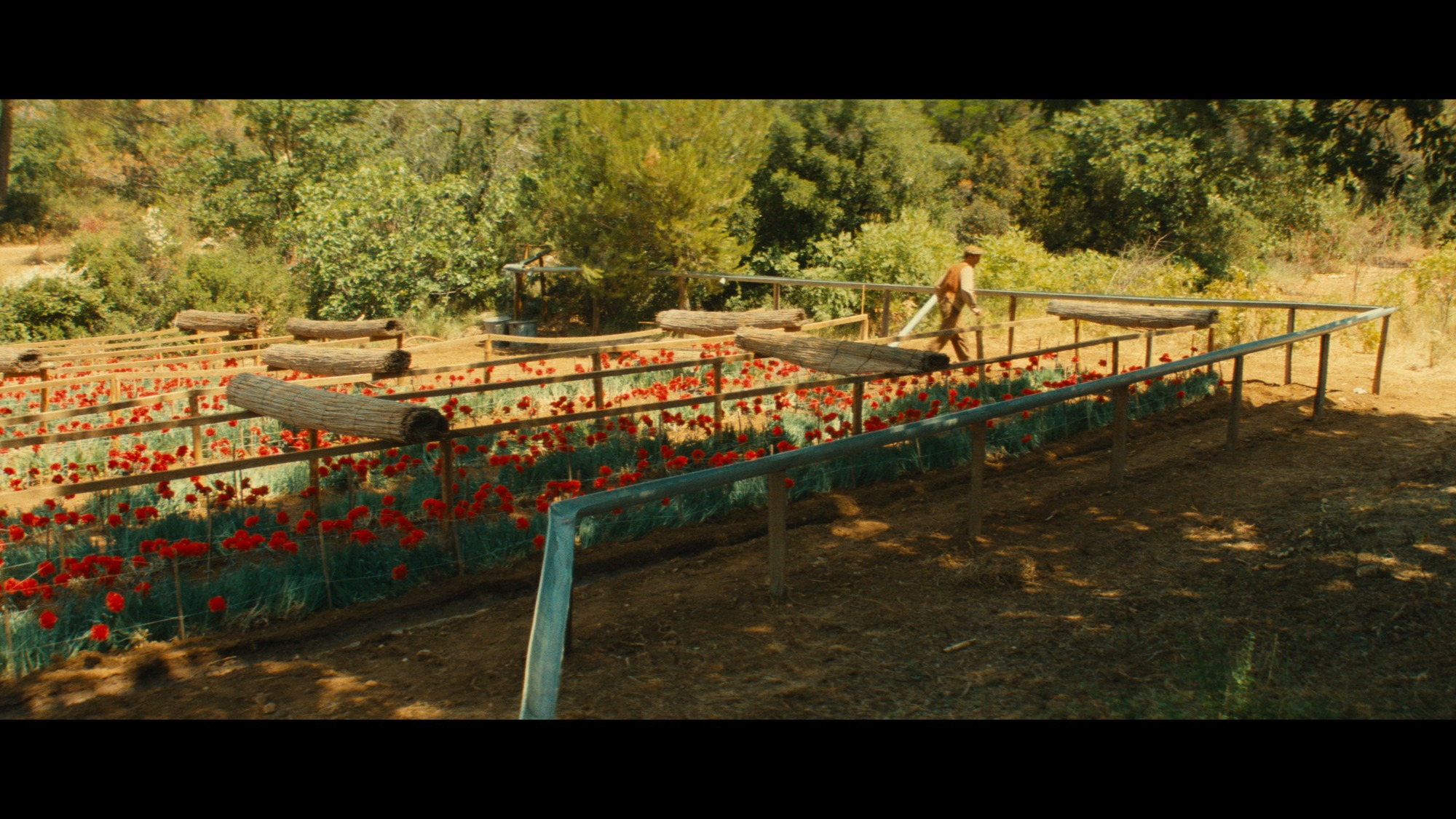
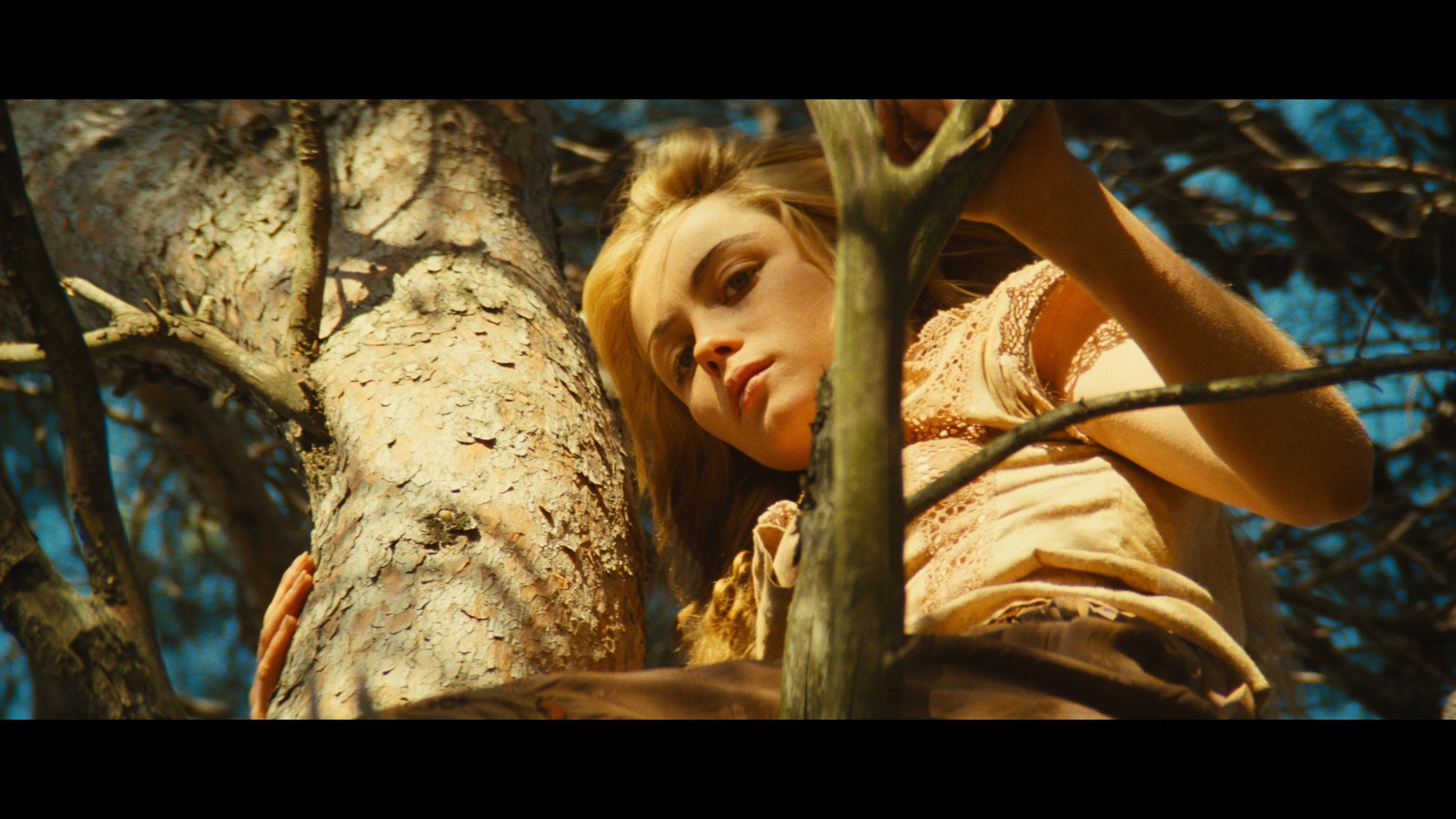
Unsurprisingly, both presentations look solid. The restorations have been handled meticulously, scrubbing away nearly all signs of damage, and the resulting image is razor-sharp and crystal clear. Fine details and textures are rendered beautifully, with the grain structure appearing natural and consistent, even in the films’ darker moments. Colors also look nicely saturated, though this area does lead to the more questionable elements of the release.
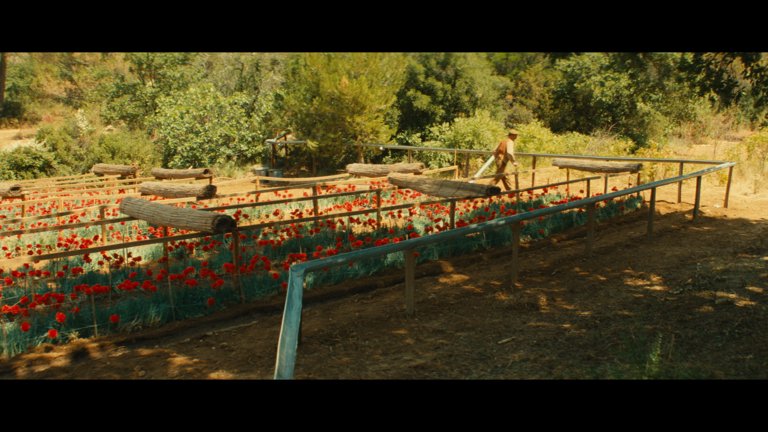
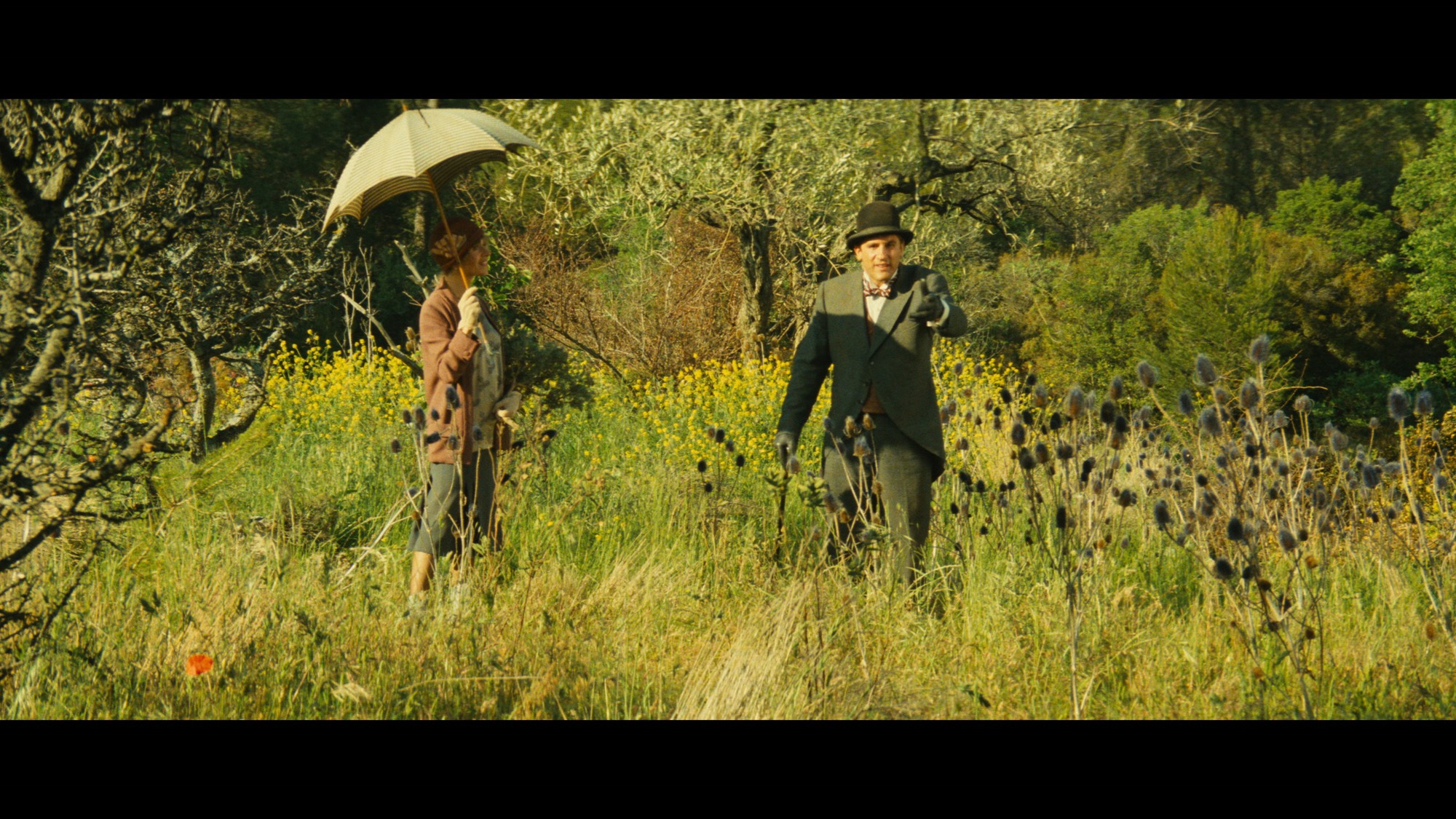
Going into the restorations, I was expecting a push toward teal, especially with Éclair having participated in the work and Criterion’s cover art sporting a heavy greenish hue, almost as though bracing viewers for it. Thankfully, it’s not as bad as feared. There are definitely moments where the image heavily leans toward a yellow-green, with cyan-tinted skies and cooler shadows, but the overall effect isn't overly distracting. It probably helps that the films’ palettes already skew earthy, with an emphasis on greens, browns, and yellows. In that context, it ends up not feeling too out of place, making it easier to overlook much of the time. Plus, there are some genuinely lovely pops of red—particularly in the carnations—that really stand out. It's still questionable, but it’s certainly not as egregious as I would have feared.
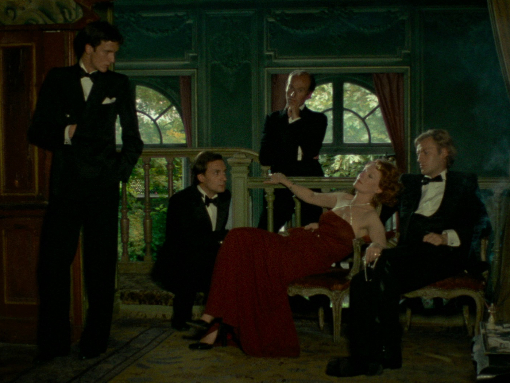
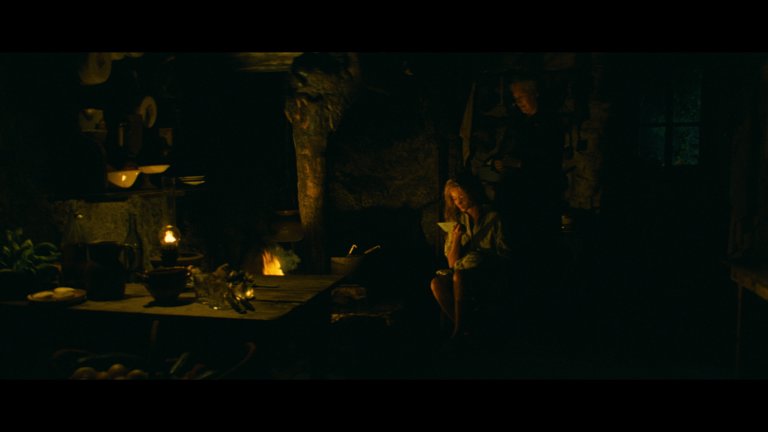
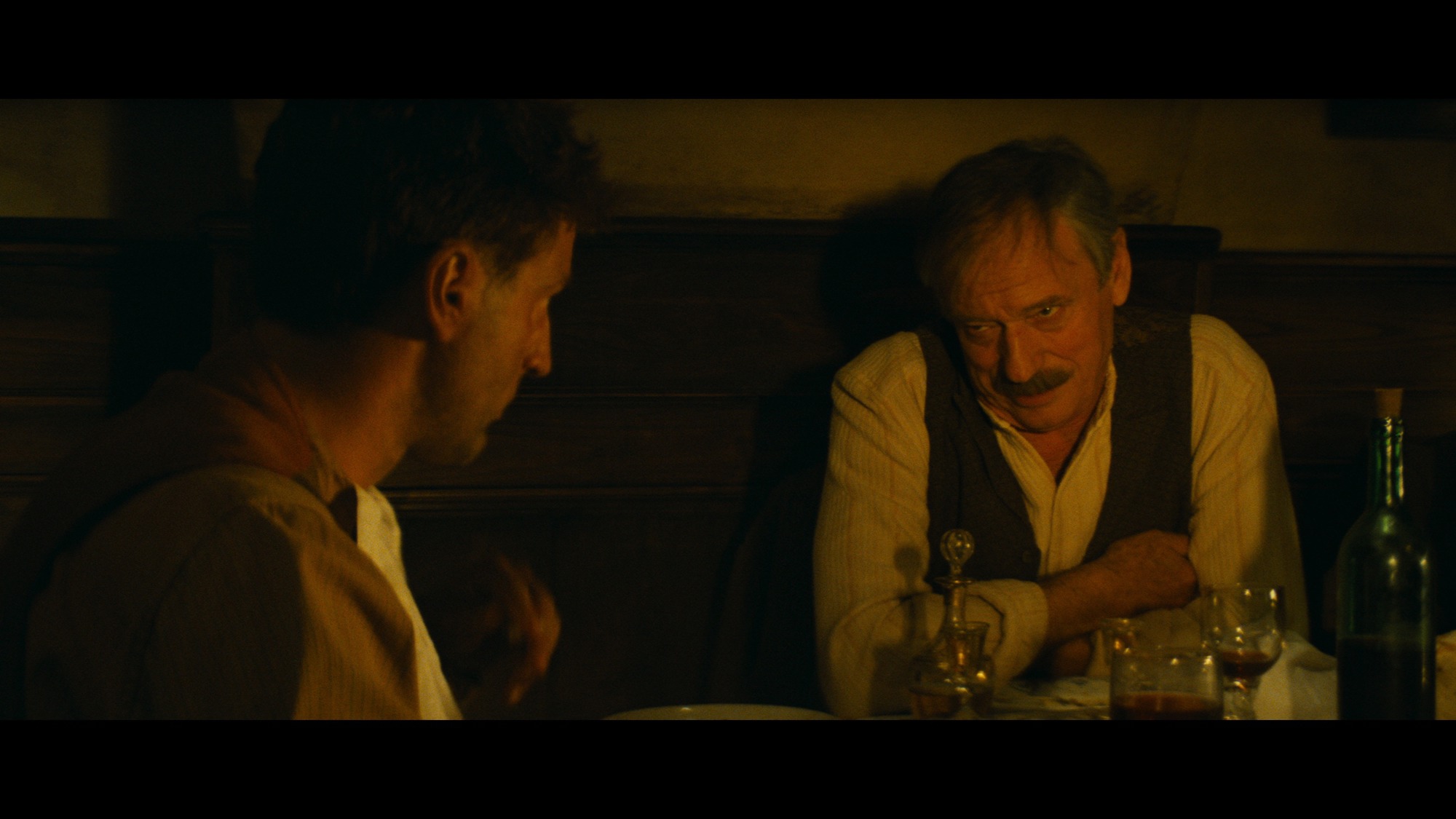
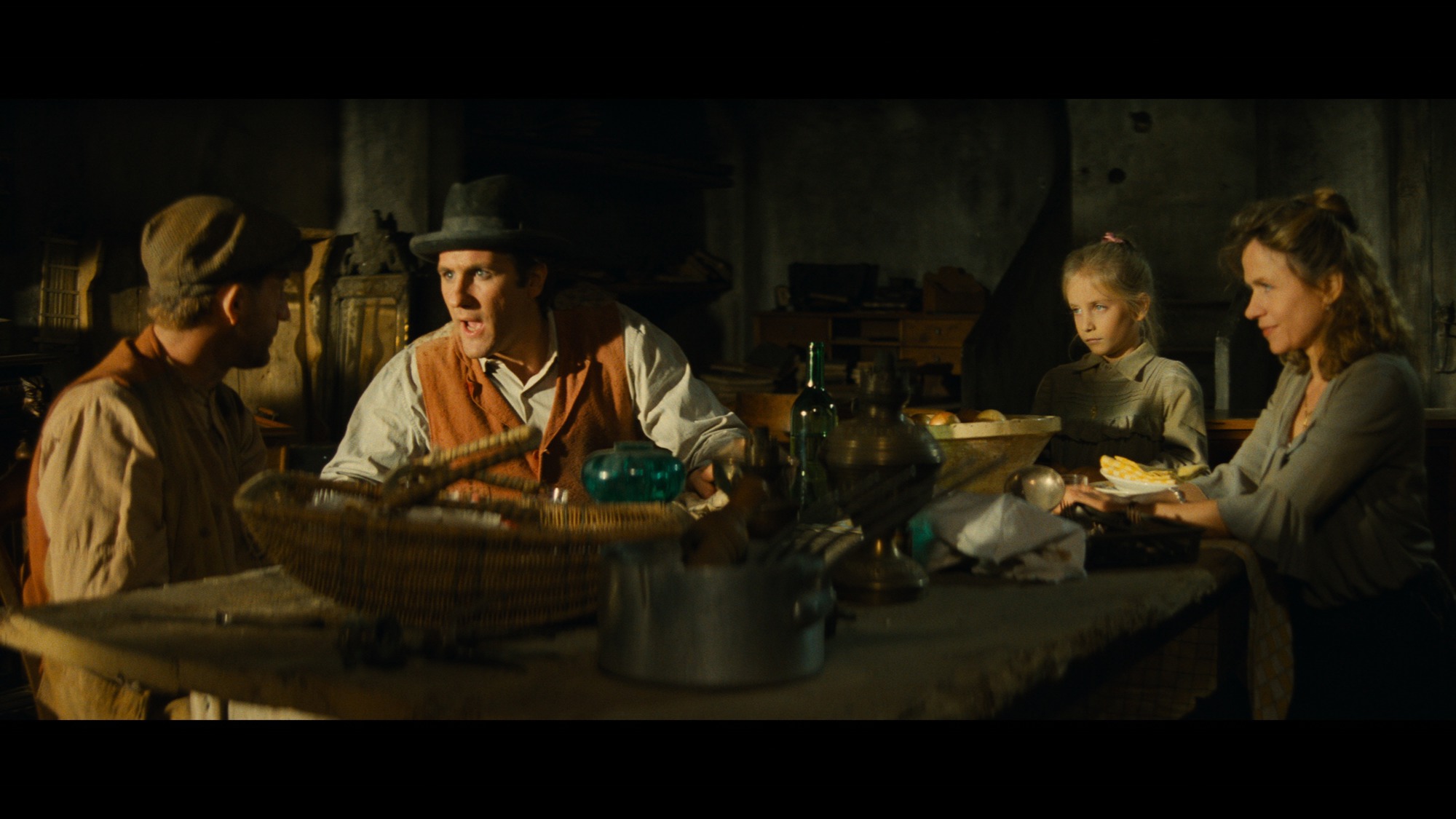
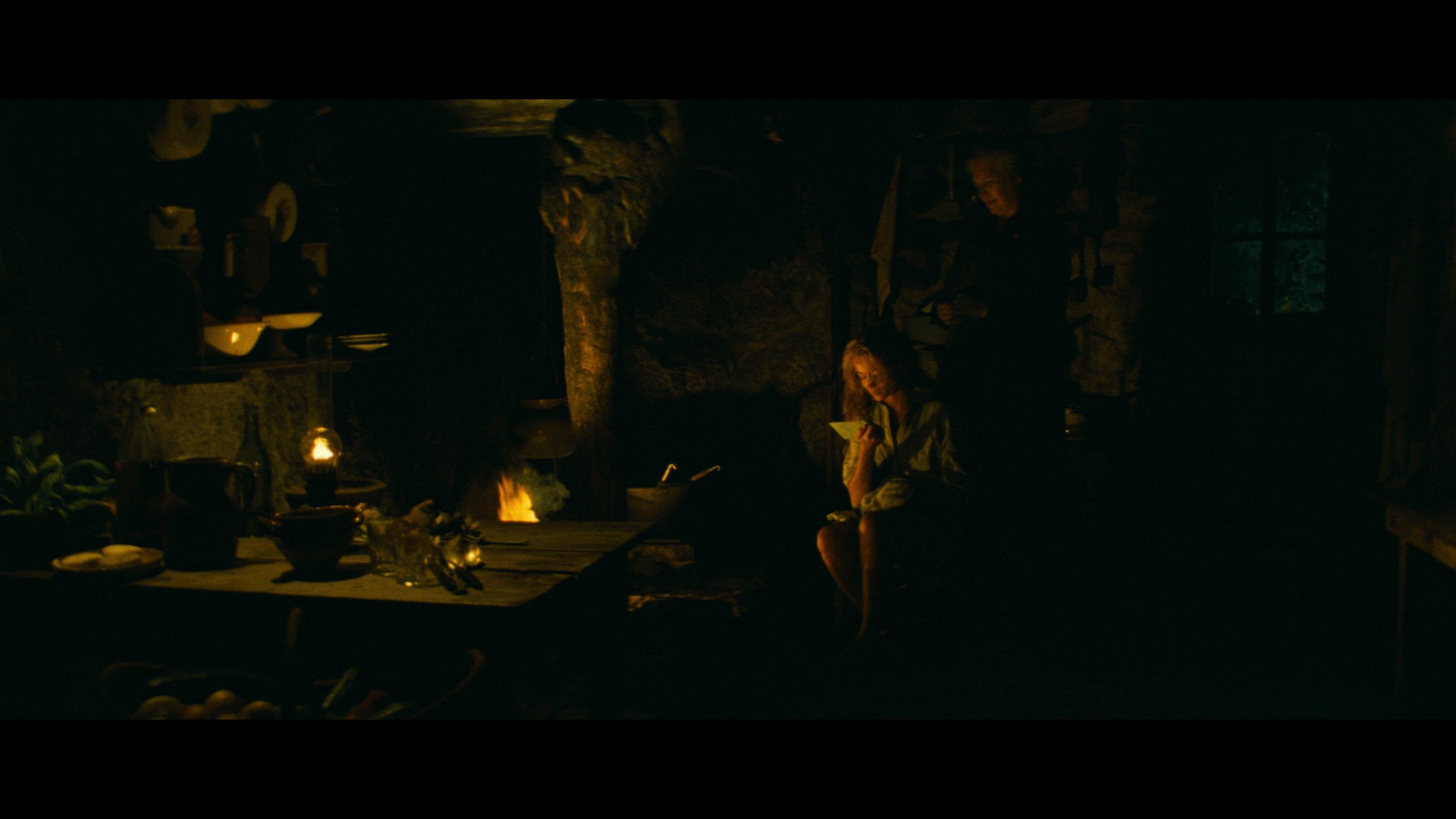
The presentations are graded in SDR, and while they generally look bright and lively, the format does have some limitations. Highlights come through nicely, but darker interior scenes can veer into murky territory, with limited shadow delineation. It doesn’t flatten the image completely, but blacks can get a little mushy here and there.
Aside from that, the encode is top-notch, handling the grain beautifully without any signs of over-compression or noise reduction. The image remains clean and stable throughout, with no visible artifacts to distract from the experience. All around, outside of a couple of areas, the presentations are quite good.
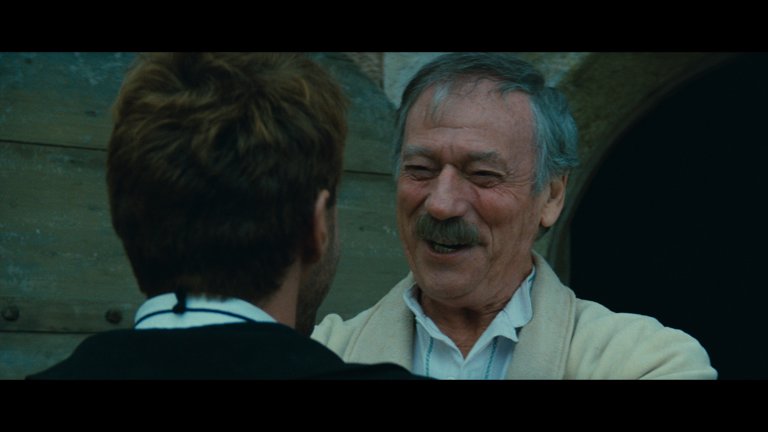
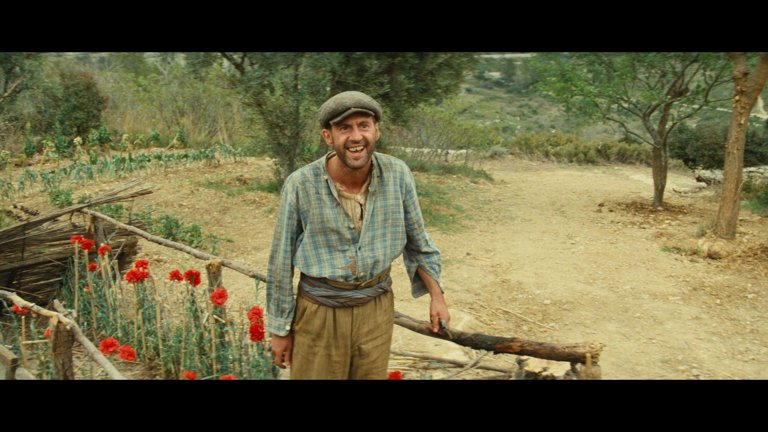
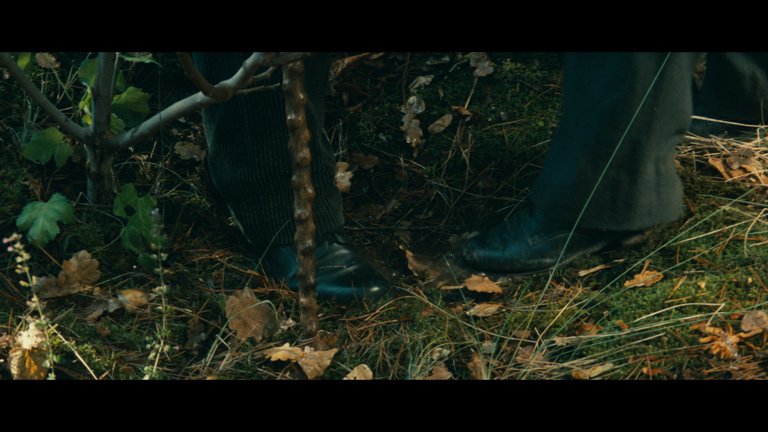
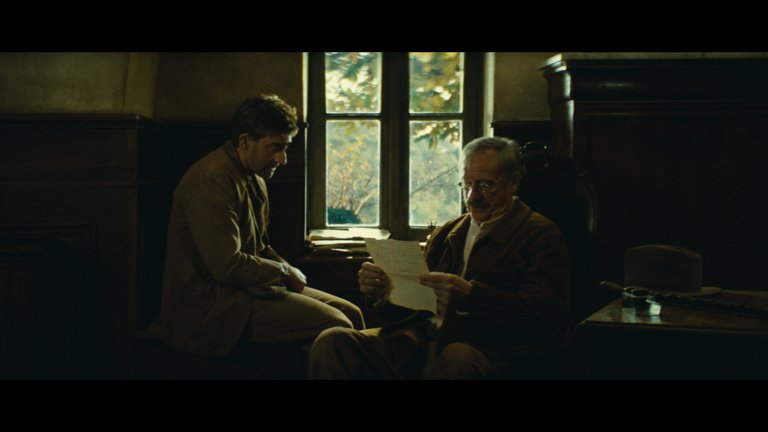
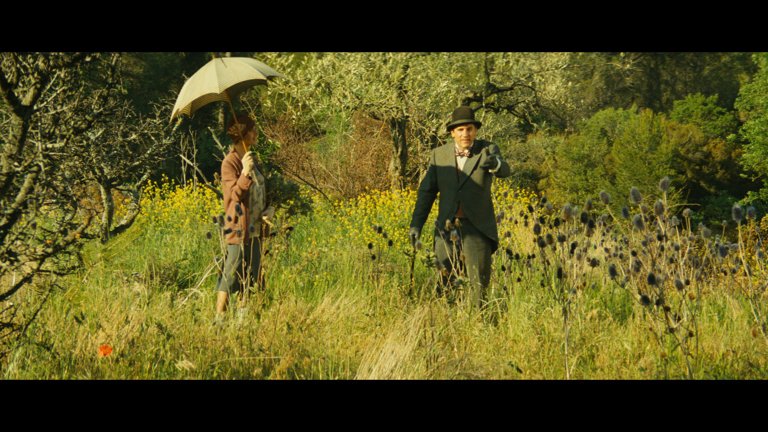
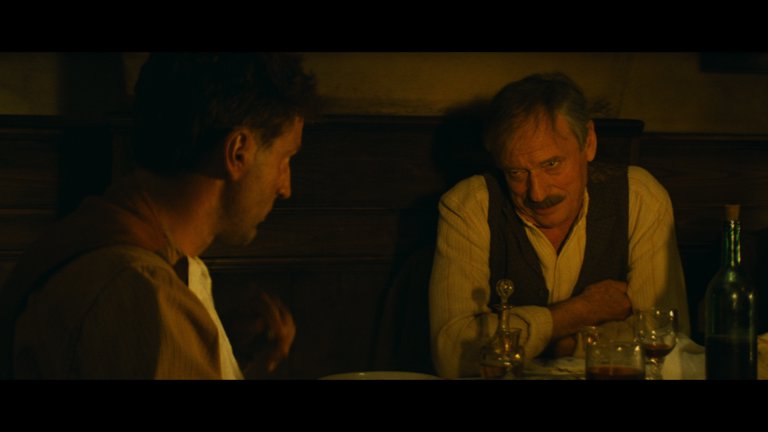
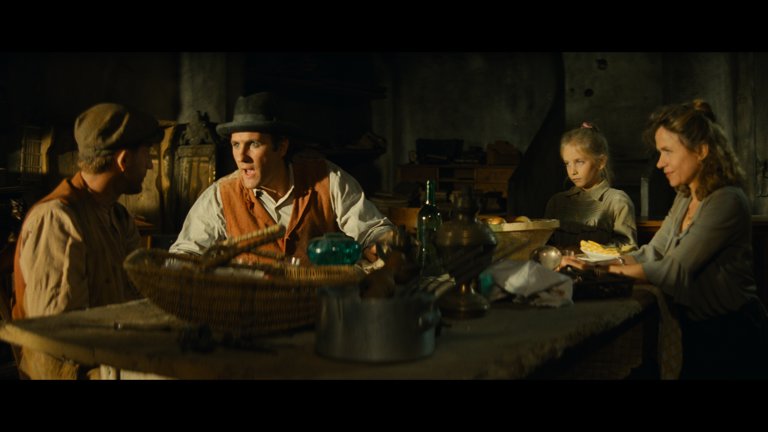
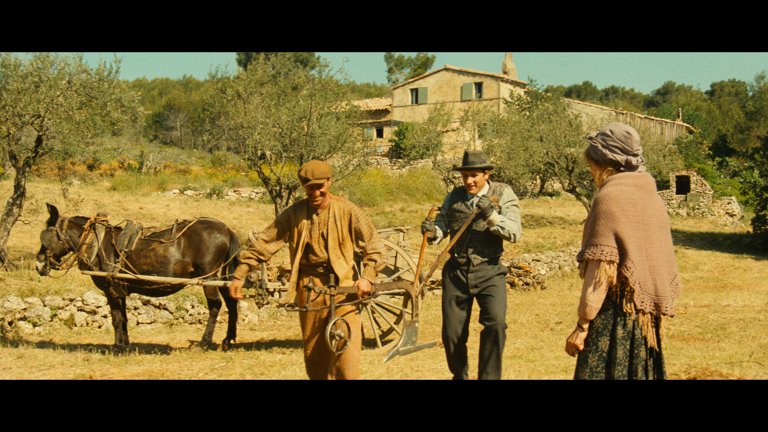
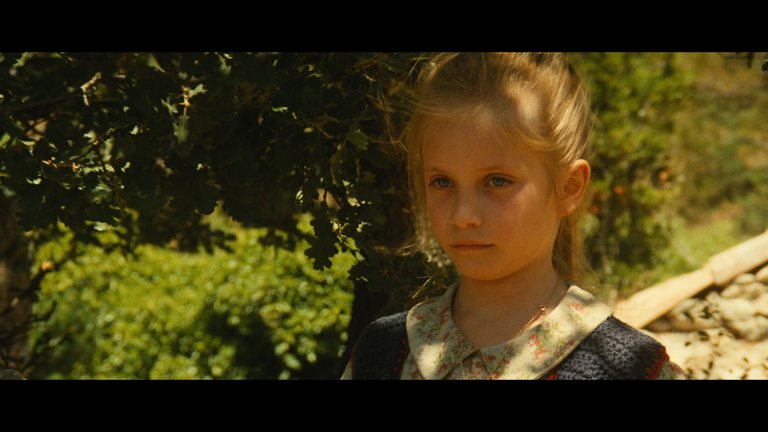
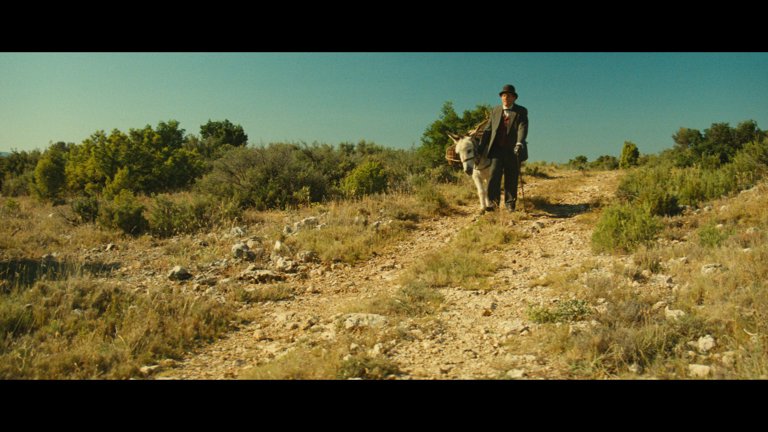
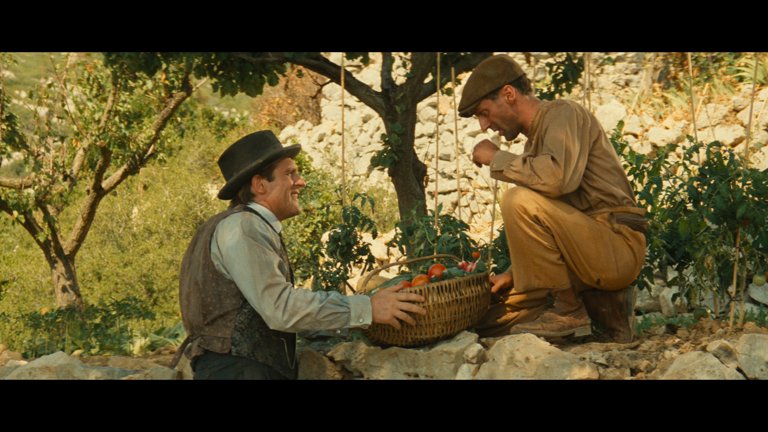
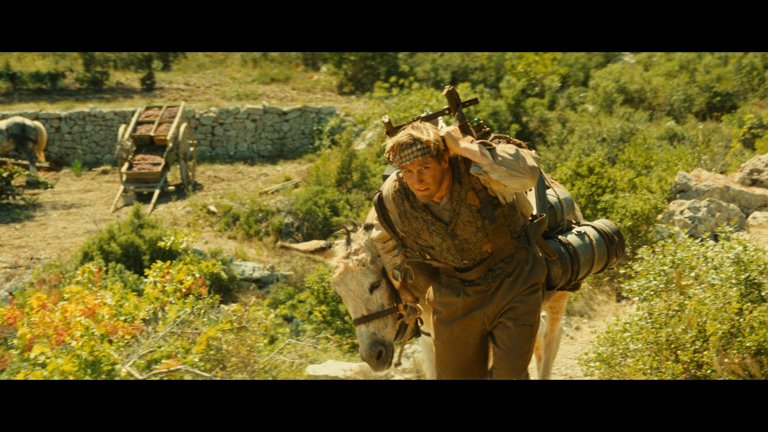
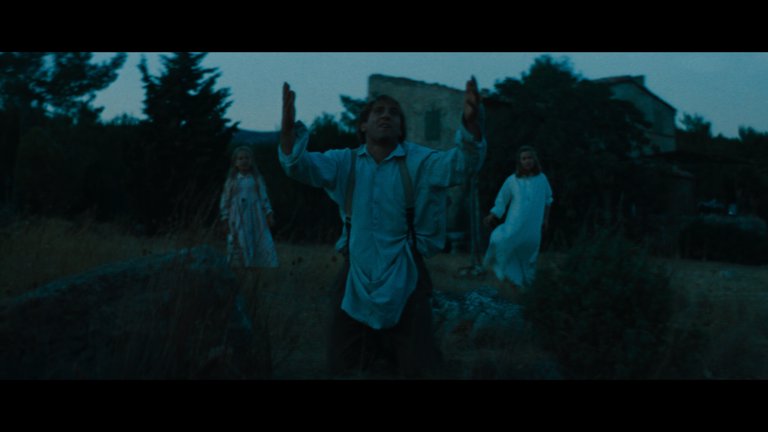
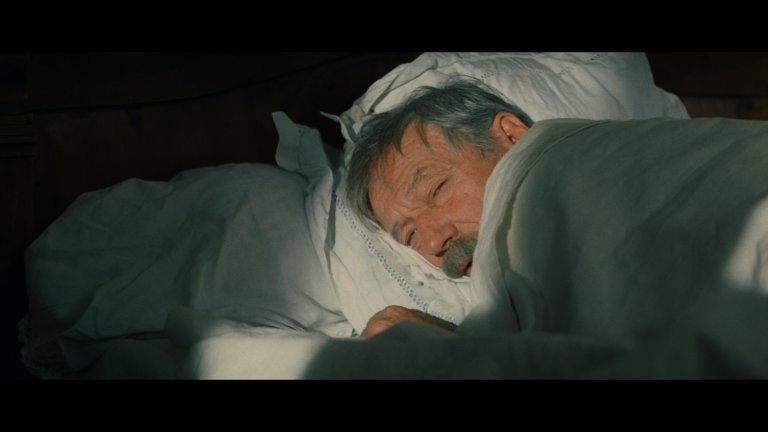
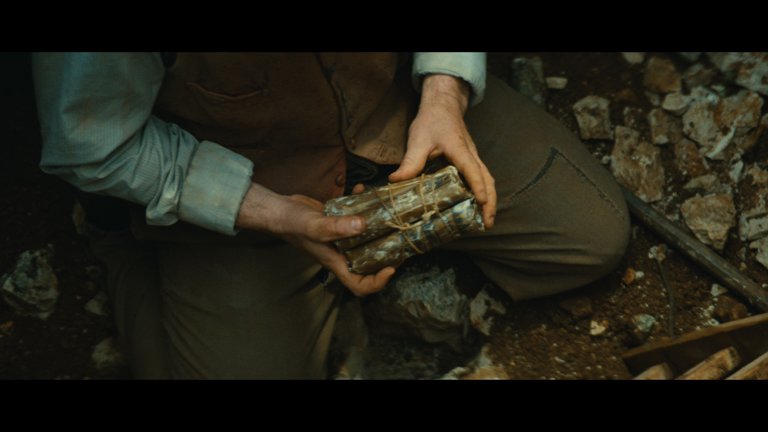
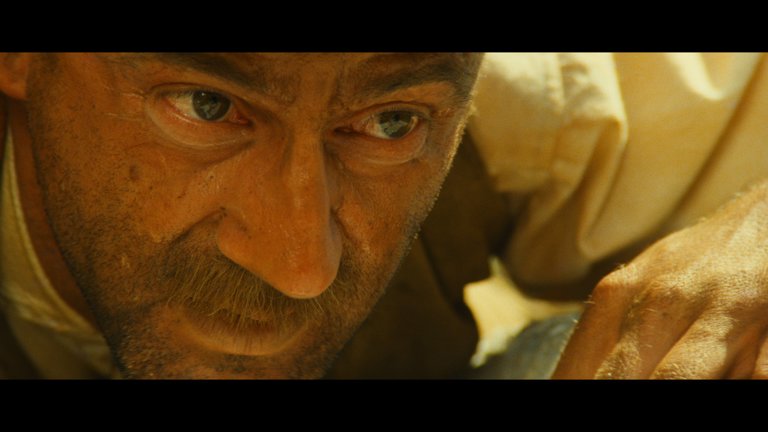
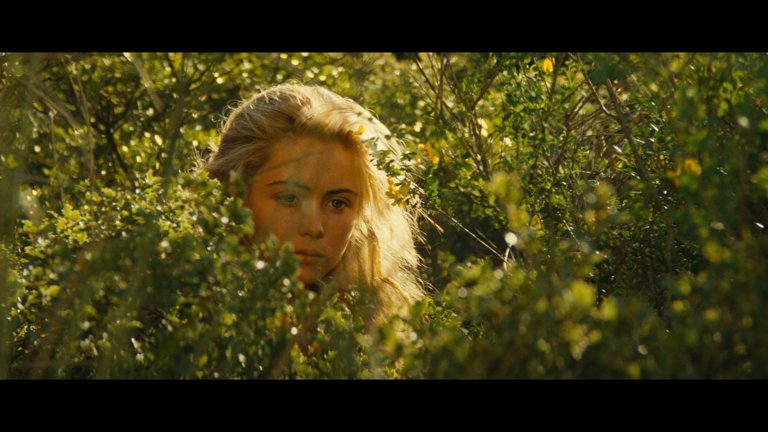
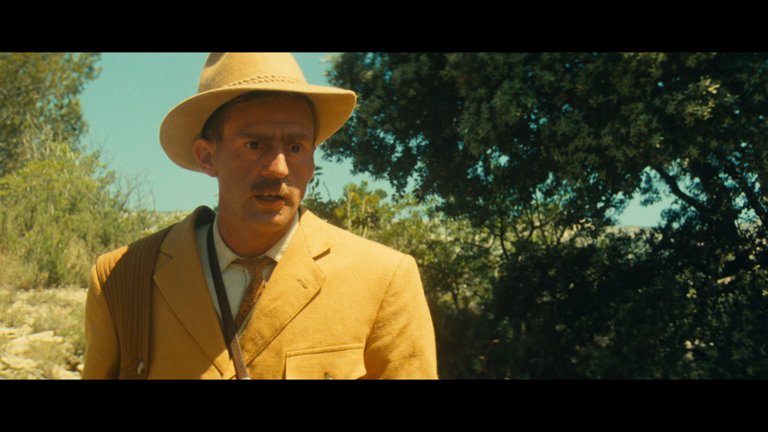
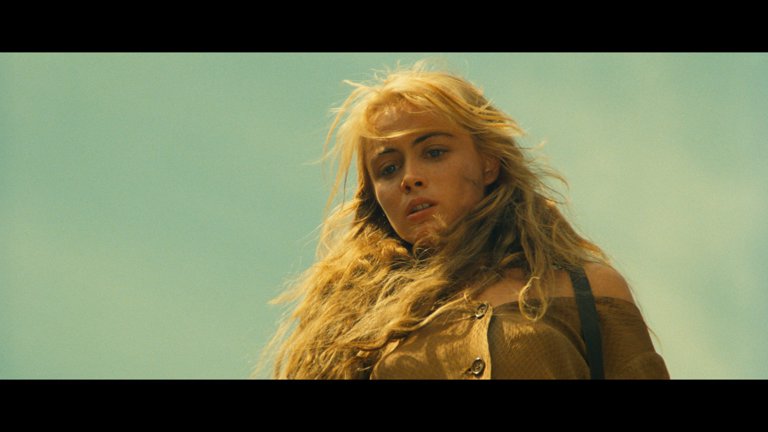
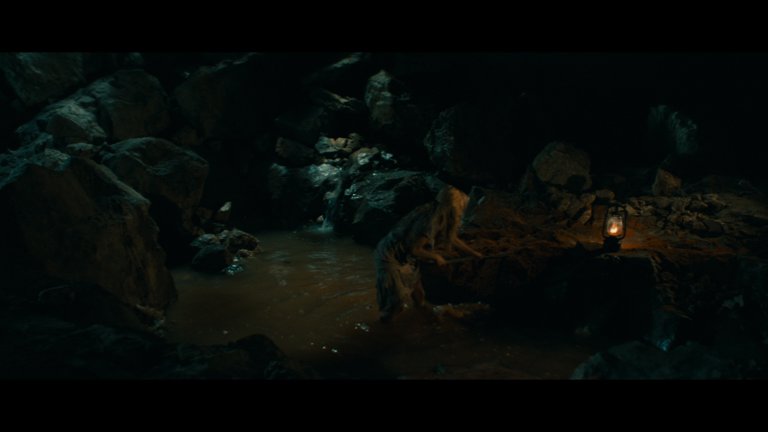
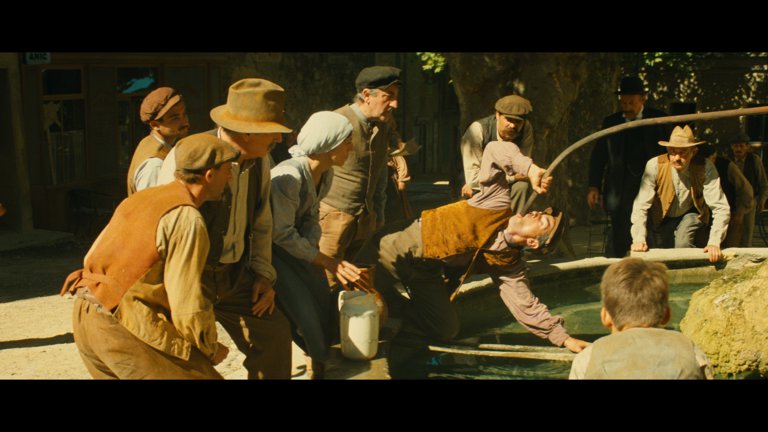
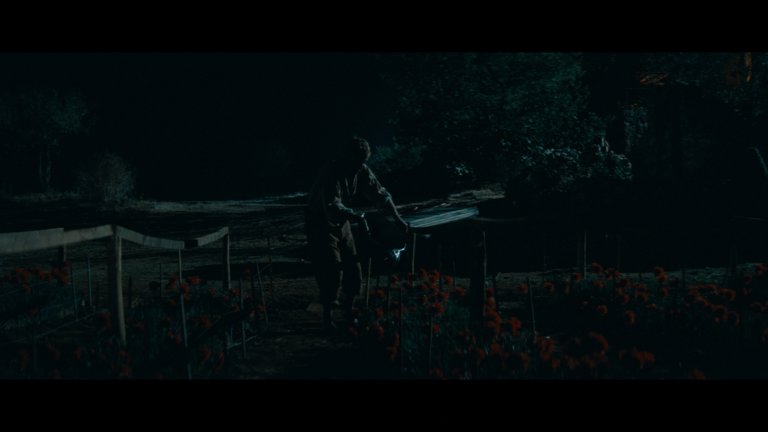
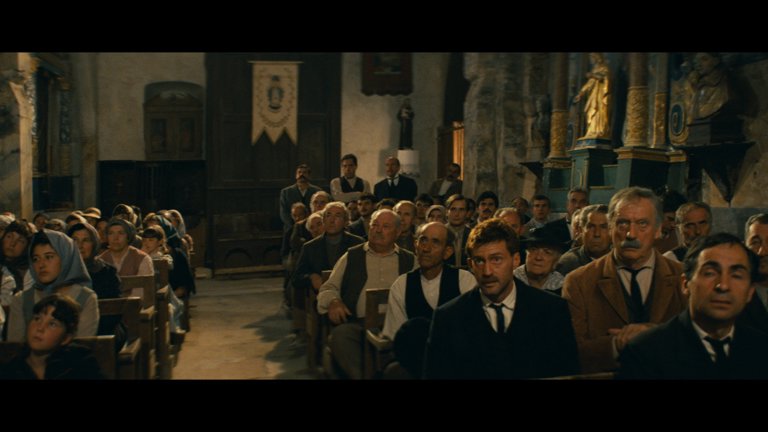
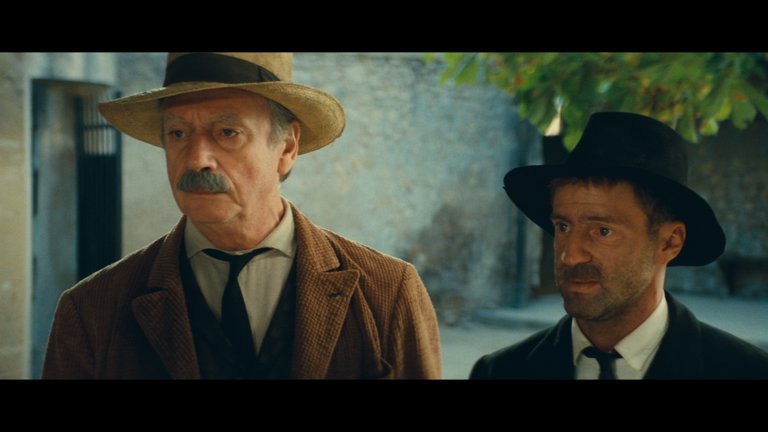
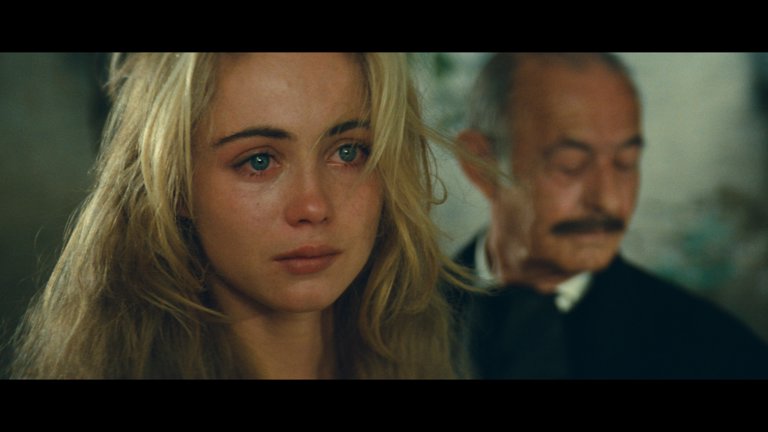
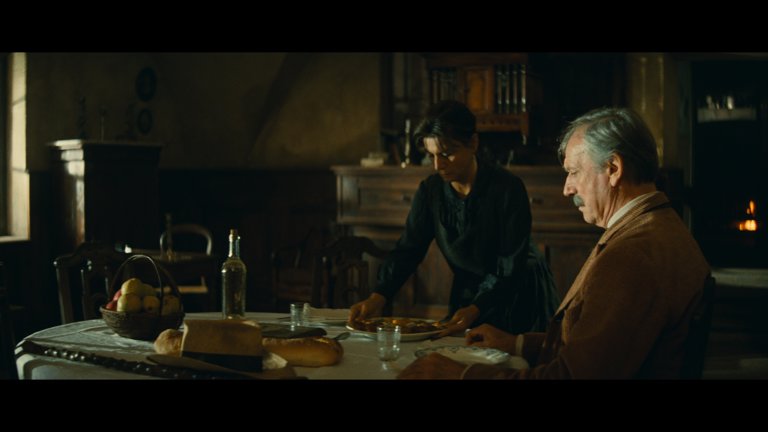
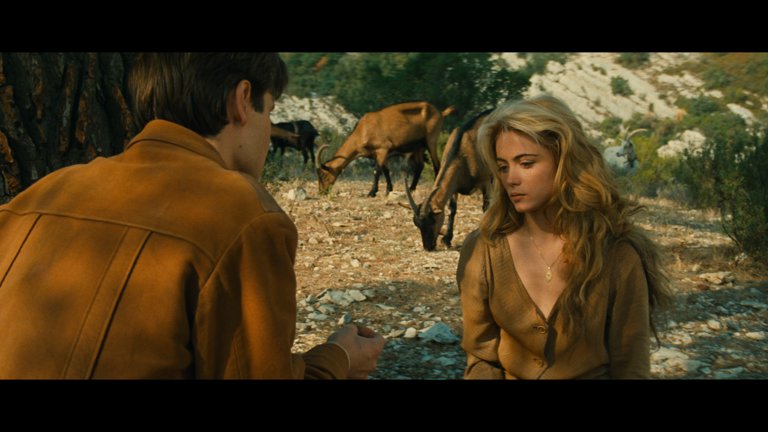
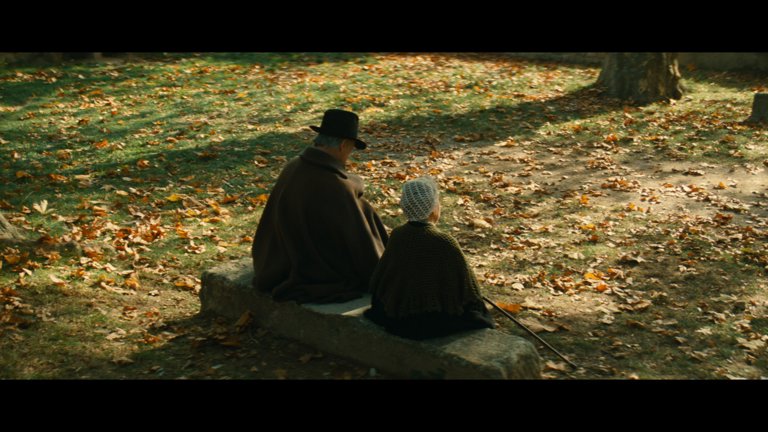
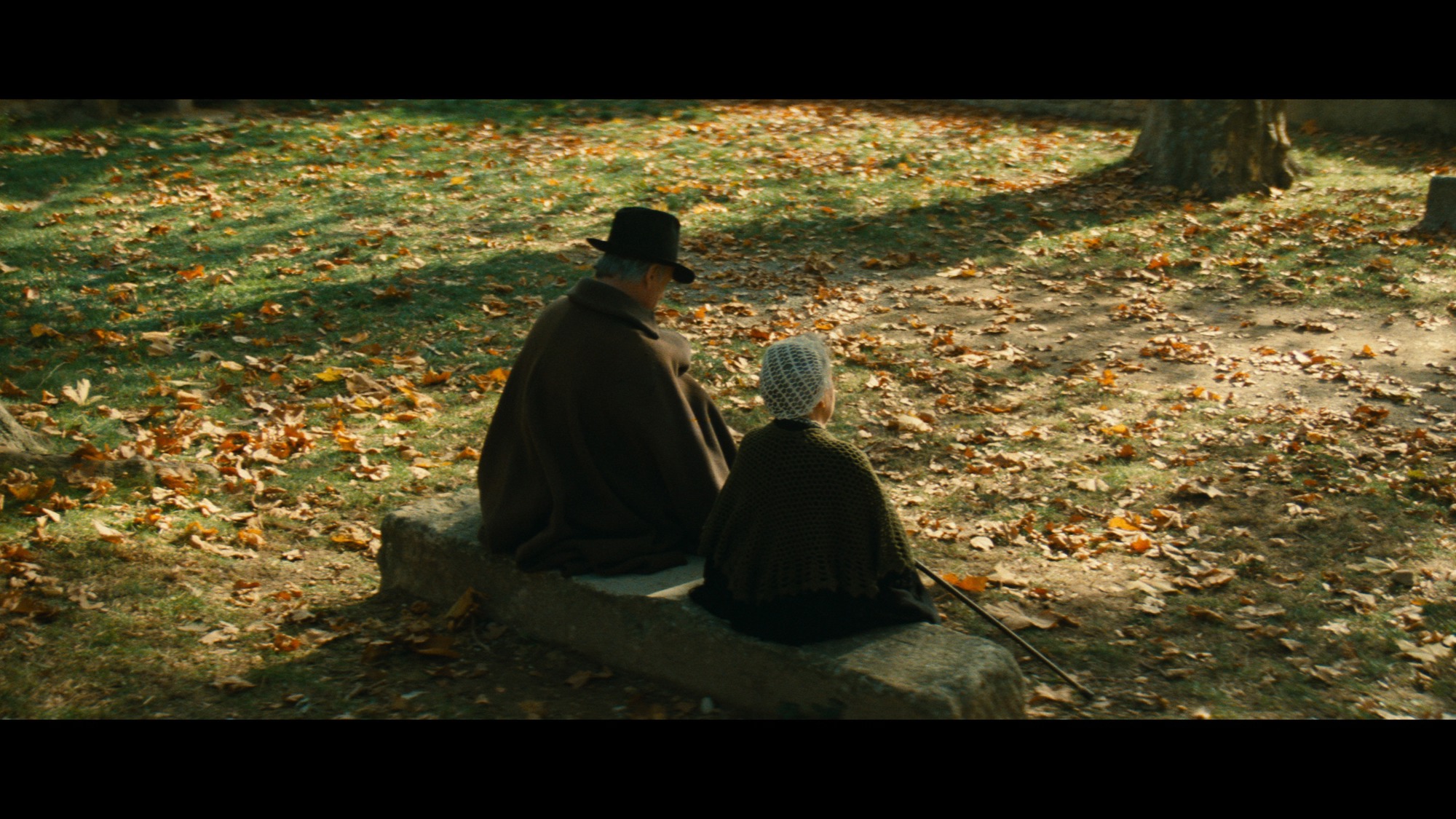
Jean de Florette / Manon of the Spring: Two Films by Claude Berri - Screen Captures
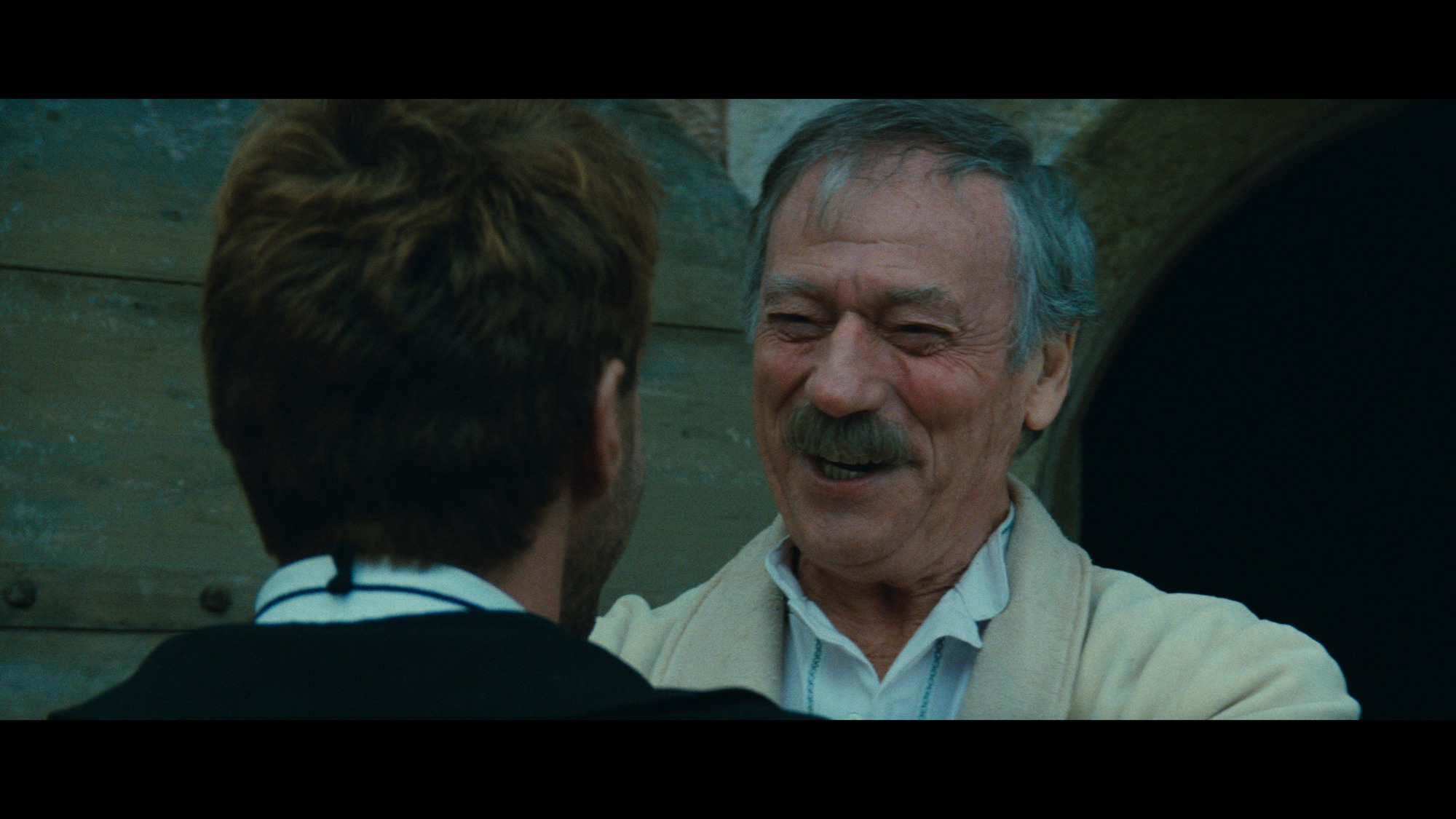
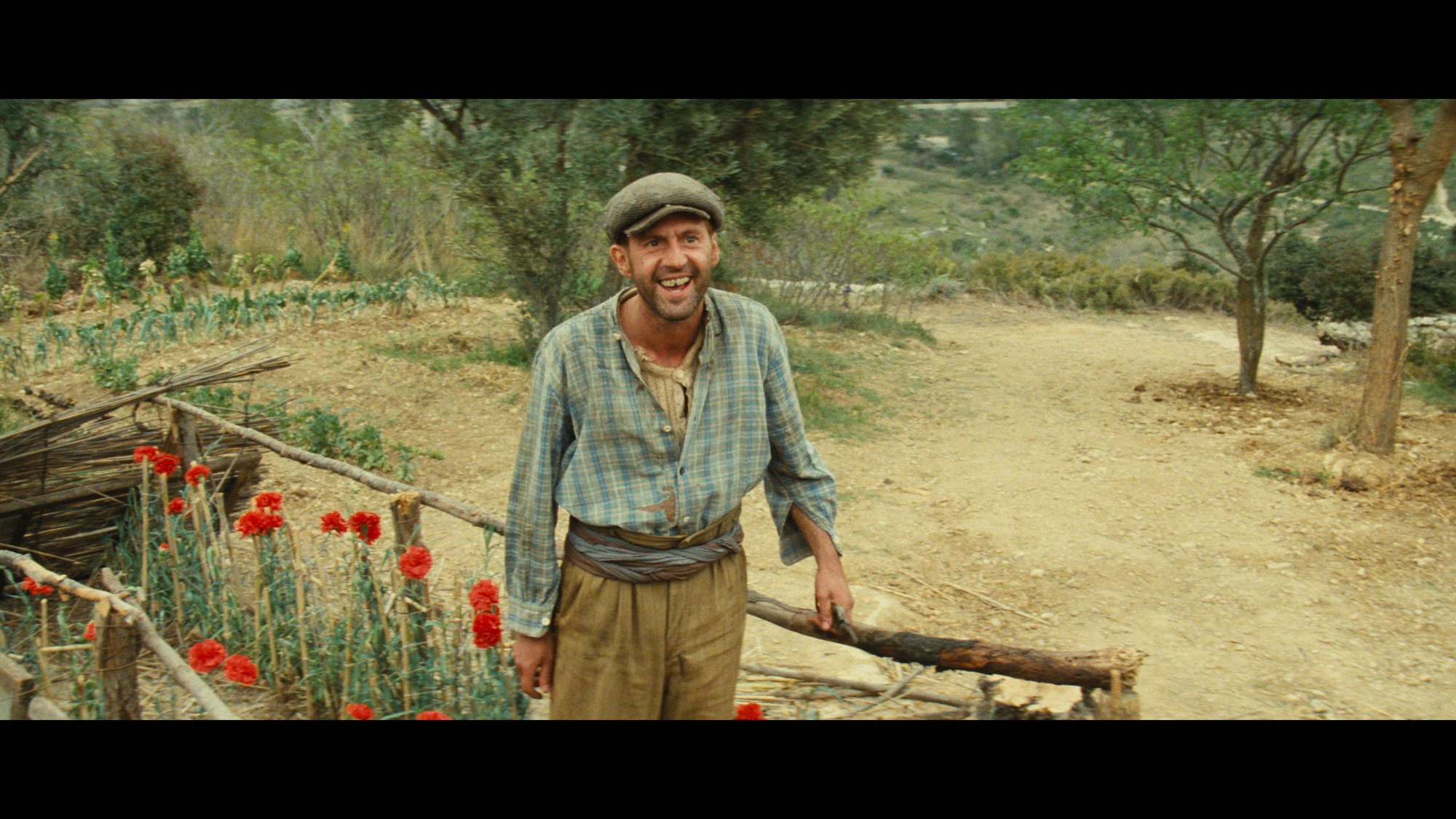
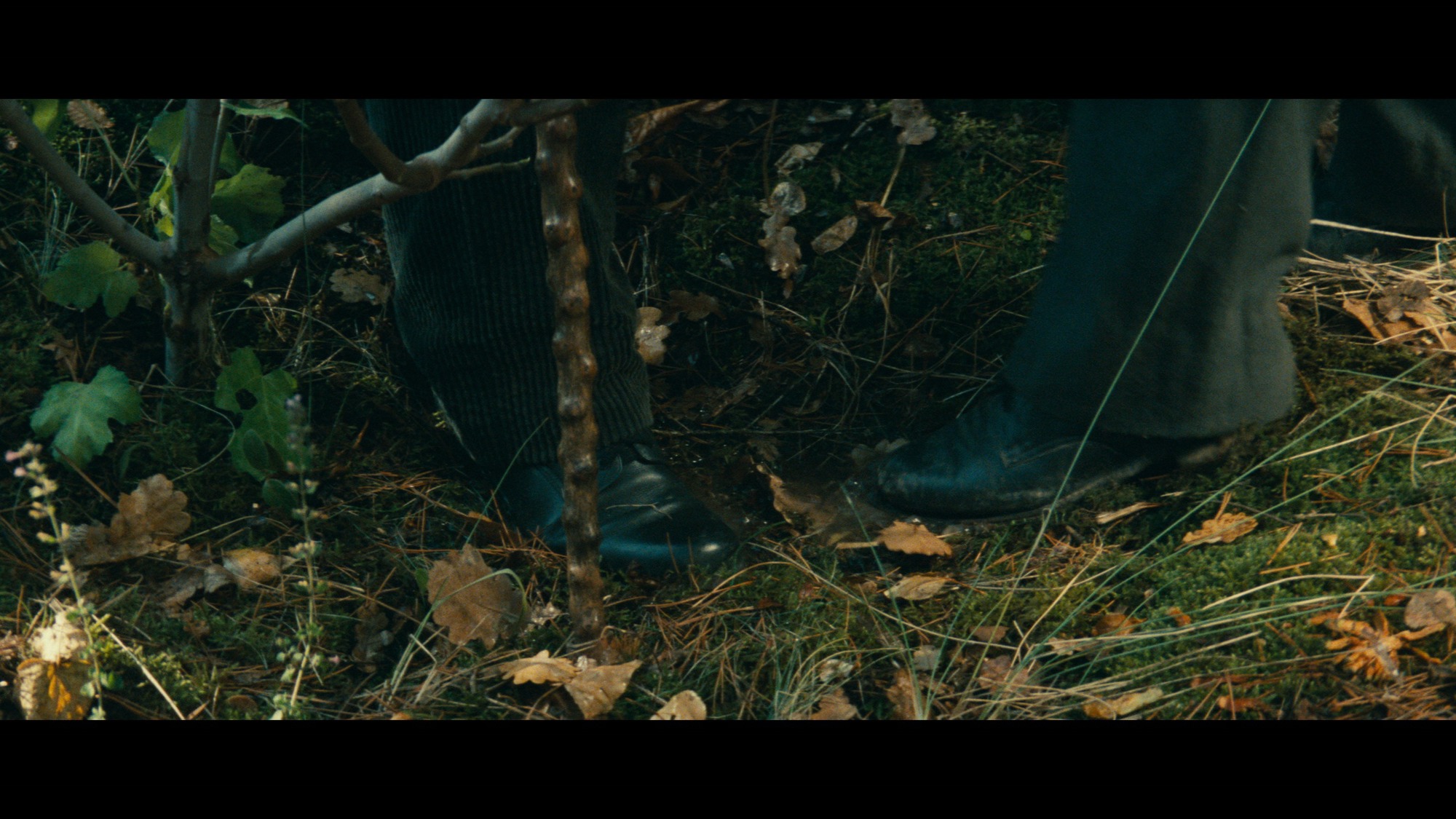
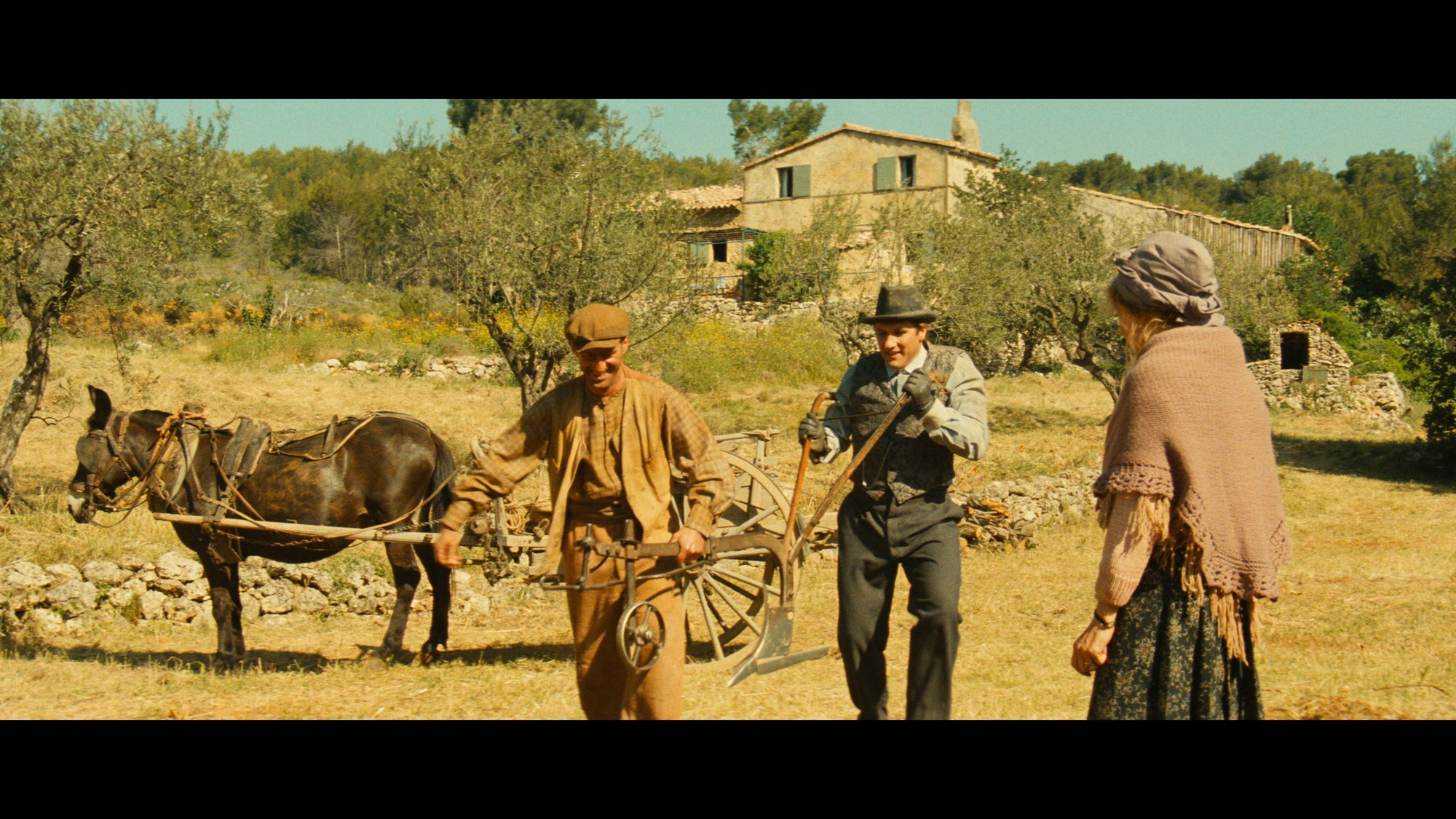
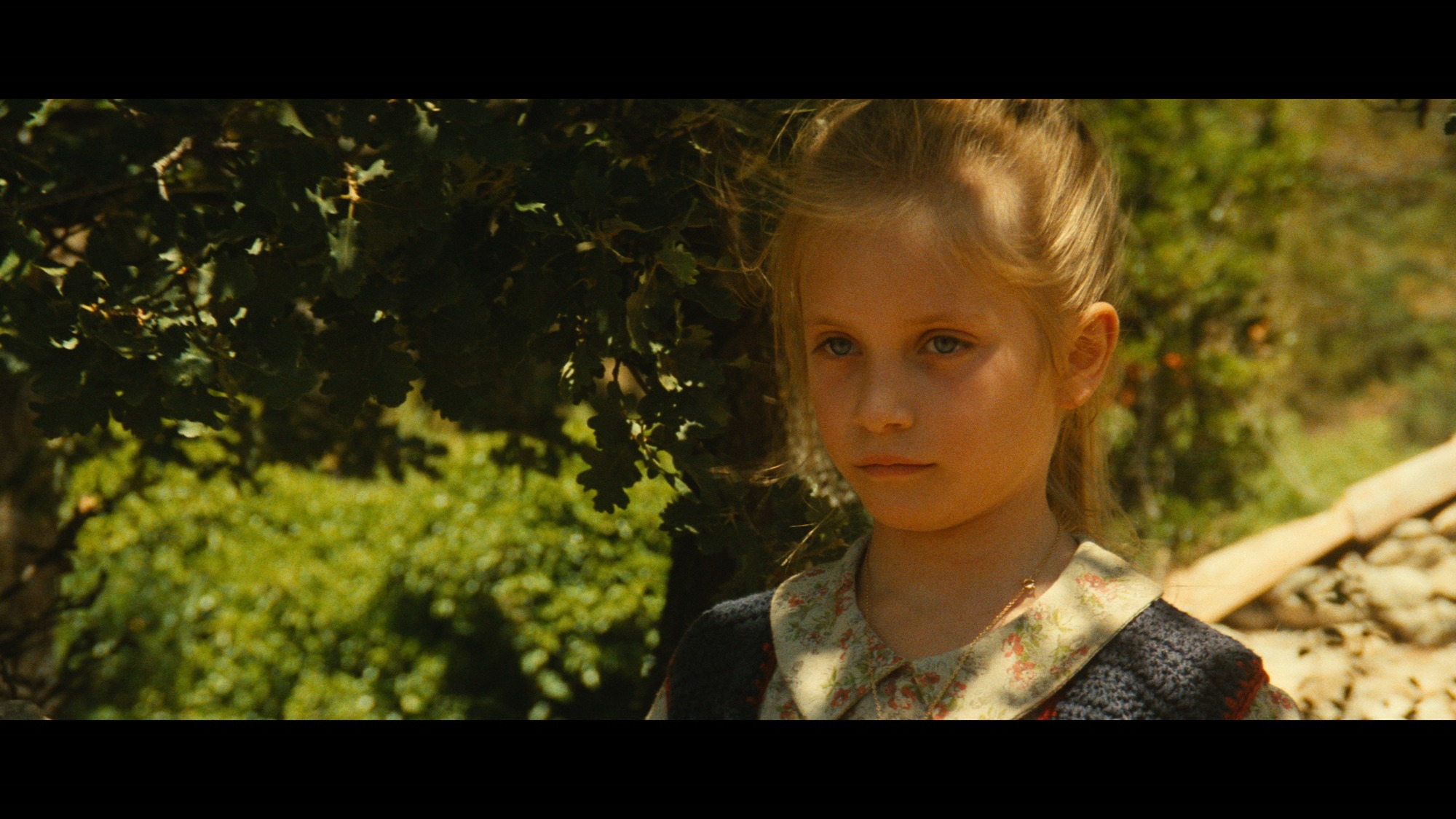
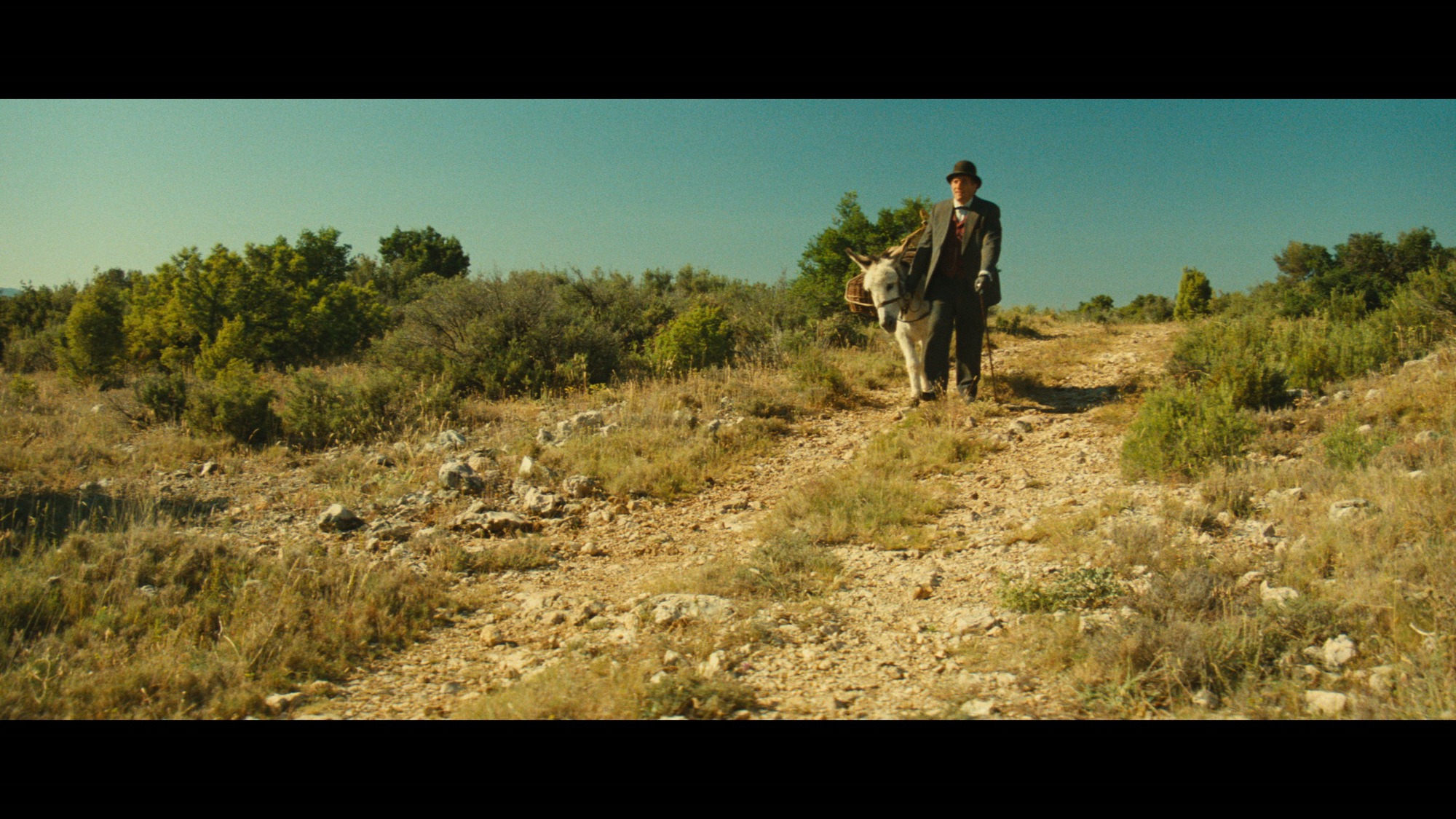
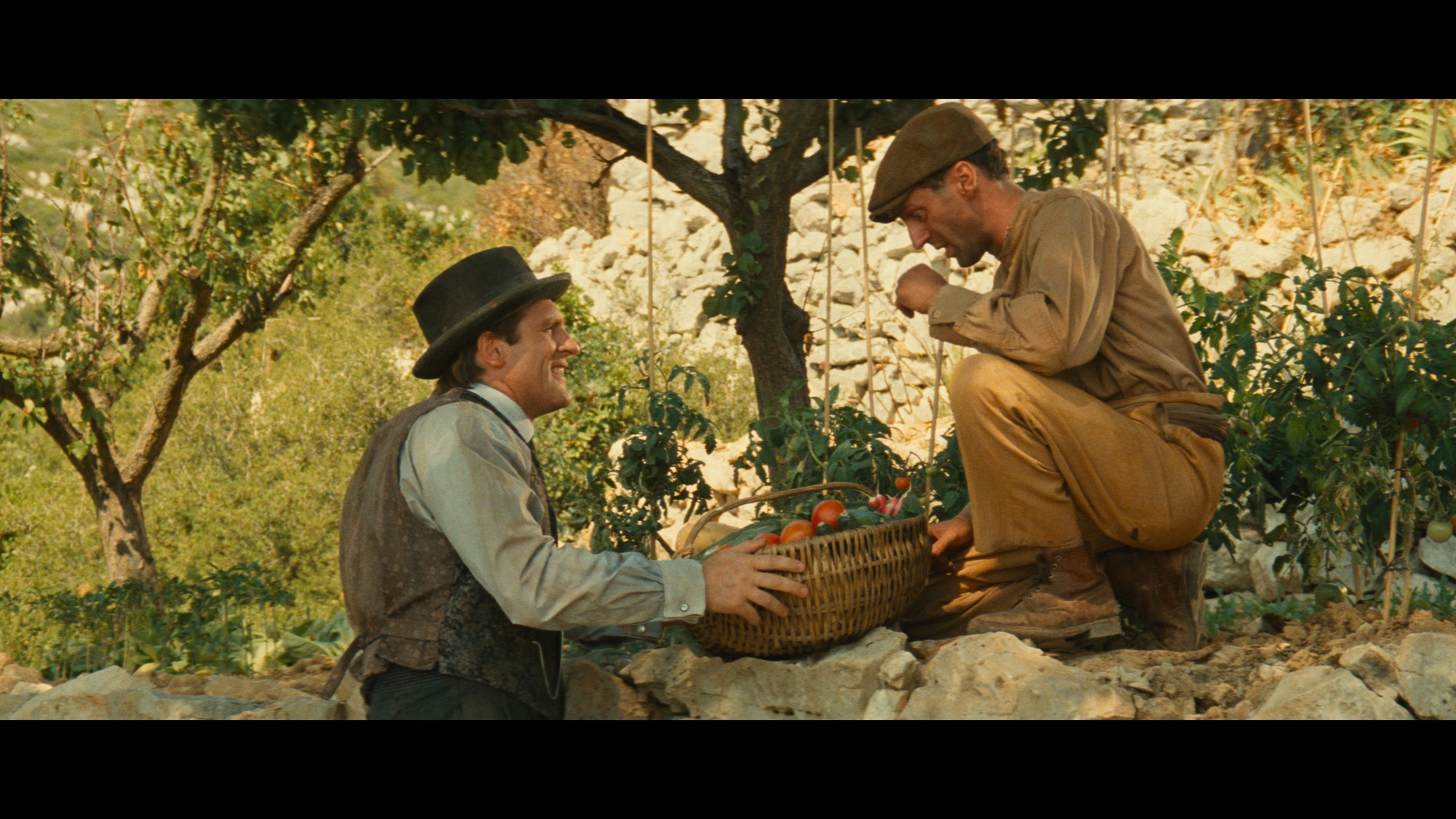
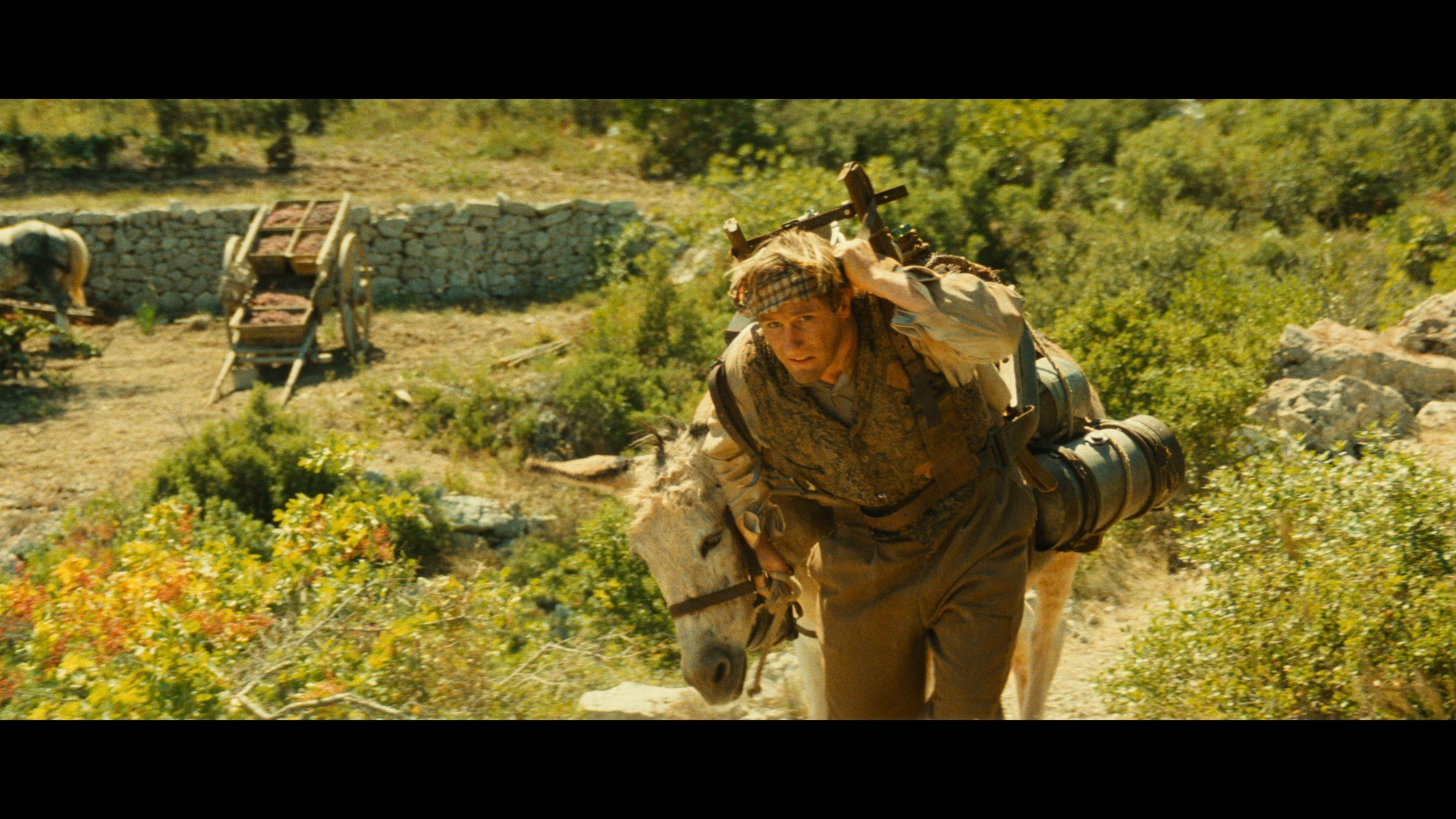
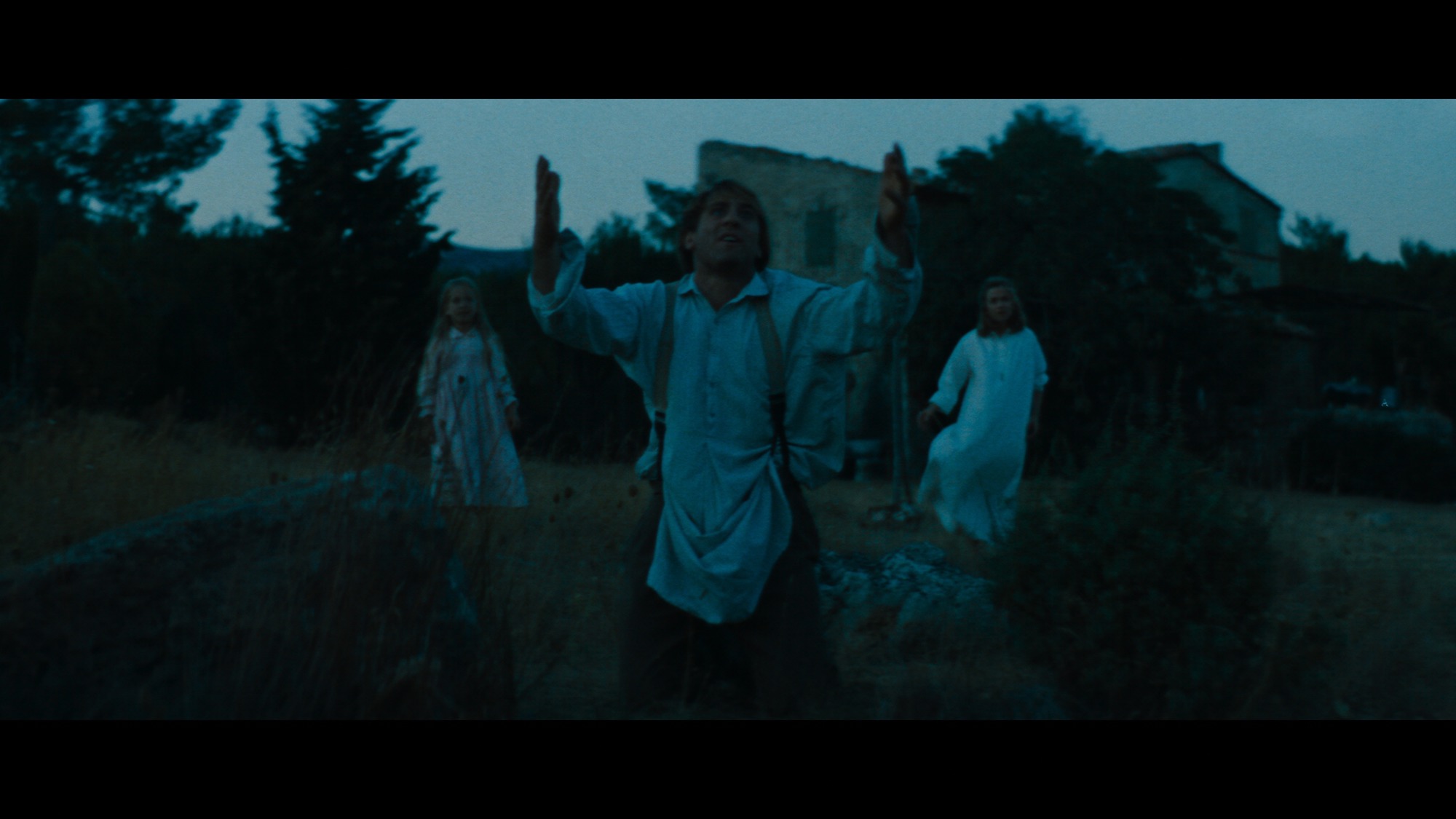
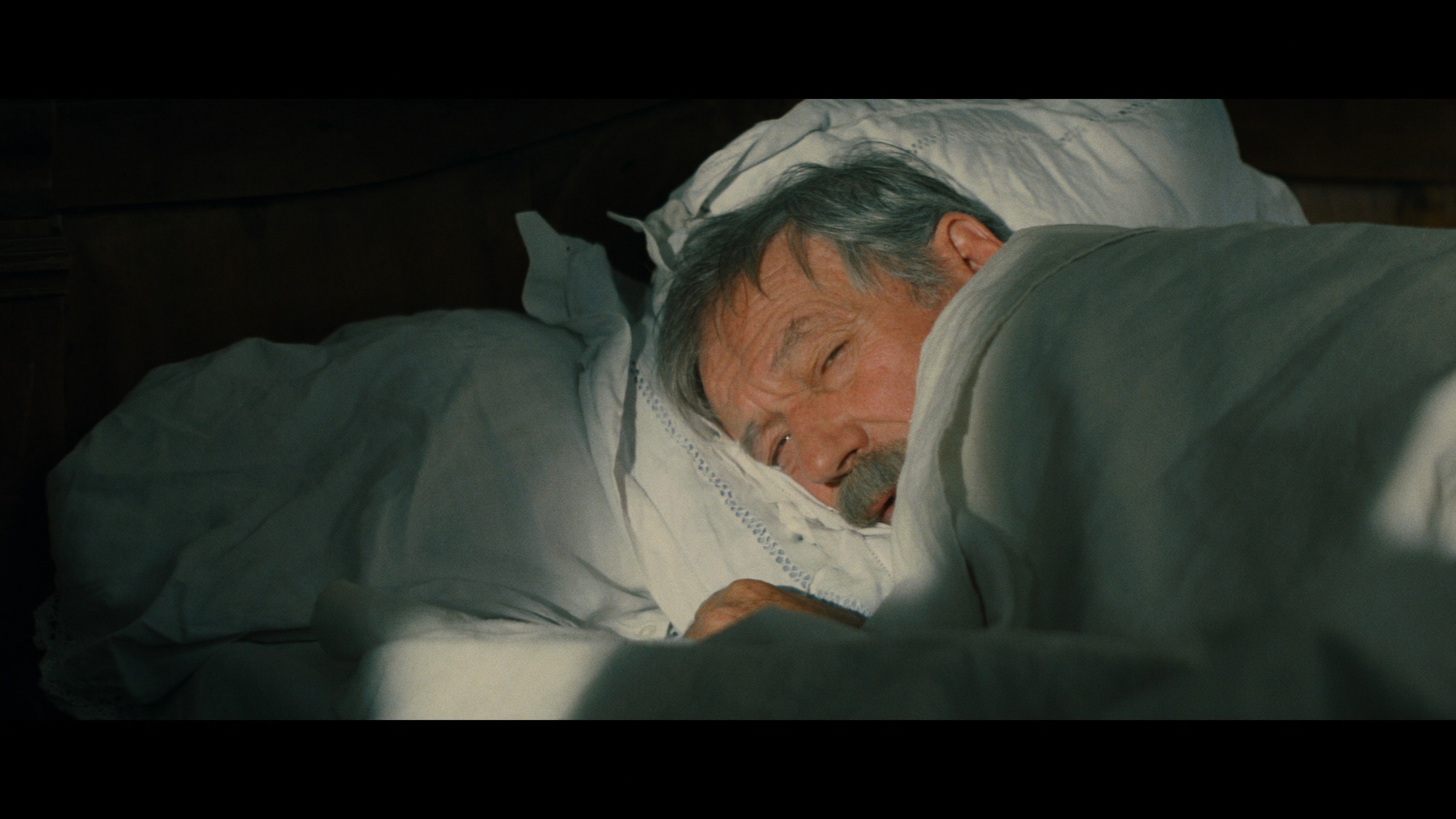
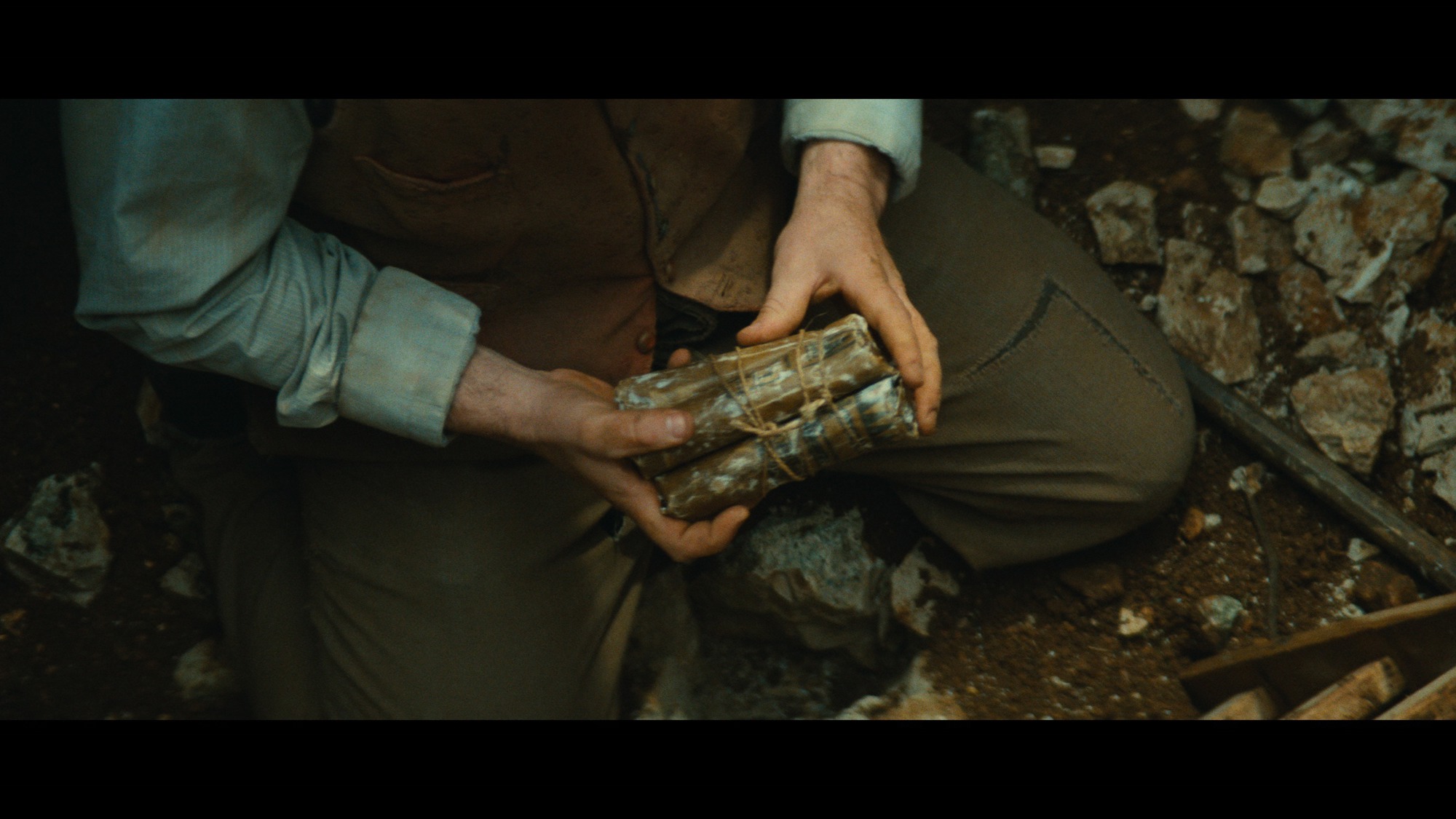
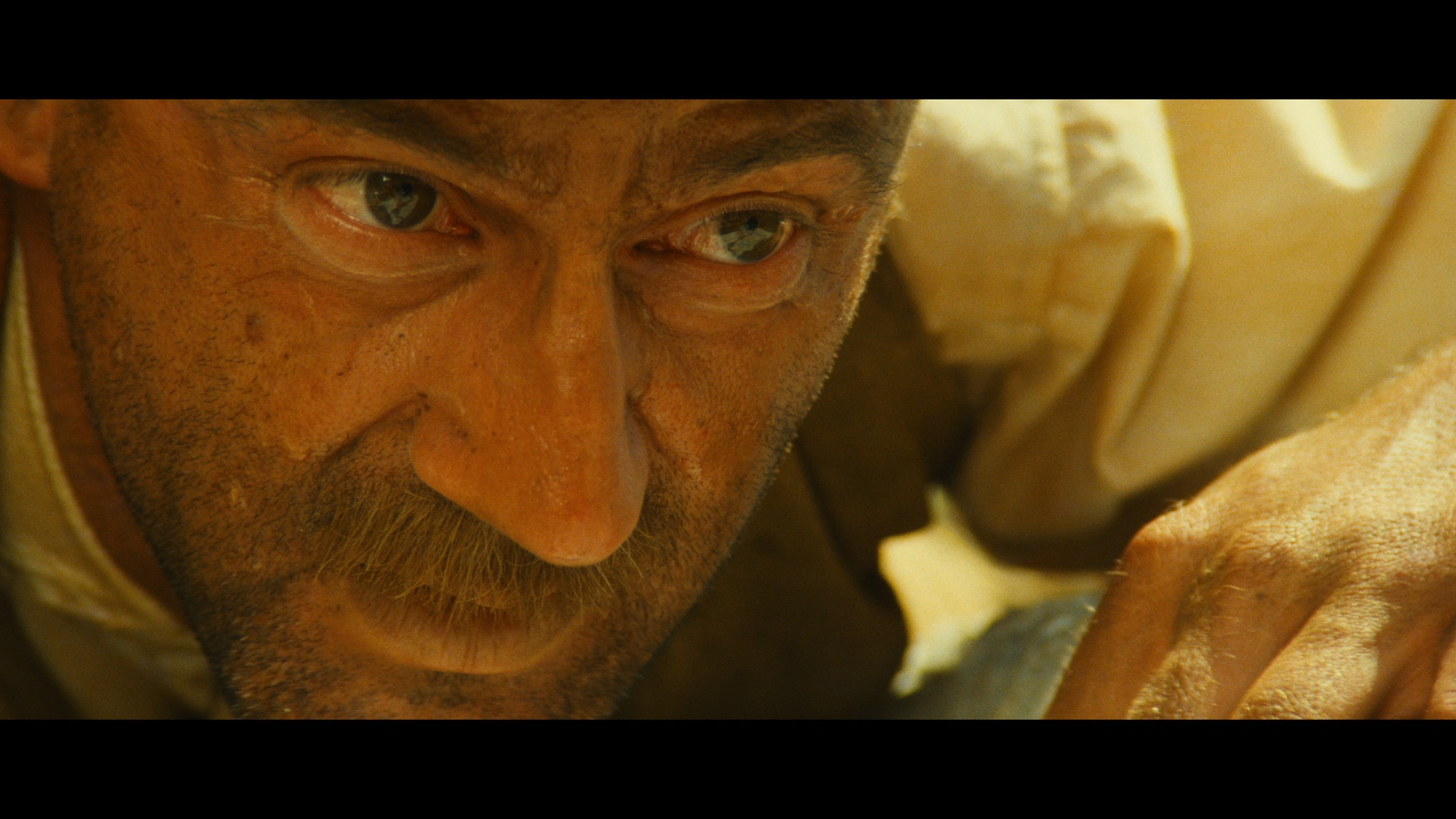
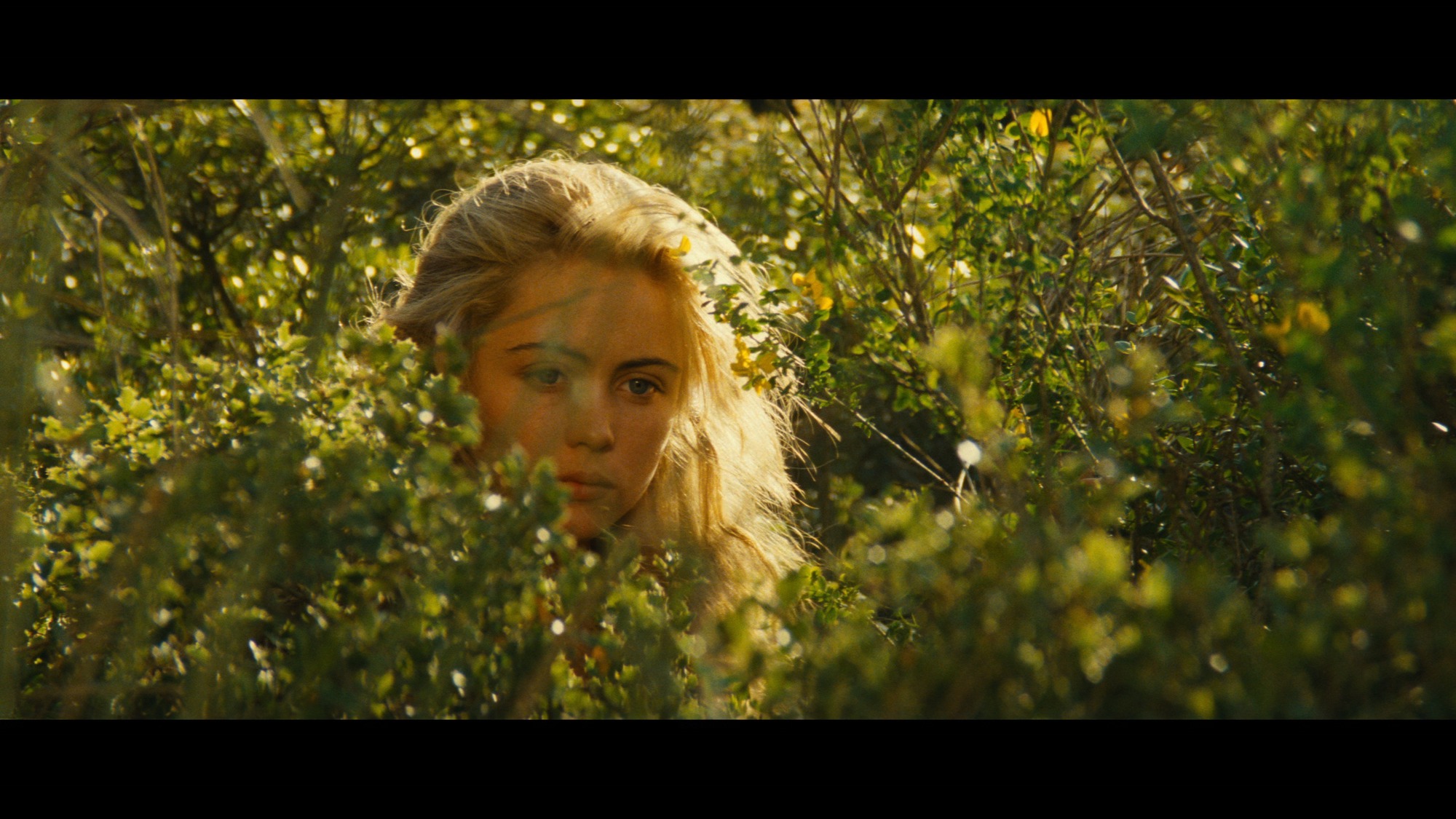
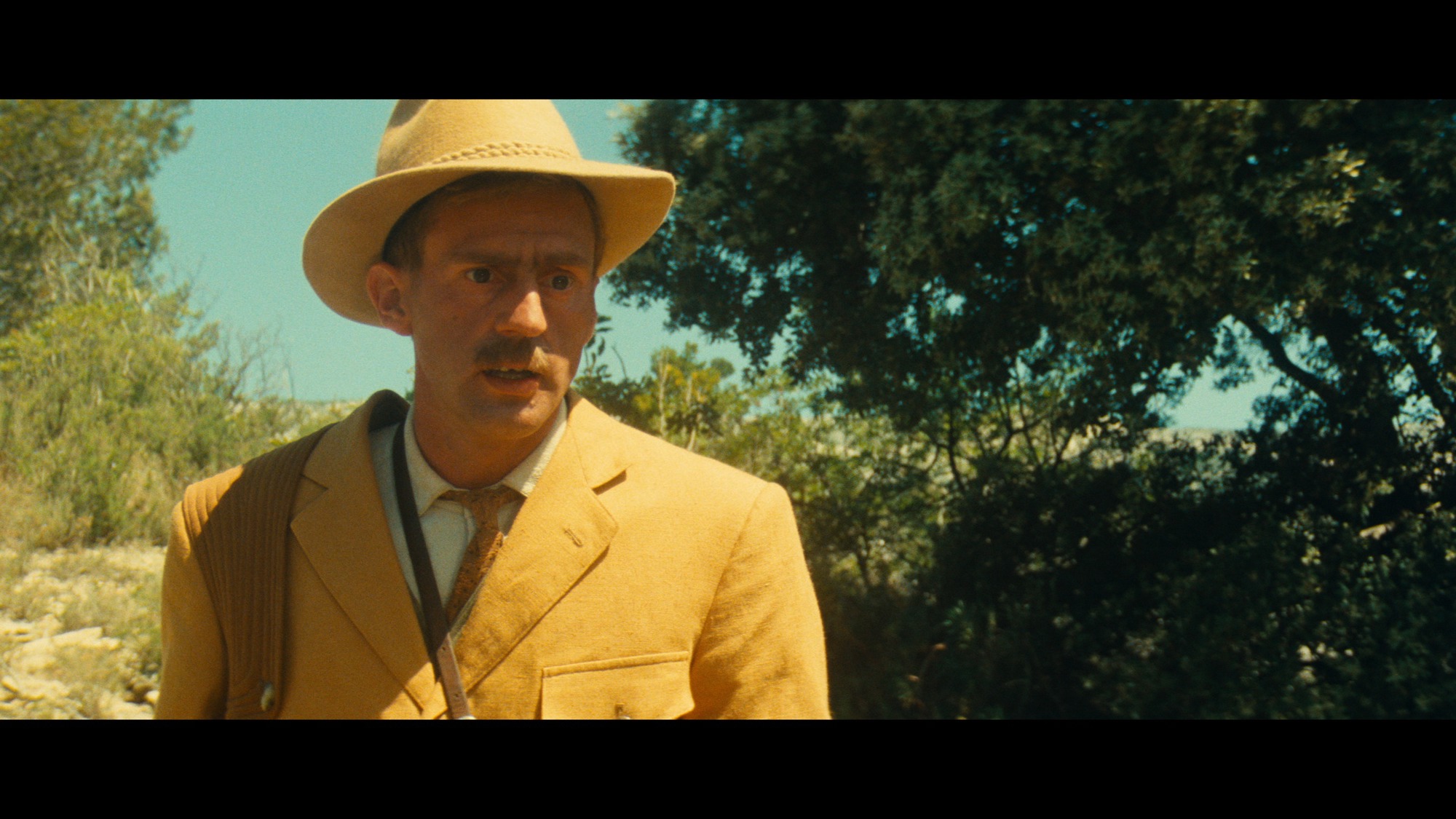
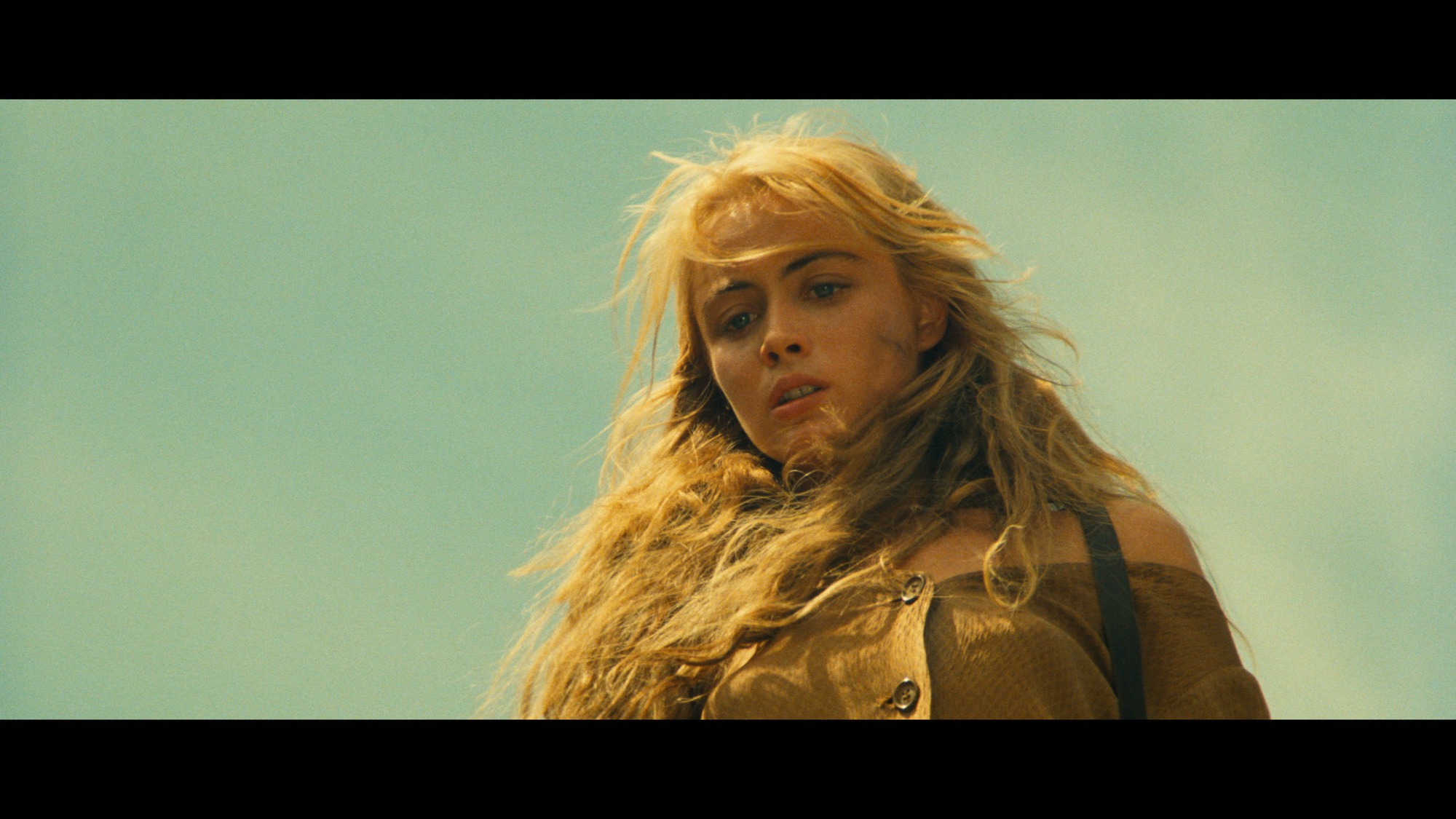
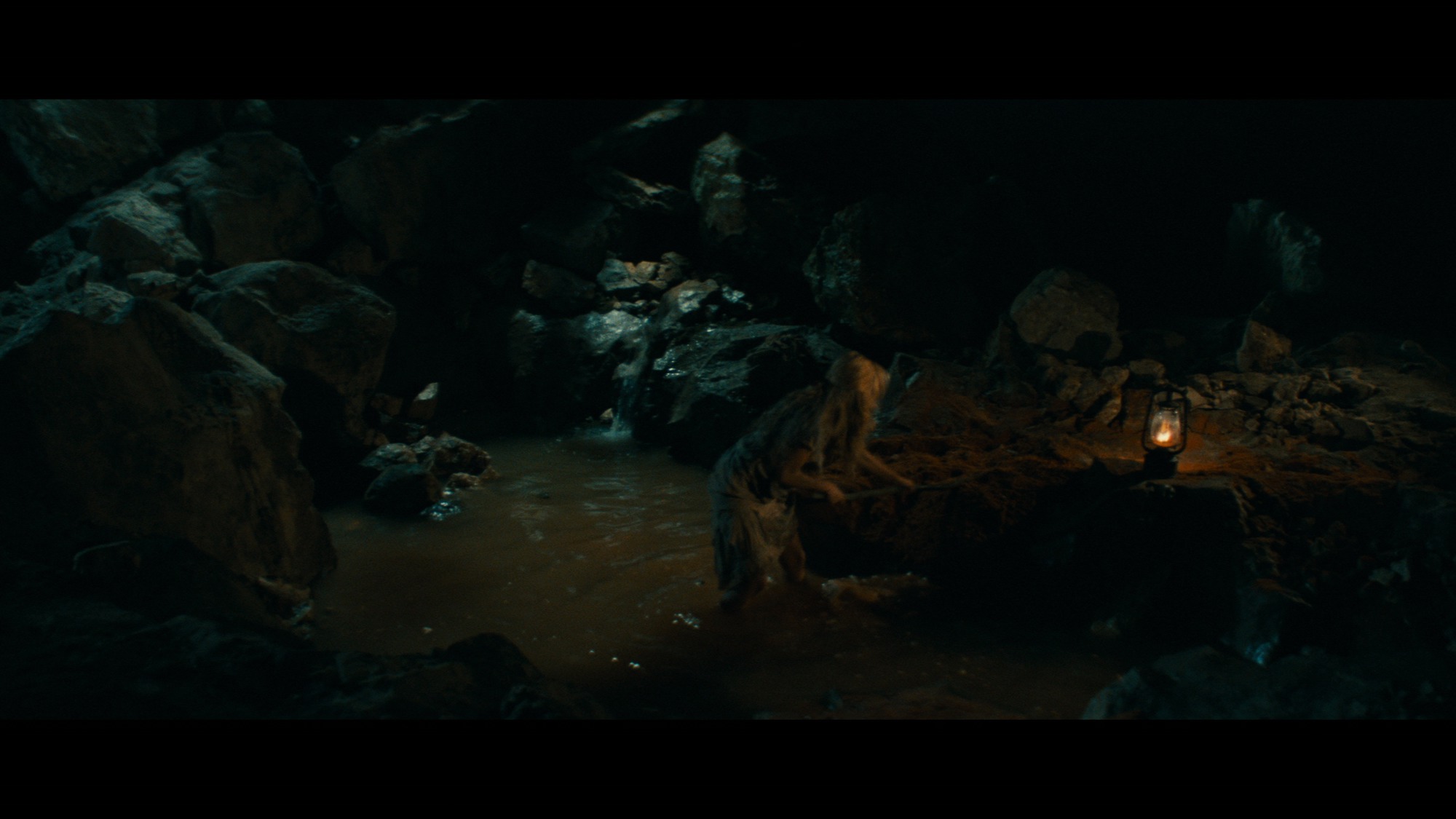
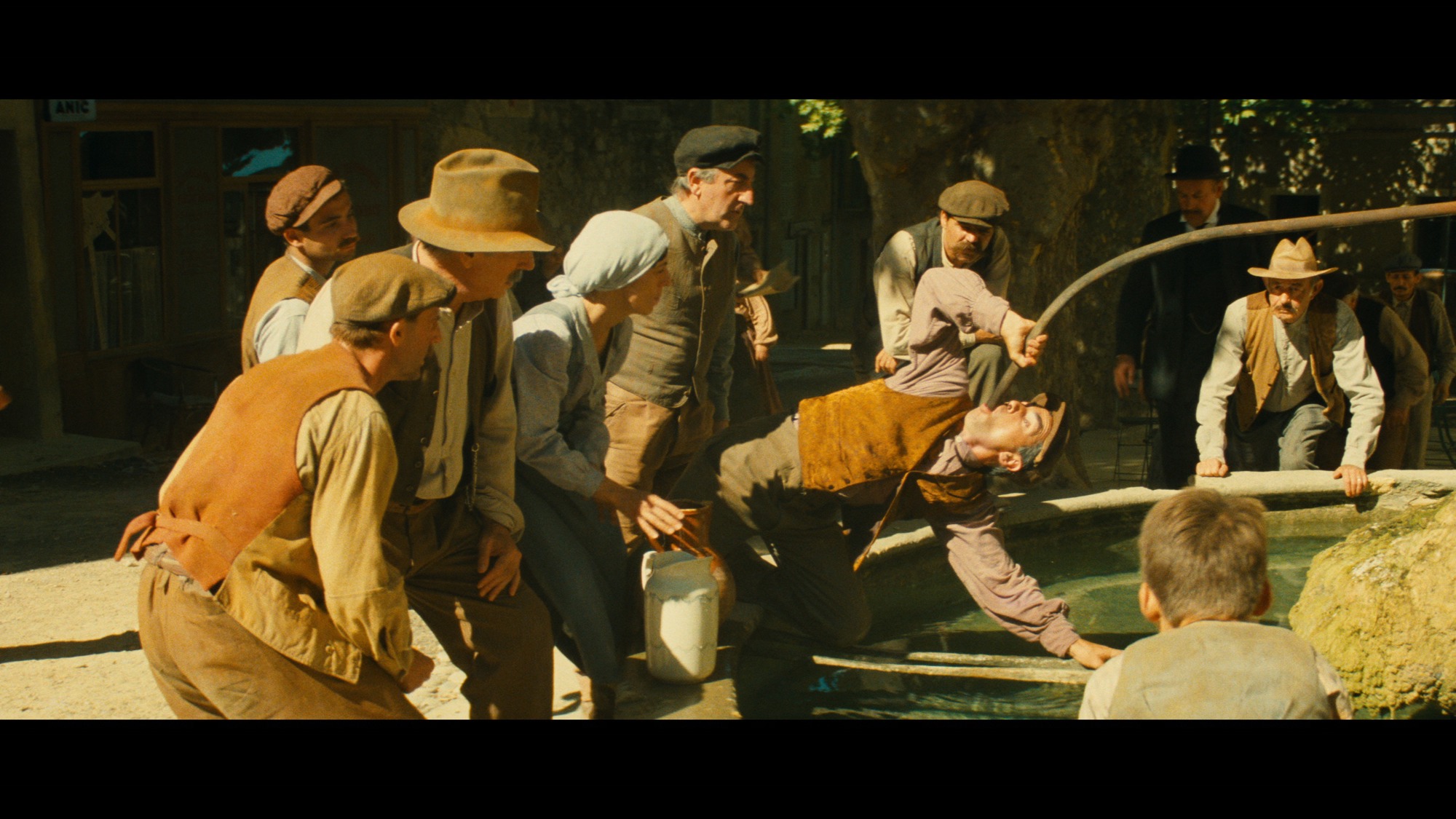
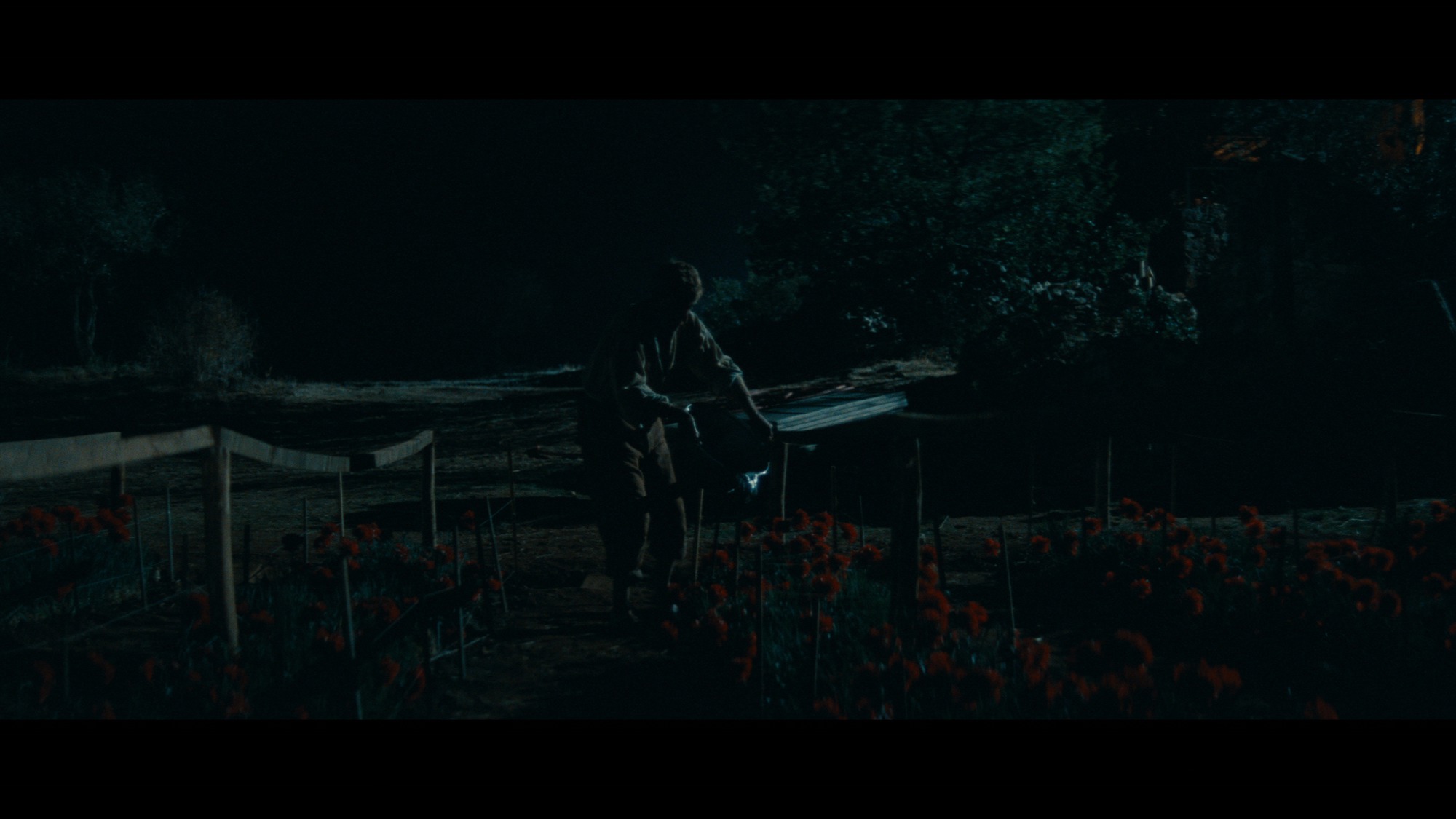
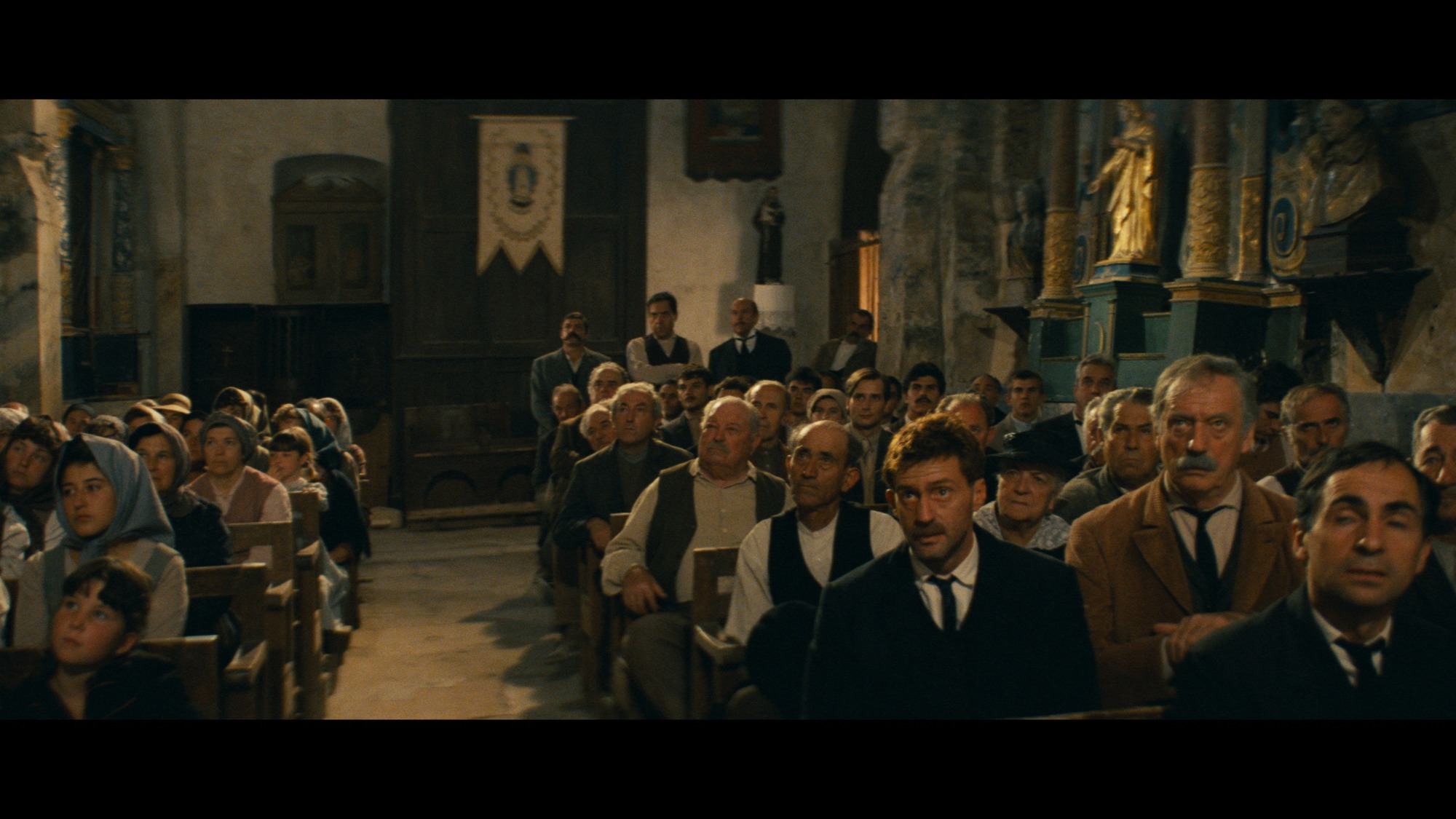
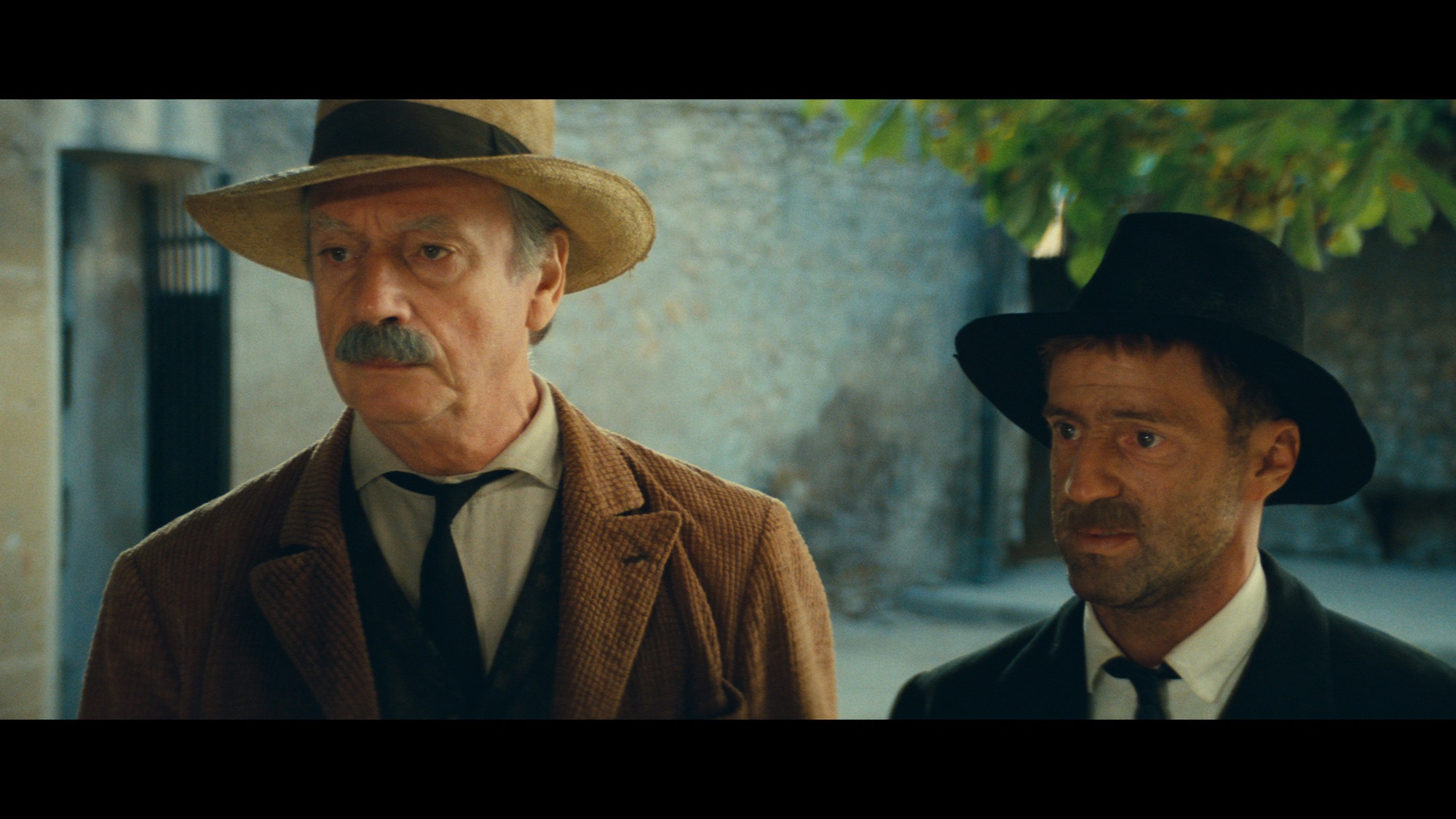
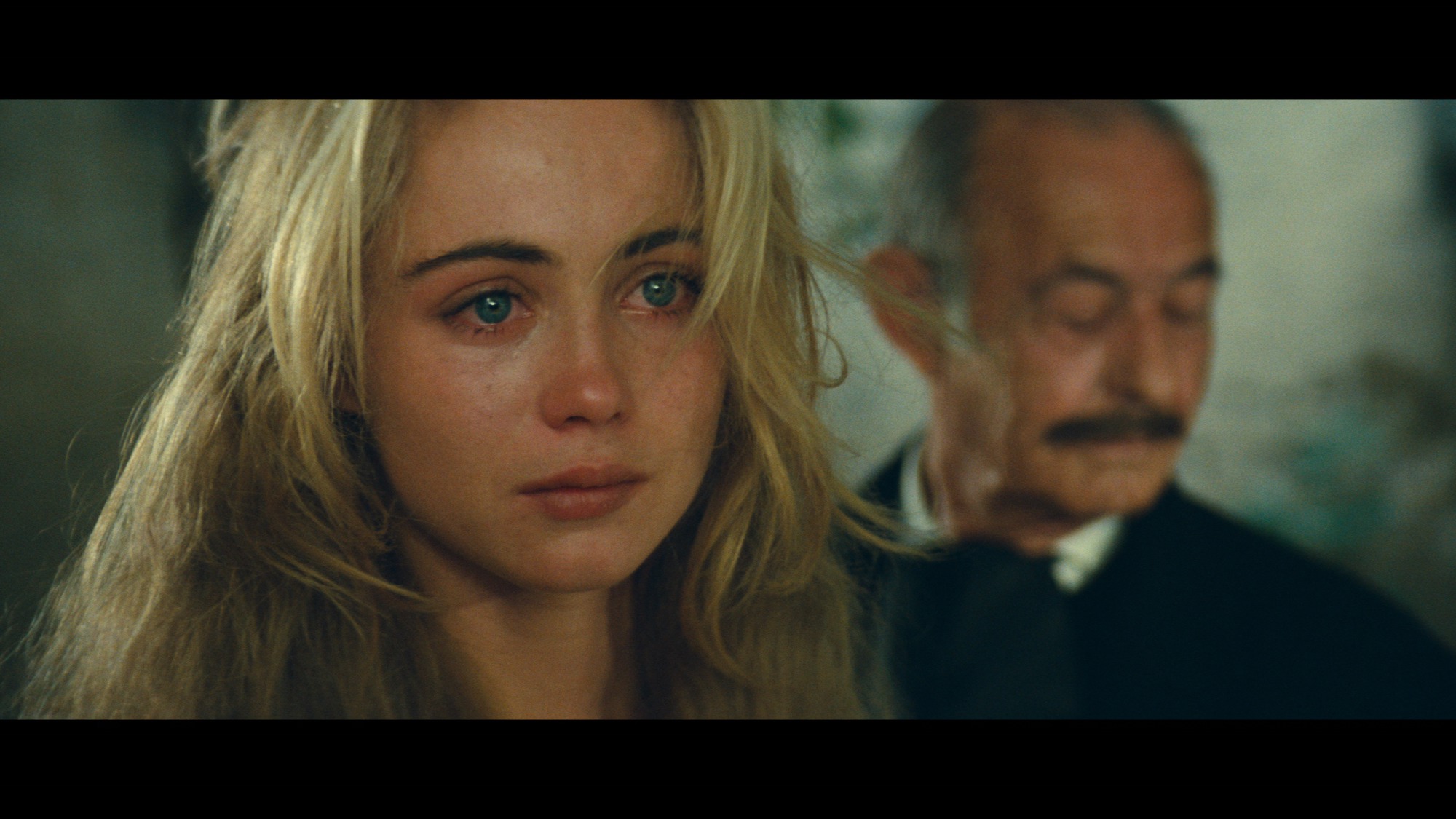
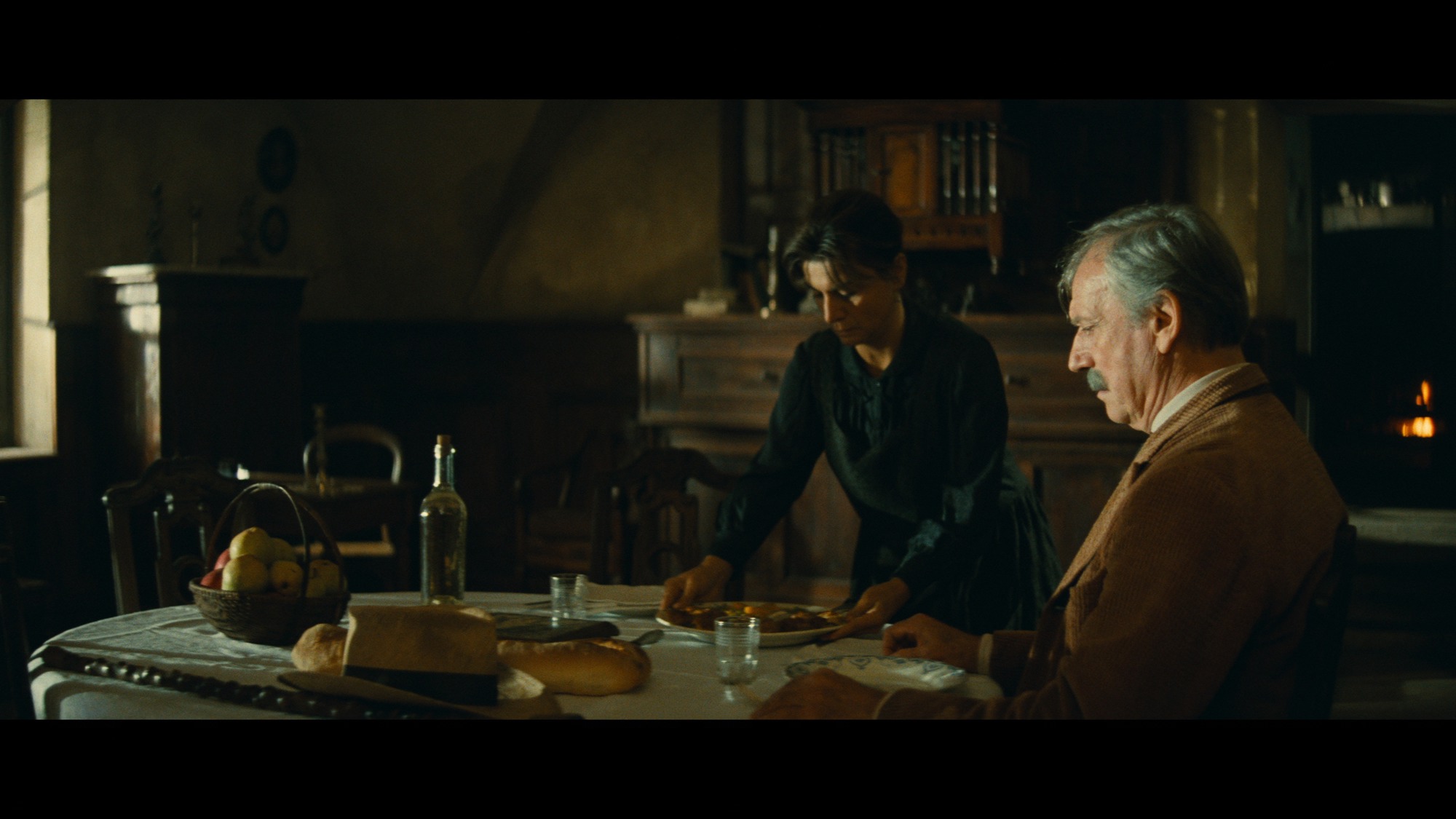
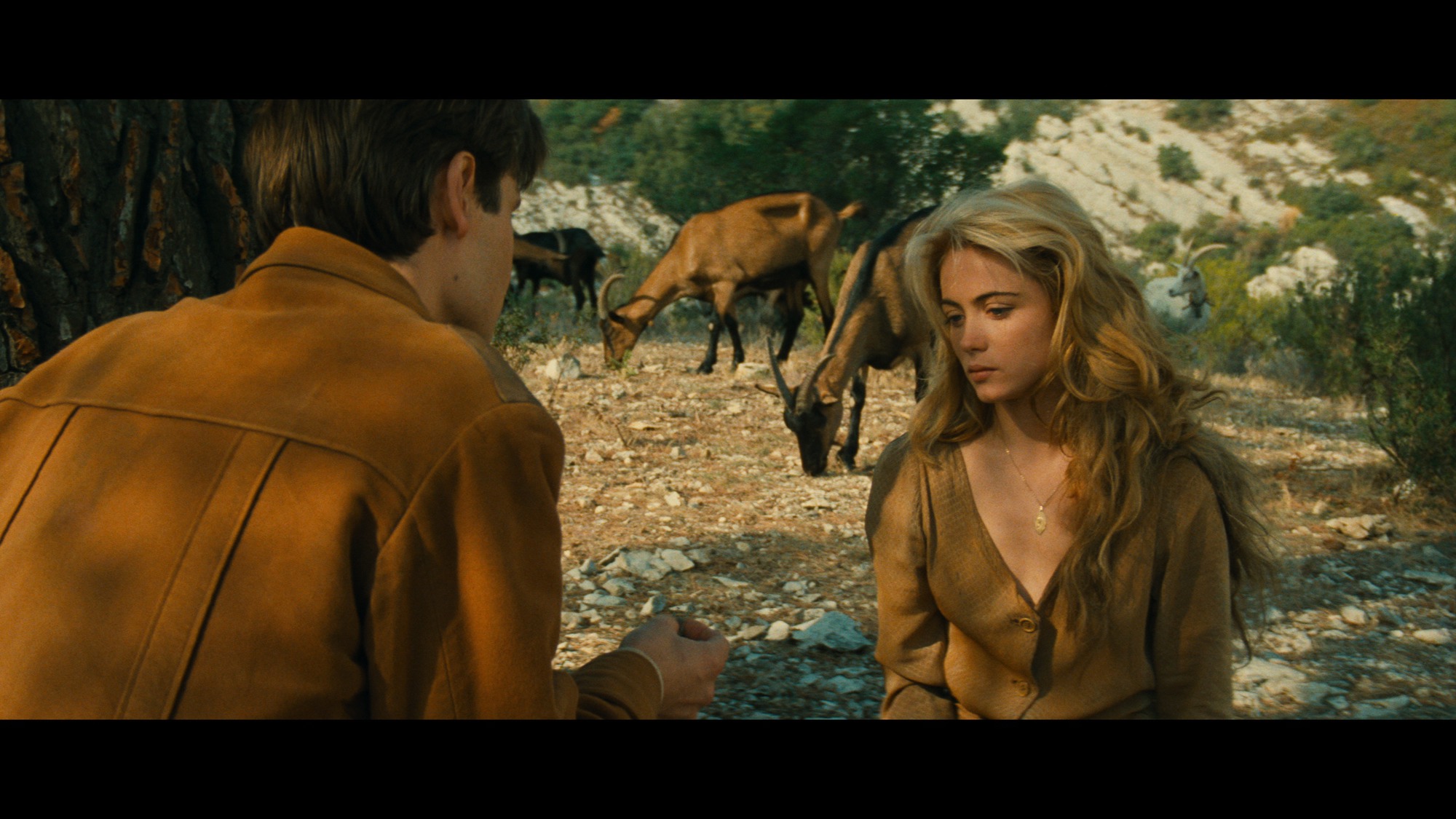
Audio 8/10
Each film includes a French DTS-HD MA 5.0 surround soundtrack. While the specs suggest a full five-channel mix, it feels more like a four-channel track housed in a 5.0 container—rear activity seems minimal and I can’t say I ever noticed any activity split between the two speakers. Dialogue and most sound effects remain anchored to the front soundstage, with the surrounds primarily reserved for the score, which is spread nicely to create a sense of atmosphere.
Despite the somewhat limited separation, it’s a strong and robust track overall. The mix has excellent range, with clean highs and rich lows, voices come through sharp and clear without any signs of distortion, and the (surprisingly catchy) score sounds terrific. It’s a well-balanced presentation that serves the films perfectly.
Extras 5/10
Coming in a thick case with four discs, one might expect this to be a loaded special edition. Alas, that’s not the case. Outside of a (restored) trailer for each film on their respective discs, Criterion only includes two documentaries: Claude Berri: The Card Dealer (2018) and a 2017 making-of called The Force of Destiny.
The Card Dealer offers a decent overview of Berri’s life and career, assembled from a mix of new and archival interviews (including footage of Berri himself). At around 60 minutes, though, it moves quickly and ends up rushing through many of his more significant works, including The Two of Us, Tchao Pantin, and the two films in this set. Still, it’s not limited to his directorial career and does spend time on his short-lived acting period and his work as a producer, particularly on Roman Polanski’s Tess, which receives arguably the most attention.
It’s fine for what it is, and the same can be said for The Force of Destiny, a 46-minute making-of documentary featuring a mix of new and archival interviews, including appearances by cast members like Yves Montand. Where The Card Dealer breezes past the Pagnol adaptations, this piece dives deeper into their production history, outlining the very real concerns that came with adapting the story as two separate films, namely, that if the first one flopped, no one would see the second. (Of course, they ended up being massive hits.) One of the more fascinating revelations involves Berri’s initial desire to cast Coluche (his lead in Tchao Pantin) as Ugolin, an idea that everyone—including Coluche himself—quickly realized was a misstep. Brief audition and test footage shown here make that point abundantly clear.
It’s all interesting enough, but that’s disappointingly all there is: no academic or critical supplements beyond the included booklet essay by Sue Harris. An obvious candidate for inclusion would have been Marcel Pagnol’s original 1952 film, though at nearly four hours, it may have presented logistical (or rights-related) challenges. Still, this release is a clear improvement over the barebones editions previously put out by MGM and Shout! Factory.
Closing
A bit light on features, but both presentations look great; a worthwhile upgrade on that front alone.
BUY AT: