The Complete Films of Agnès Varda
Program 4: Rue Daguerre
BUY AT:


See more details, packaging, or compare
Synopsis
A founder of the French New Wave who became an international art-house icon, Agnès Varda was a fiercely independent, restlessly curious visionary whose work was at once personal and passionately committed to the world around her. In an abundant career in which she never stopped expanding the notion of what a movie can be, Varda forged a unique cinematic vocabulary that frequently blurs the boundaries between narrative and documentary, and entwines loving portraits of her friends, her family, and her own inner world with a social consciousness that was closely attuned to the 1960s counterculture, the women’s liberation movement, the plight of the poor and socially marginalized, and the ecology of our planet. This comprehensive collection places Varda’s filmography in the context of her parallel work as a photographer and multimedia artist—all of it a testament to the radical vision, boundless imagination, and radiant spirit of a true original for whom every act of creation was a vital expression of her very being.
Picture 7/10
The fourth disc in Criterion’s The Complete Films of Agnès Varda box set presents the program “Rue Daguerre,” featuring the films Daguerréotypes and Le lion volatile on a dual-layer disc. Daguerréotypes’—previously released on DVD by Cinema Guild in 2011—presentation comes from a new 2K restoration performed in 2014 and scanned from the 35mm original camera negative. Daguerréotypes is presented in the aspect ratio of 1.37:1 while Le lion volatile is presented in the aspect ratio of 1.85:1.
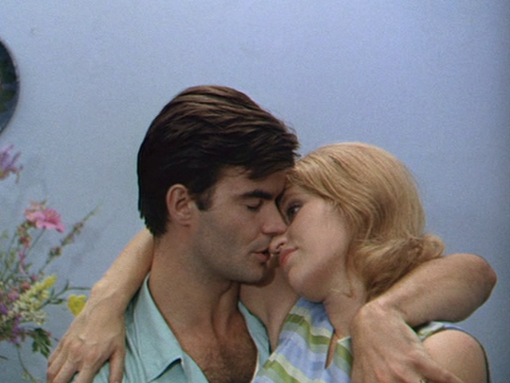
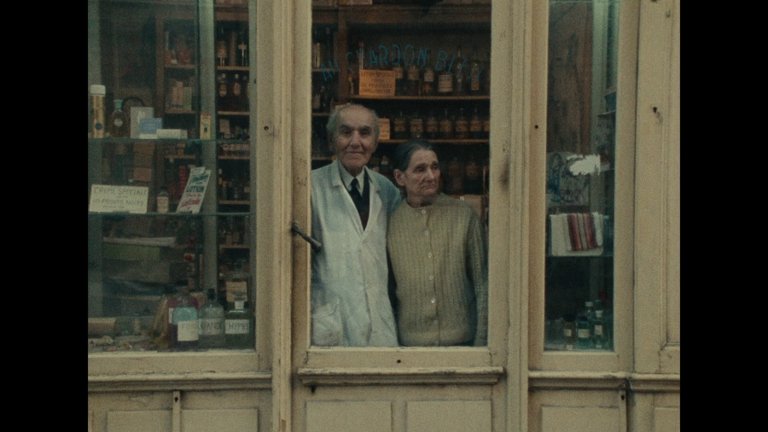
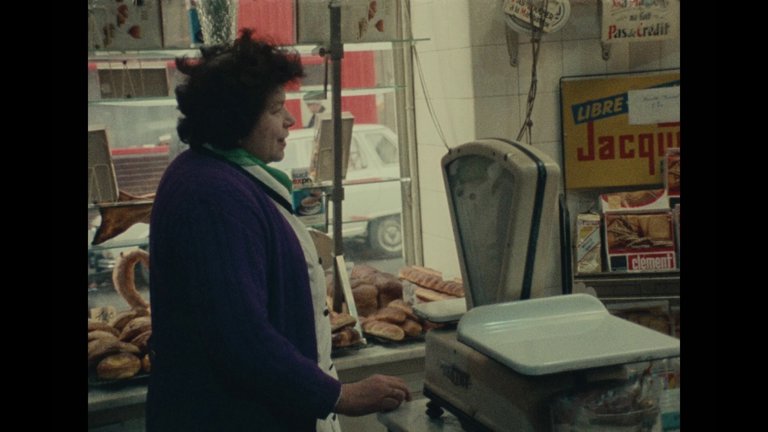
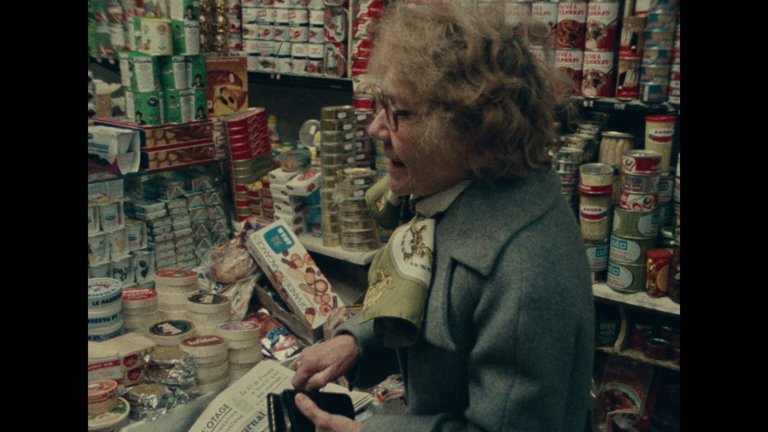
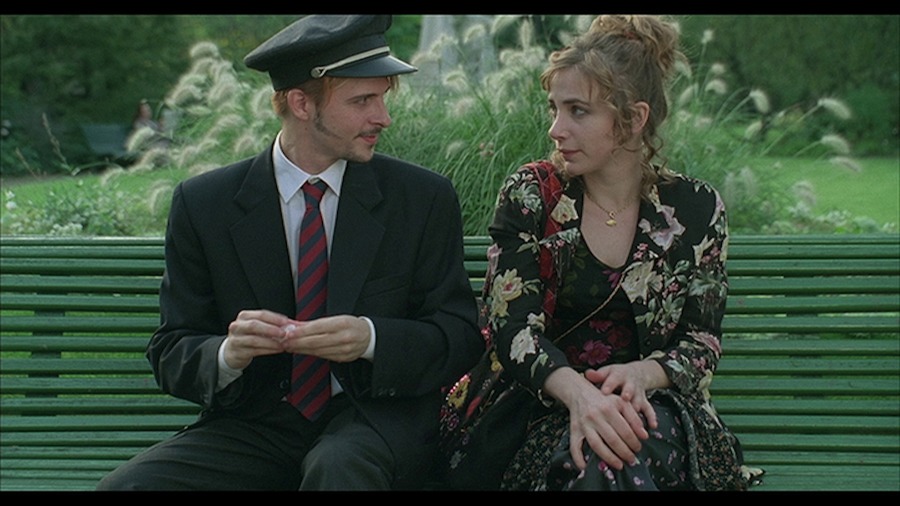
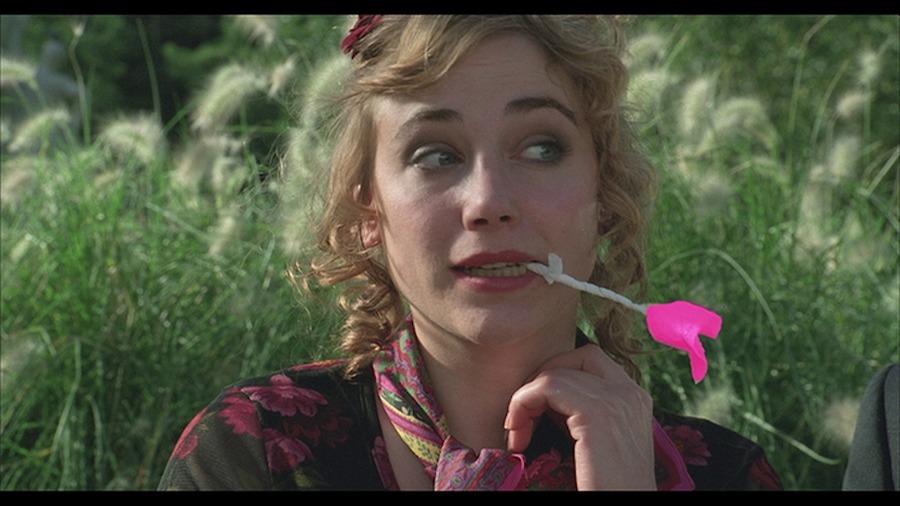
The colour grading is somewhat questionable but outside of that Daguerréotypes looks impressive. I was stunned at just how much of an improvement this high-def presentation offers over the old DVD, especially in terms of detail. I didn’t think detail was all that bad on that DVD to begin with, yet this presentation now shows there was obviously a lot of room for improvement. The opening credits and opening shots of the film showed a far sharper image, but it was the first shot in the bakery with the baker’s wife standing at the front that really spell out the improvement: the intricate details and patterns on her purple sweater are far clearer here than they were on the DVD; they don’t even register on there. You can also make out the individual strands of yarn and the fuzz on said yarn. The details of the products in various shops, the scattered bits of sinew and meat in the butcher shop, even the hairs on the close-up of the magicians arm (as he makes it a appear he’s putting a knife through it) all stick out out now. The image is razor sharp throughout its entirety and it really looks incredible.
The image is also cleaner than what was on the Cinema Guild DVD, despite a few tiny marks that remain, and the picture is also far more stable, no wobble or jumps presents. The digital presentation is also clean, the film having a lot of room to breathe on the disc with a higher bitrate because of it. Grain is rendered incredibly well and this holds true even when smoke or fog enters the picture (usually around the magician that pops up outdoors). It really looks like a film in the end.
The only aspect I do question is colour grading, which leans a bit greeny/tealy. It’s not too far removed from what was on the old DVD, though that one leaned a gentler yellow. I will say that the colours probably do look better in this presentation, but I still can’t shake the feeling the knob has been pushed a little too much in the wrong direction.
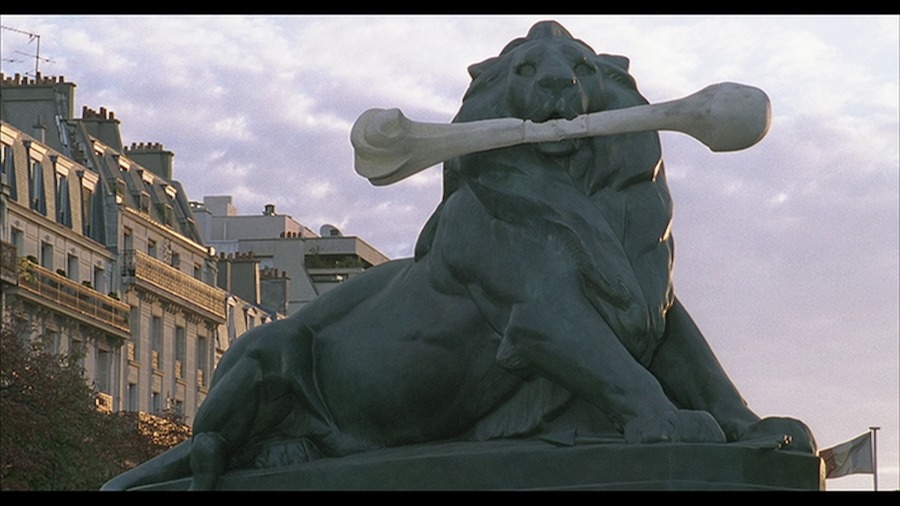
The restoration notes for Le lion volatile say its presentation comes from a 2K restoration of a 35mm negative, and while that may be the case it’s clear as day this is actually an upscale of a standard-definition master. The first minute of this 12-minute film appears to have been done with a digital camera but it’s obvious the rest of it was shot on film, more than likely 35mm as the notes say. While colours are nice (not leaning too heavy on yellow oddly enough), and detail isn’t too bad, it’s still a noisy presentation, featuring some notable jaggies (though mild ones) and obvious ringing and halos. In the end it looks like an above-average DVD presentation.
I suspect I’ll be seeing more of that with the short films as I go through the set, which is disappointing, but getting surprises like the one I got with Daguerréotypes make up for it a little bit.
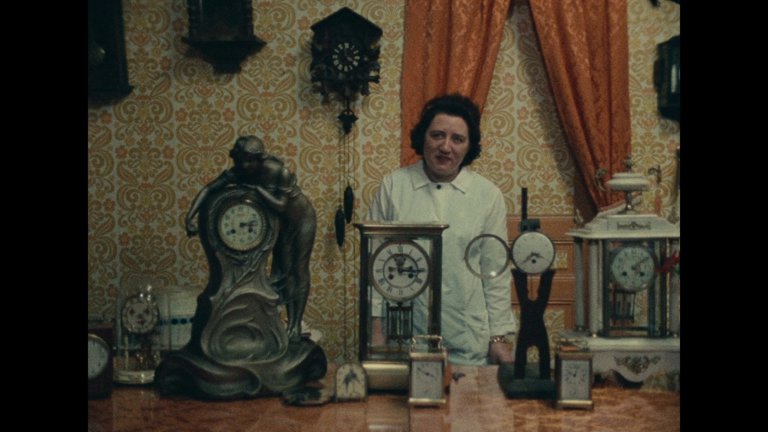
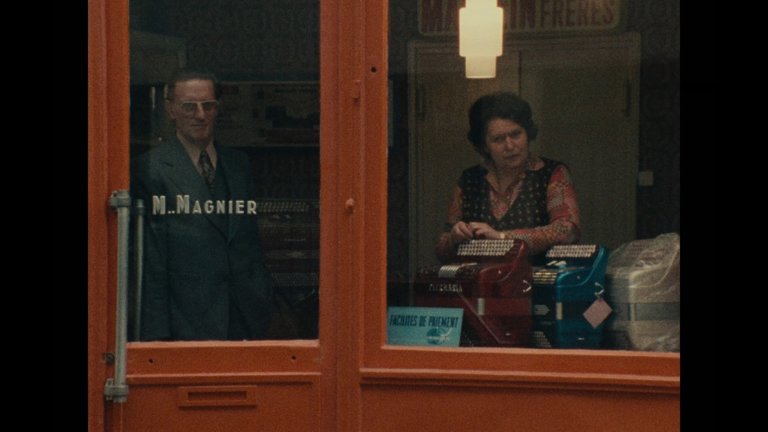
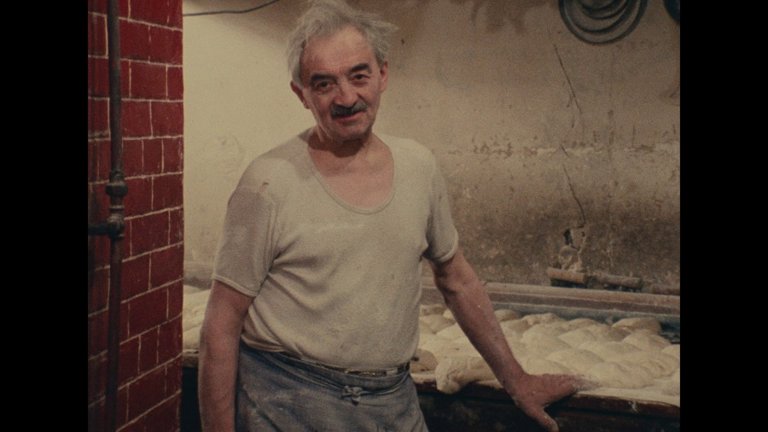
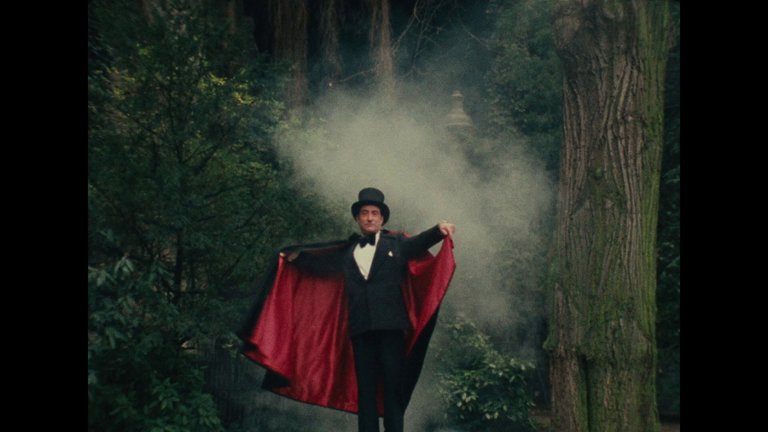
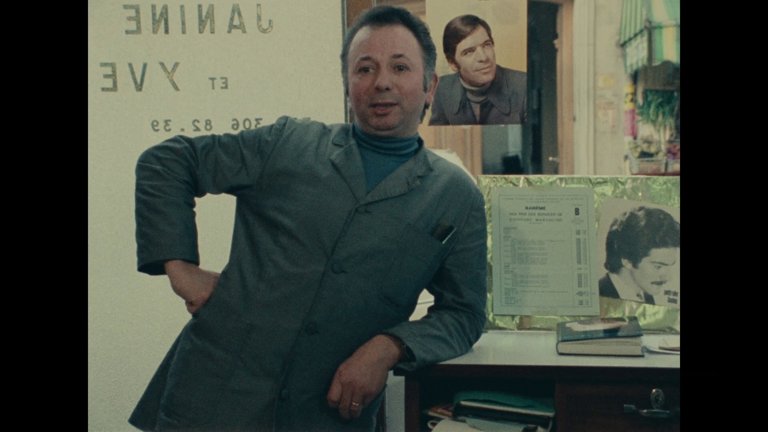
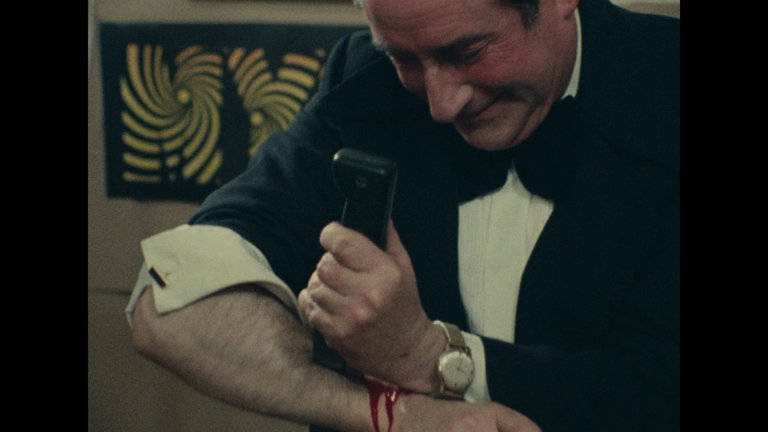
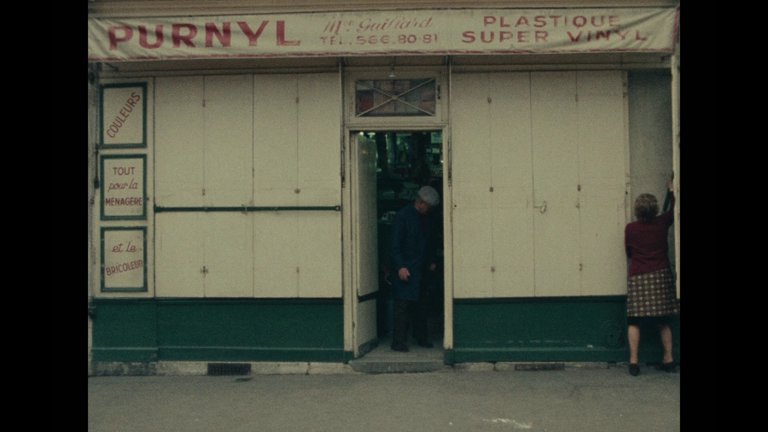
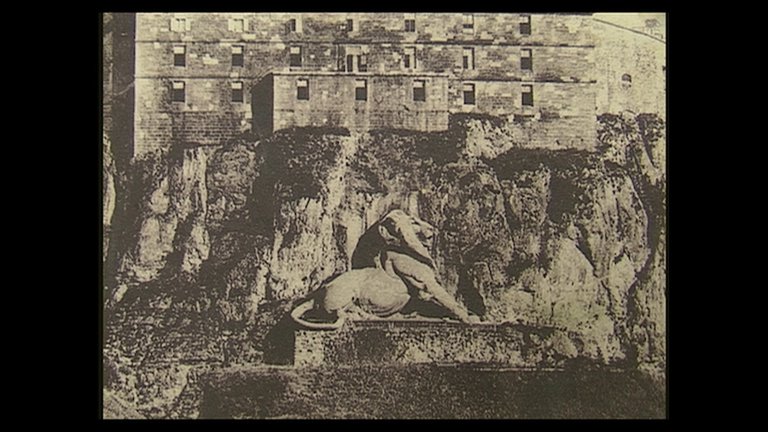
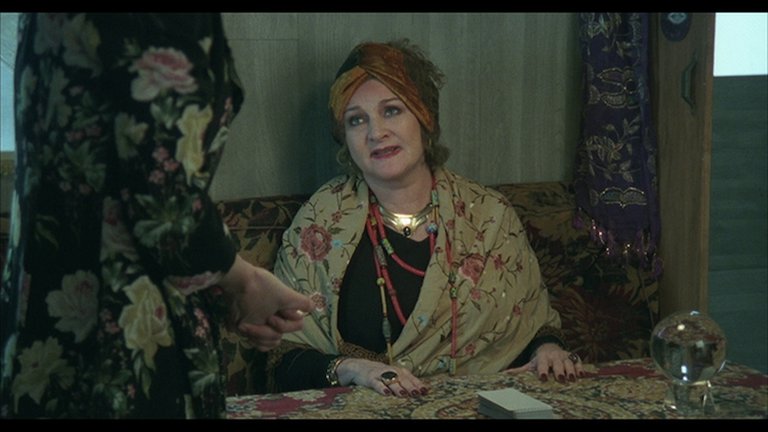
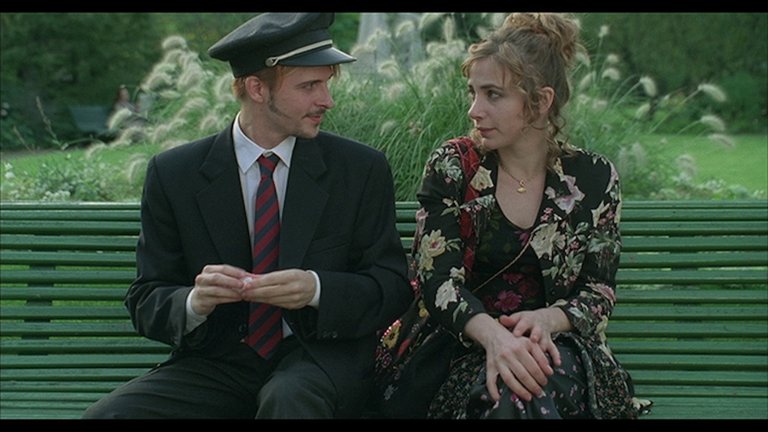
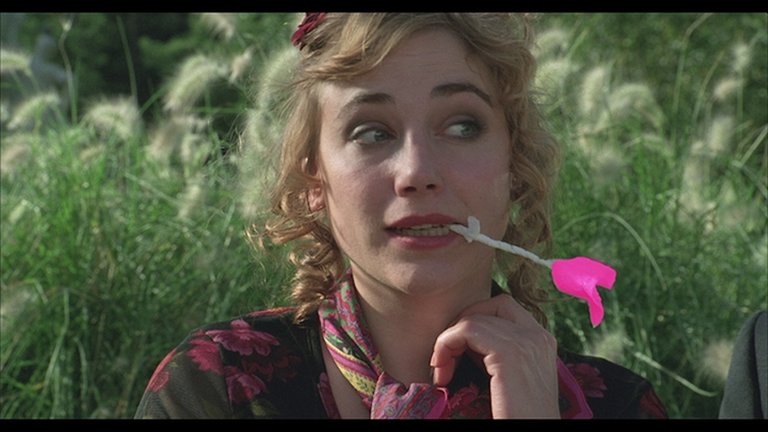
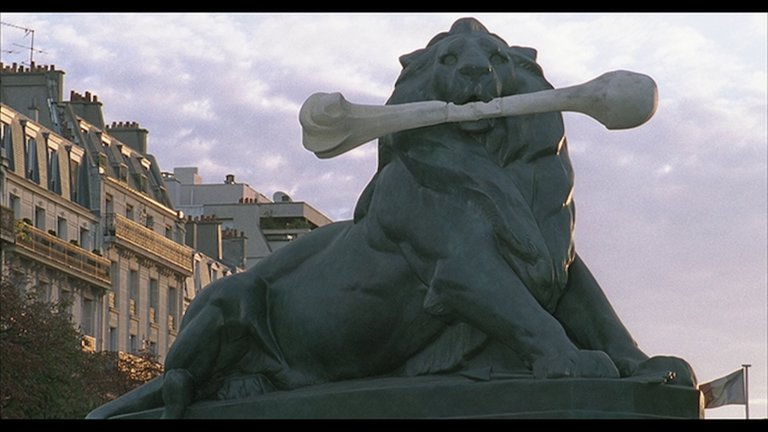
The Complete Films of Agnès Varda - Screen Captures
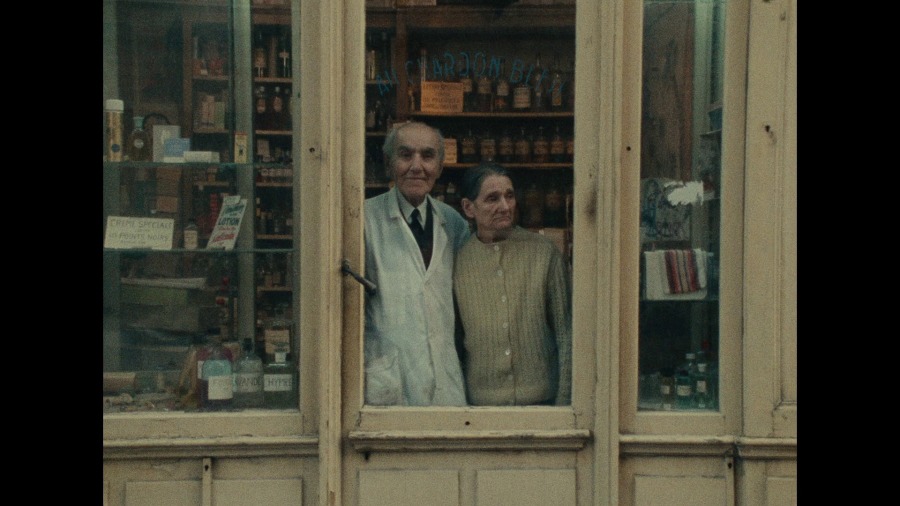
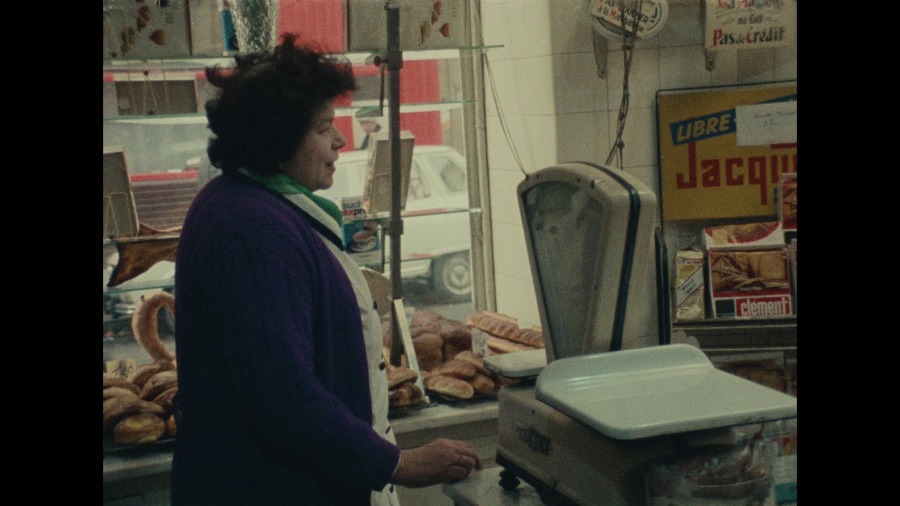
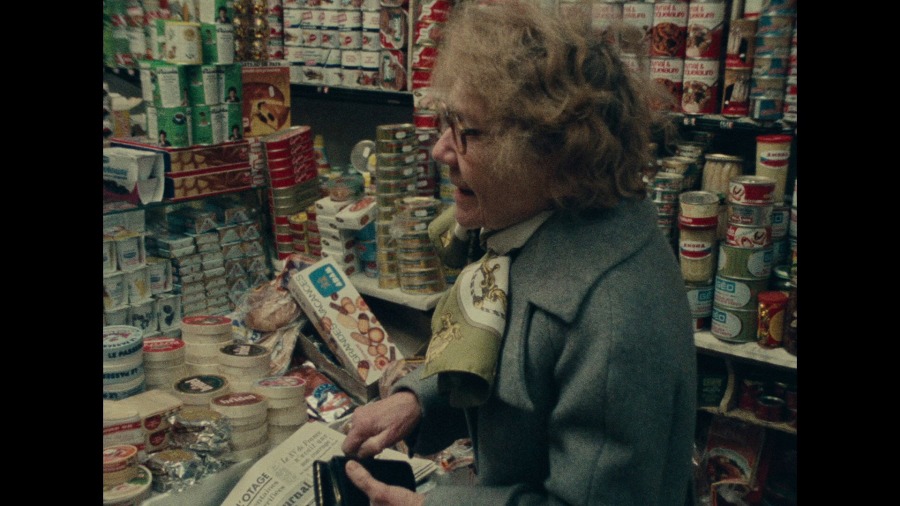
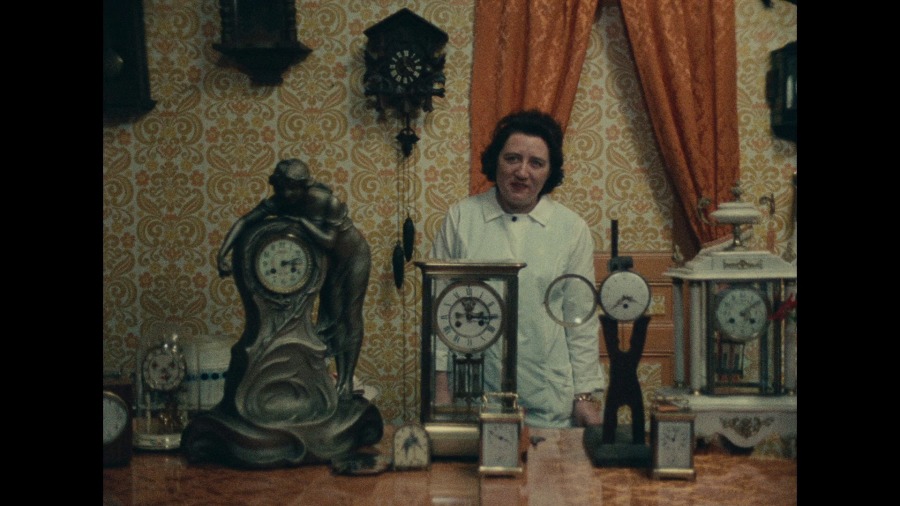
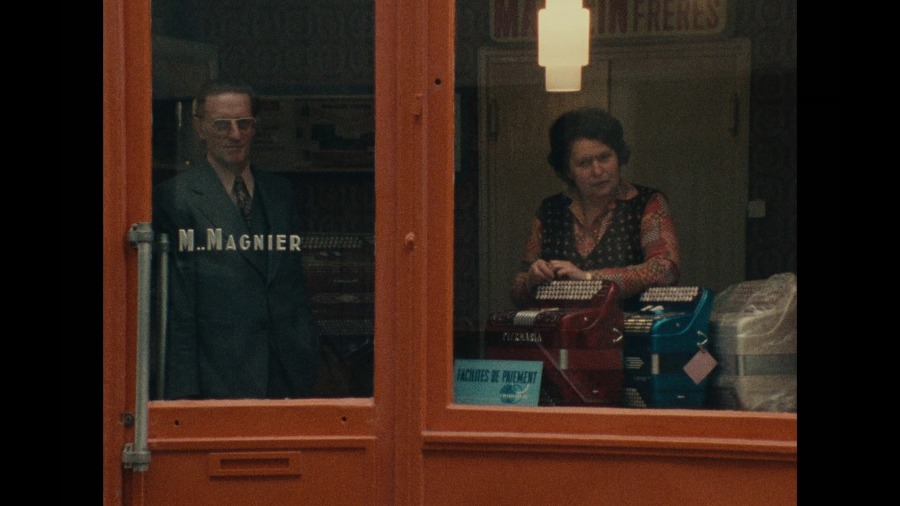
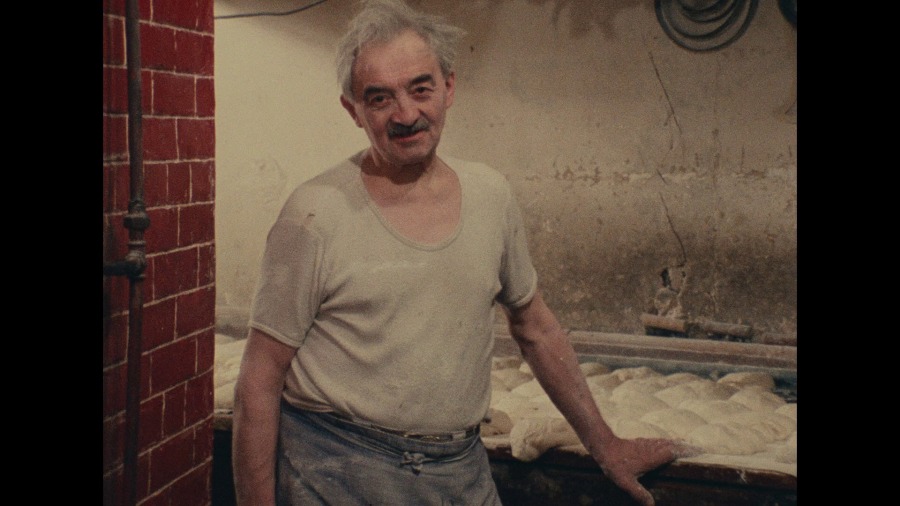
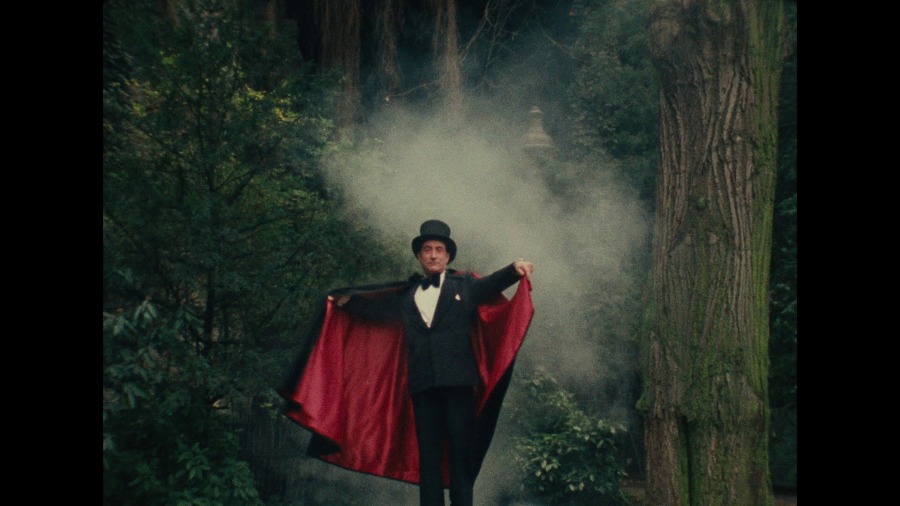
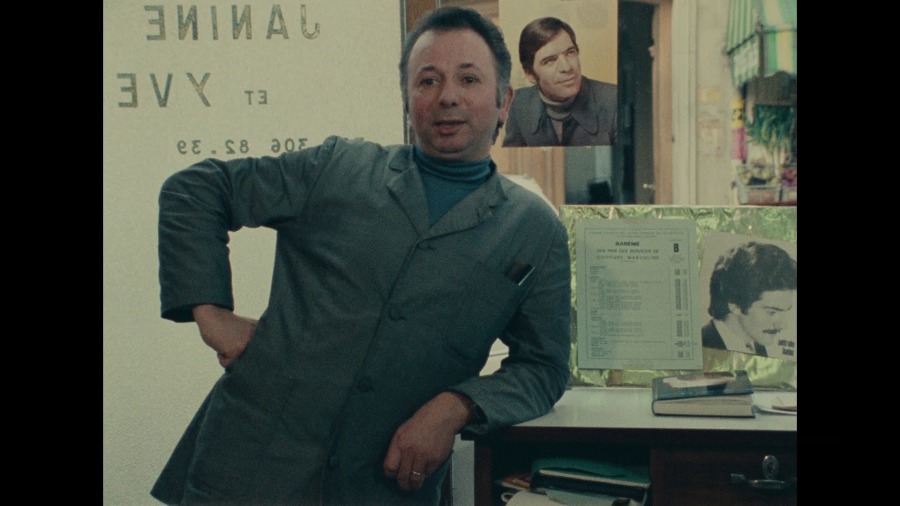
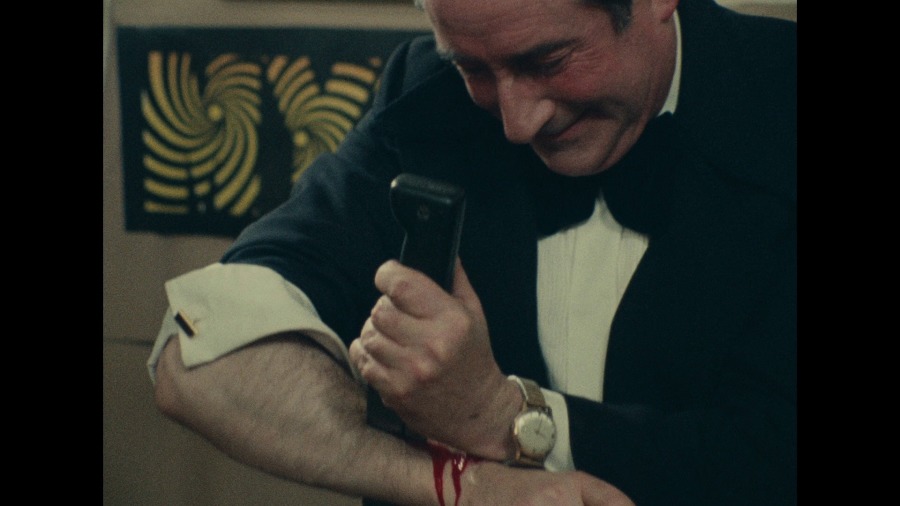
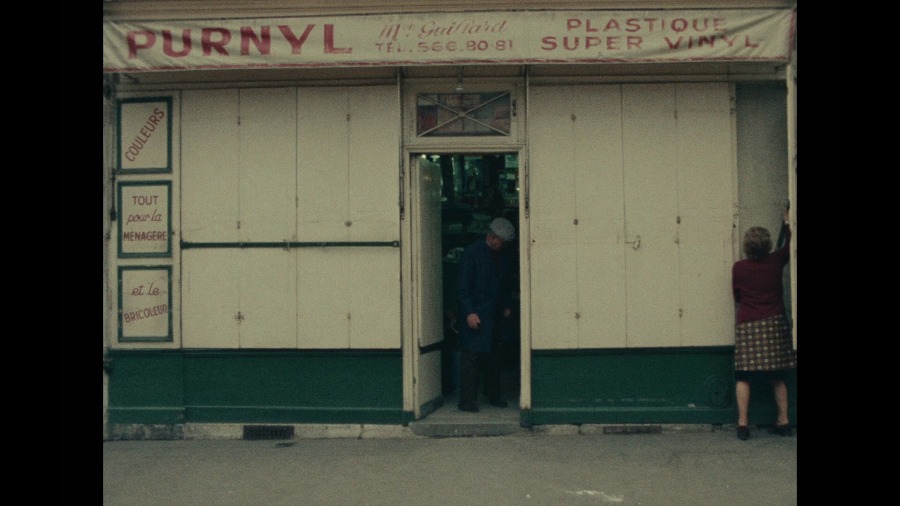
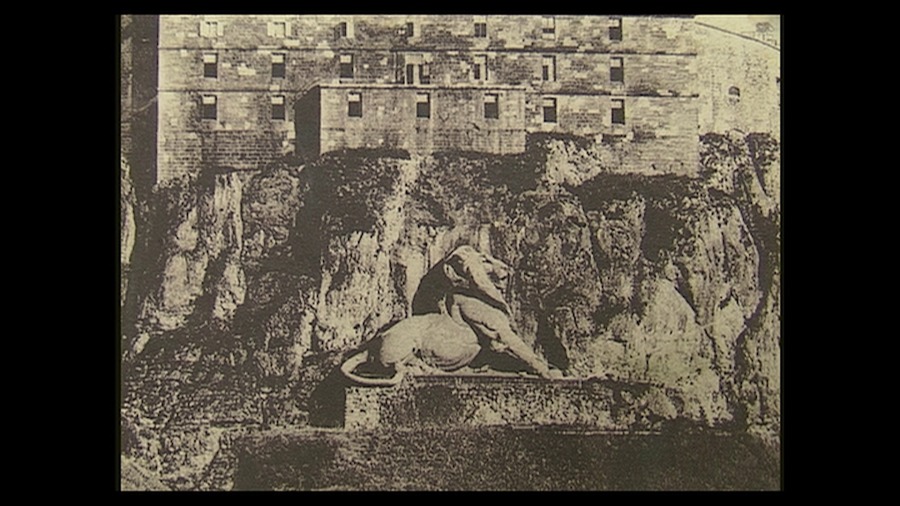
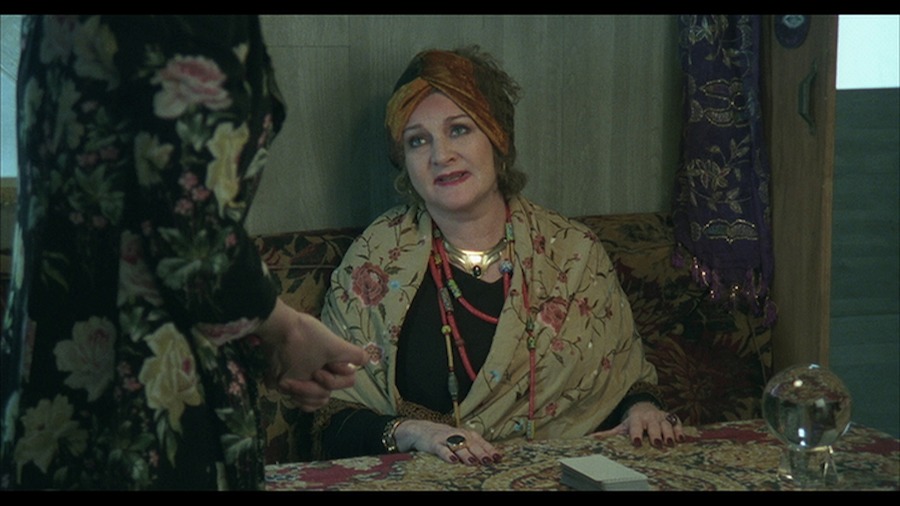
Audio 7/10
Daguerréotypes comes with a lossless PCM 1.0 monaural presentation, while Le lion volatile featuring a Dolby Digital stereo soundtrack. Volatile’s soundtrack fills things out nicely and sounds both clear and sharp. Daguerréotypes managed to be a pleasant surprise in this department as well. Though moments that I would expect to be a little louder (like parts of the magician’s show) come off flat, the rest of it does feature decent fidelity and range. No severe instances of damage, just a bit of a background noise.
Daguerréotypes: 6/10 Le lion volatil: 7/10
Extras 6/10
Le lion volatile comes with a short introduction by Varda, recorded in 2007, where she explains how the project came to be and was still able to do it despite a “traitor” producer who pulled out.
For Daguerréotypes Criterion has managed to license all of the material that appeared on the Cinema Guild DVD, which I believe was in turn originally produced for a 2005 French DVD. This material is made up of footage Varda shot in 2005 and it starts with Rue Daguerre in 2005, which is a 21-minute video with Varda revisiting the locations we got to see in the film. Only the grocer remains as it was (and it’s now run by Mohamad, who was just an employee there when Varda shot the film 30-years earlier) while the rest have been bought by others, completely changed, or have been replaced by a business like a café or gallery. She shares a few more stories here, like how she had to use one of the shop’s phones for business since she couldn’t get a line in her apartment, and she catches up with Isabelle, who we saw practicing her skating in the original film. Varda also gets an audio interview with her director of photography for the film, Nurith Aviv. The best part, though, is when Varda digs up a letter that she found while looking for material for the DVD, which was less than favourable, and she goes through it with the new owner of the hair salon. It’s very short but an incredibly charming little addition that I’m glad Varda felt compelled to put together.
Some more of that material she shot in 2005 shows up in a dedicated feature called Bread, Painting, Accordion, which focuses on the bakery and what happened to it after it was sold off in 1989 (the new owner has three other bakeries around Paris). It runs 8-minutes. Following that is a 6-minute video around an exhibit for Daguerreotypes, which shows some of the actual objects and gets interviews from the two in charge of the exhibit. The supplements then close with 3-minutes’ worth of footage from a music festival that was going on at the time Varda was putting all of this together, in Paris’ 14th arrondissement.
The Cinema Guild DVD also had an insert that featured an interview with Varda on the film, and that's missing here. That DVD also featured the short film T'as de beaux escaliers, tu sais, though that film was featured on the previous disc in this set. Ultimately what we get isn't a lot, and I do wish Criterion packed in some more material of their own, but I enjoyed the material on the Cinema Guild DVD and still find it worthwhile here.
Closing
I’m let down by the idea that as I go through the set I’m going to be seeing plenty more upscales of standard-def masters for the short films (like with Le lion volatile) but if I keep getting nice little surprises like Daguerréotypes I’ll be happy.
BUY AT: