The Complete Films of Agnès Varda
Program 5: Married Life
BUY AT:


See more details, packaging, or compare
Synopsis
A founder of the French New Wave who became an international art-house icon, Agnès Varda was a fiercely independent, restlessly curious visionary whose work was at once personal and passionately committed to the world around her. In an abundant career in which she never stopped expanding the notion of what a movie can be, Varda forged a unique cinematic vocabulary that frequently blurs the boundaries between narrative and documentary, and entwines loving portraits of her friends, her family, and her own inner world with a social consciousness that was closely attuned to the 1960s counterculture, the women’s liberation movement, the plight of the poor and socially marginalized, and the ecology of our planet. This comprehensive collection places Varda’s filmography in the context of her parallel work as a photographer and multimedia artist—all of it a testament to the radical vision, boundless imagination, and radiant spirit of a true original for whom every act of creation was a vital expression of her very being.
Picture 7/10
The fifth dual-layer disc in Criterion’s The Complete Films of Agnès Varda focuses on “Married Life,” presenting three films that (more or less) tackle the subject: Le bonheur, Les créatures and Elsa la rose. The films are presented in their respective aspect ratios of 1.66:1, 2.35:1, and 1.37:1 and all three presentations come from 2K restorations.
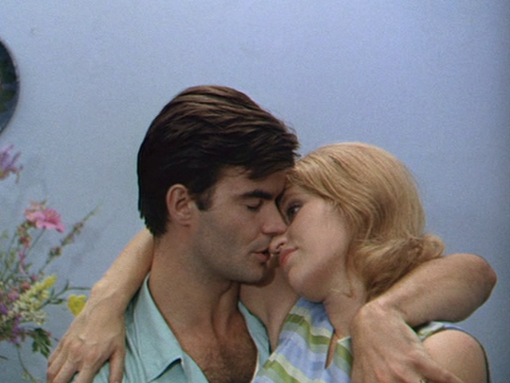
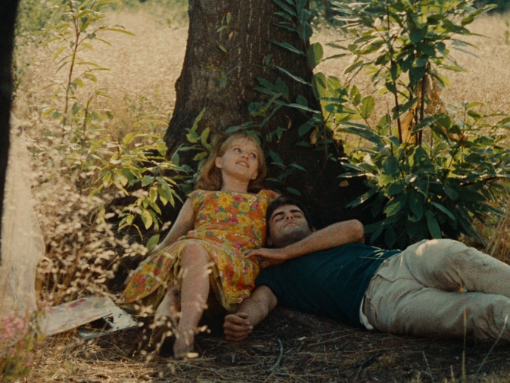
The digital presentations for all three are solid enough; it ends up coming down to source materials in the case of each film, and the conditions of said materials differ between each of them. Le bonheur offers the best looking image of the three by a wide margin, and it’s the only one to use the 35mm original camera negative. It’s sharp and crisp, renders grain the best, and looks very much like a projected film. Criterion had previously released the film on DVD (part of their 4 by Agnès Varda box set) and that presentation still looks pretty damn good to this day, but the Blu-ray does better in just about every area, even in terms of clean-up, where damage is now next to non-existent. The only issues standing out are some fading colours about an hour-and-eight-minutes in and a hair that pops up.
I said it improved things in just about every area in the last paragraph, but it’s worse in one area: the colours, similar to a lot of the new restorations of colour films in this set so far, lean a very heavy yellow, plastering a green-ish tint over a lot of the film. It’s a gorgeous looking film, with wonderful pops of colours (even in the fades) but in comparison to the DVD it looks just so sickly here because of that tint. It’s possible this is how it’s supposed to look, but the colours play such an important part in the film and they end up looking uglier here. Though the DVD suggests a warmer colour scheme as well, there were actual blues in that presentation, and all of those blues are cyan here. It’s not the worst offender by far in this set, and again maybe it’s supposed to look this way and the DVD is wrong, but it’s still hard to completely buy the jaundiced look.
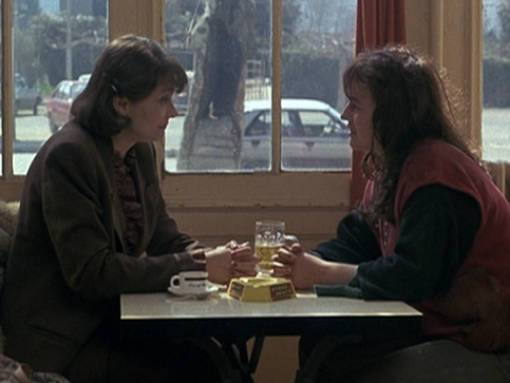
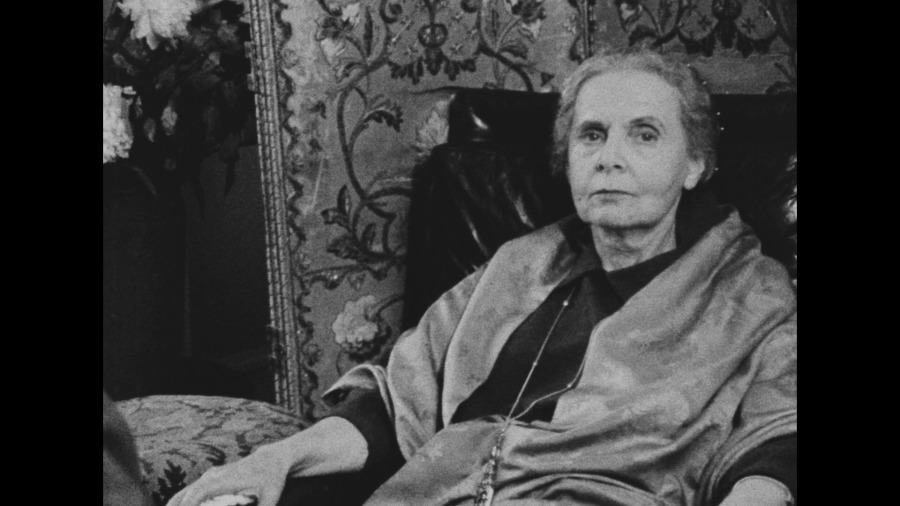
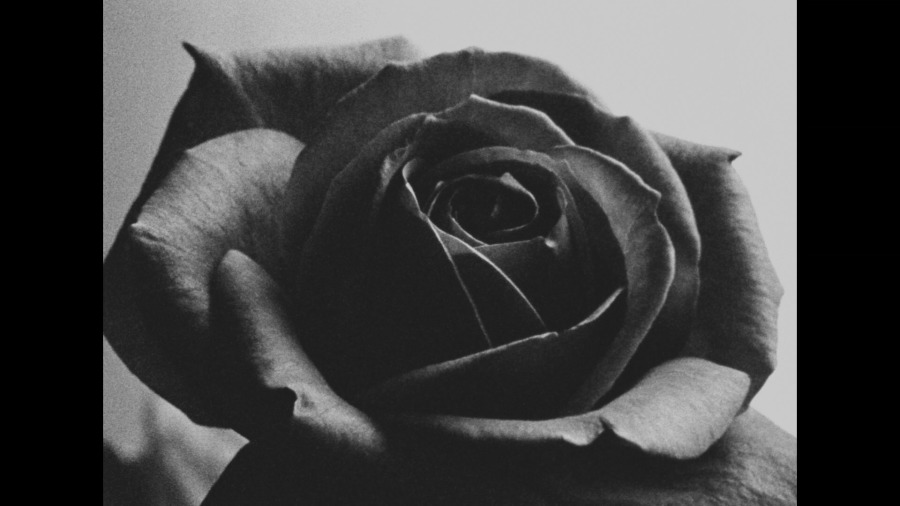
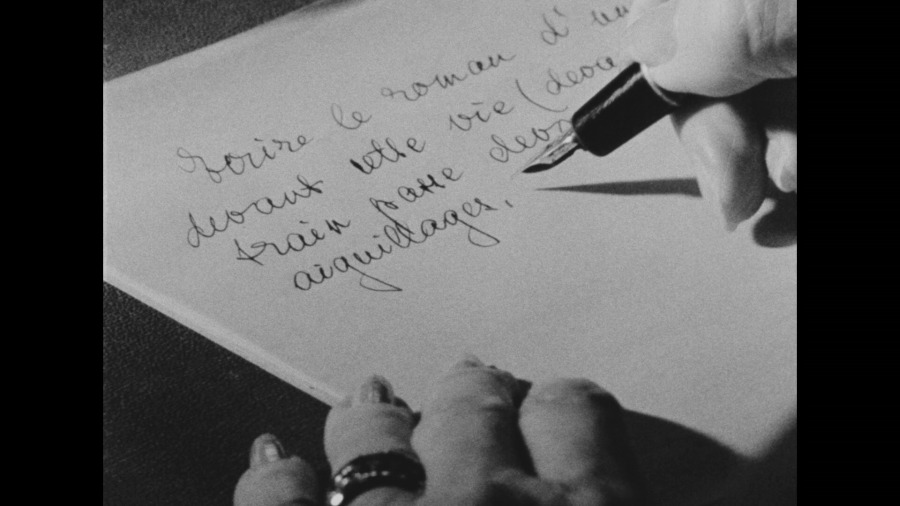
The other films are black-and-white… well, mostly, as Les créatures has some colour tints and a handful of colour shots. The two films vary significantly in quality, though. The short film Elsa la rose, comes from a 16mm duplicate negative and it shows some minor wear-and-tear. There are scratches along the sides of the frames at times along with a few other blemishes, but overall I was rather stunned with how clean it still was . The presentation is also pretty strong, with a decent grainy look that aids a sharp looking image, with just a handful of shots looking soft.
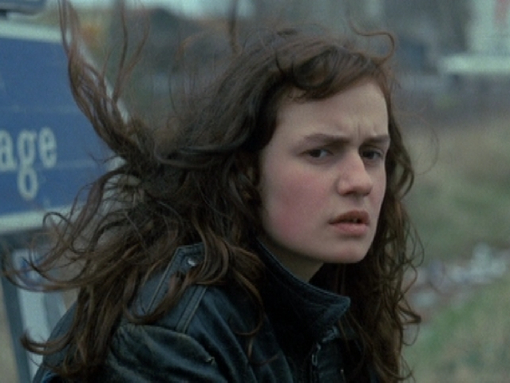
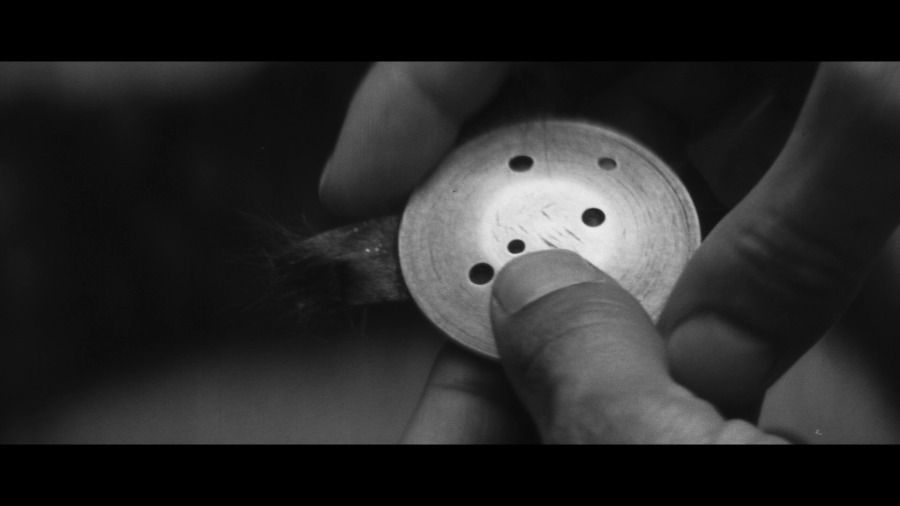
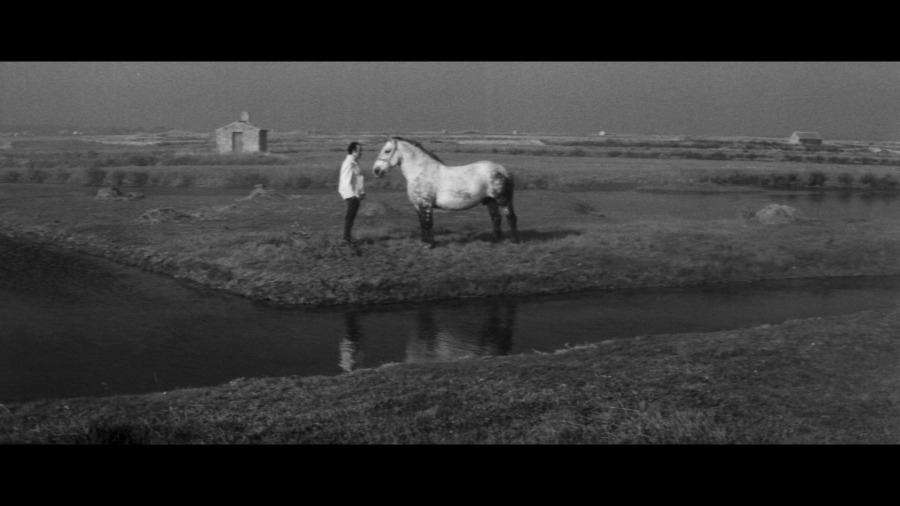
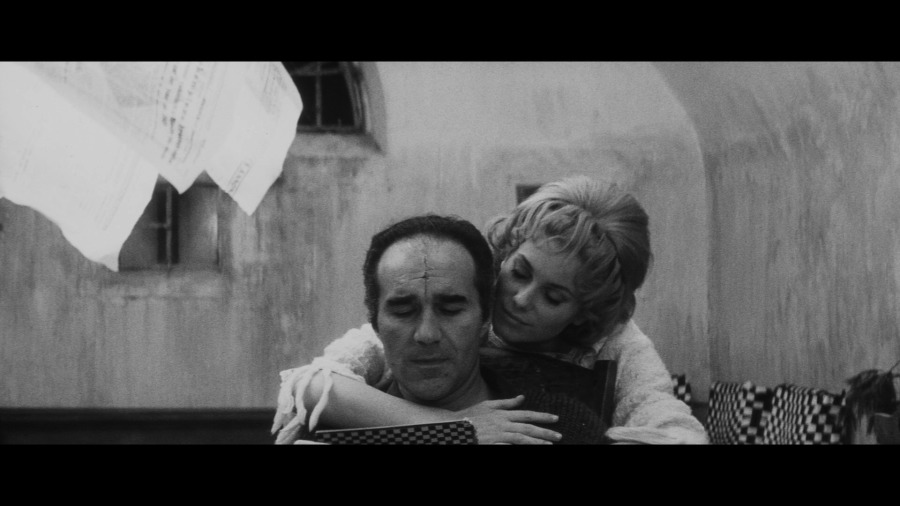
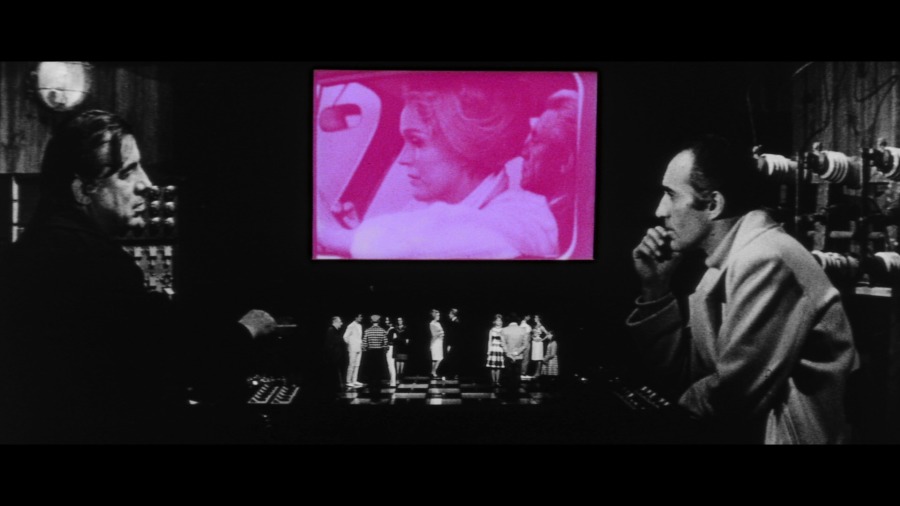
Les créatures ends up being a bit of a mess, despite it being one of the newest restorations (completed just this year!) Unfortunately, this seems to come down to the source print used. I am not at all familiar with this film, and looking it up before watching it I could see it was probably her most obscure film, and it’s easy to see why now. Unfortunately, it appears that since the film fell so far into obscurity, decent source materials no longer exist for it and a theatrical print had to be used for the restoration. And oh boy, does it show. The image has a very dupey look to it, and any optical effect shots in it make it look significantly worse. It’s fuzzy, rarely sharp, blown out, and just generally muddled. Contrast is severely out of whack, with blacks that eat up everything and whites that can be so blown out they bleed everywhere. To be fair, the film is heavily stylized, with colour tinted scenes thrown in, so it’s possible the film is supposed to look this way, but all of the issues look to be more from a rough print.
There is still noticeable damage, though it could be worse, limited mostly to mild pulsing, some scratches and minor marks. The encode at least doesn’t make more of a mess of it, not adding any digital anomalies, but it’s still a very flat looking image with weak grain rendering. Still, I think this comes down to the source. The colour inserts, which consist primarily of tinted scenes (and a couple of quick full colour shots) look fine, and oddly enough, don’t appear to have been tinted yellow, maybe the presentation’s one saving grace.
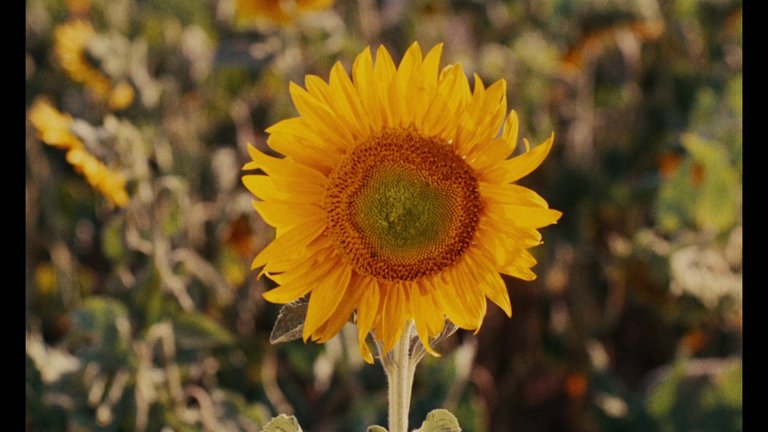
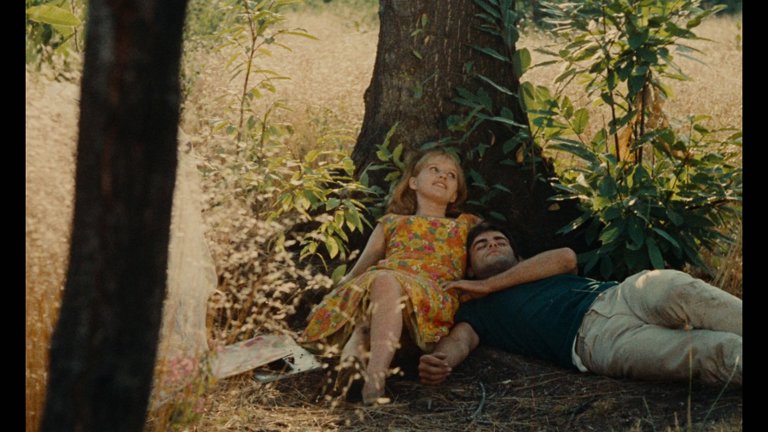
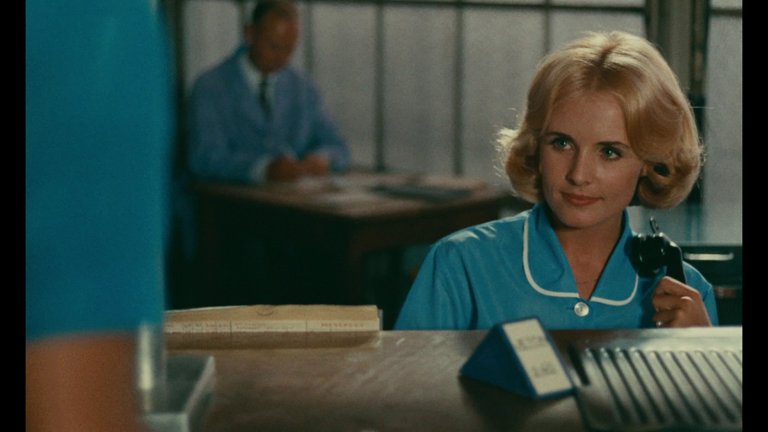
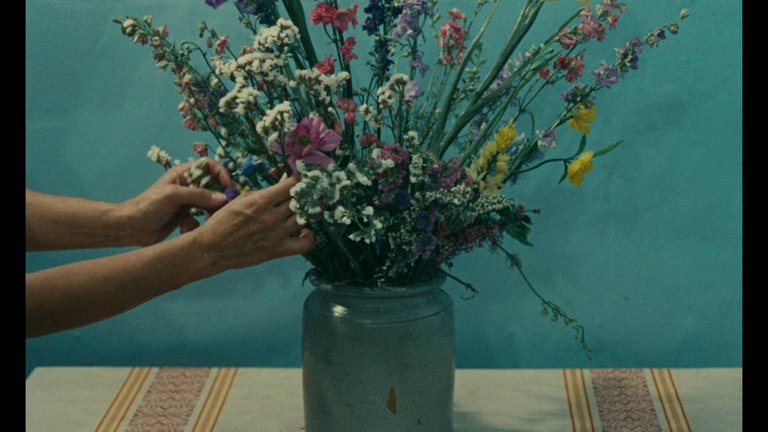
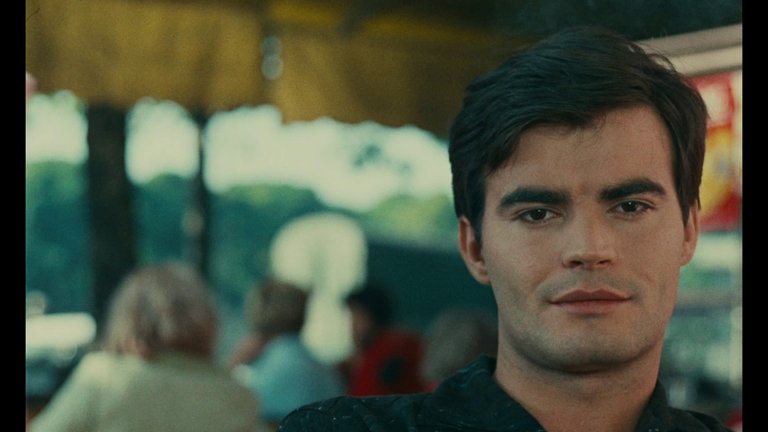
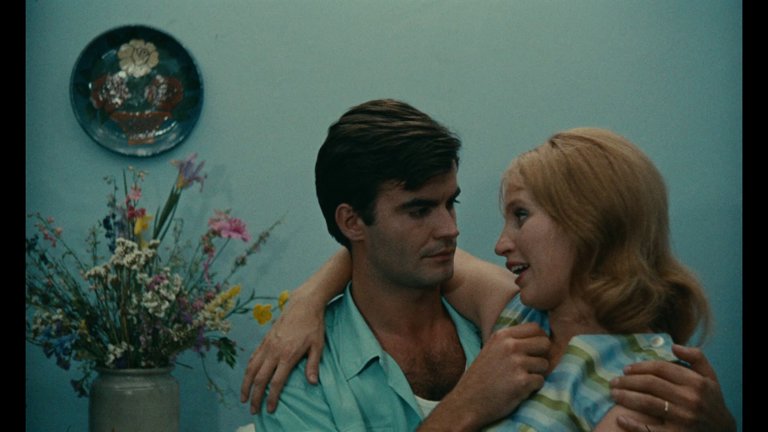
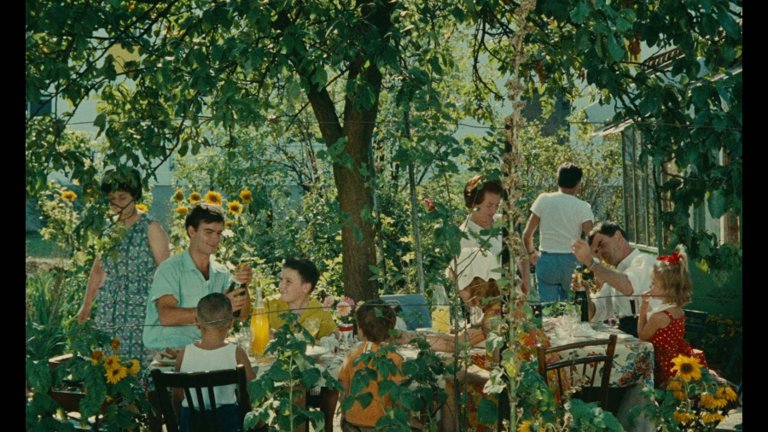
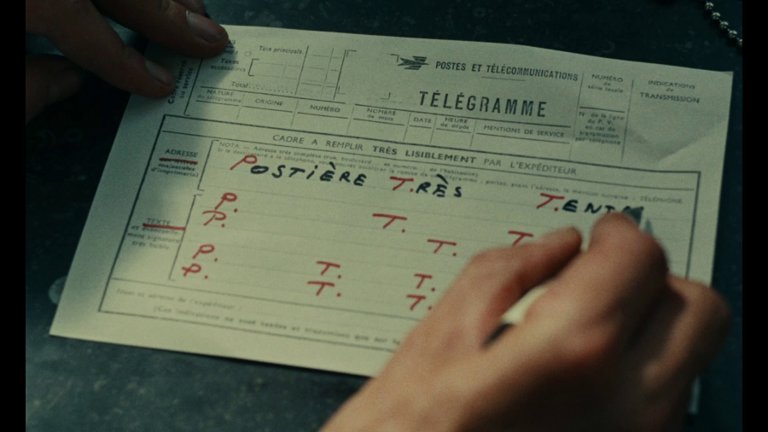
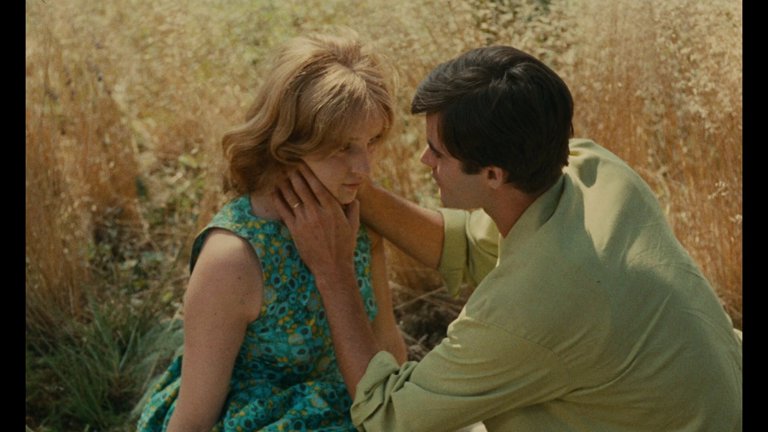
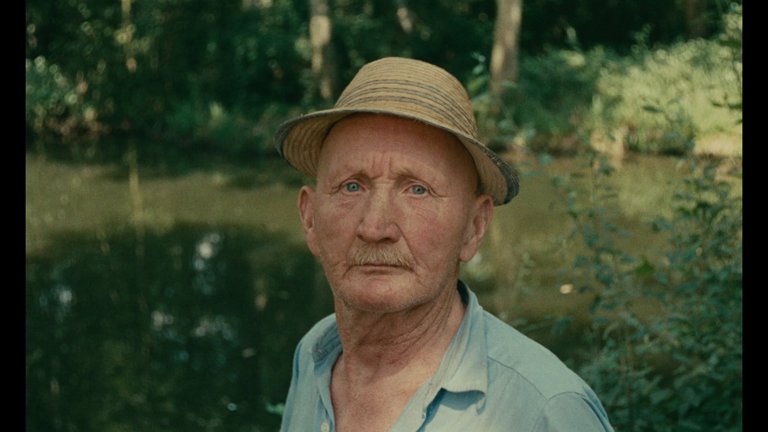
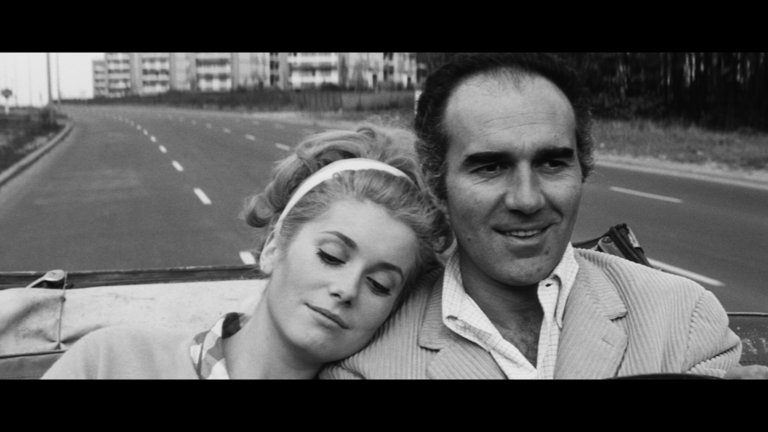
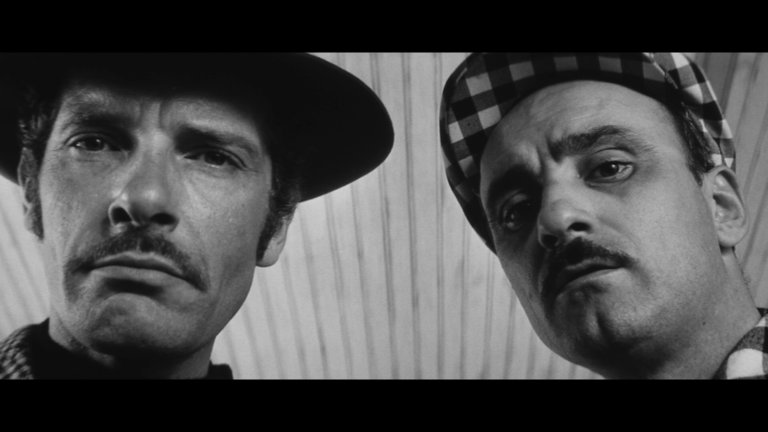
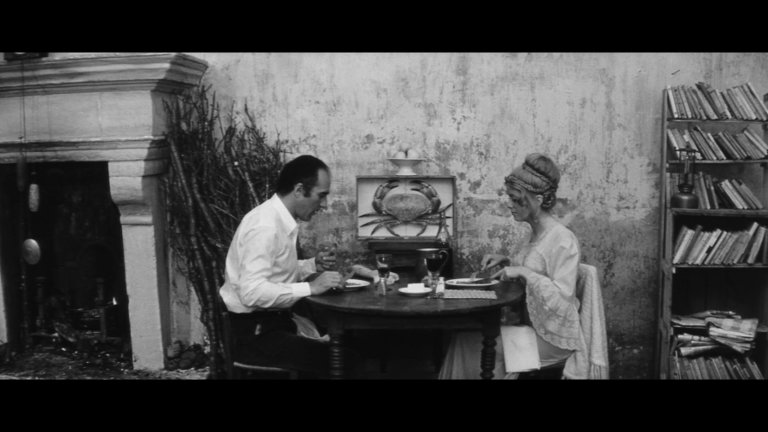
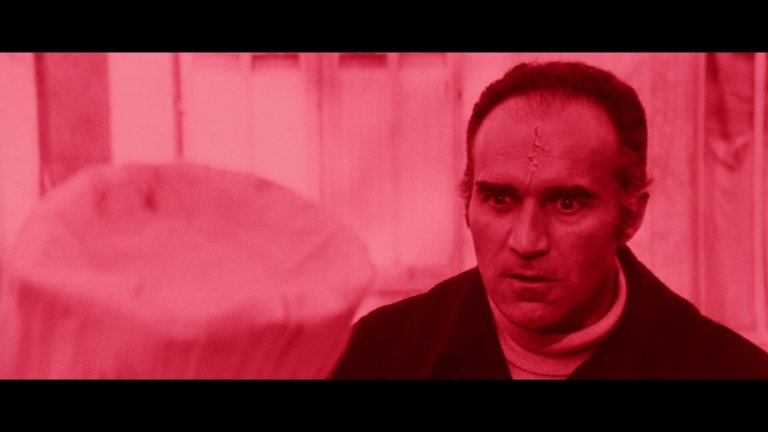
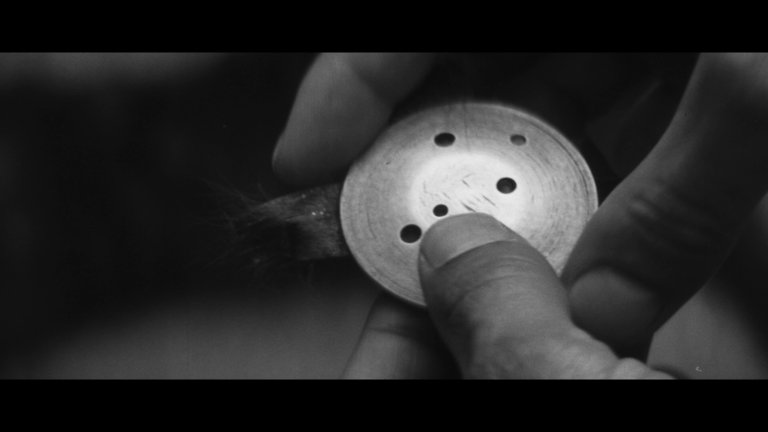
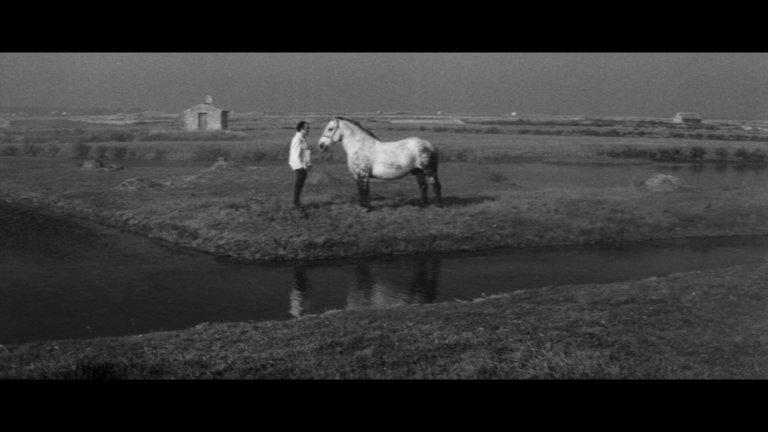
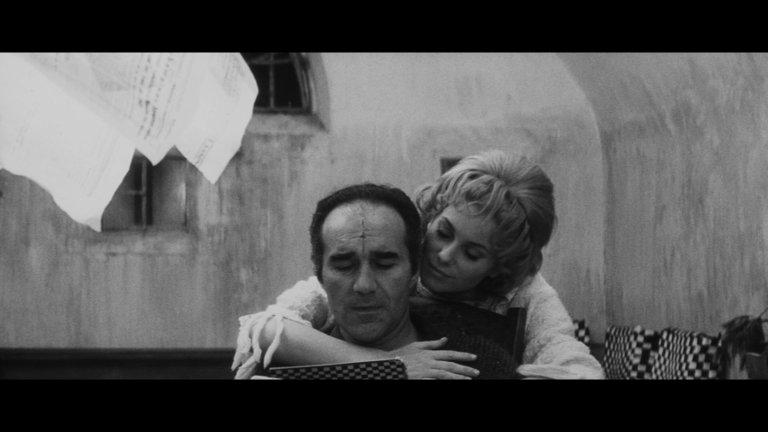
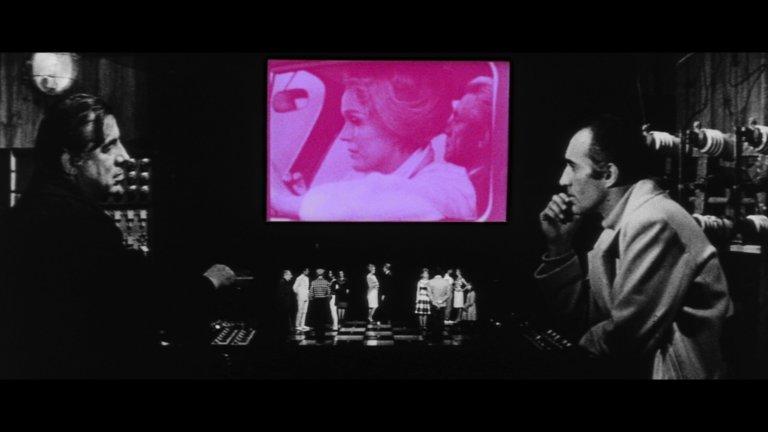
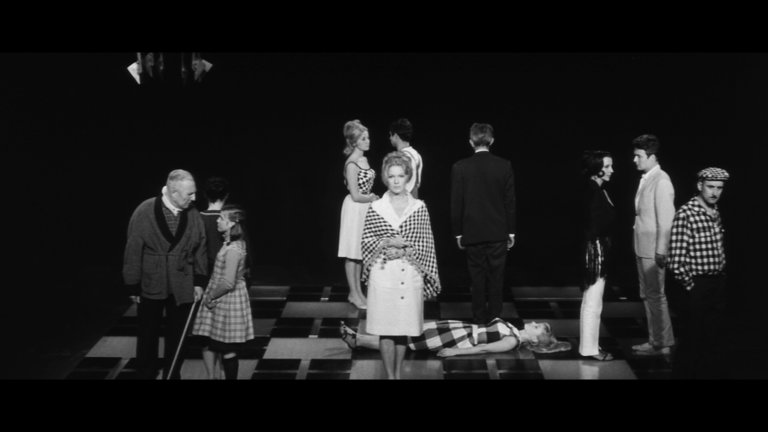
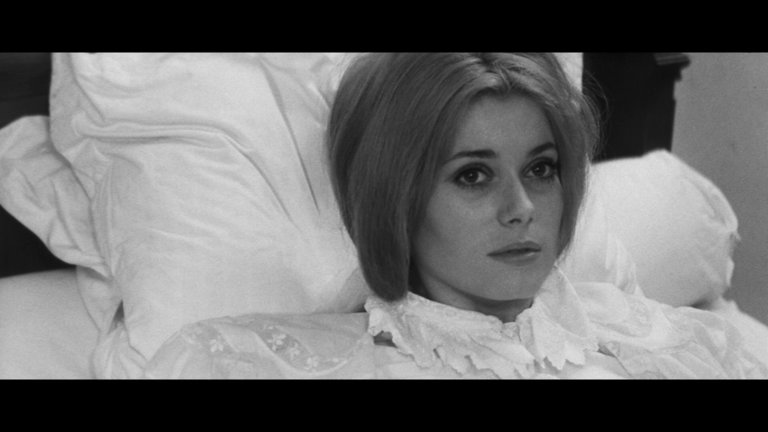
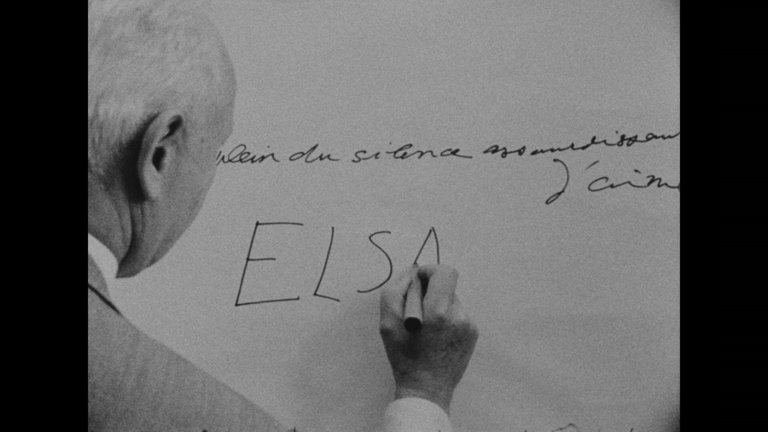
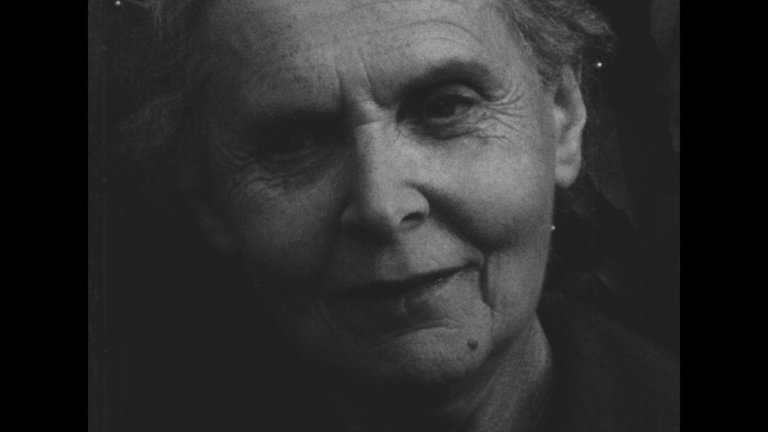
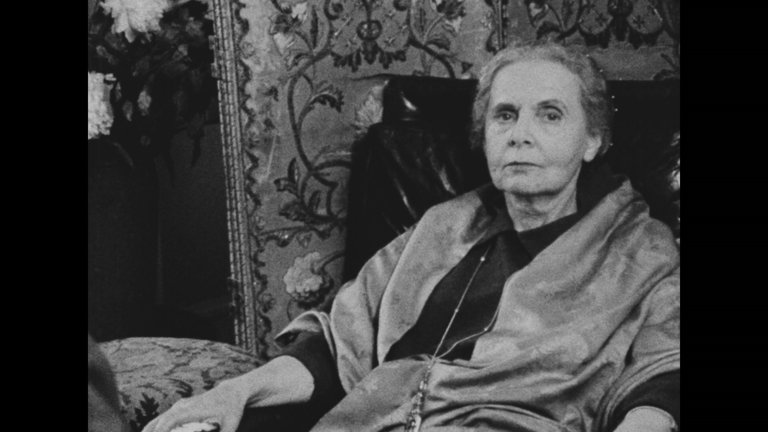
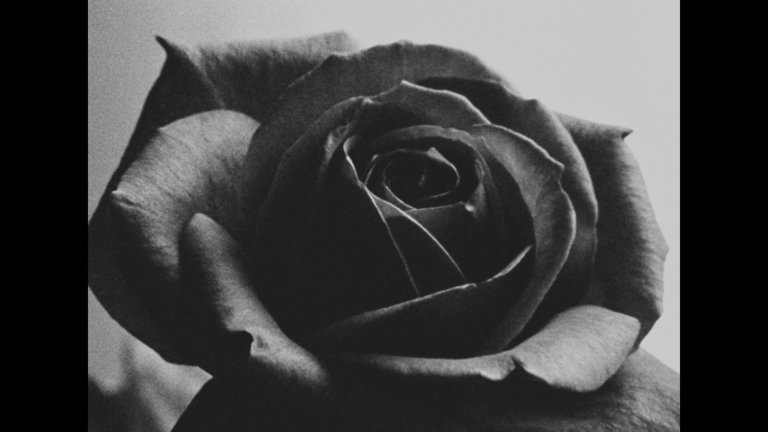
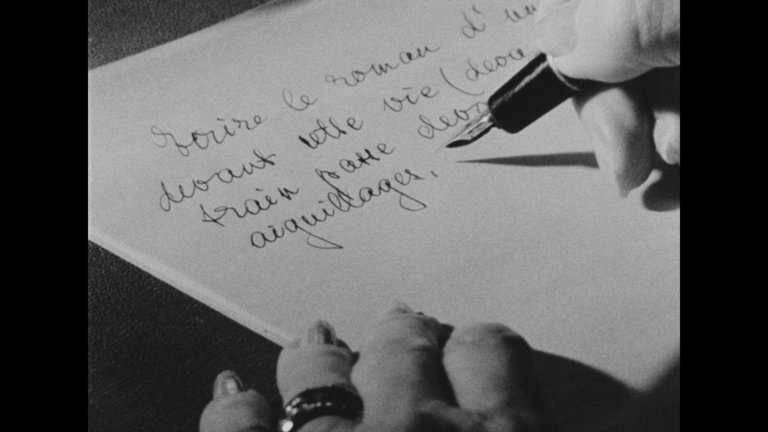
The Complete Films of Agnès Varda - Screen Captures
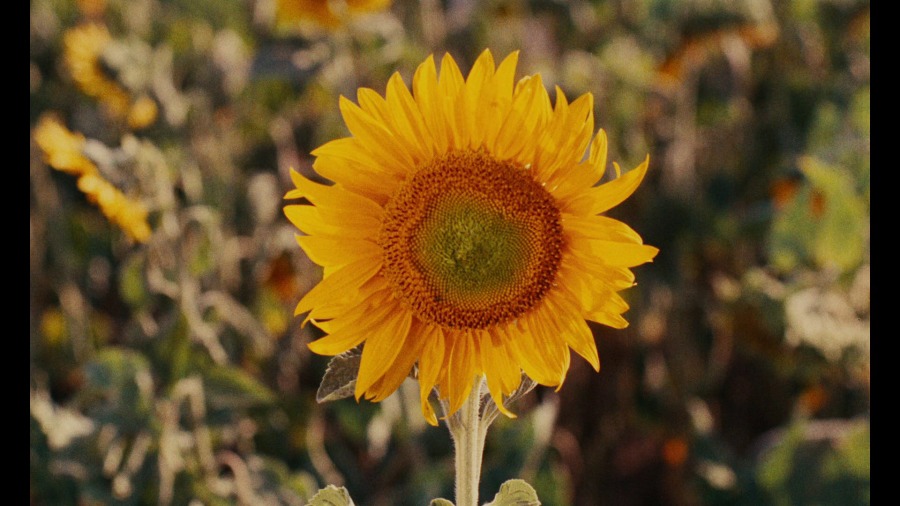
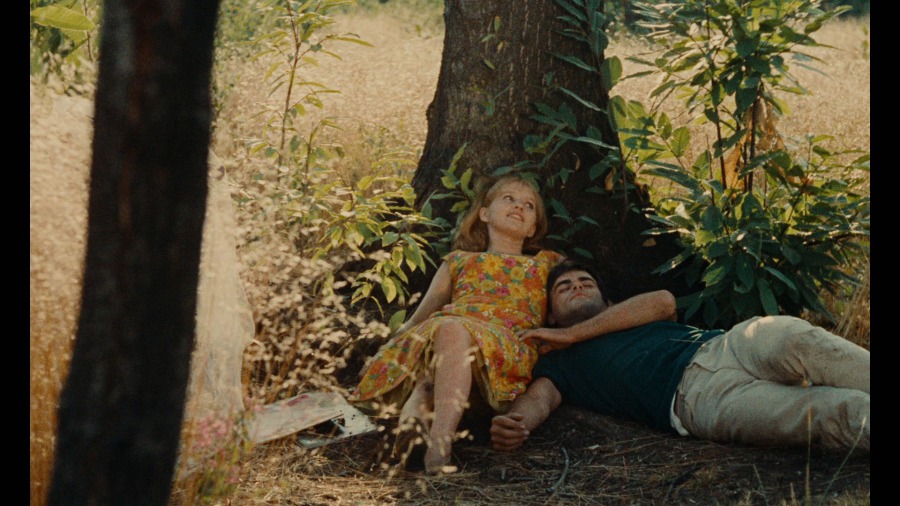
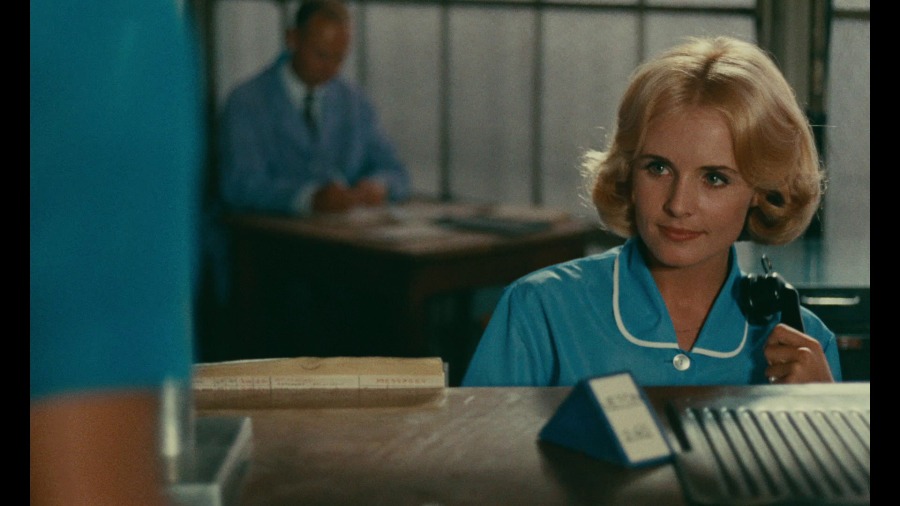
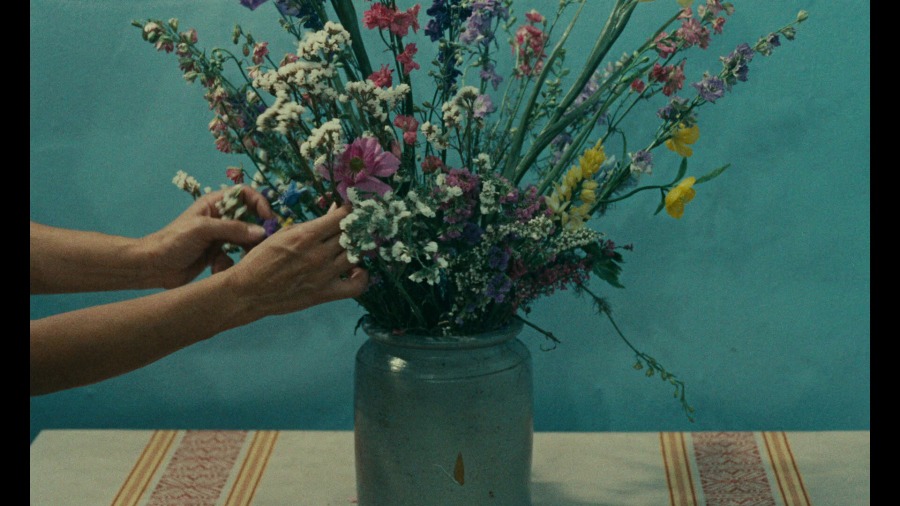
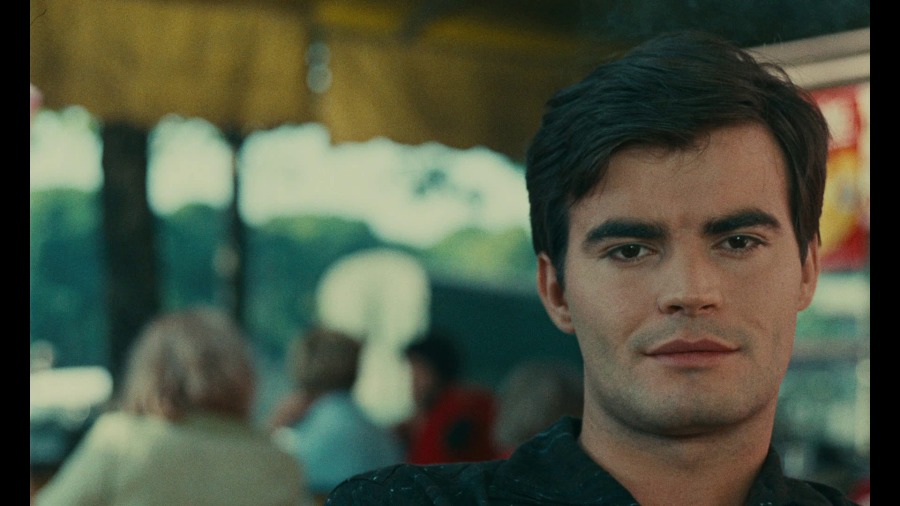
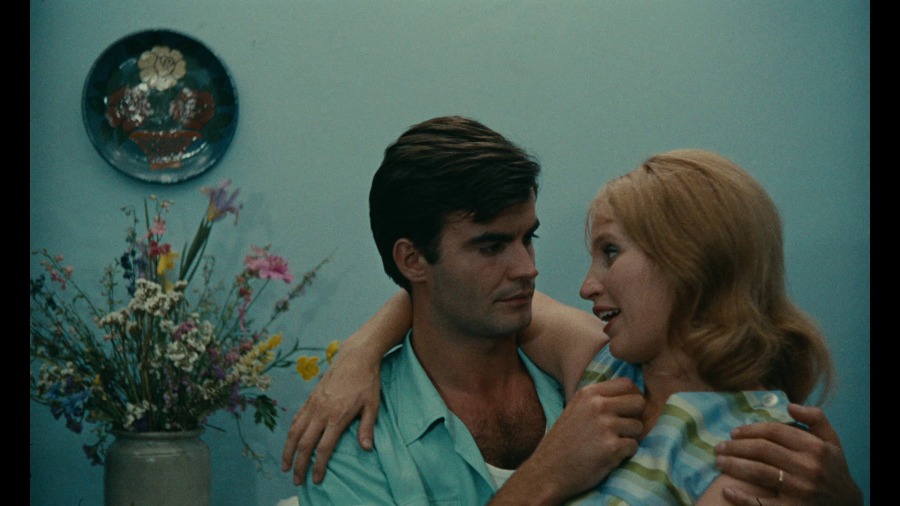
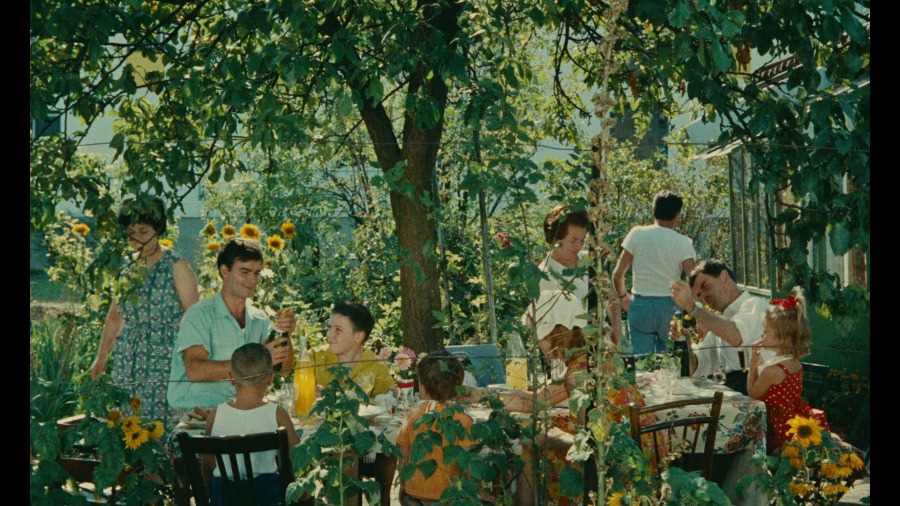
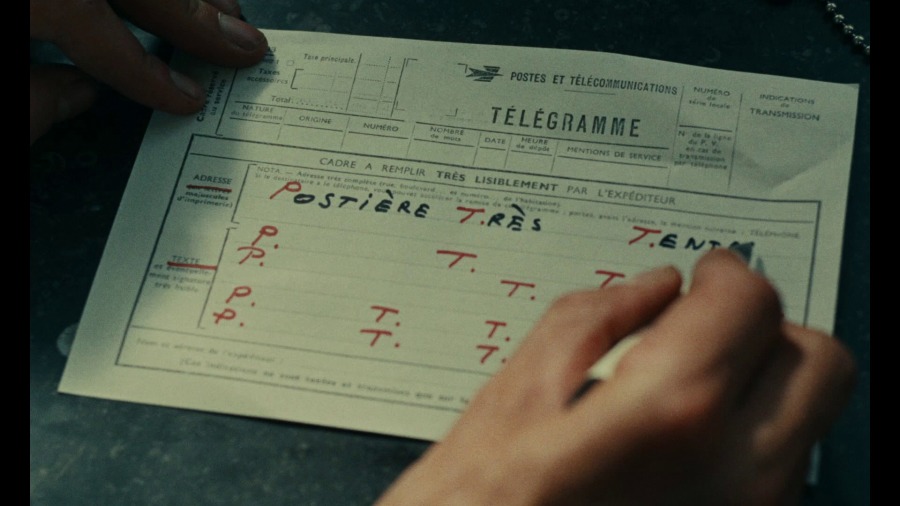
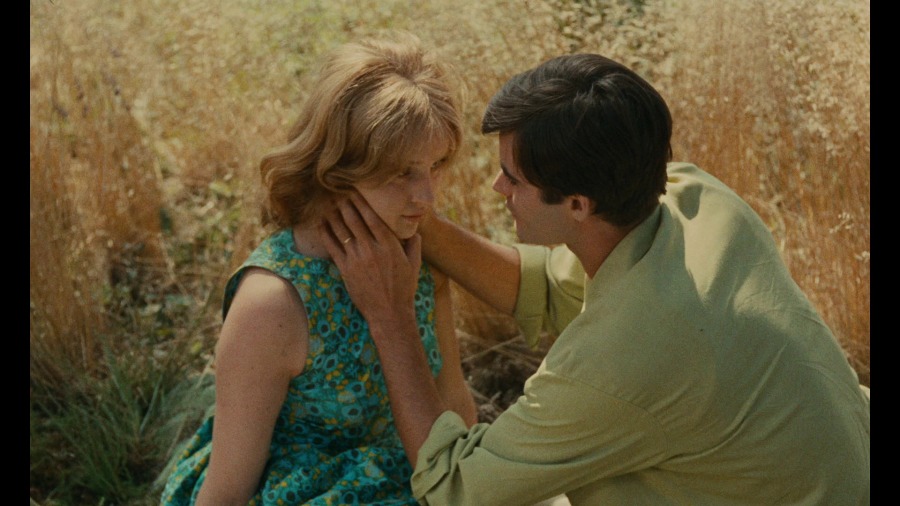
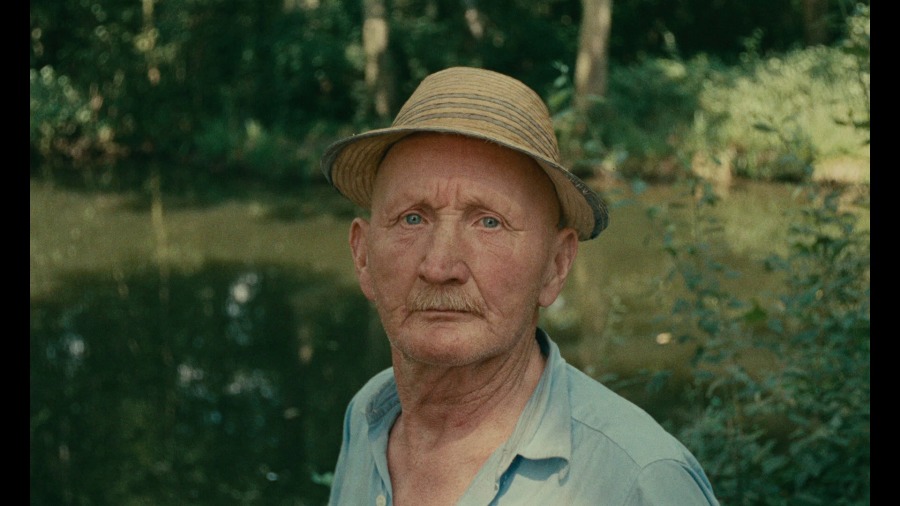
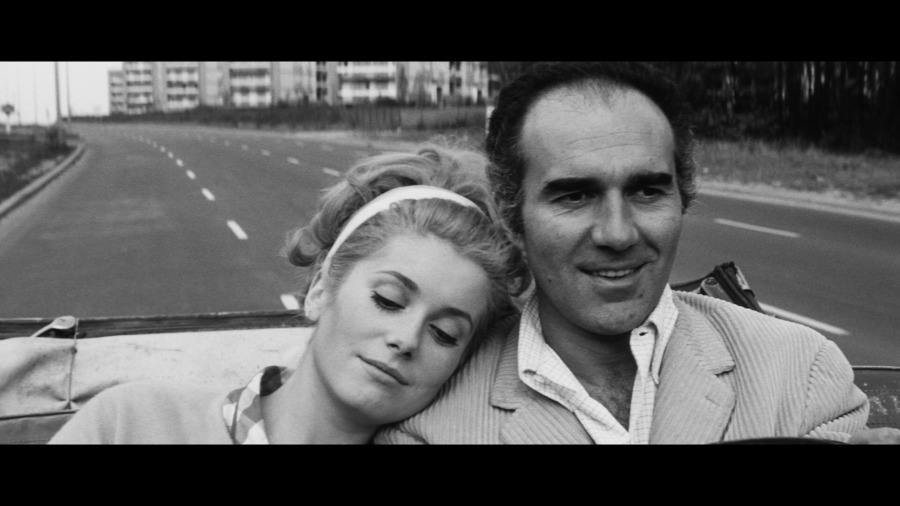
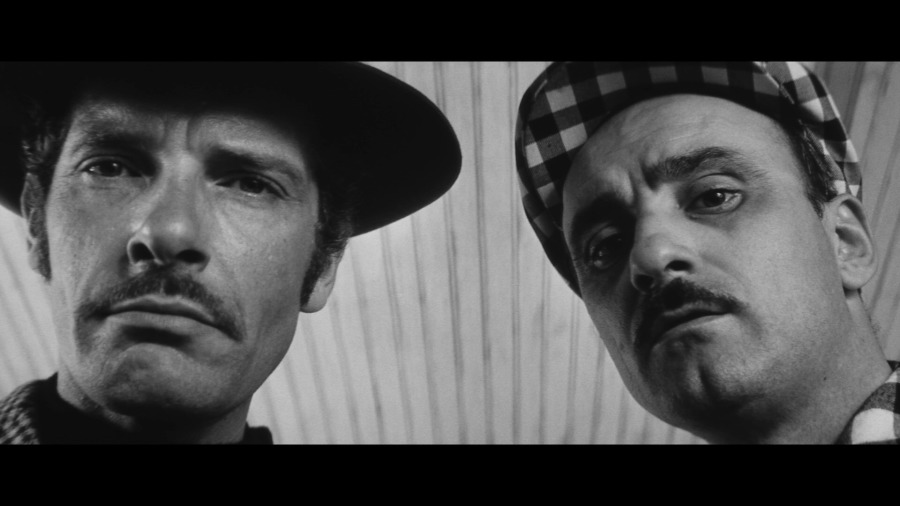
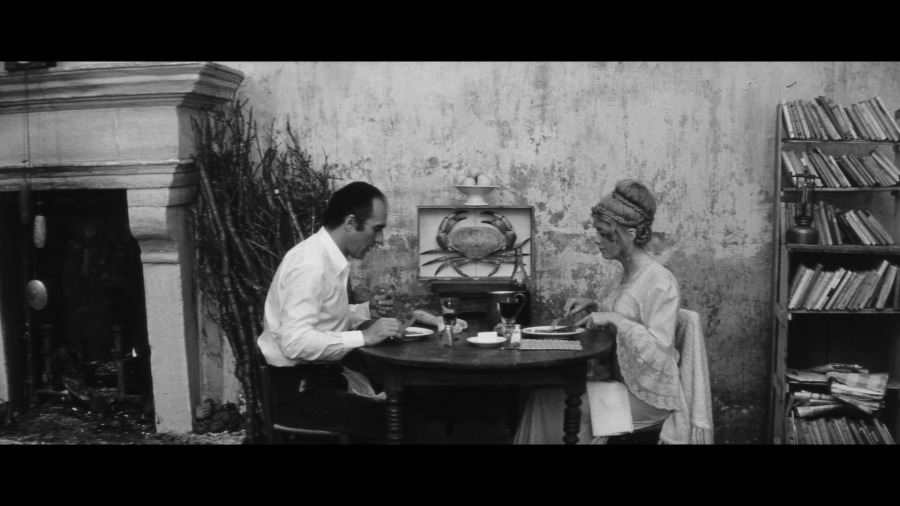
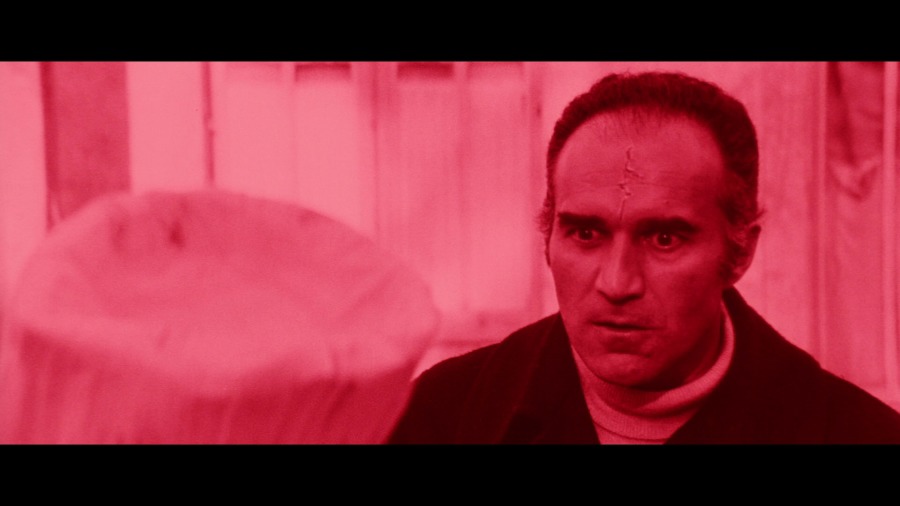
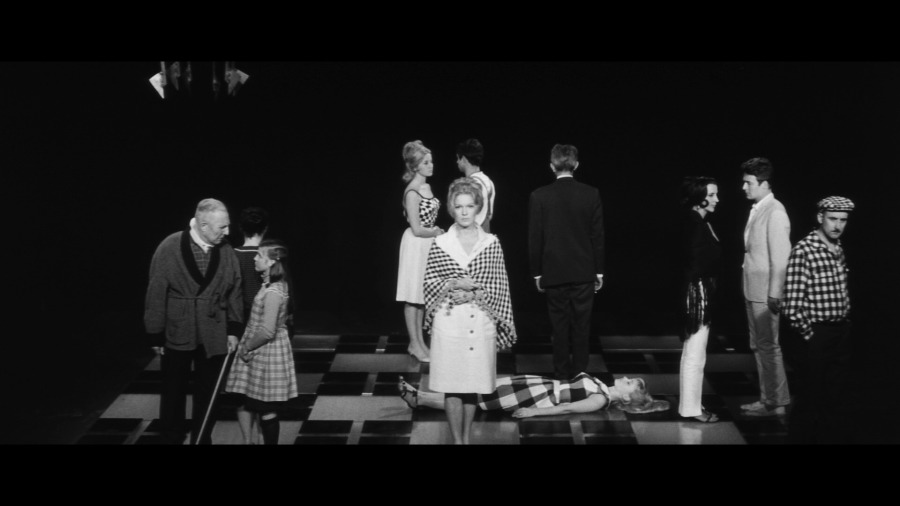
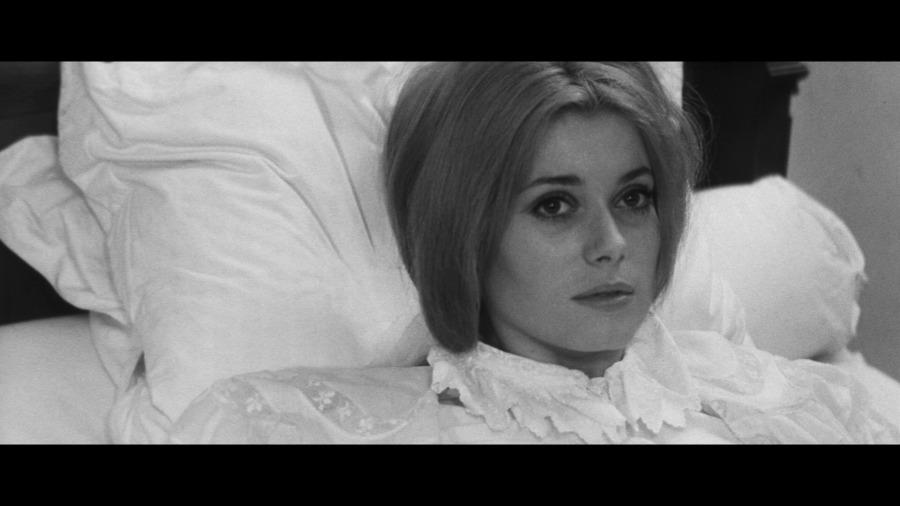
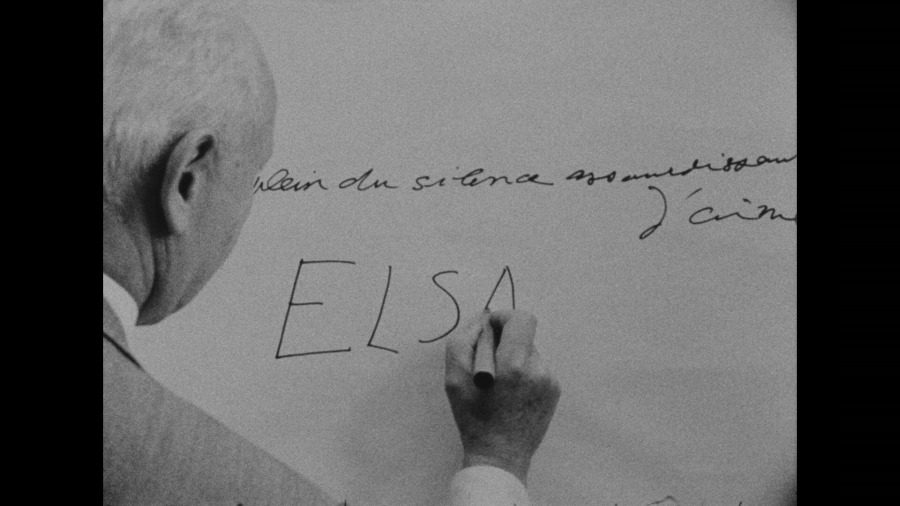
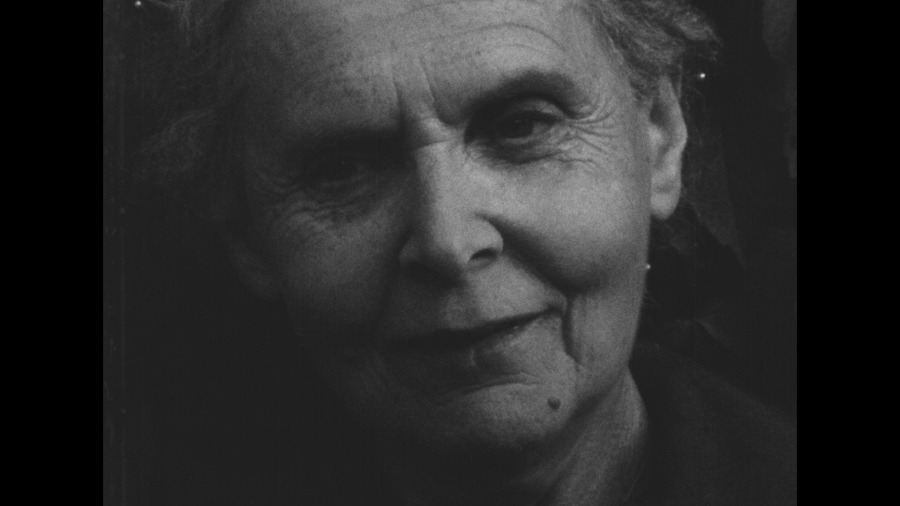
Audio 6/10
All three films present French monaural soundtracks, Elsa la rose in Dolby Digital 1.0 and the two features in lossless PCM 1.0. Le bonheur comes out sounding the best thanks primarily to its Mozart score, but outside of that it’s pretty flat. Les créatures is also flat, and probably filtered (although it could also be a less-than-optimal source), while Elsa la rose is merely okay.
Extras 6/10
Most of the supplements are devoted to Le bonheur, porting everything over from the previous DVD edition, outside of the short film Du côté de la côte, which can be found on the second disc of this set. The features are fine (I’m still a bit let down by the features for Le bonheur), but these features end up highlighting one of the more frustrating aspects of this set, and similar sets from Criterion: it feels like they’re just pushing it out and not giving every film the focus it needs or deserves.
Starting things off with Le bonheur is a 3-minute interview from 1998 featuring Varda, who explains the background of the film before talking about the restoration that would have been done at the time, mentioning the original negatives had lost colour, so a new one had to be made (I’m not sure what would have gone into the restoration that appears on this disc). This is followed by The Two Women of “Le bonheur,” which features an interview between the director’s daughter, Rosalie Varda, and the two actors that played the lover interests in the film, Claire Drouot and Marie-France Boyer. Sadly it’s only a 6-minute discussion focusing on the characters and then the controversy that arose after the film’s release.
Thoughts on “Le bonheur” is a 15-minute feature gathering together four people from various professions to talk about the film: writer Michèle Manceaux, producer and distributor Gérard Vaugeois, critic Frédéric Bonnaud, and Fadela Amara, president of the organization “Ni putes ni soumises.” The conversation is, well, okay. If anything it shows the generational gap on how one sees the film, or at least how one sees the film depending on when they were first introduced to it. One found it revolutionary and shocking, while someone else calls it “kitsch” because it’s obvious something bad is going to happen. That leads to a conversation on its use of music, wipes, and aesthetic, but I can’t say anything here was all that eye-opening.
Following that are two new programs created by Varda exploring what happiness is (the film’s title, Le bonheur translates to “happiness”). The first is a 6-minute video called Happiness? The People of Fontenay Respond, and features Varda asking random people on the street what the term means to them, and the answers are probably as wide as you expect, everything from being in love to money. Bonheur: Proper Noun or Concept runs over a minute and feature a couple of people with the last name of Bonheur and various quotes about happiness.
This is all then followed by a 10-minute discussion with actor Jean-Claude Drouot, who revisits locations from the film, retracing some of the steps of his super-happy character, while sharing his thoughts and memories on its filming and meeting a number of people on the street who also gladly talk about seeing the film or recalling when it was filmed. There is the an excerpt from a 1964 episode of Démons et merveilles du cinema, showing Varda directing the crew and actors, with text quotes from Varda. Her husband, Jacques Demy, also shows up. A trailer closes the supplements.
The other two films get screwed out of material. Varda had recorded introductions for the films, the one for Elsa la rose in 2007 (where she explains how it started as a project Demy and her were to work on) and the one for Les creatures in 2012 (explaining she thinks the film failed because it wasn’t vicious enough). Both are around 2-minutes.
Les creatures does come with one more feature, though: Varda on Set, a 14-minute excerpt from a 1965 French television program. Here we get to see Varda filming some shots she needed but didn’t get, and then the rest of the feature is about the music in the film. This aspect of the film is a rather fascinating one, as composer Pierre Barbaud talks about how the score was created: it appears a mathematical approach was taken to the music and the score was programmed, and since this was 1965 that means it was programmed by punch card, fed into a computer, and then the music sheets (a form of them anyways) were spit out from that. Apparently it took him a year to write all this.
It’s actually this feature, and the film Les créatures itself, that highlights the one frustrating aspect of this set: while it’s good Criterion is putting a set like this together, it sometimes feels like the features are being tacked on just because they randomly came across them (or were created by them or other labels), and certain films are not receiving the focus they really do deserve. All of that stuff about the programmed score is fascinating, and though that archival footage does a decent job covering it, something new on Barbaud and the fact he wrote a score using the programming language ALGOL (which actually paved the way for a number of modern programming languages) would have been pretty great. Also, the film itself is so bizarre I find it just insane that no one thought it would be great to get someone to talk about it a bit more in-depth. I’m not sure what to make of it and maybe it’s a misfire but it's an interesting one, and one that deserves more analysis.
Closing
Presentations vary again, with Le bonheur suffering from that yellow tint and Les créatures sourced from a rough print. But even more frustrating is the fact one of the more perplexing and crazy films in the set gets ignored feature-wise.
BUY AT: