Two Girls on the Street / Kalpana
BUY AT:


See more details, packaging, or compare
Synopsis
Two Girls on the Street
The maverick Hollywood stylist André de Toth sharpened his craft in his native Hungary, where he directed five films, including this chic, dynamically paced melodrama studded with deco decor and jazzy musical interludes. Mária Tasnádi Fekete and Bella Bordy sparkle as upwardly mobile working women—one a musician in an all-girl band, the other a bricklayer—who join forces as they both try to make it in Budapest, supporting each other through changing economic fortunes, the advances of lecherous men, and the highs and heartbreaks of love. Kinetic camera work, brisk editing, and avant-garde imagery abound in Two Girls on the Street, an often strikingly modern ode to the power of working-class female solidarity.
Kalpana
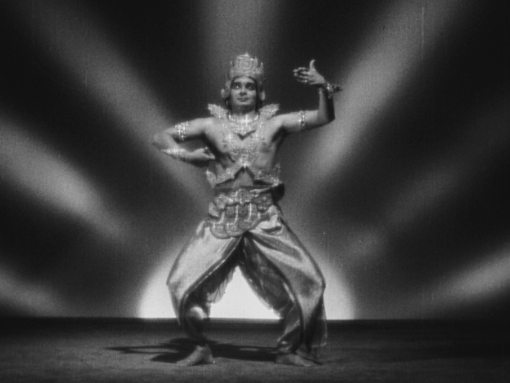
A riot of ecstatic imagery, performance, and set design, the only film by the visionary dancer and choreographer Uday Shankar is a revolutionary celebration of Indian dance in its myriad varieties and a utopian vision of cultural renewal. Unfolding as an epic film within a film, Kalpana tells the story of an ambitious dancer (Shankar) determined to open a cultural center devoted to breathing new life into India’s traditional artistic forms; meanwhile, the obvious adoration between him and his lead dancer (Shankar’s wife and collaborator, Amala Uday Shankar) arouses the jealousy of his enterprising companion (Lakshmi Kanta). Swirling surrealist dance spectacles—featuring dance masters and young performers, many of whom would become stars in their own right—are interwoven with anticolonial, anticapitalist commentary for a radical, proto-Bollywood milestone that is one of the most influential works in Indian cinema.
Picture 8/10
The third pairing of films in Criterion’s fourth World Cinema Project box set presents André de Toth’s Two Girls on the Street (from Hungary) and Uday Shankar’s solo feature, Kalpana (from India). Sharing the same dual-layer Blu-ray disc each film’s 1080p/24hz high-definition presentation has been sourced from a 2K restoration and are each delivered in the aspect ratio of 1.37:1. Both films are then presented in standard-definition on individual dual-layer DVDs. Due to the aspect ratio the films have not been enhanced for widescreen televisions on the DVDs. The two restorations here represent to of the older ones to be found in the set, completed in 2010 and 2012 respectively.
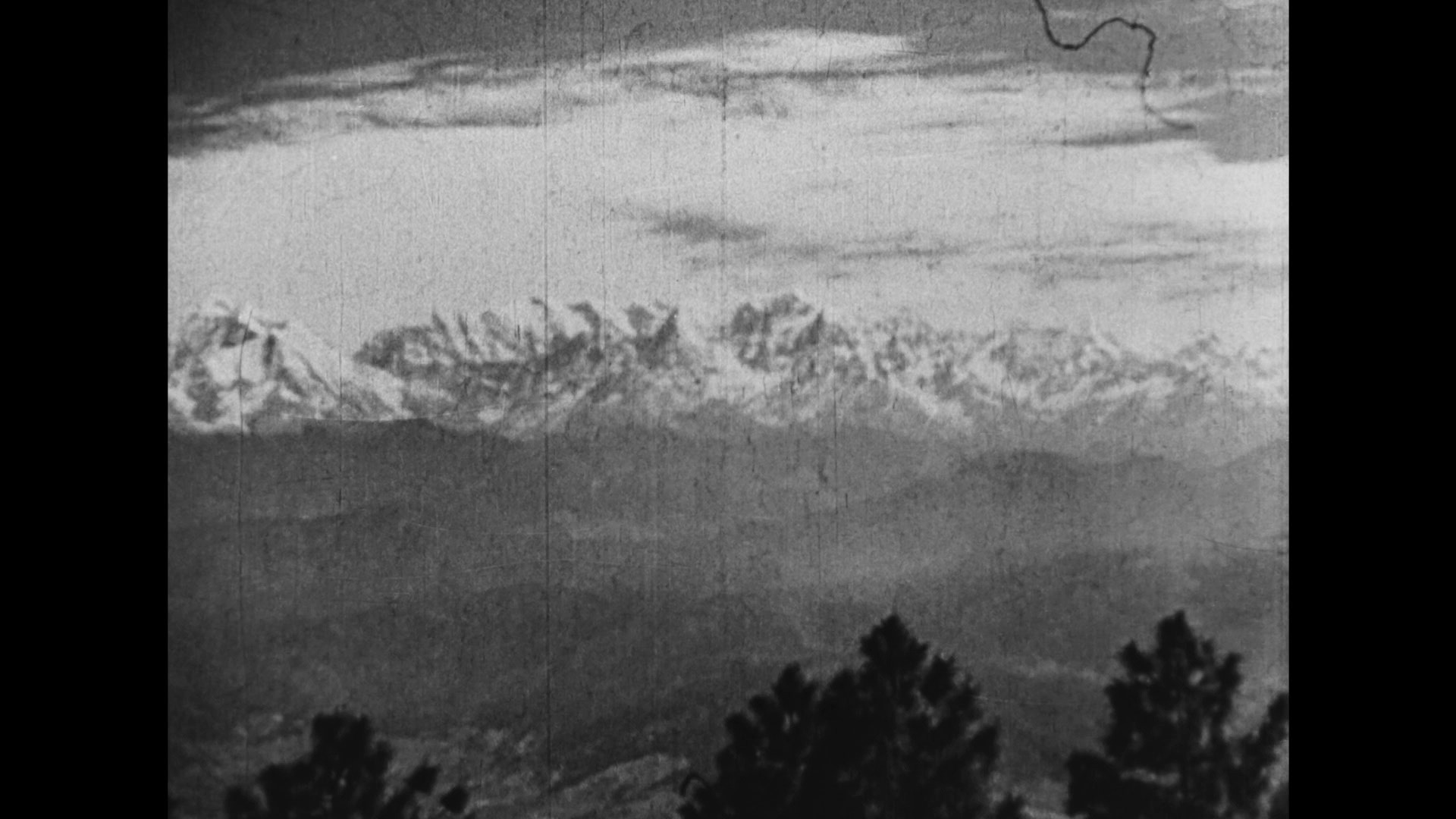
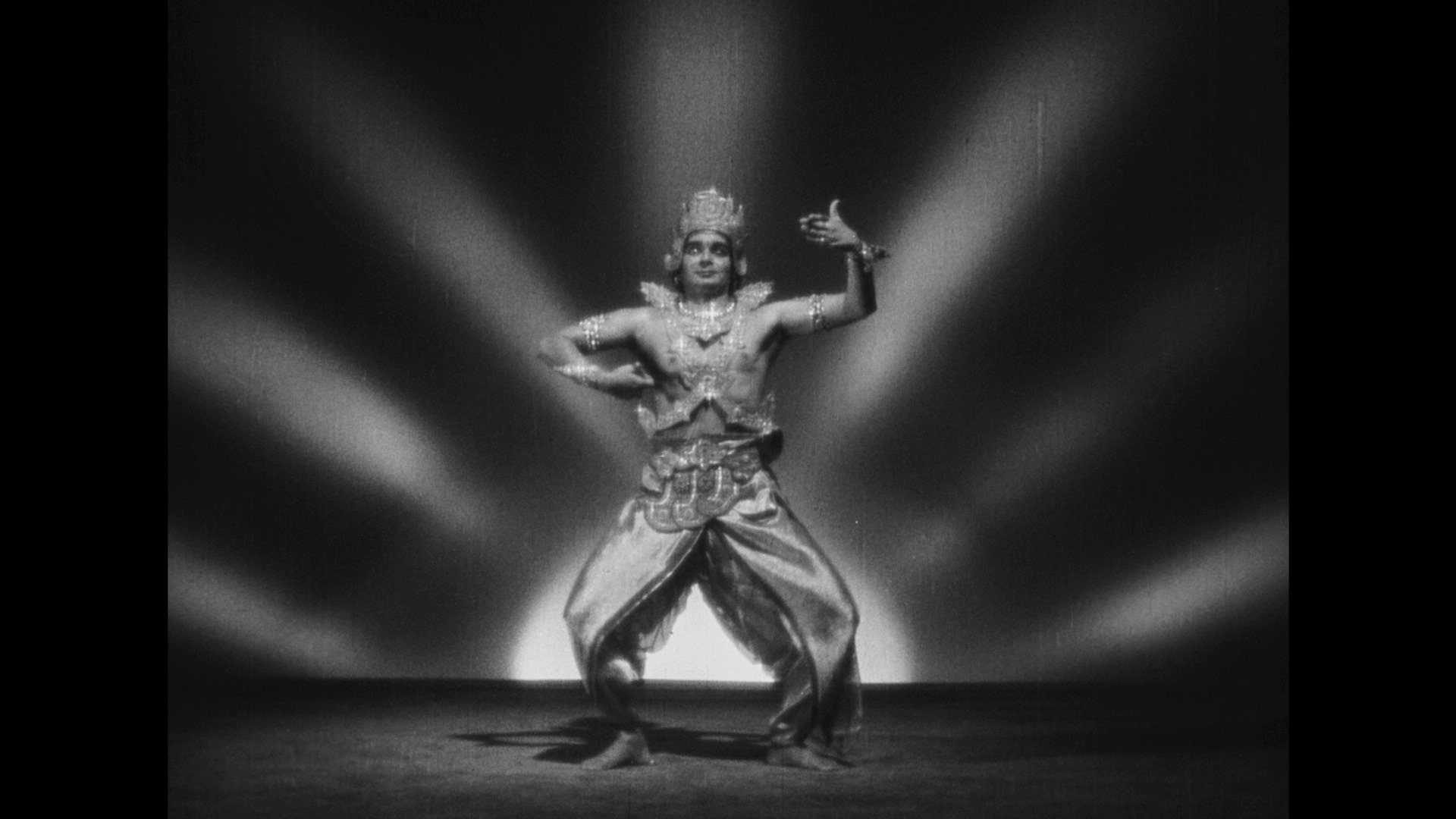
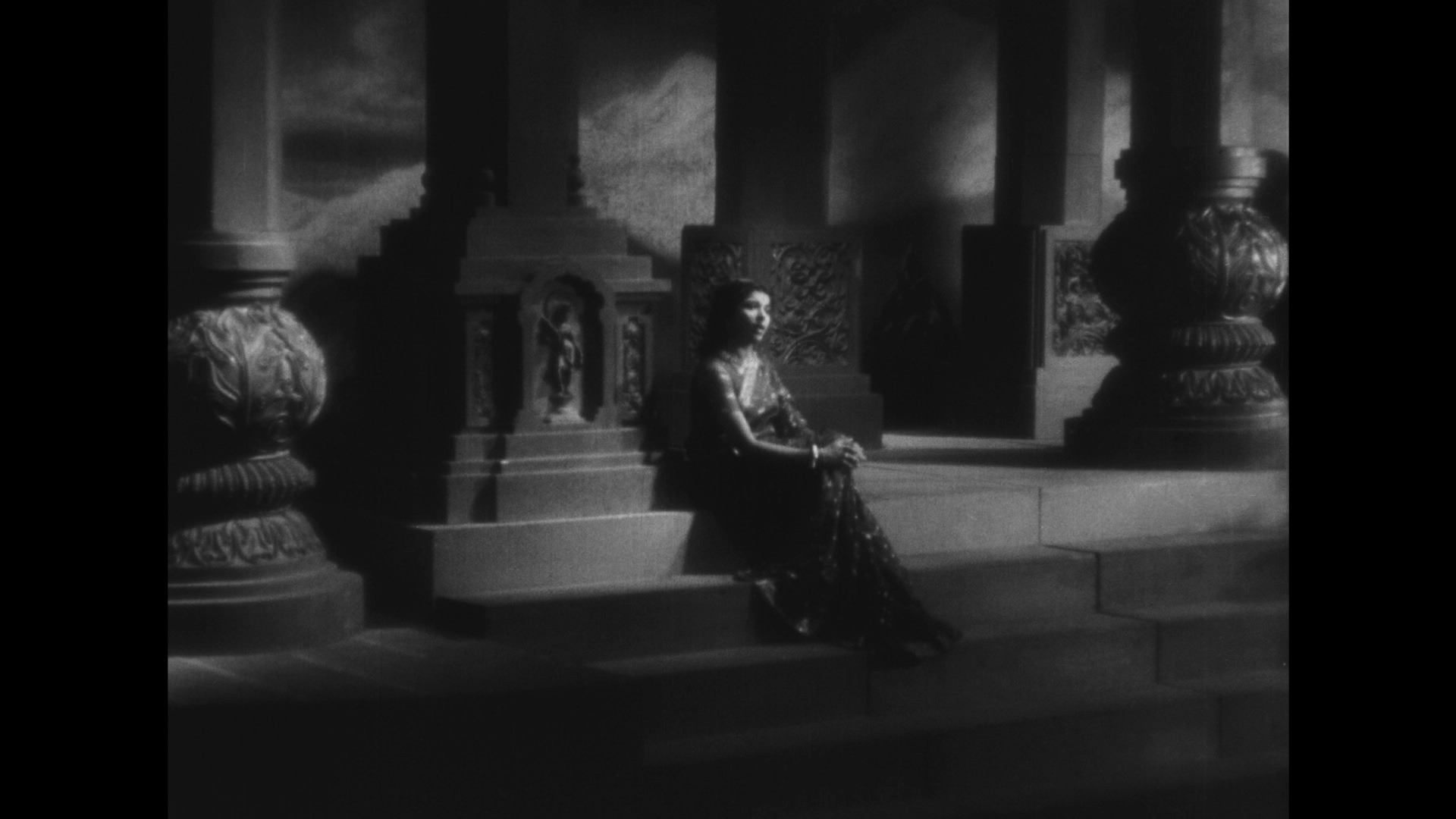
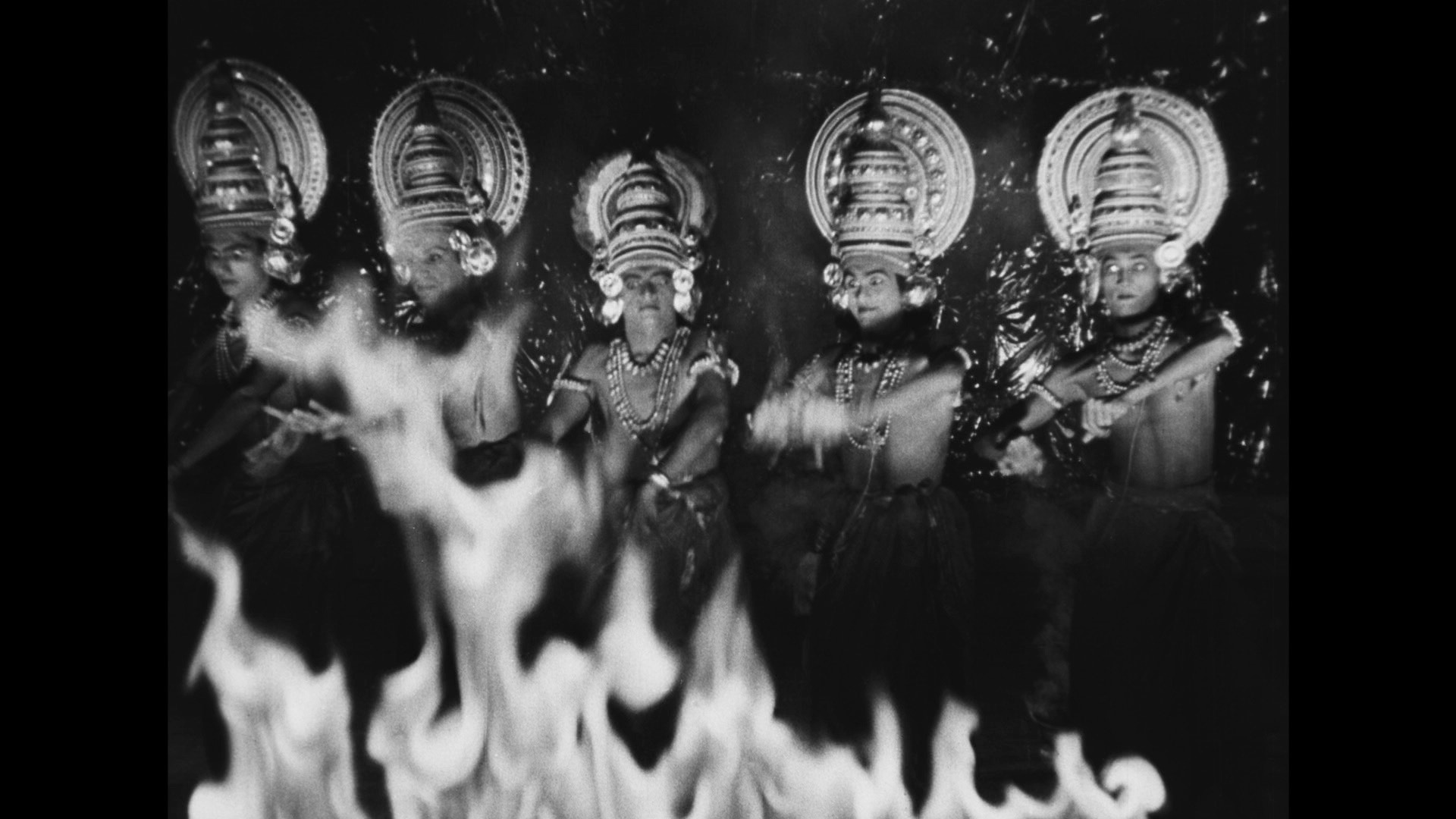
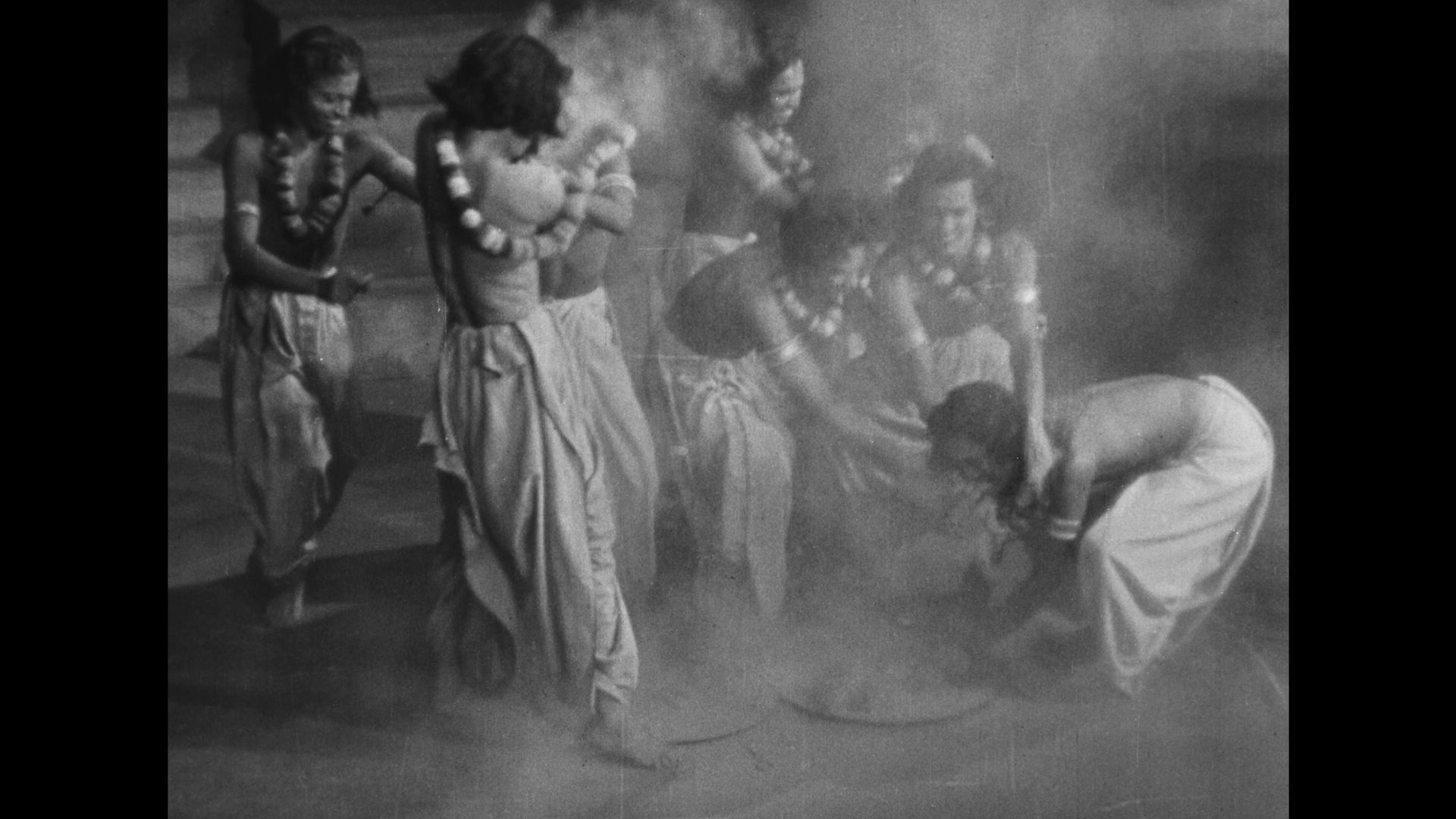
Of the six films in the set Shankar’s Kalpana may have the “weaker” presentation thanks to its more obvious signs of its age through general wear and tear. The restoration was sourced from a 35mm duplicate negative and a 35mm print, with it looking as though most of the restoration has been sourced from the duplicate. Despite the best efforts of those involved in the restoration the image is never all that sharp, looking soft and blurry much of the time. Having said that, the presentation still has a few impressive moments where it can pull striking details from the elaborate costumes and sets that appear throughout.
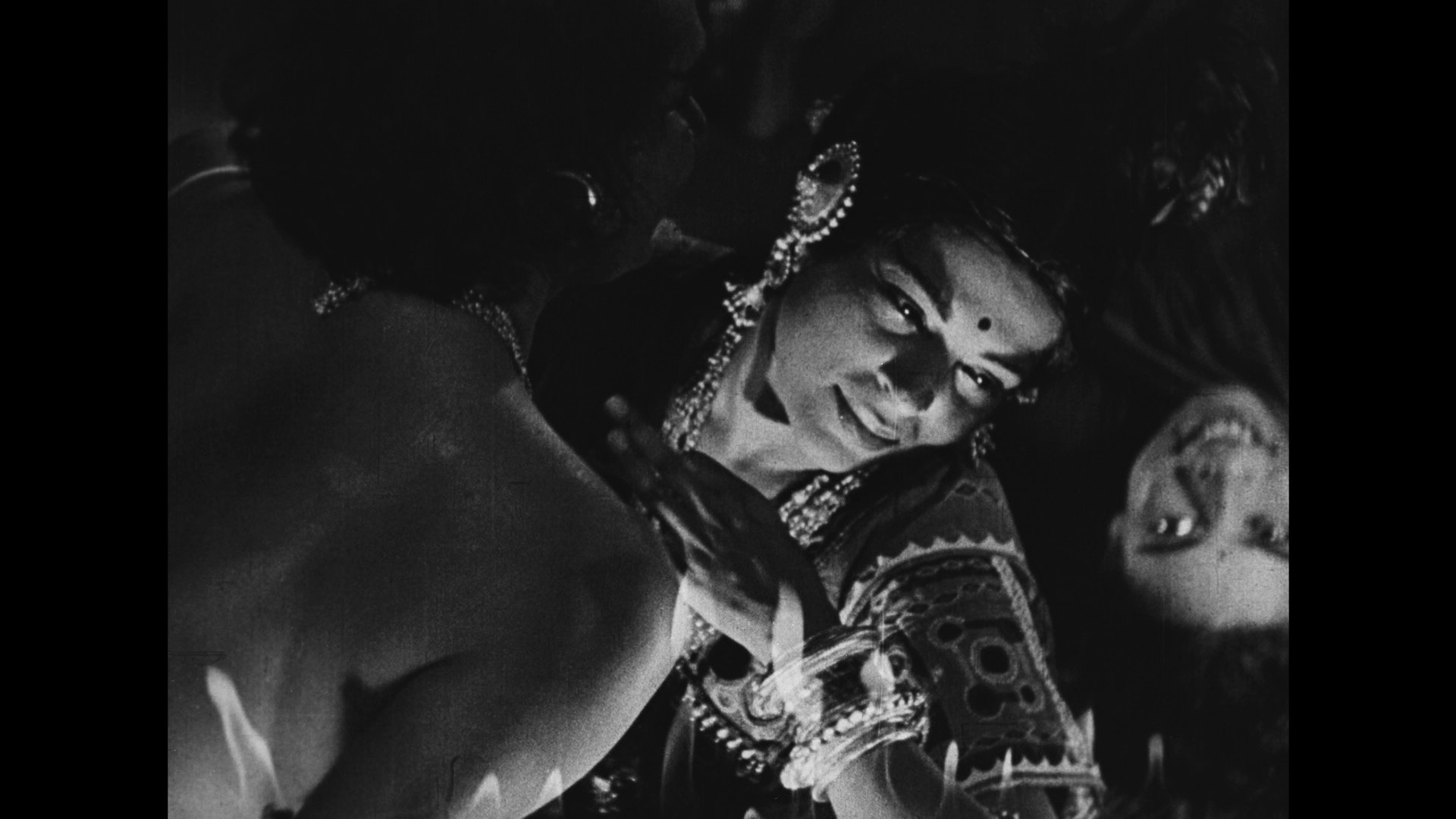
Also impacting things is the fact there are a number of optical effects within the film, and this is where I suspect the other print comes into play. These sequences (along with a handful of others that don't have any obvious optical tricks) look dupier in comparison to the rest of the film, contrast seeming darker with range significantly limited in the grayscale. Damage is also far heavier in this film when compared to the other films in this set (and most other films throughout the rest of Criterion’s World Cinema series) with a lot of scratches and marks raining through. I assume a lot of the damage was left in place out of a fear that fixing all of it would impact the image in other negative ways, like digitizing it too much or scrubbing away grain, which I'm more than fine with. Yet on that note while grain is present and rendered fine enough, there are sequences and moments where it looks like it may have been managed to a minor degree, with it looking as sharp or as distinct as it appears in other places.
Two Girls in the Street, on the other hand, has been sourced from the 35mm original negative and fairs far better in comparison. The image ends up being sharper overall with a better handle on the finer details outside of a handful of longer shots that look soft around the edges. Range in the grays is still surprisingly wide, and the black levels can get nice and deep without eating up shadow detail. Some damage is present, more notable during some of the transitions between scenes (not a surprise), but there isn’t anything severe, just a few marks and scratches. Grain is present and looks largely fine but doesn’t resolve as well here as it has in some of the other black-and-white presentations found in the set, noise creeping in there on occasion.
All shortcomings aside, whether related to the source materials or minor issues with the digital presentation, it’s clear both restorations were a labor of love and the end results still have a lovely film-like quality.
(As with the other titles in the set I sampled the DVDs and found they were both strong downscales, limited more by the format’s shortcomings, with limited grayscale and poorer compression being the more obvious nuisances.)
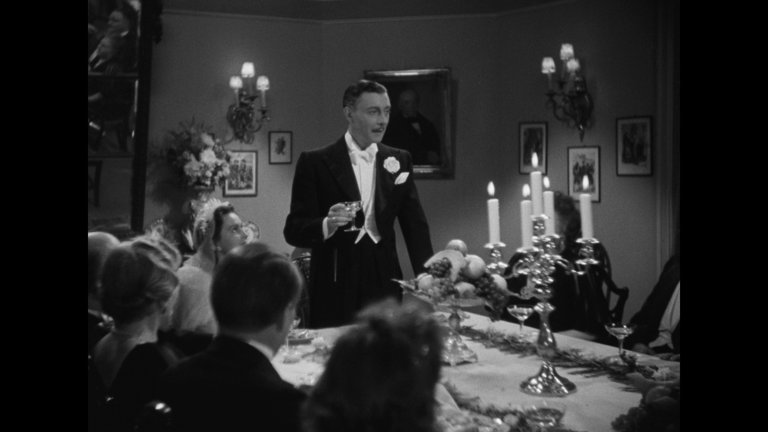

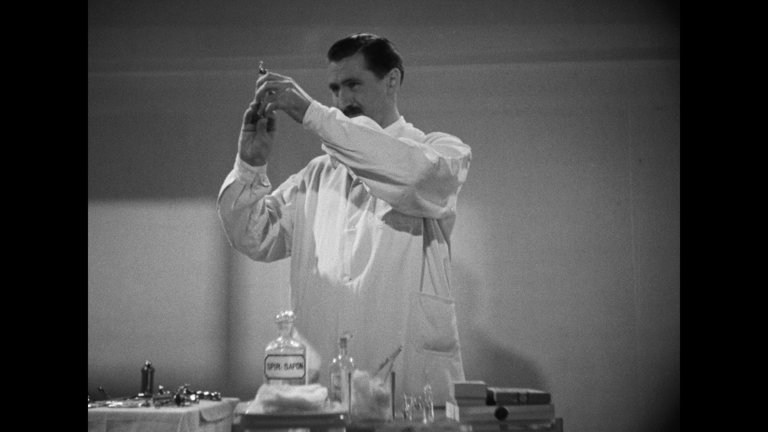
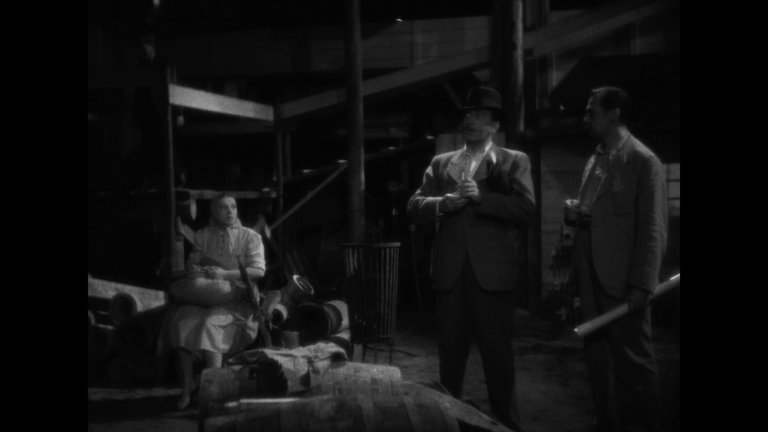
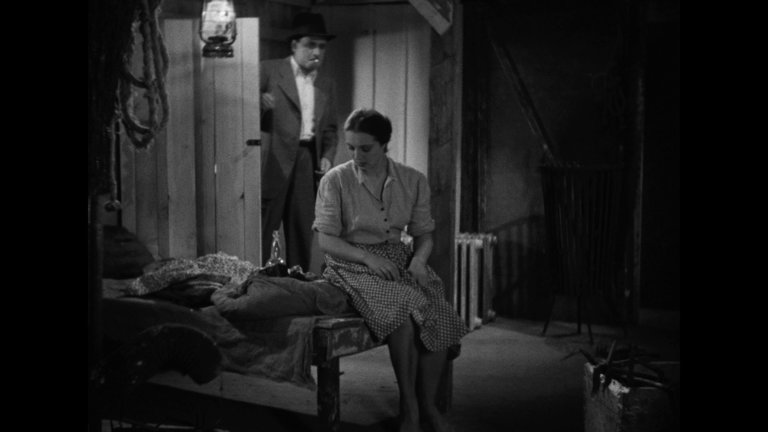
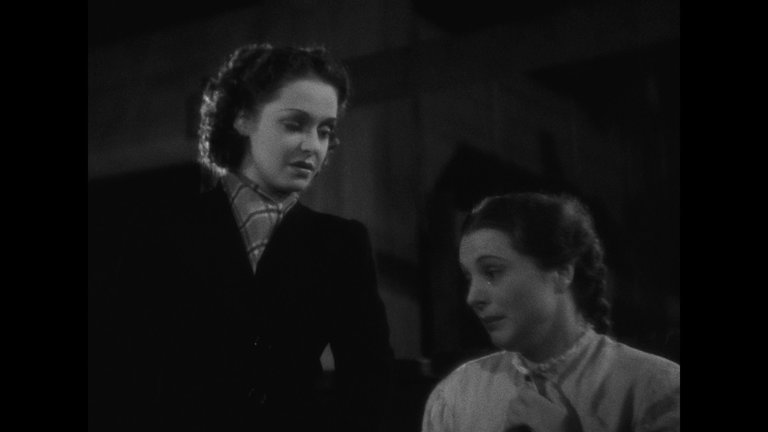
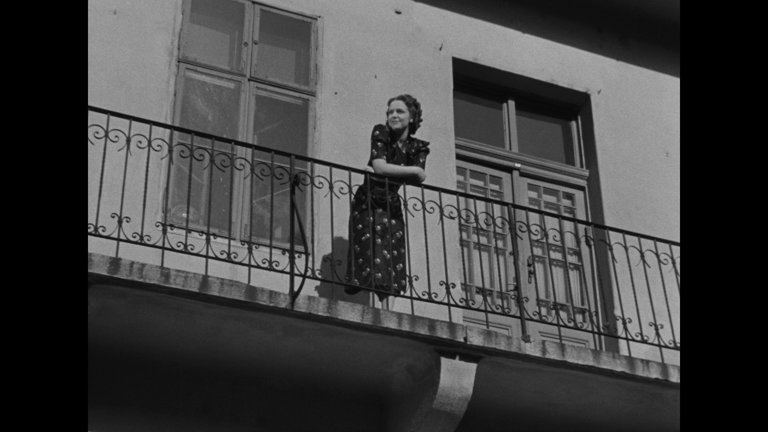
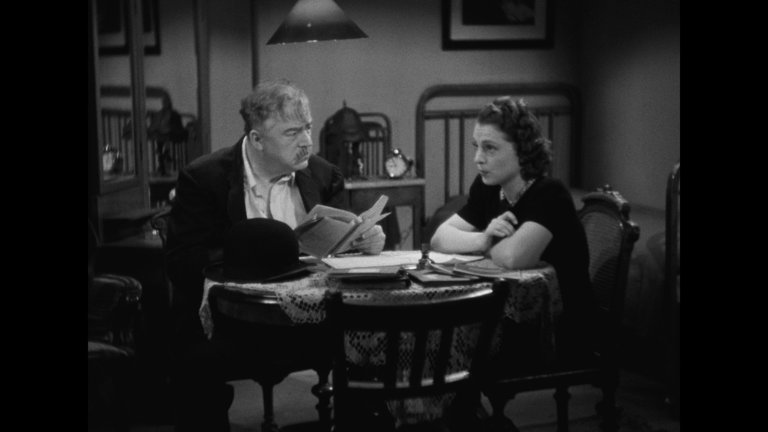
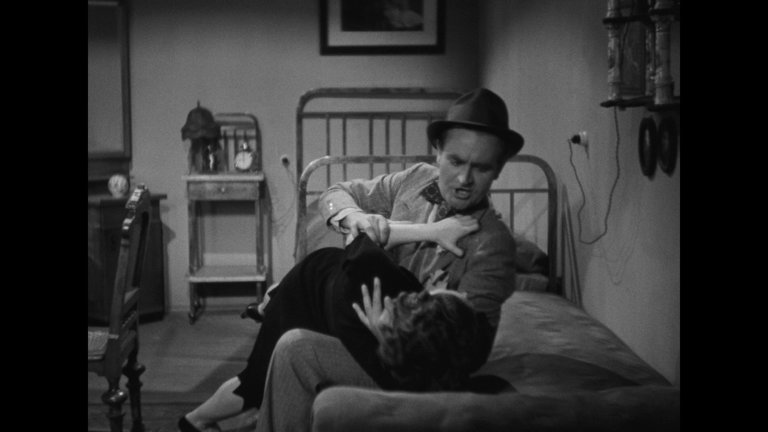
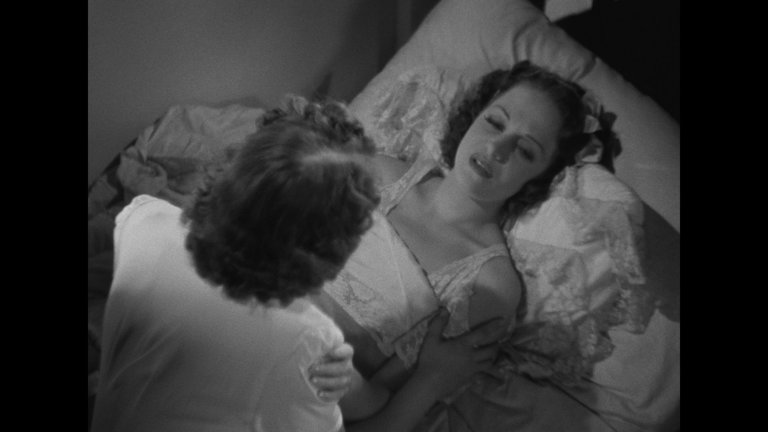
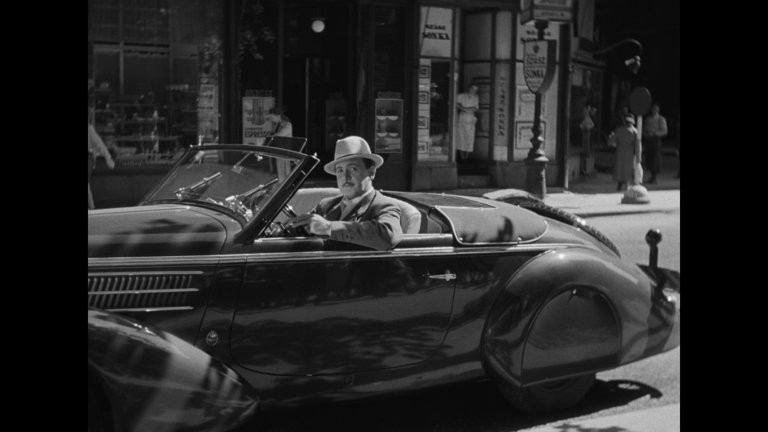
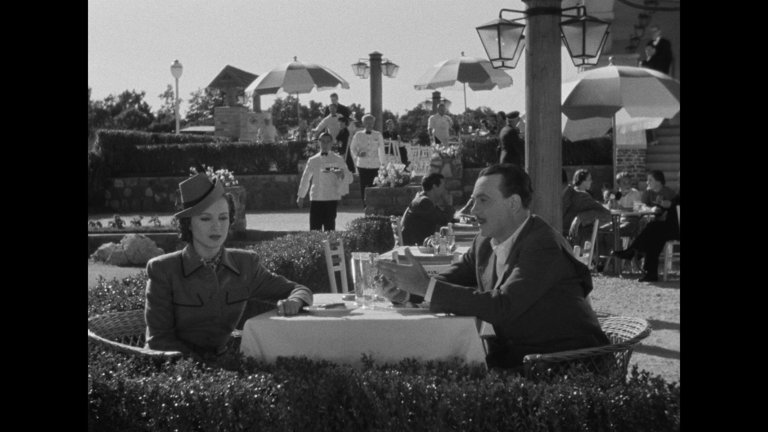
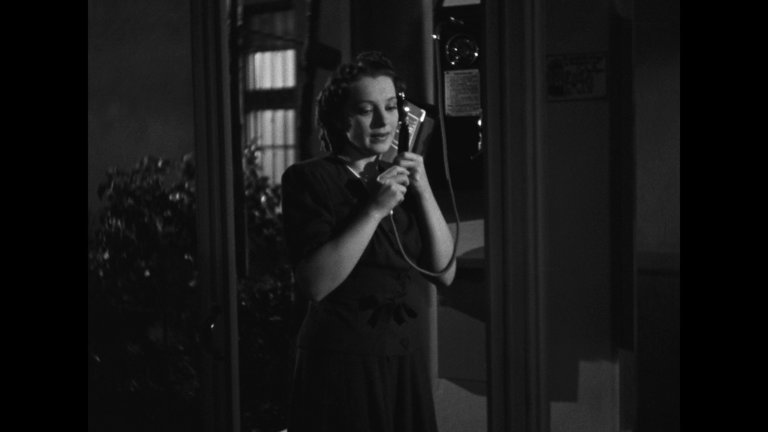
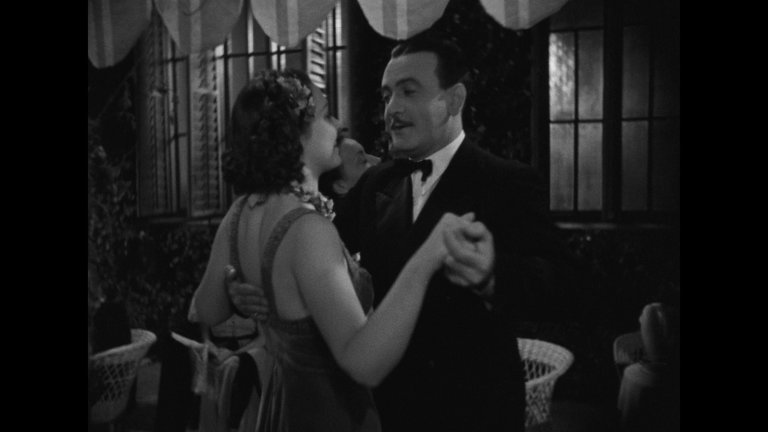
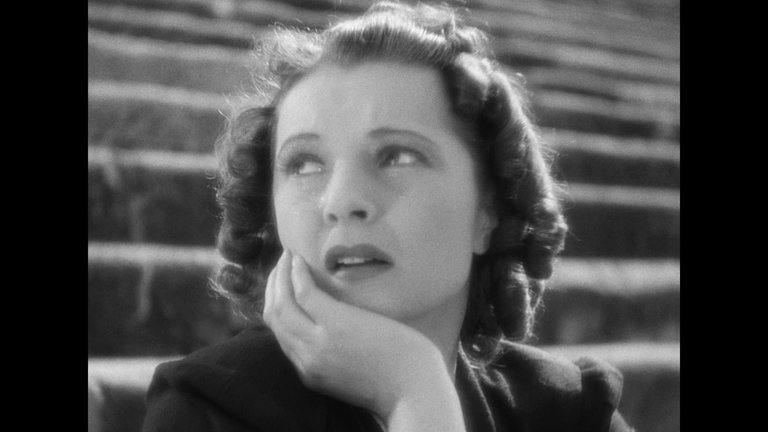
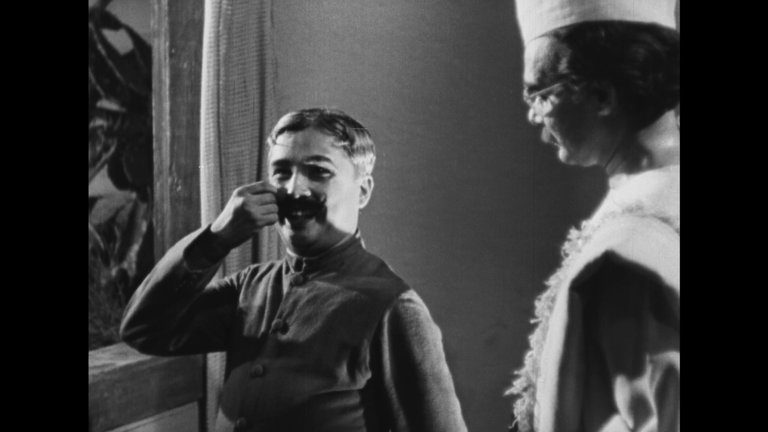
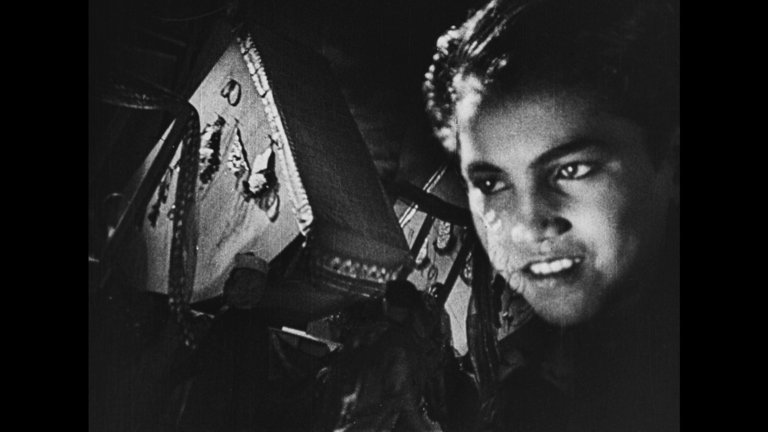
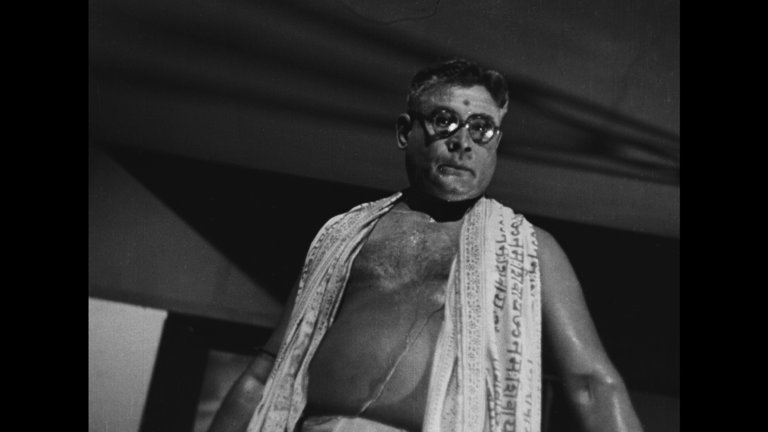
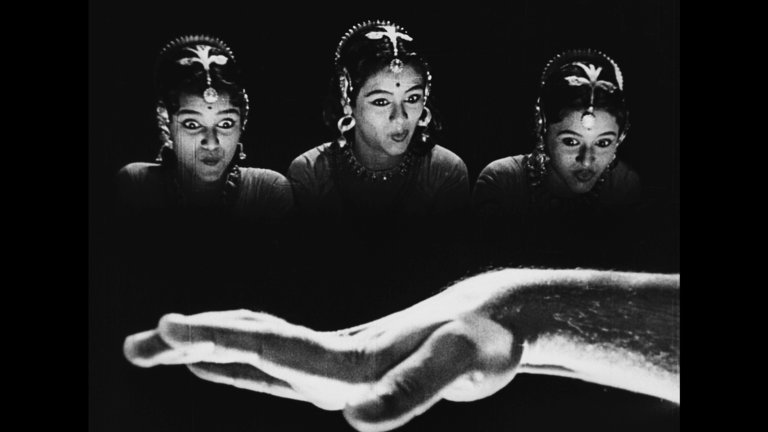
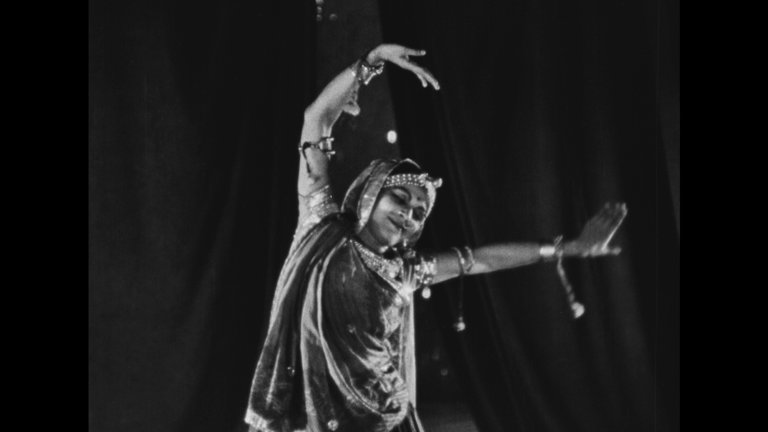
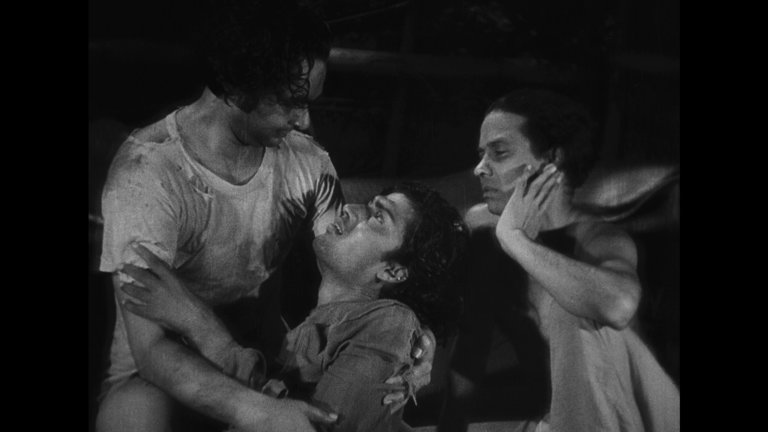
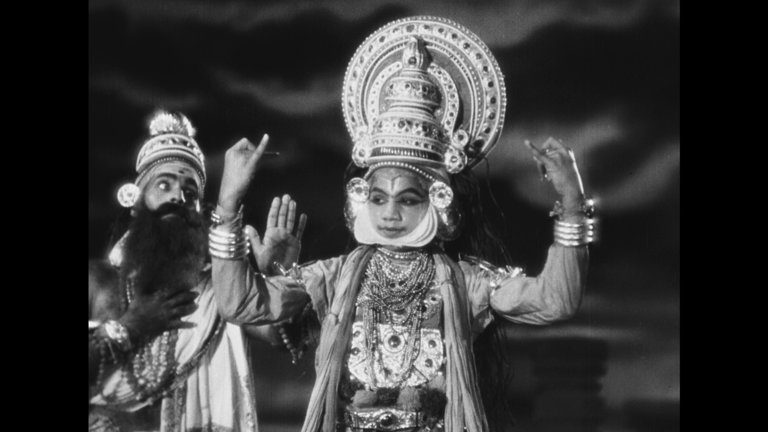
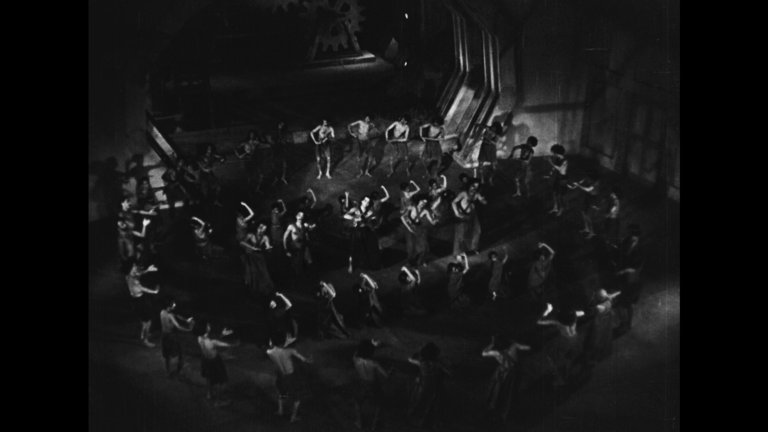
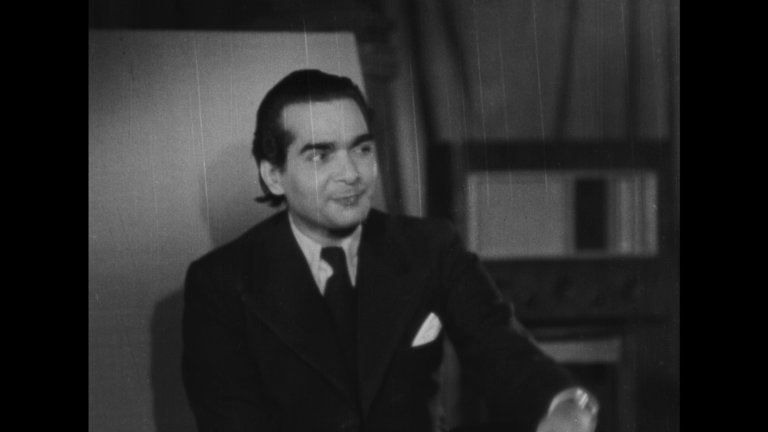
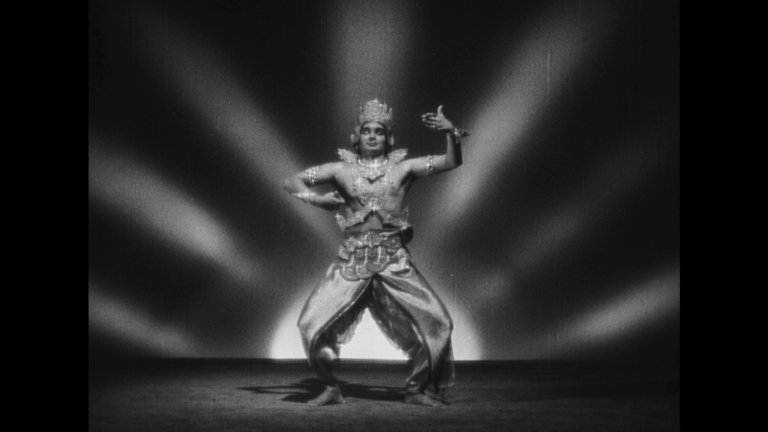
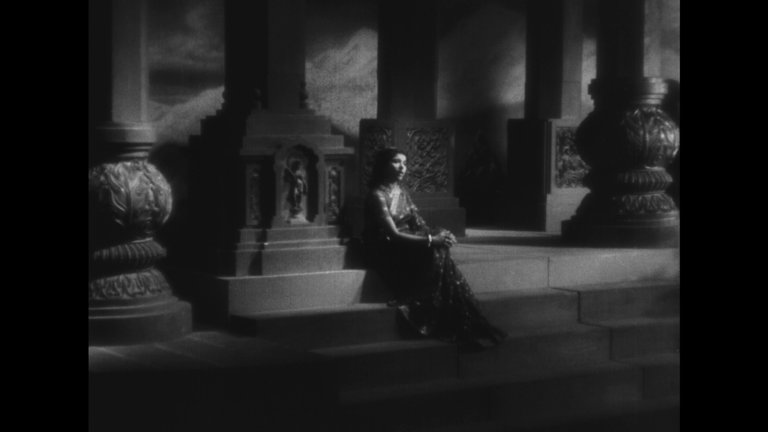
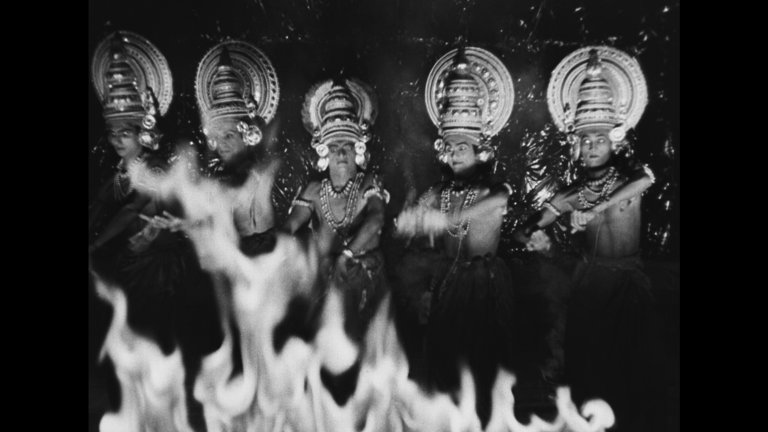
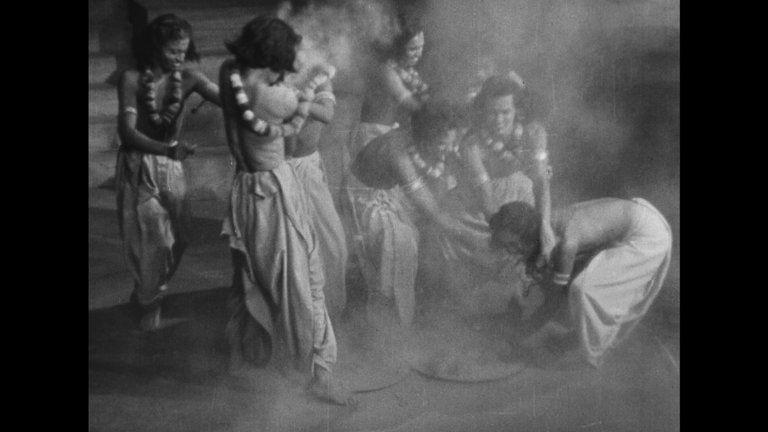
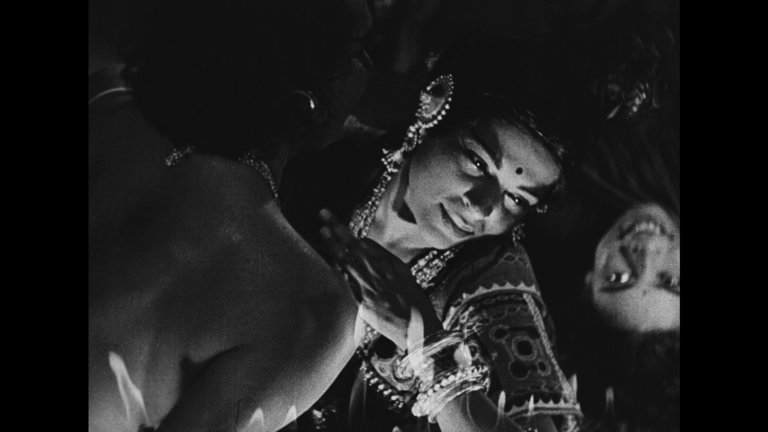
Two Girls on the Street / Kalpana - Screen Captures
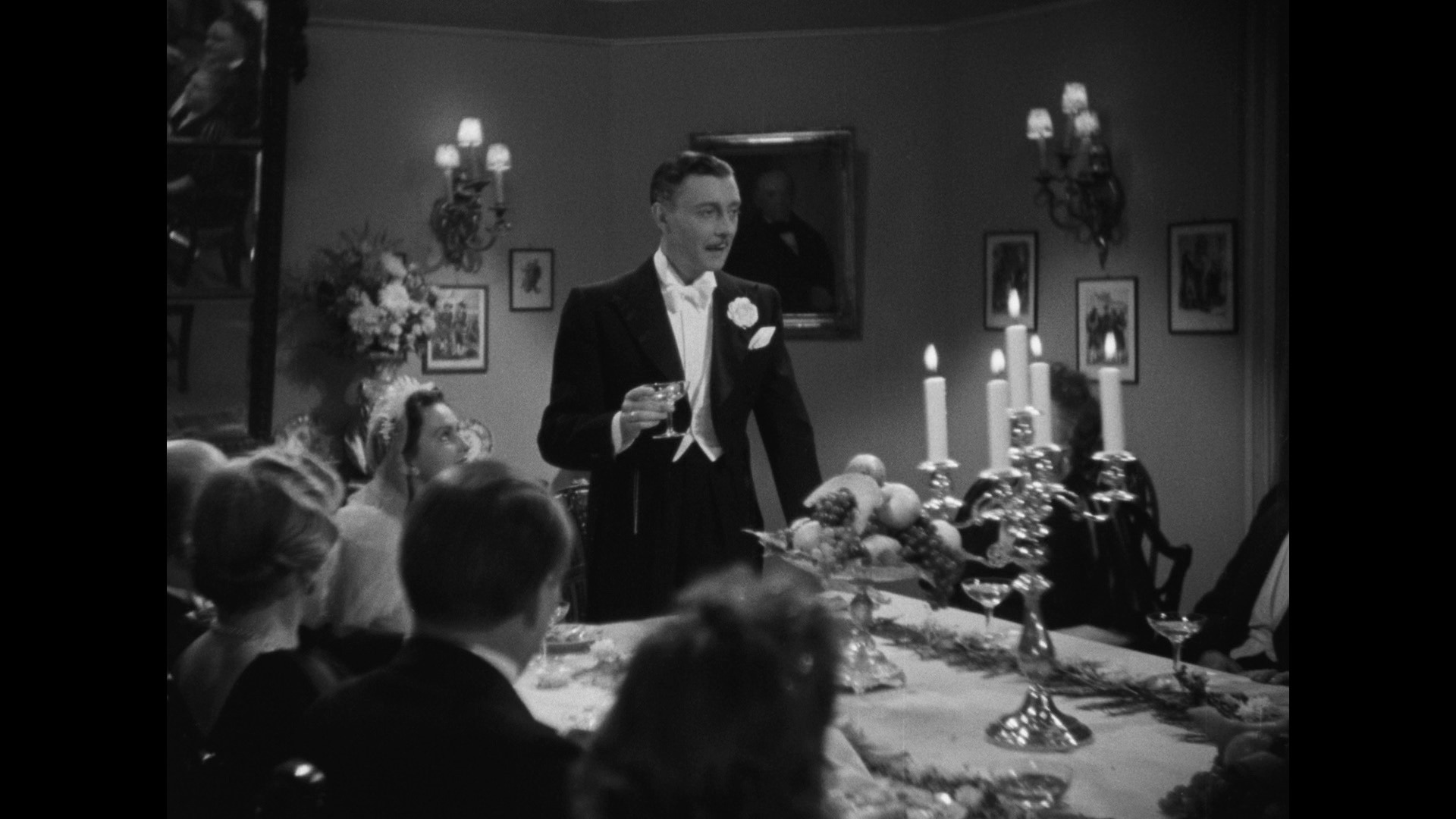

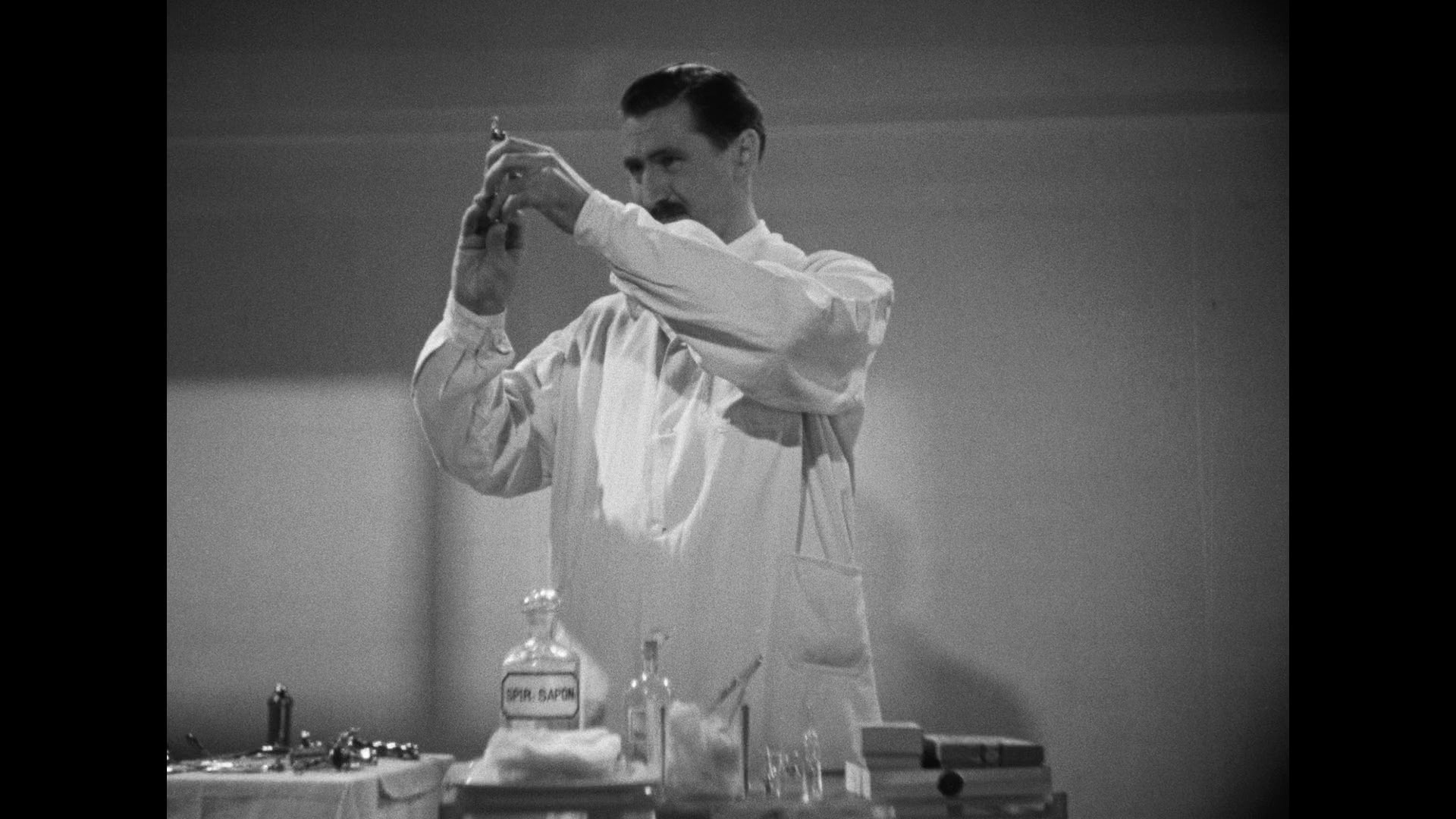
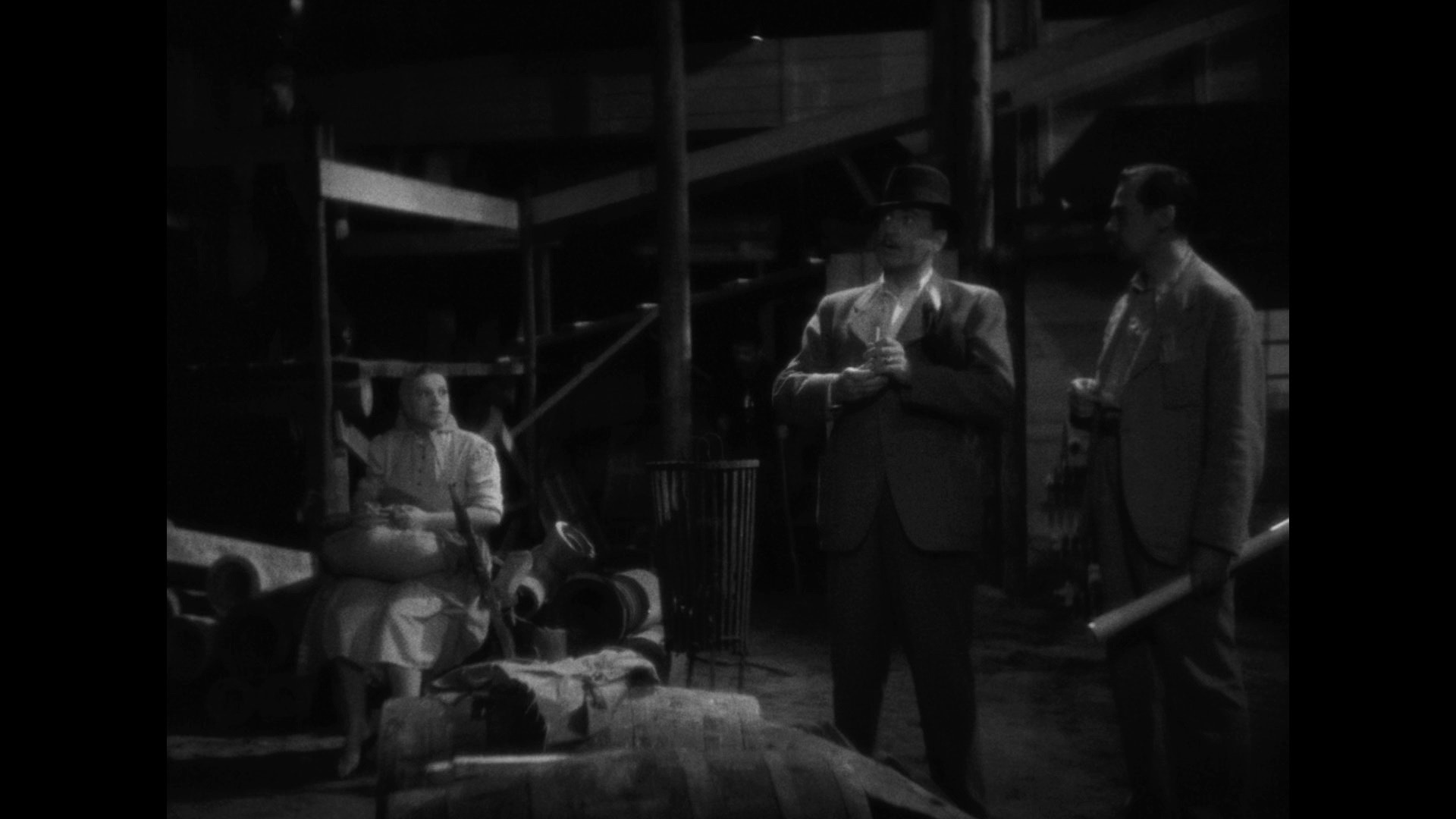
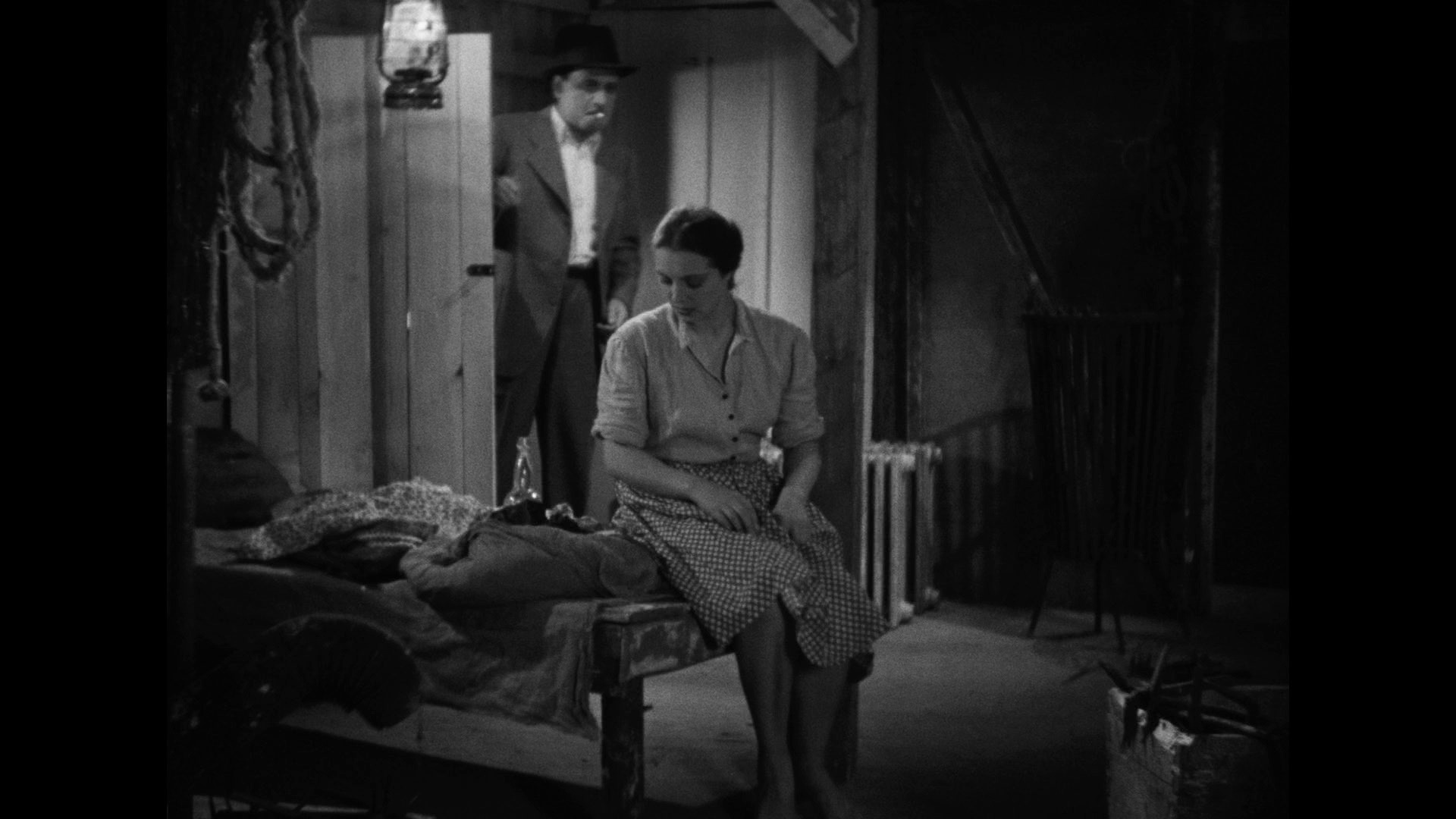
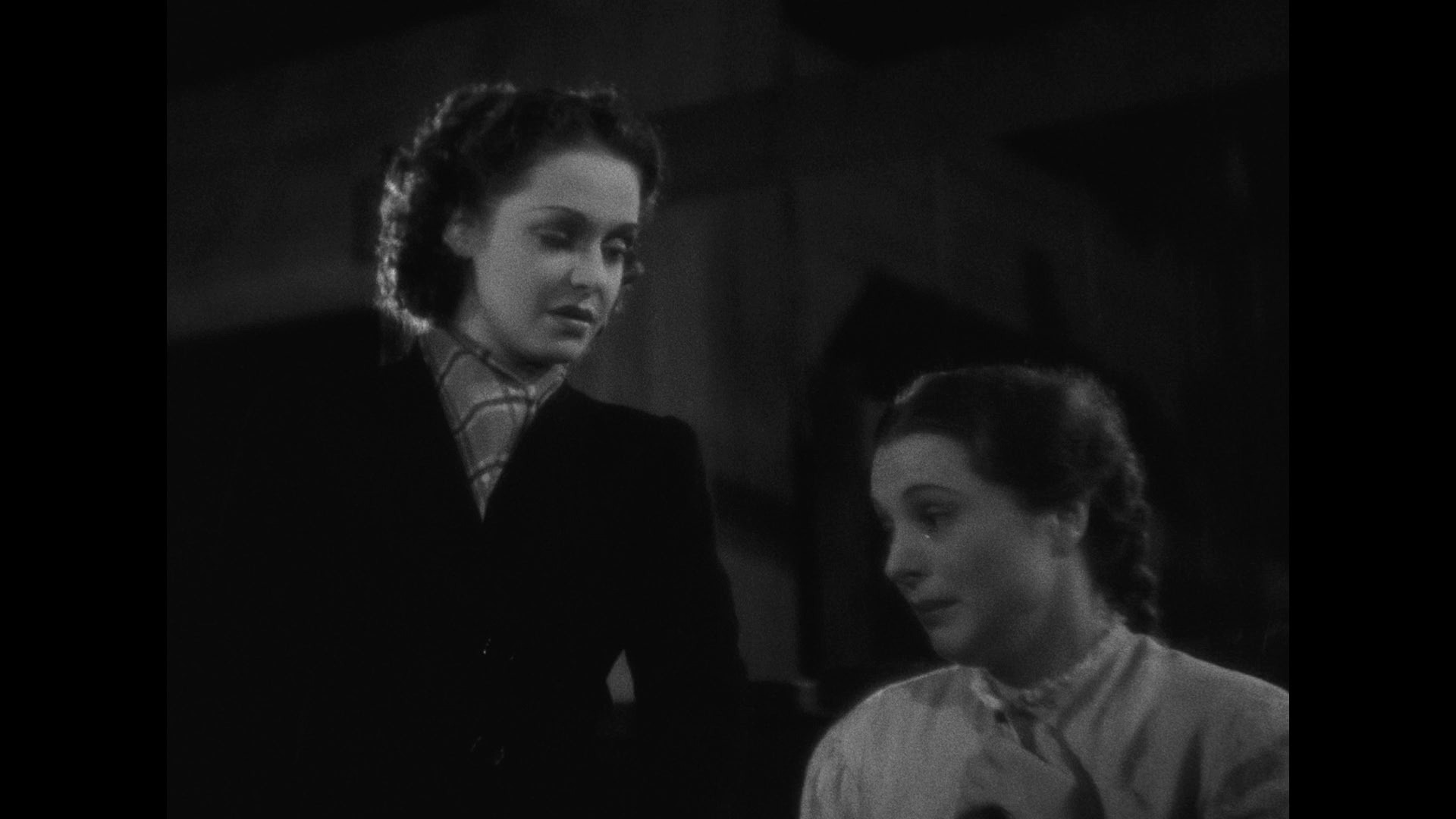
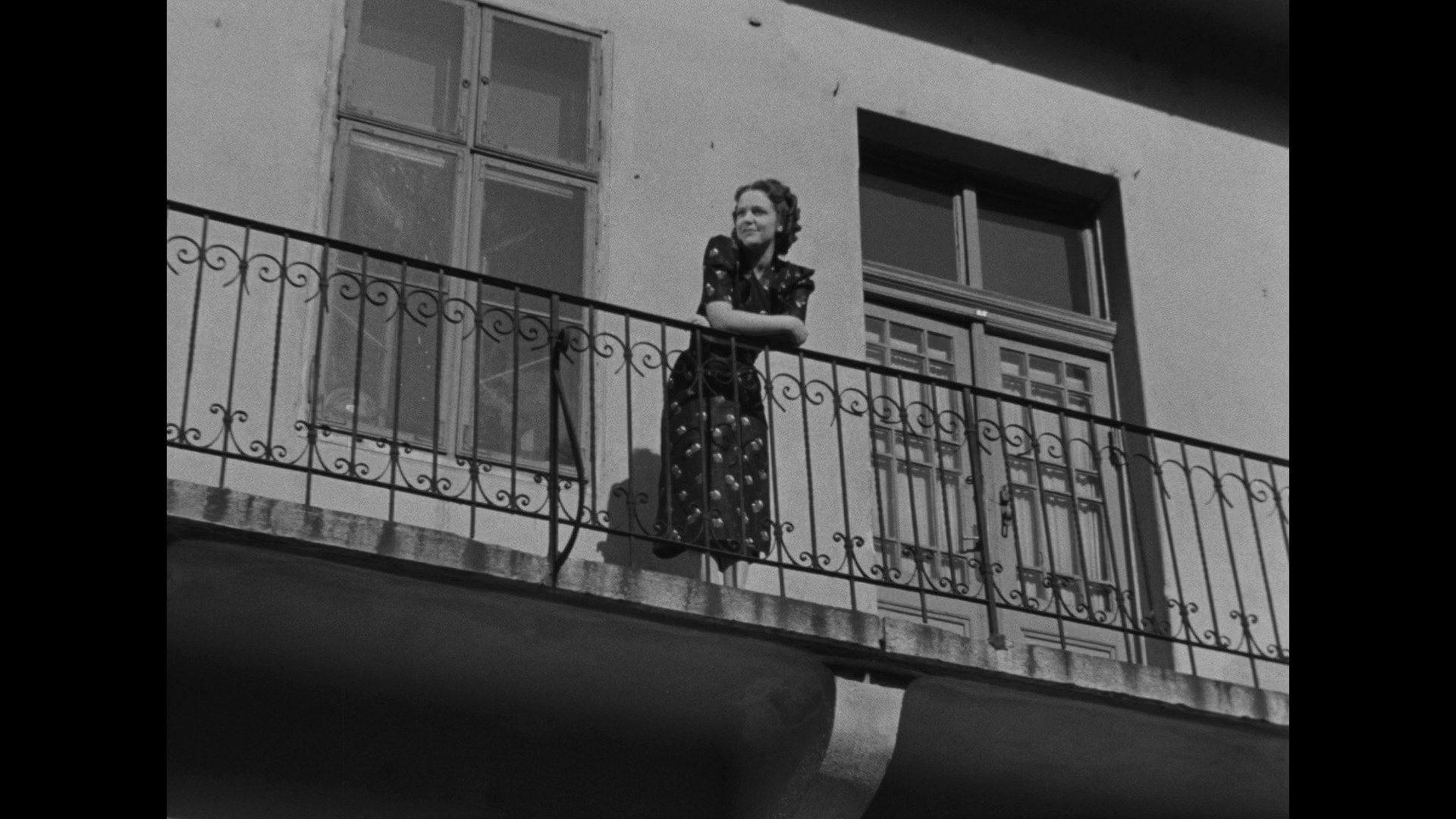
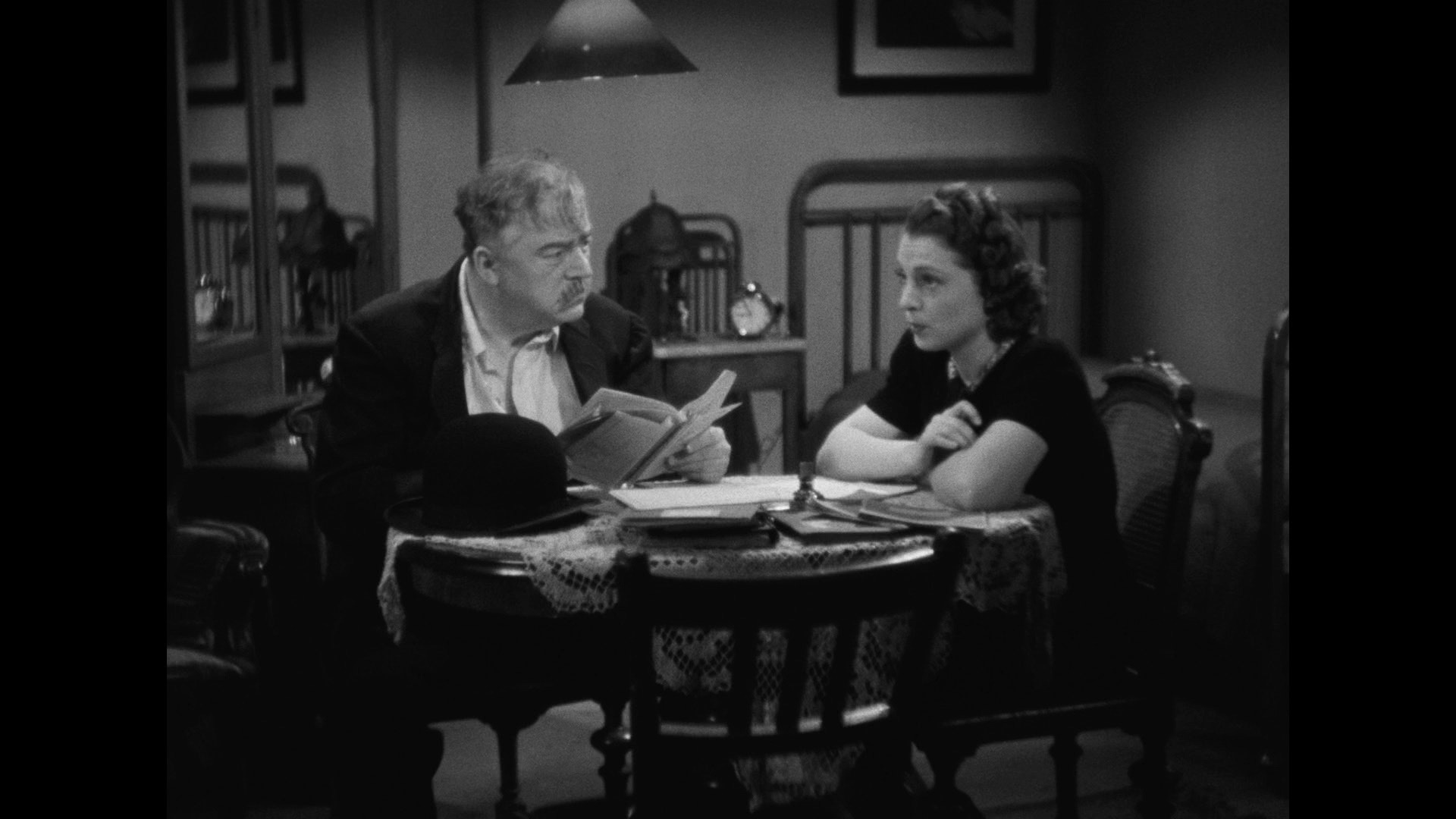
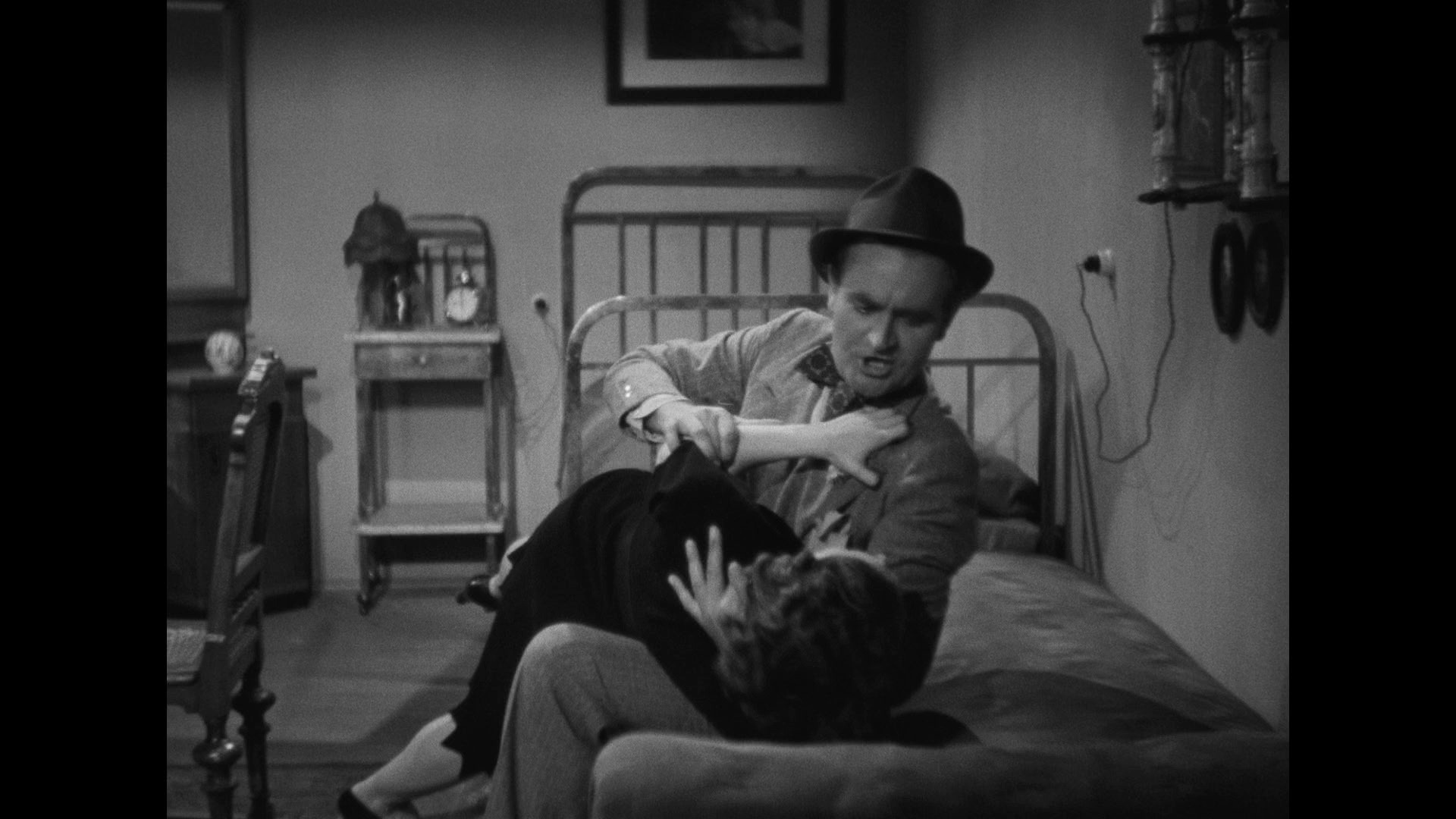
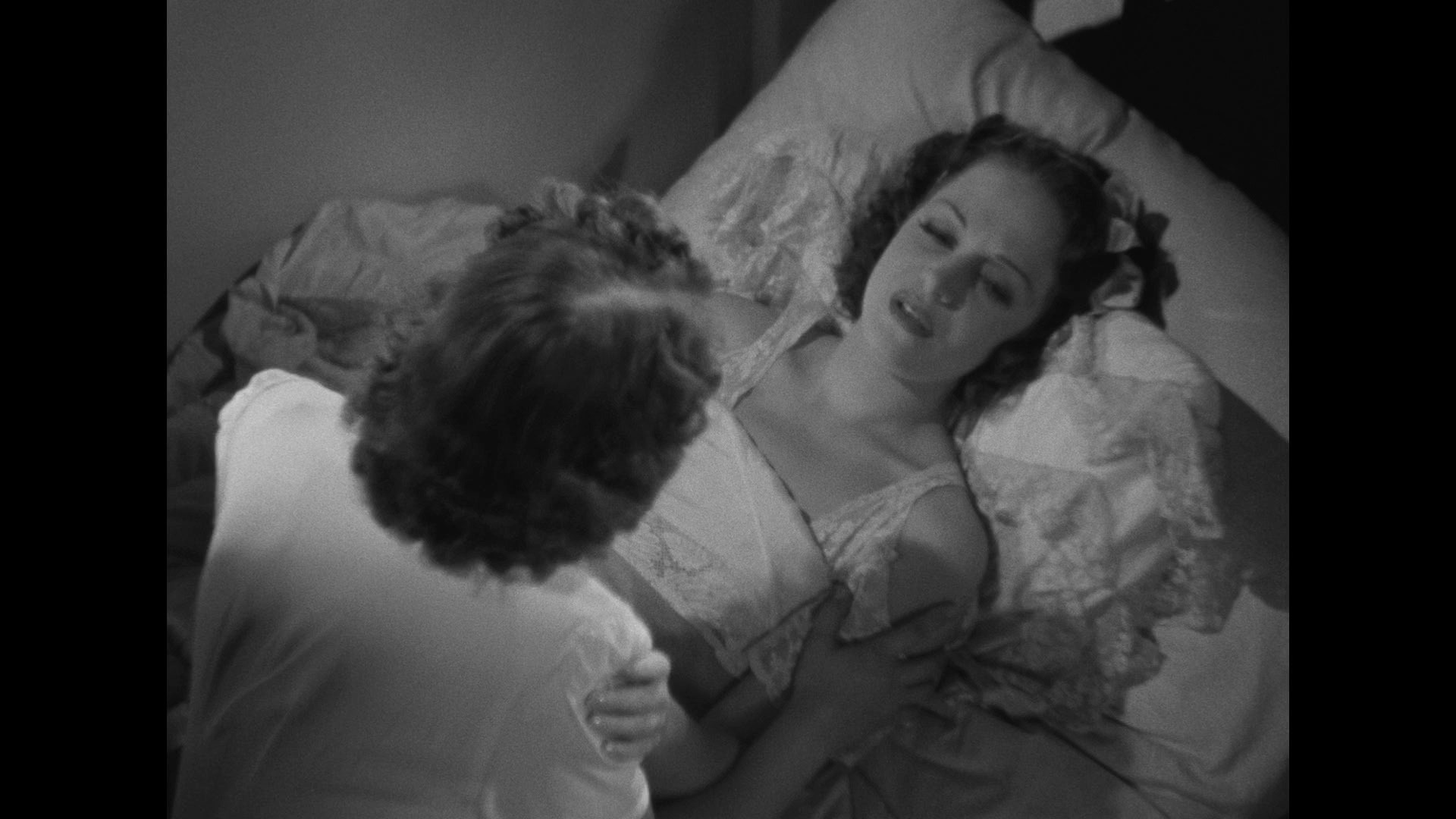
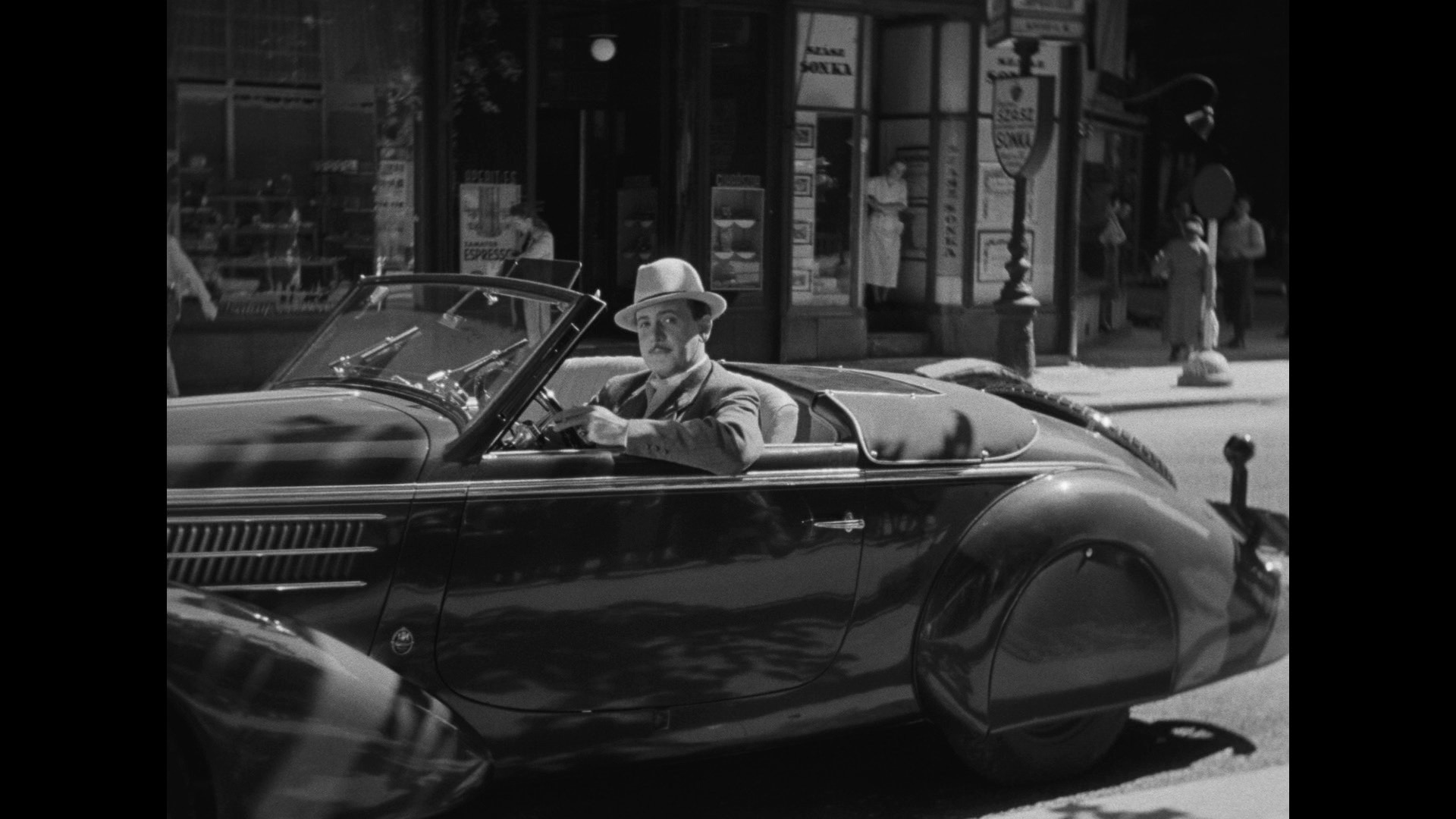
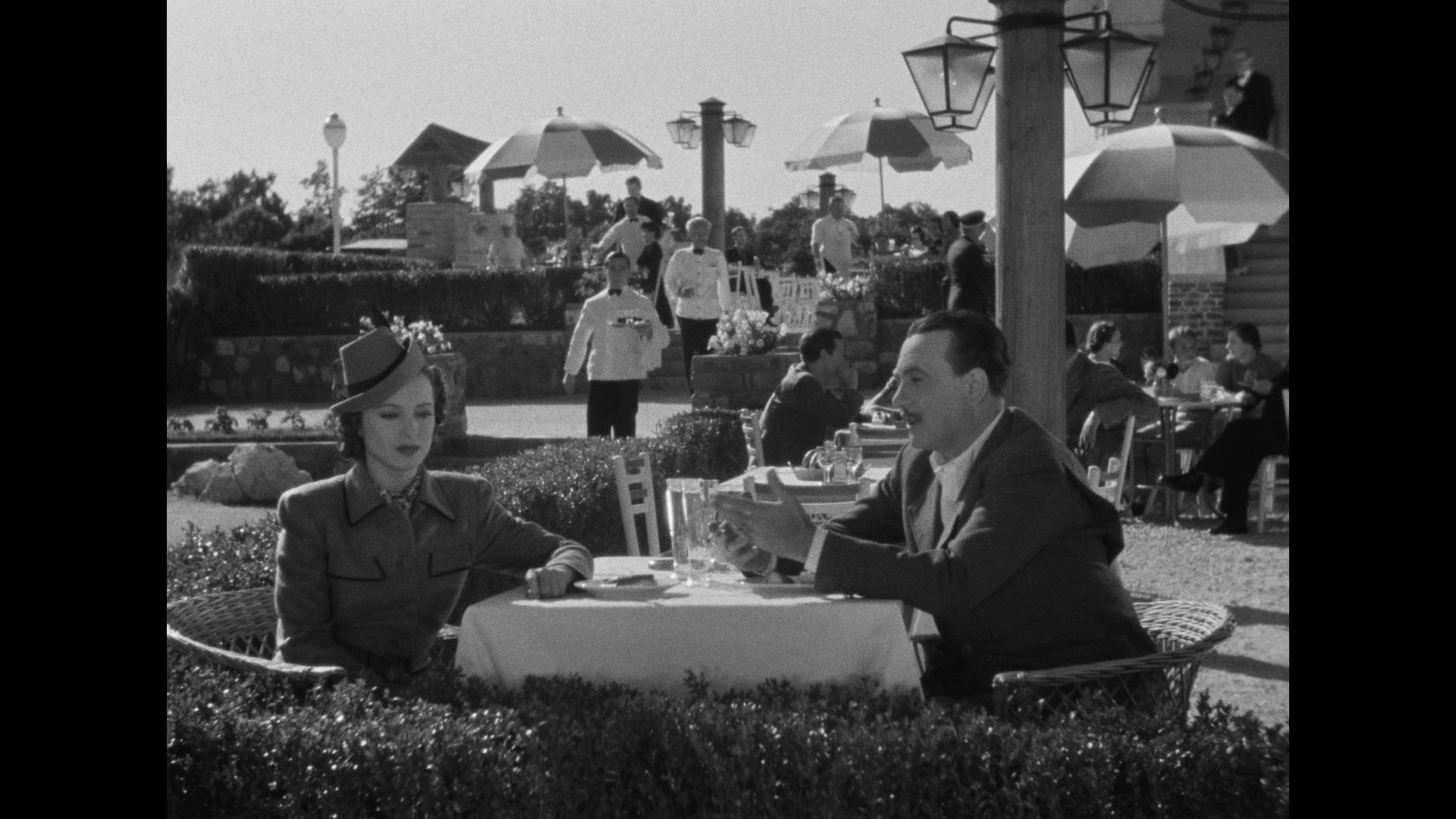
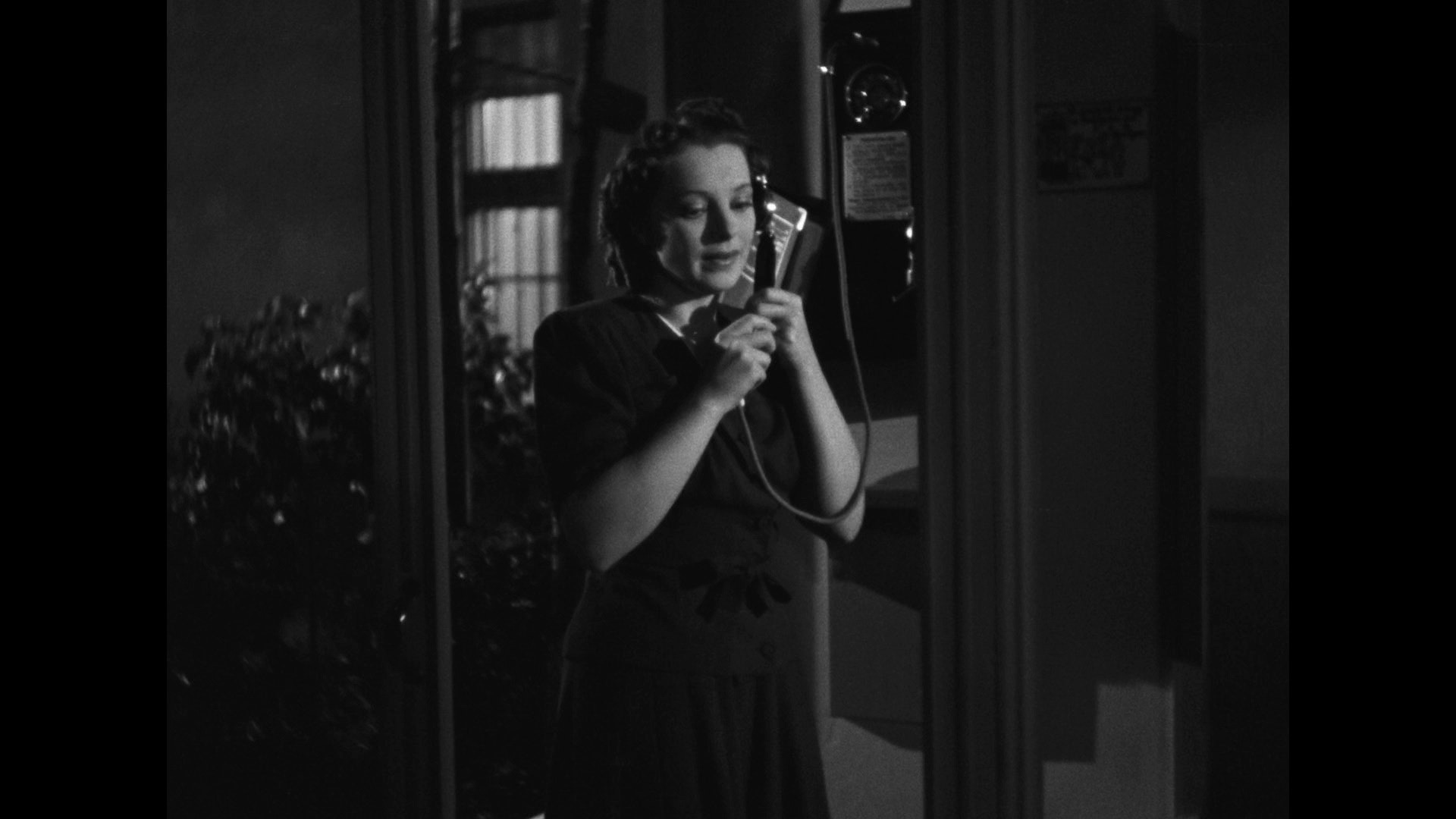
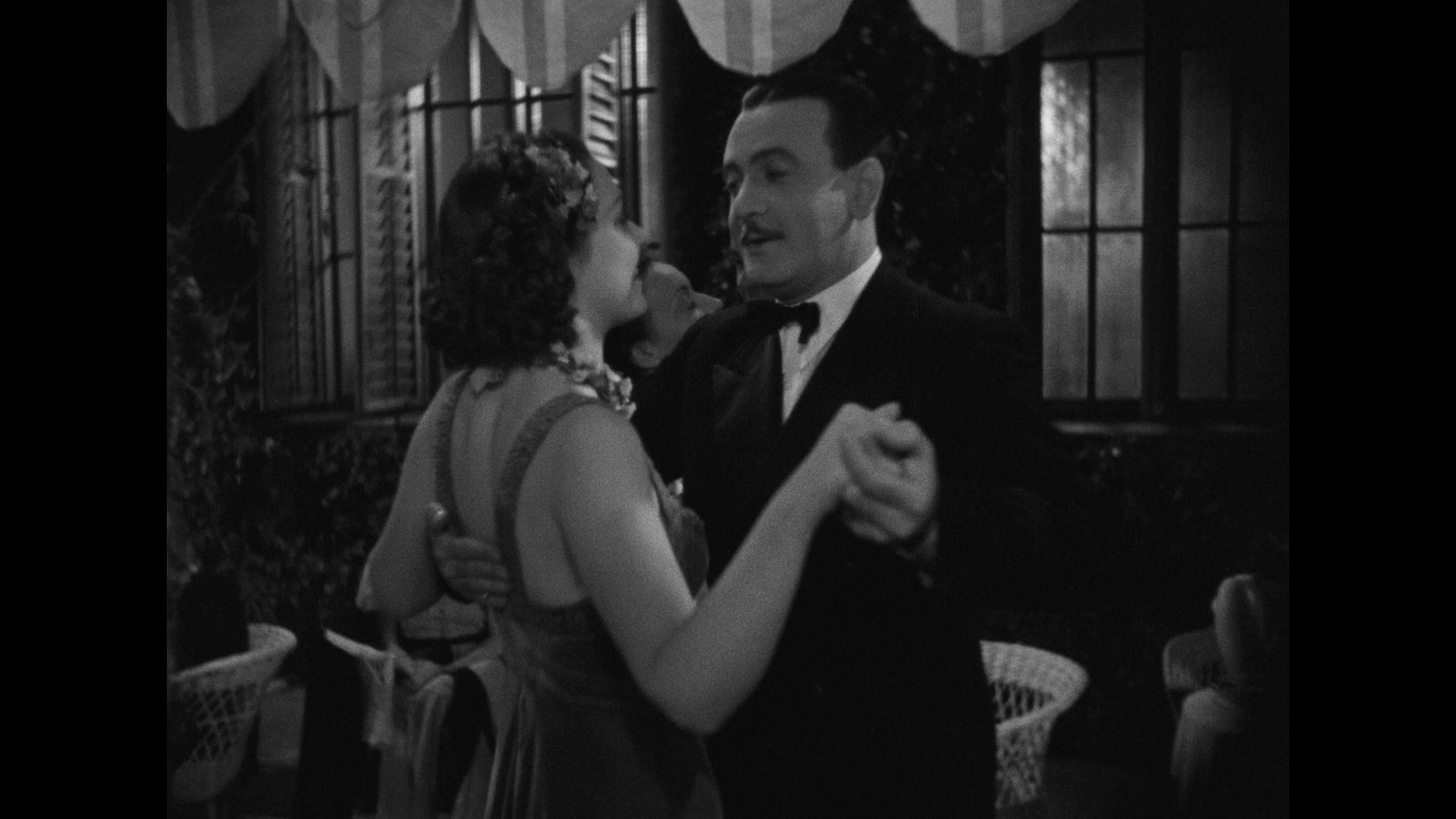
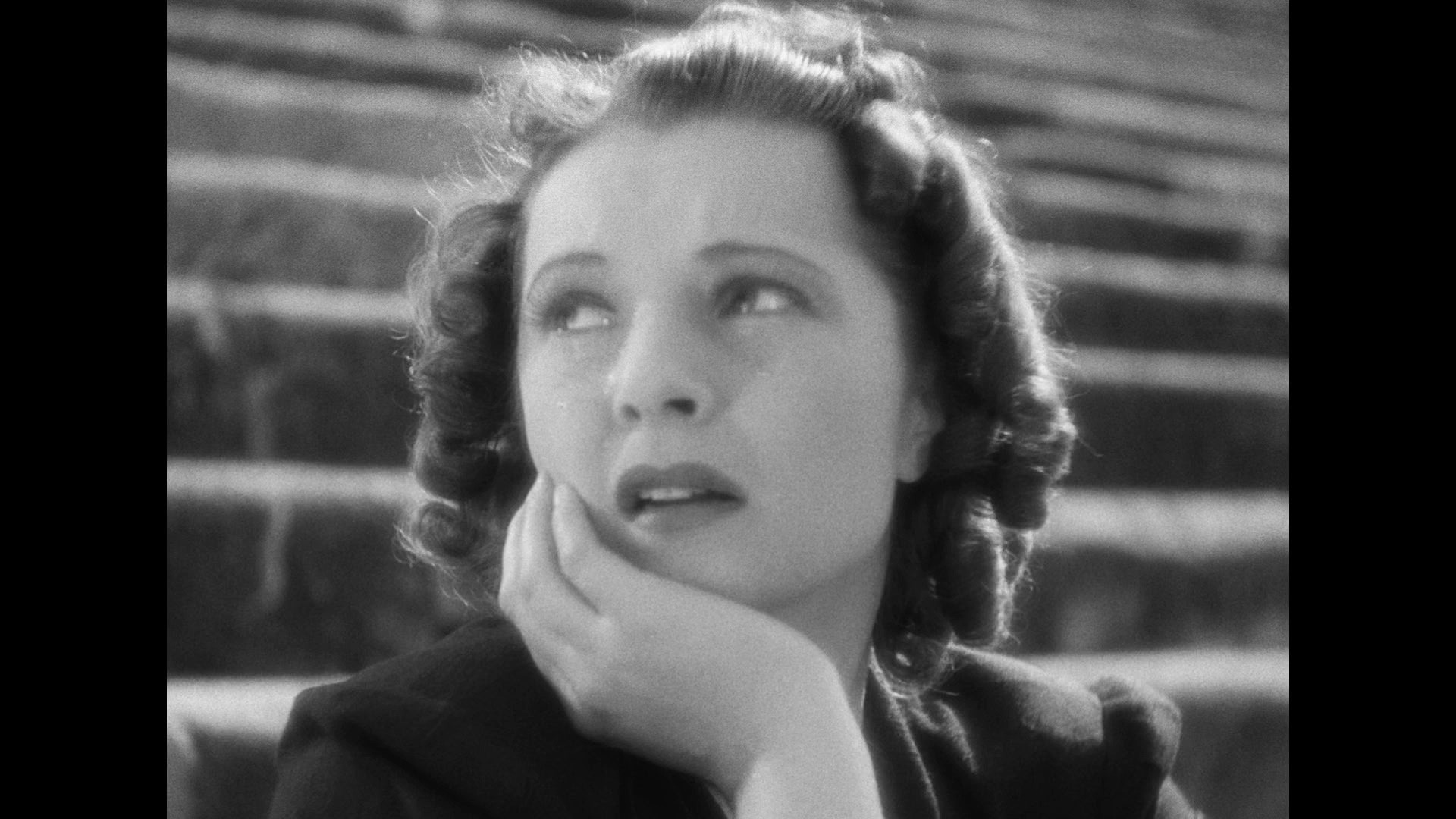
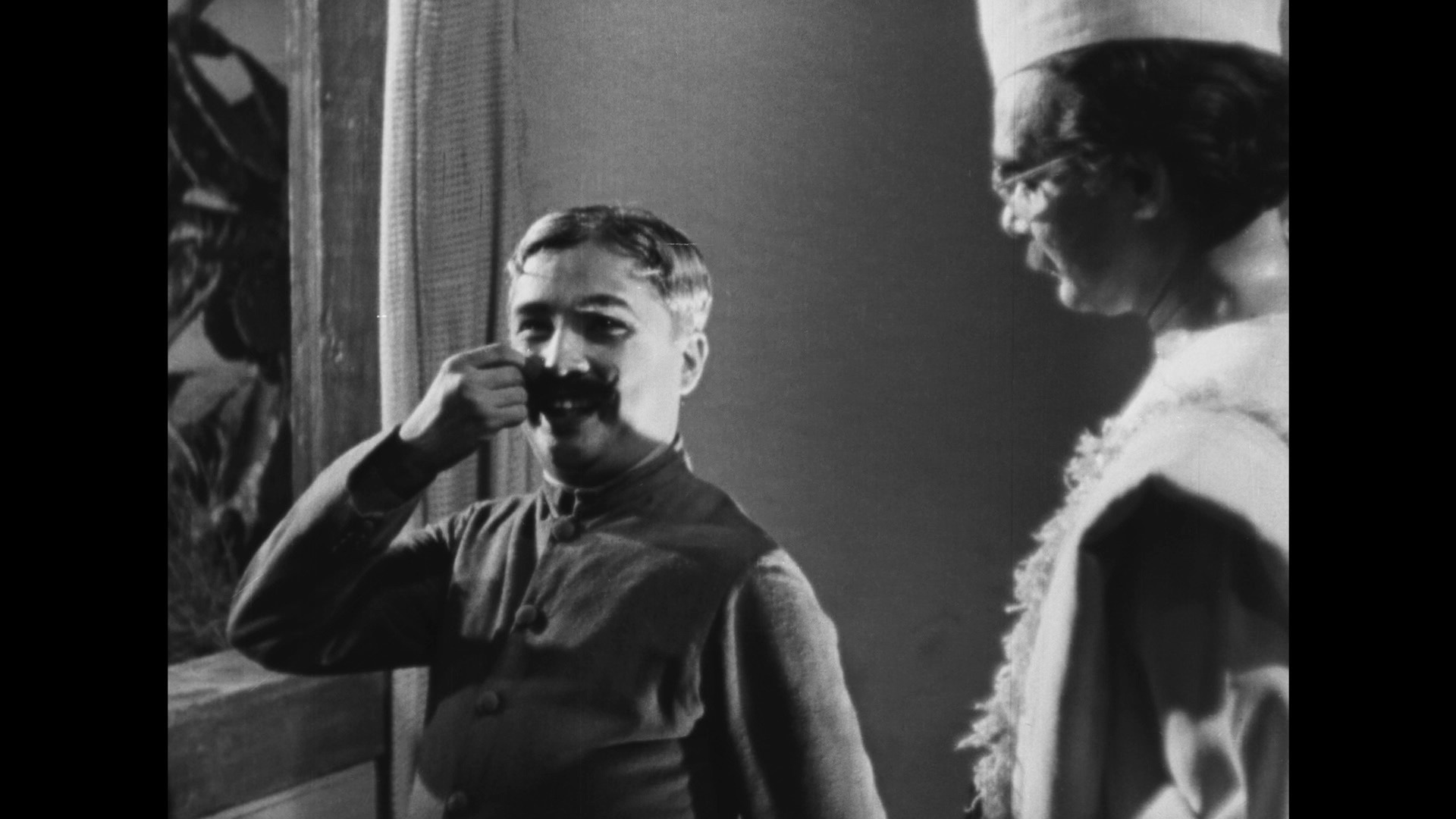
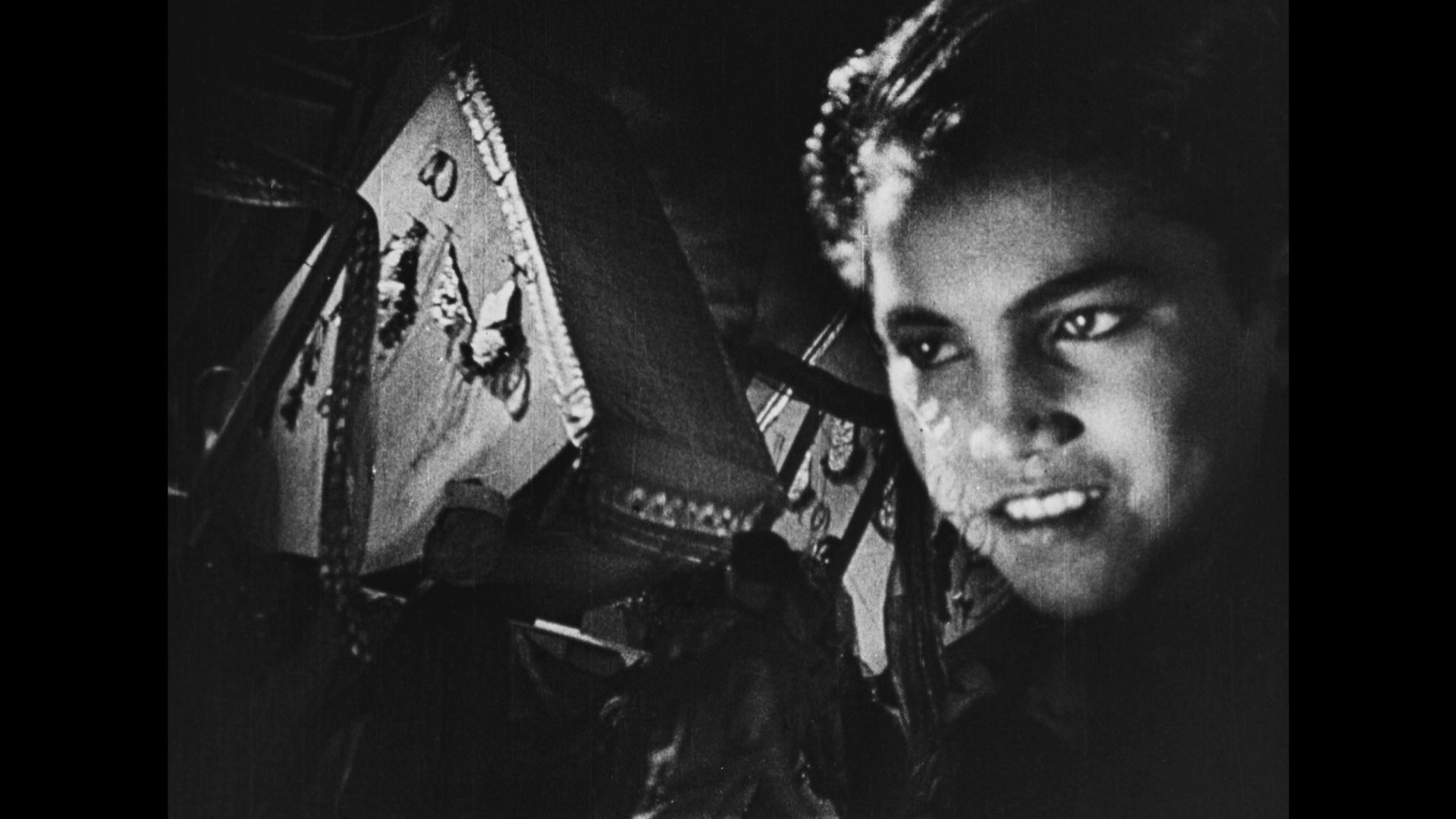
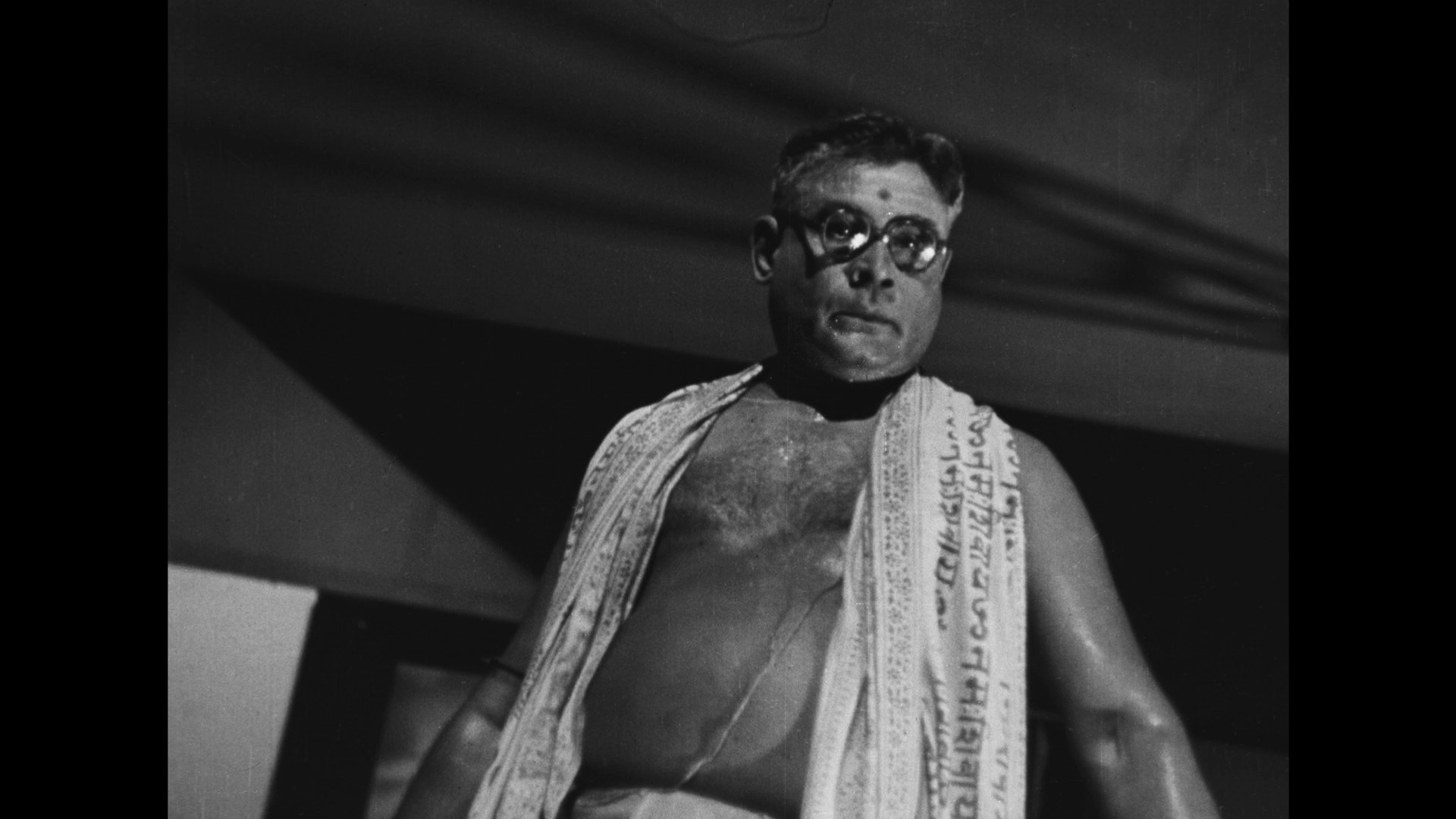
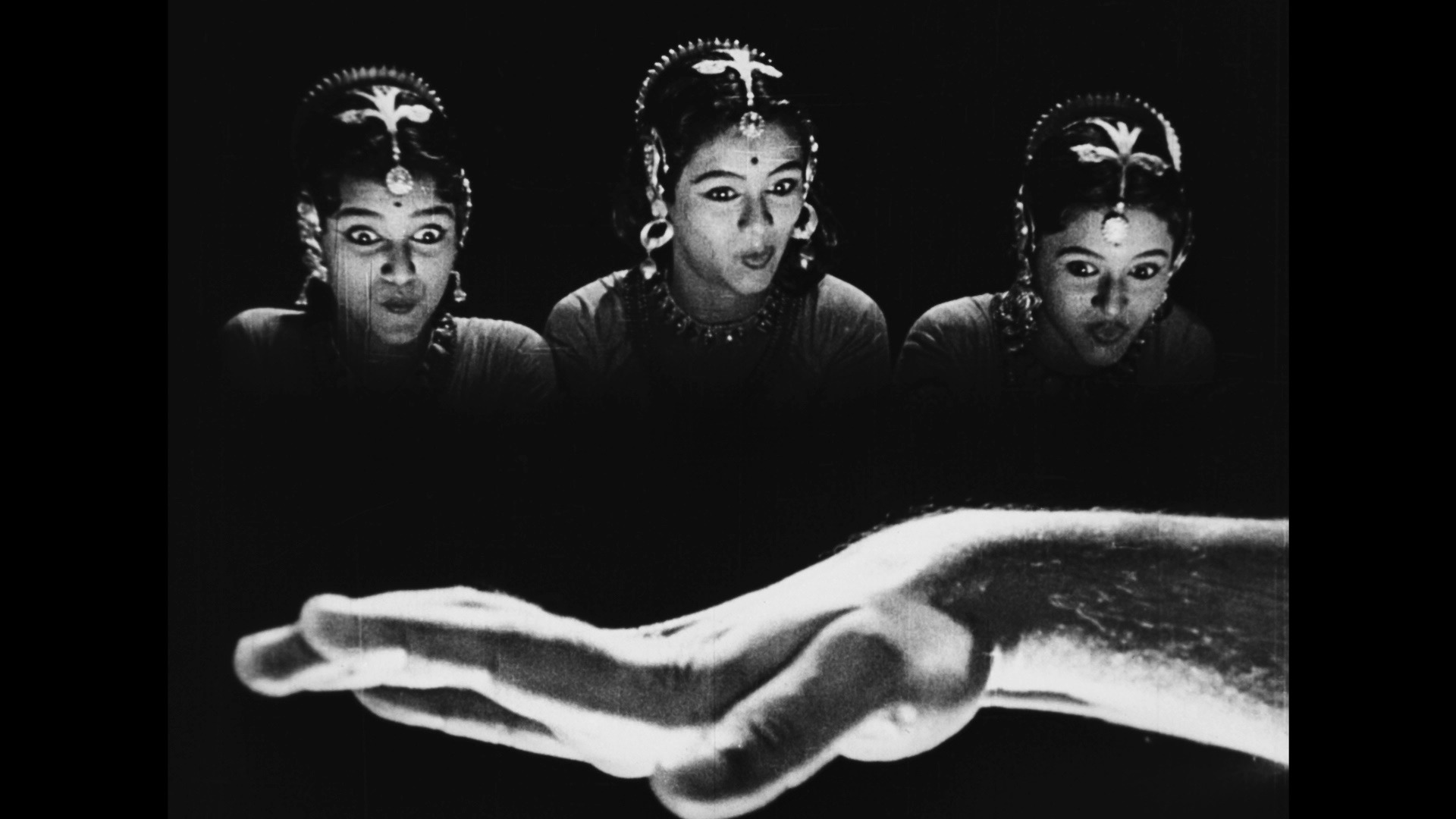
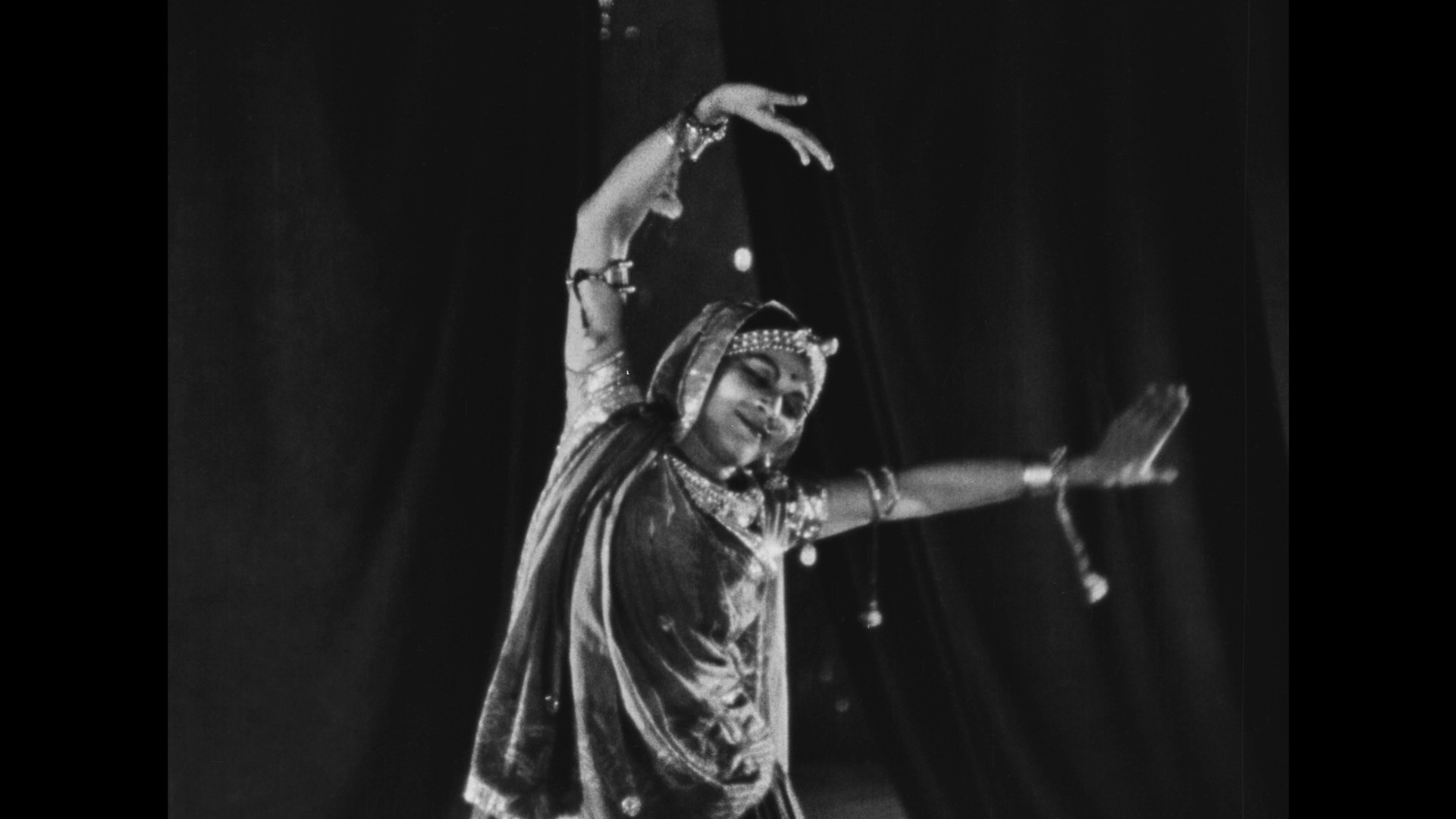
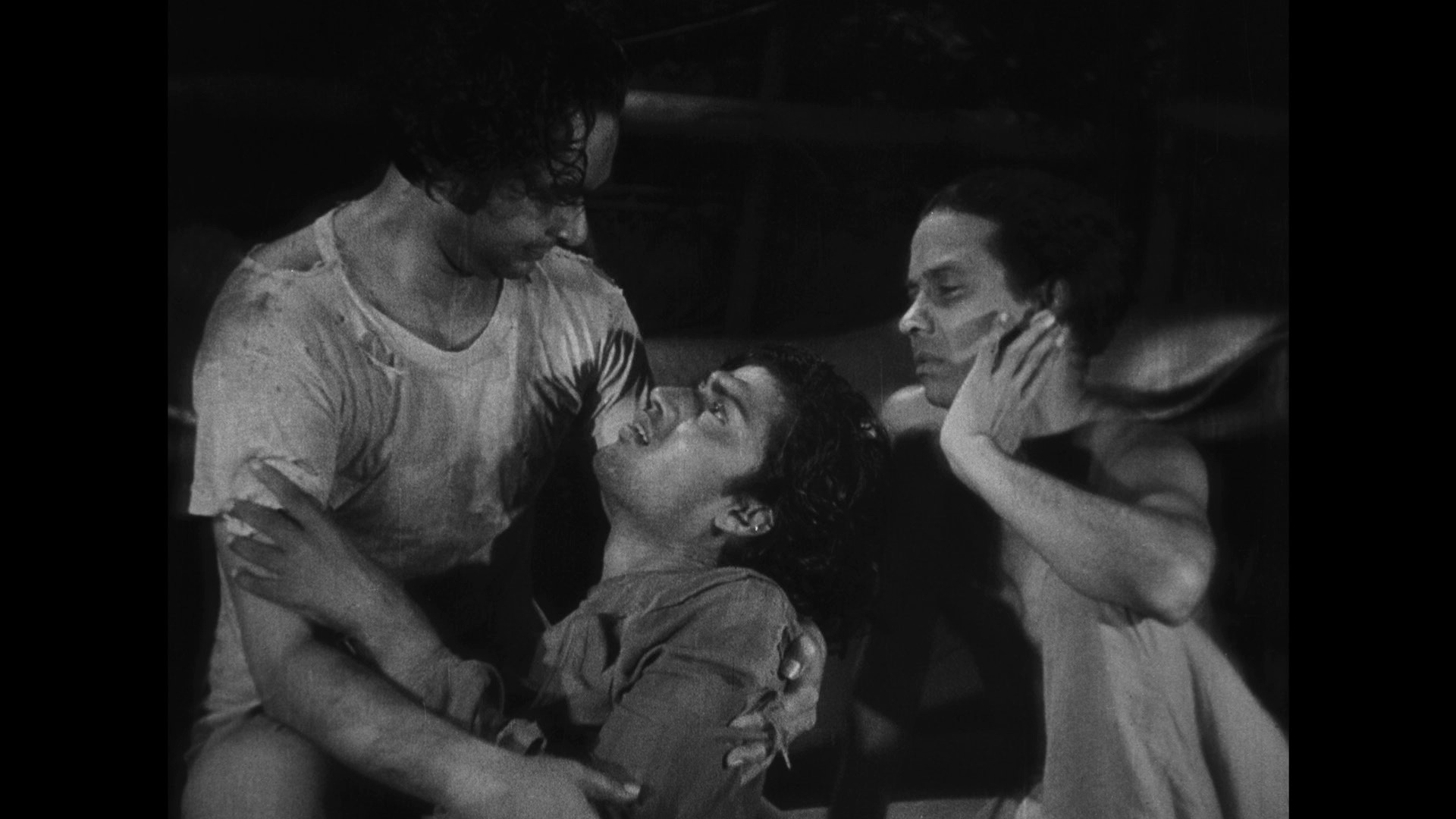
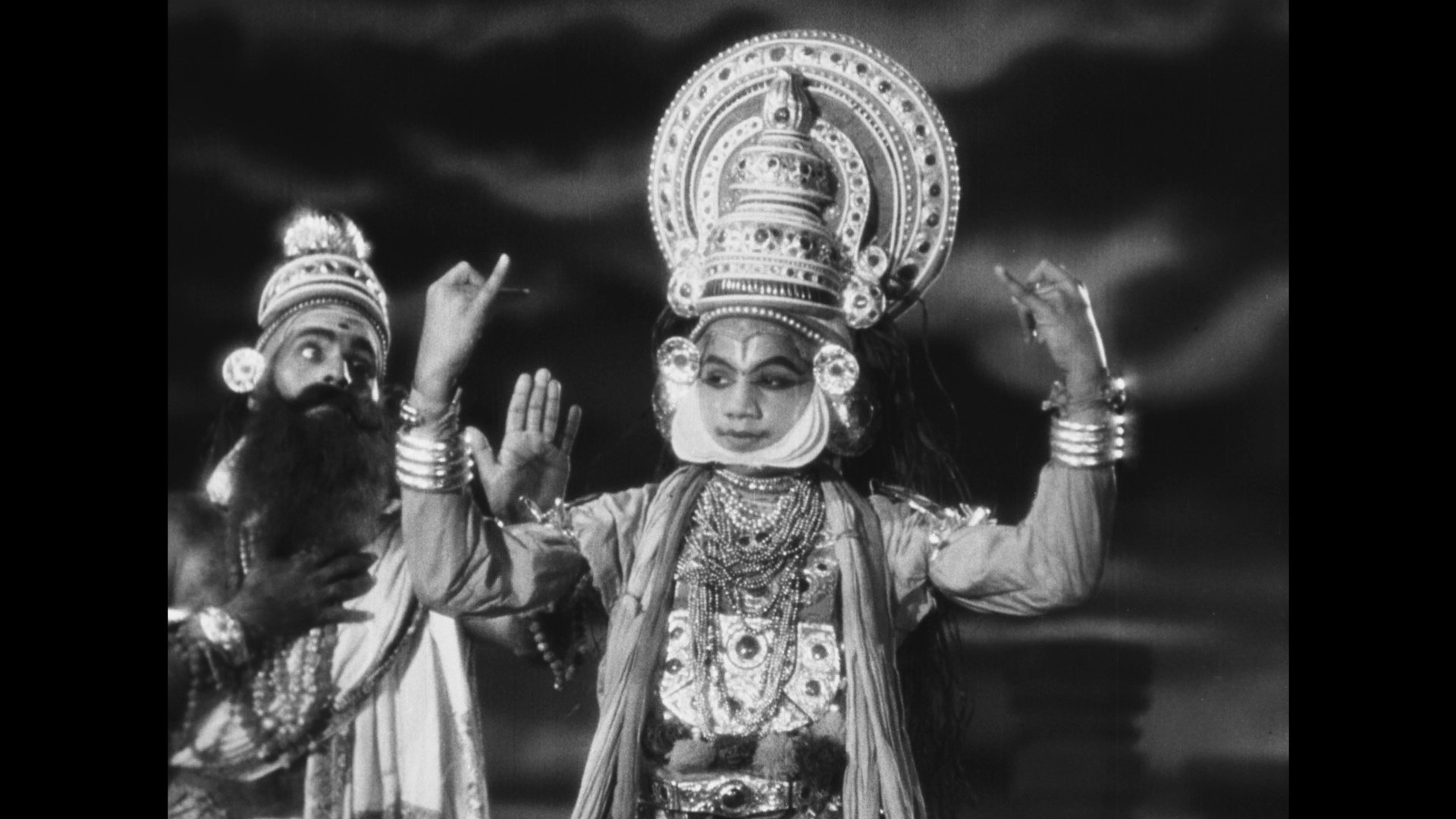
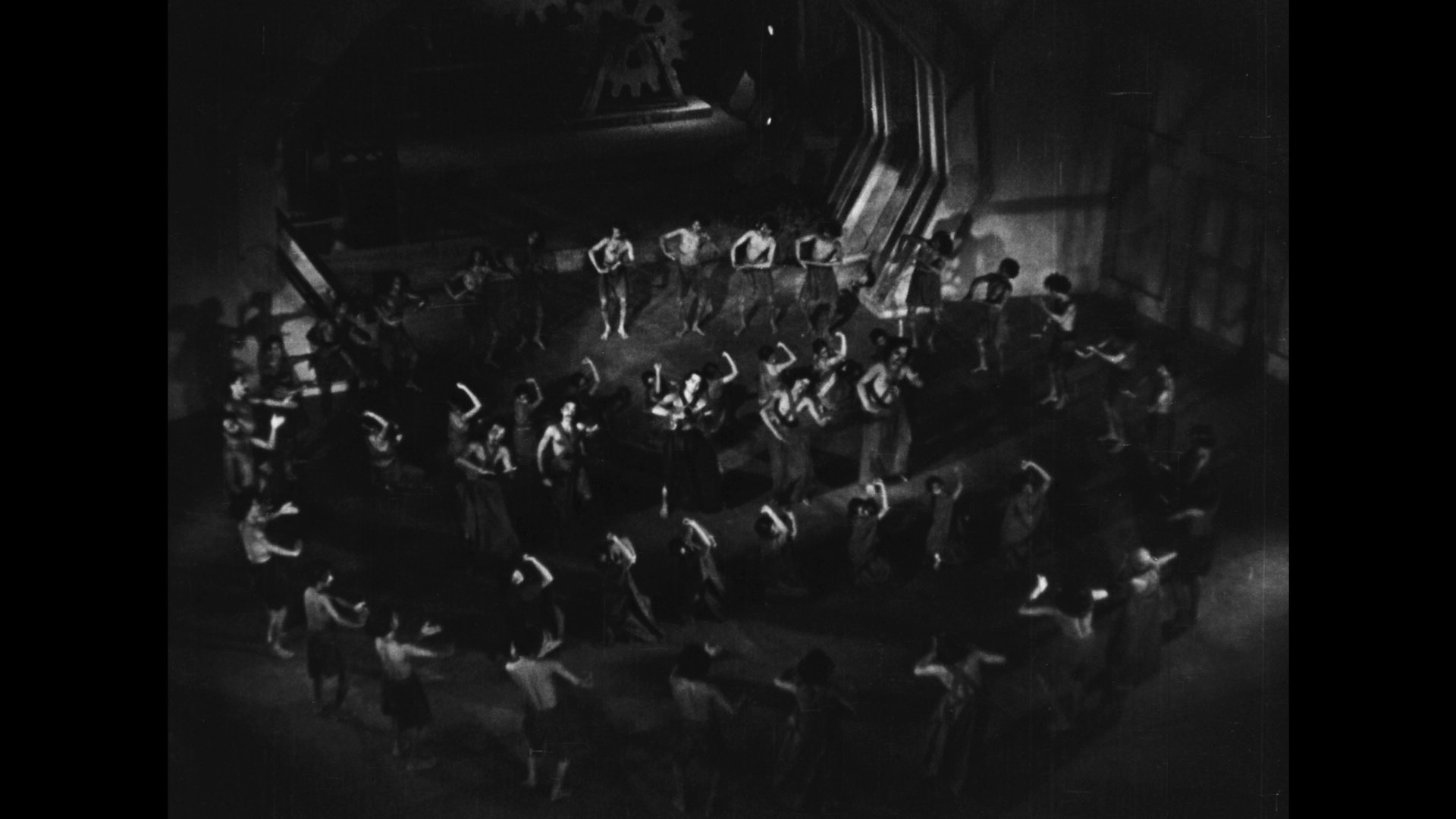
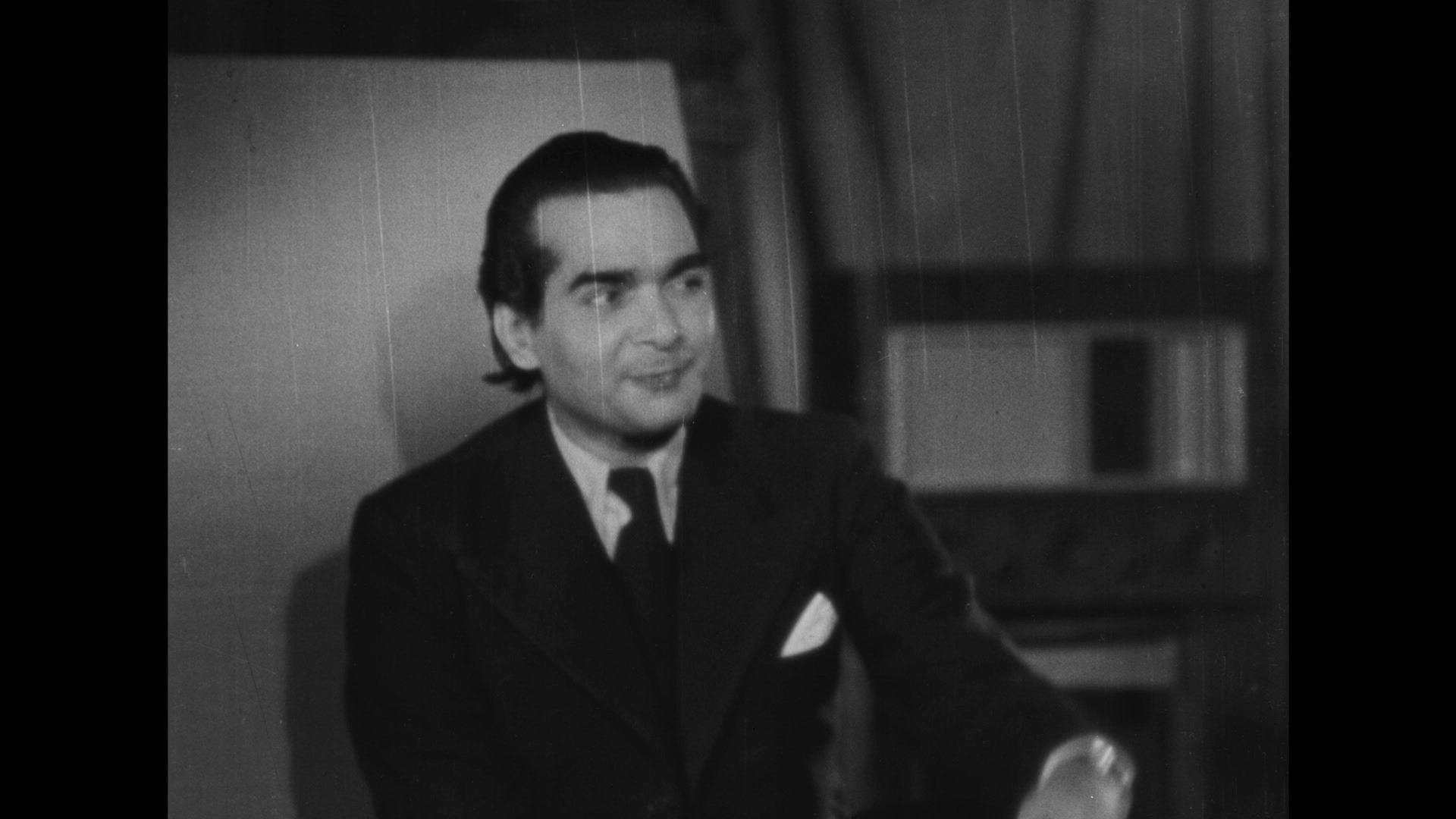
Audio 6/10
Each film comes with a monaural soundtrack presented in lossless single-channel PCM on the Blu-ray disc and in Dolby Digital on the respective DVDs. Kalpana again shows its age in this department, audio coming off a bit scratchy and flat with several musical numbers sounding edgy and harsh. Still, I would have expected a lot of drops and things to be inaudible, which I can’t say was ever really the case.
Two Girls also fairs better in this department with a sharper soundtrack that offers some clearer range between the highs and lows. There can be some background noise but again there is no heavy damage or any sign of drops or pops that I can recall.
Two Girls on the Street: 6/10 Kalpana: 5/10
Extras 4/10
Again, supplements are kept to a minimum, which is still a little disappointing since Kalpana is the type of film Criterion would delve deeper into, or at least I feel they would. Again, like every other title in the series, Criterion includes two new introductions (running about 3-minutes each) featuring filmmaker Martin Scorsese talking about each film, their restorations, and respective directors, Scorsese even getting a little into André de Toth’s later Hollywood work. Criterion also includes 11-minutes’ worth of excerpts from a 1994 interview conducted with de Toth at the National Film Theatre in London. Sourced from video (with Criterion cutting in stills to accompany topics the filmmaker is discussing) de Toth—in a very blunt and very funny manner with lots of curse words—shares his thoughts on filmmaking and doing what you love. He talks briefly about the use of 3D in House of Wax and then shares his thoughts on Imax and Cinerama, specifically why he doesn’t like the formats, as “pretty” as they are. He also talks about the driving skills of John Ford and Michael Curtiz if one was interested in finding out (it should be noted that de Toth loved race cars). It’s a fun inclusion though it’s a shame there isn’t more, and it doesn’t make up for the lack of an academic feature for Two Girls on the Street.
The “big” supplement for Kalpana ends up being a little meatier in comparison: a 24-minute documentary around the film simply called On “Kalpana” and featuring new interviews with filmmaker Kumar Shahani and film historian Suresh Chabria, along with excerpts from an archival 2015 interview with the director’s widow, Amala Shankar. Between the three the feature provides plenty of background to Uday Shankar’s life, from his childhood to his setting up of his dance academy, before getting into his long journey in making Kalpana, his one and only film effort. Shahani and Chabria then split the effort in dissecting the film's complicated (especially for the time) visuals, its biographical elements, and its elaborate dance numbers. There is even discussion on how the film impacted Indian cinema after its release (in his introduction, Scorsese mentions Satyajit Ray saw the film numerous times). It ends up being a decent little examination of the film even if it still only feels like a primer.
And sadly, that’s all there is, not even mention about the restoration work (which, like the introductions that get included, I really wish was a “default” feature for each film that appears in these sets). Maybe if either of the films gets an individual edition in the future as others have (Touki bouki and Trances) Criterion will see fit to explore them more, but as it is the features feel like teasers.
Closing
Supplements feel especially disappointing with this grouping of films but the restorations and end presentations for are still remarkable.
BUY AT: