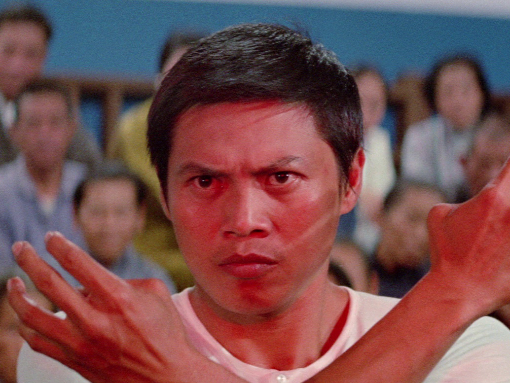
BUY AT:



See more details, packaging, or compare
Synopsis
After an undisputed reign at the peak of Hong Kong’s film industry in the 1960s, Shaw Brothers (the studio founded by real-life brothers Run Run and Runme Shaw) found their dominance challenged by up-and-coming rivals in the early 1970s. They swiftly responded by producing hundreds of the most iconic action films ever made, revolutionising the genre through the backbreaking work of top-shelf talent on both sides of the camera as well as unbeatable widescreen production value, much of it shot at ‘Movietown’, their huge, privately-owned studio on the outskirts of Hong Kong.
This inaugural collection by Arrow Video presents twelve jewels from the Shaw crown, all released within the 1970s, kicking off in 1972 with Korean director Jeong Chang-hwa’s King Boxer, the film that established kung fu cinema as an international box office powerhouse when it hit Stateside cinemas under the title Five Fingers of Death. From there we see Chang Cheh (arguably Shaw’s most prolific director) helm the blood-soaked brutality of The Boxer from Shantung and two self-produced films in his ‘Shaolin Cycle’ series, Five Shaolin Masters and its prequel Shaolin Temple, before taking a detour into Ho Meng Hua’s King Kong-inspired Mighty Peking Man, one of the most unmissably insane giant monster films ever made. Chang’s action choreographer Lau Kar-leung then becomes a director in his own right, propelling his adoptive brother Gordon Liu to stardom in Challenge of the Masters and Executioners from Shaolin. Not to be outdone, Chang introduces some of Shaw’s most famous faces to the screen, including Alexander Fu Sheng fighting on the streets of San Francisco in Chinatown Kid and, of course, the mighty Venom Mob in <
Picture 8/10
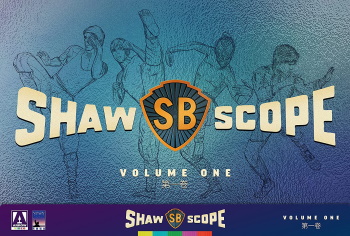
Arrow Video’s latest box set, the 8-disc Shaw Brothers Studio focused Shawscope: Volume One, starts things off with Chung Chang-wha’s King Boxer, presented here on the set's first dual-layer disc in its original aspect ratio of 2.35:1.
The presentations in the set, a mix of newer restorations and older transfers, vary in quality, but are mostly strong, King Boxer being one of the stronger ones due to it coming from a newer master. The 1080p/24hz high-definition presentation has been sourced from a new 2K restoration scanned from a 35mm interpositive 35mm original camera negative, with work performed by L’Immagine Ritrovata, Bologna, and Arrow Films.
[Note: I had misidentified the source elements for the initial scan as a 35mm interpositive when, in fact, the scan was sourced from the original negative.]
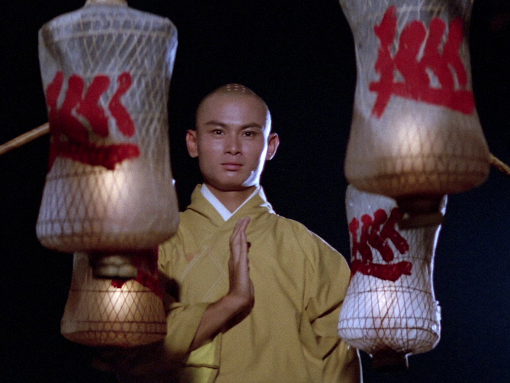
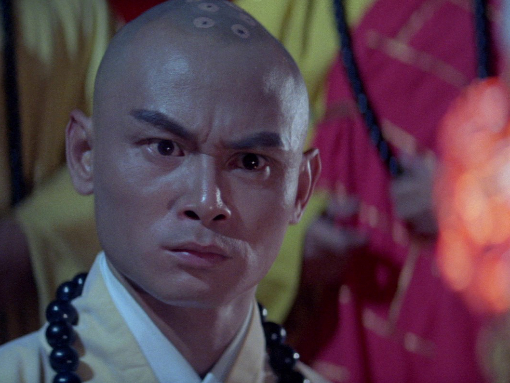
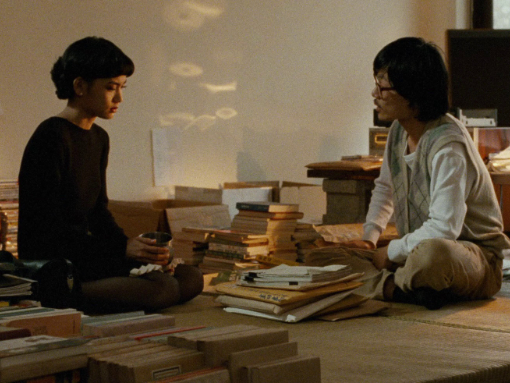
As expected, when one considers who worked on it, the finished digital presentation retains a wonderful film texture to it, grain kept intact with a lovely rendering, even during the moments where it can get very heavy. Detail does fluctuate a bit throughout, though that appears to come down to source materials primarily: there are a lot of out-of-focus shots with a few cuts that have a dupier quality, later generation sources possibly having to be references (though the notes make no mention of this). But when the image is sharp, it’s incredibly crisp and clean, the finer details popping through perfectly.
The restoration has cleaned the image up exceptionally, only a few minor marks showing up here and there, but it’s a case where you have to be looking for them. Colours lean warm but it looks about right for the time, and yellows are in no way what I would call heavy: whites still look white, blues look blue. Black levels also have a rich, inky quality, though shadow detail and range can be very limited, flattening out the image at times. I suspect this too comes down to elements, or the original photography.
Despite any shortcoming present in the elements this still comes out looking really good. It’s clean and smooth in motion and retains a wonderful film-like look. A great way to start the set off.
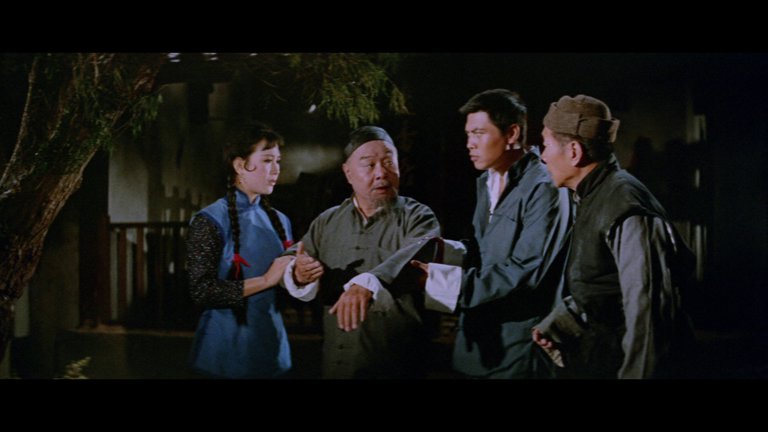
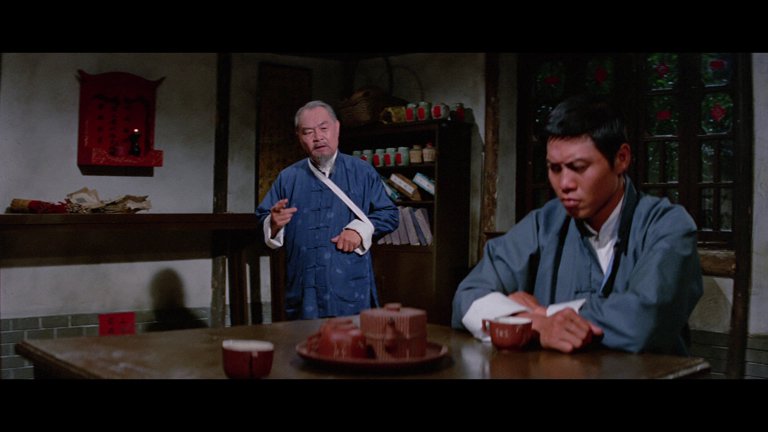
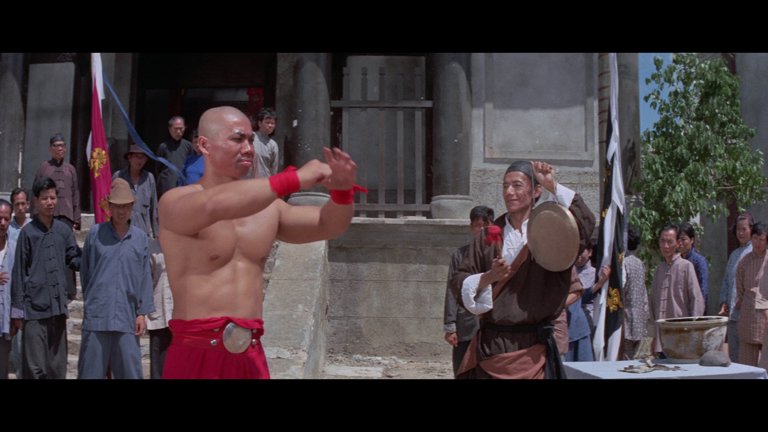
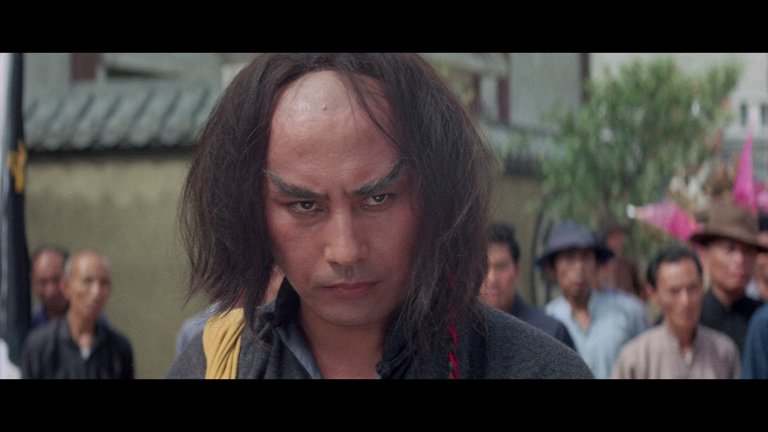
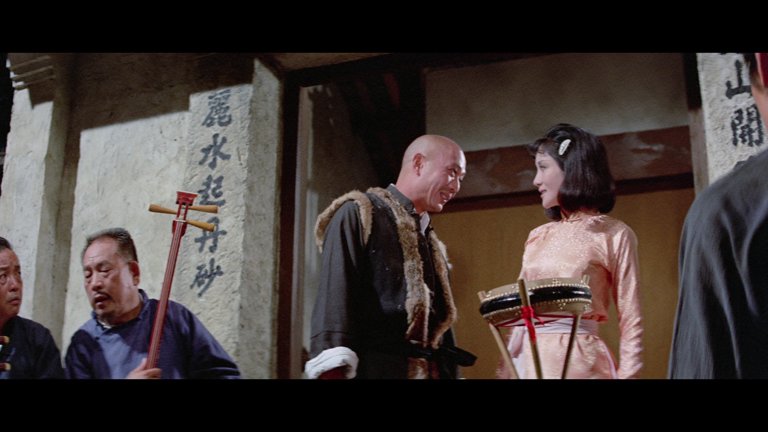
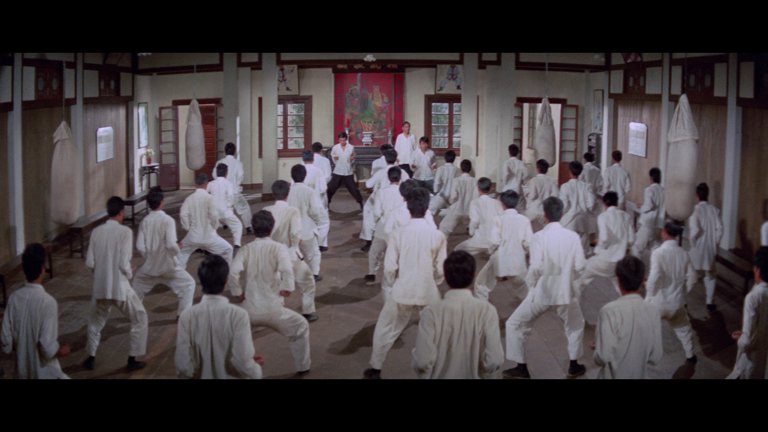
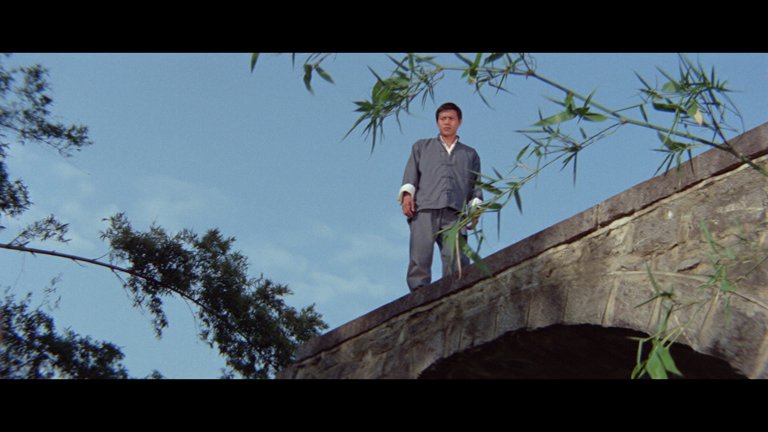
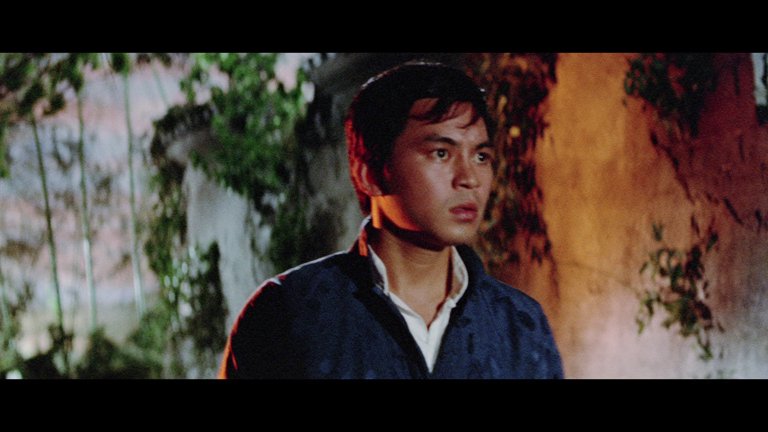
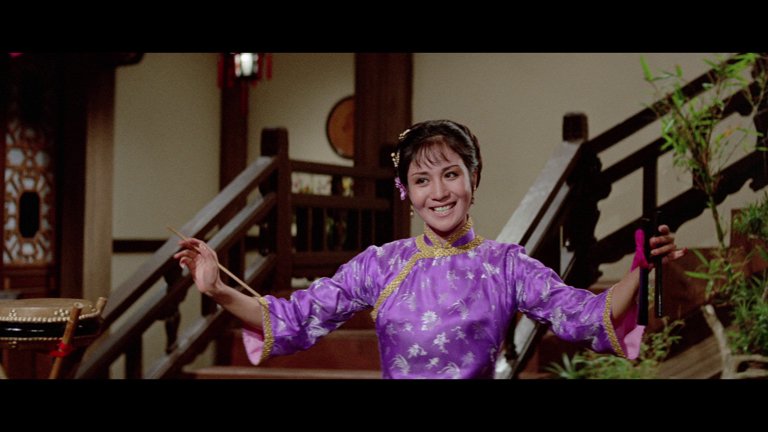
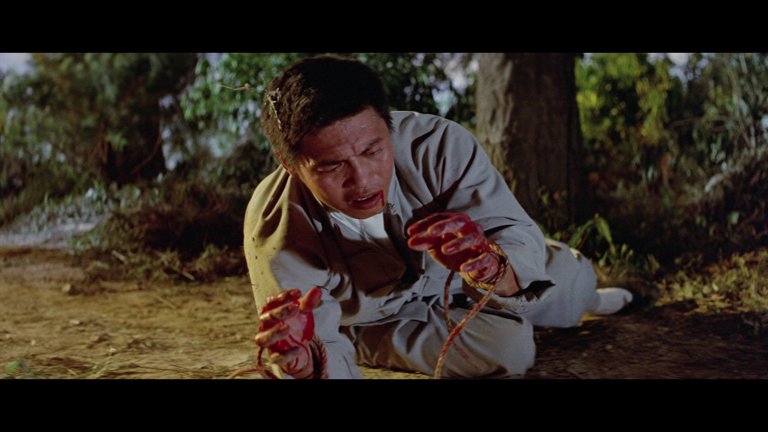
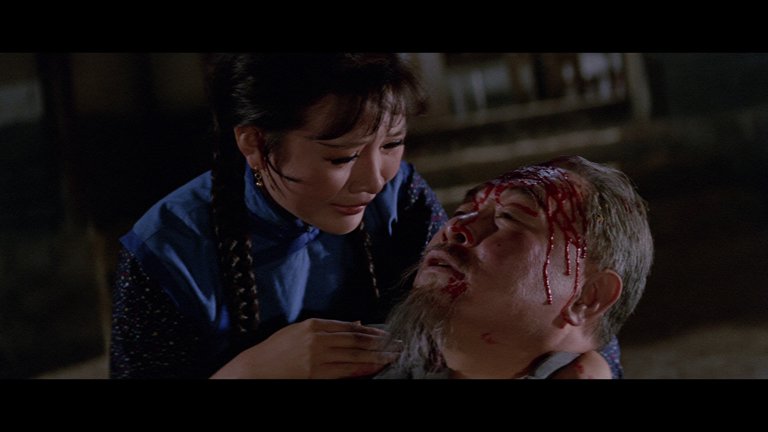
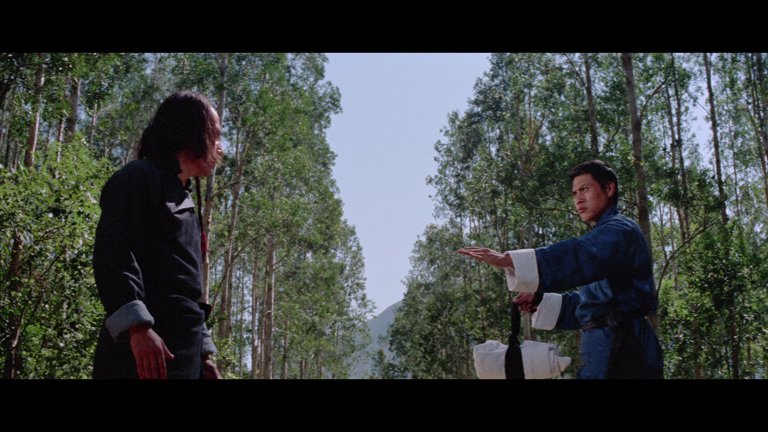
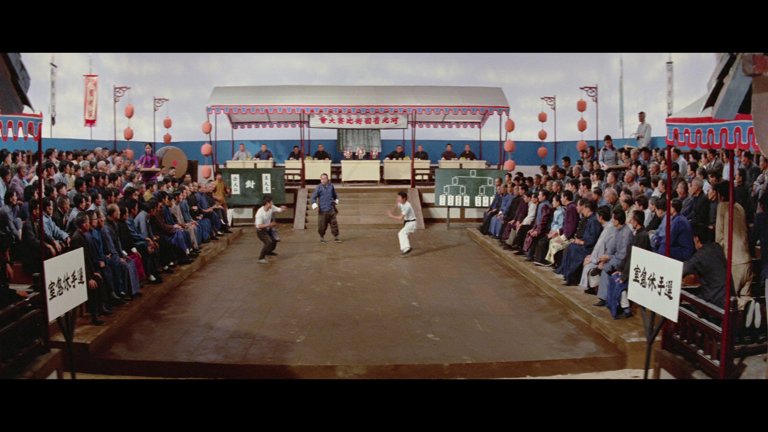
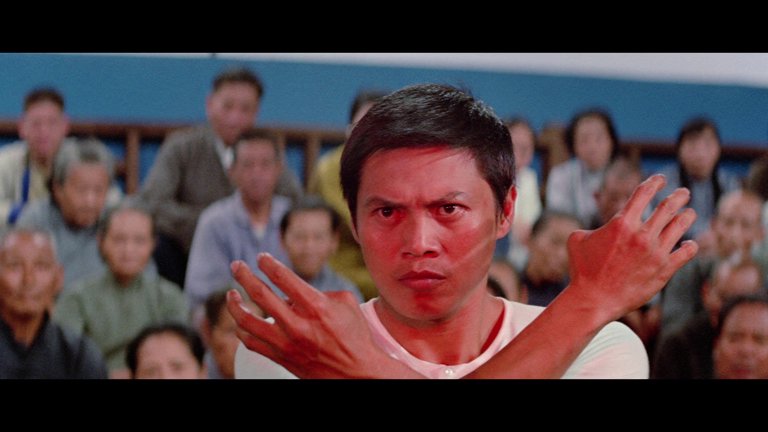
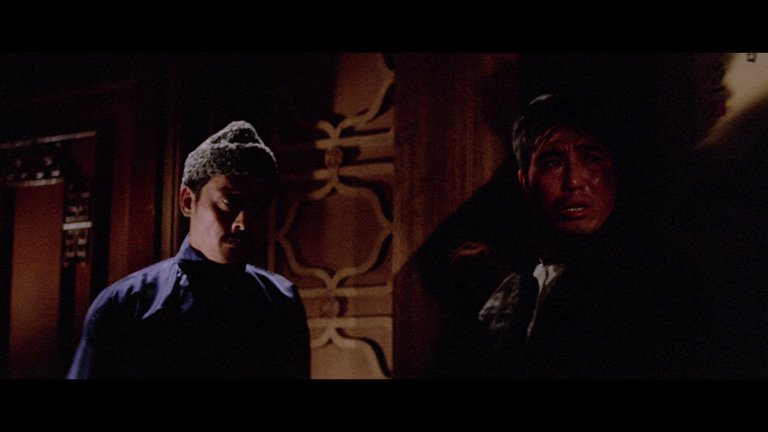
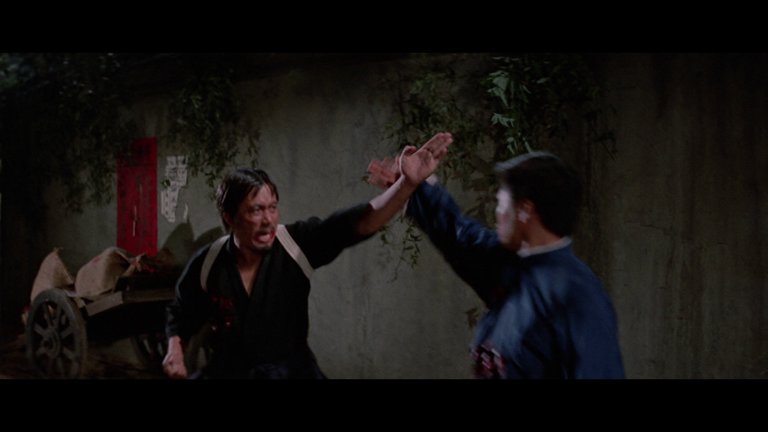
Shawscope: Volume One - Screen Captures
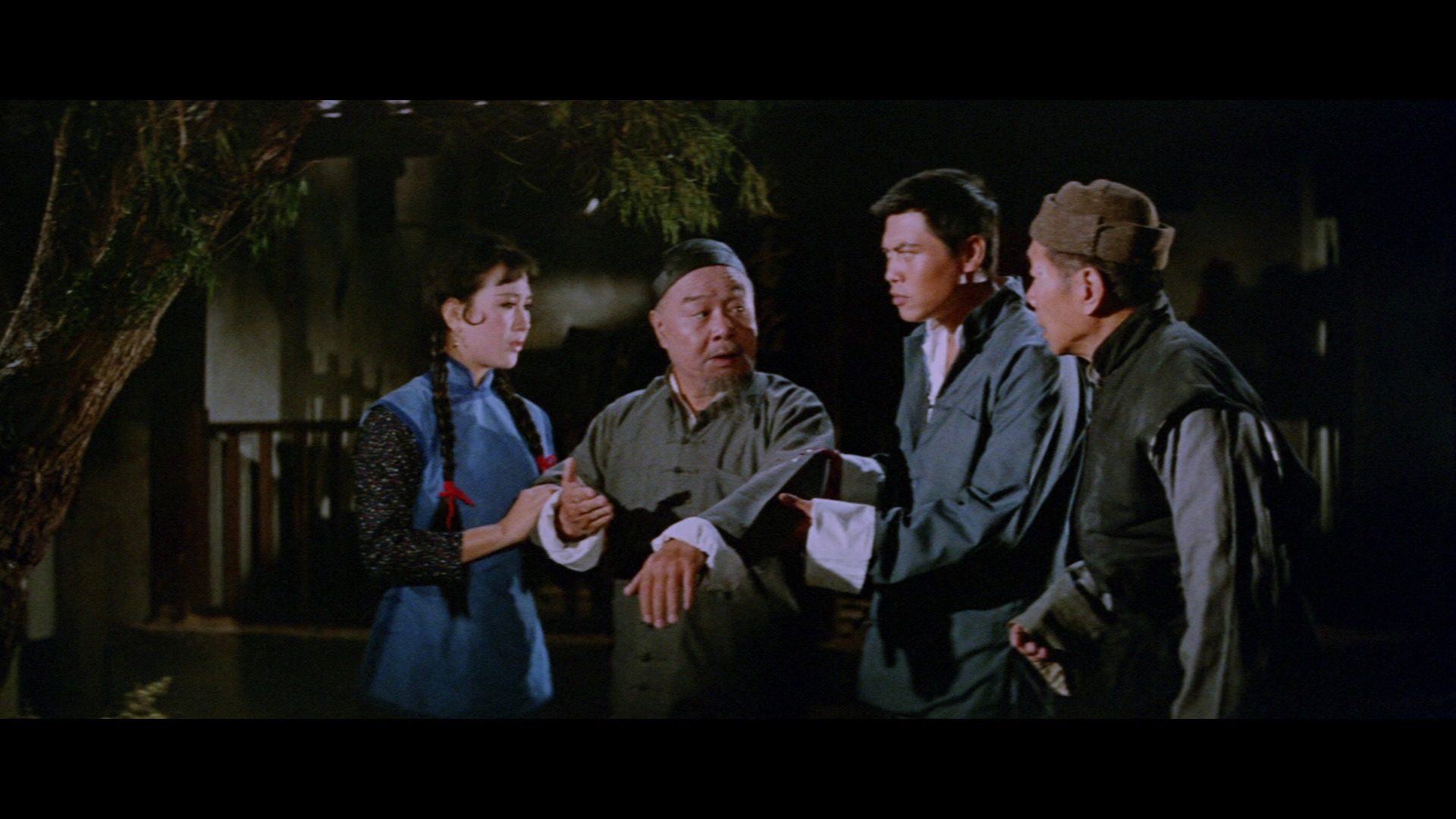
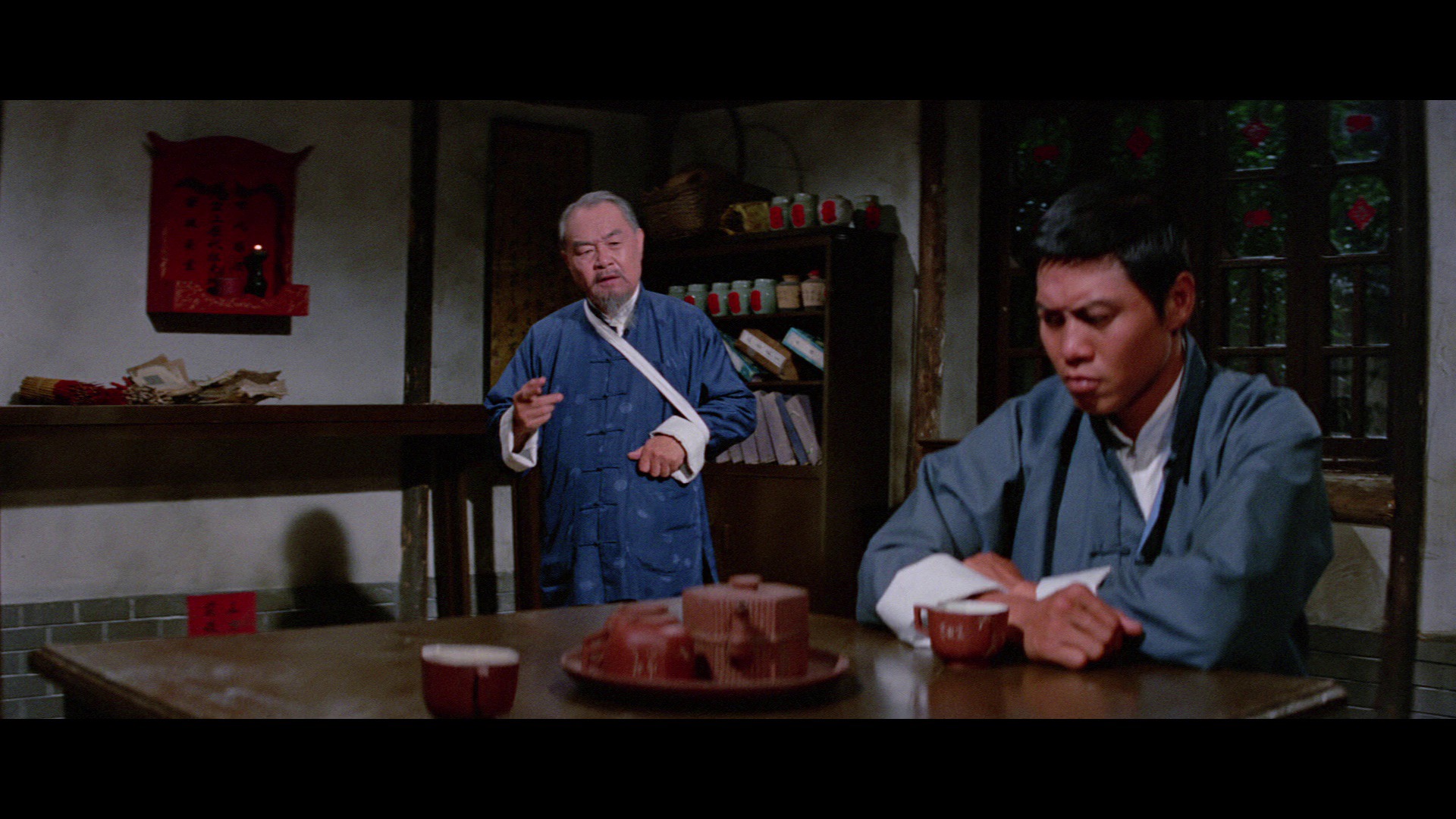
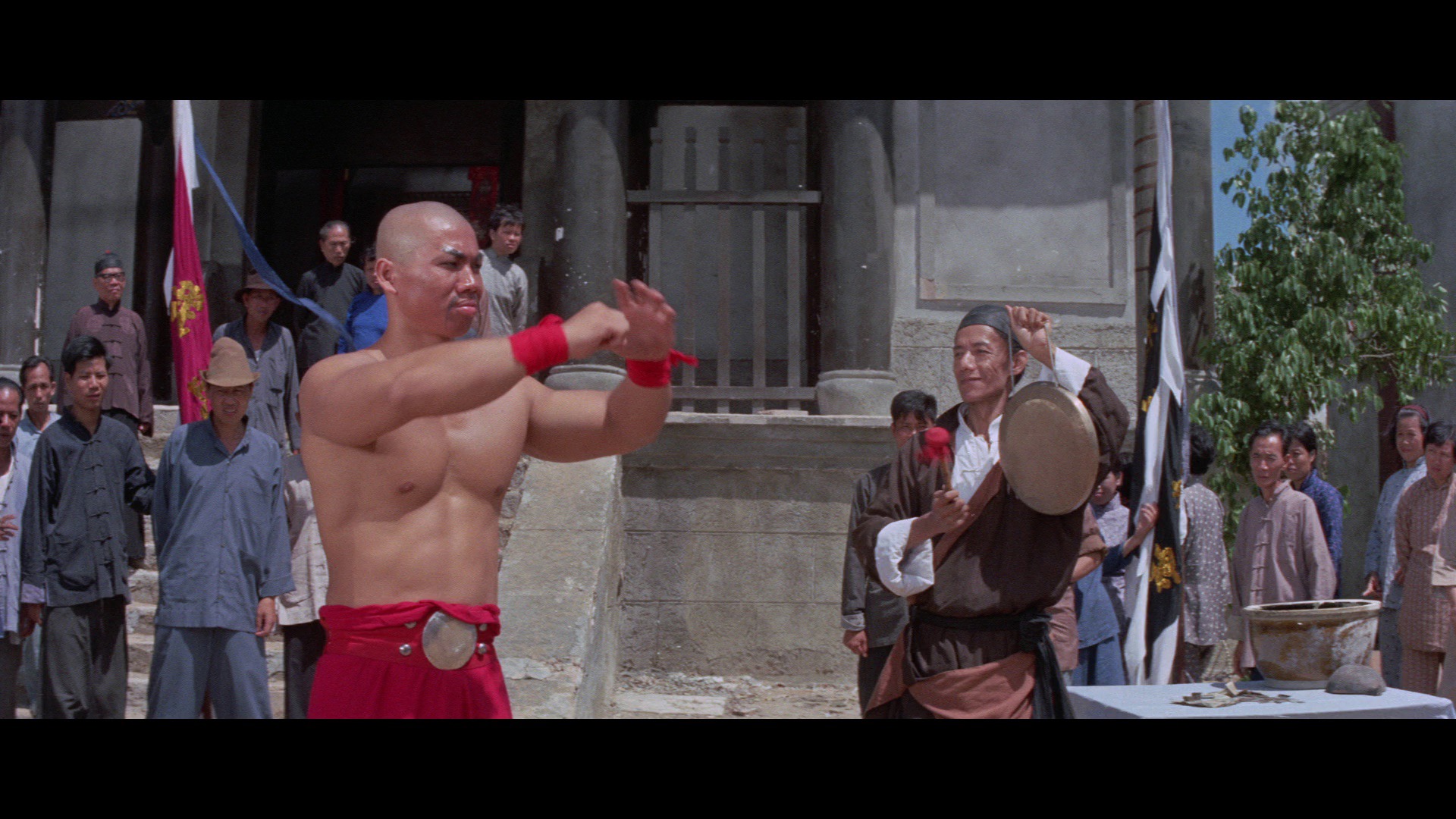
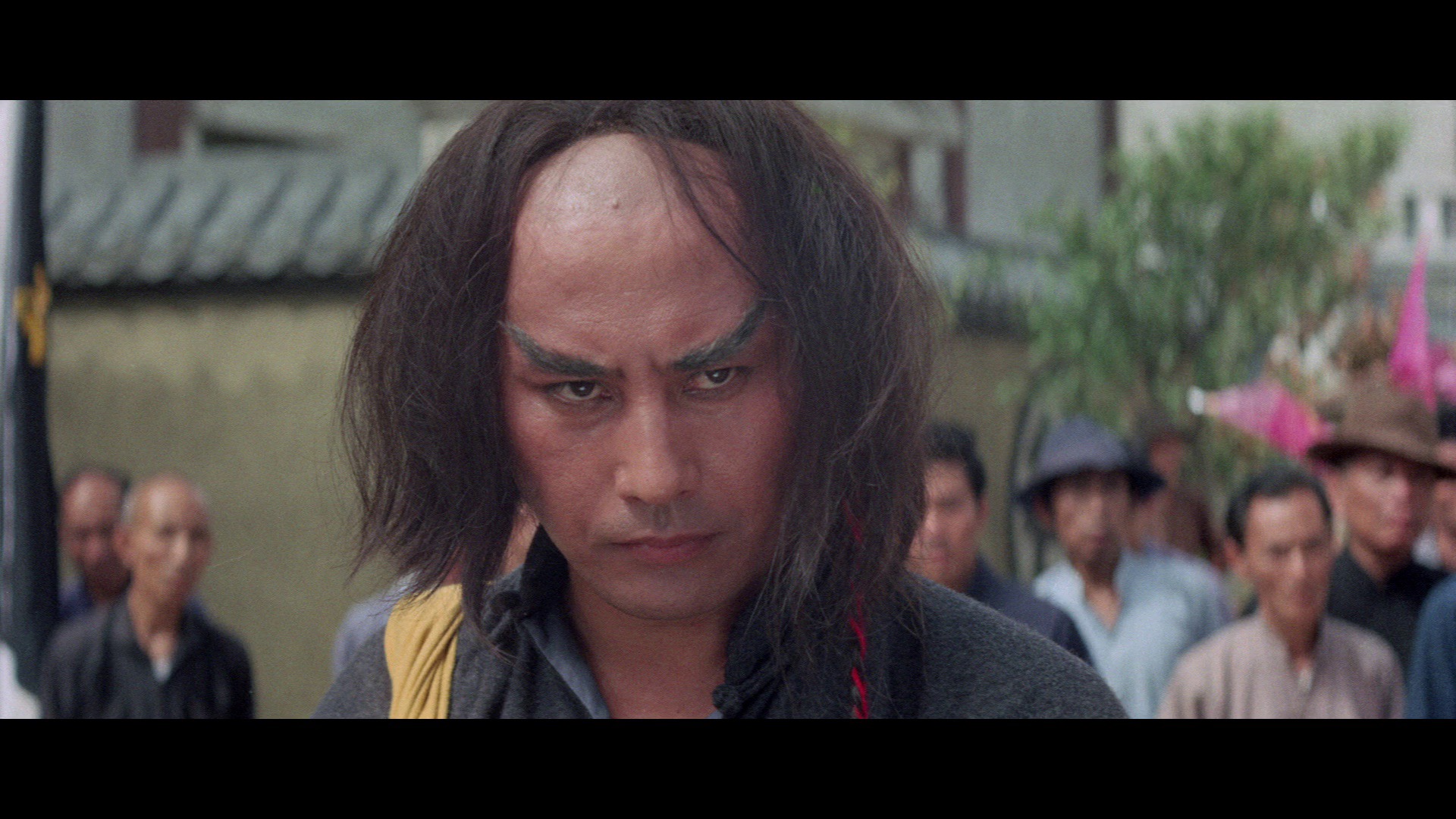
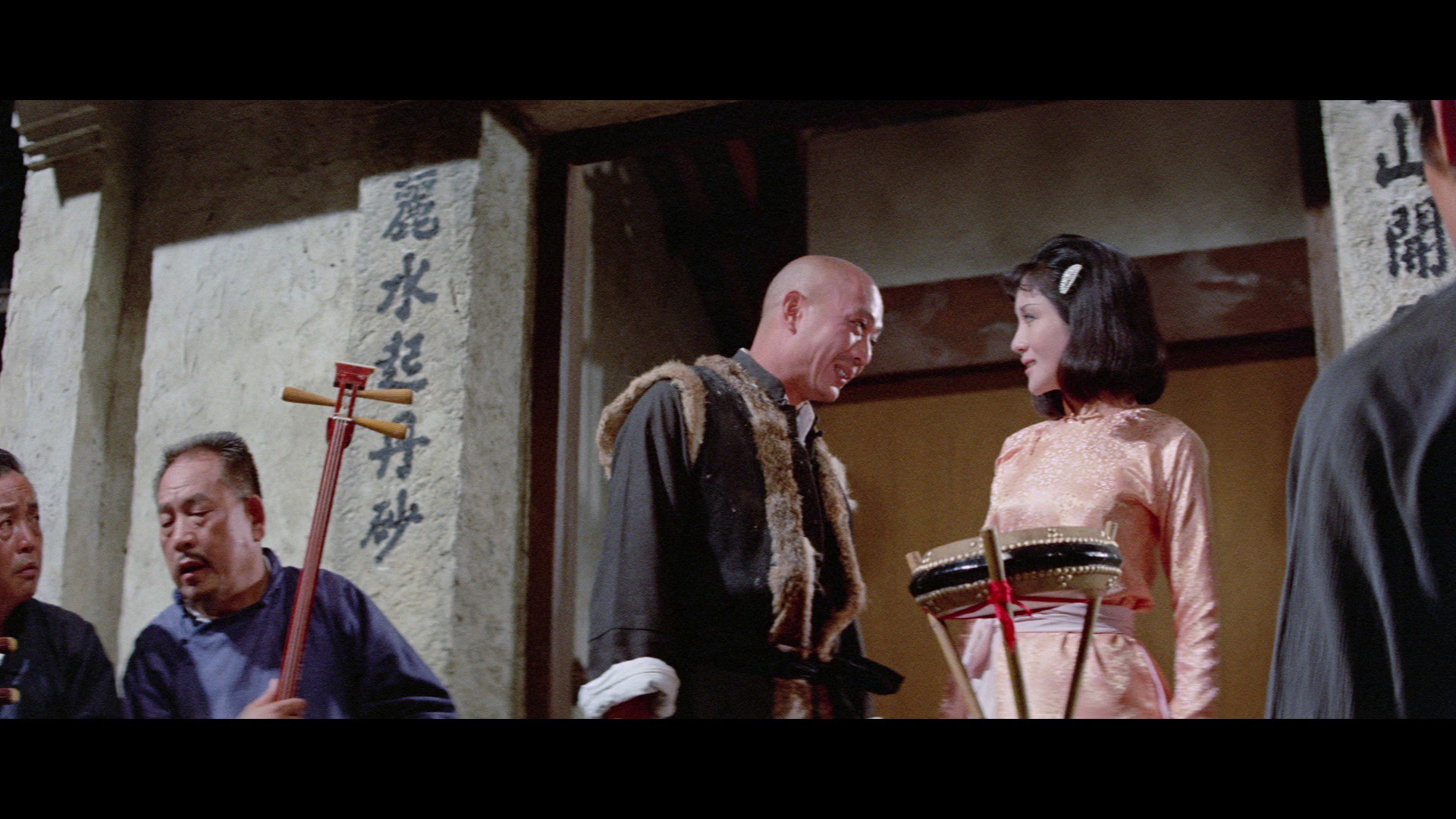
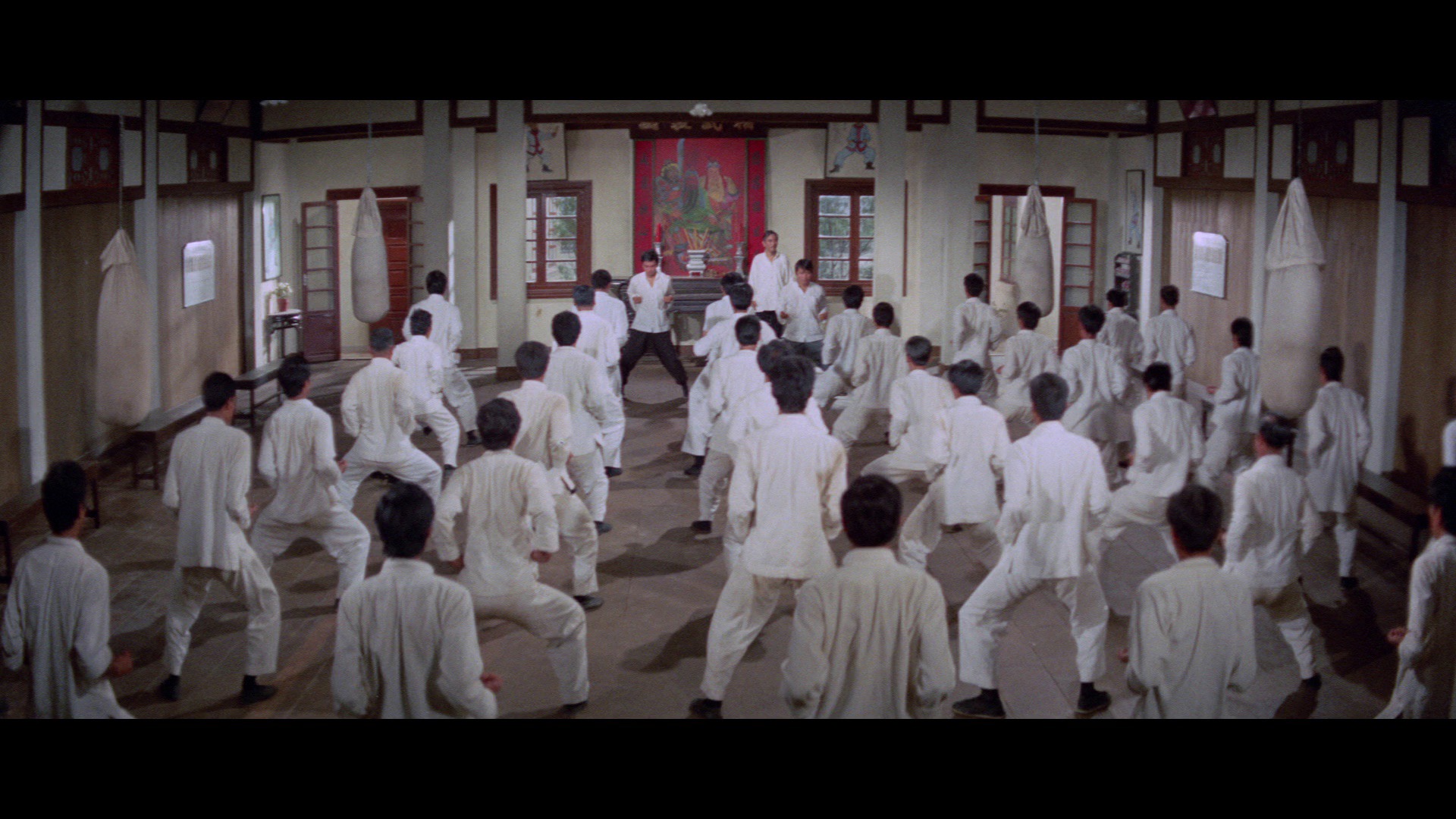
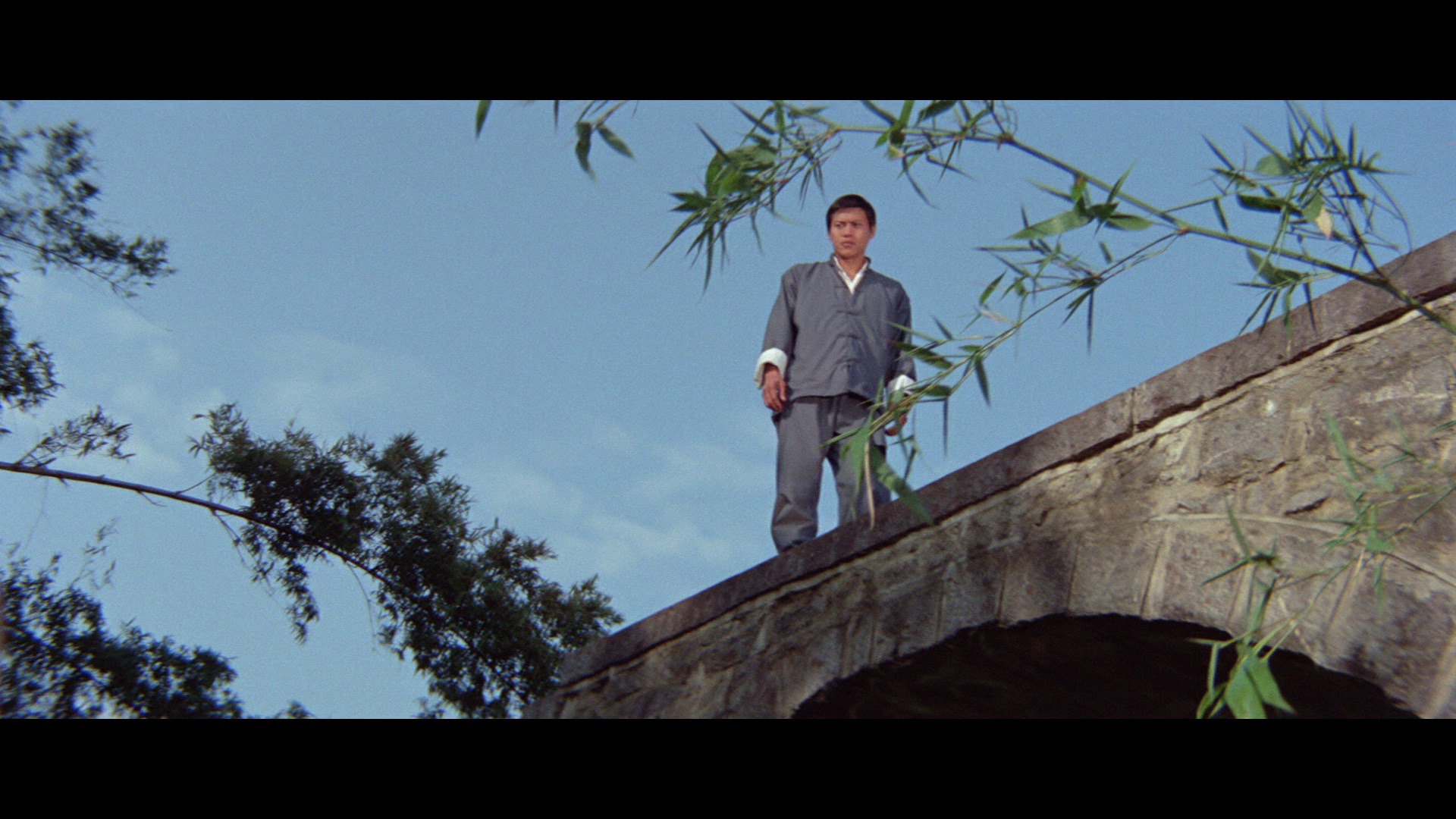
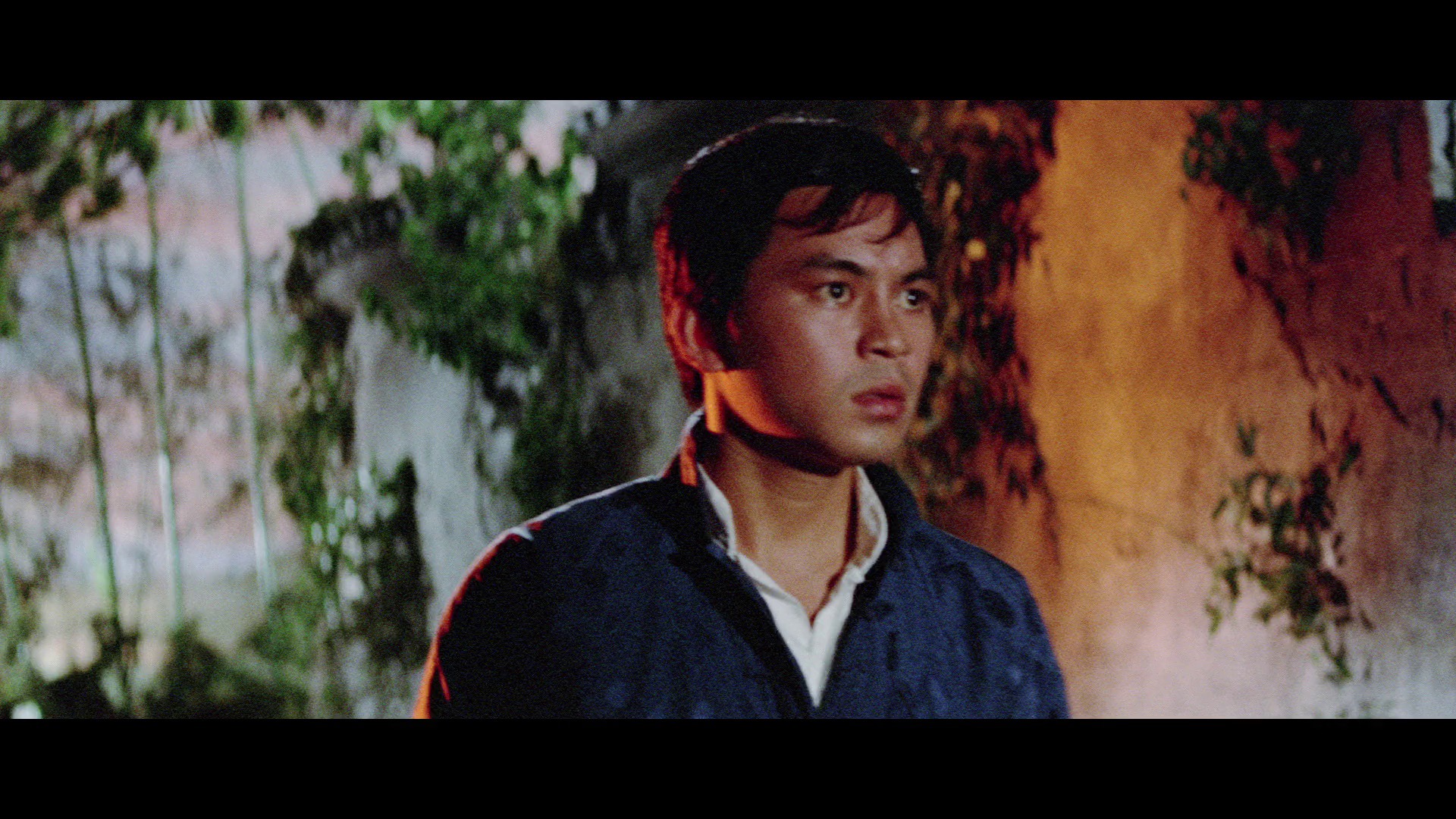
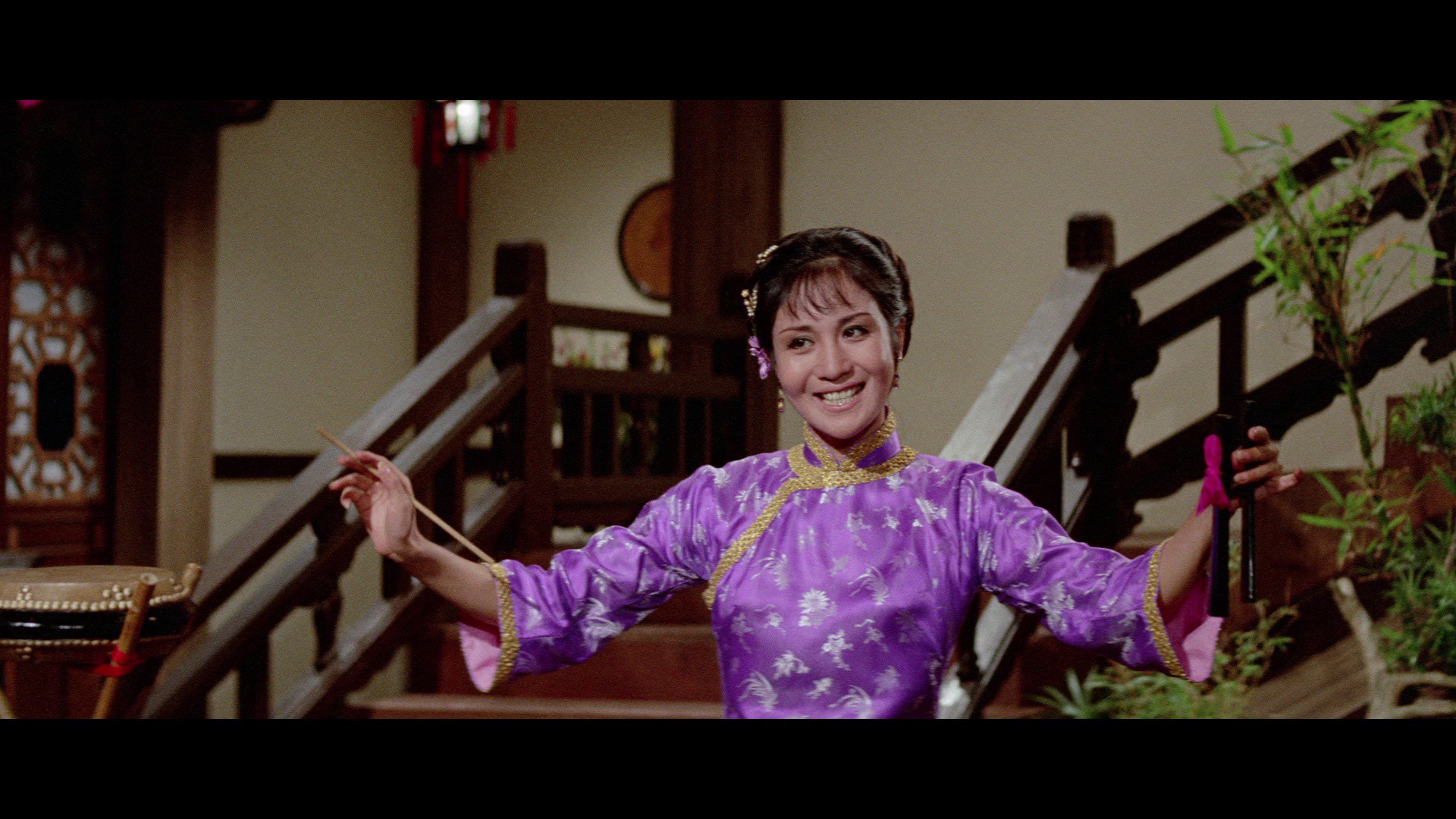
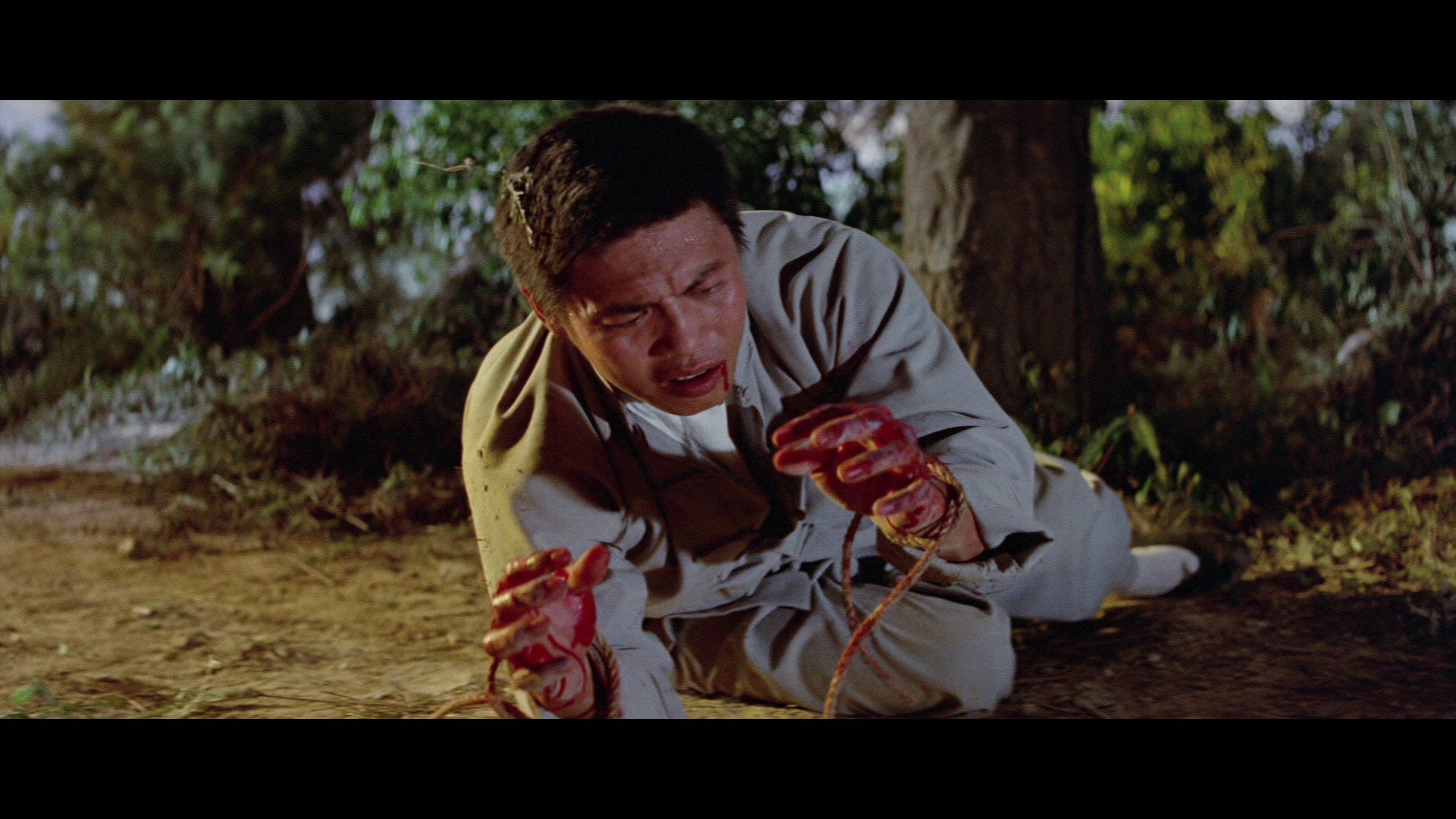
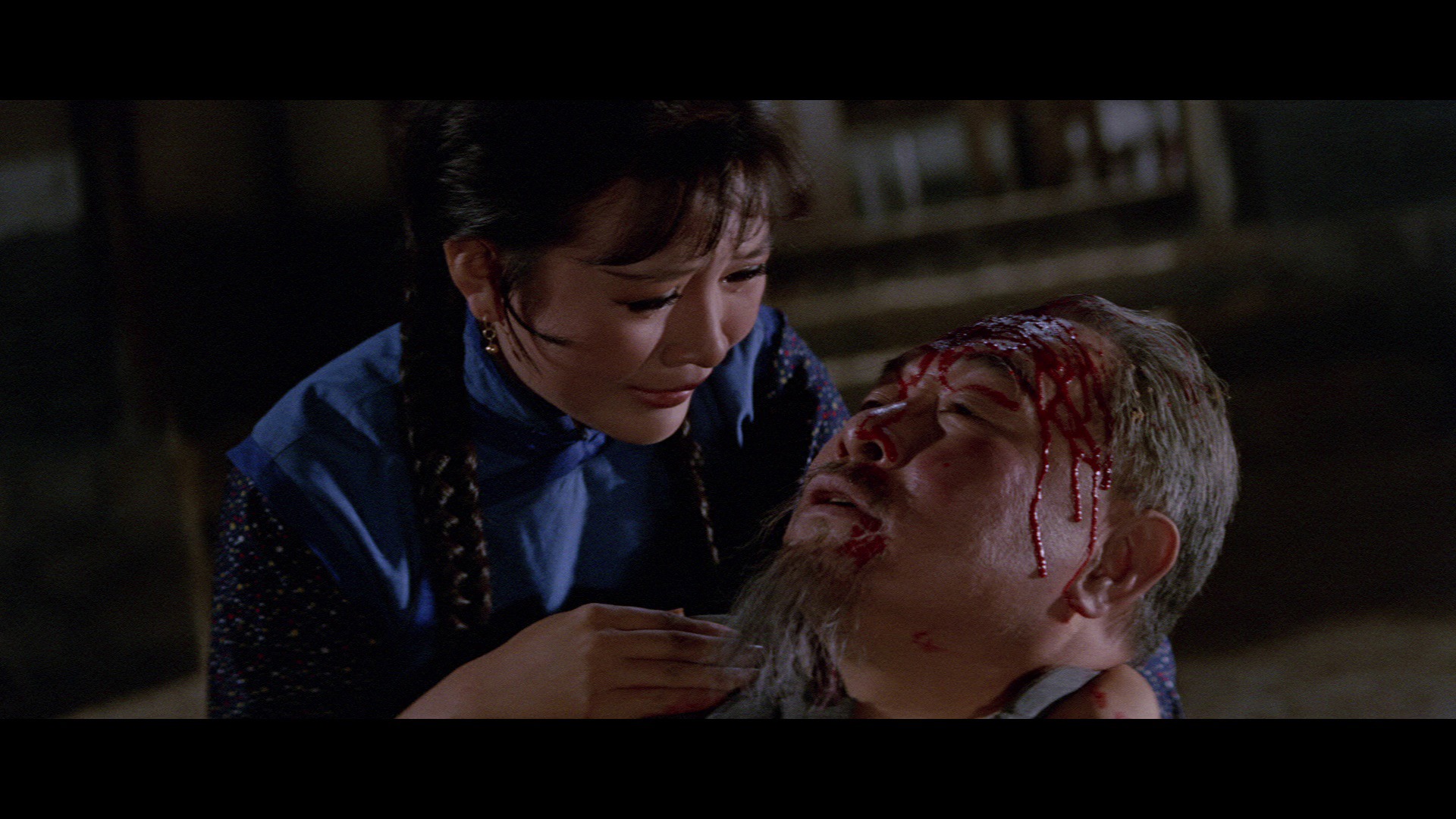
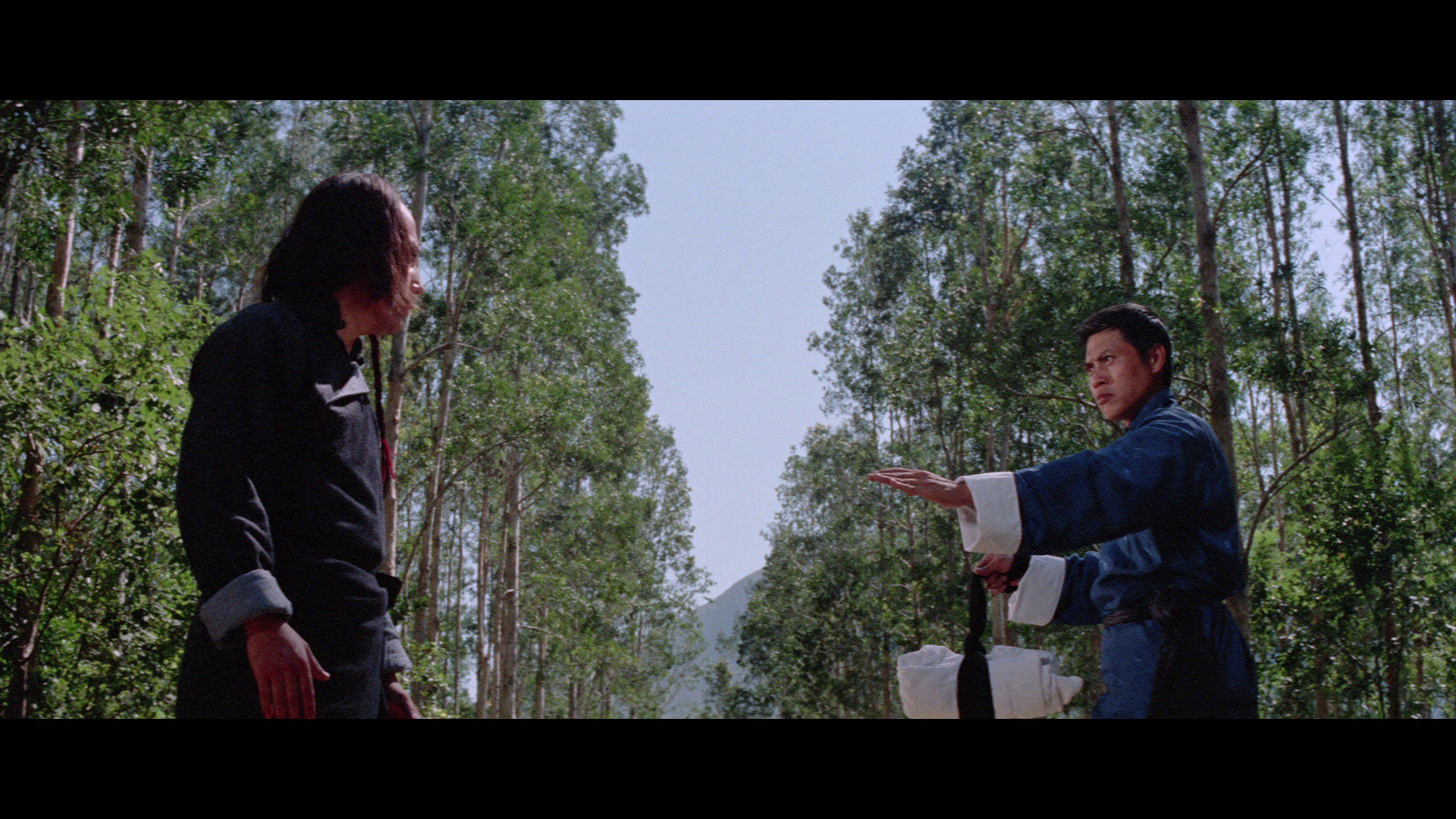
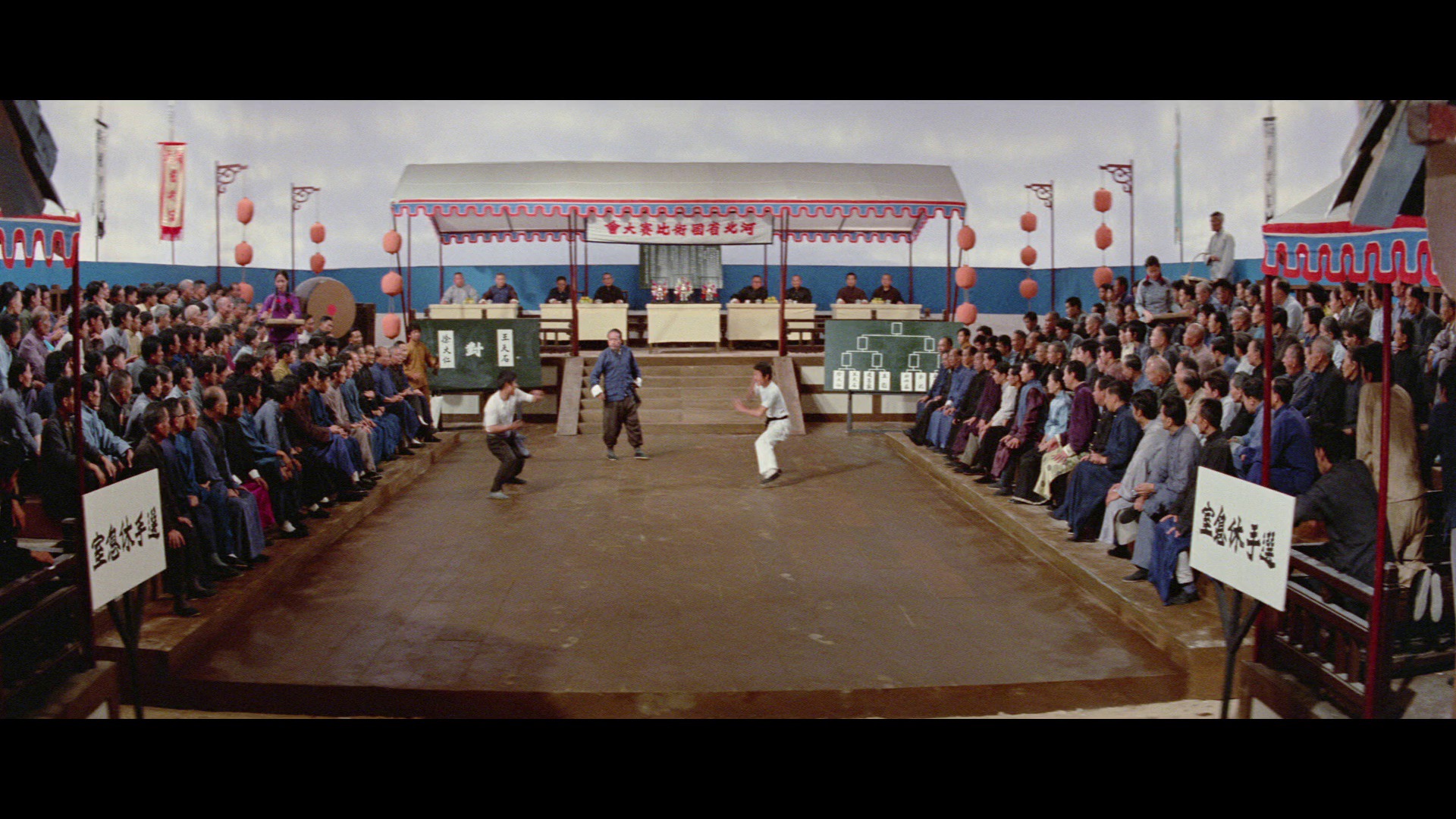
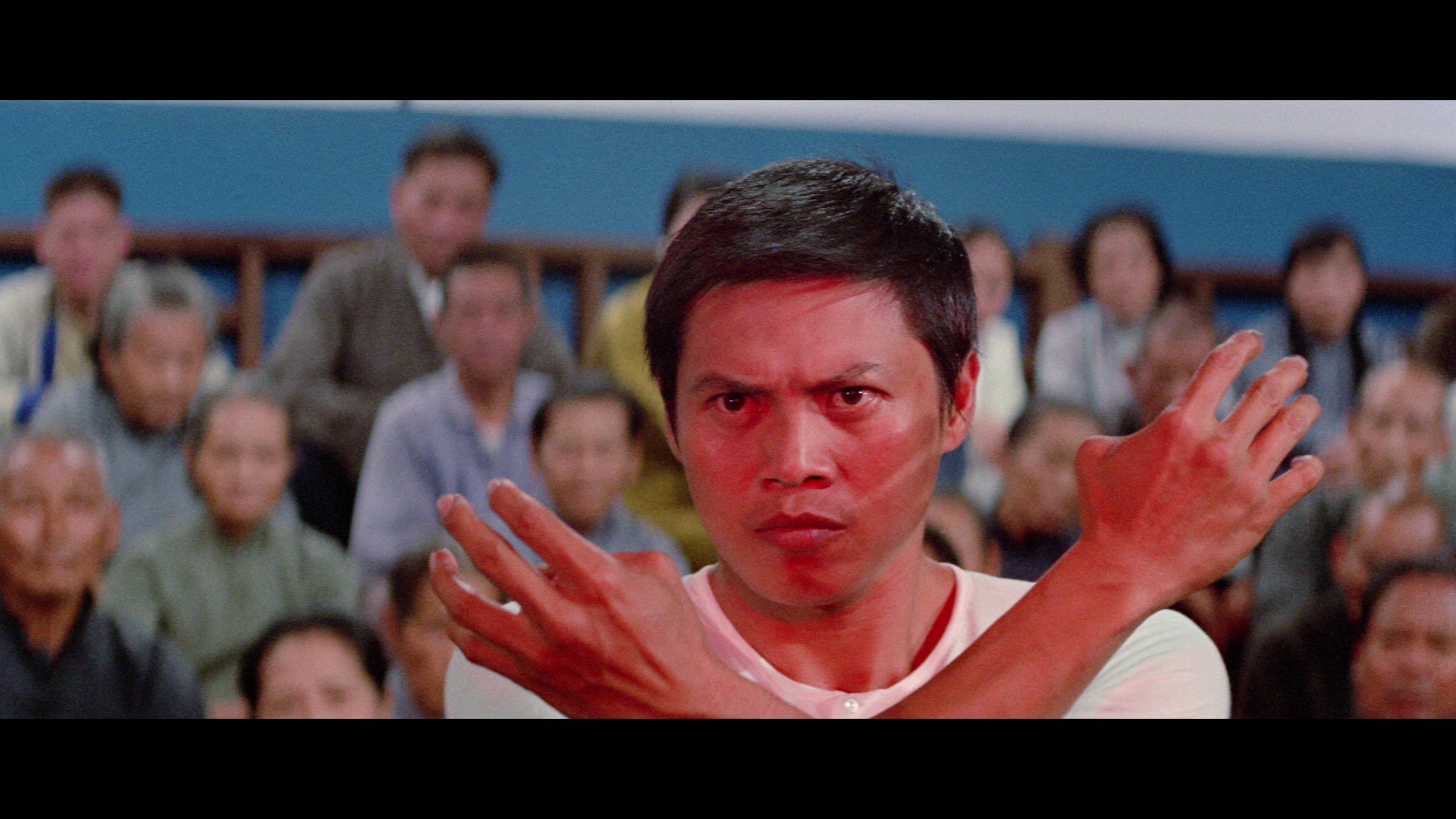
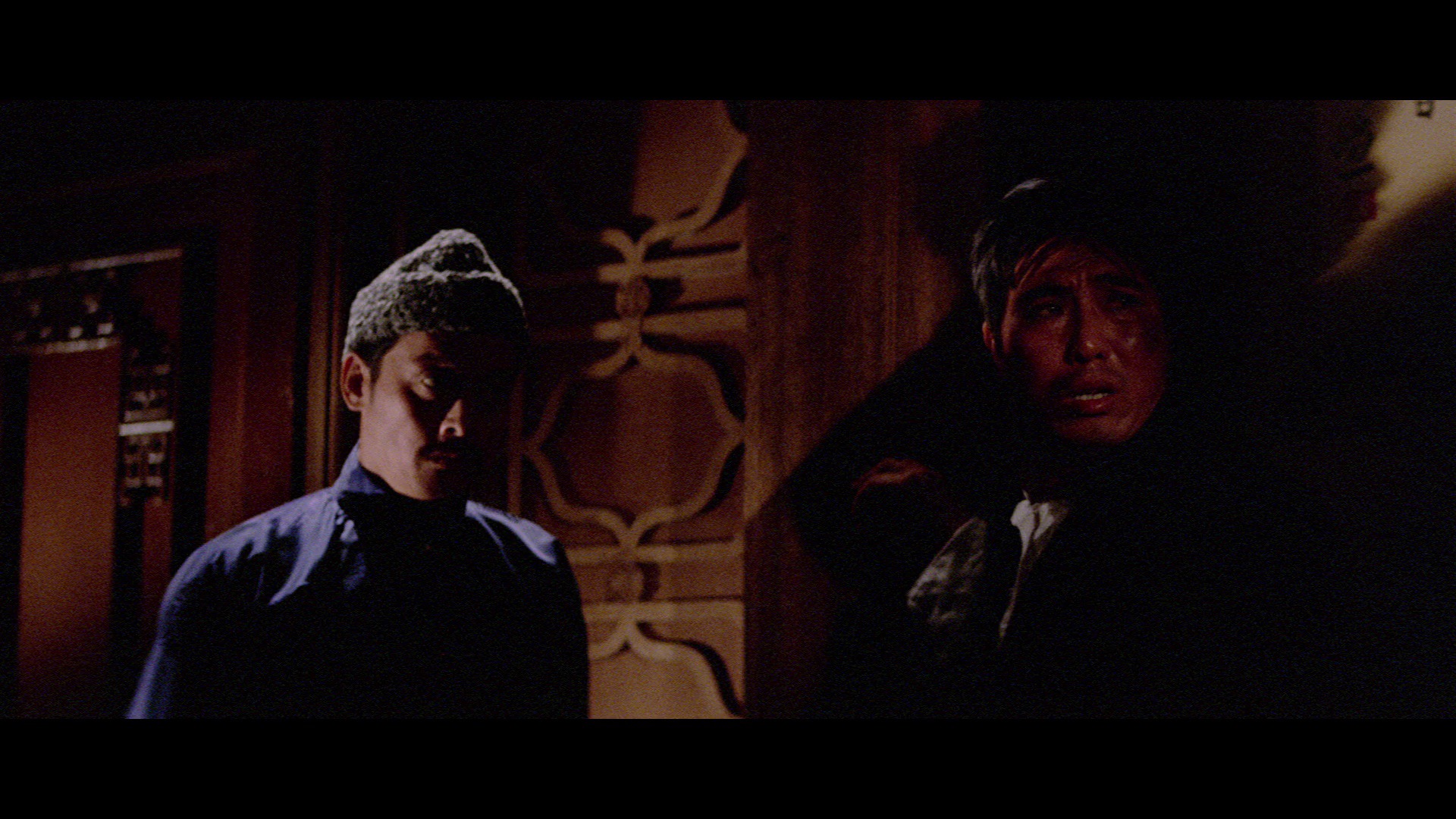
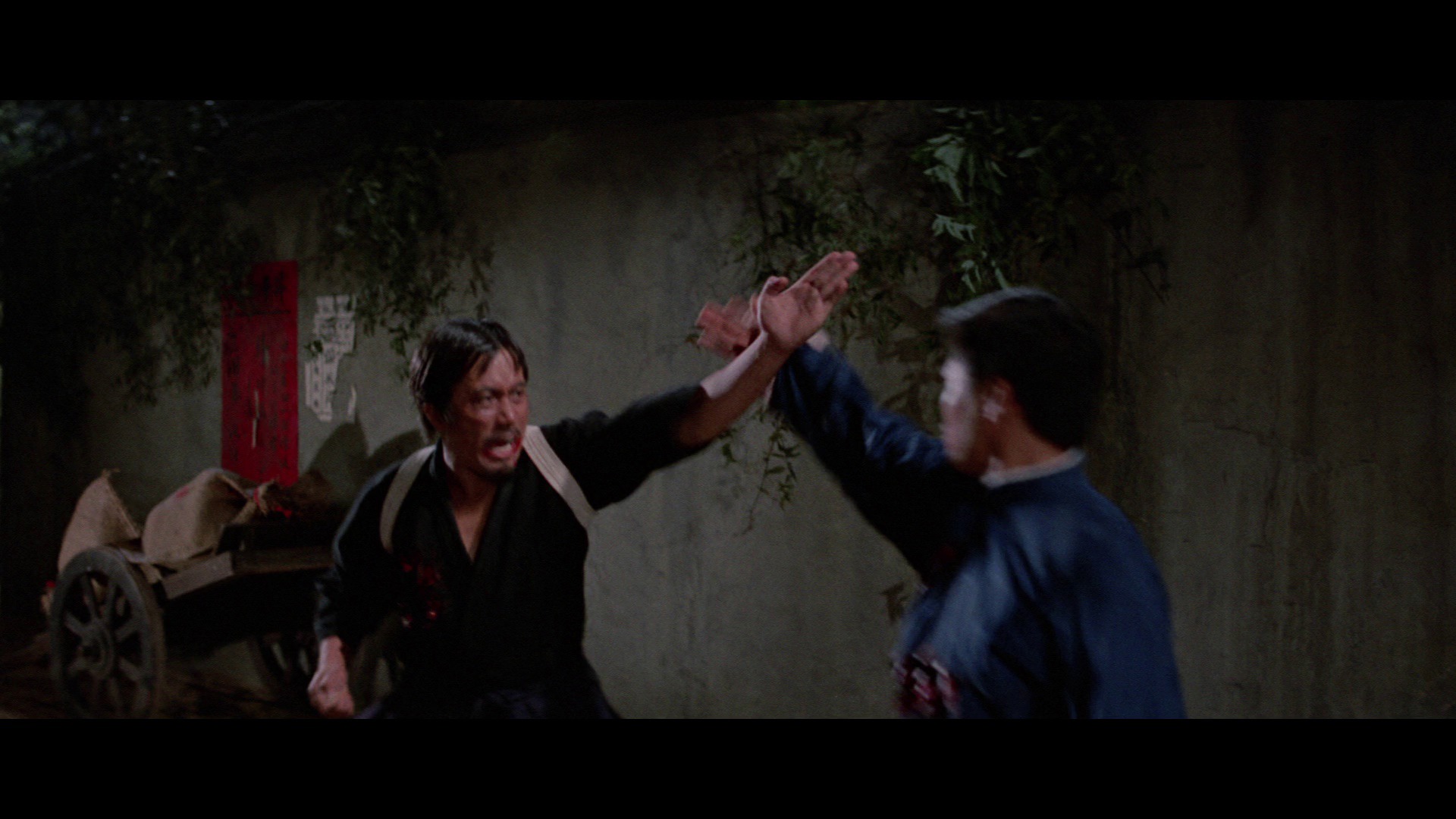
Audio 6/10
Arrow includes two soundtracks, both in single-channel DTS-HD MA monaural: English and Mandarin. Though they’re both clearly dubbed and have that flat dubbed sound, both are still well beyond what I was expecting quality-wise. Even if the Mandarin track may be a little sharper, they’re both clean, with adequate, if unimpressive, fidelity and range. Neither show any severe damage or problems.
In all honesty, I was expecting both (or the English track at the bare minimum) to be a tinny mess, so to have them not sound that way is a wonderful surprise.
Extras 9/10
Arrow’s set packs in a lot of features, though some films seem to get more focus than others. King Boxer comes with one of the larger collection of features, including what could be considered a combination introduction to both the films of Shaw Brothers and the film King Boxer, which is carried out by film scholar Tony Rayns. For the first 20-or-so-minutes of the 43-minute discussion, Rayns offers up some background history of the studio, from its early days through to the 70’s, where it became better known for its Kung-Fu output, which also leads to him talking a bit about Golden Harvest and Bruce Lee. From there he then talks about King Boxer and its production, and then gets into why directors Chung would move on from Shaw. It’s a condensed history of the studio and its early films, as Rayns states right off, but for all of those unfamiliar with the subject (like myself) this proves to be a great introduction.
David Desser also eases viewers into the set through the included commentary for the film, going over its place alongside other films from Shaw and other studios, even going over some of the techniques found within the film that were common place in the genre, from fight choreography to editing. He also talks about the political elements, which includes the Japanese villains (portrayed in unflattering ways we’ll say) and the film’s Western success, while also touching on the films this one influenced and the films that influenced it. The commentary has an unfortunate scripted feel, but Desser’s track does a great job touching on the film's strength and appeal, nicely setting one up for the rest of the films in the set. Or, most of them anyways.
Arrow also pulls in some archival interviews, most of which appear to have been filmed by Frédéric Ambroisine for previous home video releases. There’s a 40-minute one, comprised of footage filmed between 2003 and 2004, featuring director Chung Chang-wha. It’s a decent retrospective over his career, from his Korean films to his eventual move to Hong Kong and directing King Boxer. He goes over a number of his Korean films, talking about his editing techniques and use of montage, which is what gained attention at Shaw. He then finishes off by explaining why he quit Shaw Brothers and moved on to Golden Harvest, which Rayns touches on in his interview as well.
Actor Wang Ping next pops up in a 26-minute interview from 2007 to talk about her acting career, including film work she isn’t particularly proud of. A 2005 interview with Korean cinema expert Cho Young-jung is also featured here, Cho spending her 33-minutes taking a deep dive into Chung’s King Boxer and some of his other work, including his Korean films. Cho also takes a look at the use of violence in King Boxer and even does a comparison (with visual aids) between the Hong Kong and Korean versions of the film.
Arrow also includes the first part of a 2003, three-part documentary series entitled Cinema Hong Kong. The first part, Kung Fu, runs 49-minutes and focuses on the rise of popularity in Kung Fu cinema and how Shaw Brothers fit into that wave alongside Bruce Lee’s films and other output from Golden Harvest and the like. On top of also looking at how the genre has made a comeback of sorts in Hollywood at the time (oddly choosing to reference X-Men out of every other Kung Fu influenced film released then) it has a fun little section that does a deep dive into the common tropes one could find in Kung Fu films of the period, with a focus on Shaw’s output of course. I would warn that there are spoilers here for other films that appear in the set, but I’m pretty sure it’s safe to say none of them would be all that surprising anyways since, as the documentary points out, they’re common.
Sadly, this is the only part of the series to appear in the set, but I would have to assume Arrow will include the other parts in future volumes.
On top of a small-sixed gallery (featuring lobby cards, photos, posters, and video art) Arrow includes a number of trailers, including two Hong Kong trailers, 2 German, one U.S., and a U.S. TV spot. There’s also a Celestial Pictures digital reissue trailer that I assume was released whenever the film was made available digitally. And in a nice touch, Arrow also includes the alternate U.S. opening credits featuring the film’s original U.S. title, Five Fingers of Death, preceded by the Saul Bass Warner Bros. logo. Sadly, it’s in poor shape but it’s still a nice inclusion.
With the supplements working more as an introduction to Shaw’s films they may not offer much for the seasoned veteran, but for relative newcomers like myself (I’ve only seen a couple of their films prior to this release) this initial collection of material helps prepare for eveything else coming up.
Closing
King Boxer starts off Arrow's wonderful Shaw Brothers set perfectly, delivering a surprisingly strong presentation alongside a fantastic selection of material that will help newcomers settle in.
BUY AT: