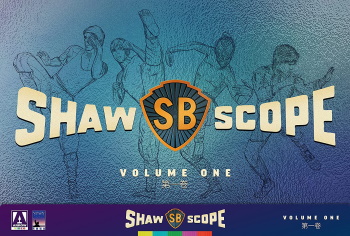
Shawscope: Volume One
Five Shaolin Masters | Shaolin Temple
BUY AT:



See more details, packaging, or compare
Synopsis
After an undisputed reign at the peak of Hong Kong’s film industry in the 1960s, Shaw Brothers (the studio founded by real-life brothers Run Run and Runme Shaw) found their dominance challenged by up-and-coming rivals in the early 1970s. They swiftly responded by producing hundreds of the most iconic action films ever made, revolutionising the genre through the backbreaking work of top-shelf talent on both sides of the camera as well as unbeatable widescreen production value, much of it shot at ‘Movietown’, their huge, privately-owned studio on the outskirts of Hong Kong.
This inaugural collection by Arrow Video presents twelve jewels from the Shaw crown, all released within the 1970s, kicking off in 1972 with Korean director Jeong Chang-hwa’s King Boxer, the film that established kung fu cinema as an international box office powerhouse when it hit Stateside cinemas under the title Five Fingers of Death. From there we see Chang Cheh (arguably Shaw’s most prolific director) helm the blood-soaked brutality of The Boxer from Shantung and two self-produced films in his ‘Shaolin Cycle’ series, Five Shaolin Masters and its prequel Shaolin Temple, before taking a detour into Ho Meng Hua’s King Kong-inspired Mighty Peking Man, one of the most unmissably insane giant monster films ever made. Chang’s action choreographer Lau Kar-leung then becomes a director in his own right, propelling his adoptive brother Gordon Liu to stardom in Challenge of the Masters and Executioners from Shaolin. Not to be outdone, Chang introduces some of Shaw’s most famous faces to the screen, including Alexander Fu Sheng fighting on the streets of San Francisco in Chinatown Kid and, of course, the mighty Venom Mob in <
Picture 6/10
The third dual-layer disc in Arrow’s lovingly assembled box set Shawscope: Volume One presents two films from director Chang Cheh: Five Shaolin Masters and Shaolin Temple. Both films are presented in the aspect ratio of 2.35:1 with 1080p/24hz high-definition encodes.
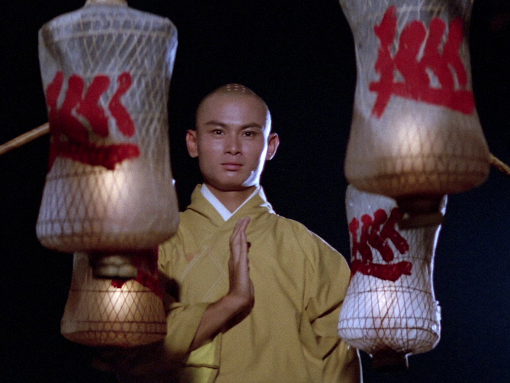
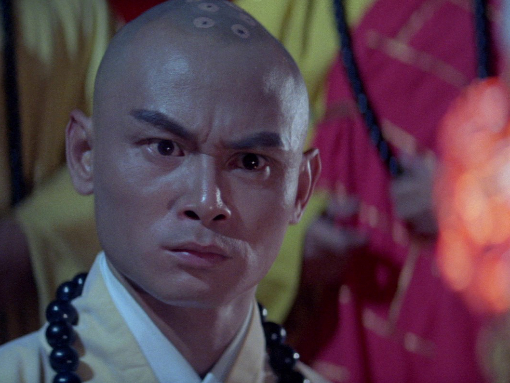
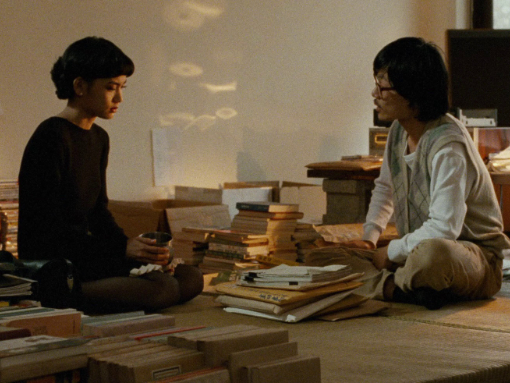
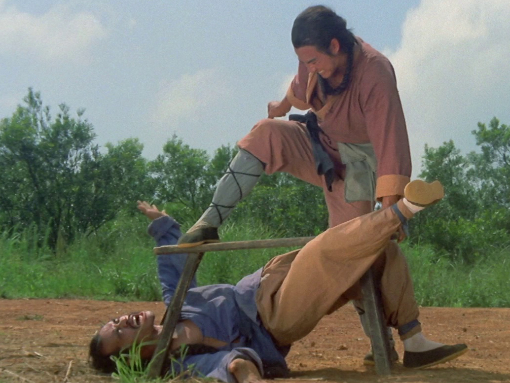
Each film is sourced from older restorations conducted by Celestial Pictures in the early 2000’s, and though they’re certainly not unpleasant they’re both far cries from the recent 2K restorations conducted for the previous two films in the set, King Boxer and The Boxer from Shantung. For starters these have both been filtered and de-noised to an excessive degree, eating up so much detail in the process. Grain is somewhat evident in places during both films, but it has a muddled, digital look when it's present and rarely looks anywhere near natural. Detail levels are hit and miss. Close-ups end up coming out looking okay, just lacking a finer texture, while long shots look flattened with little depth. Blades of grass in a field lack definition and just blend into one another, while shadows look flat and blend poorly. Shimmering is an issue with some of the tighter patterns.
The opening titles are clearly not the original overlays, looking to have been digitally inserted instead. Damage is rare for both films, limited primarily to minor specs and the occasional visible splice, along with some minor pulsing. I assume Arrow has maybe conducted their own run-through, though I wouldn’t be surprised to learn that the original master was this way as well, though at the cost of having an overly digital look. Colours don't look too bad, though they can look a bit too vibrant at times, and I can't speak to their accuracy. Blacks are decent if a bit murky, and grayscale is not at all wide, limiting those shadows. This ends up leading to some mild banding.
I’d be hard pressed to say whether one is better than the other because they both have a very similar, processed look. Neither really looks like a film presentation and both are nowhere near as sharp as they could be.
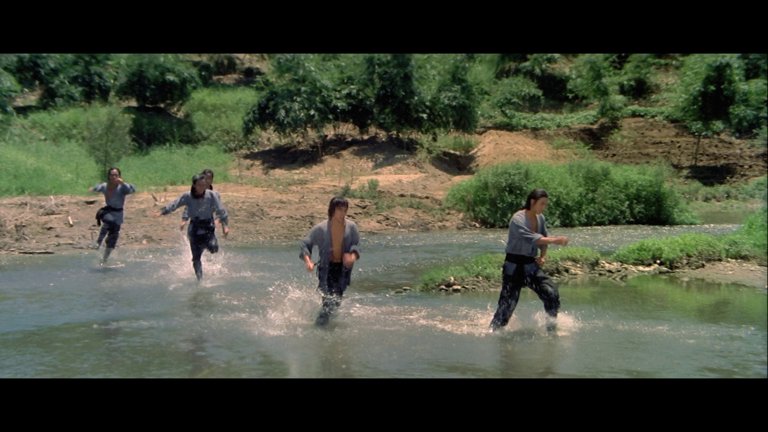
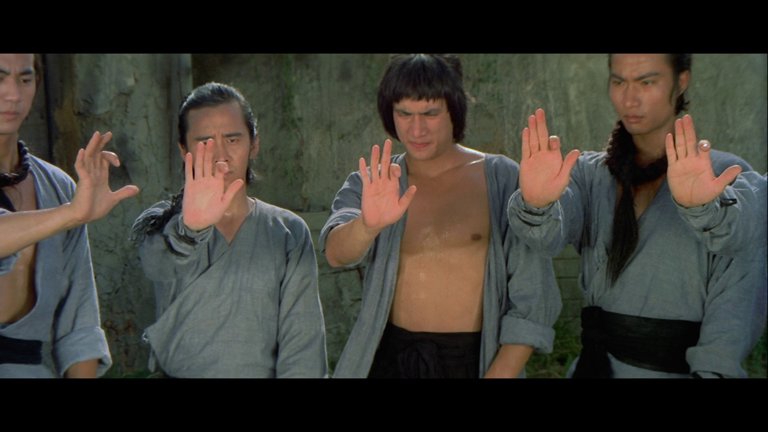
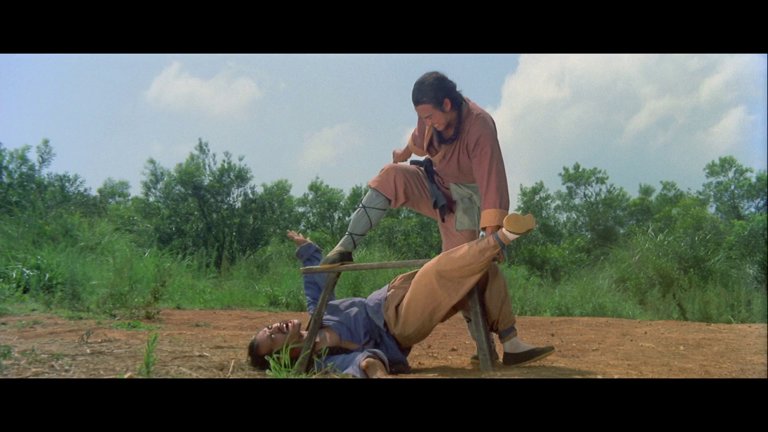
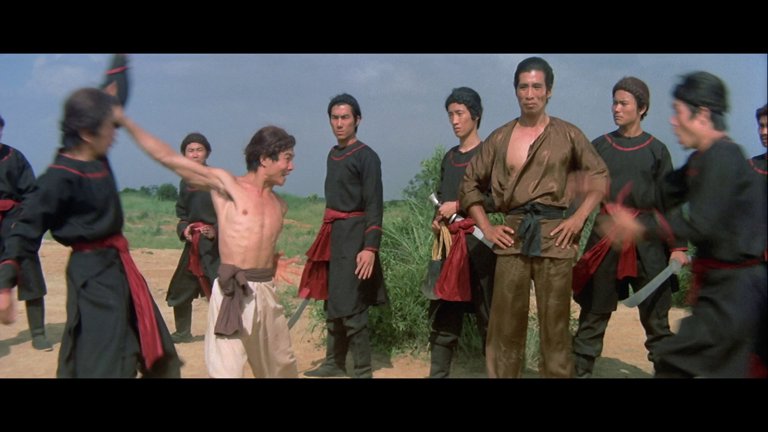
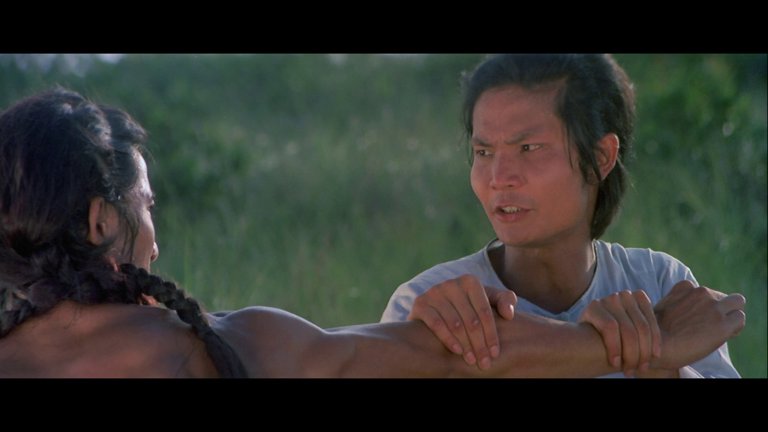
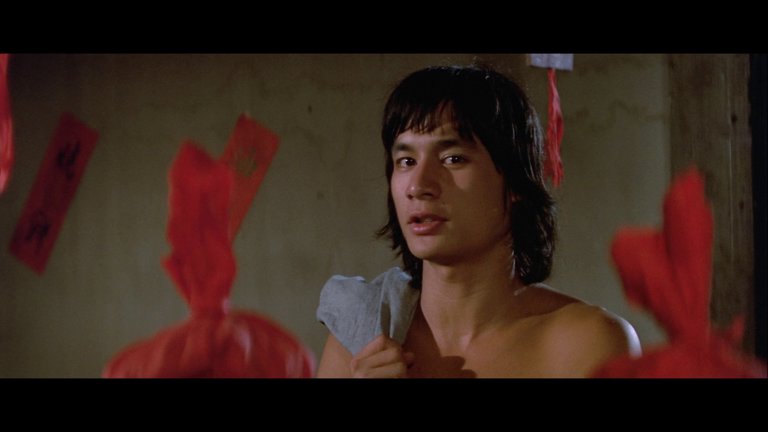
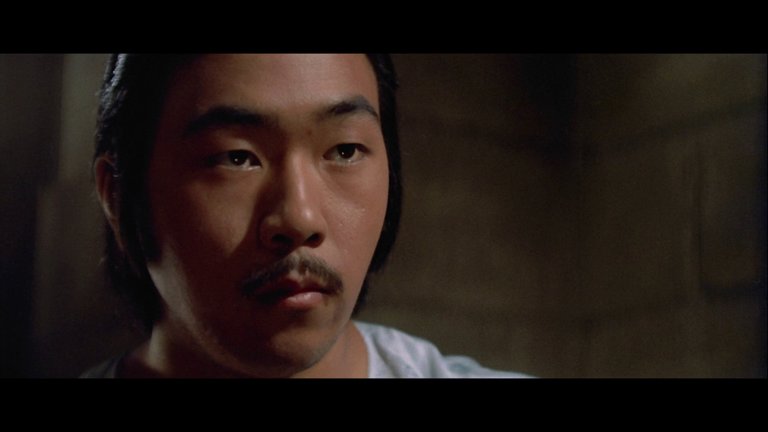
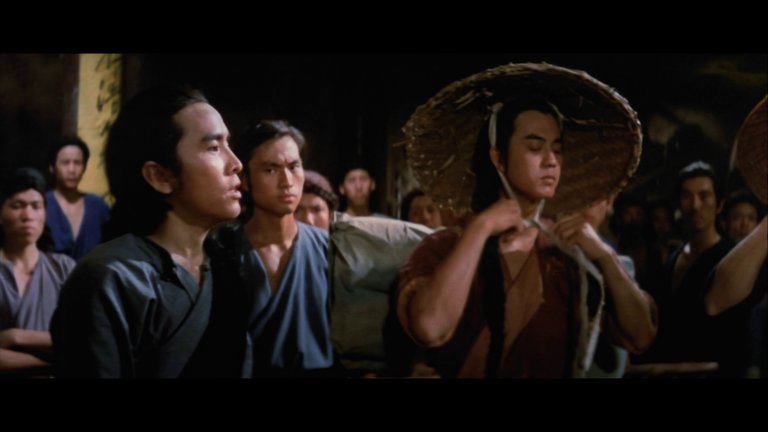
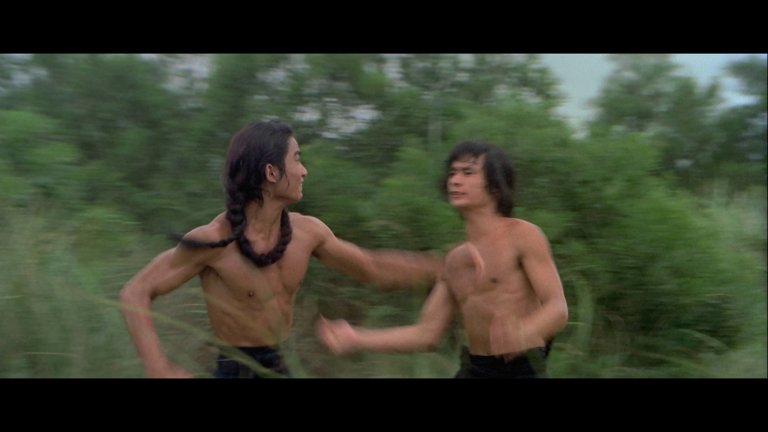
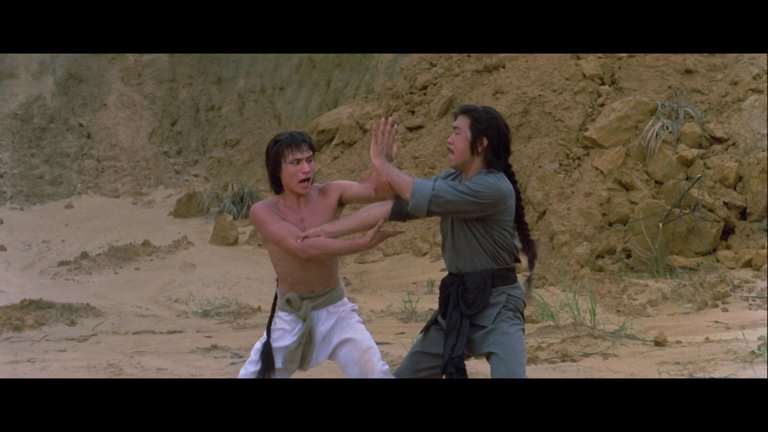
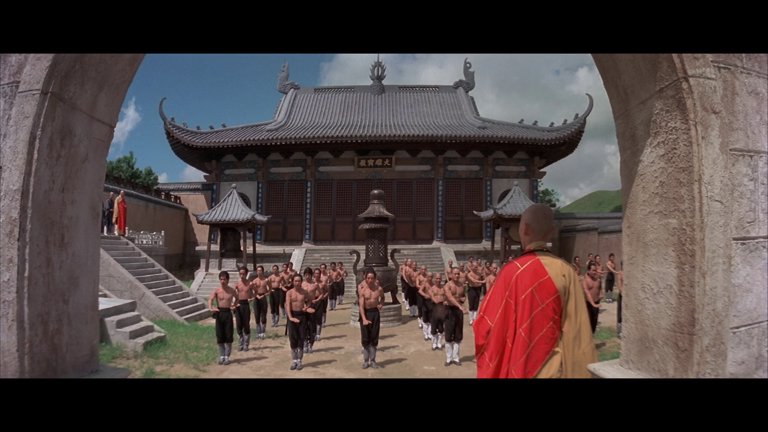
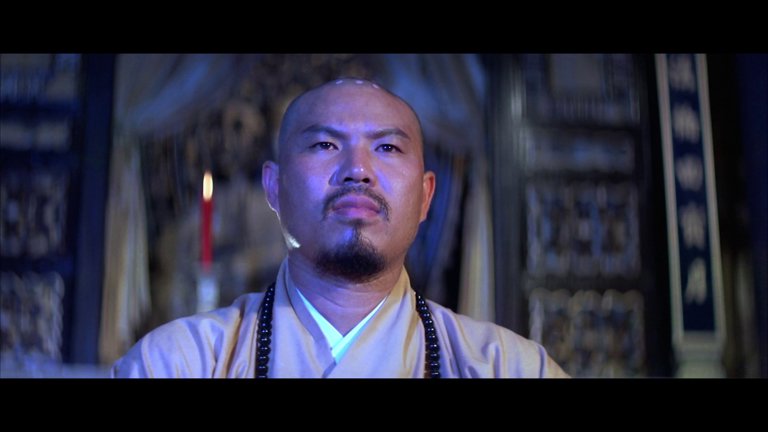
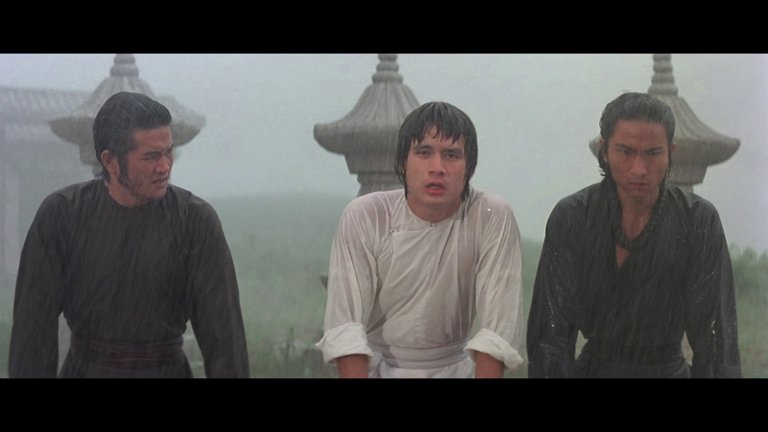
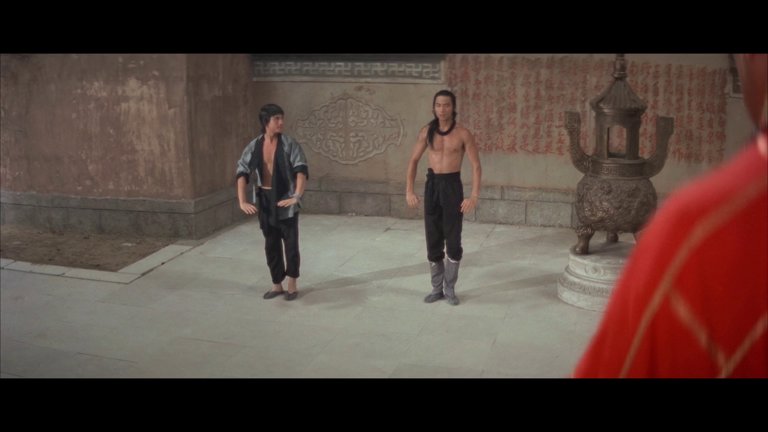
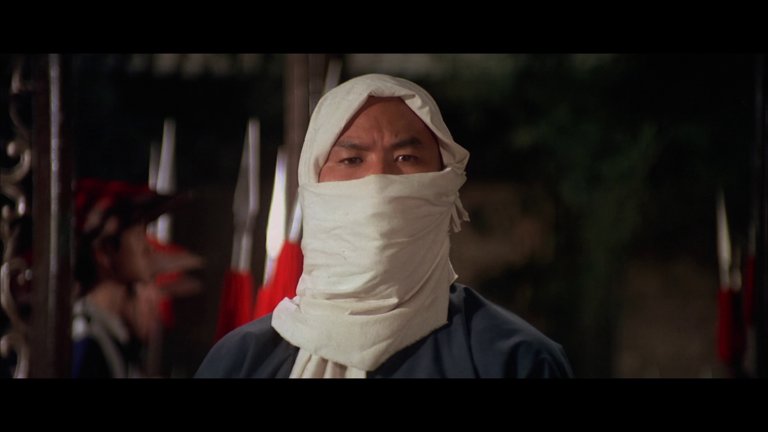
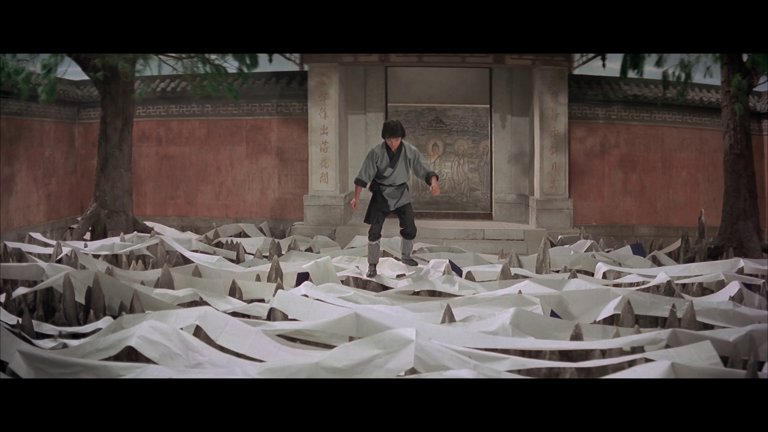
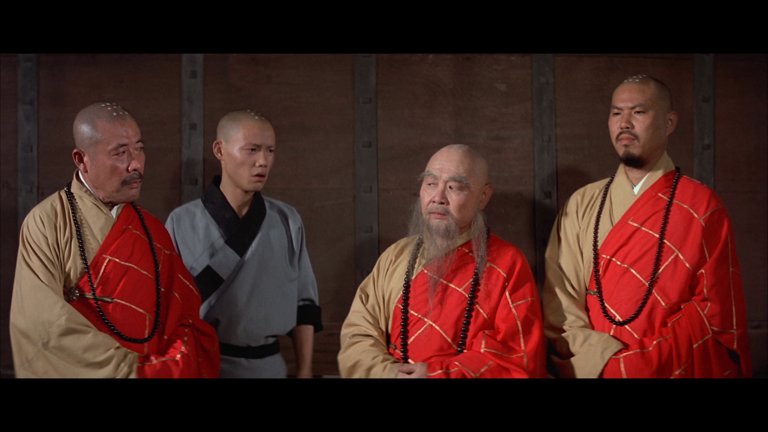
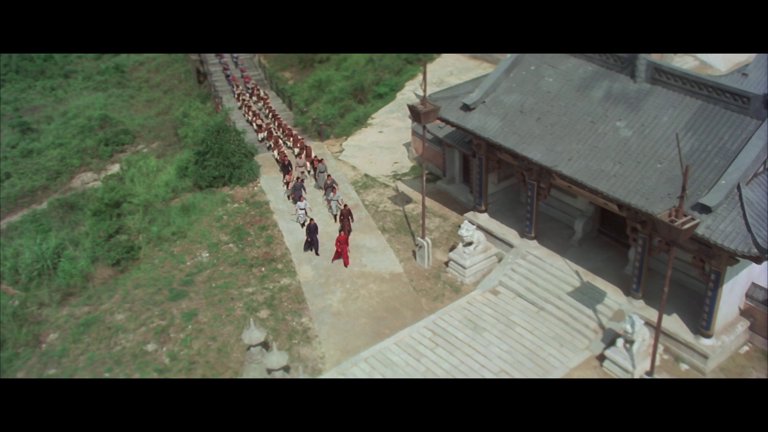
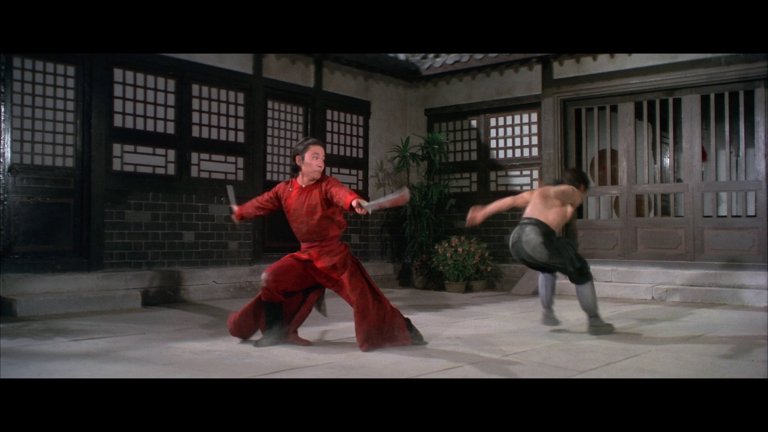
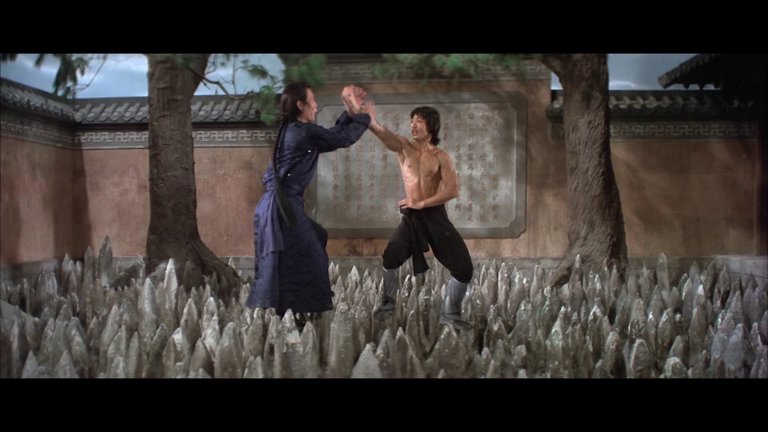
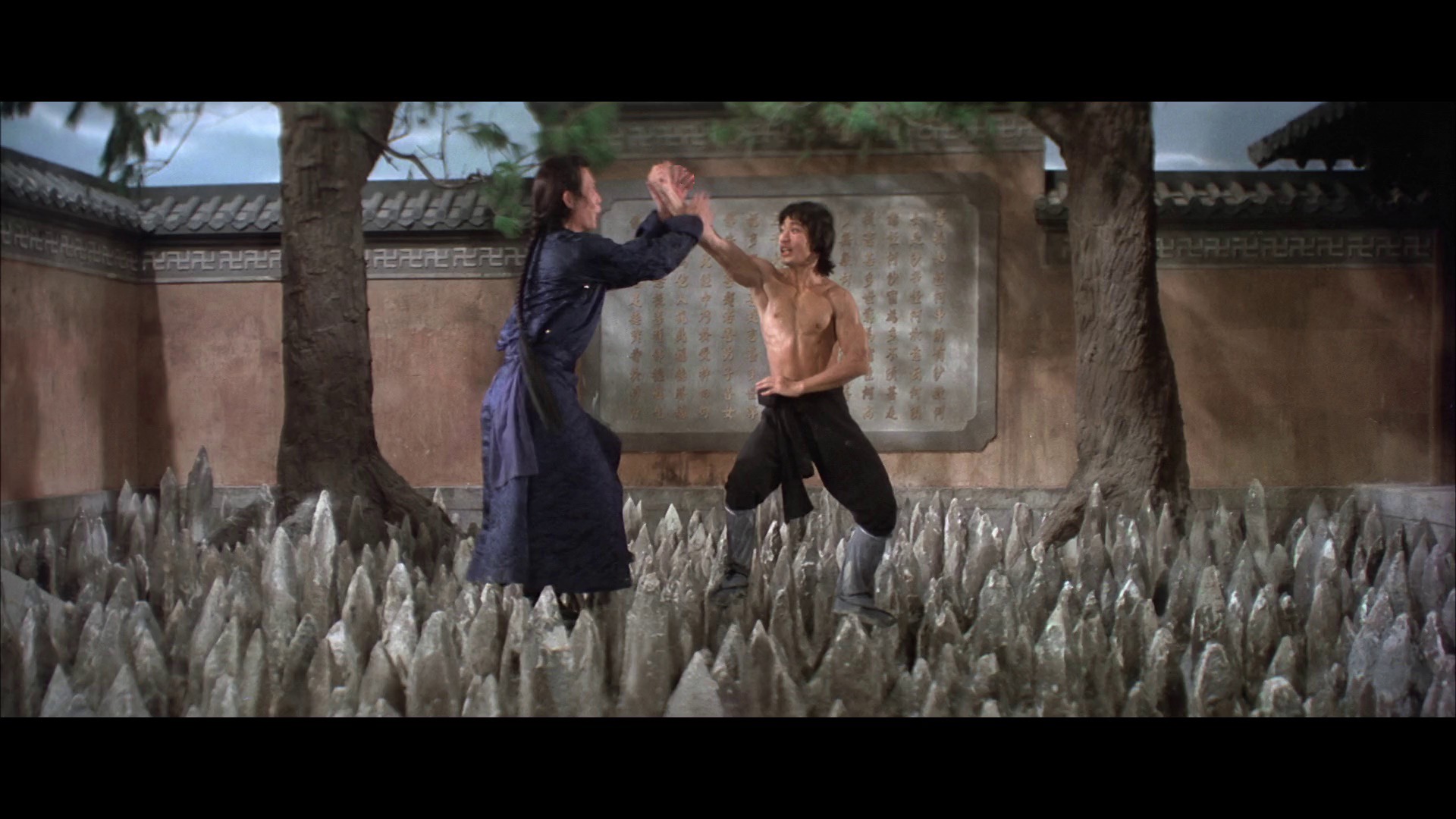
Shawscope: Volume One - Screen Captures
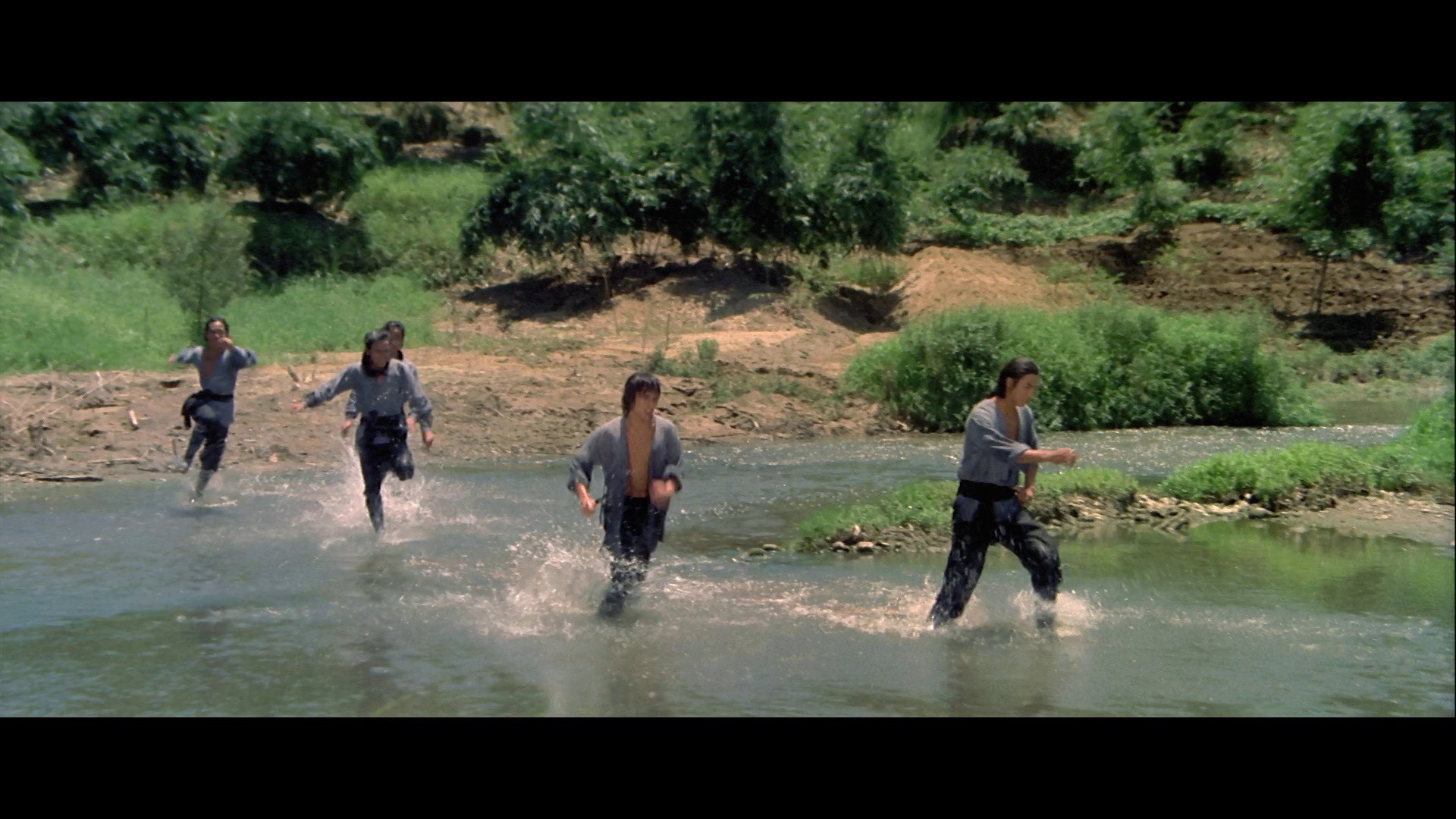
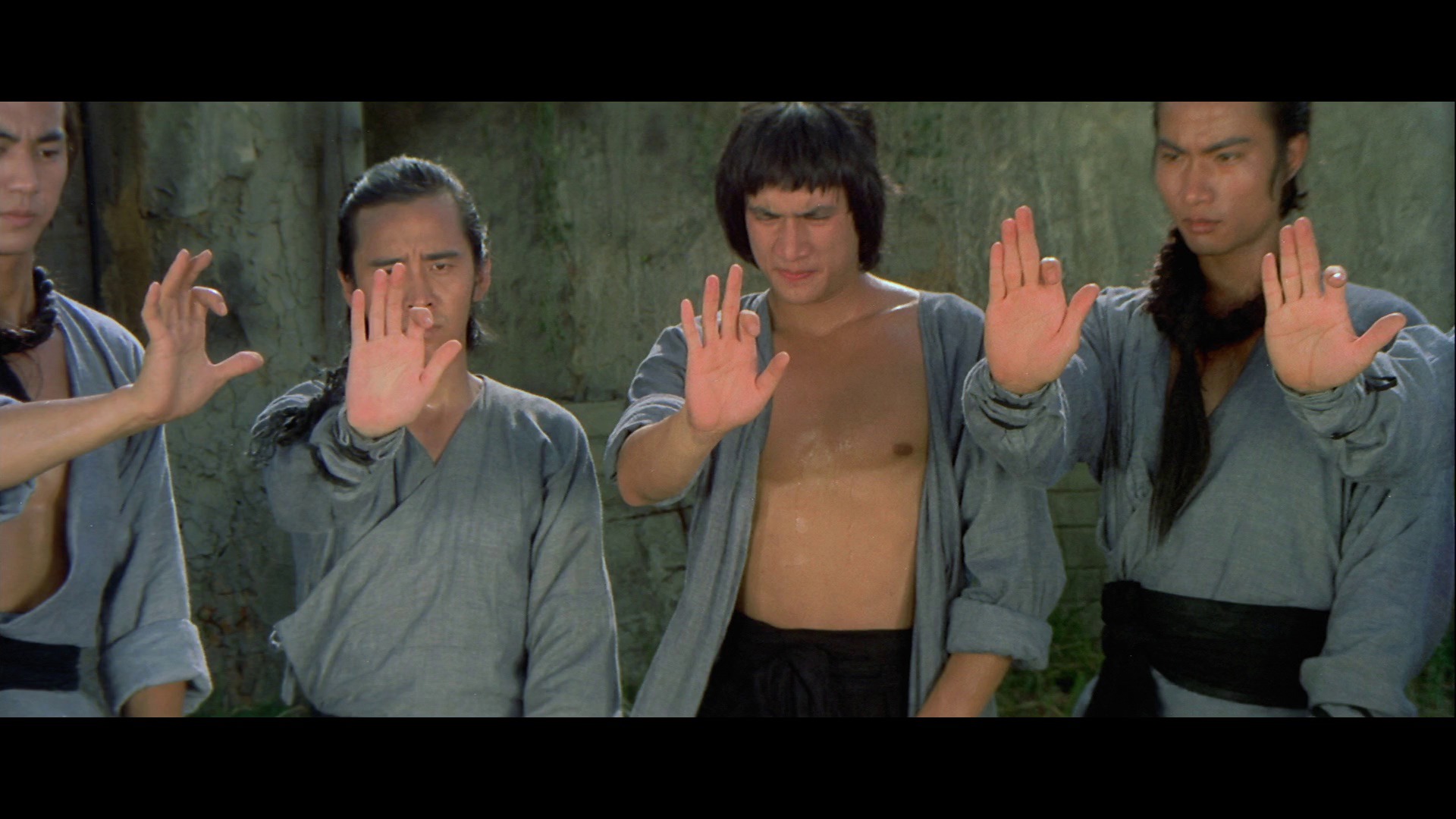
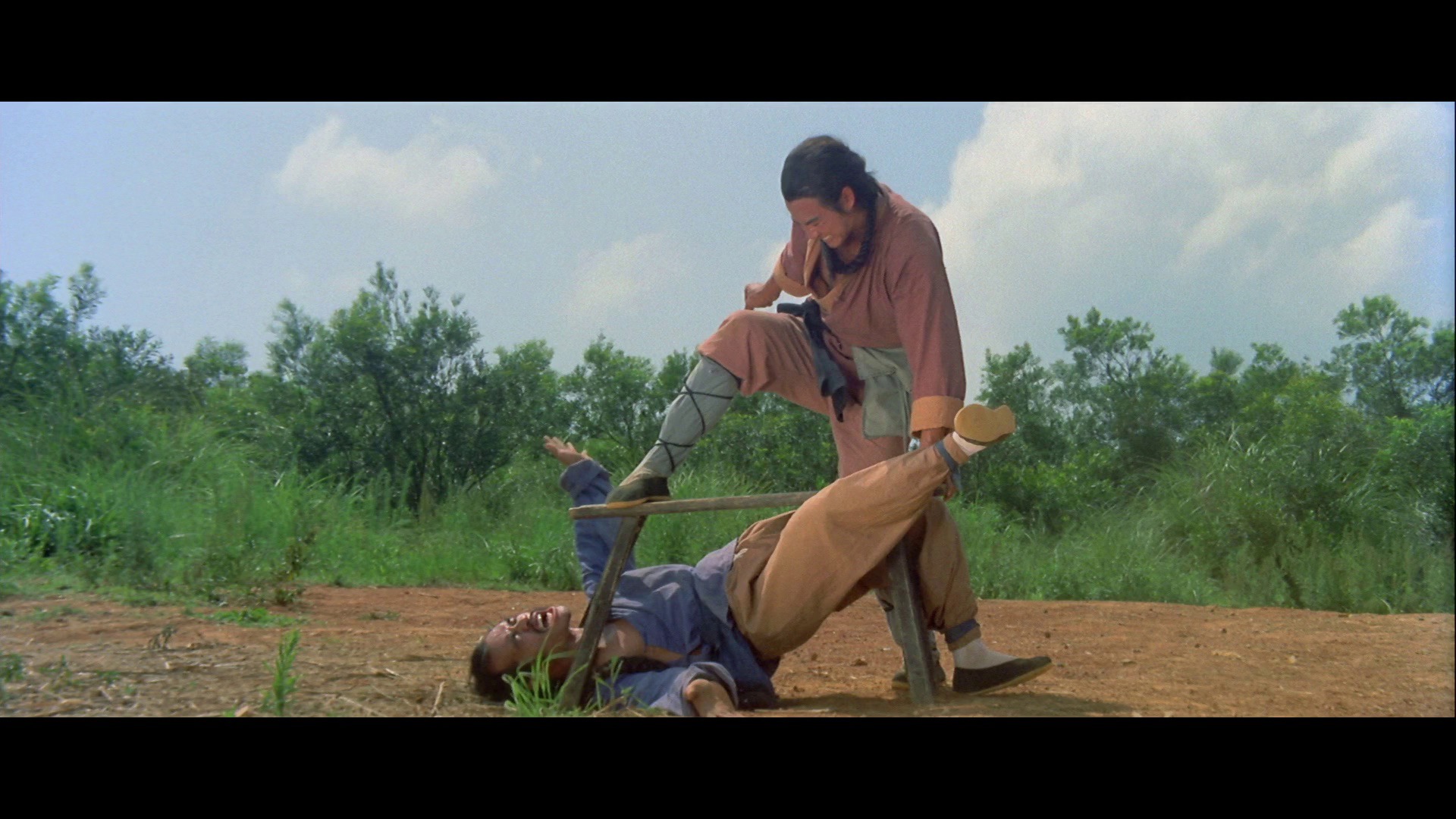
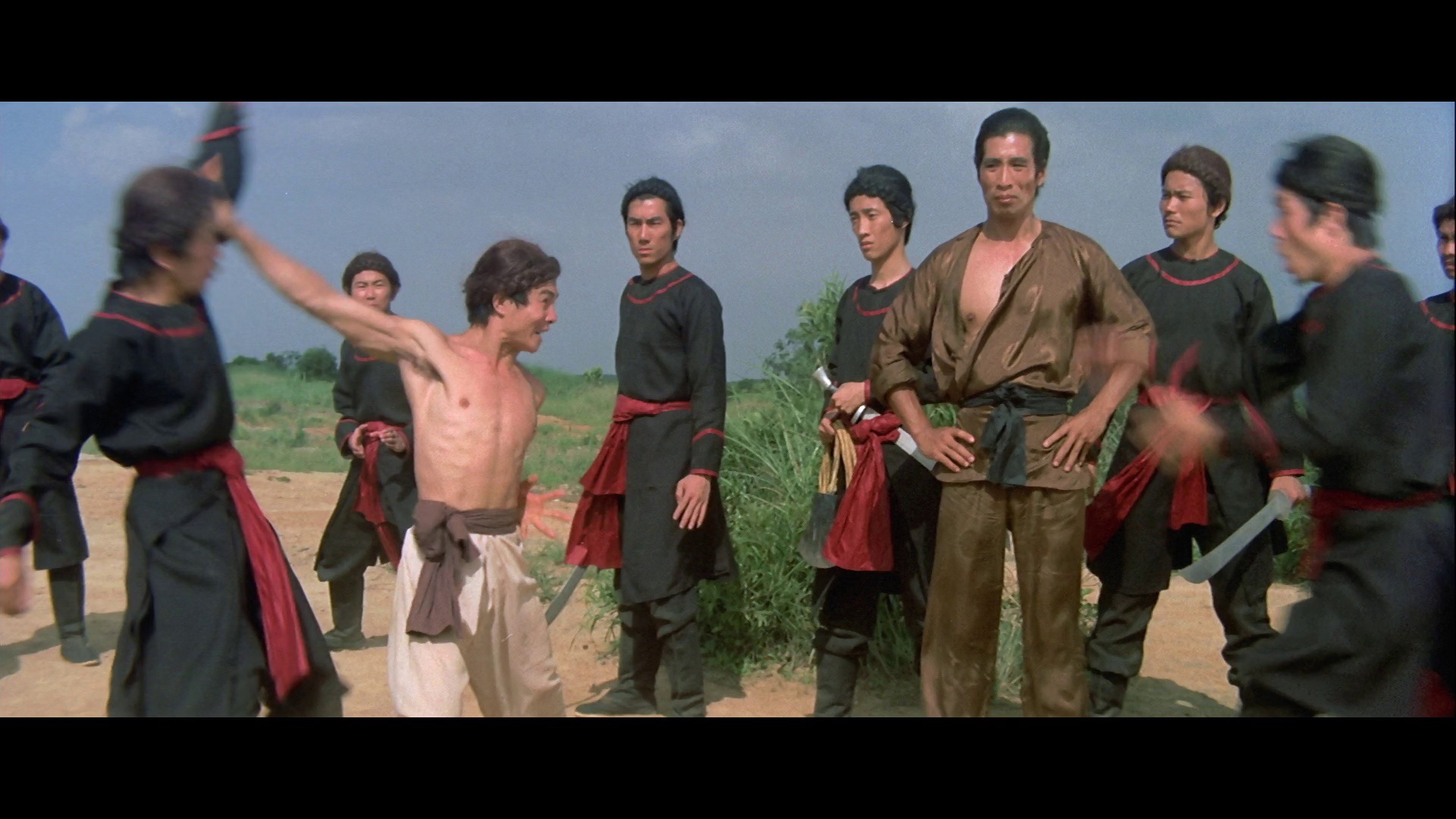
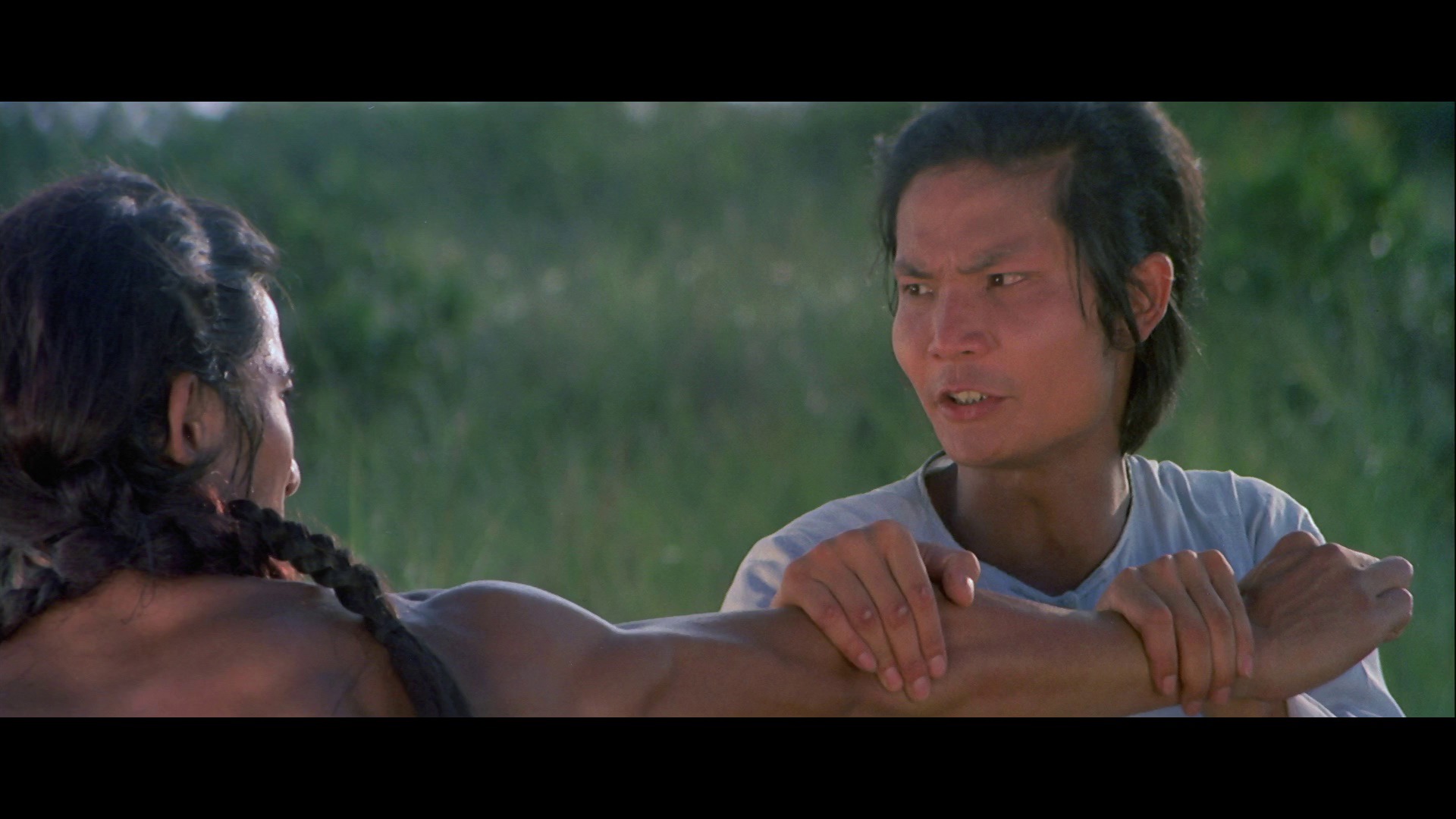
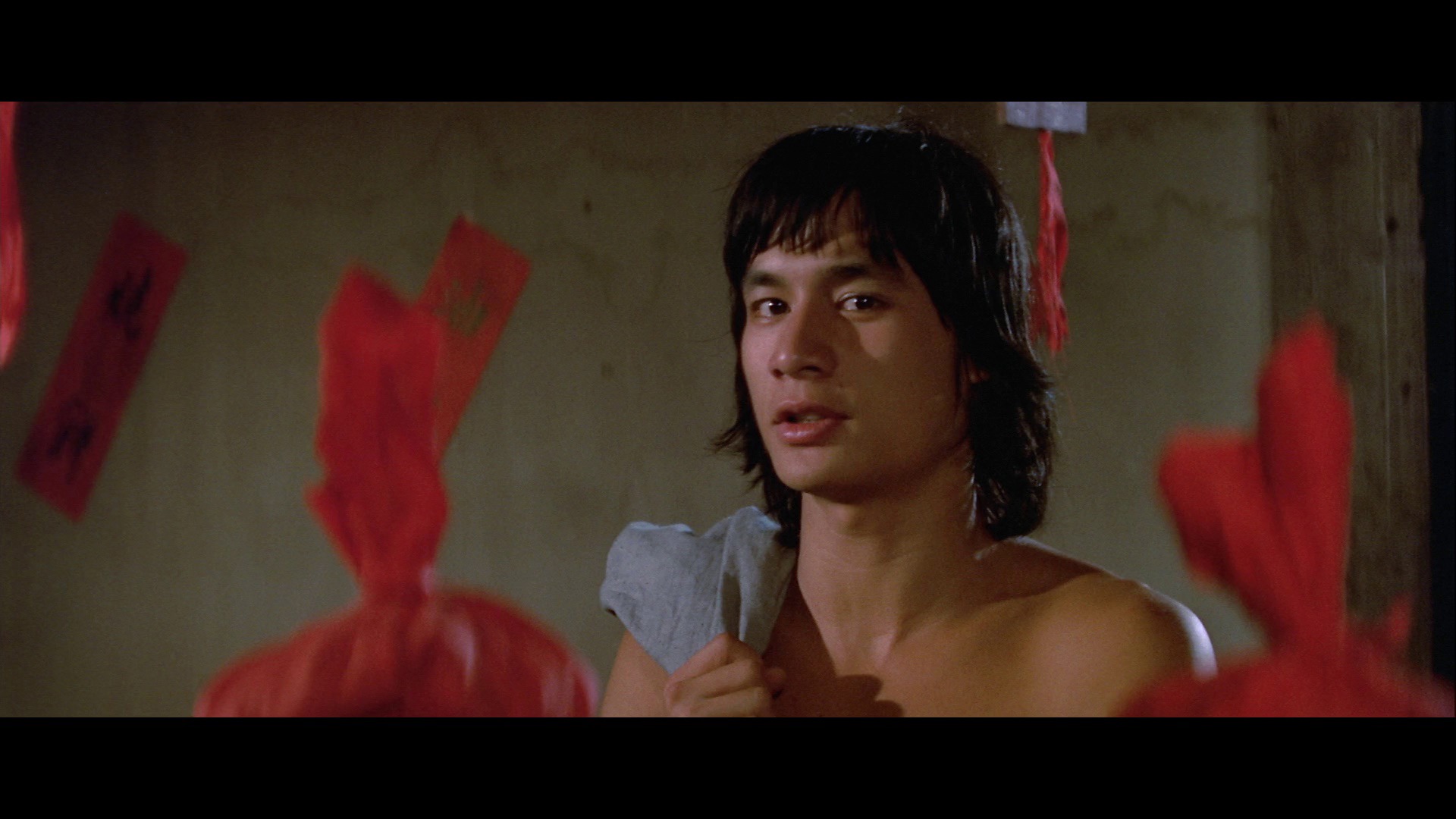
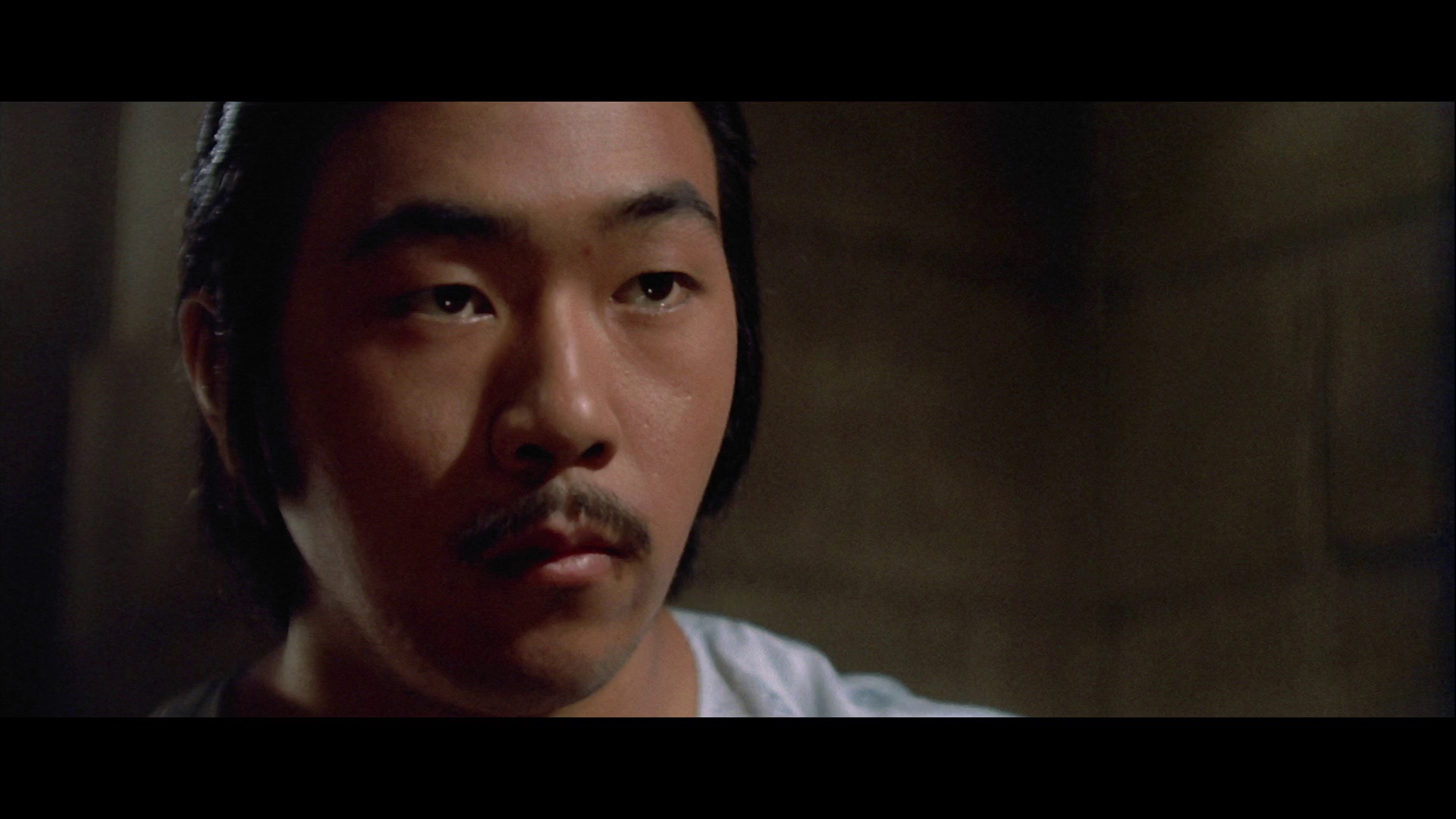
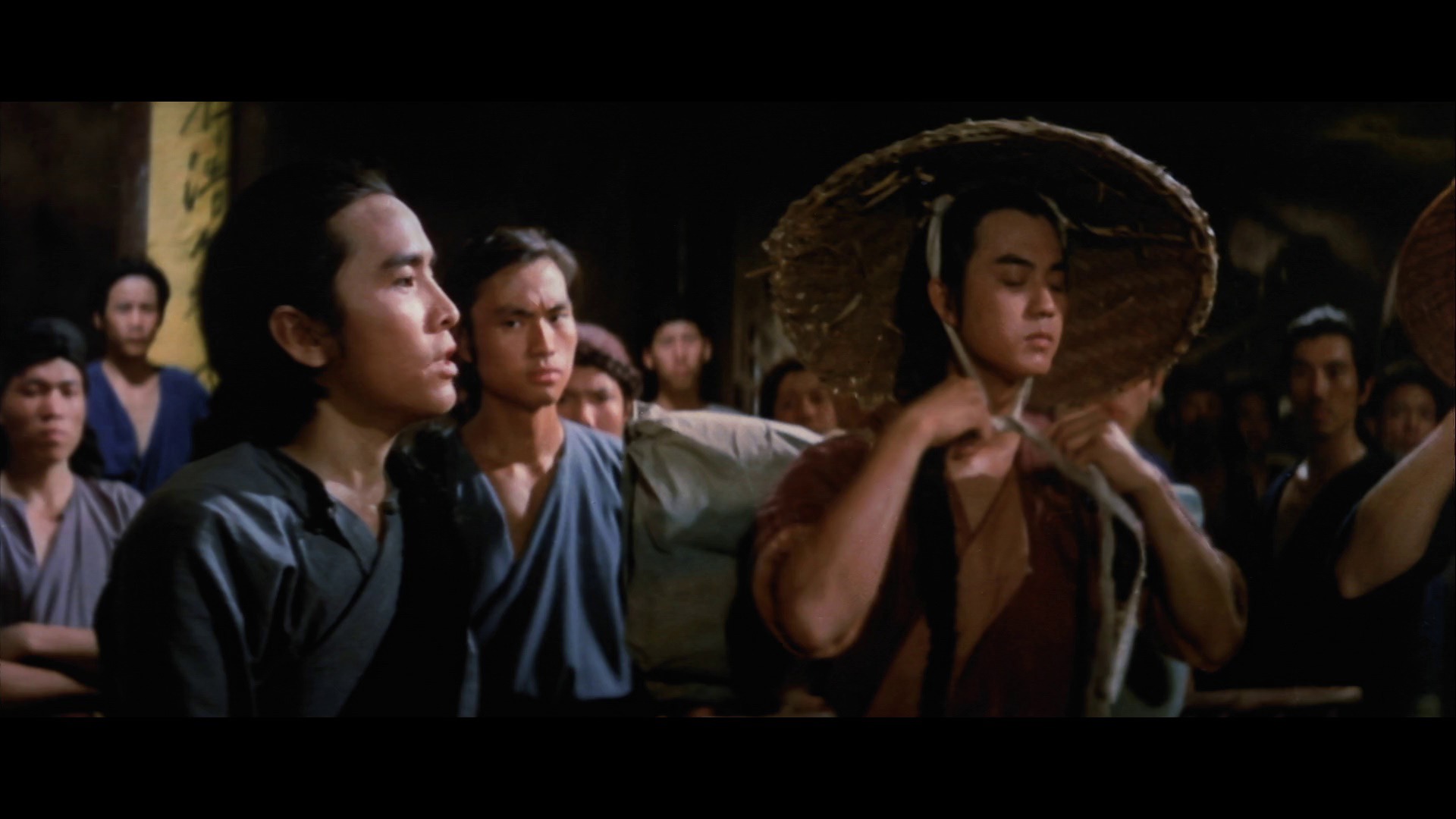
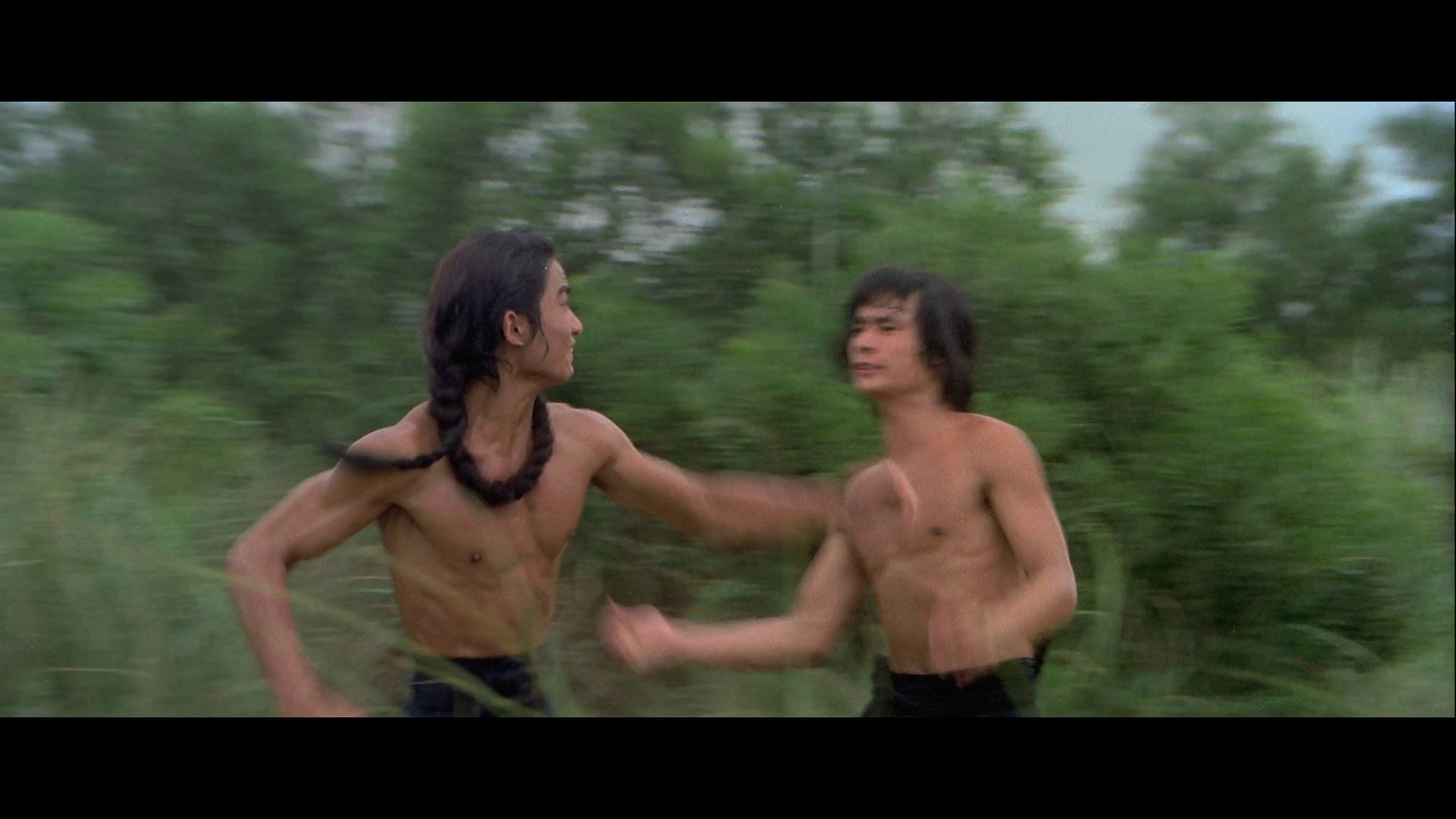
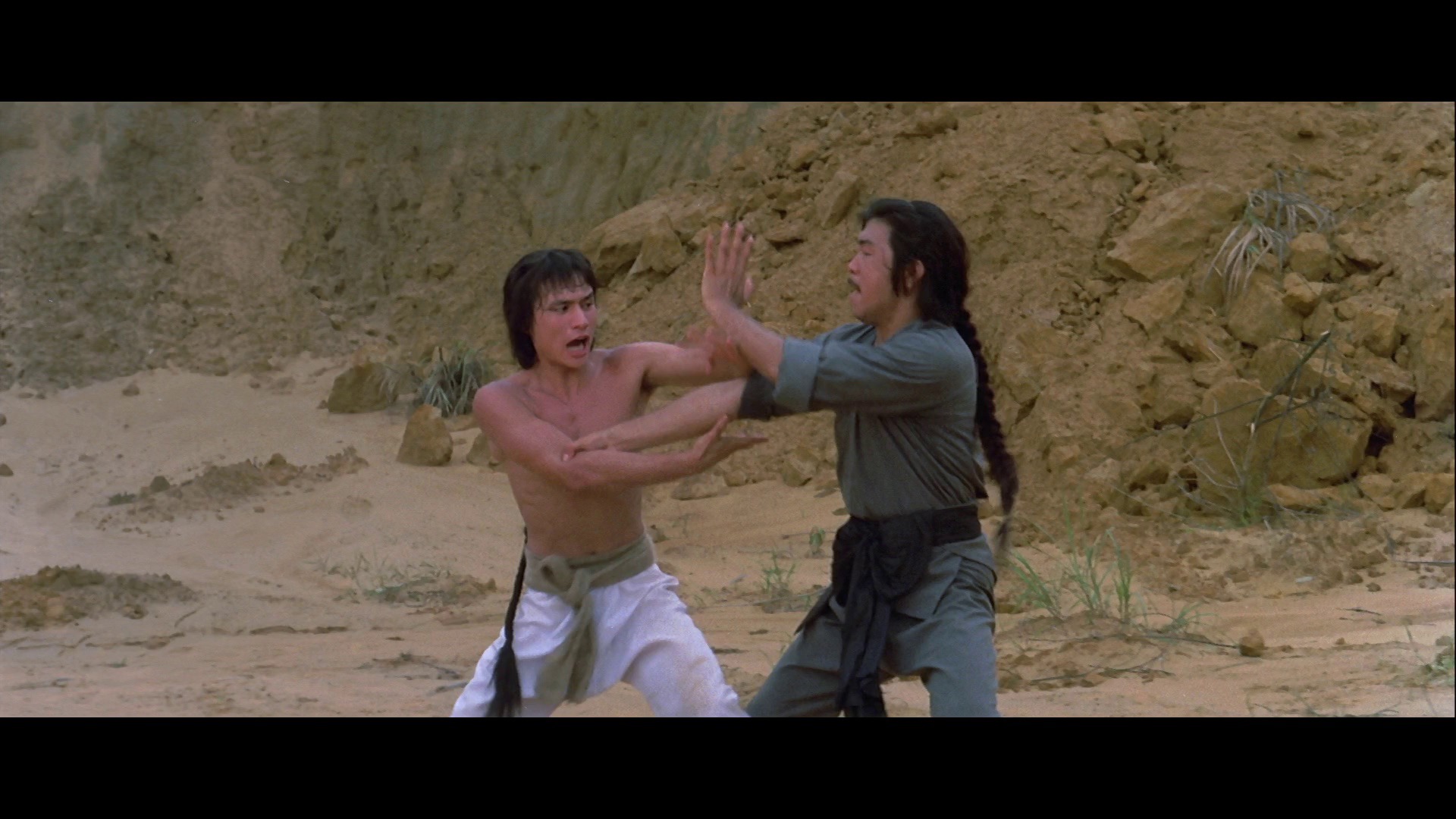
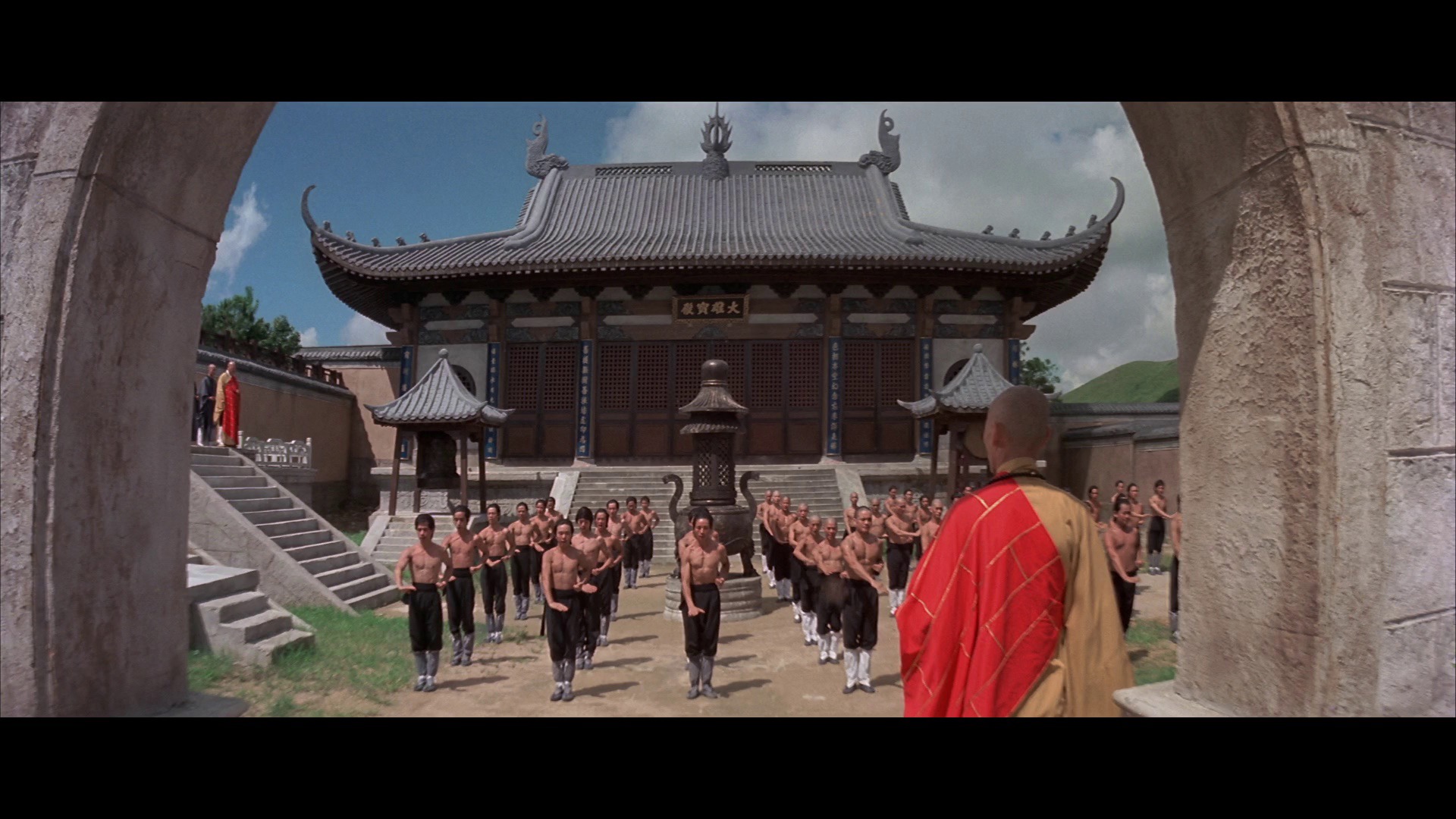
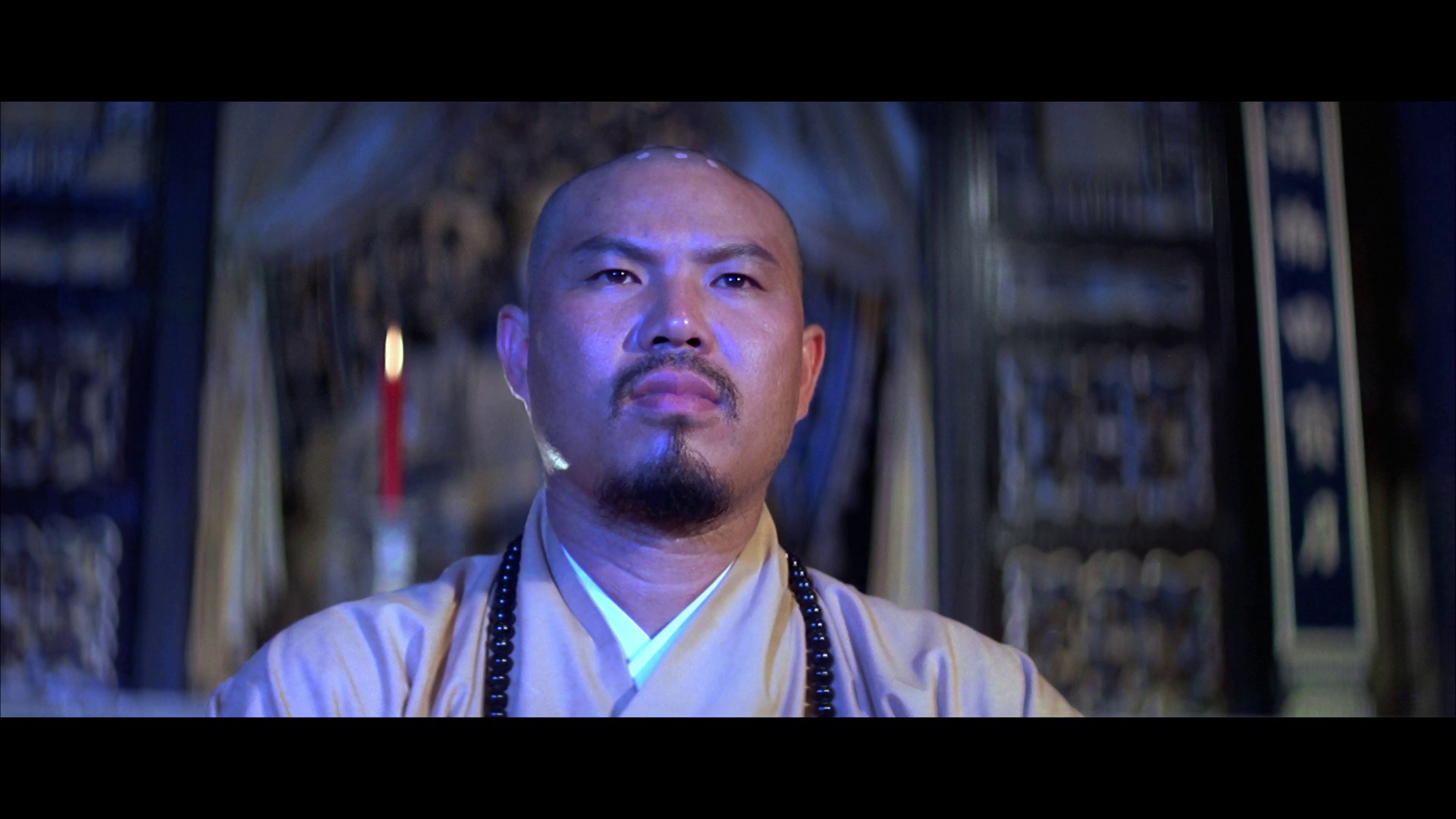
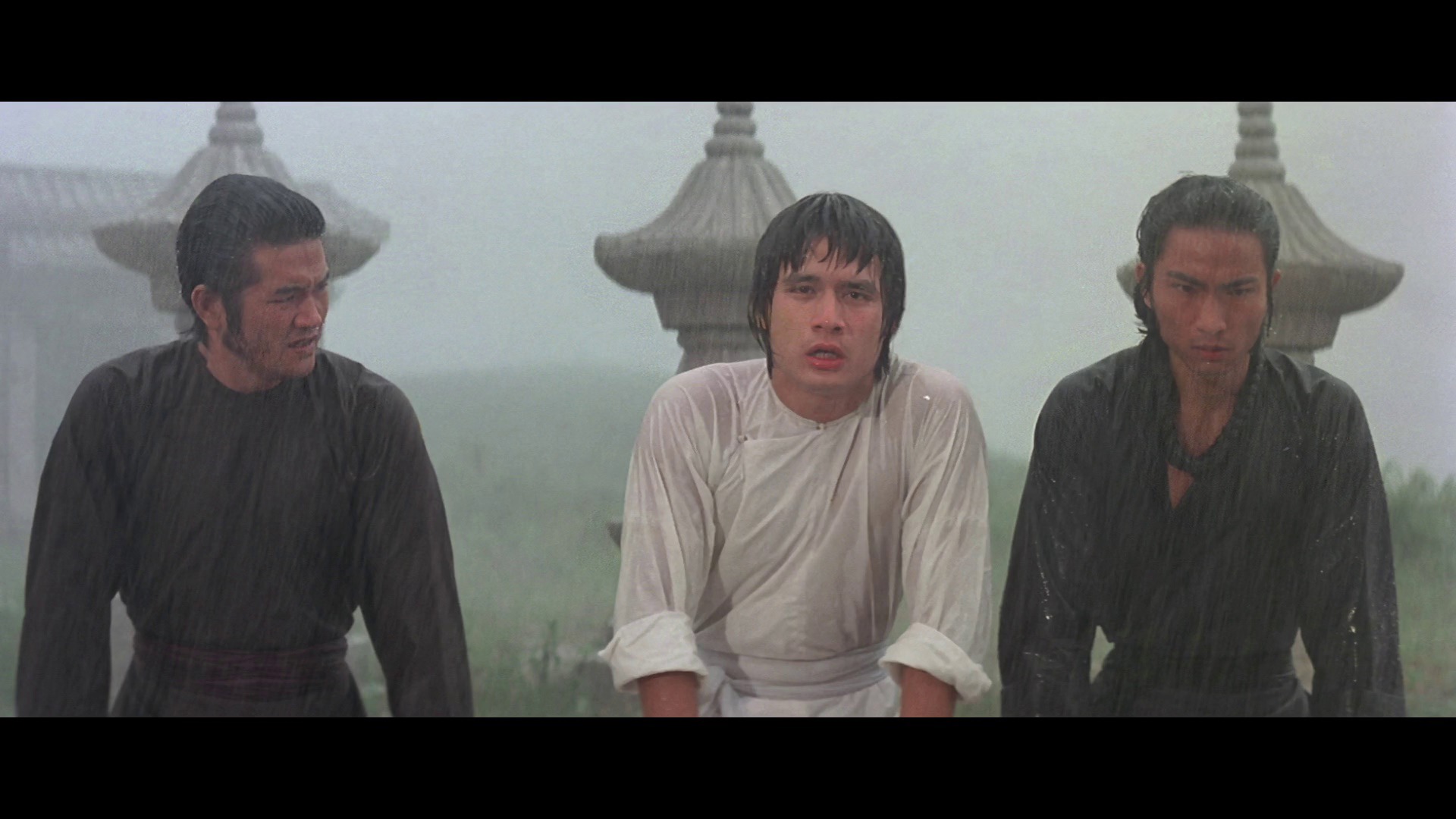
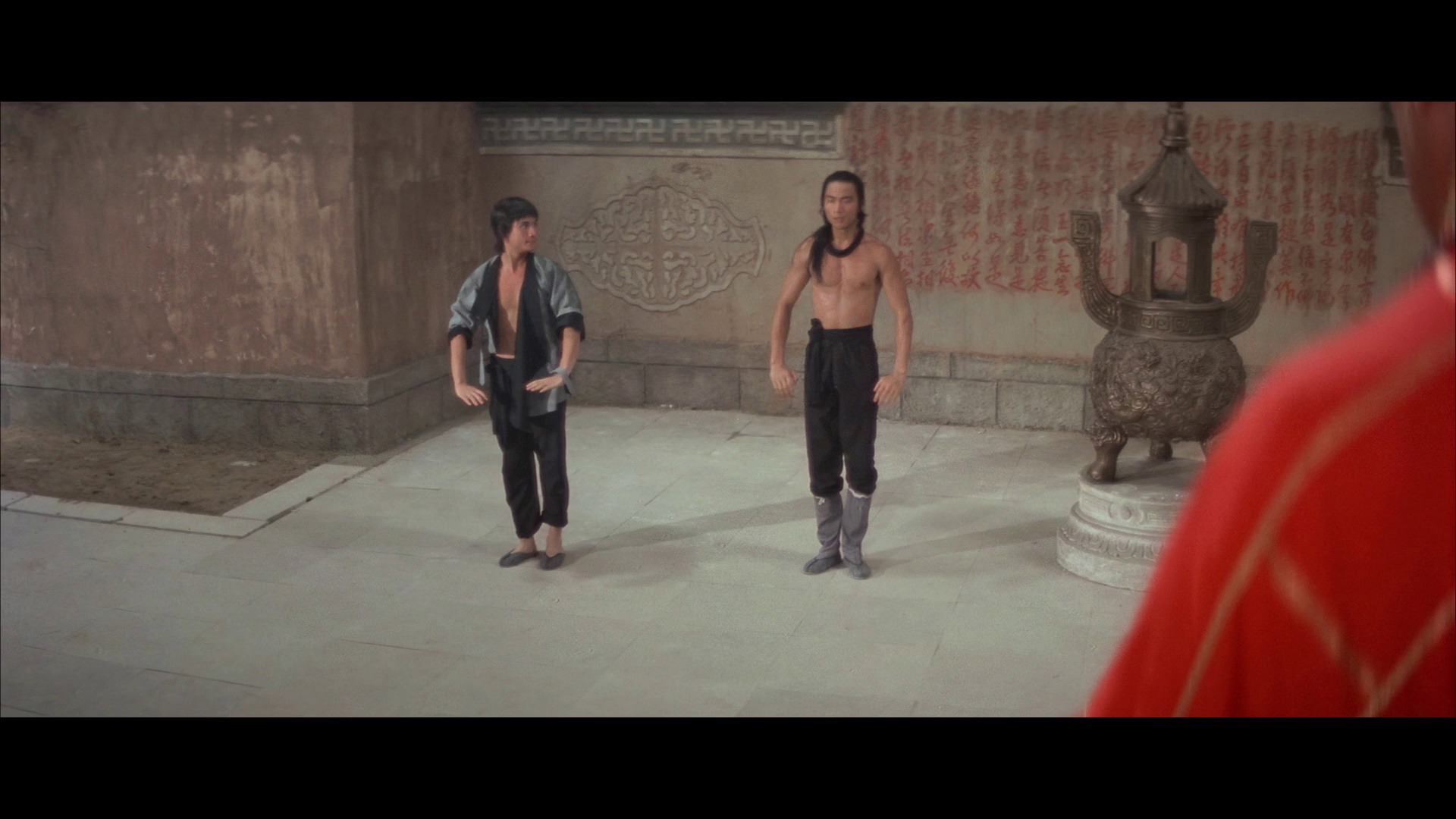
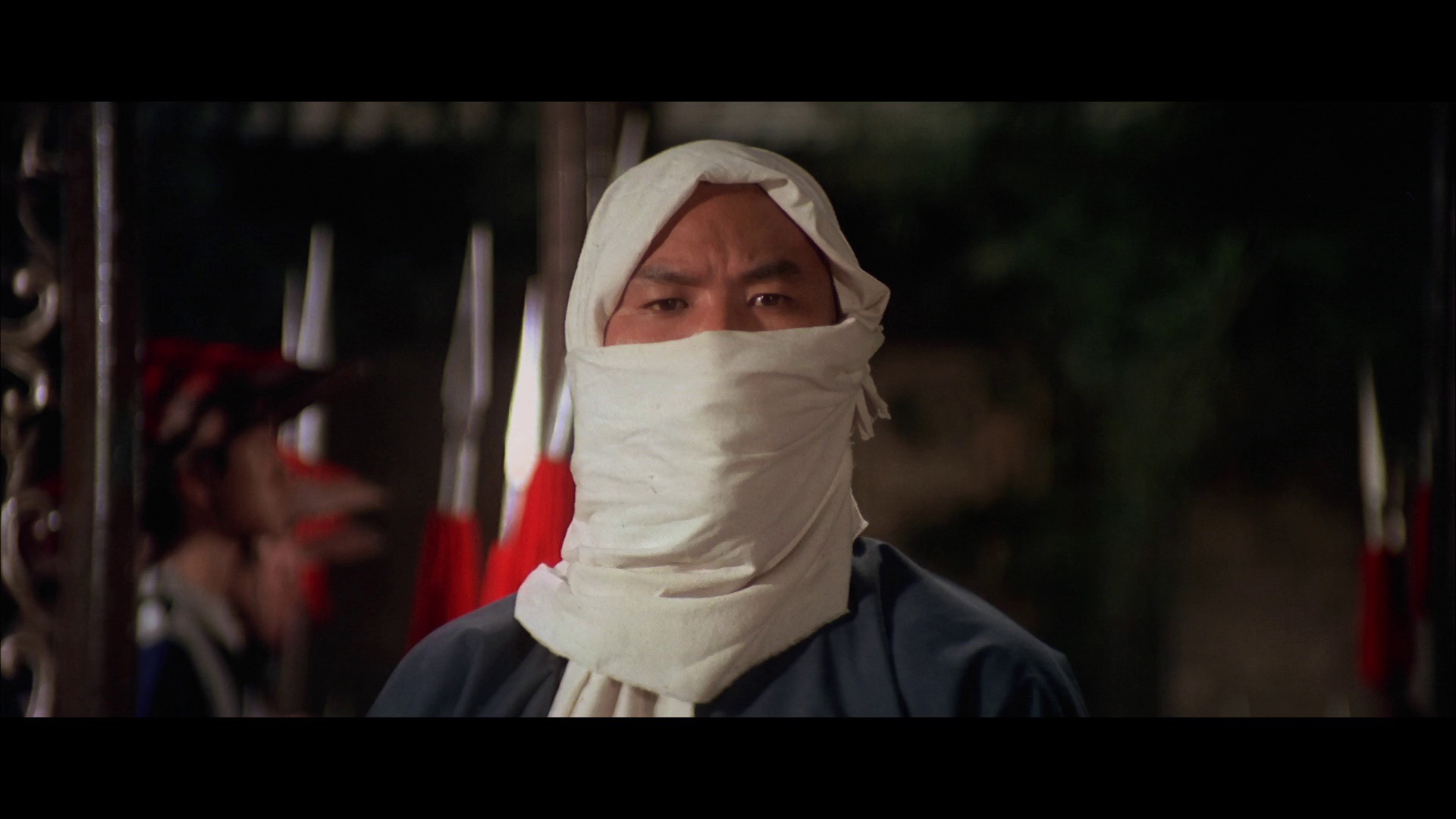
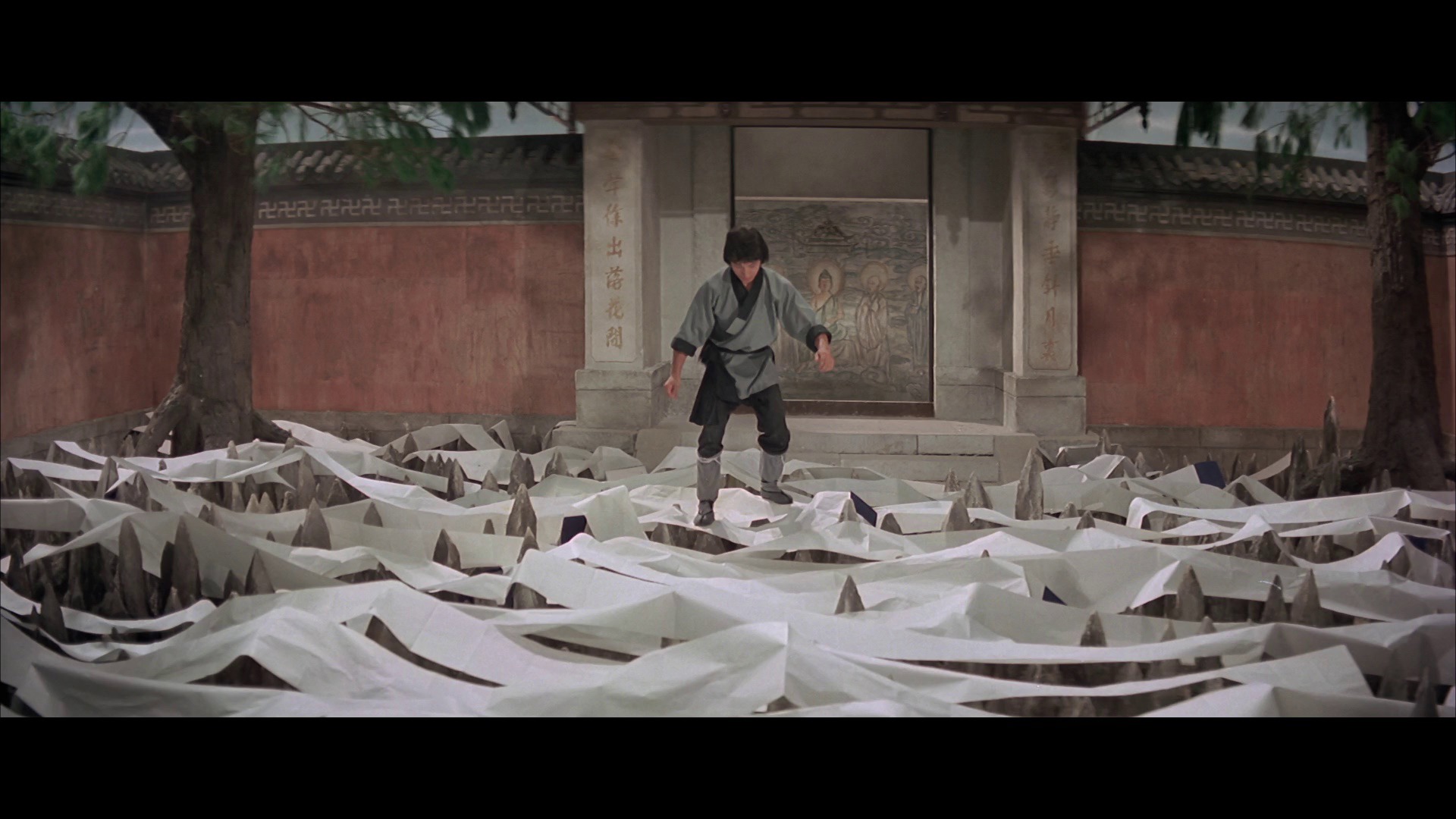
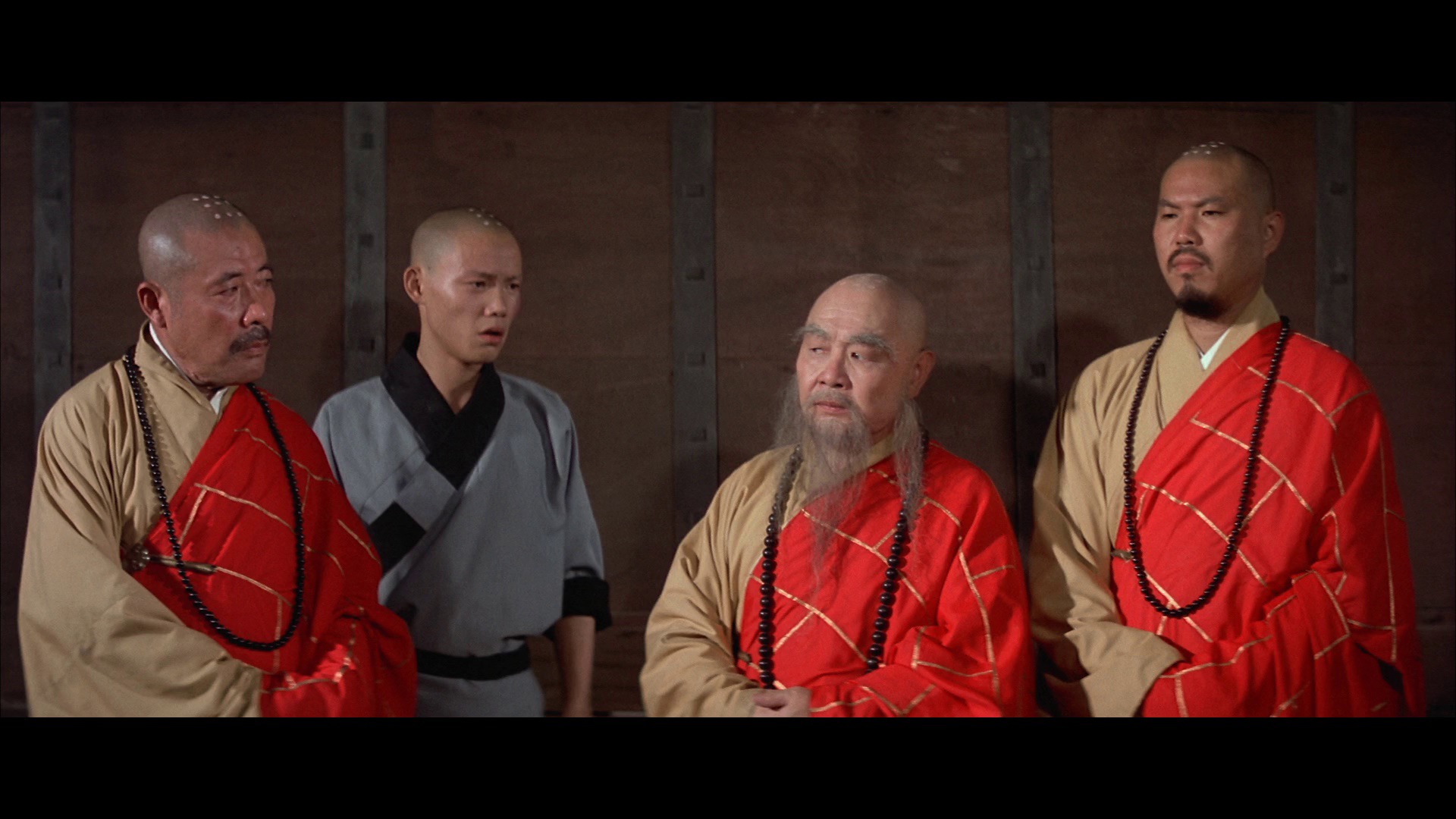
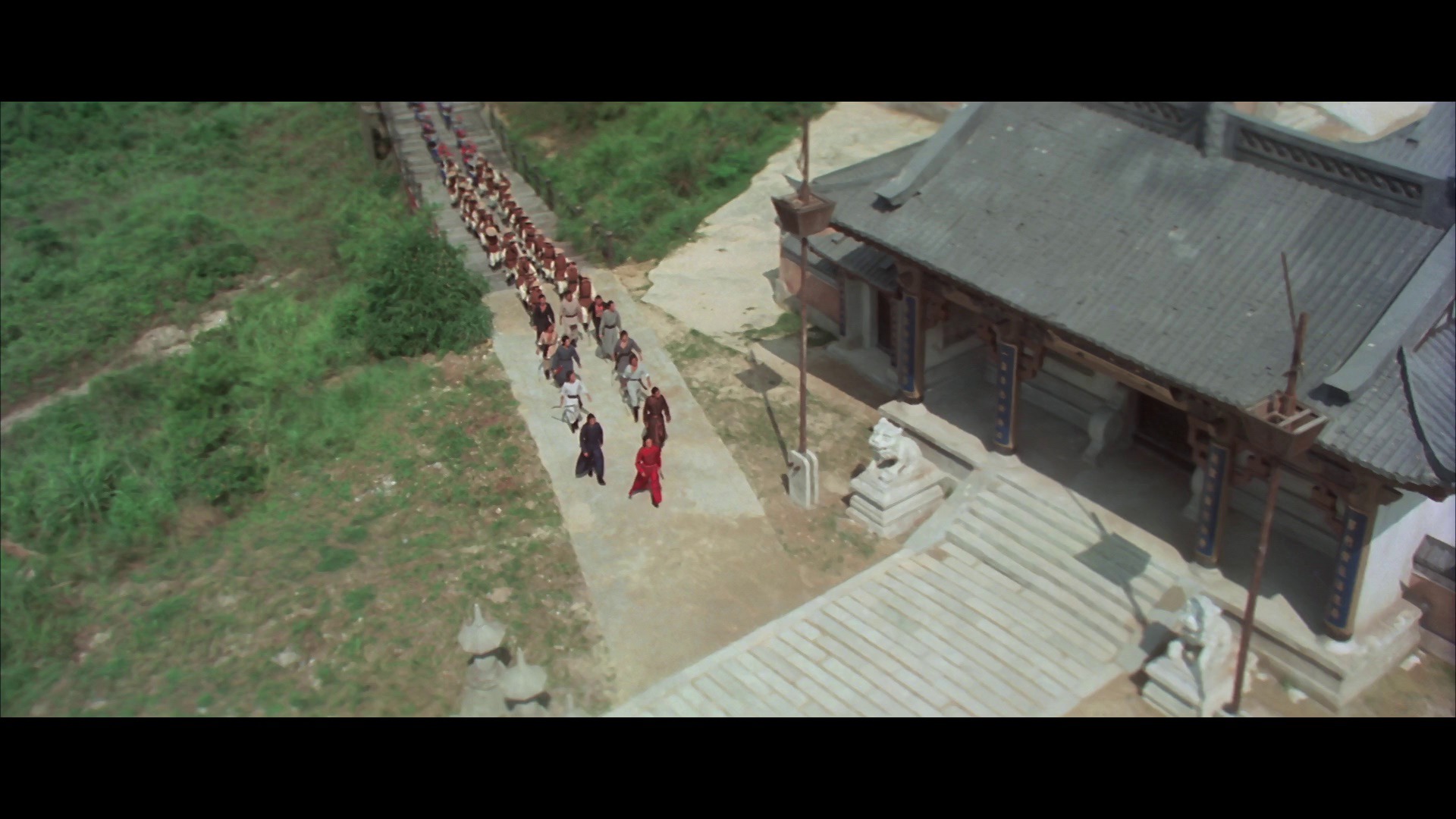
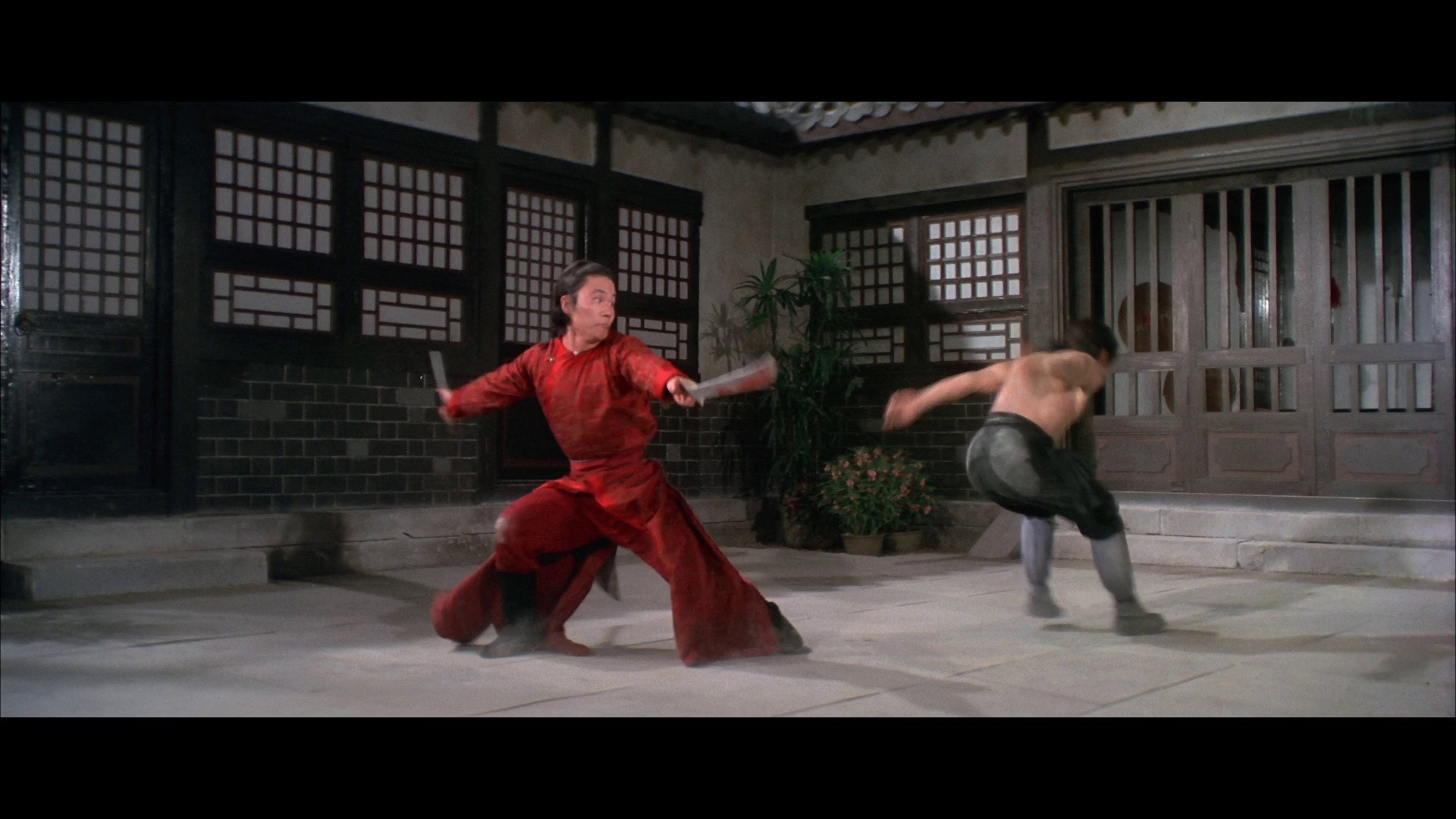
Audio 6/10
Both films come with two monaural audio tracks presented in DTS-HD MA: English and Mandarin. In each case the Mandarin tracks may be a little sharper, but to my surprise they all sound better than I would have expected, a very common theme throughout this set. They’re both dubs and sound to have been filtered a bit, so neither one really sounds or feels natural to the film, but they’re clear and there is no excessive damage present. It will come down to preference as to which track to go with.
Extras 6/10
The main menu is divided into sections for each film, and each film does receive its own supplement menu. The films end up sharing three features between them, accessible from their respective menus: a new 36-minute interview featuring Tony Rayns along with two actor profiles created by Celestial Pictures in 2003, one for Ti Lung and the other David Chiang. The profiles, running 9-minutes and 8-minutes respectively, are not terribly illuminating and feel more promotional in nature, offering general bios around the actors, their work, and their personal lives through interviews and narration. Rayns’ interview is more rewarding, the film scholar using his allotted time to talk about the career of director Chang Cheh. He talks about several of his films, his move to Shaw Brothers and then his formation of his own production company. He even takes the time to go over the usual themes and elements one would find in his work, pointing out specific examples in the two films on this disc. A nice introduction for someone like me who isn’t all that familiar with the director.
Five Shaolin Masters then features a 23-minute interview with actor Kong Do, recorded in 2005, who talks in detail about working with Chang and Shaw Brothers, explaining their contracts and how one could get around them. Arrow also includes the U.S. opening titles with the title Five Masters of Death, offering up the whole 10-minute opening with the English title overlays. And then closing the supplements for the film is a gallery featuring a number of production photos, posters, press books, German material, and a DVD cover, along with a selection of trailers from the U.S. and Germany followed by Celestial’s digital trailer.
Interestingly, Shaolin Temple comes with a standard-definition presentation of the film, which is noted to probably look closer to how the film looked theatrically, prior to Celestial altering it with their high-definition restoration. I couldn’t detect a difference in edits or anything (and I’m not familiar enough with the film to easily do that) but it oddly has a more film-like texture compared to the high-def presentation, though it comes out looking noisier here due to the compression. Colours also don’t have the same vibrant look the high-def presentation has. To be honest, I doubt many will watch this one over the high-def version, but Arrow’s notes state they’re including it for posterity.
Shaolin Temple then comes with three alternate titles, including the original credits from the Hong Kong version (not the digitally created ones used for the restoration), the U.S. credits (with the title Death Chamber) and then an alternate English one featuring the original Shaolin Temple title. There is also another gallery and a collection of trailers, this time from Hong Kong and Germany, alongside Celestial’s digital trailer.
Despite the interesting inclusion of the standard-definition version for Shaolin Temple this disc feels a bit slimmer than the other discs in the set, with Rayns’ contribution being the notable standout.
Closing
Two of the weaker presentations in the set, looking overly processed, with a slim selection of features.
BUY AT: