Shawscope: Volume One
Mighty Peking Man
BUY AT:



See more details, packaging, or compare
Synopsis
After an undisputed reign at the peak of Hong Kong’s film industry in the 1960s, Shaw Brothers (the studio founded by real-life brothers Run Run and Runme Shaw) found their dominance challenged by up-and-coming rivals in the early 1970s. They swiftly responded by producing hundreds of the most iconic action films ever made, revolutionising the genre through the backbreaking work of top-shelf talent on both sides of the camera as well as unbeatable widescreen production value, much of it shot at ‘Movietown’, their huge, privately-owned studio on the outskirts of Hong Kong.
This inaugural collection by Arrow Video presents twelve jewels from the Shaw crown, all released within the 1970s, kicking off in 1972 with Korean director Jeong Chang-hwa’s King Boxer, the film that established kung fu cinema as an international box office powerhouse when it hit Stateside cinemas under the title Five Fingers of Death. From there we see Chang Cheh (arguably Shaw’s most prolific director) helm the blood-soaked brutality of The Boxer from Shantung and two self-produced films in his ‘Shaolin Cycle’ series, Five Shaolin Masters and its prequel Shaolin Temple, before taking a detour into Ho Meng Hua’s King Kong-inspired Mighty Peking Man, one of the most unmissably insane giant monster films ever made. Chang’s action choreographer Lau Kar-leung then becomes a director in his own right, propelling his adoptive brother Gordon Liu to stardom in Challenge of the Masters and Executioners from Shaolin. Not to be outdone, Chang introduces some of Shaw’s most famous faces to the screen, including Alexander Fu Sheng fighting on the streets of San Francisco in Chinatown Kid and, of course, the mighty Venom Mob in <
Picture 6/10
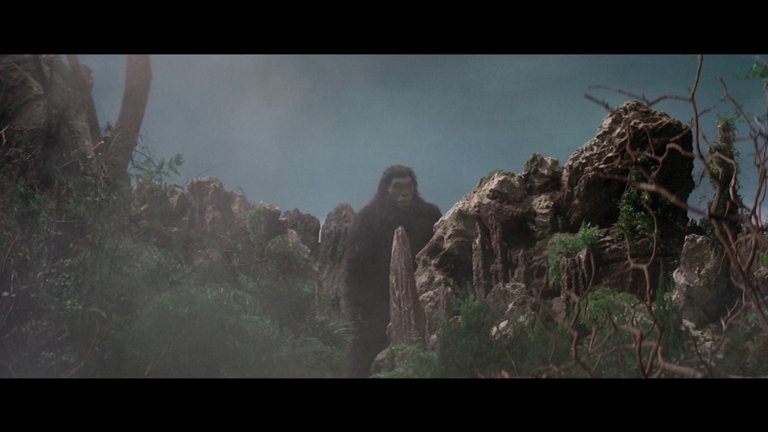
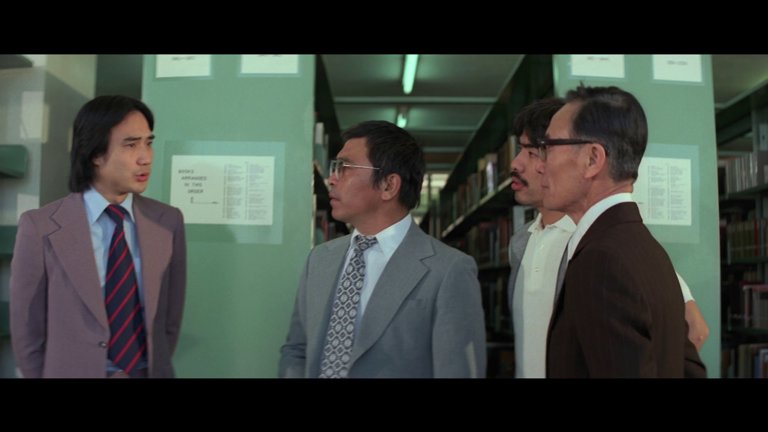
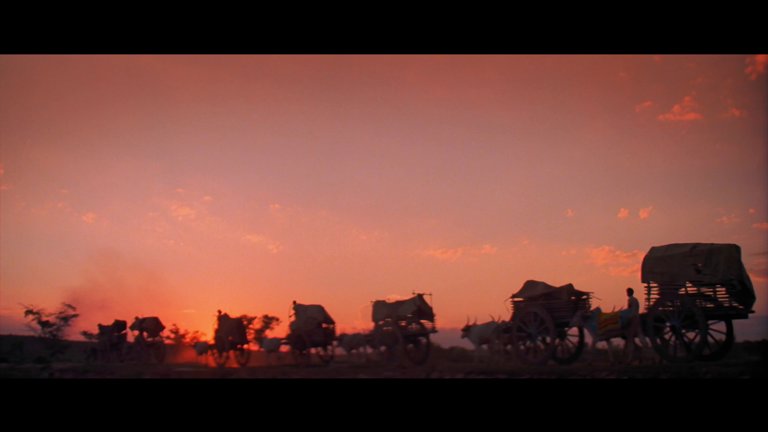
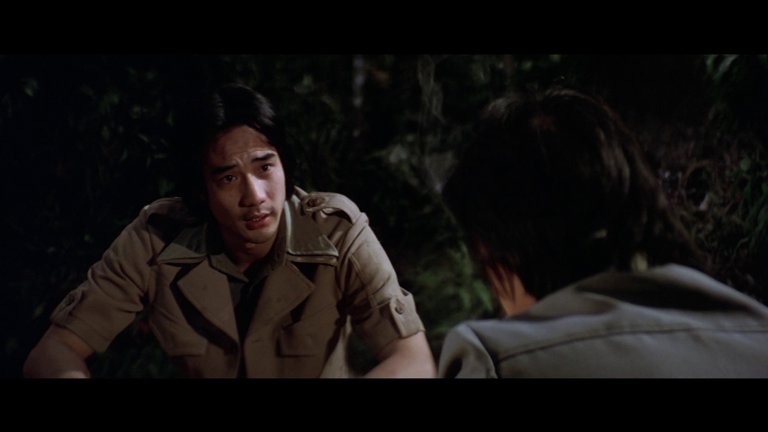
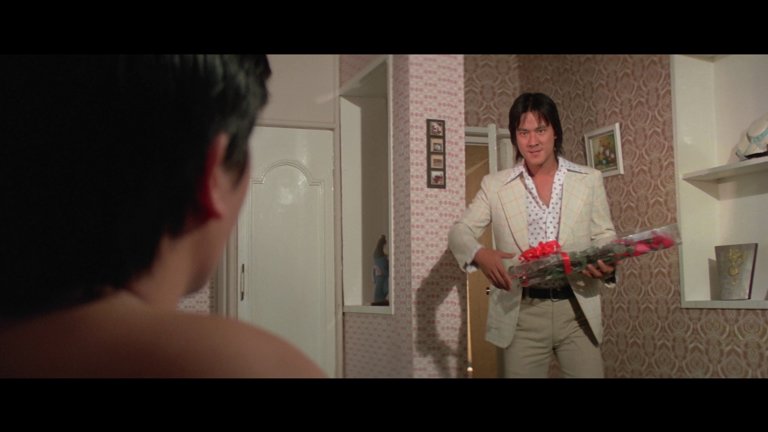
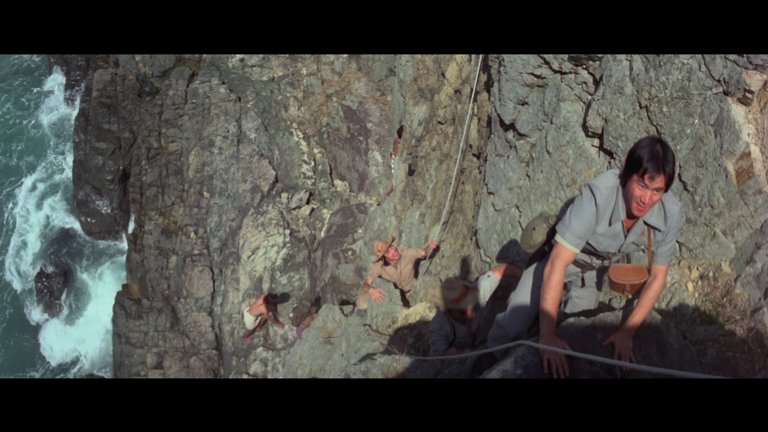
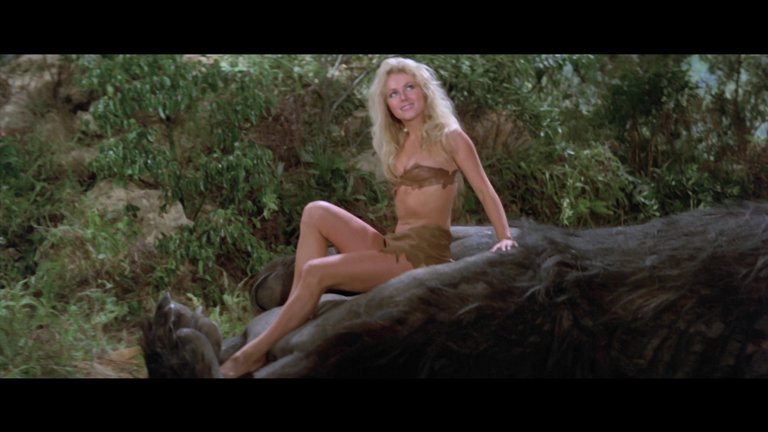
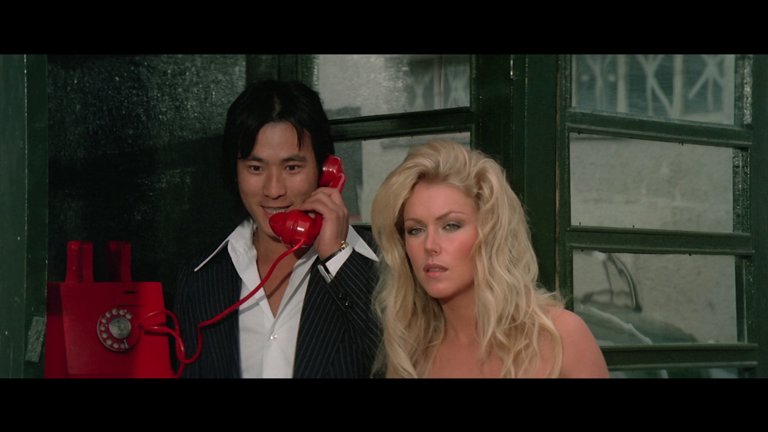
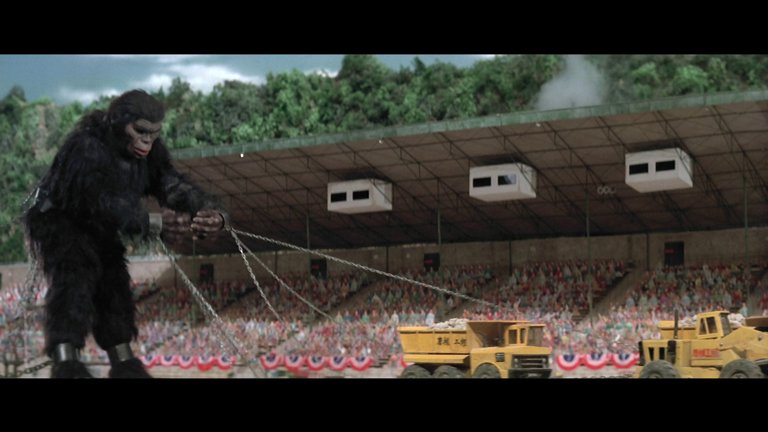
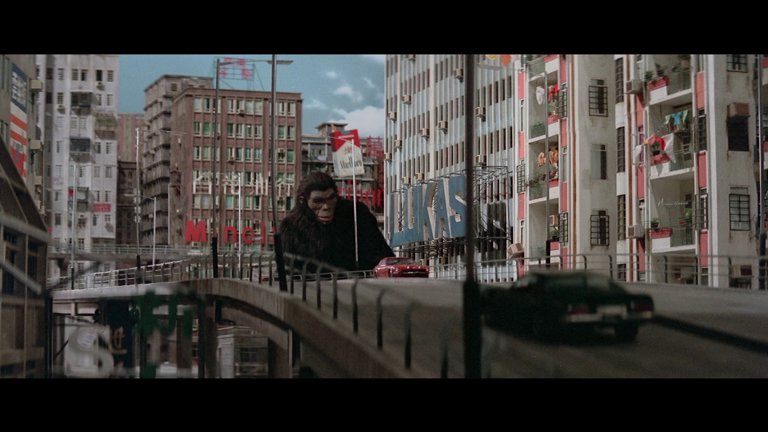
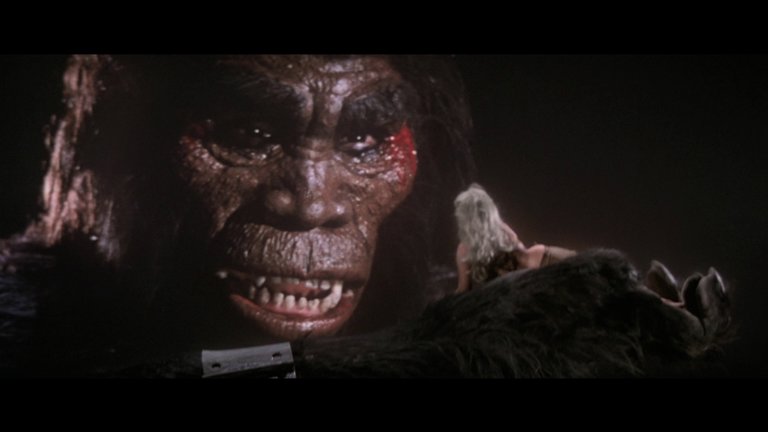
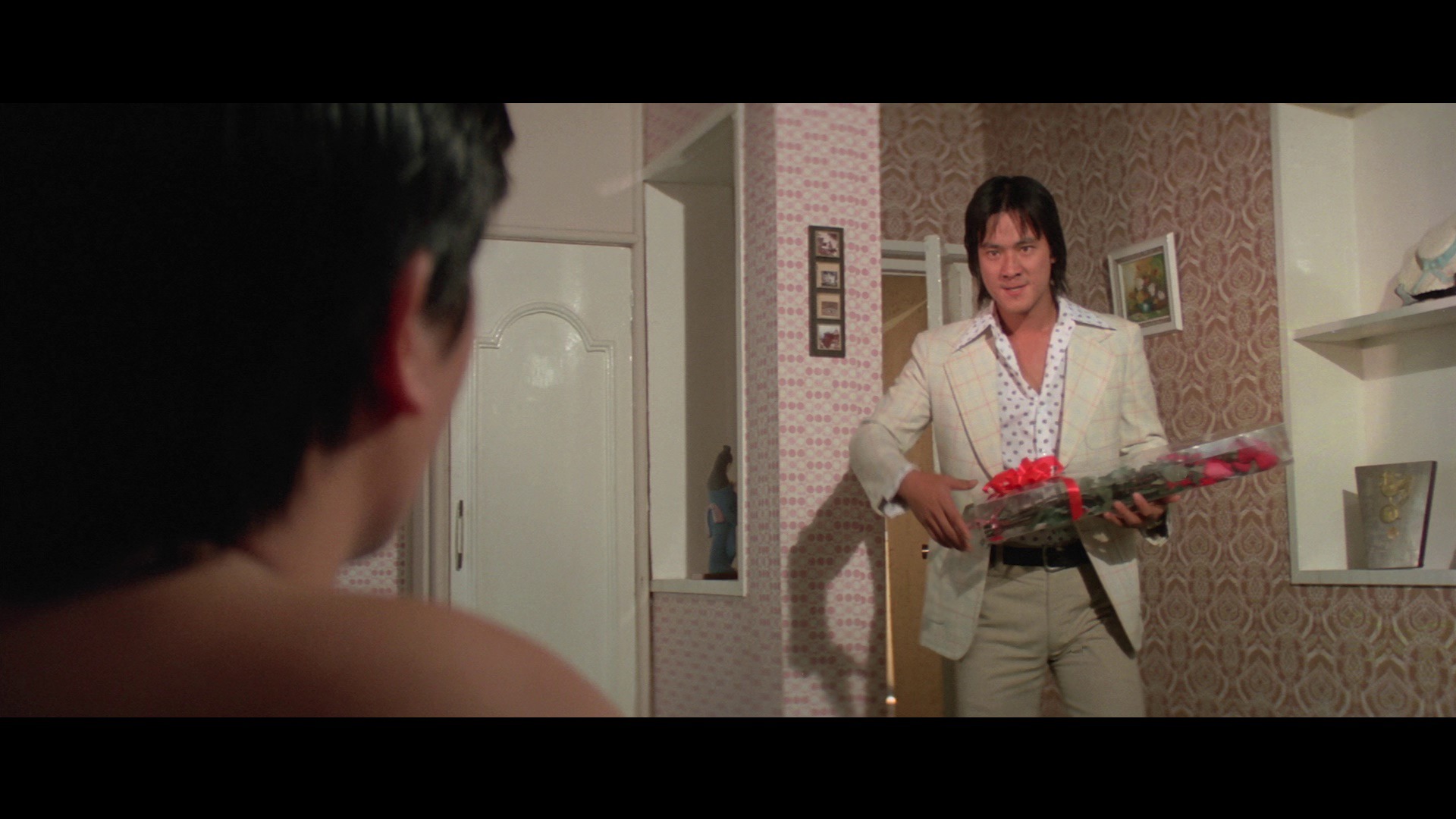
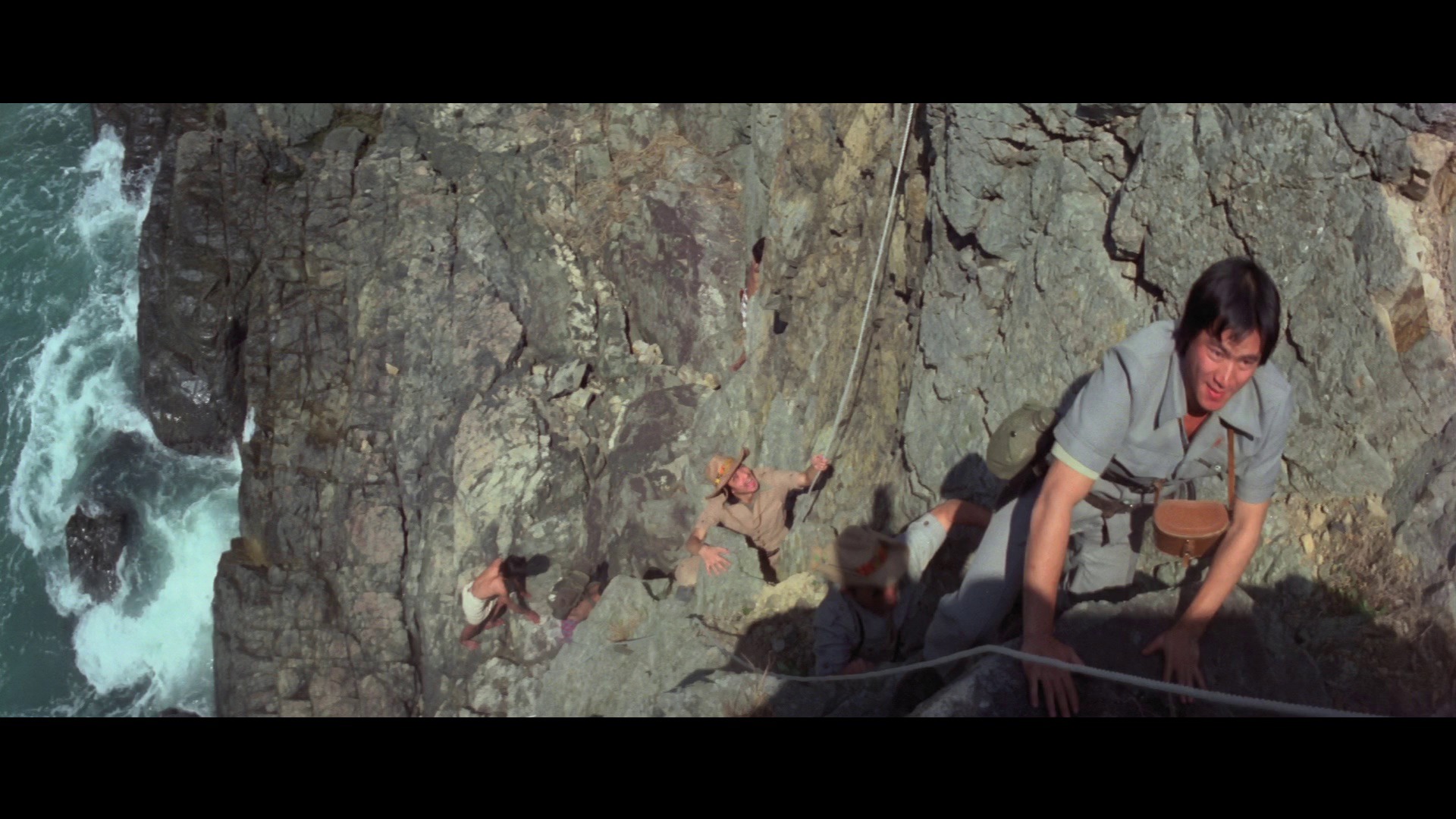
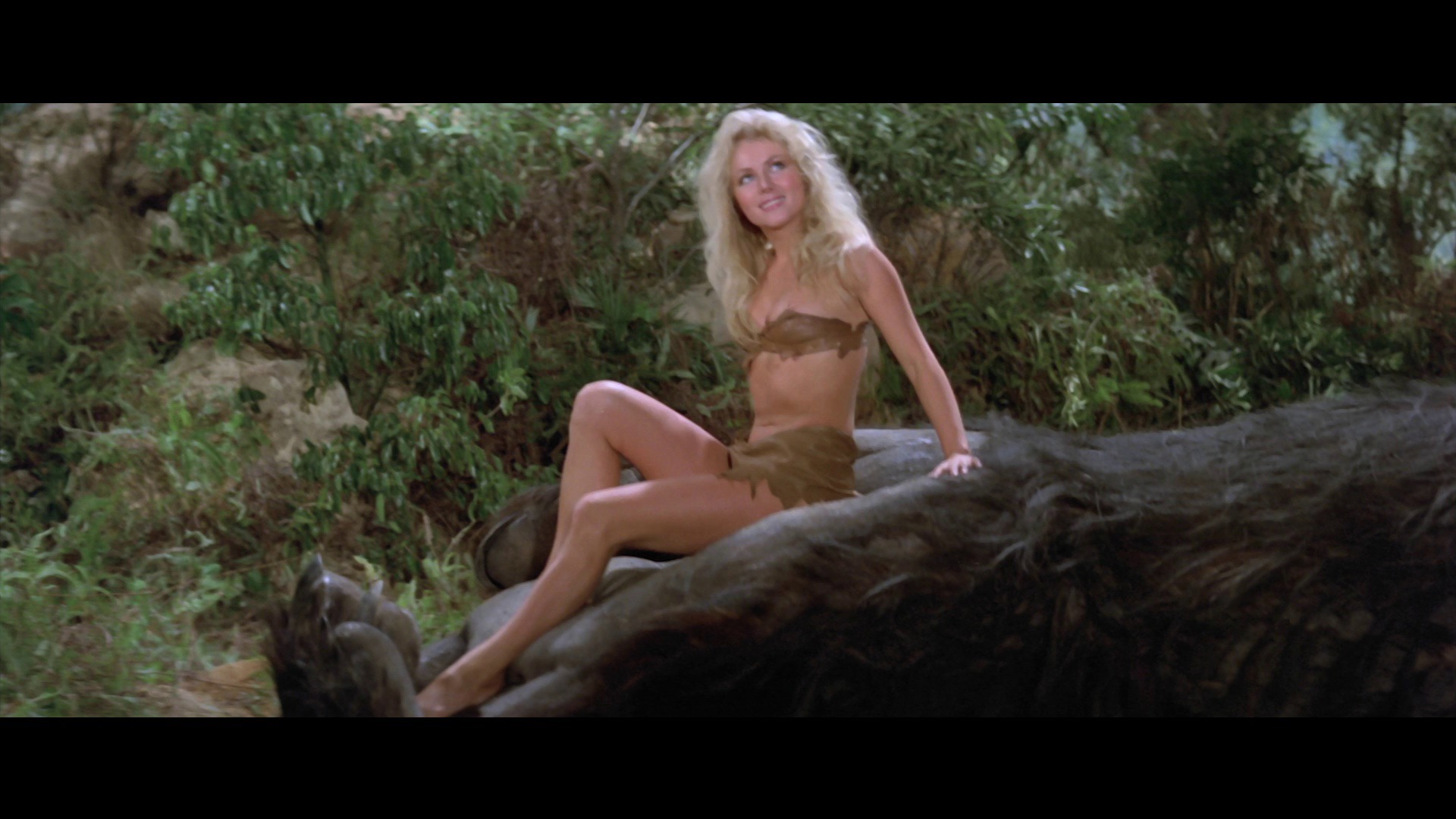
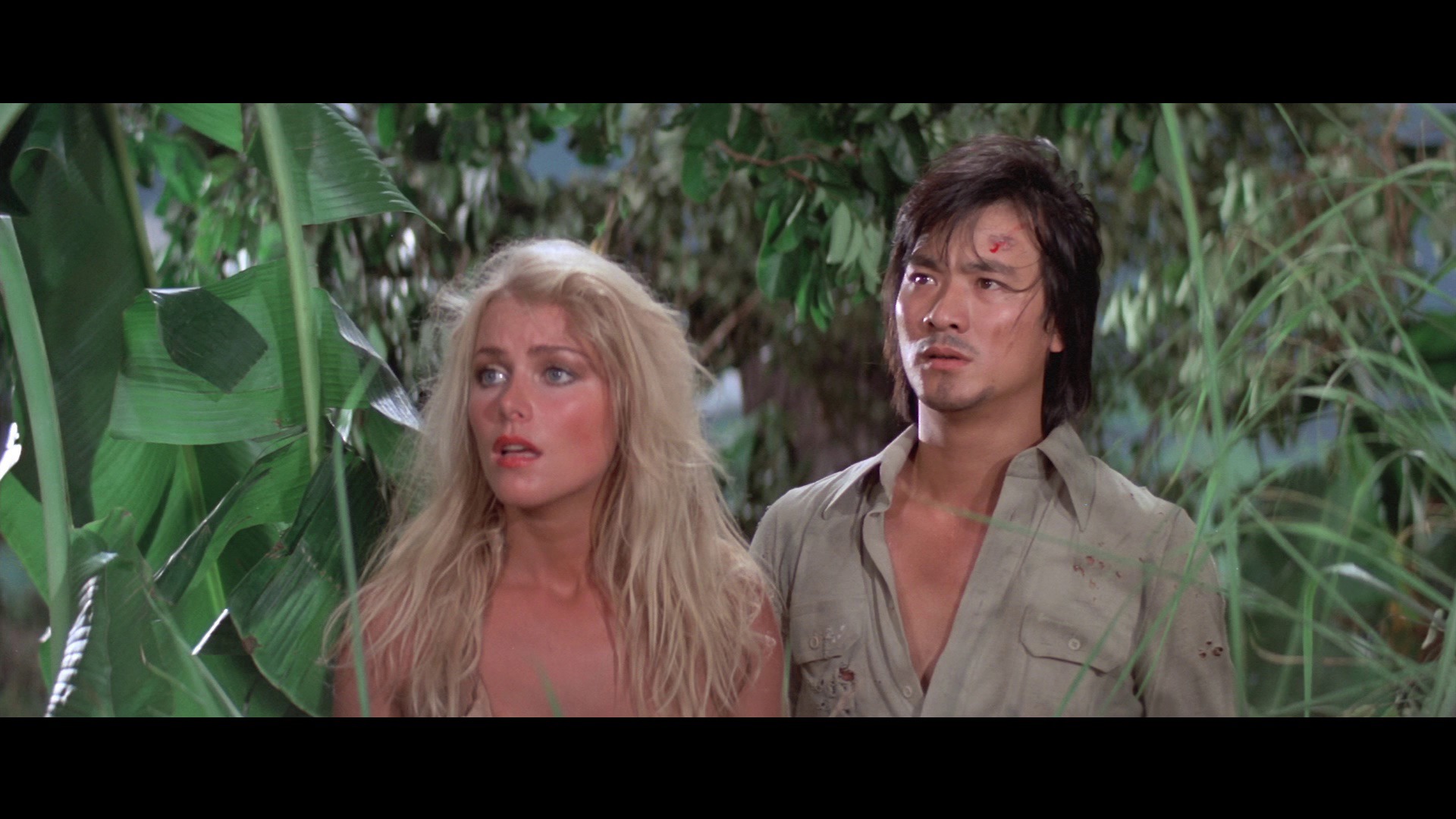
Disc four in Arrow’s box set Shawscope: Volume One presents the set’s oddest title, Ho Meng-hua's Mighty Peking Man, which is delivered here in its original aspect ratio of 2.35:1 on a dual-layer disc. The 1080p/24hz high-definition encode has been sourced from a restoration performed by Celestial Pictures.
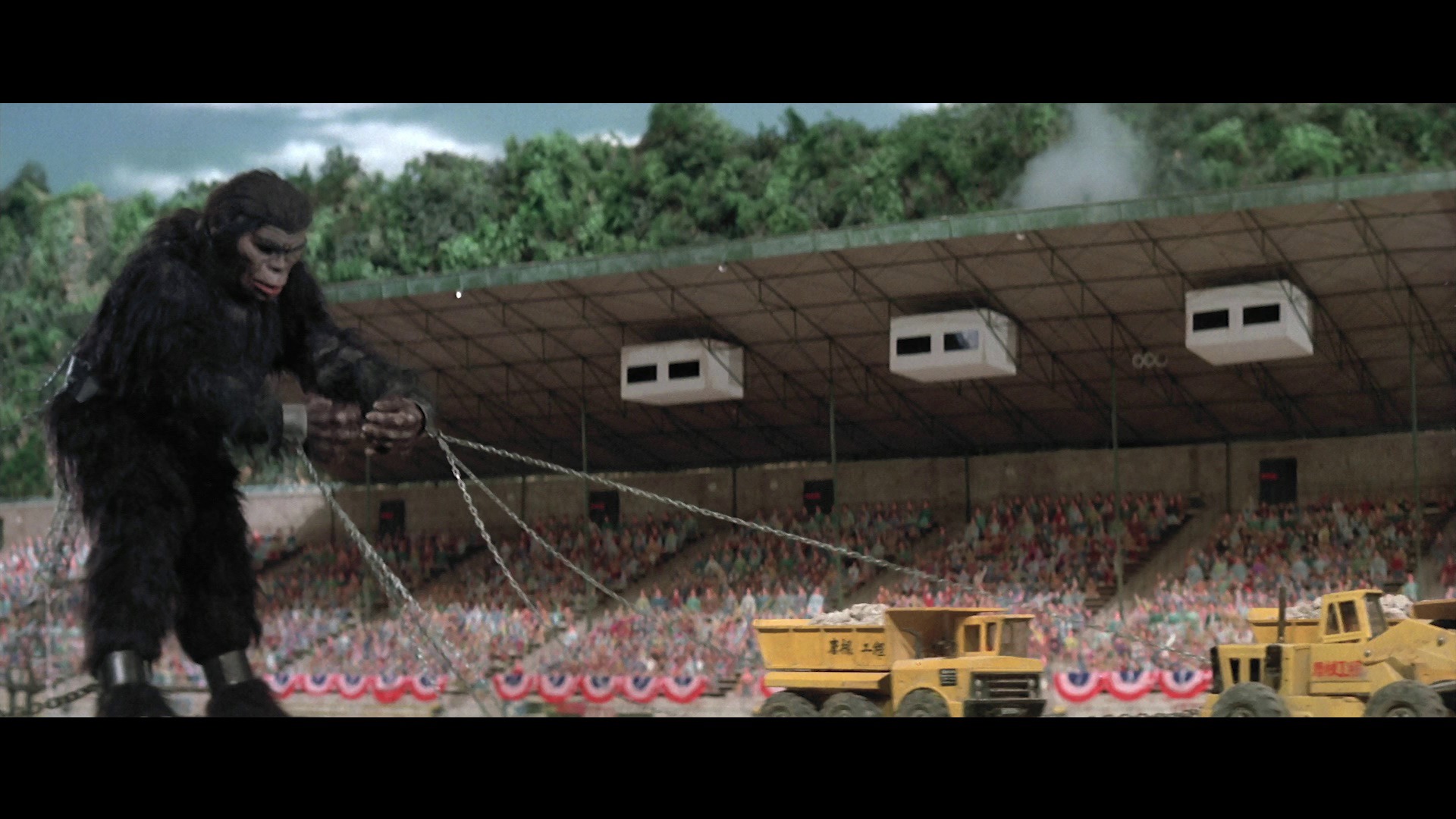
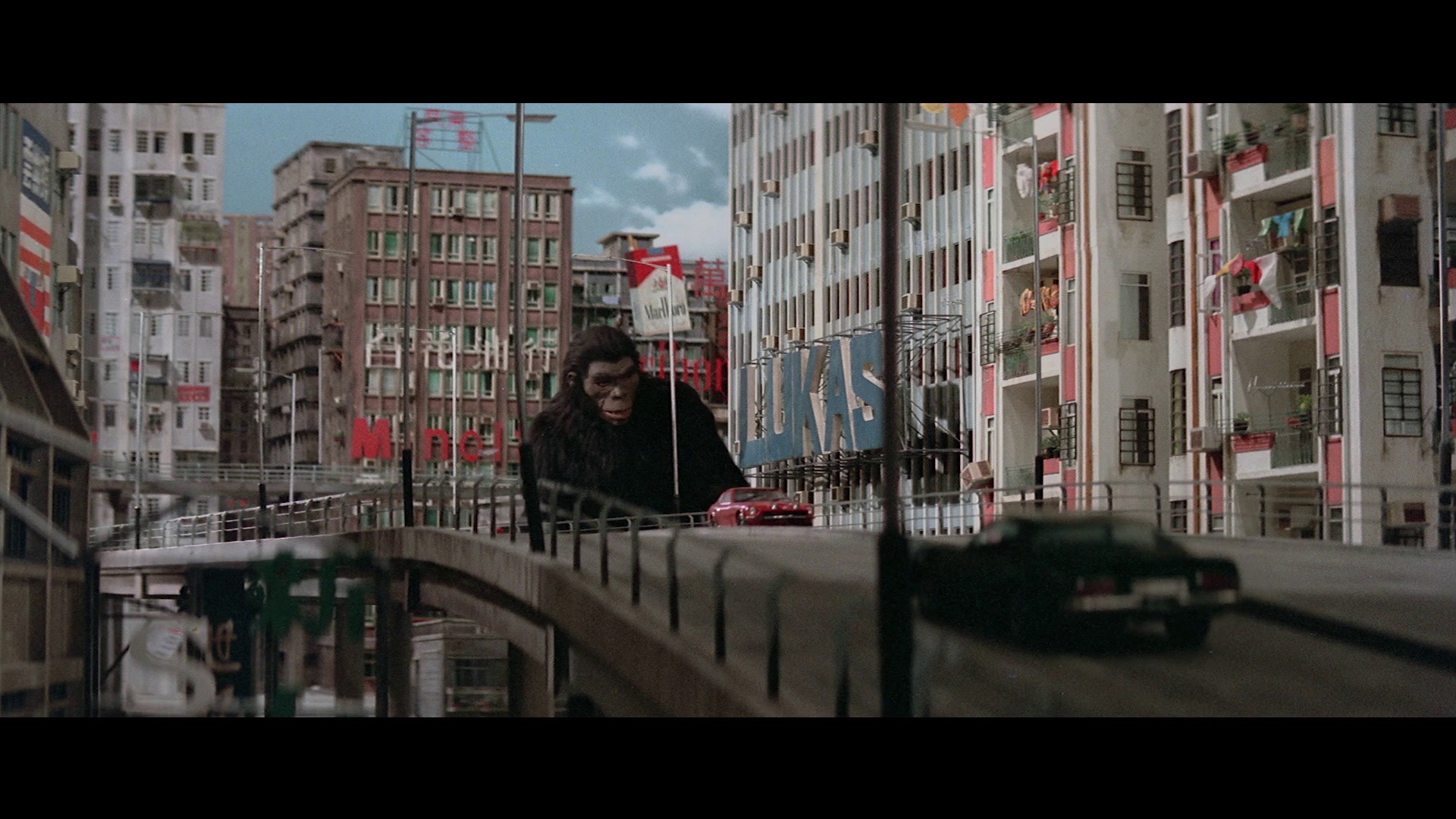
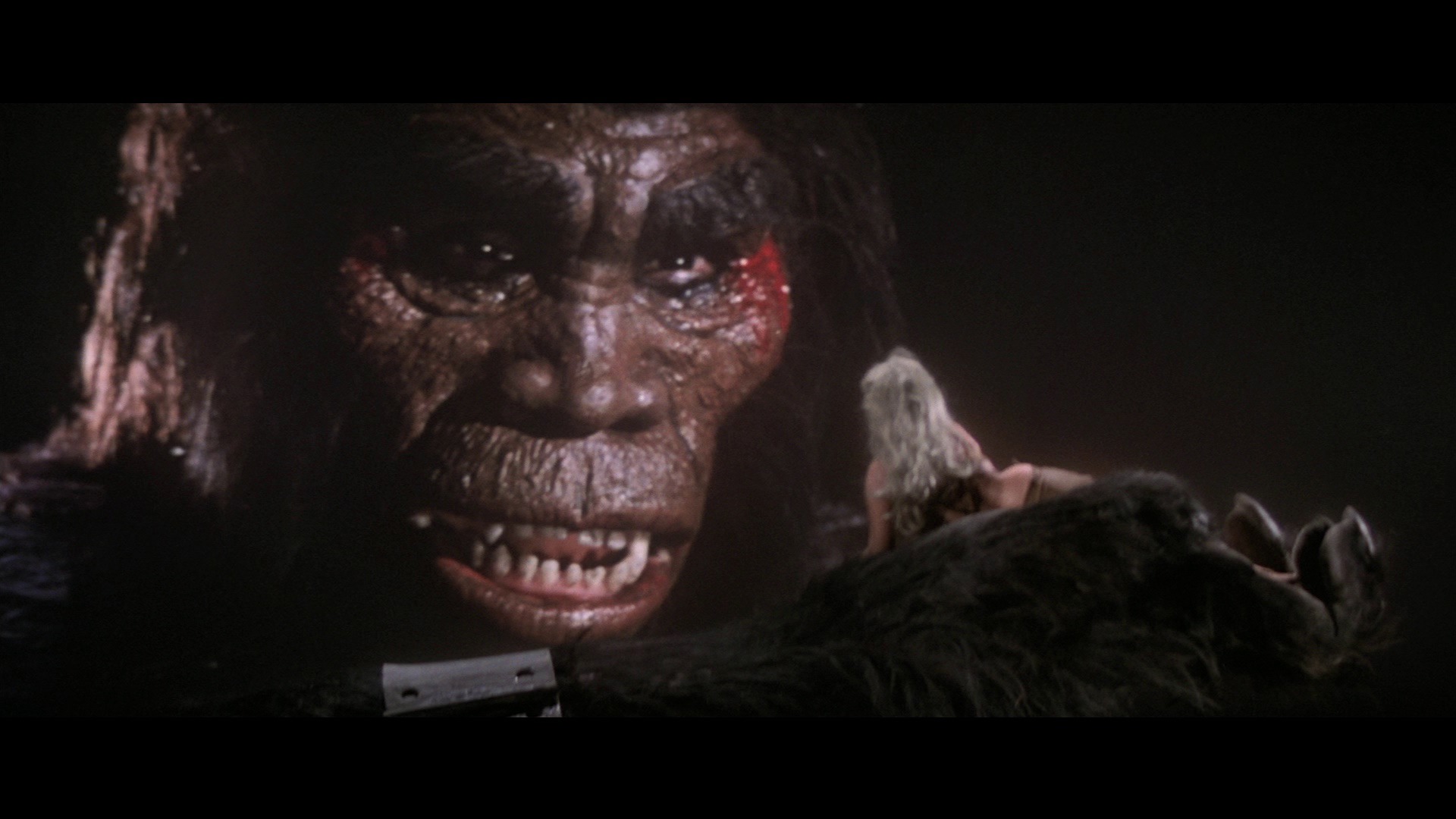
Sadly, this is another title that is making use of an older restoration and master, one that was more than likely created in the early 2000’s, and it’s one of the weaker presentations in the set. It has a textureless appearance, grain obviously managed and scrubbed away throughout, leaving blocky patterns and banding artifacts behind. The restoration looks to have removed most signs of damage, and I was fairly impressed with that, but it appears to have been at the cost of losing the finer details to heavy filtering. Oddly, the restoration and de-graining efforts may have also impacted the many optical effect shots in the film, making them stand out more than they most likely would have, at least when compared to an alternate presentation found on this release (which will be touched on in the supplements portion).
Colours are okay but do have a boosted appearance that ends up further enhancing that digital look, and it’s clear this restoration was made with DVD more in mind. In the end it is what it is and will get the job done but compared to the newer restorations in the set this is a rather significant step down.
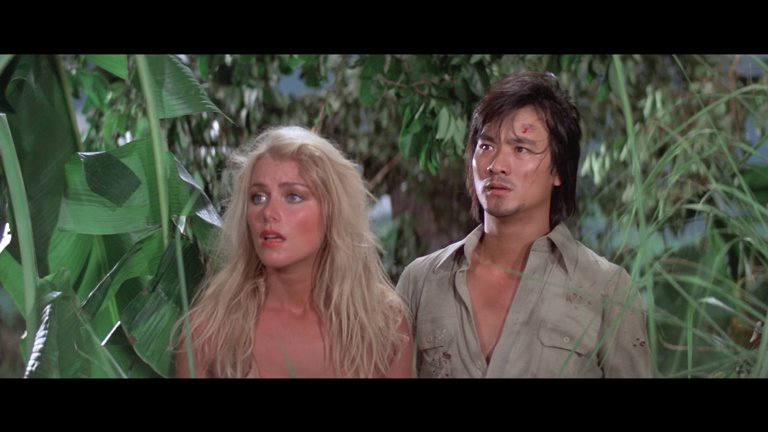
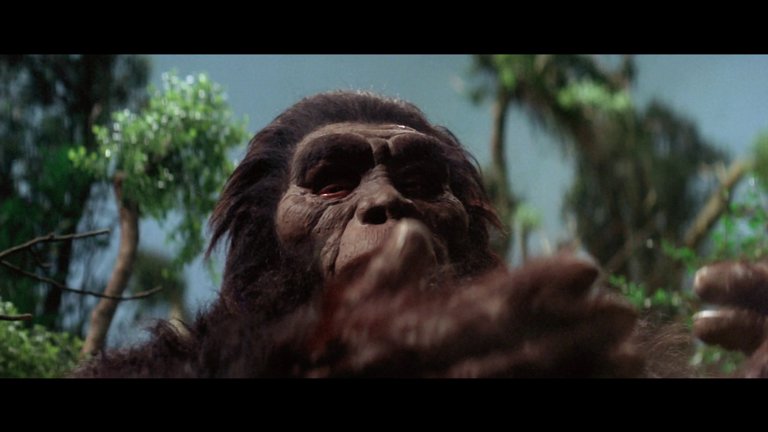
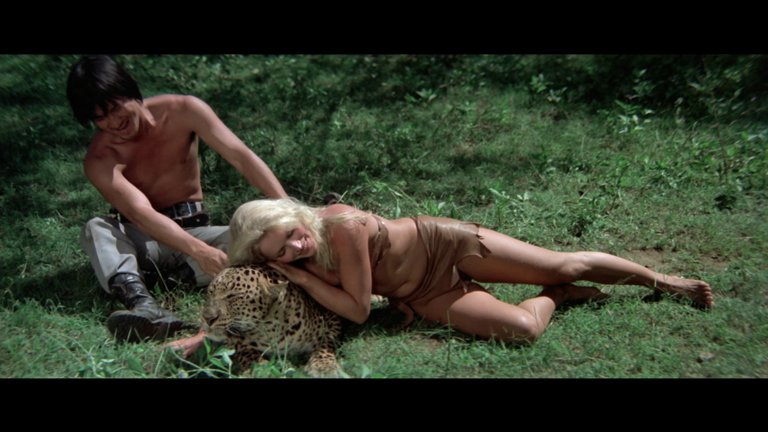
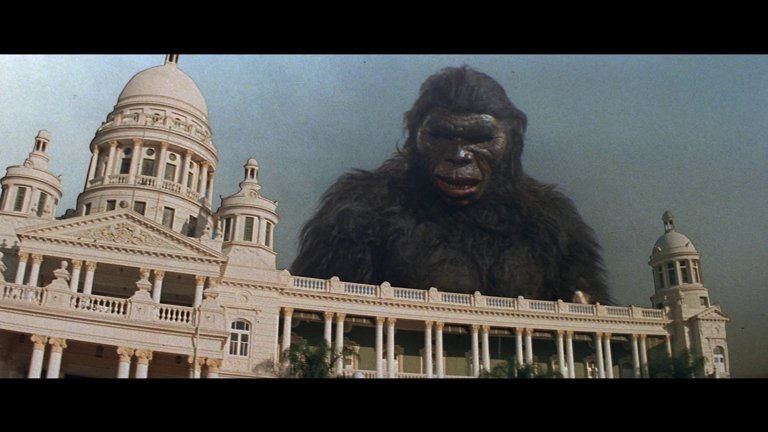
Shawscope: Volume One - Screen Captures
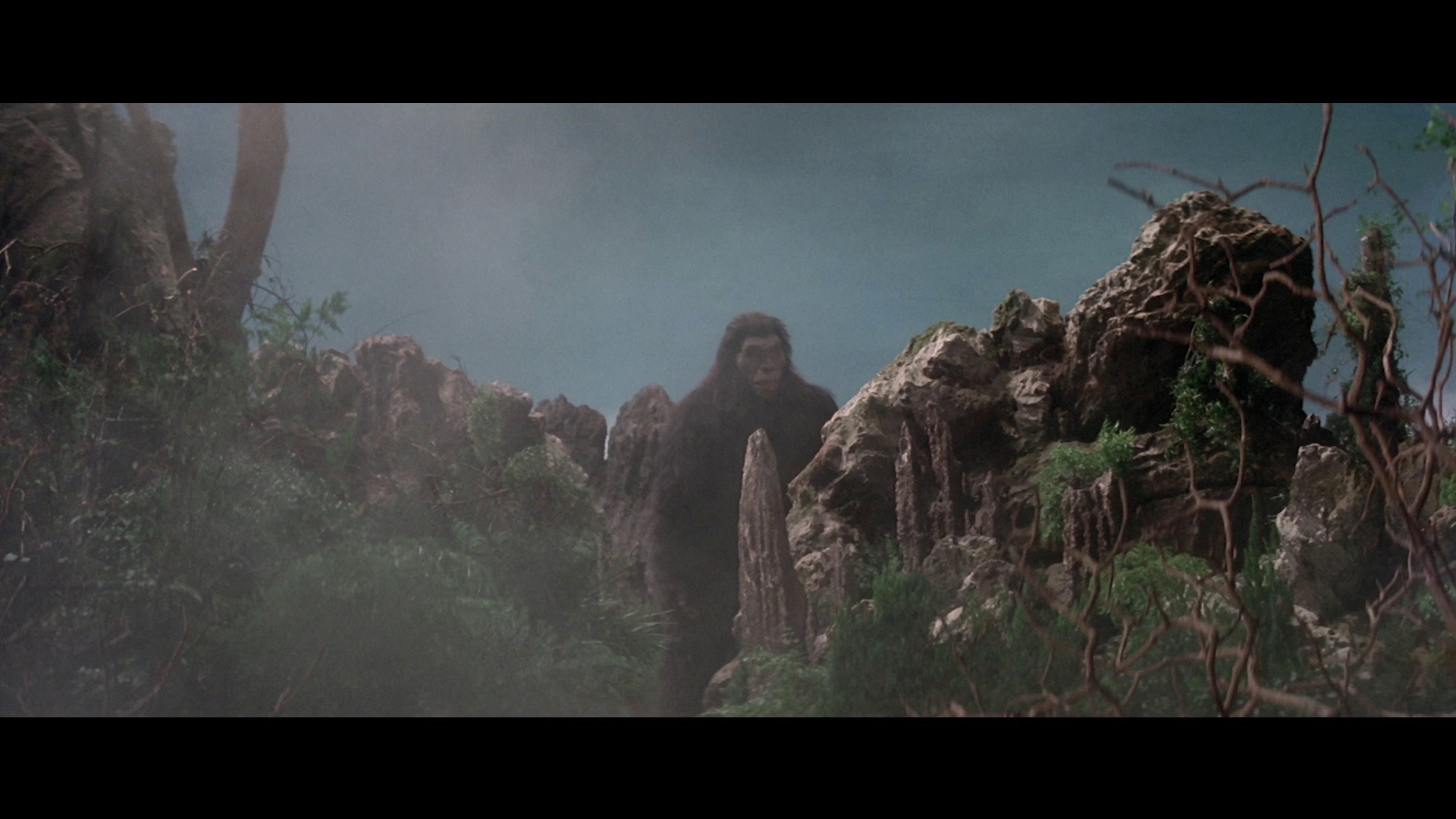
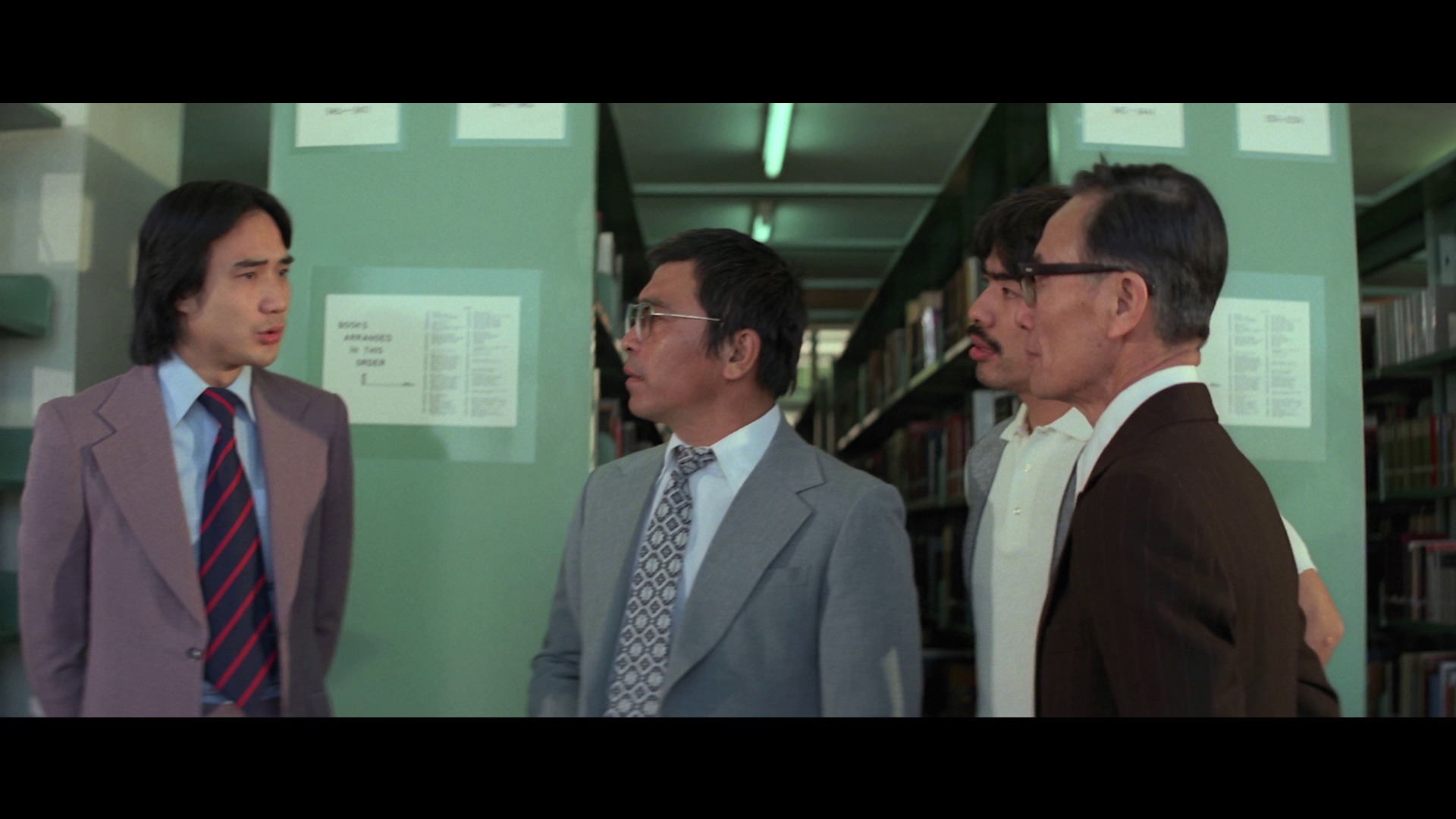
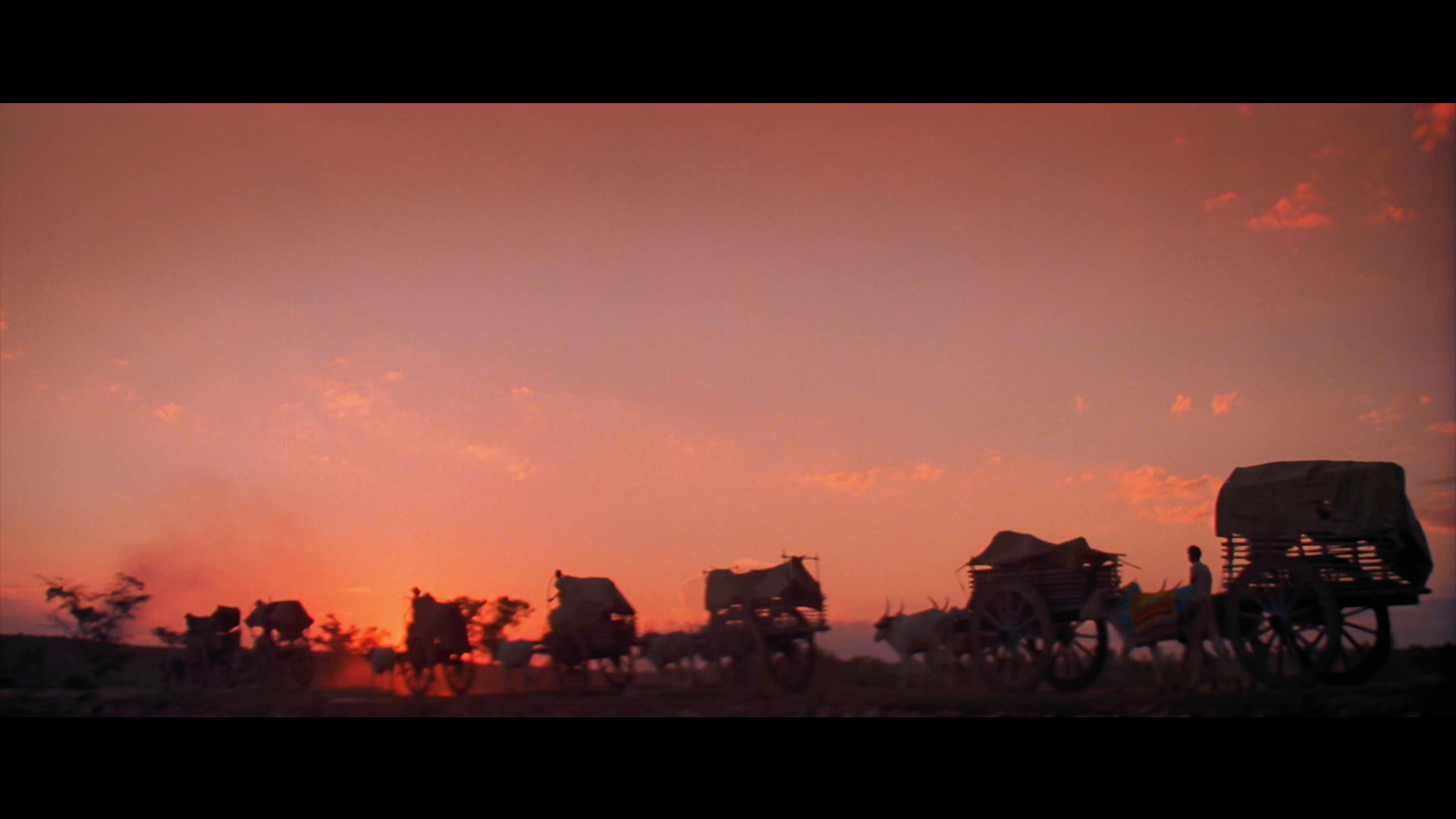
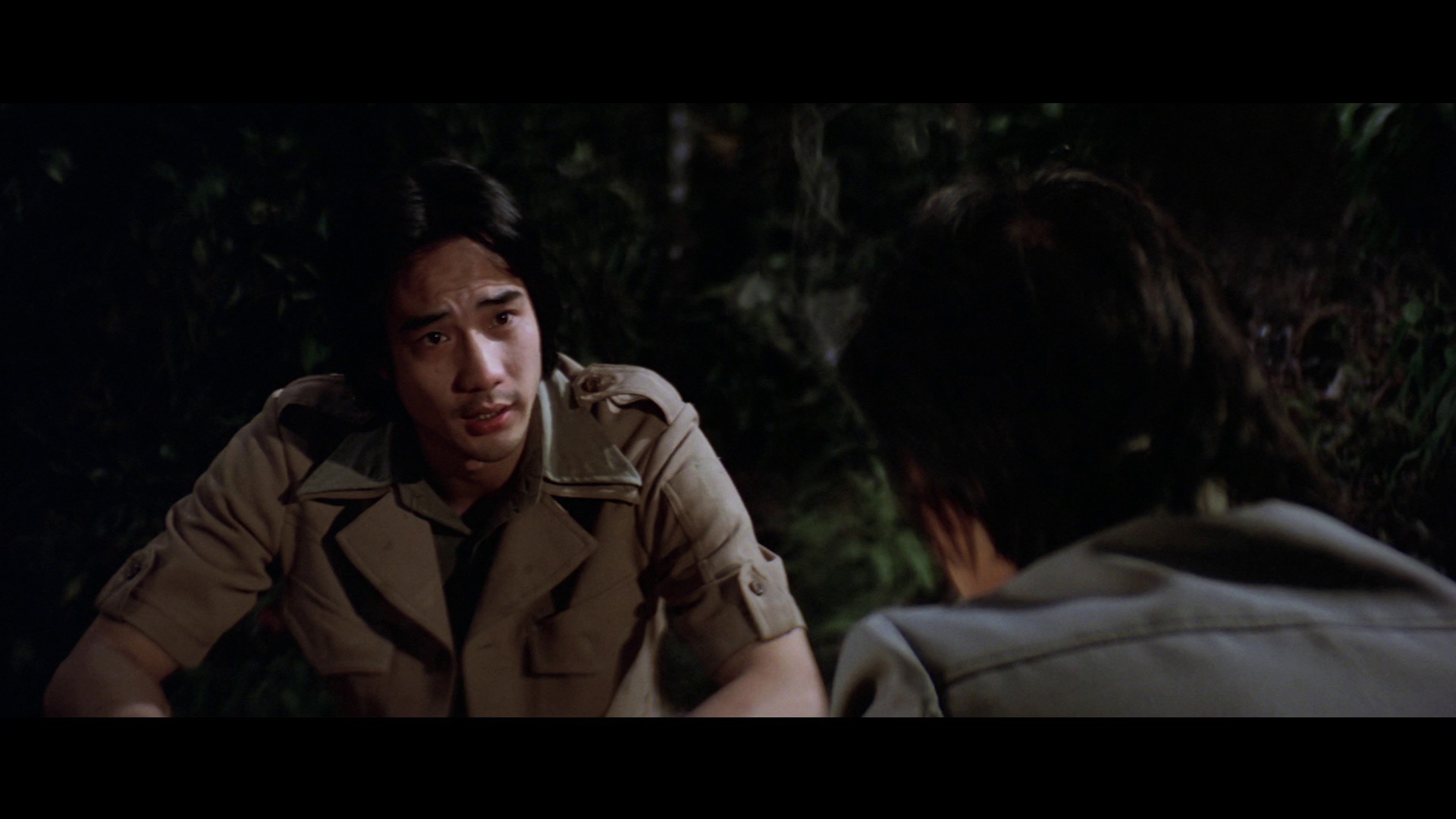
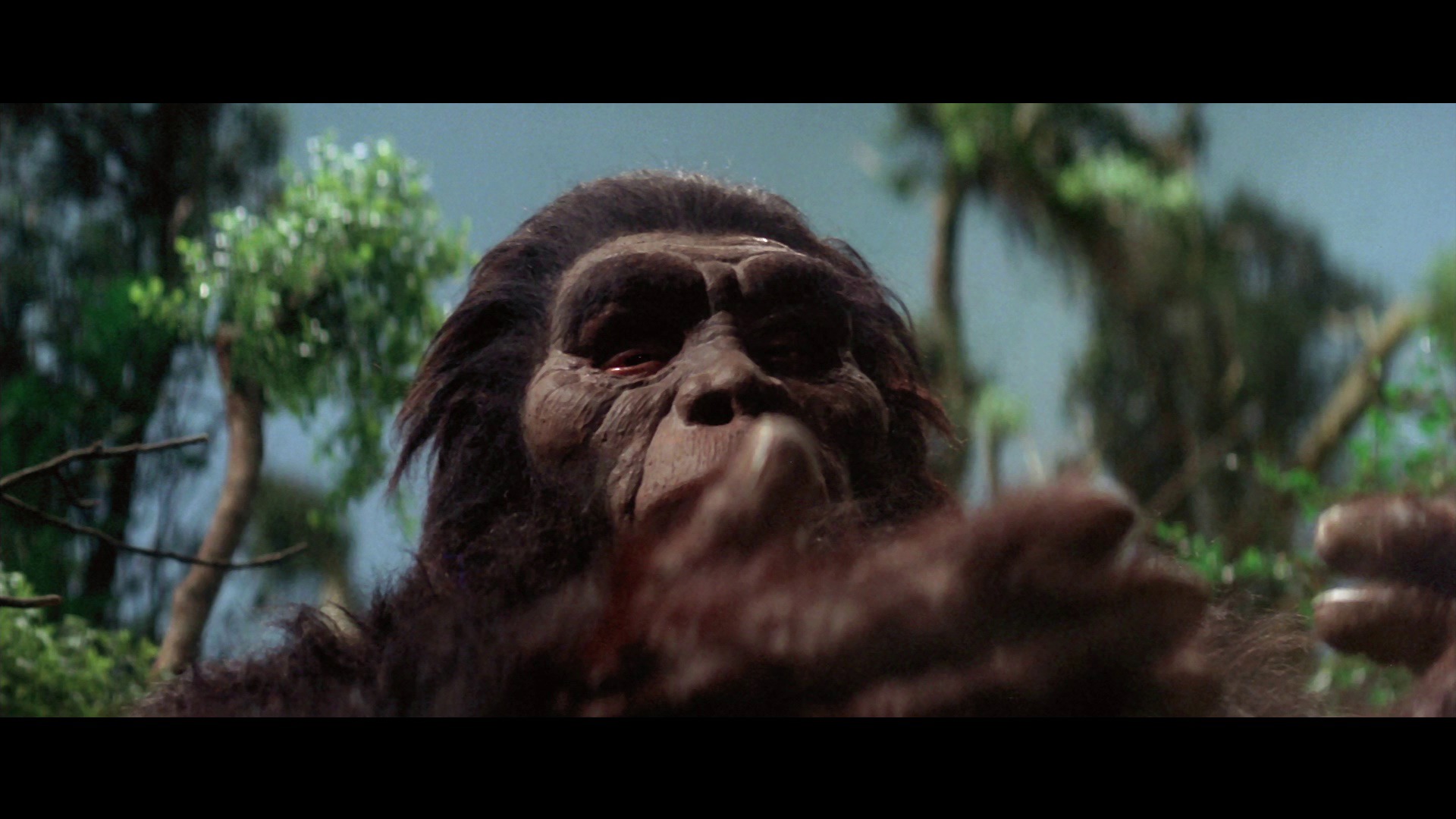
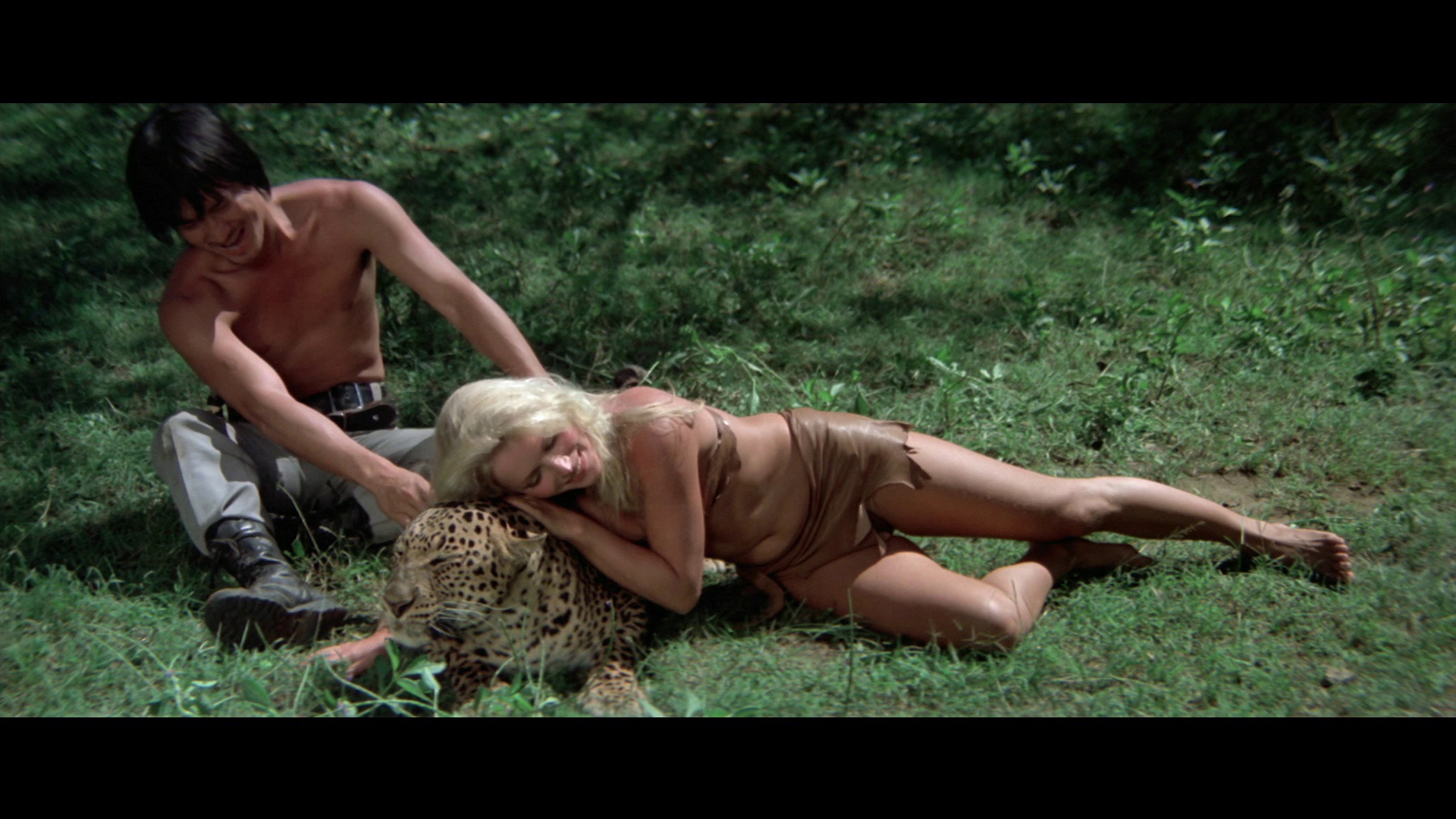
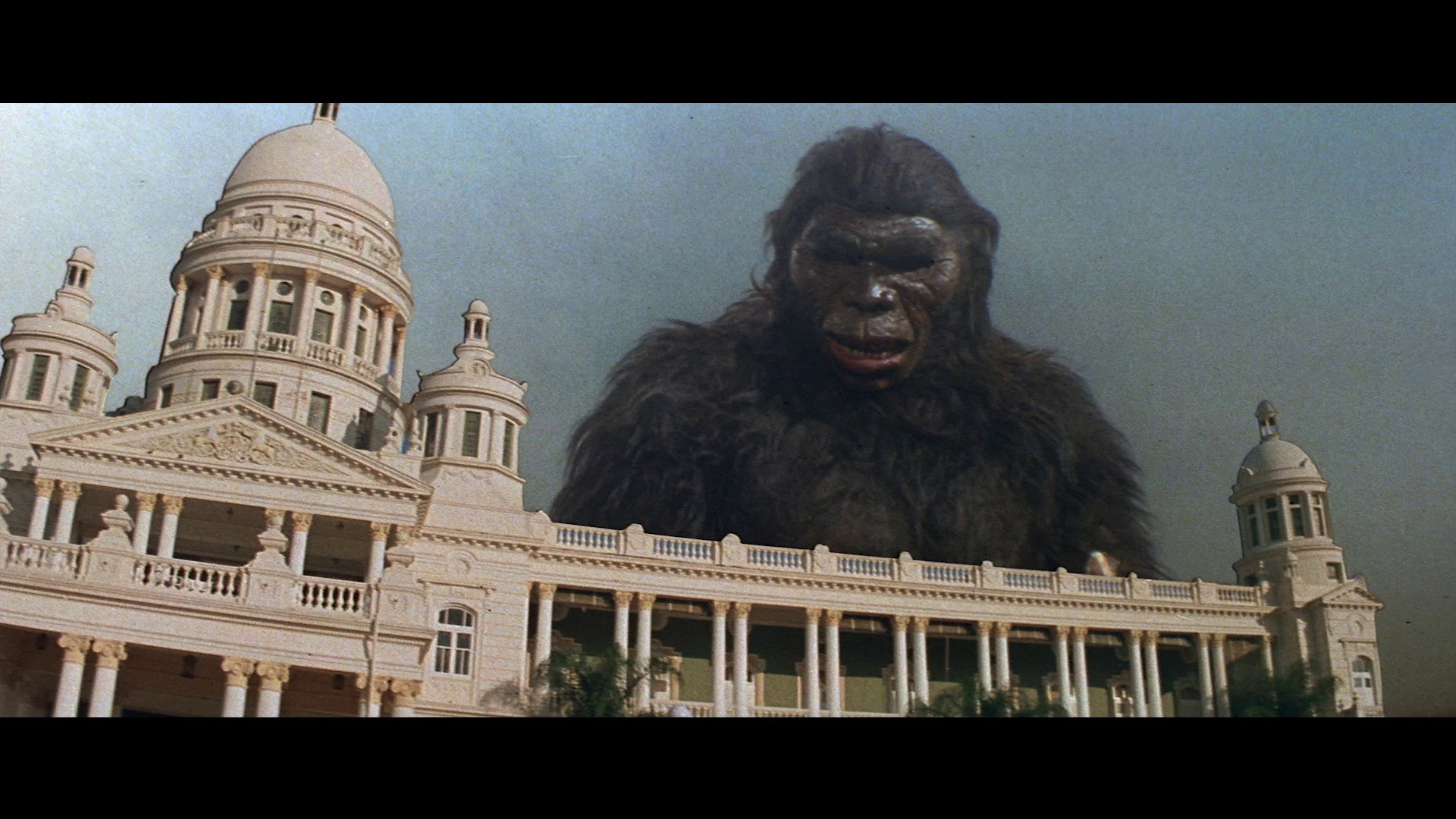
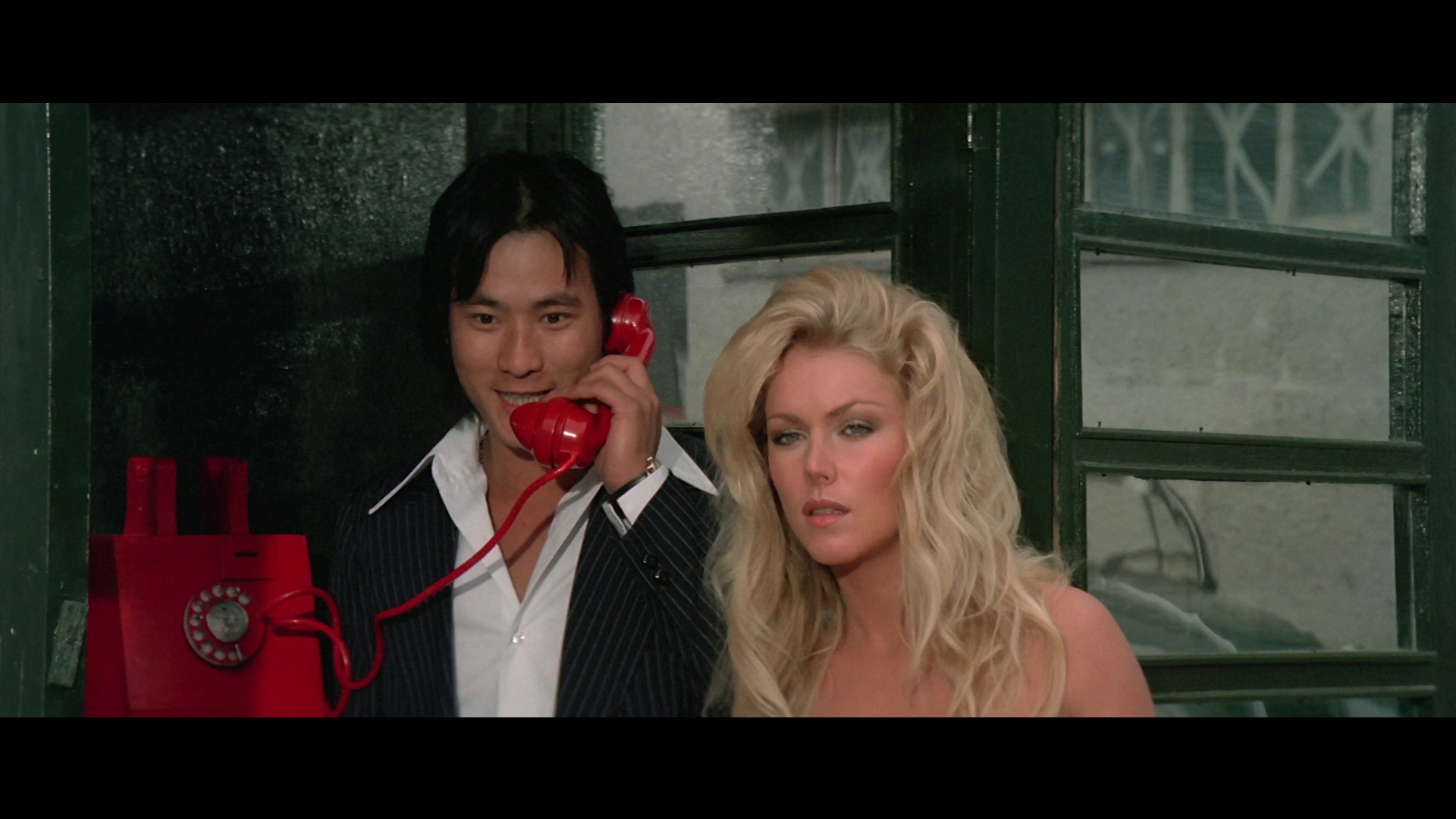
Audio 6/10
As with most other films in the set, Mighty Peking Man comes with two monaural DTS-HD MA soundtracks, one in Mandarin, the other in English. Surprisingly (again) they don’t come off sounding too bad, the Mandarin one maybe inching out the English in regards to overall sharpness and clarity. Both are clean and feature a decent level of range. Things can get slightly edgy during louder moments, and there’s still a mild hollowness to voices (more than likely a byproduct of the obvious dubbing in both cases) but I was expecting a tinny, distorted mess, so those are minor issues when all is said and done.
Extras 8/10
Easily the oddest film in the set, Mighty Peking Man also comes with one of the bigger selection of features in the set, starting with a new audio commentary recorded by Travis Crawford. Though Crawford will point out the film’s many weaknesses and obvious problems it’s clear he still greatly enjoys the film and jumps at its defense when needed, especially lambasting elements like The Golden Turkey Awards putting the film down. But the track isn’t just a defense of the film, Crawford also getting into its rather intriguing production history, from how it started out as a Hong Kong take on King Kong that had to change course when Shaw couldn’t get the rights, to Shaw's collaboration with an Indian production company, to its choices in casting, which includes lots of detail around Evelyne Kraft. He also gets into its eventual rediscovery through Quentin Tarantino’s Rolling Thunder Pictures’ series of DVDs (and theatrical releases) and its status today. The track didn’t really win me over to the film in any sort of way, but I liked that I could sense his joy in talking about it and that does carry through.
Arrow also includes a number of interviews including a new one with creature-suit designer Keizo Murase, who speaks for 19-minutes about his involvement in the film after having done some work on Toho’s Godzilla films. He covers a few specific sequences, including the tractor scene at the stadium and then film’s climactic sequence, explaining the model work that went into them. It’s an entertaining interview, though I can’t say any of it proved too surprising.
Arrow also digs up a couple of archival interviews filmed for previous releases by Frédéric Ambroisine, including one with director Ho Meng-hua, running 24-minutes, and another with actor Ku Feng, running 7-minutes. Ku’s contribution isn’t terribly insightful, just sharing his general experience, but Ho’s proves quite good, the filmmaker talking about his career at Shaw, which includes this film and the series related to The Monkey Goes West, one I confess I’m not familiar with. As with other archival interviews found in the set, Ho also gets a little bit into Shaw contracts.
Arrow also provides around 28-minutes’ worth of Super 8 behind-the-scenes footage, which shows footage around some of the destruction sequences alongside a footage providing a closer look at the model work. The disc also features an unrestored version of the film, included here, according to Arrow’s notes, “for posterity.” Upscaled from a standard-def master (I assume the same one used for the Miramax DVD), this presentation manages to retain the grain structure of the fil,, though it’s heavily compressed and blocky, while the colours don’t look to be as boosted as what the high-def version offers. Interestingly, I found the optical effects blended in better with the footage here, even if the seams are still clear. I only sampled about 40-minutes of this version, skipping through, but I can’t say I noticed any differences to the edit.
Arrow then throws in the alternate American opening titles for the film, Goliathon, along with the alternate titles for the TV version, which edits them over the opening. There is then a gallery featuring a decent selection of photos (some autographed), posters, VHS and DVD art (including the Rolling Thunder DVD) and then some German material. The disc also includes trailers from Hong Kong, Germany, Denmark, and the United States, as well a TV spot, the American re-release trailer, and a digital copy trailer.
Ultimately, I found the material here more interesting to go through than the actual film. The only thing I was disappointed by was the lack of Tony Rayns popping up to talk about the film.
Closing
The supplements were enjoyable to go through, but the presentation is a filtered disappointment.
BUY AT: